
The Legacy of Women in Ancient Indian Temples: Guardians of Sacred Spaces

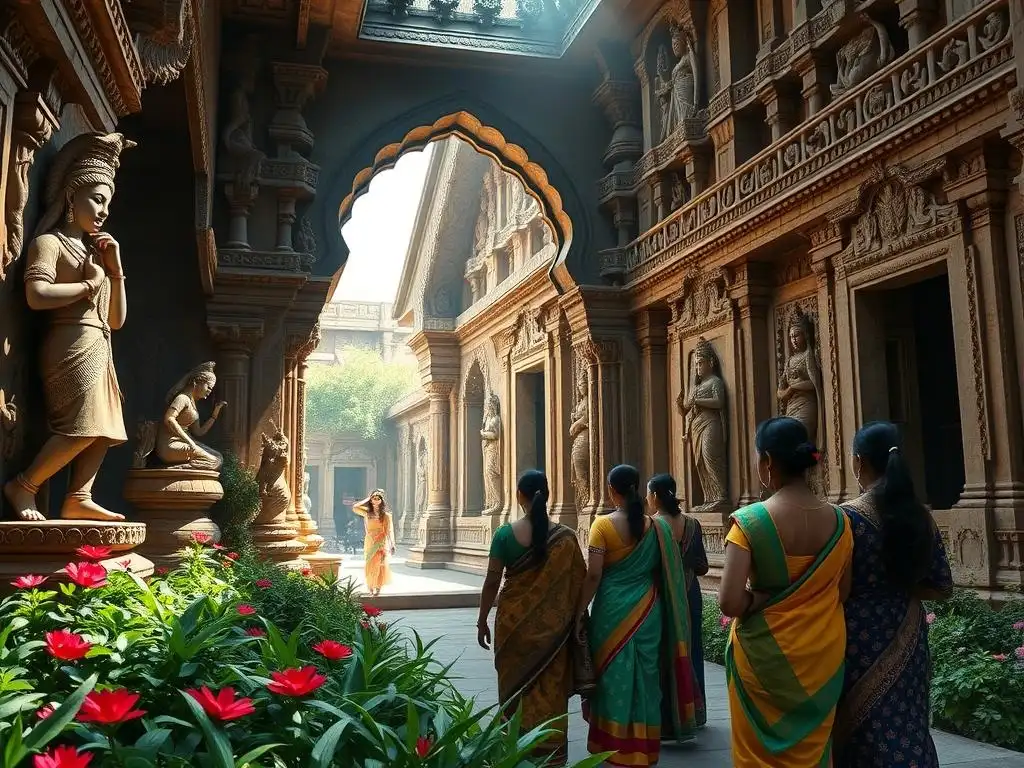
Welcome to Ancient India History, where we embark on a fascinating journey through the vibrant tapestry of ancient Indian civilizations. Delve into the profound impact of women in sacred spaces as we explore our featured article, "The Legacy of Women in Ancient Indian Temples: Guardians of Sacred Spaces." Discover how these remarkable women shaped not only the spiritual landscape but also the cultural fabric of their time.
Prepare to be captivated by their stories and contributions, as we invite you to uncover the intricate roles they played in the temples of yore. Join us in this exploration, and let the echoes of the past inspire your understanding of history!
Introduction to Women in Ancient Indian Temples
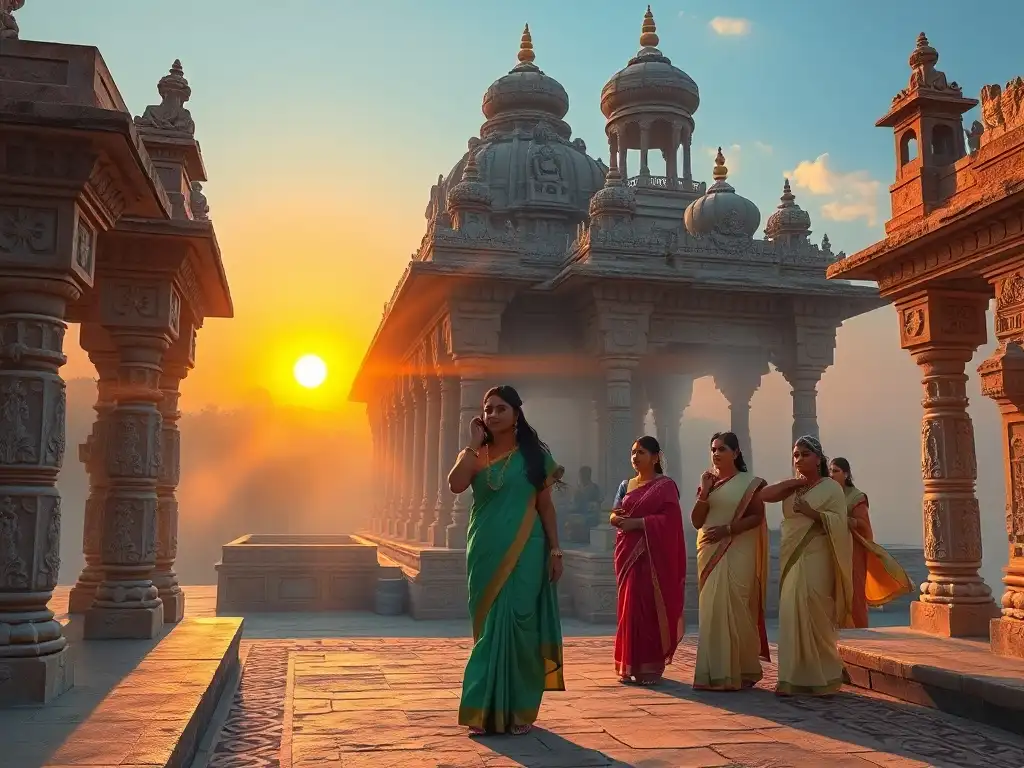
The legacy of women in ancient Indian temples is a testament to their significant contributions in shaping the spiritual and cultural landscape of India. These sacred spaces, often regarded as the embodiment of divine power, were not merely places of worship but also centers of community life where women played essential roles as caretakers, artists, and spiritual leaders.
From the majestic temples of the Indus Valley Civilization to the intricate structures of the Gupta Empire, the involvement of women in temple activities highlights their multifaceted influence in ancient society. This article aims to explore the vital roles women held within these sacred spaces, emphasizing their guardianship and the ways in which they contributed to the religious and cultural heritage of ancient India.
Overview of Women's Roles in Ancient Indian Society
In ancient Indian society, women's roles were complex and varied, influenced by social, economic, and religious factors. They were integral to family structures and community life, often serving as the primary educators of children and custodians of cultural values. Women's participation extended beyond domestic duties to include religious practices, where they engaged in rituals, festivals, and temple activities.
- Spiritual Roles: Women often acted as priestesses, offering prayers and performing rituals that were crucial for maintaining the spiritual health of their communities.
- Artistic Contributions: Many women were skilled artisans, contributing to the intricate sculptures and frescoes that adorned temples, thereby preserving cultural narratives through art.
- Patronage: Wealthy women and queens frequently provided financial support for temple construction and maintenance, thus ensuring the longevity of sacred spaces.
Significance of Temples in Ancient Indian Culture
Temples in ancient India were more than just places of worship; they were cultural hubs that fostered community engagement and spiritual growth. Their significance is reflected in various aspects:
- Cultural Identity: Temples served as symbols of regional and cultural identity, showcasing local traditions and deities.
- Community Centers: They acted as gathering places where festivals, rituals, and communal activities took place, reinforcing social bonds among community members.
- Educational Institutions: Many temples functioned as centers for learning, where philosophy, arts, and sciences were taught, often with women participating as both educators and students.
Historical Context of Women in Ancient Indian Temples
Understanding the historical context of women in ancient Indian temples requires examining the evolution of these sacred spaces and their changing roles over different eras.
The Evolution of Temples in Ancient India
The architectural evolution of temples from simple structures to elaborate complexes reflects the changing religious practices and societal norms. Early temples, such as those from the Indus Valley, were often small and functional. As time progressed, especially during the Maurya and Gupta periods, temples became grander and more intricate, showcasing advanced architectural techniques and artistry. This evolution also marked a shift in women's roles within these spaces, as they began to take on more prominent positions in temple administration and rituals.
Key Historical Periods and Their Influence on Women's Roles
Several key historical periods in ancient India significantly influenced women's roles in temples:
- Indus Valley Civilization (circa 3300–1300 BCE): Evidence suggests women's involvement in religious practices and possibly as priestesses.
- Maurya Empire (322–185 BCE): The rise of Buddhism and Jainism saw increased recognition of women in religious spaces.
- Gupta Empire (circa 240–550 CE): This period marked a flourishing of temple architecture and the arts, with women playing vital roles as patrons and artists.
As we delve deeper into this article, we will explore these themes further, highlighting the indelible mark women left on the sacred spaces of ancient India.
The Multifaceted Roles of Women in Temples
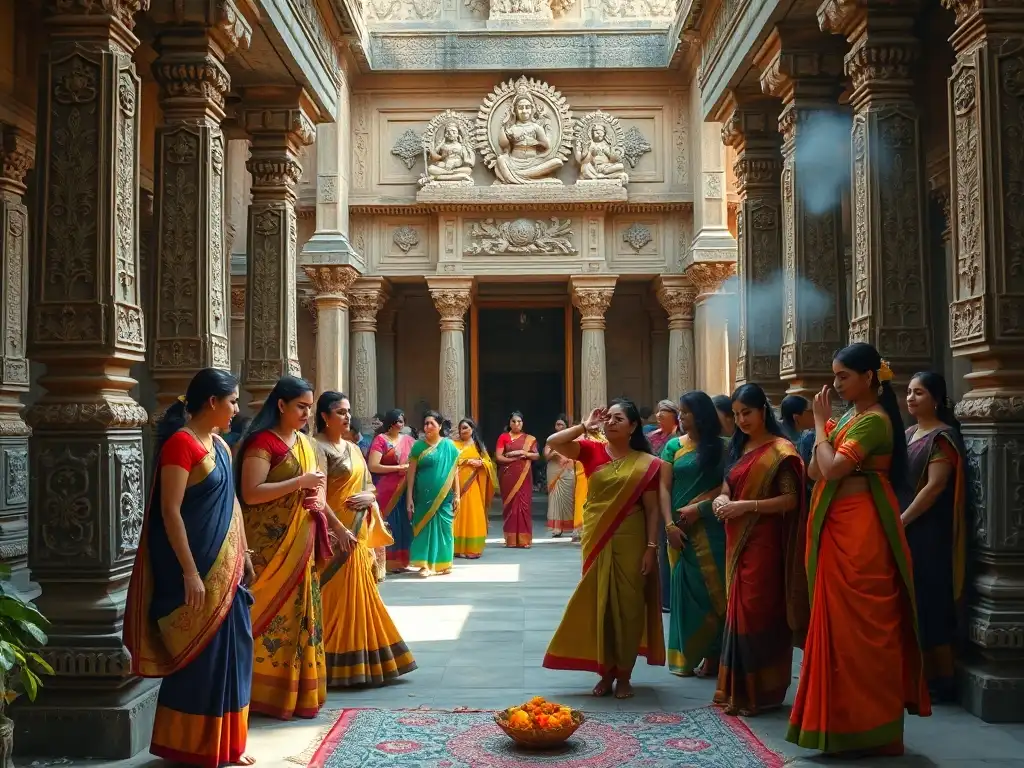
Women in ancient Indian temples played a crucial role that extended beyond mere participation in religious activities; they were integral to the very fabric of temple life. Their contributions were multifaceted, encompassing roles as devotees, ritual participants, spiritual leaders, and even creators of art and architecture. As custodians of sacred spaces, women shaped the spiritual and cultural landscape of their communities, ensuring the continuity of religious practices and beliefs.
In many instances, temples served as centers of social life, and women’s involvement was essential. They not only engaged in worship but also facilitated various ceremonies, festivals, and communal activities. Their presence and participation in temple activities were vital for fostering a sense of community and belonging among worshippers, making them essential to the temple's vibrancy and relevance.
Women as Devotees and Participants in Rituals
Women were active participants in rituals and ceremonies within ancient Indian temples, often regarded as the primary custodians of familial and community religious practices. Their involvement ranged from everyday offerings to participation in significant festivals that marked the seasonal and agricultural cycles.
In many temple traditions, women performed specific rituals that were believed to bring prosperity and well-being to their households. They prepared offerings, chanted mantras, and conducted pujas (worship rituals), showcasing their deep spiritual commitment. This active participation not only reinforced their roles within the family and community but also highlighted their spiritual significance in maintaining religious traditions.
Moreover, the presence of women in temples during major festivals created a festive atmosphere, where they would gather to celebrate, pray, and perform traditional dances and songs. These gatherings were not just religious expressions but also social events that strengthened community bonds.
In a society often dominated by male authority, the presence of female priests in ancient Indian temples challenges conventional narratives about gender roles in religious practices. Female priests, known as pujarinis, held significant spiritual authority, conducting rituals and managing temple affairs.
Their roles varied across different regions and sects, but they were often responsible for maintaining the sanctity of the temple space, performing daily rituals, and overseeing festivals. Some temples even had female priests who specialized in particular deities, indicating a recognition of their spiritual expertise.
The existence of female priests signifies an important aspect of gender dynamics in ancient Indian religious practices. It illustrates that women were not merely passive recipients of religious traditions but were actively involved in shaping and leading spiritual practices, thereby influencing the religious landscape of their time.
Contributions of Women as Artists and Architects in Temple Construction
Women also made significant contributions to the artistic and architectural dimensions of ancient Indian temples. They participated not just as patrons but also as artisans and architects, influencing the design and decoration of these sacred spaces.
In many cases, women were involved in the intricate art of temple sculpture and fresco painting. Historical evidence suggests that some women were skilled artisans, creating elaborate carvings that depicted deities, mythical figures, and everyday life. Their artistic expressions often conveyed rich narratives and spiritual themes, reflecting their understanding of the divine and cultural values.
Additionally, women played a role in the planning and construction of temples. While traditionally male-dominated, the involvement of women in temple projects highlights a collaborative effort that transcended gender boundaries. This contribution not only enriched the architectural heritage of ancient India but also underscored the importance of women in shaping the cultural identity of their communities.
Symbolism of Women in Ancient Indian Temple Art
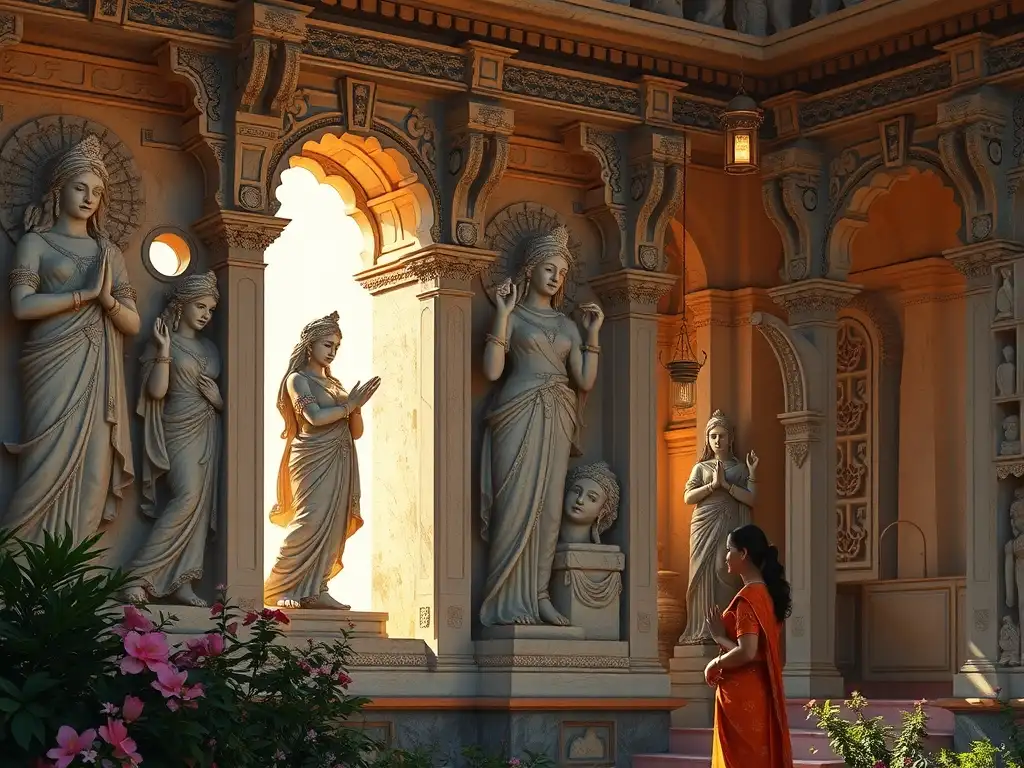
The representation of women in ancient Indian temple art is rich with symbolism and meaning, reflecting the cultural and religious values of the time. Women were often depicted in various forms, serving as both symbols of fertility and embodiments of divine qualities.
This artistic representation reveals how women were perceived in the religious context—representing not only physical beauty but also spiritual strength and nurturing qualities. The interplay of feminine energy in temple art highlights the duality of divine feminine aspects, often associated with goddesses and sacred narratives.
Depictions of Goddesses and Female Figures
In ancient Indian temples, goddesses played a central role in the pantheon of deities worshipped by the populace. Female figures, often depicted as goddesses, were celebrated for their strength, wisdom, and nurturing qualities. These portrayals not only served to honor the divine feminine but also reflected societal values regarding women’s roles in both the spiritual and domestic spheres.
Goddess figures such as Durga, Lakshmi, and Saraswati were prominently featured, symbolizing prosperity, knowledge, and power. The intricate carvings and sculptures of these deities often depicted them in dynamic poses, illustrating their active role in the cosmic order. This artistic representation served to inspire devotion among the worshippers and reinforced the significance of the feminine divine in everyday life.
The Representation of Women in Temple Sculptures and Reliefs
Beyond goddesses, the representation of women in temple sculptures and reliefs provides insight into their societal roles and status. These artworks often depicted women engaged in various activities, from domestic chores to rituals, showcasing their integral part in both sacred and secular life.
The detailed carvings on temple walls frequently illustrated scenes of women participating in ceremonies, celebrating festivals, or performing arts like dance and music. Such representations highlight not only the artistic skill of the craftsmen but also the acknowledgment of women's multifaceted roles in society.
Moreover, the presence of female figures in a variety of forms—whether as attendants to deities or as representations of idealized beauty—indicates a recognition of women's importance in the cultural and religious narrative of ancient India. This artistic legacy continues to inspire and inform contemporary understandings of gender and spirituality in the region.
Women as Custodians of Sacred Knowledge
In ancient Indian temples, women played a pivotal role as custodians of sacred knowledge, acting as both preservers and transmitters of religious texts and rituals. Their involvement extended beyond mere participation; they were integral to the spiritual and educational framework of temple life. This section explores the multifaceted roles women held in the preservation of sacred traditions, their educational pursuits, and the resulting impact on temple culture.
The Role of Women in Preserving Sacred Texts and Traditions
Women in ancient Indian temples were often tasked with the preservation and recitation of sacred texts. Texts such as the Vedas, Upanishads, and various Puranas were not only studied but also memorized and orally transmitted across generations. This oral tradition was vital in a time when written texts were limited, and women served as essential links in this chain of knowledge.
Additionally, many women were involved in temple rituals, where they enacted prescribed ceremonies that required a deep understanding of the texts. Their roles were not merely passive; they actively interpreted and sometimes even contributed to the spiritual literature, such as hymns and devotional songs. This participation ensured that the sacred traditions remained vibrant and accessible, fostering a culture that respected women's contributions to spiritual life.
Education and Spiritual Training for Women in Temples
The education of women in ancient Indian temples was often holistic, blending spiritual training with practical skills. Many temples had dedicated spaces for the education of women, where they learned not only sacred texts but also music, dance, and arts associated with temple worship.
This education was crucial for their roles as priestesses, dancers, and musicians, where their performance was an expression of devotion and an essential aspect of temple rituals. Women like the Devadasis, who were integral to temple worship, received rigorous training that allowed them to embody sacred narratives through their art. Such educational frameworks empowered women, providing them with agency within the religious and cultural spheres of their communities.
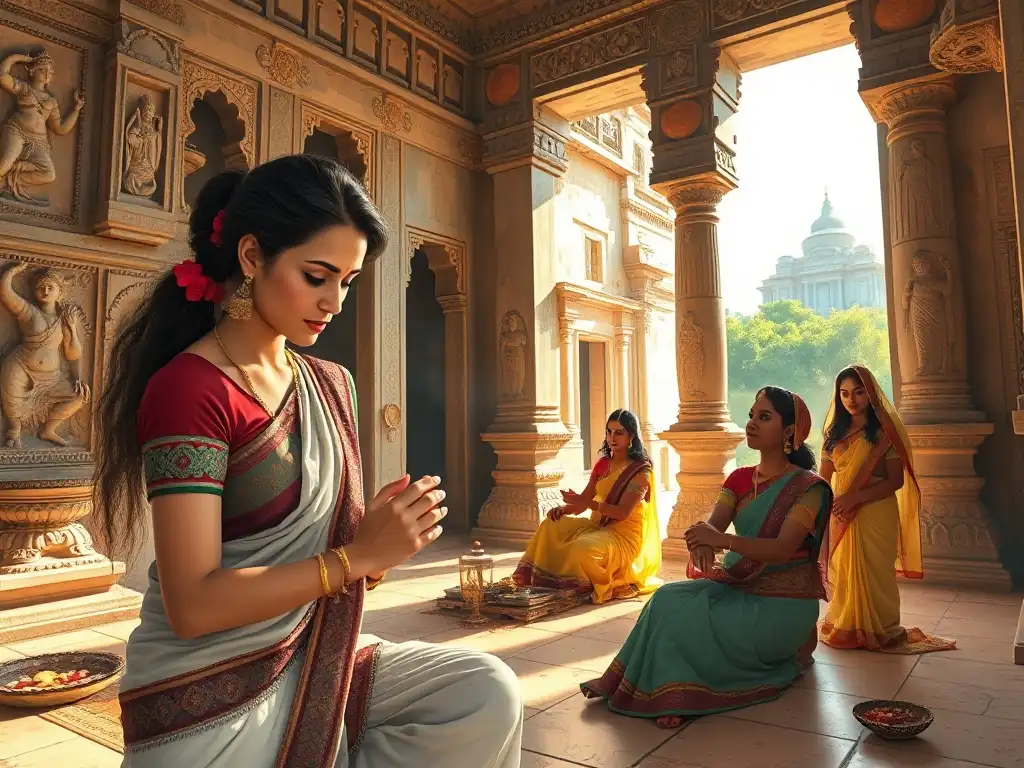
The roles of women in ancient Indian temples were significantly influenced by the prevailing social and political contexts. Over time, these factors shaped the opportunities available to women, as well as the nature of their participation in sacred spaces. Understanding these dynamics provides insight into the evolution of women's roles in religious life.
The Influence of Dynasties on Women's Roles in Temples
Various dynasties throughout Indian history, such as the Mauryas, Guptas, and Cholas, had differing policies regarding women's involvement in temples. In certain periods, royal patronage and support for temple arts led to an increase in women's roles, where they were celebrated as artists, scholars, and priestesses.
For instance, during the Gupta period, women enjoyed a relatively high status, engaging in temple ceremonies and contributing to cultural developments. However, with the rise of other dynasties, social restrictions often curtailed women's roles, confining them to more traditional and limited positions. The fluctuating nature of these influences highlights the complex relationship between political power and women's agency in sacred spaces.
The Effects of Cultural Shifts on Women's Participation in Sacred Spaces
As Indian society evolved, so too did the cultural norms surrounding women in temples. Over time, various cultural shifts, including the rise of Bhakti movements and changes in societal attitudes towards spirituality and gender, affected women's participation in religious practices.
The Bhakti movement, for example, emphasized personal devotion over ritualistic practices, allowing women to engage in spirituality outside traditional temple confines. This shift provided women with more avenues to express their spiritual beliefs and participate in community worship. However, as society became more stratified in later periods, many of these gains were rolled back, leading to a decline in women's visibility in sacred spaces.
The legacy of women in ancient Indian temples as guardians of sacred knowledge is profound. Their roles as custodians of texts, educators, and active participants in religious life underscore the importance of their contributions to the rich tapestry of ancient Indian civilization. Understanding these elements reveals not only the historical significance of women in temples but also the ongoing dialogue about gender and spirituality in contemporary society.
Case Studies: Prominent Women in Ancient Indian Temples
The role of women in ancient Indian temples extends far beyond mere participation in rituals; they were pivotal figures who contributed to the spiritual, cultural, and architectural heritage of their time. By examining specific case studies, we can uncover the multifaceted roles women played as guardians of sacred spaces, patrons of art, and spiritual leaders.
Notable Female Figures in Temple History
Throughout ancient Indian history, several women stand out for their significant contributions to temple life and spirituality. One prominent figure is Vasavadatta, a renowned patron of the arts, who is credited with the funding and construction of several temples during the Gupta period. Her influence is seen in the intricate carvings and sculptures that adorn these sacred sites, showcasing both artistic excellence and religious devotion.
Another notable figure is Brahmavadini, who is often associated with the Vedic tradition. She was known for her profound knowledge of the scriptures and her ability to interpret complex religious texts. Her presence in temple discussions and rituals helped shape the spiritual landscape of her time, highlighting the intellectual contributions of women in religious contexts.
Women like Madhavi, a temple dancer, played an essential role in the cultural vibrancy of temples. Dedicating their artistic talents to worship, they became embodiments of devotion, enriching the spiritual experiences of the temple-goers. Their performances were not merely entertainment but a form of sacred expression that connected the divine with the earthly.
The Legacy of Women in Specific Temples
Certain temples serve as excellent examples of women’s enduring legacy. The Brihadeeswarar Temple in Thanjavur features numerous inscriptions and sculptures that honor female deities and dancers, indicating the integral role women played in temple rituals and celebrations. Here, women were not only worshippers but also vital contributors to the temple’s cultural life.
The Sankat Mochan Temple in Varanasi is another case where women’s influence is evident. It is said that many female devotees have been instrumental in the temple's upkeep and community outreach, providing support to those in need and enhancing the temple's role as a center for social welfare.
Moreover, the Khajuraho Temples, famous for their intricate erotic sculptures, also highlight the prominence of women in spiritual practices. These temples depict women in various roles, from celestial nymphs to goddesses, emphasizing their significance in the divine narrative and asserting their agency in the religious sphere.
Conclusion: The Enduring Legacy of Women in Ancient Indian Temples
The legacy of women in ancient Indian temples is a testament to their resilience, creativity, and spiritual depth. As guardians of sacred spaces, they not only participated in rituals but also shaped the cultural and religious narratives of their time.
Reflection on the Contributions of Women in Religion and Philosophy
Women in ancient Indian temples were often at the forefront of religious and philosophical discussions, influencing the interpretation of sacred texts and practices. Their contributions challenged traditional gender norms and paved the way for future generations of women to engage in spiritual leadership and philosophical discourse, underscoring the importance of female voices in shaping religious thought.
The Importance of Recognizing Women's Roles in Ancient Indian History
Recognizing the roles of women in ancient Indian temples is crucial for a comprehensive understanding of Indian history. Their contributions have often been overlooked, yet they played a vital role in the spiritual, cultural, and social frameworks of their societies. By acknowledging and celebrating these contributions, we not only honor the past but also inspire future generations to appreciate the richness of women's legacies in religion and philosophy.
References and Further Reading on Women in Ancient Indian Temples
Exploring the legacy of women in ancient Indian temples unveils a rich tapestry of spiritual and cultural significance. Their roles as guardians of sacred spaces not only shaped the religious practices of their time but also influenced subsequent generations. To delve deeper into this fascinating subject, consider the following resources that provide comprehensive insights into the contributions of women in ancient India.
Suggested Books and Articles on Women’s Contributions in Ancient India
-
"Women in Ancient India" by Kumkum Roy
This book provides a scholarly examination of women's status and roles throughout various periods of ancient Indian history, focusing on their religious and cultural contributions.
-
"The Status of Women in Ancient India" by R. S. Sharma
R. S. Sharma offers an analysis of the societal framework surrounding women, particularly in religious contexts, and how these influenced temple architecture and rituals.
-
"Goddesses and Women in Ancient India" by David Kinsley
An exploration of the representation of women and goddesses in ancient Indian texts and iconography, highlighting their significance in temple worship and rituals.
-
"Women in Religion: India and Beyond" by Rita Sherma
This article discusses the multifaceted roles women played in various religious traditions, including their influence in temple settings and religious leadership.
-
"Sacred Spaces: Women and Temples in Ancient India" by S. N. Mukherjee
Mukherjee's work focuses specifically on the architectural and spiritual roles women held in temples, addressing their function as custodians of sacred spaces.
Online Resources for Further Exploration
-
Digital South Asia Library
This online repository contains a wealth of historical texts, images, and resources related to ancient Indian history, including sections dedicated to women's roles.
-
The Indian History Congress Website
A platform that provides access to papers and articles presented at the Indian History Congress, many of which focus on women's contributions in various historical contexts.
-
Women’s Studies in India: A Resource Guide
An extensive compilation of resources, including articles, websites, and databases focused on women's studies in India, providing a broader context for understanding their roles in ancient temples.
-
Online Courses on Indian History
Platforms like Coursera and edX offer courses focusing on ancient Indian history, where discussions often include the contributions of women in various realms, including religion and philosophy.
-
ResearchGate and Academia.edu
These academic networking sites host a plethora of research papers and articles authored by scholars exploring various aspects of women's history in ancient India, including their roles in temples.
By engaging with these resources, readers can gain a deeper understanding of the integral roles women played in the religious and cultural landscapes of ancient Indian temples, emphasizing their contributions as guardians of sacred spaces.
- Introduction to Women in Ancient Indian Temples
- Overview of Women's Roles in Ancient Indian Society
- Significance of Temples in Ancient Indian Culture
- Historical Context of Women in Ancient Indian Temples
- The Multifaceted Roles of Women in Temples
- Women as Devotees and Participants in Rituals
- Female Priests and Their Spiritual Authority
- Contributions of Women as Artists and Architects in Temple Construction
- Symbolism of Women in Ancient Indian Temple Art
- Depictions of Goddesses and Female Figures
- The Representation of Women in Temple Sculptures and Reliefs
- Women as Custodians of Sacred Knowledge
- The Impact of Social and Political Factors on Women in Temples
- Case Studies: Prominent Women in Ancient Indian Temples
- Conclusion: The Enduring Legacy of Women in Ancient Indian Temples
- References and Further Reading on Women in Ancient Indian Temples
- What role did women play in ancient Indian temples?
- Were women allowed to perform rituals in temples?
- How did the status of women in temples reflect broader societal views?
- What contributions did women make to ancient Indian temple art and architecture?
- How has the perception of women in temples evolved over time?
Frequently Asked Questions
What role did women play in ancient Indian temples?
Women in ancient Indian temples served as guardians of sacred spaces, participating in rituals and ceremonies, and were often involved in temple management and cultural preservation.
Were women allowed to perform rituals in temples?
Yes, women were involved in performing rituals and sometimes held significant positions, such as priestesses, which indicates their important role in spiritual practices.
How did the status of women in temples reflect broader societal views?
The status of women in temples often mirrored their social status and roles in society, showcasing both empowerment and limitations based on regional customs and historical contexts.
What contributions did women make to ancient Indian temple art and architecture?
Women contributed significantly to temple art and architecture, influencing the aesthetic designs and sculptures that celebrated femininity and showcased various aspects of divine feminine power.
How has the perception of women in temples evolved over time?
The perception of women in temples has evolved, with historical contexts showing both reverence and restrictions, leading to varied representations in modern times as society reassesses their contributions and rights.
Final Reflection: Honoring the Guardians of Sacred Spaces
The legacy of women in ancient Indian temples is not just a historical footnote; it is a powerful testament to their role as guardians of sacred spaces that shaped spiritual and cultural practices. Today, as we navigate through a world that often overlooks the contributions of women, it becomes increasingly vital to recognize and celebrate their enduring influence in these hallowed sites. The stories of these women remind us that their strength and devotion were foundational to the spiritual fabric of society, a striking reminder of the power of female agency in shaping history.
The impact of women in ancient Indian temples resonates deeply within our contemporary cultural landscape, challenging us to reevaluate the narratives we uphold. Their roles as priestesses, artists, and custodians of tradition have paved the way for future generations of women to reclaim their voices and assert their presence in spaces that were historically dominated by men.
As we reflect on this, we are reminded of the words of the renowned feminist scholar, "The past is never dead; it's not even past." > This sentiment underscores the ongoing relevance of these women's contributions, urging us to recognize their significance in our present and future.
As we conclude this exploration of women in ancient Indian temples, I invite you to reflect on how their legacy can inspire your own journey. Consider how you can honor the women in your life and community, acknowledging their strength and contributions. Let us carry forward the lessons learned from these guardians of sacred spaces, empowering ourselves and others to create inclusive environments where every voice is valued and celebrated. Together, we can ensure that the legacy of women in ancient Indian temples continues to illuminate our paths, guiding us toward a more equitable future.
Thank you for taking the time to explore the inspiring legacy of women as guardians of sacred spaces in ancient Indian temples. You've journeyed through a unique perspective on their invaluable contributions and the rich history they have shaped. Now, it’s time to take action!
Embrace this knowledge and make it impactful in your own life by engaging with this heritage:
- Dive deeper into this incredible history by visiting a local museum or temple that features artworks or artifacts celebrating women's roles in spirituality.
- Share this article with friends and family to spark conversations about the importance of recognizing women's contributions throughout history.
- Join a community or online group dedicated to exploring ancient Indian history, connecting with others who are passionate and eager to learn more!
What stories or experiences do you have about the women who shaped your cultural heritage? **We invite you to share your thoughts with us in the comments! **