
How the Maurya Empire Dealt with Rebellions: Political Tactics and Responses

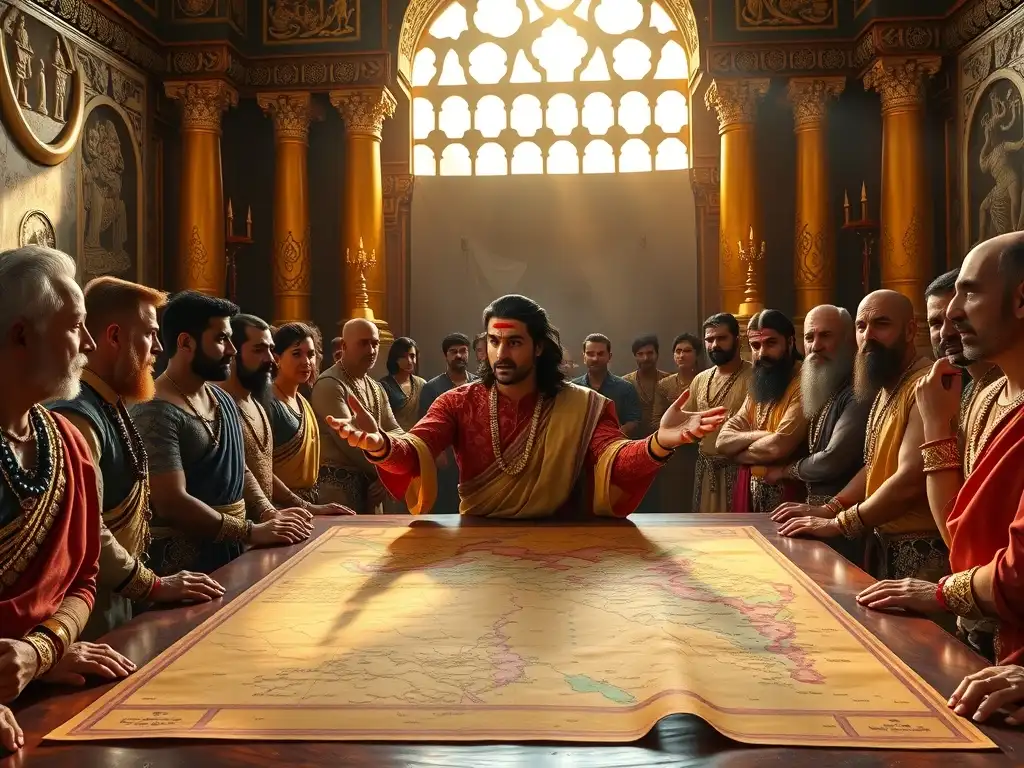
Welcome to Ancient India History, where we embark on a fascinating journey through the rich tapestry of India's past. Today, we delve into the intricate world of the Maurya Empire and uncover the strategic rebellion tactics that defined its governance. How did this remarkable civilization maintain control over its vast territories amidst the challenges of dissent?
Join us as we explore the political maneuvers and responses that shaped the empire's legacy. Prepare to be intrigued as we unravel the complexities of ancient strategies in our latest article, "How the Maurya Empire Dealt with Rebellions: Political Tactics and Responses." Your adventure into the depths of ancient Indian civilizations begins here!
- Introduction to the Maurya Empire and Its Rebellions
- Key Factors Leading to Rebellions in the Maurya Empire
- Political Tactics Employed by the Maurya Empire
- Major Rebellions Faced by the Maurya Empire
- Responses to Rebellions: Analysis of Effectiveness
- Conclusion: Legacy of Maurya Empire Rebellion Tactics
- Further Reading on Maurya Empire Rebellion Tactics
-
Frequently Asked Questions
- What were the primary tactics used by the Maurya Empire to handle rebellions?
- How did Ashoka respond to rebellions during his reign?
- What impact did the Maurya Empire's rebellion tactics have on its stability?
- Were there any notable rebellions during the Maurya Empire?
- How did the Maurya Empire's approach to rebellions differ from other ancient civilizations?
- Final Reflection: Understanding the Maurya Empire's Resilience Through Rebellion Tactics
- Unveil the Strategies of the Maurya Empire!
Introduction to the Maurya Empire and Its Rebellions
The Maurya Empire, one of the largest empires in ancient India, thrived from approximately 322 BCE to 185 BCE. At its zenith, it encompassed vast territories across the Indian subcontinent, showcasing a remarkable political structure, diverse cultures, and significant advancements in administration and governance. However, like many great empires, the Maurya Empire faced numerous challenges, particularly in the form of rebellions.
Understanding how the Maurya Empire dealt with these uprisings is crucial not only for grasping its political tactics but also for comprehending the broader dynamics of ancient Indian politics and society. This article delves into the rebellion tactics employed by the Maurya Empire, exploring their historical context and significance.
Overview of the Maurya Empire's Historical Context
The Maurya Empire emerged in the wake of the fragmentation that followed the decline of the Nanda Dynasty. Founded by Chandragupta Maurya, the empire was marked by significant achievements, including the establishment of a centralized administration and a vast network of trade routes. Under the guidance of notable leaders such as Chandragupta and his grandson Ashoka the Great, the Maurya Empire made substantial contributions to Indian culture, philosophy, and governance.
However, maintaining such a vast empire was no small feat. The Mauryan rulers encountered various challenges, including regional discontent, resistance from local rulers, and the complexities of managing a diverse populace. Rebellions often arose as a response to heavy taxation, social unrest, and the imposition of control from the central authority. Understanding the various factors contributing to these rebellions helps to paint a clearer picture of the Maurya Empire's political landscape.
Importance of Understanding Rebellion Tactics in Ancient India
Studying the rebellion tactics of the Maurya Empire offers valuable insights into the political strategies employed by one of ancient India's most influential dynasties. Rebellion tactics were not merely reactive measures; they were indicative of the broader political philosophy and governance styles prevalent during the era. Insights into these tactics reveal how the Mauryan rulers balanced power, managed dissent, and maintained control over a diverse empire.
Moreover, understanding these tactics is crucial for historians and scholars, as they highlight the complexities of governance in ancient times. The methods used to quell rebellions, such as diplomacy, military intervention, and social reforms, reflect the dynamic nature of power relations and the art of statecraft in ancient India. By examining these strategies, we can appreciate the sophisticated political acumen that characterized the Maurya Empire and its lasting impact on subsequent Indian civilizations.
Key Factors Leading to Rebellions in the Maurya Empire
Economic Discontent and Its Role in Rebellions
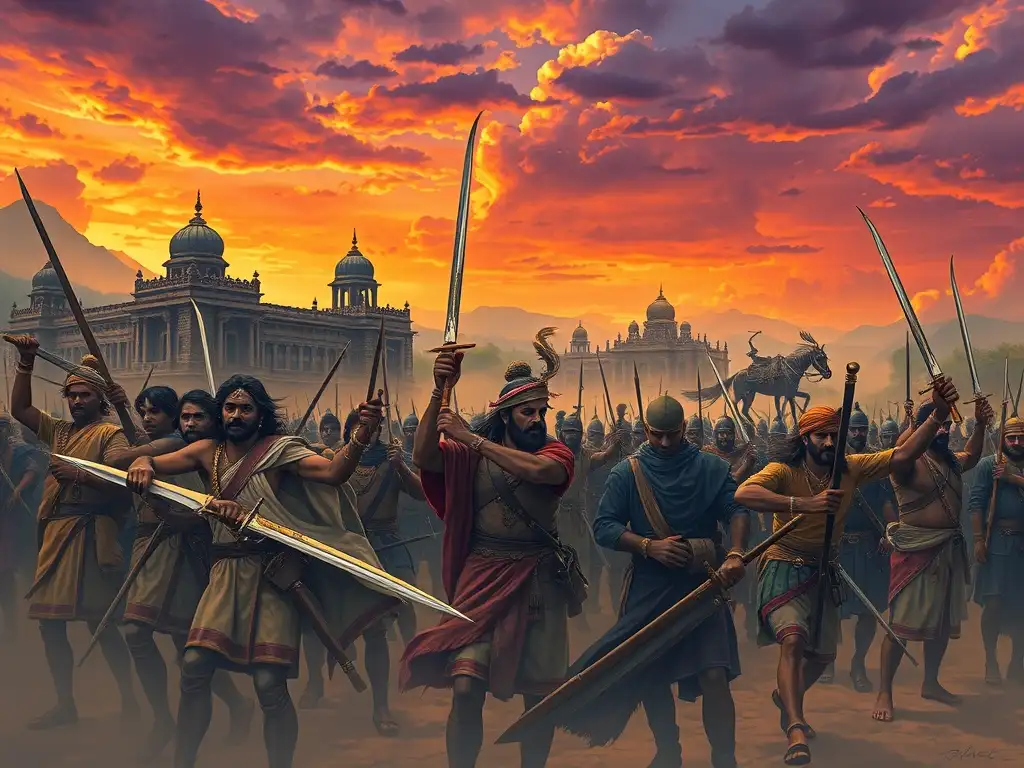
Economic conditions played a pivotal role in inciting rebellions within the Maurya Empire. Despite its vast wealth and resources, the empire faced significant economic disparities that led to widespread discontent among various social strata. High taxation was a crucial factor contributing to this unrest. The Mauryan administration, while efficient in collecting revenue, often imposed heavy taxes on farmers and artisans. This resulted in a decline in agricultural productivity, which further exacerbated the economic woes of the lower classes.
- Taxation Policies:
- The state employed a complex system of taxation, which included land revenue, trade duties, and other levies.
- Farmers particularly bore the brunt, leading to decreased yields and increased debt.
- Inflation and Resource Allocation:
- Periods of inflation strained the purchasing power of common citizens.
- Resources were often allocated to maintain the lavish lifestyle of the elite and the royal court, neglecting the needs of the rural population.
- Rebellious Movements:
- Economic hardships fueled discontent, leading to organized rebellions.
- Notable uprisings included those in regions like Magadha and other localized revolts, where peasants and lower classes sought to challenge the ruling elite.
These economic factors underscored the delicate balance the Maurya Empire had to maintain to ensure stability and prevent large-scale revolts.
The rigid social hierarchy of the Maurya Empire was another significant factor that contributed to the emergence of rebellions. The caste system stratified society into distinct groups, often leading to feelings of disenfranchisement among lower castes and marginalized communities.
- Caste Discontent:
- Members of lower castes, particularly the Shudras, often found themselves oppressed by the prevailing social norms.
- Their limited rights and opportunities for upward mobility fueled resentment and calls for rebellion.
- Displacement of Local Leaders:
- The Maurya Empire's centralization often displaced local kings and chieftains, leading to a loss of traditional power structures.
- These displaced leaders frequently became rallying points for rebellion, aiming to restore their lost authority.
- Cultural and Religious Factors:
- The emergence of different religious movements, such as Buddhism and Jainism, offered alternative ideologies that challenged the established order.
- These movements sometimes motivated social groups to rebel against the state, seeking reform and recognition.
The interplay between social structure and rebellion highlights the complexities the Maurya Empire faced in maintaining control over its diverse population.
Influence of Regional Power Dynamics on Revolts
The Maurya Empire, while expansive, had to navigate the intricate web of regional power dynamics that often sparked revolts. The relationships between neighboring kingdoms, local rulers, and the central authority significantly impacted the stability of the empire.
- Local Autonomy and Resistance:
- Regions with a strong sense of local identity often resisted central authority.
- This resistance was particularly evident in frontier territories, where local leaders sought greater autonomy and often allied with external powers.
- Influence of Rival Kingdoms:
- Neighboring kingdoms, such as the Nanda dynasty, leveraged discontent within the Maurya territories to foster rebellion.
- They provided support to insurgent groups, creating a dual threat to Maurya rule.
- Military Challenges:
- The Mauryan military, while powerful, was stretched thin across the vast empire.
- This vulnerability allowed for the rapid mobilization of rebel factions, who capitalized on the empire’s weaknesses to stage effective uprisings.
The regional power dynamics underscored the challenges faced by the Maurya Empire in managing its vast territory and maintaining the loyalty of its subjects. This intricate interplay of socio-economic and political factors ultimately shaped the empire’s strategies in dealing with rebellions.
Political Tactics Employed by the Maurya Empire
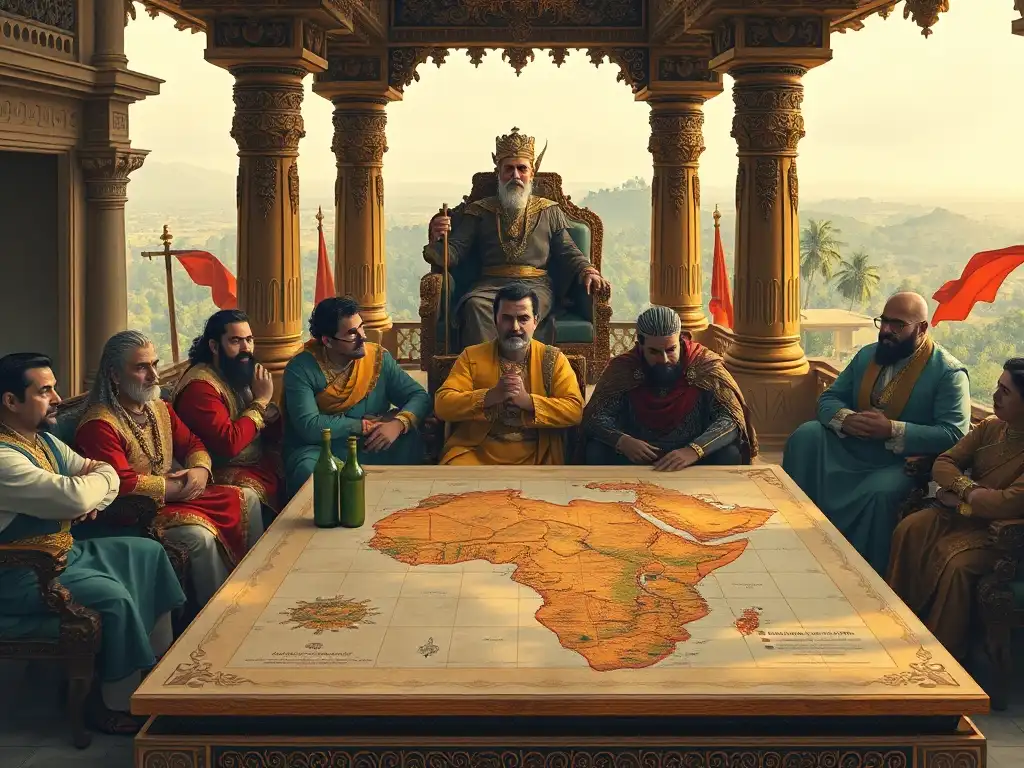
The Maurya Empire, one of the largest and most powerful empires in ancient India, adopted a wide array of political tactics to effectively manage and suppress rebellions. These tactics were crucial in maintaining stability and ensuring the longevity of the empire, especially during times of unrest. By employing a combination of diplomatic strategies, military force, and psychological tactics, the Maurya rulers were able to navigate the complexities of governance and maintain control over their vast territory. Below, we will explore these strategies in detail.
Diplomatic Strategies to Prevent Rebellions
Diplomacy played a pivotal role in the Maurya Empire's approach to governance. The rulers, notably Chandragupta Maurya and his grandson Ashoka, recognized the significance of fostering positive relationships with various factions within their empire. Some key diplomatic strategies included:
- Alliance Building: The Mauryan leaders often sought to create alliances with local chieftains and influential families. By incorporating these groups into the political framework, the empire could mitigate potential threats from rebellious factions.
- Marriages and Treaties: Strategic marriages were utilized to cement alliances with powerful families, ensuring loyalty through familial bonds. Treaties were also negotiated to maintain peace with neighboring states, thereby reducing the likelihood of uprisings.
- Local Governance: The Maurya Empire implemented a decentralized administrative system, which allowed local rulers to maintain a degree of autonomy while still being loyal to the central authority. This approach helped to placate local grievances and prevent dissatisfaction that could lead to rebellion.
These diplomatic efforts contributed to a relatively stable environment in which the empire could thrive, significantly reducing the incidence of rebellion.
Use of Military Force: Strategies and Outcomes
When diplomatic measures failed or when faced with outright rebellion, the Maurya Empire was not hesitant to employ military force. Their military strategies were well-planned and executed, designed to quell dissent swiftly and effectively. Key aspects of this approach included:
- Rapid Deployment: The Mauryan military was known for its ability to mobilize quickly. This rapid response capability allowed them to suppress rebellions before they could gain momentum. For instance, during the early stages of the empire, Chandragupta led swift campaigns against rebellious states, demonstrating the effectiveness of his military strategy.
- Siege Tactics: The Mauryan army often utilized siege tactics to lay siege to rebel strongholds. This approach not only demonstrated military prowess but also served as a psychological deterrent to other potential rebels. Historical accounts describe how the Mauryan forces, under Ashoka, besieged the city of Kalinga, leading to a decisive victory.
- Incorporation of Defeated Rebels: An interesting outcome of military encounters was the incorporation of defeated rebels into the Mauryan administration or military. This tactic not only reduced the likelihood of future rebellions but also turned former adversaries into allies, creating a sense of loyalty towards the empire.
The combination of these military strategies ensured that the Maurya Empire could respond effectively to threats, maintaining its dominance across a vast region.
Psychological Tactics: Propaganda and Loyalty Building
In addition to diplomatic and military measures, the Maurya Empire employed psychological tactics to instill loyalty among its subjects. These strategies played a crucial role in shaping public perception and reinforcing the authority of the rulers. Key elements included:
- Propaganda: The Mauryan rulers, particularly Ashoka, utilized inscriptions and edicts to communicate their policies and achievements to the populace. These inscriptions often emphasized the benevolence of the ruler and the moral principles guiding the empire, fostering a sense of pride and loyalty among citizens.
- Promotion of Dharma: Ashoka's promotion of Dharma (moral law) served as a unifying force within the empire. By encouraging adherence to ethical conduct and compassion, he aimed to create a loyal citizenry that would be less inclined to rebel. The propagation of these values helped to cultivate a collective identity among the diverse populations of the empire.
- Public Welfare Initiatives: The Maurya Empire invested in public welfare projects, such as the construction of hospitals, roads, and irrigation systems. These initiatives not only improved the quality of life for subjects but also generated goodwill towards the rulers. A populace that felt cared for and valued was less likely to rise in rebellion.
These psychological tactics played a significant role in maintaining control over the empire and reducing the frequency and scale of potential uprisings.
By employing a comprehensive suite of political tactics—diplomatic strategies, military responses, and psychological measures—the Maurya Empire successfully navigated the challenges posed by rebellion. These approaches not only ensured the stability of the empire but also contributed to its legacy in ancient Indian history.
Major Rebellions Faced by the Maurya Empire
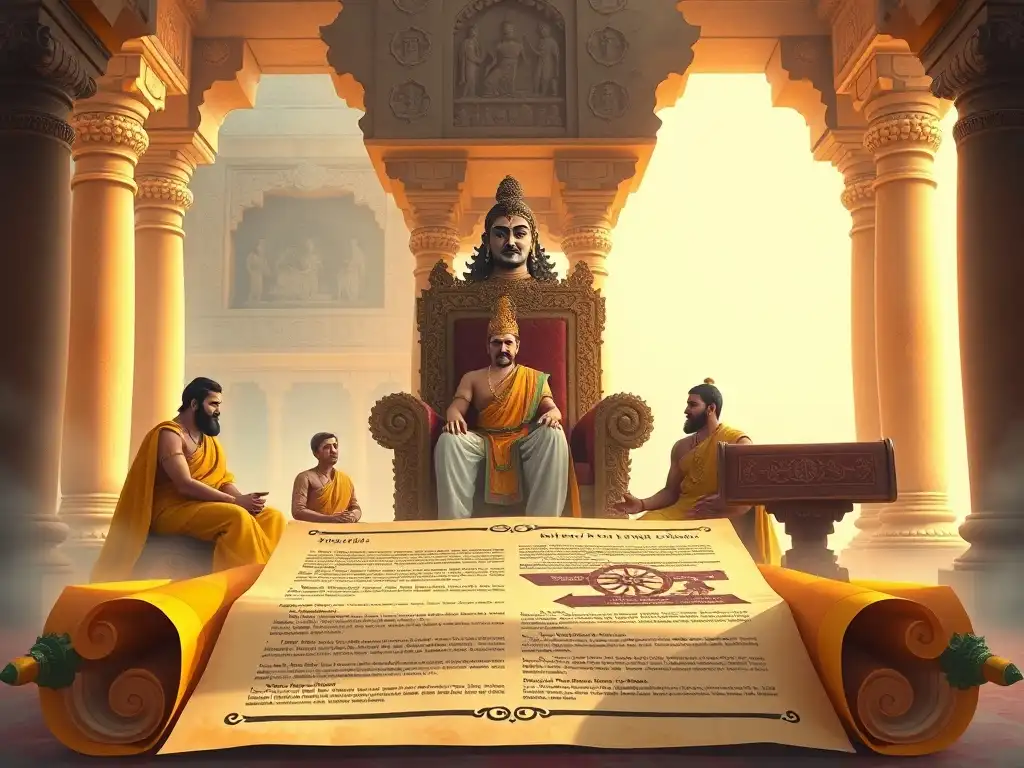
The Maurya Empire, one of the largest and most powerful empires in ancient India, faced several significant rebellions during its reign. The empire's extensive territory, which spanned from the Indus River in the northwest to the Bay of Bengal in the east, was home to diverse cultures and traditions. This diversity often led to tensions and uprisings against Mauryan rule. Understanding these major rebellions provides insight into the political tactics and responses employed by the Maurya Empire to maintain its authority and stability.
The Kalinga War: Causes and Responses
The Kalinga War (c. 261-262 BCE) stands out as one of the most notable conflicts during the Maurya Empire, primarily due to its profound impact on Emperor Ashoka. The war was sparked by Kalinga's refusal to submit to Mauryan authority, driven by a combination of economic interests, strategic location, and cultural pride. Kalinga was known for its thriving trade and maritime routes, which the Mauryans sought to control.
Causes of the Kalinga War
- Economic Ambitions: The Maurya Empire aimed to expand its trade routes and gain access to the rich resources of Kalinga.
- Cultural Resistance: Kalinga's inhabitants were fiercely independent and resistant to external control, which fueled hostilities.
- Strategic Positioning: Kalinga's geographic location was pivotal for controlling the eastern coastline, making it a prime target for invasion.
Responses to the Rebellion
The Mauryan approach to the Kalinga rebellion was multifaceted:
- Military Campaigns: Ashoka deployed a massive army to quash the rebellion, resulting in a brutal war that led to significant casualties on both sides.
- Diplomatic Efforts: Prior to military action, attempts were made to negotiate with Kalinga, but these efforts failed due to the Kalingan leaders' determination to resist.
- Post-War Reforms: The aftermath of the war deeply affected Ashoka, leading to his conversion to Buddhism. He implemented policies of dharma and non-violence, focusing on welfare and moral governance to prevent future conflicts.
The Kalinga War exemplified the complexities of governance in the Maurya Empire and highlighted the importance of adapting political tactics in response to internal dissent.
The Role of Local Leaders in Sparking Rebellions
Local leaders played a crucial role in instigating and leading rebellions against the Maurya Empire. Their influence and control over regional territories often put them at odds with the central authority, leading to conflicts that threatened the stability of the empire.
Factors Contributing to Local Leader Rebellions
- Autonomy and Identity: Many local leaders sought to preserve their autonomy and cultural identity, opposing centralized rule from Pataliputra.
- Excessive Taxation: The imposition of heavy taxes to fund military campaigns and imperial projects often incited resentment among local rulers and their subjects.
- Political Alliances: Local leaders sometimes formed alliances with neighboring regions or tribes, amplifying the resistance against Mauryan control.
Case Examples
- In regions like Magadha and Avanti, local rulers rallied their communities to resist Mauryan policies, leading to sporadic uprisings that required military intervention.
- The Mauryan strategy often involved co-opting local leaders through diplomacy, offering them positions of power within the imperial framework, or integrating them into the administrative structure to mitigate dissent.
This interplay between the Maurya Empire and local leaders illustrates the challenges of governing a vast and culturally diverse territory.
Case Study: The Rebellion in the Northwest Regions
The northwest regions of the Maurya Empire, particularly present-day Afghanistan and parts of Pakistan, were hotspots for rebellion. These areas were characterized by a mix of tribal affiliations and strong local identities, making them resistant to Mauryan rule.
Key Aspects of the Rebellion
- Tribal Dynamics: The local tribes, such as the Kshudrakas and Yavanas, often resisted central authority, leading to periodic uprisings.
- External Influences: The incursion of external forces, including Greek mercenaries and nomadic tribes, further complicated Mauryan control in these regions.
Mauryan Responses
- Military Campaigns: The Maurya Empire deployed military might to suppress rebellions, often resulting in significant casualties and destruction.
- Strategic Alliances: To stabilize the region, the Mauryans sought to establish alliances with certain tribes, offering them incentives for loyalty.
- Cultural Integration: Efforts were made to integrate local customs and governance structures, thereby fostering a sense of inclusion within the larger empire.
These responses illustrate the Maurya Empire's tactical adaptability in addressing the complexities of rebellion in its northwest territories, highlighting the importance of understanding local dynamics in imperial governance.
Through these analyses, it becomes evident that the Maurya Empire employed a variety of rebellion tactics, balancing military action with diplomatic strategies to maintain control over its vast and diverse territories.
Responses to Rebellions: Analysis of Effectiveness

In the context of the Maurya Empire, the handling of rebellions was a complex interplay of immediate responses and long-term strategies. The effectiveness of these responses can be evaluated through the different approaches implemented by the rulers, particularly during times of unrest.
Short-term Responses vs. Long-term Strategies
The Maurya Empire faced various rebellions throughout its existence, necessitating a diverse array of responses. Short-term responses primarily aimed at quelling immediate unrest, while long-term strategies focused on systemic changes to prevent future insurrections.
- Short-term Responses:
- Military Action: In immediate crises, the Mauryan administration often resorted to deploying military forces to suppress rebellions swiftly. For instance, during the reign of Chandragupta Maurya, military expeditions were launched to eliminate insurgencies.
- Negotiation and Diplomacy: Sometimes, the empire opted for negotiations, offering concessions to rebel leaders to restore peace. This tactic was particularly evident in cases where military solutions could lead to greater instability.
- Intelligence Gathering: The Mauryan state established a robust intelligence network to monitor dissent, allowing for preemptive actions against potential uprisings.
- Long-term Strategies:
- Administrative Reforms: The Maurya Empire recognized that socio-economic grievances often fueled rebellions. Thus, they implemented administrative changes aimed at reducing corruption and enhancing local governance, which helped build loyalty among subjects.
- Cultural Integration: The promotion of a unified cultural identity through religious and philosophical means, such as the spread of Buddhism under Ashoka, served to integrate diverse populations and mitigate the risk of rebellion.
- Infrastructure Development: Investment in infrastructure, including roads and trade networks, improved communication and economic stability, thus addressing some of the root causes of dissent.
The effectiveness of these strategies varied, with short-term responses often proving crucial for immediate stabilization, while long-term strategies contributed to the overall strength and cohesion of the empire.
Adaptation of Policies Post-Rebellion
Following significant rebellions, the Maurya Empire often adapted its policies to address the underlying issues that triggered dissent. This adaptive approach was vital for sustaining the empire's power and legitimacy.
- Policy Reevaluation: After major uprisings, such as the rebellion led by the Kalinga kingdom, the Mauryan leadership engaged in a thorough evaluation of their governance strategies.
- Increased Local Autonomy: In regions prone to rebellion, the empire sometimes granted increased autonomy to local leaders, allowing them to manage their own affairs while still paying homage to the Mauryan authority.
- Economic Incentives: To foster loyalty and reduce grievances, the Maurya Empire implemented economic incentives, such as tax reductions or trade benefits, particularly in regions that had recently experienced unrest.
These adaptations not only helped to quell immediate tensions but also fostered a sense of ownership and responsibility among local populations, which was instrumental in maintaining stability.
The Role of Ashoka in Transforming Rebellion Responses
Ashoka, one of the most renowned rulers of the Maurya Empire, played a pivotal role in redefining the empire's approach to rebellions and dissent.
- Philosophical Shift: After the Kalinga War, Ashoka underwent a transformation that led to a greater emphasis on non-violence and moral governance. His embrace of Buddhism influenced his policies towards rebellions, advocating for compassion rather than aggression.
- Promotion of Dhamma: Ashoka introduced the concept of Dhamma, which emphasized ethical governance and welfare of the populace. This approach aimed to address the grievances of subjects through moral and spiritual means rather than military force.
- Public Welfare Programs: Under Ashoka's reign, the Mauryan state established numerous public welfare initiatives, including hospitals and education, which directly contributed to the reduction of social unrest by improving the quality of life for citizens.
Ashoka's innovative strategies not only transformed the Maurya Empire's responses to rebellions but also left a lasting legacy on governance and statecraft in ancient India. His methods underscored the importance of addressing the root causes of dissent through ethical leadership and social responsibility.
Conclusion: Legacy of Maurya Empire Rebellion Tactics

The Maurya Empire, renowned for its vast territory and centralized administration, left a profound legacy in the realm of political strategies, particularly in how it dealt with rebellions. The empire's approach to managing dissent and insurrection not only ensured its survival during tumultuous times but also set a precedent for future Indian empires. Understanding the methods employed by the Mauryan rulers, especially during the reign of Ashoka, provides critical insights into the effectiveness of their governance and the enduring impact of their tactics.
Lessons Learned from Maurya Empire's Political Strategies
The Maurya Empire's handling of rebellions can be distilled into several key strategies that served as lessons for subsequent rulers:
- Diplomatic Engagement: The Mauryan rulers often employed diplomacy as a foremost tactic. By initiating talks with dissenting factions, they were able to address grievances without resorting to violence. This approach not only diffused tensions but also fostered a sense of inclusion among various groups.
- Military Presence and Strategy: The empire maintained a formidable military presence throughout its regions. This deterrent was crucial in quelling potential uprisings before they gained momentum. The Maurya military was not just about brute force; it was also about strategic positioning and quick response, which allowed them to react decisively to threats.
- Administrative Reforms: The introduction of an efficient administrative system enabled the Mauryas to keep a close watch on various regions. Local governors were empowered to manage affairs, reducing the likelihood of rebellions. This decentralized approach allowed for quicker responses to local discontent.
- Cultural Integration and Promotion: The Maurya rulers recognized the importance of cultural ties in maintaining stability. By promoting Buddhism and engaging in cultural integration, they fostered unity among diverse populations. The edicts of Ashoka, which emphasized moral governance and ethical behavior, played a crucial role in promoting loyalty among his subjects.
- Use of Intelligence and Espionage: A network of spies provided the Mauryan rulers with timely information about potential uprisings. This intelligence-gathering was instrumental in preemptively addressing issues before they escalated into full-blown rebellions.
The combination of these strategies illustrates a nuanced understanding of governance that emphasized both strength and diplomacy. The Maurya Empire's ability to adapt to the needs of its populace while maintaining order is a lesson that resonates even in contemporary governance.
The Impact of These Tactics on Future Indian Empires
The political tactics employed by the Maurya Empire had a lasting influence on subsequent Indian empires, shaping their approaches to governance and rebellion management. Some of the notable impacts include:
- The Gupta Empire's Administrative Innovations: Following the Mauryan model, the Gupta Empire adopted similar administrative reforms, creating a decentralized system that allowed local leaders to manage regional issues effectively. This approach minimized the chances of rebellion by addressing local grievances proactively.
- Diplomacy and Alliances: Later empires, such as the Chola and the Vijayanagara, recognized the value of diplomacy. They forged alliances and engaged in negotiations with potential adversaries, reducing the likelihood of conflict through cooperation.
- Cultural Policies: The promotion of religion and culture as tools for unification became a hallmark of subsequent Indian empires. The emphasis on cultural integration, as seen in the Maurya Empire, influenced later rulers to adopt similar strategies, leveraging cultural and religious commonalities to maintain stability.
- Military Reforms: The emphasis on a strong military presence, coupled with strategic intelligence, became a standard practice in later empires. The ability to preemptively address threats through military readiness was a lesson learned from the Mauryan experience.
The Maurya Empire's rebellion tactics not only ensured its resilience during times of crisis but also laid the groundwork for governance practices that would be emulated by future Indian empires. The lessons drawn from their political strategies continue to resonate, highlighting the importance of adaptability, cultural engagement, and effective administration in managing complex societies.
Further Reading on Maurya Empire Rebellion Tactics

Suggested Literature and Resources for Deeper Understanding
To gain a comprehensive understanding of the Maurya Empire rebellion tactics, it is essential to explore a variety of scholarly texts and resources that delve into the political strategies and military responses employed during this influential period. Here are some recommended readings:
-
Books
-
"The Mauryan Empire" by Romila Thapar
This book provides an in-depth analysis of the political dynamics of the Maurya Empire, including its approach to managing rebellions and dissent.
-
"A History of Ancient India" by R.C. Majumdar
This extensive work covers the political structures and strategies of ancient Indian empires, with a focus on the Mauryas and their handling of internal strife.
-
-
Academic Journals
-
"The Journal of Asian Studies"
This journal often features articles on the political history of ancient India, including case studies on the Maurya Empire's rebellion tactics.
-
"Indian Historical Review"
Articles in this journal provide insights into the socio-political context of various rebellions and the responses of the Mauryan administration.
-
-
Online Resources
-
Digital South Asia Library
A valuable resource for accessing primary documents and historical texts related to the Maurya Empire.
-
Internet Archive
A repository of historical books and documents that offers free access to various texts concerning ancient India.
-
-
Documentaries and Lectures
-
"Ancient India: The Maurya Empire" (YouTube)
This documentary explores the key events and strategies of the Maurya Empire, highlighting how it addressed internal challenges.
-
Lectures from historians specializing in ancient Indian history
Many universities offer free online lectures that discuss the political tactics of the Maurya Empire, including its methods for quelling uprisings.
-
By exploring these resources, readers can enrich their understanding of the Maurya Empire rebellion tactics and the broader context of ancient Indian political structures.
In addition to the Maurya Empire rebellion tactics, several related topics can provide further context and understanding of ancient Indian civilizations:
-
Indus Valley Civilization
The predecessor to the Maurya Empire, exploring its urban planning, trade, and societal structure can shed light on the evolution of political governance in ancient India.
-
Gupta Empire Political Strategies
A comparative study of the Gupta Empire's methods for maintaining control and addressing dissent can offer insights into the continuity and change in political tactics over time.
-
Ancient Indian Warfare
Understanding the military strategies used during the Maurya Empire can provide a backdrop for analyzing how these tactics were applied in the context of rebellions.
-
Role of Religion in Governance
Examining how religion influenced the political decisions and stability of empires, including the Maurya, can reveal further dimensions of governance and rebellion management.
-
Trade and Economy in Ancient India
The economic conditions that led to unrest and rebellion can be linked to the Maurya Empire's response strategies, highlighting the interplay between economy and politics.
These topics complement the understanding of the Maurya Empire and its political structure, enriching the study of ancient Indian civilizations as a whole.
Frequently Asked Questions
What were the primary tactics used by the Maurya Empire to handle rebellions?
The Maurya Empire employed a variety of political tactics, including diplomacy, military strength, and surveillance to manage and suppress uprisings effectively.
How did Ashoka respond to rebellions during his reign?
Ashoka, the Mauryan emperor, often chose non-violent approaches such as negotiation and propaganda to quell dissent, promoting Buddhist principles of peace and tolerance.
What impact did the Maurya Empire's rebellion tactics have on its stability?
The tactics used to address rebellions contributed to a relatively stable governance, allowing the Maurya Empire to maintain control over vast territories and diverse populations.
Were there any notable rebellions during the Maurya Empire?
Yes, the Maurya Empire faced several significant rebellions, including those from regional governors and local leaders, which tested the empire's political strategies and military responses.
How did the Maurya Empire's approach to rebellions differ from other ancient civilizations?
Unlike many ancient empires that relied heavily on brute force, the Maurya Empire often utilized a blend of diplomatic and intellectual tactics, showcasing a more nuanced approach to governance.
Final Reflection: Understanding the Maurya Empire's Resilience Through Rebellion Tactics
The strategies employed by the Maurya Empire to address rebellions are not just historical footnotes; they resonate deeply with contemporary issues of governance and social cohesion. In an era where political unrest and dissent are prevalent across the globe, the lessons drawn from the Maurya Empire's tactical responses to rebellion offer invaluable insights. The ability to adapt and respond effectively to challenges is a hallmark of enduring leadership, and the Mauryan approach exemplifies how strategic foresight can maintain stability in the face of adversity.
Culture and society are inextricably linked to the ways in which authority is challenged and negotiated. The Maurya Empire's methods of dealing with rebellion—ranging from diplomacy to military intervention—have left an indelible mark on our understanding of governance. This historical narrative encourages us to reflect on our own societal structures and the importance of dialogue and compromise in resolving conflict. As Chanakya wisely noted, There is some self-interest behind every friendship. There is no friendship without self-interests.
This statement underscores the complexity of human relationships and the necessity of understanding motivations in the pursuit of harmony.
As we contemplate the relevance of the Maurya Empire's rebellion tactics in our own lives, let us consider how we can apply these lessons to foster resilience in our communities. Reflect on the conflicts you encounter—whether personal, social, or political—and think about how strategic engagement can lead to constructive outcomes. Embrace the idea that every challenge presents an opportunity for growth and understanding. By adopting a mindset of adaptability and collaboration, we can navigate our own rebellions, ensuring that we emerge stronger and more united.
Unveil the Strategies of the Maurya Empire!
Thank you for diving into the fascinating world of the Maurya Empire and its remarkable approach to handling rebellions. You’ve gained insights into the political tactics and responses that shaped one of the greatest empires of ancient India. Now, it’s time to put this newfound knowledge into action!
Here are some steps you can take to deepen your understanding and engage with this rich history:
- Explore Further: Dive deeper into the political strategies of other ancient civilizations. Research how they managed internal conflicts and compare their tactics to those of the Maurya Empire.
- Share Your Insights: Discuss your favorite strategies from the article with friends or fellow history enthusiasts. Start a conversation on social media or in a local history group to exchange ideas!
- Participate in a Community Forum: Join discussions on various online platforms dedicated to history. Seek out communities focused on ancient empires to broaden your perspective and learn from others.
As you reflect on these strategies, consider this: What modern political challenges mirror those faced by the Maurya Empire, and how can we learn from them today? Your thoughts could spark an enlightening discussion!