
The Indus Valley's Maritime Trade: How Waterways Shaped Daily Economic Life

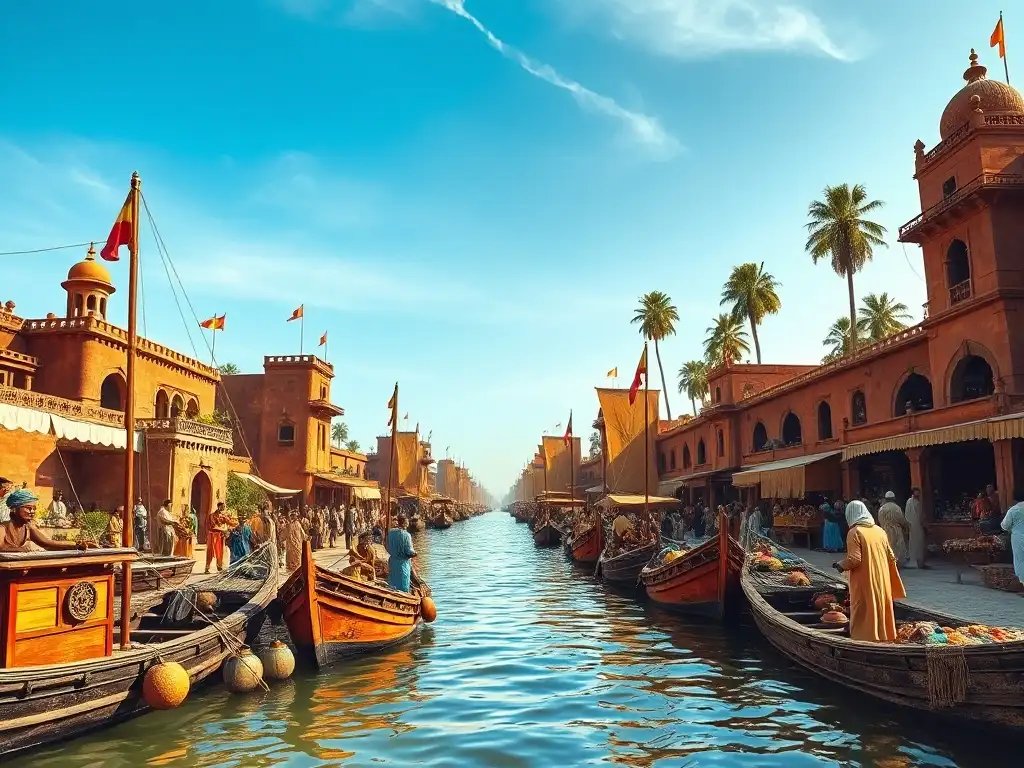
Welcome to Ancient India History, where we embark on a captivating journey through the rich tapestry of India's past. In our featured article, “The Indus Valley's Maritime Trade: How Waterways Shaped Daily Economic Life,” we delve into the fascinating world of the Indus Valley maritime trade history. Discover how ancient waterways not only facilitated commerce but also shaped the cultural and economic landscapes of one of history's most advanced civilizations.
Prepare to be intrigued as we uncover the secrets of trade routes that connected distant lands and the innovations that emerged along these vital arteries of ancient life. Your exploration of India's remarkable heritage begins here!
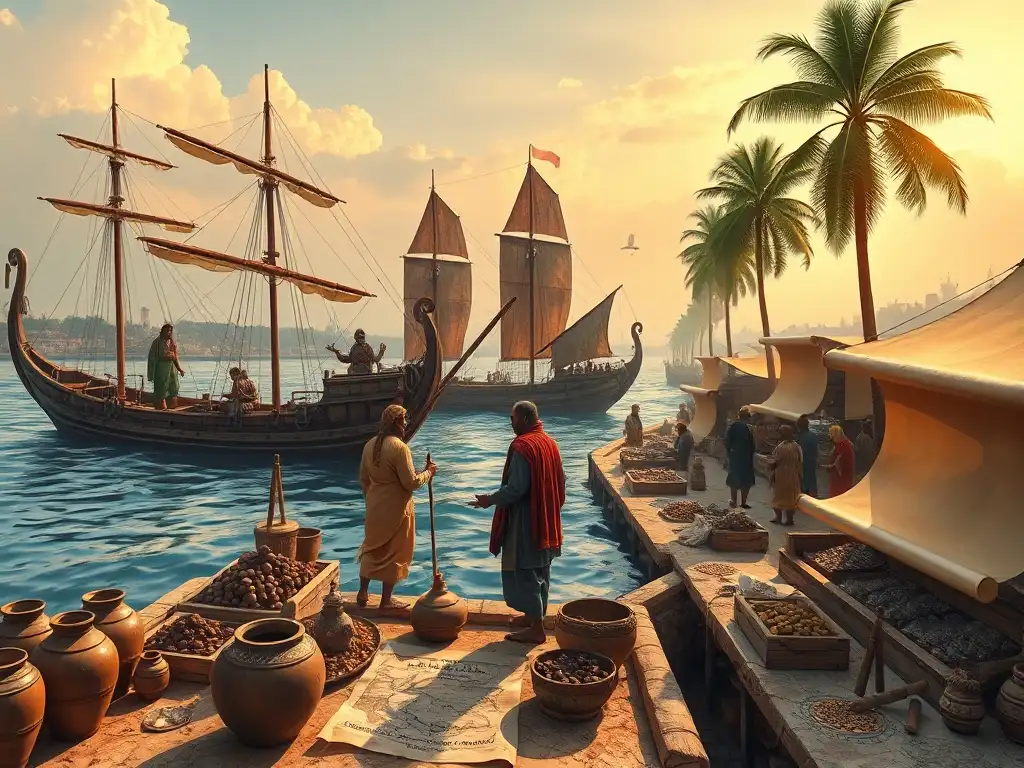
Introduction to Indus Valley Maritime Trade History
The Indus Valley Civilization, one of the world's earliest urban cultures, thrived between approximately 3300 BCE and 1300 BCE, showcasing remarkable advancements in various fields. Among these, the maritime trade of the Indus Valley stands out as a pivotal aspect that significantly influenced daily economic life.
This article delves into the intricate web of trade networks that connected the Indus Valley with distant lands, highlighting the economic, cultural, and technological exchanges fostered by maritime activities. By exploring the Indus Valley maritime trade history, we can better understand how waterways not only facilitated trade but also shaped the societal structures and economic prosperity of one of the most sophisticated ancient civilizations.
Overview of the Indus Valley Civilization
The Indus Valley Civilization, located in what is now modern-day Pakistan and northwest India, was characterized by its advanced urban planning, architectural prowess, and sophisticated drainage systems. Major cities such as Harappa and Mohenjo-Daro featured well-organized layouts with grid patterns, large public baths, and impressive granaries. The civilization flourished due to its strategic location along key trade routes, particularly those that utilized the extensive river systems flowing through the region.
- Key Features of the Indus Valley Civilization:
- Urban centers with advanced infrastructures
- A centralized economy based on agriculture and trade
- Script and seals indicating a developed communication system
This civilization's ability to engage in maritime trade was crucial for its economic stability, as it allowed for the exchange of goods and ideas with neighboring cultures.
Importance of Maritime Trade in Ancient Economies
Maritime trade was a cornerstone of various ancient economies, and the Indus Valley Civilization was no exception. The ability to navigate rivers and coastal waters enabled traders to access a broader market, facilitating not just the exchange of commodities but also cultural interactions.
- Benefits of Maritime Trade:
- Access to Resources: Trade networks allowed for the import of valuable materials not available locally, such as precious stones, metals, and spices.
- Market Expansion: The Indus Valley's traders could reach regions as far as Mesopotamia, enhancing economic opportunities and fostering relationships with other cultures.
- Cultural Exchange: The interaction between traders led to the sharing of art, technology, and religious beliefs, enriching the cultural tapestry of the civilization.
By integrating maritime trade into their economic framework, the Indus Valley Civilization laid the groundwork for a dynamic and interconnected society.
The Role of Waterways in Indus Valley Trade
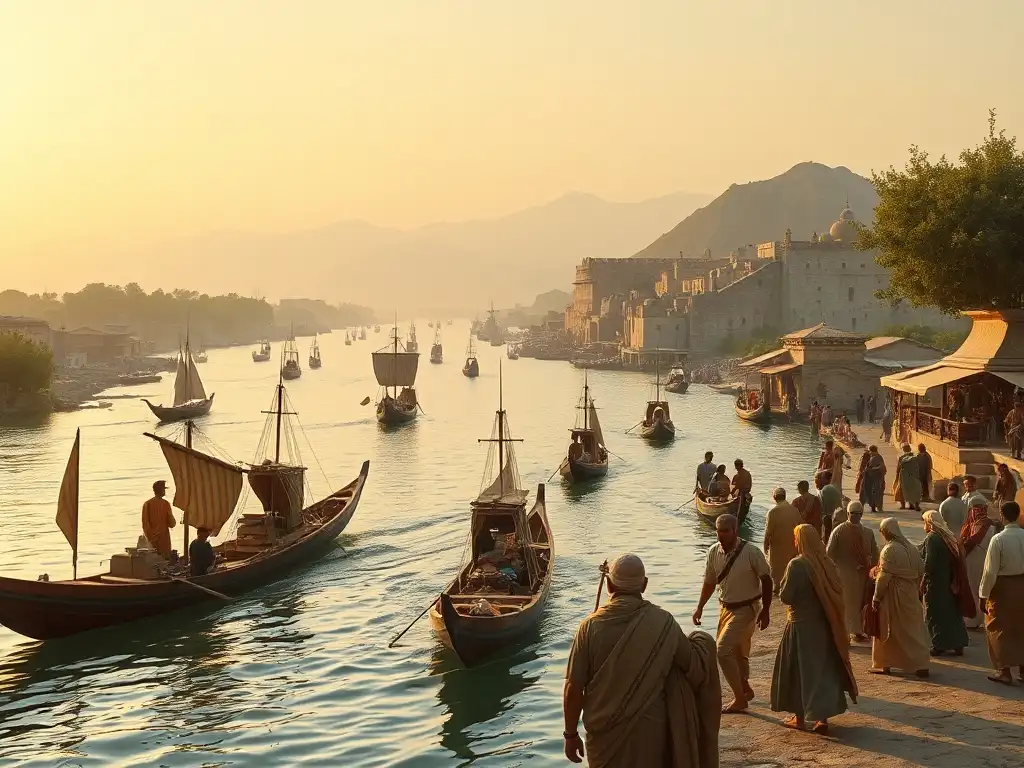
Waterways played a crucial role in shaping the trade dynamics of the Indus Valley. The civilization's geographic features and strategic river systems provided a natural advantage for trade, fostering connections both locally and internationally.
Geographic Features of the Indus Valley
The Indus Valley is defined by its unique geographic features, including fertile plains, river systems, and proximity to the Arabian Sea. These characteristics not only supported agriculture but also facilitated maritime trade.
- Key Geographic Features:
- Indus River System: A lifeline for agriculture and trade.
- Fertile Alluvial Plains: Supported crop production, generating surplus for trade.
- Proximity to Coastal Areas: Enabled access to maritime routes and distant markets.
These features created an environment conducive to trade, allowing the Indus Valley to thrive economically.
Key Rivers and Their Significance in Trade
The Indus Valley is traversed by several significant rivers, each playing a vital role in the trade networks of the civilization.
- Major Rivers:
- Indus River: The primary artery for trade and agriculture.
- Ravi River: Served as a conduit for goods, linking to other regions.
- Sutlej River: Enhanced access to the northwestern territories.
The rivers not only provided transportation but also facilitated communication and cultural exchanges, solidifying their importance in the maritime trade landscape.
Ports and Harbors: The Gateway to Trade
The establishment of ports and harbors was essential for the Indus Valley's maritime trade, acting as gateways for import and export activities.
- Notable Ports:
- Lothal: Considered one of the earliest known docks, it played a crucial role in maritime trade.
- Sutkagen Dor: An important trading post that connected the Indus Valley with Persia.
These ports enabled the civilization to engage in extensive trade with neighboring regions, promoting economic growth and cultural interactions that defined the era.
The Economic Impact of Maritime Trade
The maritime trade of the Indus Valley Civilization played a crucial role in shaping the economic landscape of ancient India. Positioned strategically along the Indus River and the Arabian Sea, the civilization leveraged its waterways to facilitate trade not only within its own borders but also with distant lands. This access to maritime routes enabled the Indus Valley people to engage in extensive commerce, leading to a flourishing economy characterized by wealth accumulation and resource distribution.
Maritime trade allowed the civilization to exchange various goods, which in turn promoted local craftsmanship and industry. It is estimated that trade contributed significantly to the urbanization of cities such as Harappa and Mohenjo-Daro, which served as bustling trade centers. The prosperity gained from trade facilitated advancements in technology and infrastructure, including the development of dockyards and shipbuilding techniques. This economic boom also fostered a strong social structure, where wealth and resources were redistributed, supporting a complex society with specialized roles.
Trade Goods Exchanged via Waterways
The waterways of the Indus Valley were bustling channels of exchange, facilitating the trade of a variety of goods. Key commodities included:
- Textiles: The Indus Valley people were skilled in cotton weaving, producing high-quality textiles which were highly sought after in foreign markets.
- Metals: Trade in metals such as copper and bronze was prevalent, with the civilization importing raw materials to create tools and ornaments.
- Agricultural Products: The fertile lands surrounding the Indus River produced grains, pulses, and spices, which were exchanged for luxury items.
- Crafted Goods: Artisans crafted pottery, jewelry, and seals, which were traded for goods from other regions, showcasing the sophistication of their craftsmanship.
This variety of goods exchanged via waterways not only enriched the local economy but also established the Indus Valley as a significant player in regional trade networks.
The Role of Trade in Daily Life
Trade was not just an economic activity; it was deeply woven into the fabric of daily life in the Indus Valley Civilization. Merchants and traders played essential roles in society, often forming guilds that regulated prices and trade practices. Markets were vibrant hubs of activity where people gathered not just to buy and sell, but to socialize and exchange ideas.
The regular influx of goods and materials influenced culinary practices, fashion, and even artistic expressions in the civilization. The availability of diverse products allowed households to access foreign luxuries, enriching their lifestyles. Furthermore, trade facilitated cultural interactions, leading to a dynamic society that was open to external influences while also maintaining its unique identity.
Cultural Exchange Through Maritime Trade
Maritime trade facilitated significant cultural exchange, making the Indus Valley Civilization a melting pot of ideas, traditions, and practices. The movement of traders across regions led to the sharing of religious beliefs, artistic styles, and technological innovations, which left lasting impacts on the civilization's cultural landscape.
Influence of Trade on Indus Valley Society
The influence of trade on the Indus Valley society was profound. As traders interacted with various cultures, they absorbed new ideas and practices. This exchange can be seen in the artistic motifs found on seals and pottery, which exhibit influences from neighboring civilizations, including Mesopotamia. Moreover, the wealth generated from trade contributed to the construction of intricate urban layouts, advanced drainage systems, and monumental structures that reflected the social hierarchy and communal pride.
Trade also played a role in the social stratification of the civilization. Wealthy merchants emerged as influential figures, often holding significant power within their communities. This shift contributed to the development of a more complex societal structure, where trade was a key driver of social mobility and prestige.
Interaction with Other Civilizations
The Indus Valley Civilization's maritime trade led to interactions with several neighboring civilizations, notably Mesopotamia, Persia, and the Arabian Peninsula. These interactions were not solely economic; they included the exchange of cultural and technological knowledge. Archaeological findings suggest that goods such as lapis lazuli from Afghanistan and tin from Persia were traded, indicating a well-established network of trade routes.
Additionally, the exchange of ideas influenced various aspects of life, including agricultural practices and urban planning. The reciprocal relationship fostered by maritime trade allowed the Indus Valley to thrive, as well as leaving a lasting legacy on the cultures it interacted with. This vibrant exchange of commerce and culture ultimately shaped the trajectory of ancient civilizations across the region.
Challenges Faced by Indus Valley Maritime Traders
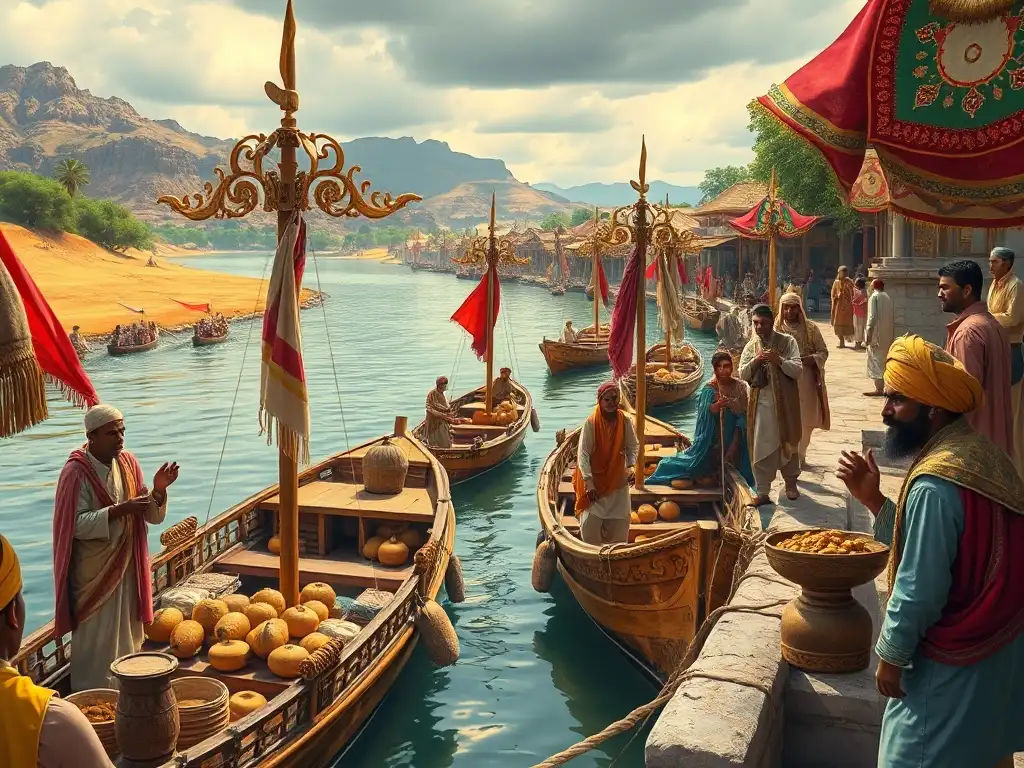
The maritime trade of the Indus Valley Civilization was significant for its economic prosperity and cultural exchanges. However, traders faced numerous challenges that impacted their ability to engage effectively in maritime activities. Understanding these challenges provides insight into how the Indus Valley Civilization navigated its economic landscape and laid the groundwork for future trading practices.
Natural Barriers and Navigation Challenges
The geography of the Indus Valley presented various natural barriers that complicated maritime trade. The river systems, particularly the Indus River and its tributaries, provided vital routes for transportation. However, these waterways were not always navigable due to seasonal fluctuations in water levels, sediment deposits, and shifting riverbanks. As a result, traders had to adapt their routes and methods of transport, often relying on smaller boats or rafts that could maneuver through shallower waters.
Additionally, the proximity of the Arabian Sea posed its own set of challenges. Traders had to contend with unpredictable weather patterns, such as monsoons, which could disrupt voyages and result in the loss of goods and lives. Navigating the coastal waters also required knowledge of tides and currents, which could vary significantly. Consequently, successful maritime trade demanded not only skill in navigation but also an understanding of the environmental conditions influencing the waterways.
Political Factors Affecting Trade Routes
Political stability was a crucial factor in the success of maritime trade in the Indus Valley. Over time, the civilization experienced shifts in power and authority, which could lead to the closure or regulation of trade routes. Conflicts with neighboring regions or tribes could disrupt established trade networks, making it difficult for merchants to transport goods safely.
Moreover, the central authority's policies regarding trade could influence the flow of commerce. Regulations, tariffs, or restrictions imposed by local rulers could either facilitate or hinder trade activities. For instance, if a ruler favored trade with a specific region, it could open up new opportunities, while hostility towards another could limit access to vital markets. Therefore, the political landscape had a direct impact on the dynamics of maritime trade, shaping the economic interactions of the Indus Valley traders.
Environmental Changes and Their Impact on Trade
Environmental changes played a pivotal role in shaping the maritime trade landscape of the Indus Valley. The climatic conditions in the region could fluctuate over time, leading to periods of drought or excessive flooding. Such changes not only affected agricultural productivity but also influenced the navigability of trade routes.
For example, prolonged droughts could reduce water levels in rivers, making it difficult for larger vessels to access inland trading towns. Conversely, heavy monsoon rains could lead to flooding, damaging infrastructure and disrupting trade activities. These environmental challenges necessitated flexibility in trading practices, as merchants had to adapt to the changing landscape and find alternative routes or methods to ensure the continuity of trade.
Conclusion: The Legacy of Indus Valley Maritime Trade
The maritime trade of the Indus Valley Civilization left a lasting legacy that influenced subsequent Indian civilizations and their trading practices. By examining the complexities and challenges faced by these early traders, we can better understand the foundations of commerce in ancient India.
Lasting Impacts on Subsequent Indian Civilizations
The trading practices developed during the Indus Valley period laid the groundwork for future economic interactions in the Indian subcontinent. The establishment of trade networks and maritime routes facilitated cultural exchanges that enriched subsequent civilizations, such as the Maurya and Gupta Empires. The lessons learned from the Indus Valley's maritime trade, including the importance of adaptability and negotiation in response to environmental and political challenges, became integral to the economic strategies of later societies.
Moreover, the legacy of the Indus Valley's maritime trade can be seen in the continued significance of coastal cities as commercial hubs. These cities evolved to accommodate trade with various regions, including the Mediterranean, East Africa, and Southeast Asia, demonstrating the enduring influence of early maritime practices.
Lessons Learned from Indus Valley Trade Practices
The Indus Valley Civilization's approach to maritime trade offers valuable lessons that remain relevant today. The emphasis on adaptability in the face of environmental challenges highlights the importance of resilience in trade practices. Additionally, the need for collaboration and negotiation among different political entities underscores the significance of diplomacy in facilitating trade.
Furthermore, the integration of diverse cultural influences through trade serves as a reminder of the benefits of cultural exchange. The Indus Valley traders not only exchanged goods but also ideas, technologies, and customs, enriching their society and fostering innovation. These principles are foundational to modern trade and continue to guide interactions in an increasingly interconnected world.
References and Further Reading on Indus Valley Maritime Trade History
Understanding the maritime trade of the Indus Valley Civilization is crucial for comprehending how waterways influenced their economy, culture, and interactions with neighboring regions. Below is a curated list of suggested books, articles, and online resources that delve into the maritime trade practices and broader economic life of this ancient civilization.
Suggested Books and Articles
-
"Ancient India: A Historical Overview" by Romila Thapar
This comprehensive book offers insights into the economic structures of ancient Indian societies, including the maritime trade networks that were pivotal for the Indus Valley Civilization.
-
"The Indus Civilization: A Contemporary Perspective" by Gregory L. Possehl
This work provides an in-depth analysis of the archaeological findings related to the Indus Valley, emphasizing trade practices and economic interactions with other regions.
-
"Trade and Exchange in the Indus Valley Civilization" by Richard H. Meadow
This article discusses the trade routes, maritime activities, and economic strategies that characterized the Indus Valley Civilization, highlighting the significance of waterborne trade.
-
"Maritime Trade in Ancient India" by N. P. Chakravarti
Focusing on the broader context of Indian maritime trade, this book examines how the Indus Valley's trading practices laid the foundation for future trade networks in South Asia.
-
"Harappan Maritime Trade: A Historical Overview" by R. S. Sharma
This research paper explores the evidence of maritime trade in the Indus Valley, detailing the types of goods traded and the routes used.
Online Resources and Documentaries
-
The Indus Valley Civilization: A Digital Archive
This online archive provides access to a wealth of research papers, articles, and digital reconstructions of the Indus Valley sites, offering valuable insights into its maritime trade history.
-
BBC Documentary: "The Lost Cities of the Indus"
This documentary examines the archaeological findings of the Indus Valley Civilization, including its maritime trade and economic structures, providing visual context to the historical narrative.
-
National Geographic: "Exploring the Indus Valley"
A resource that includes articles and documentaries on the Indus Valley Civilization, focusing on its trade networks and economic practices.
-
YouTube Series: "The Ancient Ports of India"
This series explores the ancient ports that facilitated maritime trade in India, including those connected to the Indus Valley, featuring expert interviews and archaeological findings.
-
Archaeological Survey of India (ASI) Website
The ASI's official website provides reports and findings related to the Indus Valley's maritime activities, showcasing ongoing research and discoveries in the field.
- Introduction to Indus Valley Maritime Trade History
- Overview of the Indus Valley Civilization
- Importance of Maritime Trade in Ancient Economies
- The Role of Waterways in Indus Valley Trade
- The Economic Impact of Maritime Trade
- Cultural Exchange Through Maritime Trade
- Challenges Faced by Indus Valley Maritime Traders
- Conclusion: The Legacy of Indus Valley Maritime Trade
- References and Further Reading on Indus Valley Maritime Trade History
- What was the significance of the Indus Valley maritime trade?
- How did waterways influence the economic life in the Indus Valley?
- What were the primary goods traded during the Indus Valley's maritime trade?
- How did the Indus Valley civilization demonstrate advanced maritime capabilities?
- What impact did maritime trade have on the cultural exchange in the Indus Valley?
Frequently Asked Questions
What was the significance of the Indus Valley maritime trade?
The Indus Valley maritime trade was crucial for connecting ancient civilizations, enabling the exchange of goods, ideas, and cultures across coastal and riverine routes.
How did waterways influence the economic life in the Indus Valley?
Waterways facilitated trade and commerce, allowing for the transport of goods such as textiles, pottery, and metals, which were vital for the economic prosperity of the region.
What were the primary goods traded during the Indus Valley's maritime trade?
Key goods included cotton textiles, spices, and precious stones, which were highly sought after in markets beyond the Indus Valley, particularly in Mesopotamia and Egypt.
How did the Indus Valley civilization demonstrate advanced maritime capabilities?
The Indus Valley civilization built sophisticated ports and boats, showcasing their ability to engage in long-distance maritime trade and adapt to various water conditions.
What impact did maritime trade have on the cultural exchange in the Indus Valley?
Maritime trade led to significant cultural interactions, influencing art, religion, and technology as traders exchanged not just goods but also ideas and practices with other civilizations.
Final Reflection: The Enduring Legacy of Indus Valley Maritime Trade
The waterways of the Indus Valley were not merely channels for transportation; they were lifelines that shaped the very fabric of daily economic life. Today, as we navigate a world increasingly defined by global trade and interconnected economies, the lessons from the Indus Valley's maritime trade history resonate more than ever. The intricate networks established by ancient traders remind us of the profound impact that waterways can have on commerce, culture, and community.
The influence of the Indus Valley's maritime trade extends far beyond its geographical confines, echoing through centuries of cultural exchange and economic development. Even in contemporary society, we witness how trade routes foster connections and drive innovation. As historian R. S. Sharma aptly noted, Trade is the lifeblood of civilization, and the Indus Valley civilization exemplifies this truth through its sophisticated maritime networks.
This observation underscores the importance of understanding our past to appreciate the complexities of our present and future.
As we reflect on the significance of the Indus Valley's maritime trade, I invite you to consider how the lessons of this ancient civilization can inform your own life. What waterways shape your community's economy today? Whether it's rivers, lakes, or oceans, think about how these natural resources connect us to one another and to our shared history.
Embrace the spirit of trade and exchange, and let it inspire you to foster connections that enrich your life and the lives of those around you. The legacy of the Indus Valley is a testament to the power of collaboration and innovation—qualities that remain vital in our ever-evolving world.
Embark on Your Journey Through Ancient Maritime Trade!
Thank you for diving into the fascinating world of the Indus Valley's maritime trade with us! We've explored how waterways influenced daily economic life, revealing the rich tapestry of ancient India's history. Now, it's time to take the next steps in your journey of discovery.
Here are some ways you can deepen your understanding and share your enthusiasm for this remarkable era:
- Explore more: Visit additional resources on ancient maritime trade to uncover other civilizations with intriguing trade routes.
- Engage with the community: Join online forums or groups dedicated to ancient history to discuss your insights or ask questions about maritime trade in the Indus Valley.
- Spread the word: Share this article with friends or on social media to inspire others to appreciate the complexities of ancient economic life!
What aspect of maritime trade in ancient India intrigues you the most, and how might it reshape your view of economic history today?