
The Cultural Confluence of Western India: A Melting Pot of Traditions

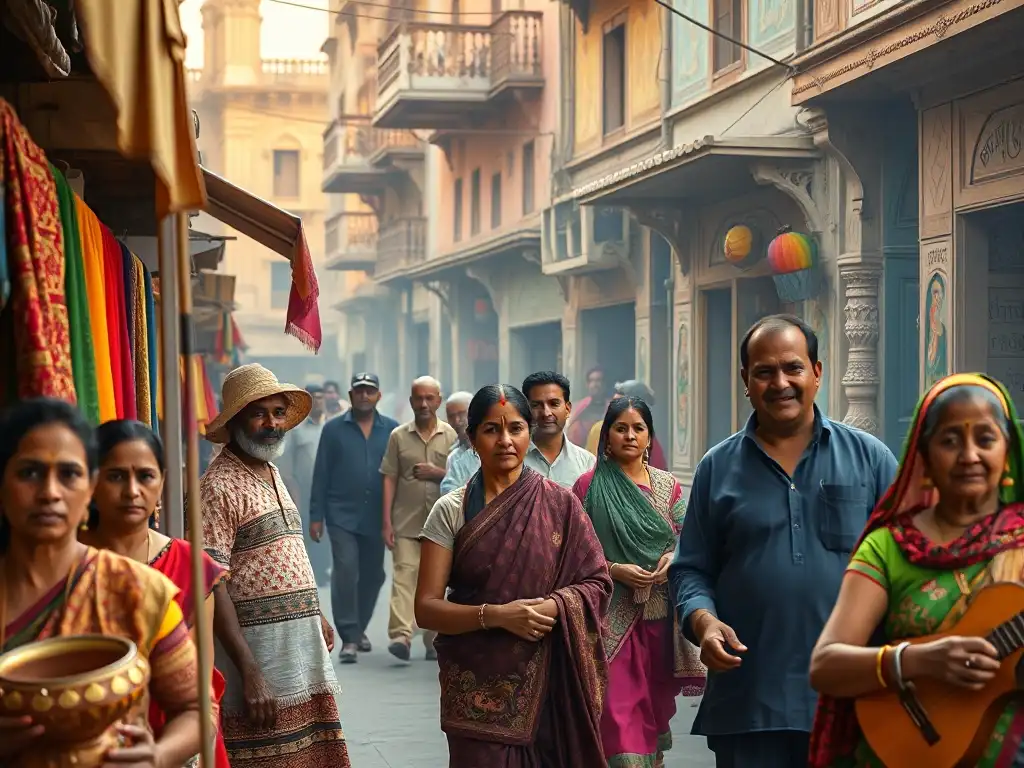
Welcome to Ancient India History, where we invite you to embark on a journey through the vibrant tapestry of India's past. In our latest article, "The Cultural Confluence of Western India: A Melting Pot of Traditions," we delve into the cultural heritage of Western India, uncovering the intricate blend of traditions that have shaped this region over centuries. From the majestic forts of the Rajputs to the serene ghats of the Western Ghats, discover how diverse influences have created a unique identity that continues to captivate the world today.
Are you ready to explore the stories that echo through time? Let's dive in!
Introduction to the Cultural Heritage of Western India
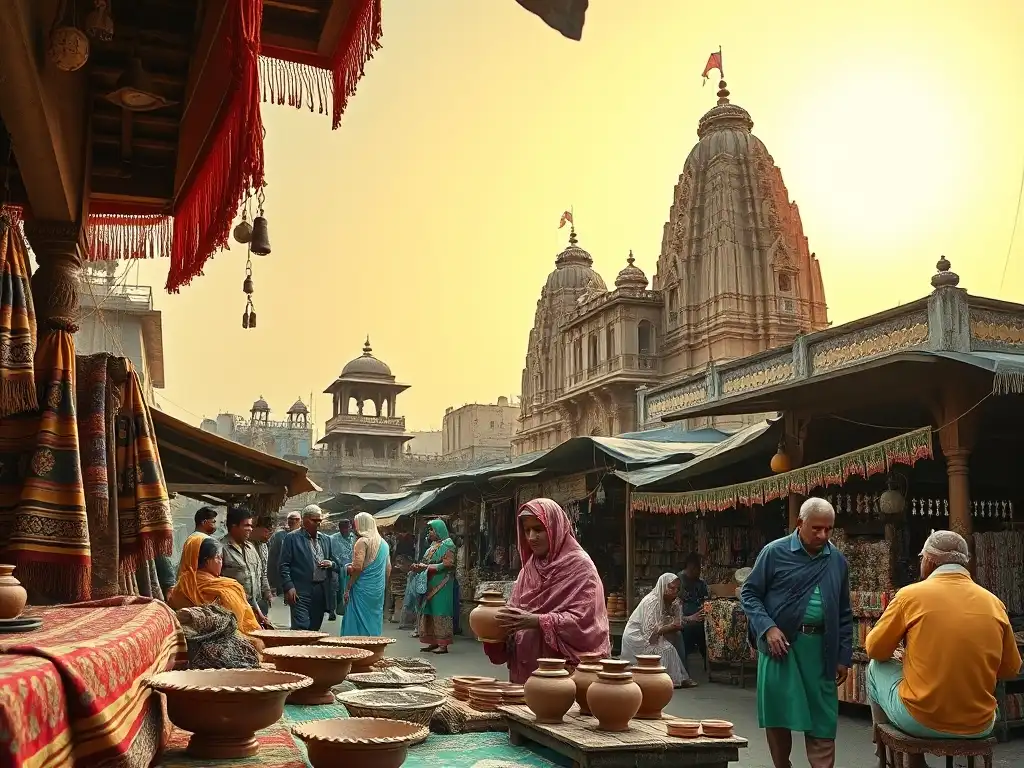
The cultural heritage of Western India is a testament to the region's rich and diverse history, marked by an intricate tapestry of traditions, languages, and religious practices. From the ancient civilizations of the Indus Valley to the flourishing dynasties of the Gupta Empire, Western India has been a focal point of cultural confluence. This region is not only a repository of historical artifacts and monuments but also a living landscape where ancient customs continue to thrive alongside modern influences. The interplay of various communities and cultures has created a unique identity that encapsulates the essence of India's heritage.
Understanding the Significance of Cultural Heritage
Cultural heritage plays a pivotal role in shaping the identity of a region. It encompasses the traditions, rituals, languages, and artistic expressions that have been passed down through generations. In Western India, this heritage is reflected in:
- Architecture: The stunning forts, palaces, and temples that dot the landscape, showcasing intricate craftsmanship and architectural brilliance.
- Art and Craftsmanship: The vibrant textile traditions, pottery, and handicrafts that highlight the region's artistic legacy.
- Festivals and Rituals: A plethora of festivals celebrated year-round, each carrying historical significance and communal pride.
The preservation of this cultural heritage is vital not only for maintaining the region's identity but also for fostering a sense of belonging among its inhabitants.
Overview of Western India's Historical Context
Western India has been shaped by numerous historical influences, from ancient civilizations to colonial encounters. Major events that have left an indelible mark on the region include:
- The Indus Valley Civilization: One of the world's earliest urban cultures, known for its sophisticated city planning and trade networks.
- The Maurya and Gupta Empires: These empires brought significant advancements in art, science, and philosophy, contributing to a rich intellectual legacy.
- Colonial Era: The British colonial rule introduced new dynamics, impacting local cultures, economies, and social structures.
Understanding this historical context is crucial for appreciating the layers of influence that have culminated in the vibrant cultural landscape of Western India.
Historical Influences on Western India's Culture
Ancient Civilizations and Their Contributions
The foundation of Western India's cultural heritage can be traced back to its ancient civilizations. The Indus Valley Civilization, with its advanced urban planning, trade practices, and script, laid the groundwork for subsequent cultural developments. Key contributions include:
- Urban Planning: The layout of cities like Harappa and Mohenjo-Daro reflects advanced engineering and architectural skills.
- Trade Networks: The establishment of trade routes facilitated cultural exchanges with distant regions, enriching local traditions.
These early developments set the stage for the cultural richness that would follow.
The Impact of Trade Routes on Cultural Exchange
Western India has historically been a crossroads for trade, connecting various cultures and facilitating the exchange of ideas, goods, and traditions. Prominent trade routes such as the Silk Road and maritime pathways contributed to:
- Cultural Syncretism: The blending of diverse cultural elements, evident in art, cuisine, and religious practices.
- Economic Prosperity: The flourishing trade led to the rise of wealthy merchant communities, further enriching the cultural landscape.
The impact of these trade routes is still visible in the region's multicultural identity.
The Role of Empires in Shaping Cultural Identity
Throughout history, various empires have played a significant role in shaping the cultural identity of Western India. Notable empires include:
- The Maurya Empire: Known for its promotion of Buddhism and art, which influenced subsequent cultural expressions.
- The Mughal Empire: Its architectural marvels and patronage of arts left a lasting legacy, blending Persian and Indian styles.
These empires not only shaped the political landscape but also enriched the cultural tapestry, making Western India a melting pot of traditions and influences.
The cultural heritage of Western India is a dynamic interplay of historical influences, ancient contributions, and ongoing traditions that continue to evolve, reflecting the region's unique identity and rich history.
Major Cultural Traditions in Western India
Western India, encompassing states like Maharashtra, Gujarat, Rajasthan, and parts of Madhya Pradesh, is a vibrant tapestry of cultural heritage. The region's history is marked by the confluence of various traditions, languages, and communities, each contributing to a rich cultural landscape. This melting pot is evident in its festivals, arts, crafts, and daily life.
The cultural heritage of Western India is characterized by its folk traditions, classical music, and dance forms that reflect the region's diverse influences. Festivals such as Diwali, Ganesh Chaturthi, Navratri, and Uttarayan showcase the communal spirit and the shared values among different communities. The influence of historical empires, trade routes, and migrations has also led to a fusion of customs, making Western India a unique cultural hub.
Artistic Expressions: A Blend of Styles
Artistic expressions in Western India are a fascinating blend of indigenous and foreign influences. Traditional art forms, such as Warli painting from Maharashtra, are characterized by their simple yet expressive motifs depicting daily life and nature. The intricate designs of Bandhani textiles from Gujarat demonstrate the region's expertise in craftsmanship and dyeing techniques.
Moreover, the architecture of Western India, from the majestic forts of Rajasthan to the intricate temples of Maharashtra, reflects a synthesis of styles influenced by various dynasties. Notable examples include the elaborate carvings of the Sun Temple in Modhera and the stunning frescoes of the Shekhawati region.
Performing arts also thrive in this region, with folk dances like Garba and Dandiya Raas celebrated during festivals, while classical forms like Kathak and Bharatnatyam find their place in cultural events. This diverse artistic expression not only preserves traditions but also fosters a sense of identity among the communities.
Culinary Diversity: A Taste of Western India
The culinary landscape of Western India is as diverse as its culture, with each state offering unique flavors and dishes that reflect local ingredients, customs, and historical influences. From the spicy curries of Maharashtra to the sweet dishes of Gujarat, the region's cuisine is a testament to its rich heritage.
Maharashtrian cuisine features staples like vada pav and puran poli, while Gujarati thalis are famous for their harmonious balance of sweet, salty, and spicy flavors. Rajasthani food, known for its rich and royal flavors, includes dishes like dal baati churma and gatte ki sabzi, showcasing the region's agricultural bounty.
Additionally, the coastal areas of Western India boast seafood delicacies flavored with coconut and spices, further adding to the culinary diversity. Street food, such as pani puri and pav bhaji, is also integral to the experience, bringing people together through shared tastes and communal dining.
Religious Diversity and Its Impact on Culture
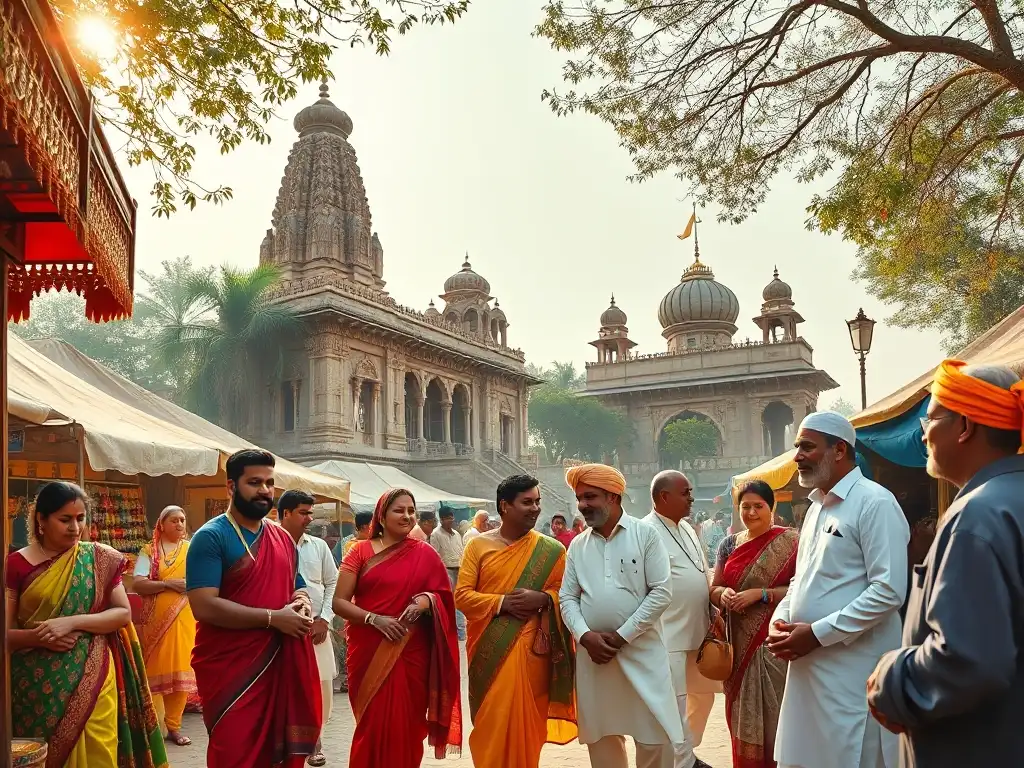
Western India is a mosaic of religious beliefs, with Hinduism, Jainism, Buddhism, Islam, and Sikhism coexisting and contributing to the region's cultural richness. This religious plurality is not just a backdrop but plays a vital role in shaping the social fabric and cultural practices of the communities.
Religious festivals, rituals, and places of worship serve as focal points for cultural expression and community bonding. Temples, mosques, and gurudwaras are not only spiritual centers but also repositories of art and architecture that reflect the region's historical narratives.
Major Religions in Western India
The major religions practiced in Western India include Hinduism, which is predominant and influences most cultural practices and festivals. Jainism has a significant presence, particularly in Gujarat, known for its non-violent philosophy and rich artistic heritage. Buddhism once flourished in this region, leaving behind notable sites such as the Ajanta and Ellora caves.
Islam has a profound impact on the cultural landscape, especially in urban centers like Mumbai and Ahmedabad, where Mughal architecture and culinary traditions blend seamlessly with local customs. Sikhism, although a minority, contributes to the cultural diversity, particularly in areas close to Punjab, with its vibrant festivals and spiritual practices.
Interfaith Interactions: A Tradition of Coexistence
The history of Western India is marked by a tradition of interfaith interactions, where diverse communities have coexisted and collaborated over centuries. This spirit of coexistence is visible in shared festivals, communal prayers, and intermingling in daily life, fostering a sense of unity within diversity.
For instance, festivals like Eid and Diwali are celebrated in tandem in many neighborhoods, with communal feasting and joint celebrations reflecting mutual respect and cultural sharing. Architectural marvels, such as the intricately designed temples and mosques, stand as symbols of harmony and artistic collaboration.
Moreover, social practices, such as the intermingling of music and dance styles from different religious traditions, further demonstrate the region's inclusive ethos. This rich history of interfaith interactions not only enhances the cultural heritage of Western India but also serves as a reminder of the importance of unity in diversity.
Festivals and Celebrations: A Reflection of Cultural Heritage
Festivals in Western India serve as vibrant expressions of the region's rich cultural heritage. They embody the unique blend of traditions, beliefs, and practices that have evolved over centuries. Celebrated with great enthusiasm, these festivals reflect the social fabric of the communities, showcasing their values, art forms, and culinary delights.
The diversity of festivals in Western India can be attributed to its multi-ethnic population and historical influences. From the exuberant celebrations of Diwali and Holi to the regional festivities like Ganesh Chaturthi and Navratri, each occasion offers a glimpse into the customs and rituals that define the cultural identity of the people. These events not only foster community bonding but also provide a platform for artistic expression through dance, music, and theater.
Moreover, festivals often highlight the traditional crafts and cuisines of the region. Markets become vibrant hubs of activity, where artisans showcase their handiwork and local delicacies tantalize the taste buds. This melding of celebration with cultural heritage ensures that traditions are passed down through generations, preserving the essence of Western India's rich history.
Major Festivals Celebrated in Western India
- Ganesh Chaturthi:
- Celebrated primarily in Maharashtra, this festival honors Lord Ganesha's arrival. It features elaborate idols, processions, and communal gatherings.
- Navratri:
- A nine-night festival dedicated to Goddess Durga, Navratri is celebrated with fervor, especially in Gujarat. It includes traditional dance forms like Garba and Dandiya Raas.
- Diwali:
- Known as the Festival of Lights, Diwali symbolizes the victory of light over darkness. It is celebrated with fireworks, sweets, and family gatherings across Western India.
- Makar Sankranti:
- This harvest festival marks the transition of the sun into Capricorn. Known for kite flying, it is celebrated with great enthusiasm in Gujarat and Maharashtra.
- Gudi Padwa:
- The Marathi New Year, Gudi Padwa, is celebrated with the hoisting of the Gudi (a symbolic banner) and traditional feasts.
- Pongal:
- Predominantly celebrated in Tamil communities, this harvest festival involves cooking rice and other traditional dishes, emphasizing gratitude for nature's bounty.
These festivals not only enhance the cultural landscape of Western India but also invite participation from diverse communities, enriching the regional tapestry.
Language and Literature: The Voice of Western India
Language and literature in Western India form a crucial part of its cultural heritage, reflecting the region's historical evolution and societal changes. With a plethora of languages spoken, the linguistic landscape is as diverse as the festivals celebrated. Each language carries with it a wealth of literature that narrates the stories, philosophies, and experiences of its speakers.
The interplay between language and literature has fostered a rich tradition of storytelling, poetry, and drama, contributing significantly to the cultural identity of Western India. This literary heritage not only preserves historical narratives but also serves as a medium for contemporary issues, illustrating the ongoing dialogue between past and present.
Regional Languages and Their Evolution
Western India is home to several prominent languages, including Marathi, Gujarati, and Konkani, each with its unique evolution and influence:
- Marathi:
- With roots tracing back to the 13th century, Marathi has evolved significantly, influenced by Sanskrit, Prakrit, and Persian. It boasts a rich literary history, with notable poets and playwrights contributing to its depth.
- Gujarati:
- Emerging as a distinct language around the 12th century, Gujarati has been shaped by various dialects and cultural influences. Its literature flourished in the 19th and 20th centuries, with significant contributions from writers like Narmad and Jhaverchand Meghani.
- Konkani:
- Originating in the Konkan coast, Konkani's evolution has been closely tied to the region's maritime trade and cultural exchanges. It enjoys a vibrant literary scene, recognized for its folk tales and poetry.
This linguistic diversity enriches the cultural heritage of Western India, allowing for the expression of varied narratives and experiences.
Literary Contributions: From Classical to Modern Texts
The literary contributions of Western India span centuries, showcasing a remarkable journey from classical texts to modern works. These contributions encapsulate the region's historical, social, and cultural evolution.
- Classical Literature:
- Ancient texts such as the "Dnyaneshwari" (a commentary on the Bhagavad Gita by Dnyaneshwar) and "Shivaji's letters" reflect the philosophical and historical narratives of the time.
- Folk Literature:
- Folk traditions play a crucial role, with tales and ballads passed down orally, capturing the essence of local culture and traditions. This includes the vibrant "Tamasha" performances in Maharashtra.
- Modern Literature:
- The 20th century witnessed a renaissance in Western Indian literature, with authors like P. L. Deshpande and S. K. Pottekkat addressing contemporary issues through their works. The rise of novels, short stories, and plays enriched the literary landscape, making it more accessible to the masses.
- Poetry and Prose:
- Poetry has flourished, with voices like N. S. Phadke and G. S. Shivarudrappa illustrating the emotional depth and cultural richness of the region. Prose has also gained prominence, with essays and narratives that critique society and celebrate heritage.
The literary tapestry of Western India continues to evolve, reflecting the dynamic interplay between tradition and modernity, and contributing to the broader cultural heritage of the region.
The Role of Architecture in Cultural Heritage
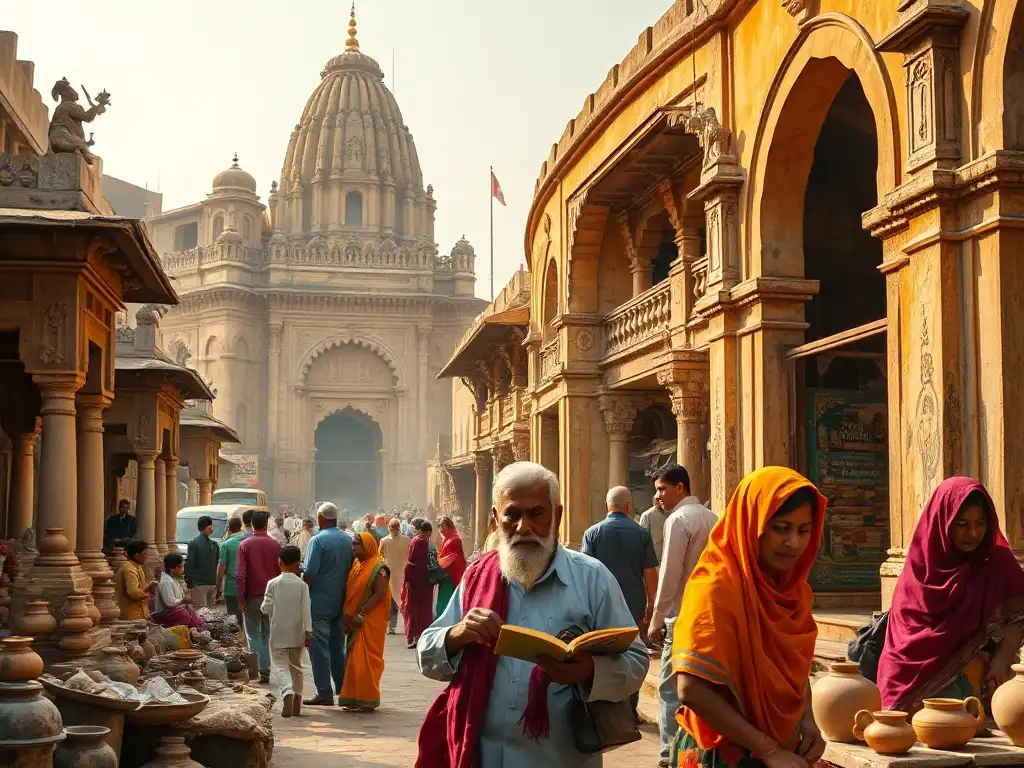
Architecture is a vital expression of the cultural heritage of Western India, reflecting the region's historical influences and the confluence of various traditions. From the intricate carvings of temples to the majestic forts that tell tales of valor, the architectural landscape serves as a testament to the rich history and diverse cultures that have thrived in this part of the country. The styles range from the stunning rock-cut caves of Ajanta and Ellora to the exquisite palaces of the Maratha Empire, each representing different eras and the synthesis of local and foreign architectural elements.
Moreover, the architecture of Western India is not merely about aesthetics; it embodies the socio-political realities of its time, showcasing the religious beliefs, social hierarchy, and economic prosperity of the societies that built them. This architectural heritage plays a critical role in shaping regional identity and fostering a sense of belonging among communities. The preservation and understanding of these structures are essential for appreciating the cultural narratives that they encapsulate.
Historical Monuments and Their Significance
Western India is home to a plethora of historical monuments, each with its own story and significance. Notable examples include:
- Ajanta Caves: Renowned for their Buddhist rock-cut architecture and stunning frescoes, these caves date back to the 2nd century BCE and are a UNESCO World Heritage Site. They offer insights into the art and religion of ancient India.
- Ellora Caves: Another UNESCO site, these caves feature a remarkable blend of Hindu, Buddhist, and Jain architecture, showcasing the religious tolerance and artistic genius of the era.
- The Forts of Rajasthan: Forts like Mehrangarh and Chittorgarh stand as symbols of Rajput valor and architectural innovation, reflecting the military and cultural history of the region.
- The Temples of Gujarat: The Sun Temple at Modhera and the Somnath Temple are significant not only for their architectural grandeur but also for their religious importance, attracting pilgrims and tourists alike.
These monuments are not just remnants of the past; they are vital links to the cultural identity and historical narrative of Western India, enriching our understanding of ancient civilizations.
Preservation Efforts for Architectural Heritage
Efforts to preserve the architectural heritage of Western India are crucial for maintaining the region's cultural identity. Various government and non-governmental organizations are actively involved in these efforts. The Archaeological Survey of India (ASI) plays a key role in the documentation, restoration, and conservation of historical sites.
Local communities also participate in preservation initiatives, recognizing the importance of their cultural heritage. For example, heritage walks and educational programs are organized to raise awareness and engage the younger generation in the conservation of their local history.
Challenges such as urbanization, neglect, and environmental factors pose threats to these monuments, making preservation efforts more urgent. Collaborations between historians, architects, and community groups are essential to develop sustainable practices that honor the past while accommodating modern needs.
The Future of Western India's Cultural Heritage
As we look ahead, the cultural heritage of Western India faces both exciting opportunities and significant challenges. The region's vibrant traditions and historical narratives continue to inspire contemporary creativity, prompting a renewed interest in its rich heritage.
Contemporary Cultural Movements
In recent years, there has been a resurgence in cultural movements that celebrate Western India's heritage. Artists, musicians, and writers are drawing inspiration from traditional forms, blending them with modern interpretations. Festivals showcasing folk arts, local crafts, and traditional music are gaining popularity, attracting both locals and tourists. These movements help to keep the cultural fabric alive, fostering a sense of pride and continuity among communities.
Additionally, the rise of digital platforms has enabled broader dissemination of Western India's cultural heritage, allowing for a global audience to engage with its traditions. Online exhibitions, virtual tours of historical sites, and social media campaigns have made it easier for individuals to connect with and appreciate the region's rich history.
Challenges in Preserving Cultural Diversity
Despite these positive trends, the preservation of cultural diversity in Western India is fraught with challenges. Rapid urbanization and globalization often lead to the erosion of traditional practices and languages. Many local artisans struggle to compete with mass-produced goods, putting their crafts at risk of disappearance.
Furthermore, societal changes and migration may dilute the cultural identities of communities. It is essential to create inclusive policies that support the preservation of diverse cultural expressions and ensure that they are passed down through generations.
The Importance of Cultural Heritage in Modern Times
In today's fast-paced world, the importance of cultural heritage cannot be overstated. It provides a sense of continuity and identity, grounding individuals in their history while navigating the complexities of modern life. Cultural heritage fosters community cohesion, encouraging people to come together and share their stories, traditions, and values.
Moreover, the economic potential of cultural heritage tourism is significant. By promoting historical sites and traditional arts, Western India can attract visitors and create sustainable livelihoods for local communities. Balancing modernization with heritage conservation is crucial for the region's future, ensuring that Western India's rich cultural legacy remains a vibrant part of its identity for years to come.
Conclusion: Embracing the Melting Pot of Traditions
The cultural heritage of Western India stands as a testament to its historical significance and the myriad influences that have shaped its identity over the centuries. From the ancient civilizations of the Indus Valley to the flourishing kingdoms of the Marathas, this region has been a vibrant confluence of various traditions, religions, and cultural practices. The rich tapestry of art, architecture, music, and dance that defines Western India reflects a unique blend of indigenous and foreign elements, making it a true melting pot of traditions.
As we explore the depth of this cultural confluence, it becomes evident that the legacy of Western India is not just a relic of the past but a living entity that continues to evolve. Festivals, local customs, and everyday practices are infused with historical narratives and contemporary interpretations, showcasing an ongoing dialogue between tradition and modernity. This dynamic interplay invites both residents and visitors to engage with the region's diverse heritage, fostering a greater appreciation for its historical roots and cultural significance.
The Enduring Legacy of Western India's Cultural Heritage
The enduring legacy of Western India's cultural heritage is encapsulated in its architectural marvels, such as the intricately carved temples of Gujarat, the majestic forts of Maharashtra, and the vibrant murals of Rajasthan. Each structure tells a story, reflecting the artistic prowess and spiritual beliefs of the time. These monuments not only serve as tourist attractions but also as symbols of the region's rich history and cultural resilience.
Moreover, the culinary traditions of Western India further exemplify this legacy. The diverse range of dishes, from the spicy flavors of Maharashtrian cuisine to the sweet delicacies of Gujarati cooking, represents a fusion of local ingredients and influences from various cultures. Festivals like Ganesh Chaturthi and Navratri showcase traditional music and dance forms, such as Lavani and Garba, that have deep-rooted historical significance and continue to thrive in contemporary society.
In essence, the cultural heritage of Western India is characterized by its ability to adapt and incorporate new influences while maintaining its core traditions. This legacy not only enriches the lives of those who inhabit the region but also serves as a vital reference point for understanding the broader narrative of India's history.
Call to Action: Celebrating and Preserving Diversity
As we delve into the cultural heritage of Western India, it is imperative to recognize the importance of celebrating and preserving this diversity. Individuals, communities, and institutions play a critical role in safeguarding the traditions and practices that define this region. Engaging in local festivals, supporting artisans, and participating in cultural programs are ways to actively contribute to the preservation of Western India's rich heritage.
Educational initiatives aimed at raising awareness about the region's history and its diverse traditions can foster a deeper appreciation among younger generations. Schools and cultural organizations can collaborate to organize workshops, exhibitions, and performances that highlight the significance of Western India's cultural legacy.
Moreover, tourism can be harnessed as a vehicle for cultural preservation, encouraging responsible travel that respects and honors local customs. By promoting sustainable tourism practices, visitors can experience the authentic essence of Western India while contributing to the local economy and the preservation of its cultural sites.
Embracing the cultural heritage of Western India is not merely an act of remembrance; it is a commitment to ensuring that this rich mosaic of traditions continues to thrive for future generations. By celebrating and preserving this diversity, we can honor the past while paving the way for a vibrant cultural future.
- Introduction to the Cultural Heritage of Western India
- Historical Influences on Western India's Culture
- Major Cultural Traditions in Western India
- Religious Diversity and Its Impact on Culture
- Festivals and Celebrations: A Reflection of Cultural Heritage
- Language and Literature: The Voice of Western India
- The Role of Architecture in Cultural Heritage
- The Future of Western India's Cultural Heritage
- Conclusion: Embracing the Melting Pot of Traditions
- What is the significance of the Cultural Heritage of Western India?
- How did the Indus Valley Civilization contribute to Western India's culture?
- What are some key traditions of Western India?
- How did the Gupta Empire influence Western Indian culture?
- What role does religion play in the cultural heritage of Western India?
Frequently Asked Questions
What is the significance of the Cultural Heritage of Western India?
The Cultural Heritage of Western India is significant due to its diverse traditions, art forms, and historical influences that reflect the region's rich history and contributions to Indian civilization.
How did the Indus Valley Civilization contribute to Western India's culture?
The Indus Valley Civilization laid the foundation for urban planning and trade in Western India, influencing later cultures through advancements in craftsmanship and agriculture that shaped the region's development.
What are some key traditions of Western India?
Western India is known for its vibrant festivals, dance forms like Garba and Dandiya, and culinary delights that showcase the region's cultural diversity and communal harmony.
How did the Gupta Empire influence Western Indian culture?
The Gupta Empire played a crucial role in the cultural renaissance of Western India, promoting art, literature, and science, which led to a flourishing of intellectual and artistic achievements in the region.
What role does religion play in the cultural heritage of Western India?
Religion significantly shapes the cultural heritage of Western India, with diverse practices, festivals, and rituals that reflect the region's pluralistic society and historical syncretism of different faiths.
Final Reflection: Embracing the Rich Tapestry of Western India's Cultural Heritage
The cultural heritage of Western India is not just a relic of the past; it is a vibrant and living testament to the region's ability to adapt and thrive amidst diversity. Today, as globalization continues to shape our world, the significance of preserving and celebrating such rich traditions becomes even more crucial. The unique blend of languages, arts, and customs in Western India serves as a reminder of our shared humanity and the beauty that arises from cultural convergence.
Cultural heritage shapes our identities and influences our social dynamics in profound ways. The traditions of Western India, from its folk dances to its culinary delights, have not only enriched the local communities but have also captured the imagination of the world. As we navigate an increasingly homogenized global culture, it is essential to recognize and honor these unique expressions of identity. Culture is the widening of the mind and of the spirit.
– Jawaharlal Nehru. This quote encapsulates the essence of how the cultural heritage of Western India can inspire us to broaden our perspectives and appreciate the diversity that surrounds us.
As we reflect on the lessons drawn from the cultural confluence of Western India, I invite you to explore and engage with the traditions that resonate with you. Consider how you can incorporate elements of this rich heritage into your own life, whether through art, cuisine, or community involvement. By doing so, you not only honor the past but also contribute to a future where cultural diversity is celebrated and preserved. Let us embrace the beauty of our differences and work towards a more inclusive world, where every tradition has its place in the tapestry of humanity.
Unveil the Rich Tapestry of Western India!
Thank you for taking the time to explore the vibrant cultural confluence of Western India! We hope you’ve gained insights into the diverse traditions and heritage that shape this unique region. Now, it’s time to deepen your connection and experience these cultures for yourself.
Here are some exciting steps you can take next:
- Plan a cultural trip to one of the stunning destinations in Western India—immerse yourself in local festivals, cuisine, and art.
- Share your newfound knowledge with friends and start a conversation about the cultural diversity of India. Your insights could inspire others!
- Join a local cultural event or workshop, such as a dance class, cooking lesson, or art exhibit, to engage with the traditions in an interactive way.
Which cultural tradition in Western India excites you the most, and what motivates you to explore it further? Let’s discuss in the comments below!