
The Role of Women in the Societies of Ancient Western India

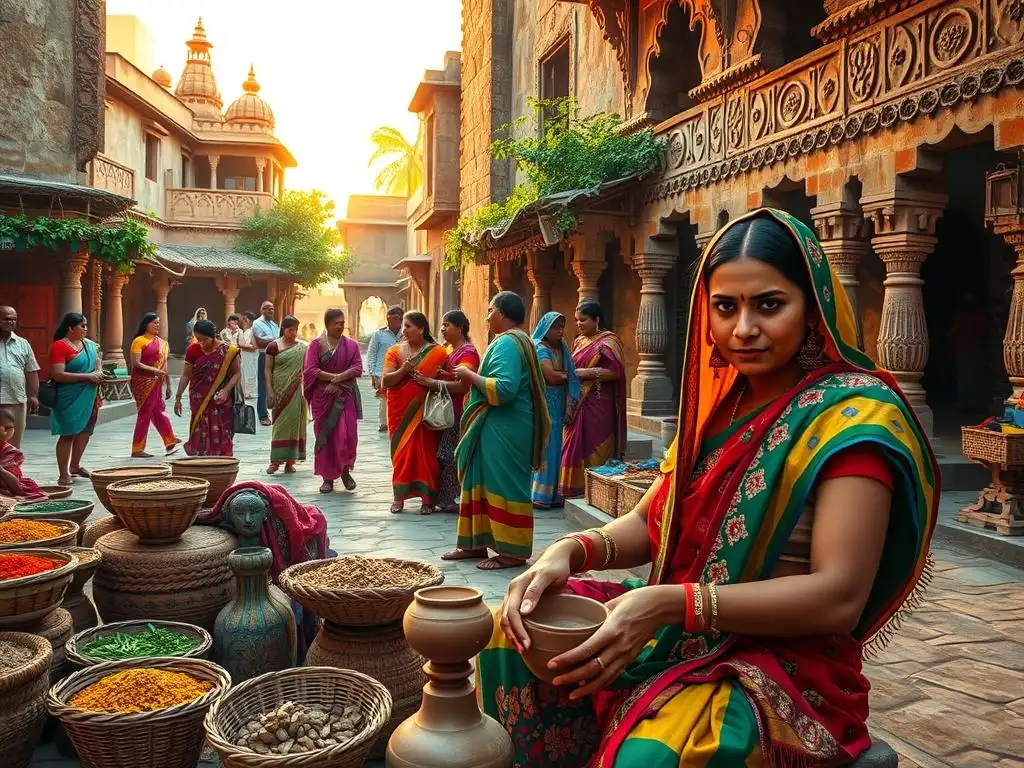
Welcome to Ancient India History, where we invite you to embark on a fascinating journey through the rich tapestry of ancient Indian civilizations. Today, we delve into a captivating exploration of the role of women in ancient Western Indian societies, shedding light on their influence, contributions, and the unique positions they held in a world often overlooked. As you navigate through the intricate narratives of these remarkable women, prepare to uncover stories that challenge perceptions and highlight the vibrant cultural legacy of ancient India.
Are you ready to discover how these influential figures shaped their communities and left an enduring mark on history? Let’s dive in!
Introduction to Women in Ancient Indian Societies
The role of women in ancient Indian societies, particularly in Western India, is a topic that uncovers the intricate tapestry of gender dynamics, cultural practices, and societal structures that defined the region from the Indus Valley Civilization to the Gupta Empire. While historical narratives often spotlight male figures, the contributions and experiences of women are equally significant in understanding the full spectrum of ancient Indian life. This article aims to delve into the multifaceted roles women played in these societies, highlighting their status, influence, and the changes they underwent over centuries.
Overview of Women's Status in Ancient India
In ancient Indian societies, women's status varied significantly depending on the period and region. Generally, women were often seen as the custodians of family and culture, responsible for maintaining household traditions and values. However, their roles extended beyond domesticity:
- Education and Knowledge: In certain periods, women had access to education, contributing to fields like literature, philosophy, and the arts. Prominent figures such as Gargi and Maitreyī are examples of learned women in ancient texts.
- Religious Participation: Women actively participated in religious rituals and held positions of authority in spiritual practices, often serving as priestesses and caregivers of sacred knowledge.
- Economic Contributions: Many women engaged in agricultural work, textile production, and trade, playing vital roles in the economy of their communities.
Despite these contributions, societal norms often confined women to domestic spheres, reflecting a complex interplay of empowerment and restriction.
Importance of Studying Women’s Roles in History
Understanding the roles of women in ancient Indian societies is crucial for several reasons:
- Revealing Hidden Narratives: By focusing on women's contributions, historians can uncover narratives that have been overlooked or marginalized in traditional historical accounts.
- Cultural Insights: Examining women's roles provides insights into the cultural values and social structures of ancient societies, offering a more comprehensive view of their civilizations.
- Inspiration for Modern Discourse: Analyzing the historical roles of women can inform contemporary discussions about gender equality and women's rights, connecting past struggles and achievements to present-day issues.
Historical Context of Ancient Western India
The historical context of Western India played a significant role in shaping the lives and status of women. This region, rich in diverse cultures and influences, saw the rise of several major civilizations that impacted gender dynamics.
Major Civilizations Influencing Women’s Roles
- Indus Valley Civilization: One of the earliest urban cultures, the Indus Valley Civilization showcased evidence of women's involvement in various activities, from crafting to trade. Artifacts suggest that women participated actively in economic life and possibly held positions of social status.
- Maurya Empire: The Maurya period marked a significant shift with the emergence of influential women like Chandragupta's queen. Texts from this era highlight the political engagement of women in royal courts and their roles in state affairs.
- Gupta Empire: During the Gupta period, women’s status experienced both advancements and regressions. While some texts celebrated women's intellect and contributions, others reinforced patriarchal norms, illustrating the duality of women's experiences in this era.
Societal Structure and Gender Roles
The societal structure in ancient Western India was predominantly patriarchal, yet it was nuanced by various factors:
- Caste System: The caste system influenced women's roles significantly, with higher caste women often enjoying greater privileges, including education and social status, while lower caste women faced harsher restrictions.
- Marriage and Family: Marriages were typically arranged, and the concept of patrilocality (the practice of a woman moving to her husband's household) impacted women's autonomy and social networks. Despite these constraints, women often found ways to exert influence within their families and communities.
- Legal Rights: Women's legal rights fluctuated throughout history. Texts like the Manusmriti outline a range of rights and responsibilities, reflecting the complexity of women's positions in society.
The exploration of women's roles in ancient Western India reveals a rich tapestry of experiences that shaped their societies profoundly. Understanding these dynamics not only enriches our historical knowledge but also provides valuable perspectives on contemporary gender issues.
Daily Life of Women in Ancient Western India
The daily life of women in ancient Western India was multifaceted, deeply intertwined with the cultural, social, and economic fabric of their societies. Women played an essential role in maintaining household stability while also engaging in various community activities. Their responsibilities varied significantly based on their social status, region, and the prevailing historical context.
In rural areas, women were often involved in agricultural activities, helping to plant, harvest, and process crops. This participation was crucial, as agriculture formed the backbone of the economy. In urban settings, women might have engaged in trade, weaving, and artisanal crafts. The daily routines of these women were shaped by the seasons, local customs, and the demands of their families.
Moreover, women's roles extended beyond the household. Social and community gatherings often involved women, where they participated in rituals, festivals, and celebrations, showcasing their integral role in cultural continuity. Despite the often patriarchal structures, women found ways to assert their agency within the confines of their societal roles.
Domestic Responsibilities and Family Life
Domestic responsibilities were central to the lives of women in ancient Western India. These responsibilities included cooking, cleaning, child-rearing, and managing household finances. Women were often the primary caregivers, ensuring the well-being and upbringing of children, which was considered a significant duty.
The family unit was typically patriarchal, with the male head of the household making major decisions. However, women wielded influence within the domestic sphere. They were responsible for educating their children, particularly in moral and ethical values, which were integral to the family’s social standing.
Marriage was a critical aspect of women's lives, often arranged at a young age. Upon marriage, women moved into their husband's households, where they adapted to new family dynamics. Their ability to manage household affairs and maintain harmony within the family was highly valued, and success in these areas could enhance their status within the community.
Economic Contributions of Women
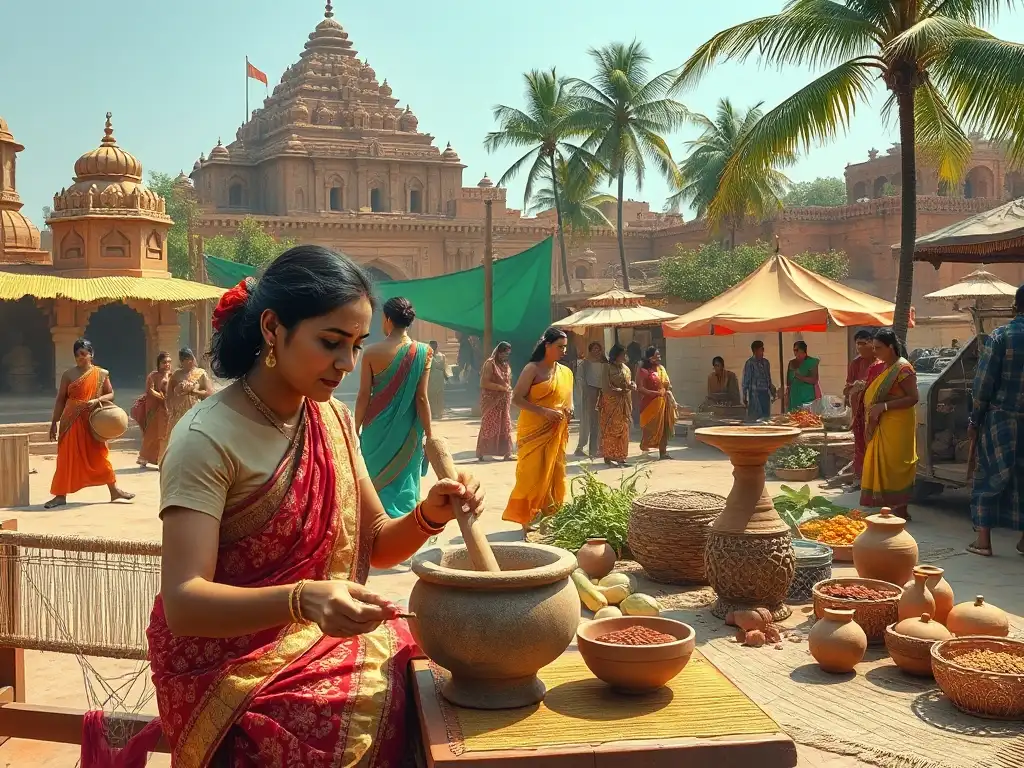
Women in ancient Western India made significant economic contributions, albeit often unrecognized in historical records. Their involvement was essential in various sectors, such as agriculture, textiles, and trade. Women were engaged in weaving, spinning, and pottery, producing goods that were vital for both family consumption and trade.
In many cases, women participated in family businesses, particularly in marketplaces, where they sold products and engaged in barter. The economic contributions of women not only supported their families but also contributed to the local economies.
Additionally, some women, particularly from higher social strata, were known to own property and manage resources, which allowed them a degree of financial independence and social mobility. This aspect of women's economic participation highlights their crucial role in sustaining both domestic and community economies.
Education and Knowledge of Women
Education for women in ancient Western India was a complex subject, often influenced by caste, class, and regional factors. While formal education was generally more accessible to men, women had opportunities to gain knowledge, primarily through informal means.
Access to Education in Ancient Indian Societies
Access to education for women varied significantly across different regions and periods. In some communities, especially among the higher castes and urban populations, women were educated in arts, literature, and philosophy. The presence of learned women in certain texts and inscriptions indicates that some had the privilege of education, often facilitated by their families.
However, in many rural areas, educational opportunities for women were limited. The focus was predominantly on domestic skills, which were deemed essential for their roles as wives and mothers. Despite these constraints, women often learned through oral traditions and community teachings, preserving knowledge and cultural practices.
The emergence of Buddhist and Jain philosophies also contributed to women's education, as some monasteries provided spaces for learning and intellectual engagement. Women who joined these religious communities sometimes gained access to higher learning, allowing them to contribute to philosophical discourses.
Prominent Female Figures in Literature and Philosophy
Throughout ancient Indian history, several prominent female figures emerged in literature and philosophy, leaving a lasting impact on cultural and intellectual traditions. One of the most notable figures is Gargi Vachaknavi, a philosopher mentioned in the ancient texts of the Upanishads, celebrated for her profound knowledge and debates on metaphysics.
Another significant figure is Maitreyi, also from the Upanishads, who is known for her philosophical inquiries and discussions on the nature of the self. These women exemplified the intellectual capabilities of women in ancient Indian societies, challenging the norms of their times.
In addition to these philosophical figures, women also contributed to the literary arts. The presence of female poets in ancient texts suggests that they played an active role in the cultural expressions of their societies. Their works often reflected the themes of love, devotion, and the complexities of human relationships, enriching the literary heritage of ancient India.
These notable contributions highlight that women, despite facing societal restrictions, were pivotal in shaping the intellectual and cultural landscape of ancient Western India. Their legacies continue to inspire contemporary discussions on gender roles and women's contributions to history.
Religious and Spiritual Roles of Women
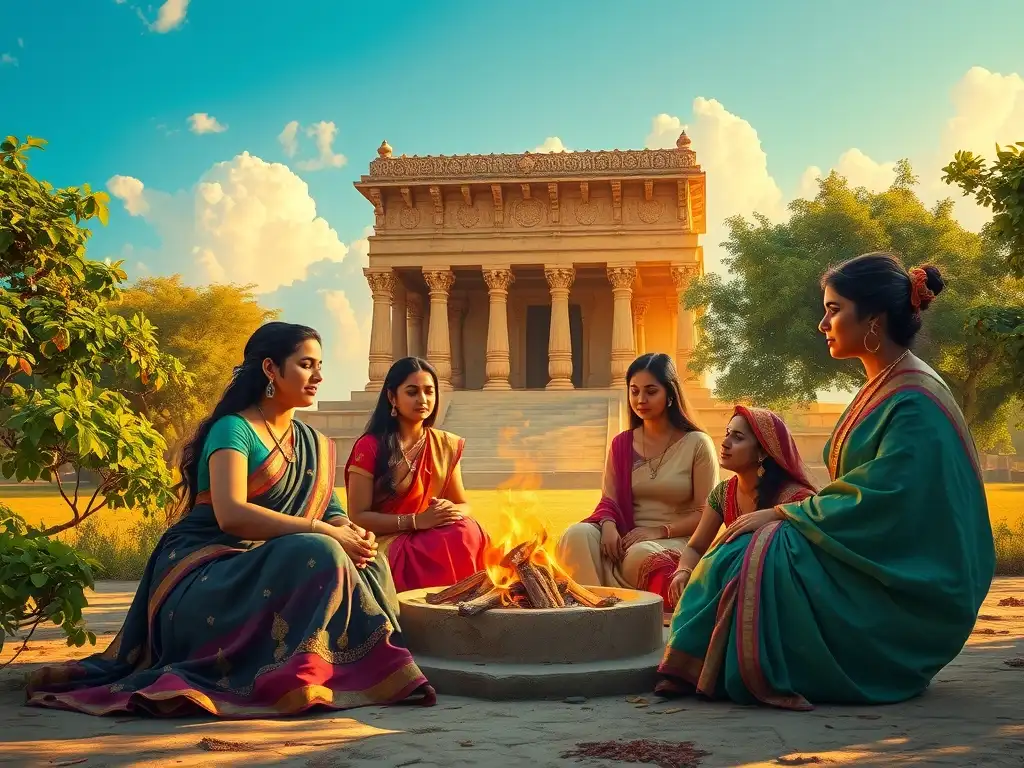
In ancient Western India, women played significant religious and spiritual roles that were integral to the fabric of society. Their participation in various rituals and ceremonies highlighted the respect and reverence afforded to them within religious contexts. Women were often seen as the custodians of family traditions and cultural practices, ensuring the transmission of spiritual knowledge across generations.
Women actively participated in temple activities, including rituals, worship, and festivals. They were involved in the preparation of offerings and often had specific roles assigned to them during religious ceremonies. Additionally, many women were revered as spiritual leaders and were believed to possess divine qualities, which allowed them to act as mediators between the divine and the earthly realms. The presence of women as priestesses in certain sects indicates their essential role in the spiritual hierarchy of ancient Indian religions.
Moreover, the intersection of gender and spirituality is illustrated through various texts and scriptures that depict women as embodiments of divine principles. Goddesses such as Durga and Lakshmi were worshipped not only for their powers but also as representations of feminine strength and wisdom. This reverence for female deities reinforced the idea of women being central to the spiritual life of the community.
Women in Ancient Indian Religions and Practices
The religious landscape of ancient Western India was diverse, encompassing a variety of beliefs and practices. Women were involved in both mainstream religions, such as Hinduism and Buddhism, as well as in local cults and tribal traditions. In Hinduism, women participated in Vedic rituals, where their roles often included that of the "Grihini" (householder), responsible for maintaining the sanctity of the home through daily rituals and prayers.
In Buddhist communities, women could become nuns and play vital roles in the monastic life. Texts from this period offer glimpses into the lives of female monks, who were respected for their spiritual insights and teachings. Additionally, women were integral to folk traditions, where they maintained oral histories, performed folk dances, and participated in community celebrations, all of which were steeped in religious significance.
Women also engaged in practices that emphasized devotion and piety, such as the "Sati" practice in certain communities, where widows would self-immolate on their husband’s funeral pyre, signifying their loyalty and ultimate devotion. While this practice has been criticized and is not representative of all women’s experiences, it underscores the complex interplay of gender, spirituality, and societal expectations in ancient times.
Political Involvement and Leadership
The political landscape of ancient Western India witnessed the involvement of women in various capacities, particularly in leadership roles. Women were not merely passive observers; they actively contributed to governance and decision-making processes. Their involvement ranged from direct leadership positions to influence behind the scenes, often advising kings and rulers in matters of state.
The existence of powerful queens and influential women in royal courts demonstrated that women could wield substantial authority. They participated in diplomatic endeavors, negotiated treaties, and played crucial roles in maintaining political alliances. Furthermore, women's contributions to military campaigns and governance during periods of crisis showcased their resilience and capability in leadership.
Women as Political Figures in Ancient India
Women in ancient India, particularly in Western regions, often claimed significant political power. They were not only seen as consorts of kings but also as sovereigns in their own right. Historical records indicate instances where women ruled independently or acted as regents during the minority of their sons. This highlights the potential for women to occupy spaces of authority that were traditionally dominated by men.
Queens such as Rani Durgavati of Gondwana exemplify the courage and leadership capabilities that women possessed. Rani Durgavati led her forces against the Mughal Empire, showcasing military acumen and strategic prowess. Such notable figures served as symbols of female empowerment, demonstrating that women could rise to prominence within the political sphere.
Notable Queens and Rulers of Western India
Several queens and rulers from ancient Western India left indelible marks on history through their leadership and governance. Among them, Rani Padmini of Chittor is legendary for her beauty and bravery, famously choosing to commit Jauhar (self-immolation) rather than fall into the hands of invaders. Her story has become emblematic of women's honor and strength.
Another prominent figure is Rani Ahilyabai Holkar, who ruled the Malwa kingdom in the 18th century. Known for her administrative acumen and philanthropic efforts, she was instrumental in promoting trade, building temples, and fostering the arts. Her reign is often remembered as a golden age for the region, highlighting the capacities of women as effective rulers.
Additionally, Queen Tarabai of the Maratha Empire actively led her troops in battle and was pivotal in resisting Mughal invasions during the late 17th century. Her leadership during a tumultuous period in history serves as a testament to the vital roles women played in maintaining sovereignty and stability in their realms.
These examples illustrate that women in ancient Western India were not only participants in society but were also key figures who shaped the political landscape through their leadership and resilience.
Influence of Caste and Class on Women’s Roles
The caste and class systems in ancient Western India significantly influenced the roles and status of women. These systems not only dictated social hierarchy but also shaped women's responsibilities, rights, and cultural practices within their respective communities. Understanding this influence requires a nuanced examination of the caste system and the variations in women's roles across different classes, as well as the evolution of these roles over time.
Caste System and Its Impact on Women’s Lives
The caste system in ancient India was a complex social hierarchy that divided people into rigid categories, which profoundly affected women's lives. Women from higher castes, such as Brahmins and Kshatriyas, were often afforded greater educational opportunities and could participate in religious rituals. They were typically expected to uphold family honor and adhere to strict codes of conduct, which often limited their autonomy.
In contrast, women from lower castes, such as Shudras, faced more significant restrictions and societal discrimination. Their roles were largely confined to domestic spheres or labor-intensive work, often with little to no access to education or religious participation. The caste system thus created a disparity in the quality of life and opportunities available to women based on their caste affiliation, with higher caste women enjoying more privileges compared to their lower caste counterparts.
Variations in Women’s Roles Across Different Classes
Within the broader framework of the caste system, the roles of women varied significantly across different classes. Elite women, particularly those from royal families, often wielded considerable power and influence. They could act as patrons of the arts, engage in politics, and even rule in the absence of male relatives. For instance, queens like Rudrama Devi of the Kakatiya dynasty exemplified the political agency that elite women could exercise.
On the other hand, women from merchant or artisan classes had more flexibility in their roles. They could participate in trade and craft production, contributing economically to their households. However, their social status still limited their participation in public life and decision-making processes. Despite these variations, all women, regardless of class, were ultimately shaped by the overarching patriarchal norms that governed their societies.
Changes Over Time: Evolution of Women’s Roles
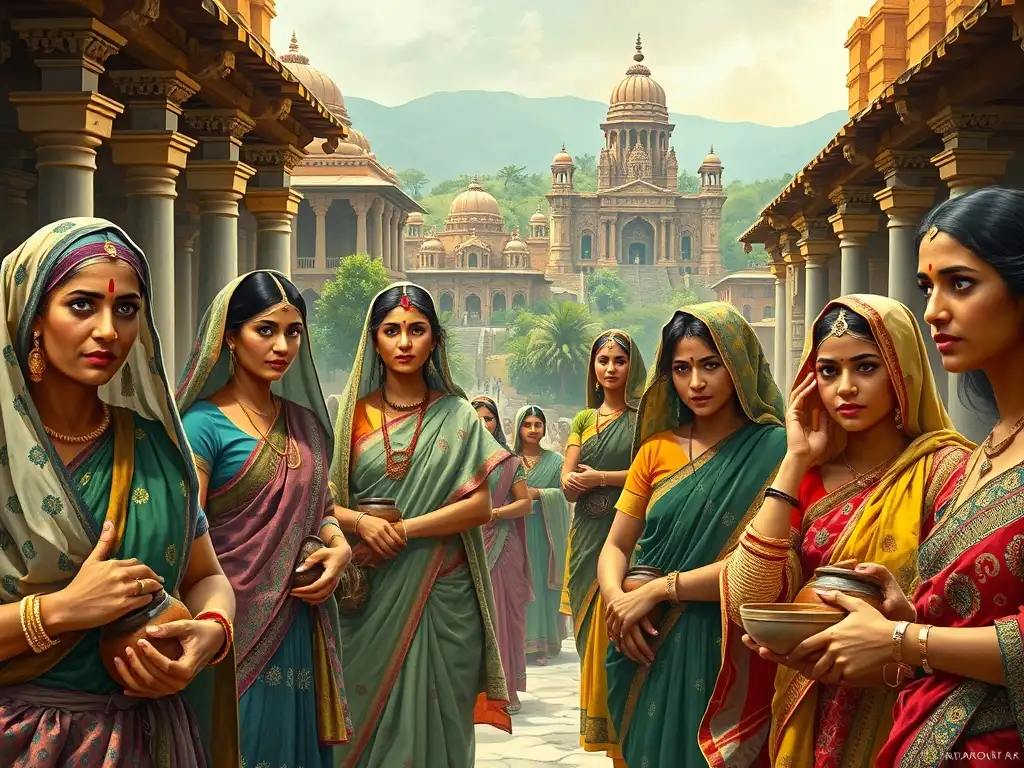
The roles of women in ancient Western Indian societies were not static; they evolved over time due to various social, political, and cultural changes. These transformations can be traced through significant shifts during different historical periods and the impact of invasions and cultural exchanges.
Shifts During Different Historical Periods
Throughout ancient history, women’s roles underwent notable changes, particularly during periods of political consolidation and cultural flourishing. For example, during the Mauryan Empire, women began to gain more visibility in religious and social contexts, with texts from this era indicating participation in rituals and public life. The rise of Buddhism and Jainism also contributed to a shift in perceptions about gender roles, promoting ideals of equality and spiritual liberation for women.
However, the Gupta period saw a regression in women's rights, with an increasing emphasis on domesticity and modesty. This era is often characterized by the consolidation of patriarchal values, which limited women's roles to primarily household-centered activities.
Effects of Invasions and Cultural Exchanges
Invasions and cultural exchanges significantly impacted the status and roles of women in ancient Western India. The arrival of foreign powers brought new cultural practices and ideologies, which sometimes integrated with local traditions. For instance, the influence of Islamic rulers introduced changes in customs regarding marriage and inheritance, which varied based on the region and community.
While some women gained new opportunities through these cultural exchanges, others experienced heightened restrictions, particularly in terms of dress and social conduct. The varying experiences of women during these times underscore the complex interplay between external influences and local customs, leading to a dynamic evolution of women's roles throughout ancient Western Indian history.
Conclusion: The Legacy of Women in Ancient Western Indian Societies
The role of women in ancient Western Indian societies is a testament to their significant contributions to culture, religion, and social structures. Through various historical periods, from the Indus Valley Civilization to the Gupta Empire, women engaged in diverse activities that shaped their communities. They were not only caretakers and homemakers but also played pivotal roles as artisans, traders, and even leaders. By examining the legacy of women in these societies, we see that they were instrumental in preserving cultural practices, fostering economic activities, and influencing spiritual life.
The recognition of women’s roles in ancient Western Indian societies provides a richer understanding of history. Their contributions often challenge the traditional narratives that have historically marginalized women, revealing a more nuanced and comprehensive view of societal development. The legacy of these women continues to resonate today, as their stories inspire ongoing discussions about gender roles, empowerment, and cultural heritage.
Reflection on Women’s Contributions to Ancient Indian Culture
Women in ancient Indian societies were deeply embedded in the cultural fabric, contributing to arts, literature, and religious practices. Their involvement in rituals and ceremonies not only reinforced spiritual beliefs but also ensured the transmission of cultural values across generations. For instance, many ancient texts celebrate the accomplishments of women as poets and scholars, highlighting figures such as Gargi and Maitreyi, who were revered for their intellect and philosophical insights.
Moreover, the craftsmanship of women in weaving, pottery, and metalwork significantly influenced the economic landscape of ancient Western India. Their skills helped sustain local economies and foster trade relationships. The recognition of these contributions is essential for understanding the holistic development of ancient Indian civilization, showcasing women as active participants rather than passive observers.
The Importance of Recognizing Women's Roles in History
The acknowledgment of women's roles in ancient Indian history is crucial not only for historical accuracy but also for promoting gender equity in contemporary society. By recognizing the diverse roles women played, we challenge stereotypes that depict them solely as subservient figures. This shift in perspective encourages a more inclusive understanding of historical narratives and empowers future generations to appreciate the strength and resilience of women throughout history.
Furthermore, understanding women's contributions helps reclaim their rightful place in history, ensuring that their stories are not lost or overlooked. This recognition fosters a greater appreciation for the complexities of ancient societies and highlights the interconnectedness of gender, culture, and social dynamics.
Further Reading and Resources
Suggested Books and Articles on Women in Ancient Indian Societies
- "Women in Ancient India" by Meera Uberoi: This book offers a comprehensive analysis of women's roles across different eras in ancient India, including their contributions to society, culture, and religion.
- "The History of Women in India" by Kumkum Sangari and Sudesh Vaid: This anthology compiles various essays that explore the diverse experiences of women in Indian history, providing a nuanced understanding of their roles.
- "Gender and the Politics of History" by Joan Wallach Scott: Although not solely focused on India, this book provides theoretical frameworks for analyzing women's roles in historical contexts, applicable to ancient Indian societies.
Online Resources for Deeper Exploration of the Topic
- Digital South Asia Library: A rich repository of texts and historical documents related to South Asia, including resources focused on women in ancient Indian societies.
- Women’s Studies in India: This initiative offers various articles, papers, and discussions on women's history and contributions in India, including ancient times.
- The Indian History Congress: Their website provides access to research papers and articles presented at their annual sessions, many of which delve into women's roles in Indian history.
By engaging with these resources, readers can deepen their understanding of the complex roles women played in ancient Western India, enriching their appreciation for the historical significance of women in ancient Indian societies.
- Introduction to Women in Ancient Indian Societies
- Historical Context of Ancient Western India
- Daily Life of Women in Ancient Western India
- Education and Knowledge of Women
- Religious and Spiritual Roles of Women
- Political Involvement and Leadership
- Influence of Caste and Class on Women’s Roles
- Changes Over Time: Evolution of Women’s Roles
- Conclusion: The Legacy of Women in Ancient Western Indian Societies
- Further Reading and Resources
- What roles did women play in ancient Western Indian societies?
- Were women in ancient India involved in education?
- How did the status of women change over time in ancient India?
- What were some notable contributions of women in ancient Indian history?
- How were women's rights and privileges defined in ancient Indian texts?
Frequently Asked Questions
What roles did women play in ancient Western Indian societies?
Women in ancient Western Indian societies held various roles ranging from homemakers to active participants in trade and crafts. Their contributions were essential in maintaining social and economic stability.
Were women in ancient India involved in education?
Yes, women in ancient India had access to education, though it varied by region and class. Many were trained in arts, scriptures, and music, reflecting their importance in cultural preservation.
How did the status of women change over time in ancient India?
The status of women fluctuated significantly, influenced by religious and social norms. During certain periods, women enjoyed freedoms and privileges, while at other times, they faced restrictions and subordination.
What were some notable contributions of women in ancient Indian history?
Women contributed to literature, art, and spirituality. Figures like Vasavadatta and Vatsala are celebrated for their poetic talents, while many women played essential roles in ritual practices and spiritual teachings.
How were women's rights and privileges defined in ancient Indian texts?
Ancient texts like the Manusmriti outlined women’s rights but often emphasized patriarchal values. While some passages promoted respect and protection, others reinforced subservience to male authority, reflecting a complex societal structure.
Final Reflection: The Enduring Legacy of Women in Ancient Indian Societies
The exploration of women's roles in ancient Western Indian societies is not merely a historical inquiry; it is a profound reminder of the resilience and influence of women throughout time. Today, as we navigate a world still grappling with gender inequality, understanding the contributions of women in our past can inspire and empower current and future generations. The stories of these remarkable women remind us that their legacies continue to shape our cultural and social landscapes.
The impact of women in ancient Indian societies resonates deeply within our contemporary context, as we witness a growing movement towards gender equality and women's rights. The narratives of women who held power, engaged in trade, and contributed to the arts and spirituality serve as a testament to their vital roles. As we reflect on this, we are reminded of the words of feminist historian Gerda Lerner: The study of women's history is the study of the history of humanity.
This underscores the importance of recognizing and celebrating women's contributions, not just in ancient times but as an ongoing journey towards equity.
As we conclude this exploration, I invite you to reflect on the lessons learned from the past and consider how they can inform our actions today. Let us honor the legacy of women in ancient Indian societies by advocating for equality and empowerment in our own communities.
Each of us has the power to contribute to a more inclusive future, where the voices and achievements of women are recognized and celebrated. Together, we can ensure that the stories of these women continue to inspire and guide us as we strive for a world where everyone, regardless of gender, can thrive.
Empower Your Understanding of Ancient Women’s Roles!
Thank you for taking the time to explore the fascinating insights about the role of women in ancient Western India! You've uncovered the significant contributions they made to society, culture, and family life. Now, let’s take this a step further and deepen your understanding and appreciation of this powerful legacy.
Here’s how you can continue your journey:
- Explore Related Texts: Dive into ancient literature that features the stories of women. Seek out readings that highlight their influence and achievements in society.
- Share Your Knowledge: Discuss what you've learned with friends or on social media. Start a conversation about women's historical roles—every shared insight can inspire others!
- Join a Community Group: Find local or online history groups that focus on ancient civilizations. Engaging with others can enrich your understanding and spark new interests.
What aspect of ancient women's roles resonates with you the most, and how might it change your perspective on contemporary issues today?