
Chandragupta Maurya's Vision for a Unified India: Ideals and Realities

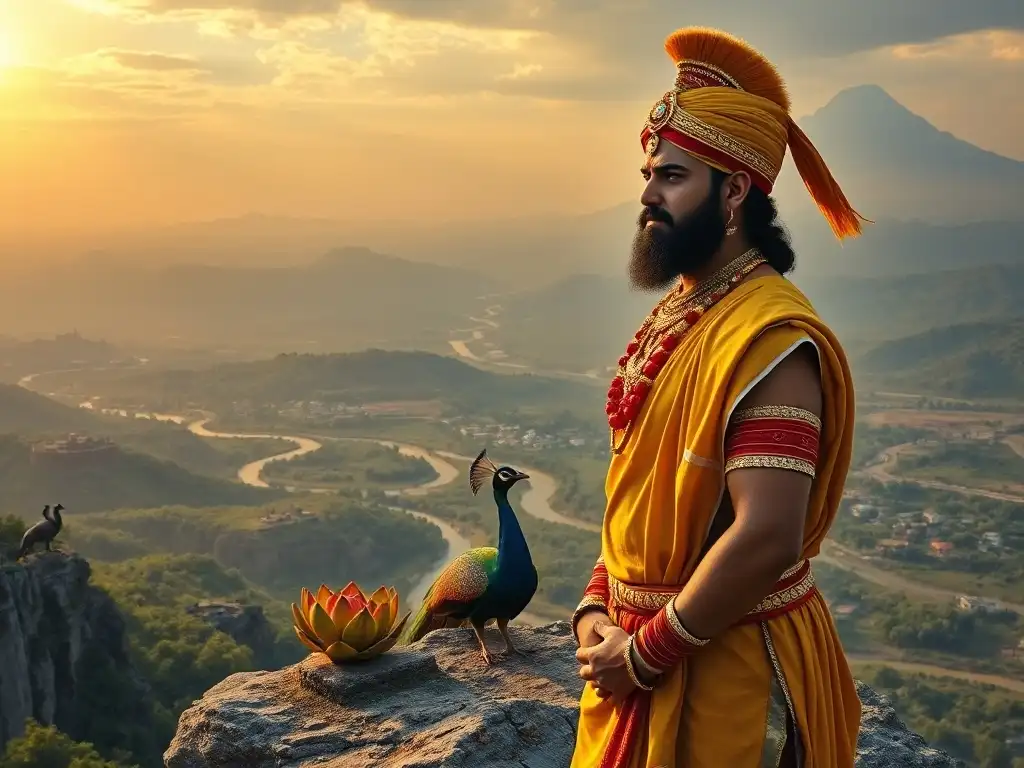
Welcome to Ancient India History, where we embark on a journey through the remarkable tapestry of India's past! Here, we delve into the rich and diverse history, culture, and contributions of ancient Indian civilizations, from the thriving streets of the Indus Valley to the grandeur of the Gupta Empire. Today, we invite you to explore the captivating story of Chandragupta Maurya, a visionary leader who played a pivotal role in unifying India.
What were his ideals, and how did reality shape his empire? Join us as we unravel the complexities of his reign and discover the lasting impact of his legacy. Your adventure into the depths of ancient history begins now!
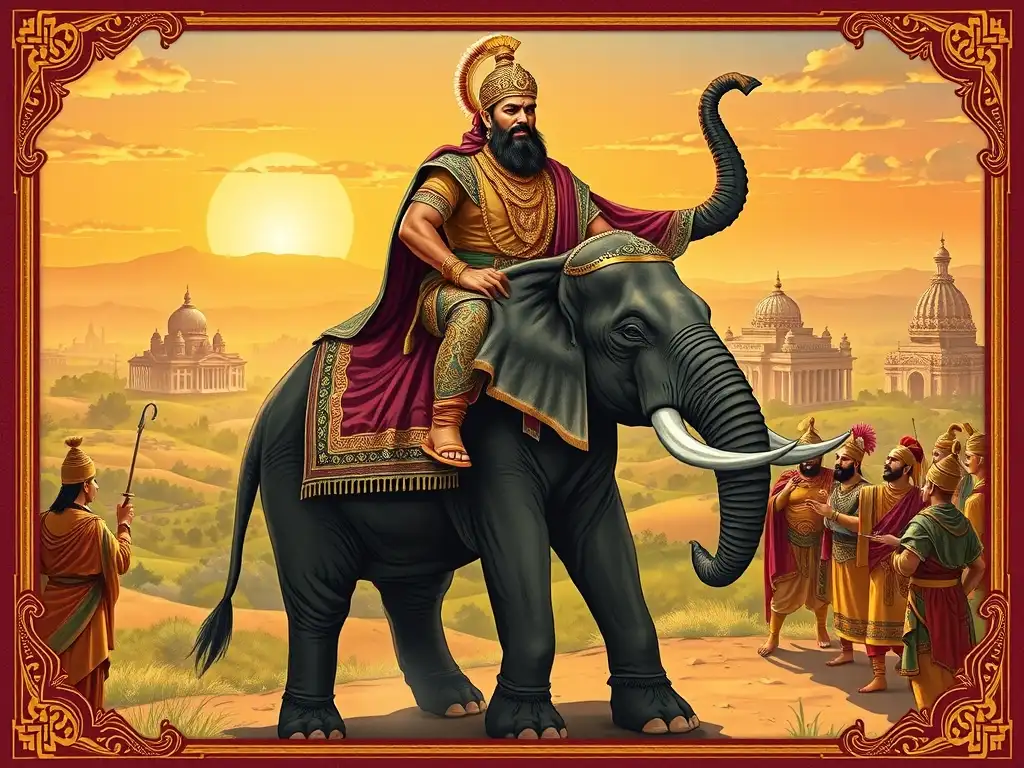
Introduction to Chandragupta Maurya
Chandragupta Maurya stands as one of the most pivotal figures in the annals of Indian history, renowned for his ambitious vision of a unified India. His reign marked the emergence of the Mauryan Empire, which not only consolidated power but also laid the foundation for a centralized governance structure that would influence subsequent generations.
This article delves into the ideals and realities behind Chandragupta Maurya's vision, exploring the philosophical underpinnings and historical context that shaped his quest for unity. Through this exploration, we aim to provide a comprehensive understanding of how his leadership and policies contributed to the unification of diverse regions within the Indian subcontinent.
Overview of Chandragupta Maurya's Life
Chandragupta Maurya was born around 340 BCE and emerged during a time when India was fragmented into numerous kingdoms and republics. From humble beginnings, he rose to power with the guidance of his mentor Chanakya (Kautilya), who recognized his potential to unite the warring factions of India. Chandragupta's journey from a local chieftain to the founder of the Mauryan Empire is a testament to his strategic acumen, military prowess, and political insight.
His reign, which lasted from 321 to 297 BCE, was characterized by significant administrative reforms, economic expansion, and military conquests. Notably, he successfully overthrew the Nanda Dynasty, which had dominated the region. Under his rule, Chandragupta implemented a centralized system of governance, promoting trade, agriculture, and infrastructure development, which played a crucial role in unifying the diverse cultures and regions of India.
Historical Context of Ancient India
To fully appreciate Chandragupta Maurya's impact, it is essential to understand the historical context of ancient India. Prior to his reign, the Indian subcontinent was marked by political fragmentation, with various kingdoms often engaged in conflicts. This disunity created an environment ripe for exploitation and instability. The socio-political landscape was further complicated by the presence of powerful regional rulers and the influence of foreign invaders.
In this tumultuous setting, the idea of a unified India was not merely a political ambition but also a necessity for economic stability and cultural cohesion. The proliferation of trade routes and interactions among diverse communities laid the groundwork for potential unification, making Chandragupta's vision both timely and relevant.
The Ideals Behind Chandragupta Maurya's Vision for a Unified India
Philosophical Foundations of Unity in Ancient India
Chandragupta's vision was deeply rooted in the philosophical traditions of ancient India, which emphasized the importance of dharma (righteousness) and artha (material prosperity). These concepts were integral to the idea of a unified state, as they advocated for the well-being of all citizens and the establishment of a just society. The notion of unity was not only political but also cultural, as it sought to harmonize the diverse beliefs and practices prevalent across the subcontinent.
Moreover, the teachings of ancient texts such as the Arthashastra provided a blueprint for governance and statecraft that emphasized the significance of a strong central authority, which Chandragupta embodied. By consolidating power, he aimed to create a society where laws and principles could foster unity and stability.
Chandragupta's Influence by Chanakya: The Role of Kautilya
The role of Chanakya, or Kautilya, in shaping Chandragupta's vision cannot be overstated. A brilliant strategist and philosopher, Chanakya was instrumental in formulating policies that would ensure the stability and growth of the Mauryan Empire. He recognized that unification required not only military strength but also astute political maneuvering.
Chanakya's teachings highlighted the importance of diplomacy, espionage, and economic management in achieving unity. Through his guidance, Chandragupta learned to navigate the complexities of governance and forge alliances that would strengthen his position. This mentor-student relationship was pivotal in realizing the dream of a unified India, as Chanakya provided both the intellectual framework and practical strategies necessary for achieving this ambitious goal.
The Concept of a Centralized Empire in Indian History
The establishment of a centralized empire under Chandragupta Maurya marked a significant departure from the decentralized political structures that had characterized much of Indian history. His administration was characterized by a strong bureaucratic system that facilitated efficient governance and resource management. This centralized approach allowed for the standardization of laws and practices, which in turn fostered a sense of identity and belonging among the diverse populations of the empire.
Furthermore, the Mauryan Empire set a precedent for future rulers, demonstrating the potential of centralized governance to maintain order and promote development. Chandragupta's vision for a unified India not only reshaped the political landscape of his time but also laid the groundwork for future empires, influencing the course of Indian history for centuries to come.
Strategies Employed by Chandragupta Maurya to Achieve Unity
Chandragupta Maurya's vision for a unified India was not merely a dream; it was a meticulously crafted plan that involved diverse strategies. His approach combined military might, political acumen, and economic reforms to forge a cohesive empire from a landscape fragmented by numerous kingdoms and local rulers. By leveraging these strategies, he laid the groundwork for the Mauryan Empire, which would become one of the largest and most influential empires in ancient India.
Military Tactics and Expansion: Unifying Diverse Kingdoms
Chandragupta Maurya’s military tactics played a pivotal role in his quest for unification. He initially built a strong army, employing war elephants, infantry, and cavalry to maximize his strategic advantage. His campaigns began with the overthrow of the Nanda dynasty, which marked the start of his expansionist policies. Through a series of calculated battles, he managed to conquer various regions, including parts of modern-day Punjab, Haryana, and Uttar Pradesh.
In addition to direct military confrontation, Chandragupta utilized guerrilla warfare techniques and psychological tactics to demoralize his enemies. He capitalized on the divisions among local rulers, often exploiting rivalries to weaken opposing forces before launching his attacks. This approach allowed him to consolidate power over a diverse array of kingdoms, transforming them into a unified empire under his rule. The Mauryan military not only brought territories under control but also facilitated the integration of different cultures and communities into a singular political entity.
Political Alliances: Diplomacy in Ancient India
While military conquest was essential, Chandragupta Maurya understood the significance of diplomacy in achieving lasting unity. He forged strategic alliances with influential local rulers and influential figures, often through marriage or mutual agreements. This diplomatic approach allowed him to gain legitimacy and support from various factions that could have otherwise posed a threat to his empire.
One of his notable alliances was with the powerful Greek ruler Seleucus I Nicator, following Alexander the Great's invasion of India. By negotiating a treaty that included territorial concessions, Chandragupta not only expanded his empire but also gained valuable military and economic resources. Such alliances strengthened his position and mitigated potential conflicts, laying the foundation for a more stable governance structure across his newly unified territories.
Economic Policies: Creating a Cohesive Economic Structure
To ensure long-term stability and unity within the Mauryan Empire, Chandragupta implemented comprehensive economic policies that aimed to create a cohesive economic framework. He established a centralized administration that regulated trade, agriculture, and taxation. By standardizing weights and measures, he facilitated smoother trade between various regions, promoting economic interdependence among the diverse populations.
Chandragupta also invested in infrastructure development, including roads and irrigation systems, which not only improved agricultural productivity but also enhanced trade routes. This economic integration fostered a sense of unity among the subjects of the empire, as they began to rely on one another for goods and services. By promoting a thriving economy, he effectively solidified his vision of a unified India, where economic prosperity was tied to political stability.
The Realities of Unification: Challenges Faced
Despite his ambitious vision and strategic efforts, Chandragupta Maurya encountered significant challenges in his quest for unification. The complexities of governing a vast empire with diverse cultures, languages, and local loyalties posed obstacles that tested the resilience of his administration.
Resistance from Local Rulers and Kingdoms
One of the primary challenges Chandragupta faced was resistance from local rulers and established kingdoms who were unwilling to relinquish their power. Many of these rulers had deep-rooted loyalties to their territories and were resistant to external control. As a result, he often had to engage in prolonged military campaigns to suppress dissent and consolidate his authority.
The local governance structures that had existed before his conquests also posed difficulties. Many regions had their own customs, laws, and administrative practices, which made it challenging to implement a uniform system of governance across the empire. This resistance sometimes led to rebellions and uprisings, requiring Chandragupta to continually address local grievances to maintain stability in the empire.
Cultural Diversity and Its Impact on Unity
Ancient India was characterized by a rich tapestry of cultures, languages, and traditions. While this diversity was a hallmark of the region, it also presented challenges to Chandragupta's vision of unity. The various communities often had differing beliefs, customs, and social structures, which could lead to tensions and misunderstandings.
To mitigate these issues, Chandragupta adopted a policy of religious tolerance and cultural respect. He recognized the importance of accommodating these diverse groups to foster a sense of belonging within the empire. However, balancing the unique identities of these communities while promoting a unified Mauryan identity was a delicate task, and conflicts occasionally arose, threatening the cohesion of the empire.
Administrative Challenges in Governing a Vast Empire
The administration of a vast empire like that of Chandragupta Maurya posed significant logistical challenges. Coordinating governance across diverse regions with varying local laws and practices required a sophisticated bureaucratic system. While he established a centralized administration, the sheer scale of the empire complicated communication and decision-making processes.
Moreover, the lack of technological advancements made it difficult to maintain effective control over distant territories. Issues such as corruption, inefficiency, and delays in governance often arose, leading to discontent among the populace. Chandragupta's ability to manage these administrative challenges was crucial to maintaining the unity of his empire, and his efforts in this regard were a testament to his leadership and vision.
Achievements of Chandragupta Maurya in Unifying India
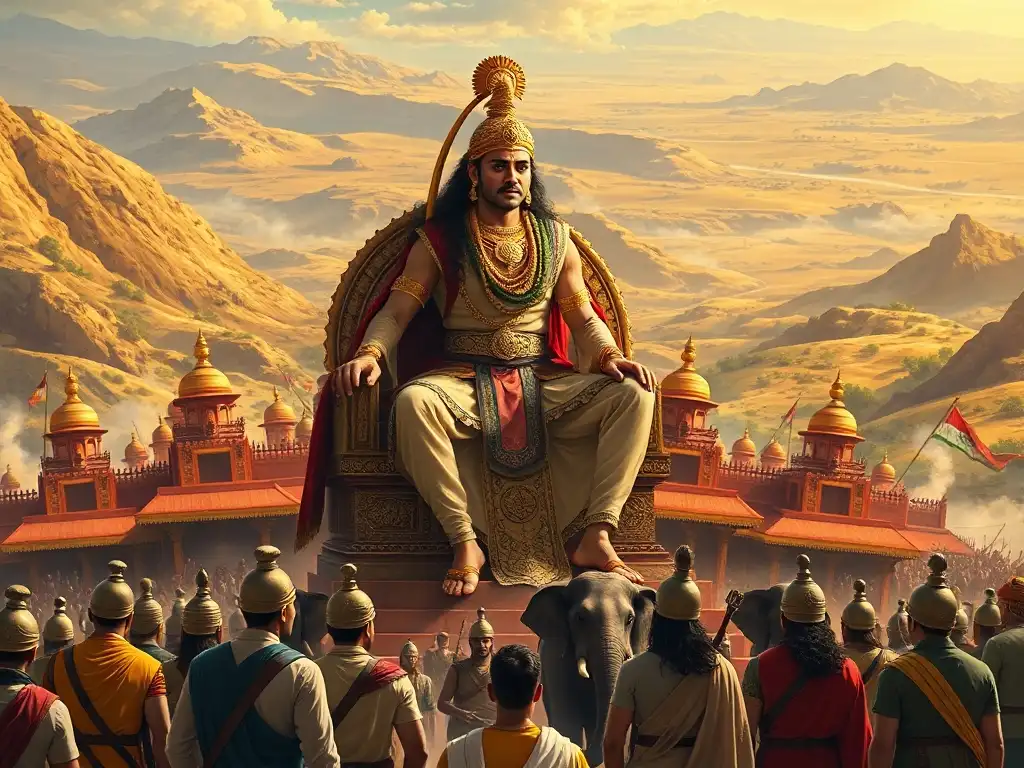
Chandragupta Maurya, the founder of the Maurya Empire, is renowned for his remarkable achievements in unifying the diverse regions of ancient India. His vision transcended mere territorial expansion; it encompassed the establishment of a cohesive political and cultural framework that laid the foundation for a unified Indian identity. This section will delve into the multifaceted aspects of his achievements, highlighting his strategic maneuvers, cultural initiatives, and infrastructural development that collectively contributed to the unification of India.
Establishment of the Maurya Empire: A Unified Political Entity
The establishment of the Maurya Empire marked a significant turning point in Indian history. Chandragupta's rise to power began with his overthrow of the Nanda dynasty around 321 BCE, and he rapidly expanded his territory through a series of calculated military conquests. By uniting various kingdoms and regions under a central authority, he created a political entity that encompassed a vast expanse of northern India, including present-day Bihar, Bengal, and parts of Uttar Pradesh.
Under his leadership, the Maurya Empire implemented a centralized administration that allowed for efficient governance. The empire was divided into provinces, each overseen by a governor, ensuring that local issues were addressed while maintaining loyalty to the central authority. This political structure not only facilitated stability but also enabled the enforcement of laws and policies that promoted unity among the diverse populace.
Cultural Integration: Promoting Shared Values and Practices
Chandragupta Maurya understood that mere political unity was insufficient for lasting stability; cultural integration was equally crucial. To this end, he promoted shared values and practices across his empire. The Mauryan administration championed religious tolerance and encouraged the coexistence of various faiths, including Hinduism, Buddhism, and Jainism.
Chandragupta's alliance with the Buddhist leader Chanakya (Kautilya) significantly influenced his approach to governance. Recognizing the importance of education and philosophical discourse, he supported the establishment of educational institutions and the dissemination of knowledge. The promotion of a common cultural heritage, through art, literature, and philosophy, fostered a sense of belonging among the diverse groups within the empire.
Infrastructure Development: Facilitating Communication and Trade
Infrastructure development was a cornerstone of Chandragupta Maurya's vision for a unified India. He recognized that effective communication and trade were vital for maintaining unity and fostering economic growth. To achieve this, Chandragupta invested in the construction of roads, irrigation systems, and trade routes that connected various regions of the empire.
The Grand Trunk Road, which later became one of Asia's oldest and longest roads, is a testament to his commitment to infrastructure. This network facilitated not only the movement of troops for defense but also the exchange of goods and cultural ideas among the different parts of the empire. These developments played a crucial role in enhancing trade, which in turn contributed to the economic prosperity of the Maurya Empire and solidified its unity.
Legacy of Chandragupta Maurya's Vision
Chandragupta Maurya's vision and achievements left an indelible mark on the history of India, shaping the political landscape for centuries to come. His efforts to unify India were not only significant during his reign but also influenced subsequent empires and leaders. This legacy of unity, cultural integration, and infrastructural advancement continues to resonate in the fabric of Indian society.
Influence on Future Indian Empires and Leaders
The legacy of Chandragupta Maurya served as a blueprint for future Indian rulers and empires. His model of centralized governance and cultural integration was emulated by subsequent dynasties, including the Gupta Empire and the Mughal Empire. Leaders such as Ashoka, Chandragupta's grandson, further built upon his ideals, promoting a unified Indian identity through the spread of Buddhism and the establishment of effective governance.
Additionally, the principles laid down by Chandragupta regarding administration, military strategy, and economic management influenced not just Indian leaders but also rulers across Asia. His strategies became a reference point for those seeking to unite diverse territories under a single rule.
The Impact of His Ideals on Indian Nationalism
Chandragupta Maurya's vision of unity has had a lasting impact on the concept of Indian nationalism. His efforts to create a unified political entity resonate with contemporary ideals of national identity and cohesion. The historical narrative of a united India, championed by figures like Chandragupta, has been instrumental in fostering a sense of pride and belonging among Indians.
During the struggle for independence in the 20th century, nationalist leaders often invoked the legacy of Chandragupta as a source of inspiration. His vision underscored the importance of unity in the face of external challenges, serving as a powerful motivator for those advocating for a free and united India.
Lessons Learned from Chandragupta Maurya's Approach to Unity
Chandragupta Maurya's approach to unity offers valuable lessons for contemporary society. His emphasis on cultural integration, governance, and infrastructure development highlights the importance of fostering a collective identity while respecting diversity.
Moreover, his strategies underline the significance of effective communication and collaboration in maintaining unity among diverse groups. The lessons drawn from his reign advocate for a balanced approach that combines strong leadership with an appreciation for cultural heritage, which remains relevant in today's globalized world.
Chandragupta Maurya's vision for a unified India not only shaped his era but continues to inspire future generations, emphasizing the importance of unity, diversity, and cultural exchange in the pursuit of a cohesive society.
Conclusion
Chandragupta Maurya's vision for a unified India is a compelling narrative that intertwines ideals with the stark realities of governance and statecraft. His ambition to consolidate power and bring together the fragmented territories of the Indian subcontinent marked a significant turning point in Indian history. This unification not only laid the foundation for the Mauryan Empire but also set the stage for future dynasties to follow suit.
The complexities of his reign illustrate the challenges faced in the pursuit of political stability, cultural integration, and economic prosperity. Ultimately, Chandragupta’s legacy serves as a reminder of the delicate balance between aspiration and practicality in state governance.
Reflection on the Ideals and Realities of Unification
Chandragupta Maurya's ideals were rooted in the vision of a prosperous, harmonious, and centralized state. He sought to transcend regional divisions and foster a sense of shared identity among diverse peoples. However, the realities he encountered were multifaceted. The diversity of languages, cultures, and traditions across the subcontinent posed significant challenges to his unification efforts.
Moreover, the methods employed by Chandragupta, including military conquests and strategic alliances, often resulted in resistance and conflict. The integration of varied administrative practices and legal systems was essential for maintaining control over such a vast territory. Despite these hurdles, his ability to establish a cohesive framework for governance can be seen as a remarkable achievement. The synthesis of these ideals and the practical strategies he employed reveal the complexities of leadership during a transformative period in ancient India.
The Enduring Legacy of Chandragupta Maurya in Indian History
Chandragupta Maurya's legacy extends far beyond his lifetime. His establishment of the Mauryan Empire initiated a new era of political organization and cultural flourishing. The administrative innovations he introduced, such as a centralized bureaucracy and a structured taxation system, influenced subsequent rulers and laid the groundwork for future governance in India.
Furthermore, his patronage of Buddhism, particularly through his advisor Chanakya, contributed to the spread of this influential philosophy across the region. The political strategies and ethical considerations that emerged during his reign continue to resonate in contemporary discussions about leadership and governance. Thus, Chandragupta's impact remains a crucial part of the narrative of Indian history, illustrating how a singular vision can shape the course of a civilization.
Call to Action
As we delve deeper into the story of Chandragupta Maurya, it becomes clear that his quest for a unified India offers valuable insights into the complexities of leadership and governance. To fully appreciate the nuances of this historical figure and his time, we encourage readers to explore further.
Encouraging Further Exploration of Ancient Indian History
Engaging with the rich tapestry of ancient Indian history can unveil fascinating connections and lessons that are relevant even today. We invite you to read more about the Mauryan Empire, the philosophical teachings of Chanakya, and the cultural advancements that emerged during this era. By examining the events and figures that shaped India’s past, we can gain a deeper understanding of our present and future. Join us in this journey through time and discover the legacy of one of India’s most pivotal historical figures, Chandragupta Maurya.
- Introduction to Chandragupta Maurya
- The Ideals Behind Chandragupta Maurya's Vision for a Unified India
- Strategies Employed by Chandragupta Maurya to Achieve Unity
- The Realities of Unification: Challenges Faced
- Achievements of Chandragupta Maurya in Unifying India
- Legacy of Chandragupta Maurya's Vision
- Conclusion
- Call to Action
- What was Chandragupta Maurya's role in unifying India?
- How did Chandragupta Maurya achieve his vision for a unified India?
- What were the key ideals of Chandragupta Maurya's leadership?
- What challenges did Chandragupta Maurya face in unifying India?
- How did the Maurya Empire influence later Indian history?
Frequently Asked Questions
What was Chandragupta Maurya's role in unifying India?
Chandragupta Maurya played a crucial role in the unification of India by founding the Maurya Empire, which laid the groundwork for a centralized governance system and brought together various regions under one rule.
How did Chandragupta Maurya achieve his vision for a unified India?
He achieved his vision through strategic alliances, military conquests, and the support of his mentor, Chanakya, who provided political guidance and resources to solidify his power.
What were the key ideals of Chandragupta Maurya's leadership?
Chandragupta Maurya emphasized justice, administrative efficiency, and economic prosperity, aiming to create a stable and prosperous society that could support a unified India.
What challenges did Chandragupta Maurya face in unifying India?
He faced numerous challenges, including resistance from local rulers, geographic diversity, and the need to establish a coherent governance structure that could manage the vast territories.
How did the Maurya Empire influence later Indian history?
The Maurya Empire's legacy included advancements in administration, trade, and culture, influencing subsequent dynasties and shaping the trajectory of Indian civilization for centuries to come.
Final Reflection: The Enduring Legacy of Chandragupta Maurya's Vision for a Unified India
Chandragupta Maurya's vision for a unified India remains profoundly relevant today, as we navigate the complexities of regional identities and national cohesion. In an era where divisions can easily overshadow unity, the ideals that guided Maurya's ambitions serve as a powerful reminder of the strength found in collaboration and shared purpose. His journey illustrates that the quest for unity is not merely a historical aspiration but a continuous challenge that resonates with contemporary society.
The influence of Chandragupta Maurya's ideals can be seen in the ongoing dialogues about national identity and cultural integration in India. His legacy inspires leaders and citizens alike to reflect on the importance of unity in diversity. As we strive to build a cohesive society, we can draw wisdom from his approach to governance and diplomacy. In the midst of chaos, there is also opportunity,
a sentiment that echoes the necessity of finding strength in our differences while working towards a common goal.
As you reflect on the lessons from Chandragupta Maurya's life and vision, consider how you can contribute to the unity of your own community. Embrace the ideals of collaboration, understanding, and respect for diversity in your daily interactions. By embodying these principles, you can help forge a path toward a more unified future, honoring the legacy of a leader who dared to dream of an India where all could thrive together.
Embrace Chandragupta's Legacy and Shape the Future!
Thank you for joining us on this enlightening journey through the life and vision of **Chandragupta Maurya**. By exploring his ideals for a unified India, you’ve gained insights into leadership, resilience, and the pursuit of a collective identity. Now, let’s put that inspiration into action!
Here’s how you can connect with the legacy of **Chandragupta Maurya** and contribute to a cohesive future:
- Engage with history! Dive deeper by reading about **Chandragupta's strategies** and their relevance today. Visit our recommended reading section for insightful books that explore **ancient Indian governance**.
- Share the vision! Discuss the concepts of unity and leadership with friends or on social media. You could even start a local discussion group focused on historical leaders and their impact on society.
- Reflect on your own leadership! Consider writing a short essay or blog post about what unified leadership looks like in today's world and how we can apply historical lessons to contemporary challenges.
What do you think is the most crucial lesson from **Chandragupta's vision** that can guide us in uniting diverse communities today?