
How Chandragupta Maurya Defeated the Nandas: A Tale of Bravery and Strategy

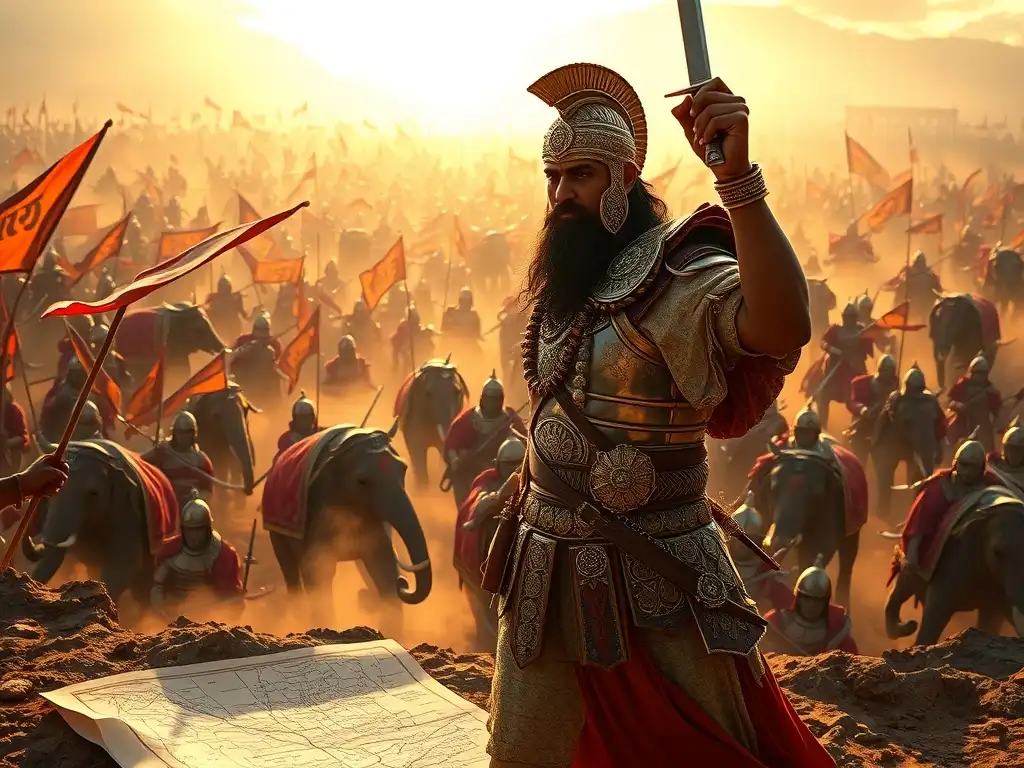
Welcome to Ancient India History, where we embark on a fascinating journey through the remarkable tapestry of ancient Indian civilizations. Today, we delve into the epic tale of Chandragupta Maurya, a figure whose bravery and strategic acumen led to the remarkable defeat of the Nandas. What motivated this ambitious young leader?
How did he orchestrate a victory that would change the course of history? Join us as we uncover the intricate strategies and courageous acts that defined this pivotal moment in India's past. Prepare to be captivated as we explore the legacy of Chandragupta Maurya and the enduring impact of his triumph!
- Introduction to Chandragupta Maurya and the Nanda Dynasty
- The Context of the Nanda Rule in Ancient India
- The Motivation Behind Chandragupta Maurya's Campaign
- The Strategy of Chandragupta Maurya in Defeating the Nandas
- The Battles and Tactics Employed Against the Nandas
- The Role of Allies and Support
- The Outcome of the Nanda Defeat
- Conclusion: The Legacy of Chandragupta Maurya's Victory
- Frequently Asked Questions
- Final Reflection: The Enduring Legacy of Chandragupta Maurya's Strategic Brilliance
- Unleash Your Inner Warrior: Learn from Chandragupta's Triumph!
Introduction to Chandragupta Maurya and the Nanda Dynasty
The story of Chandragupta Maurya and his conflict with the Nanda Dynasty is a significant chapter in the tapestry of ancient Indian history. This tale is not just one of military conquest; it embodies themes of bravery, strategy, and the pursuit of sovereignty in a landscape marked by political intrigue and power struggles.
Chandragupta's rise to prominence and his eventual defeat of the Nandas marked the genesis of the Mauryan Empire, which would go on to become one of the largest and most influential empires in ancient India. Understanding this pivotal moment requires a deep dive into the lives of both Chandragupta Maurya and the Nanda Dynasty, illuminating the dynamics of their rivalry and the strategies employed in this historic conflict.
Overview of Chandragupta Maurya's Early Life
Chandragupta Maurya was born into a humble family around 340 BCE in present-day Bihar, India. His upbringing played a crucial role in shaping his character and ambitions. Drawing inspiration from the teachings of Chanakya, a learned Brahmin and strategist, Chandragupta developed a keen understanding of statecraft and military tactics.
Key aspects of his early life include:
- Family Background: Born to a local ruler or a Kshatriya family, his lineage instilled a sense of leadership and responsibility.
- Education and Mentorship: Under Chanakya's guidance, he learned the principles of governance, warfare, and diplomacy, which would later become instrumental in his quest for power.
- Ambitions: Discontent with the Nanda rule, Chandragupta's early motivations were fueled by a desire to liberate his homeland from oppression and establish a just governance model.
His formative years equipped him with the necessary skills and resolve to challenge the Nanda Dynasty, setting the stage for a dramatic confrontation that would change the course of Indian history.
Introduction to the Nanda Dynasty and Its Influence
The Nanda Dynasty, reigning in ancient India from approximately 345 BCE to 321 BCE, was known for its wealth, military prowess, and administrative sophistication. Under the leadership of powerful rulers like Dhananjoy Nanda, the dynasty expanded its territory and influence, establishing a vast empire across northern India.
Notable features of the Nanda Dynasty include:
- Wealth and Resources: The Nandas amassed significant wealth, primarily through trade, agriculture, and a robust tax system, establishing a strong economic foundation.
- Military Strength: Renowned for their formidable army, the Nandas utilized advanced military strategies and a well-organized structure that posed a significant challenge to any opposing force.
- Cultural Impact: The Nanda period saw advancements in art, architecture, and governance, leaving a lasting imprint on the socio-political landscape of India.
However, their authoritarian rule and heavy taxation led to widespread discontent among the populace, creating an environment ripe for rebellion. This discontent ultimately provided Chandragupta Maurya with the opportunity to rally support and tactically challenge the Nanda supremacy, laying the groundwork for his historic triumph.
The Context of the Nanda Rule in Ancient India
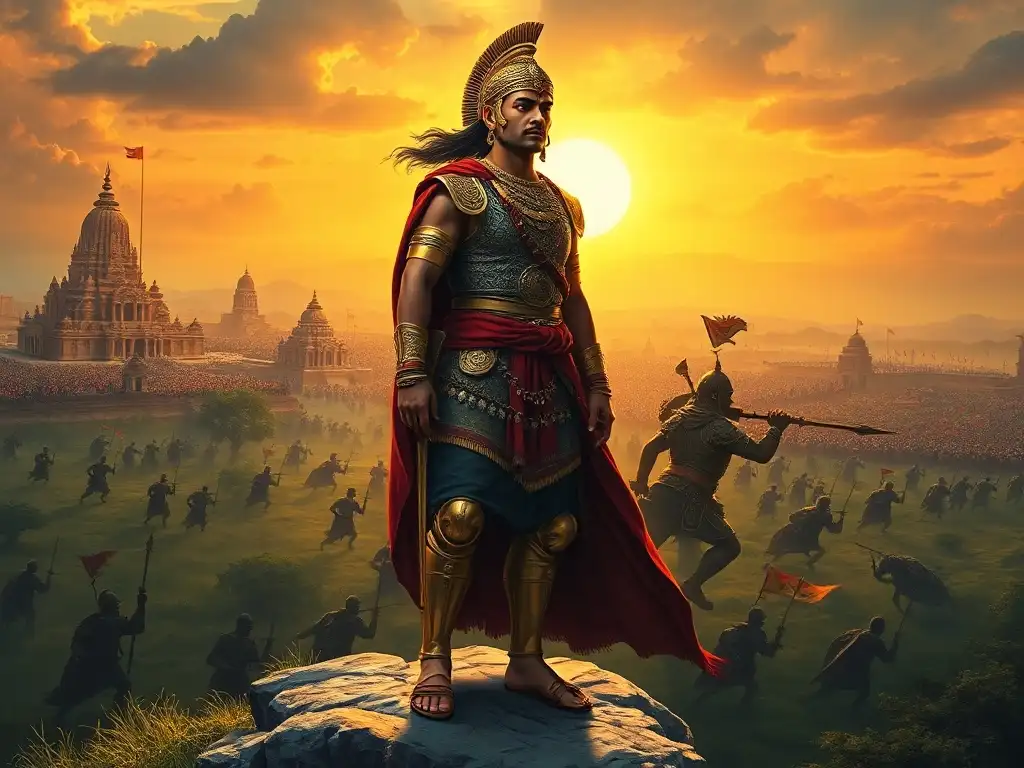
Political Landscape of Ancient India During the Nanda Reign
The Nanda dynasty, which ruled from the 5th century BCE to 4th century BCE, was marked by significant political developments in ancient India. This period was characterized by the emergence of one of the largest empires on the Indian subcontinent, which set the stage for the rise of Chandragupta Maurya. The Nandas were known for their vast territorial control, which extended from modern-day Bihar to parts of Bengal and Assam.
The Nanda political landscape was dominated by a centralized administration that effectively governed a diverse population. This centralized authority was crucial in maintaining stability throughout their reign. The Nandas were known for their military prowess, with a strong standing army that allowed them to deter invasions and suppress insurrections. The king, either Dhana Nanda or his predecessors, wielded significant power, often relying on a council of ministers to manage state affairs.
Key aspects of the political landscape included:
- Territorial Expansion: The Nandas expanded their territory through both warfare and diplomacy, incorporating various regions and peoples into their empire.
- Economic Control: The Nandas implemented policies that enhanced trade and agriculture, contributing to their wealth, which was critical for sustaining their military.
- Opposition and Rivalry: Despite their strength, the Nanda dynasty faced opposition from various regional powers, including the Mauryas, whose growing discontent with Nanda rule would ultimately lead to their downfall.
Socio-Economic Conditions Under the Nandas
The socio-economic conditions during the Nanda rule were complex and multifaceted, playing a significant role in shaping the dynamics of ancient Indian society. The Nandas are often credited with laying the groundwork for a flourishing economy that contributed to their stability and power.
- Agricultural Development: The Nandas focused on agricultural advancements, implementing irrigation systems and promoting the use of higher-yield crops. This led to surplus food production, which not only fed the population but also supported the military.
- Trade and Commerce: The period saw an increase in trade activities, both local and long-distance. The Nanda empire was strategically located along key trade routes, facilitating commerce with regions in the west and south. Markets flourished, and artisans thrived, contributing to a vibrant economy.
- Social Structure: The Nanda society was hierarchical, with a clear division between the ruling classes and commoners. The Nandas, despite their Kshatriya roots, were known to have incorporated lower castes into their administration, which was somewhat progressive for the time.
- Cultural Flourishing: The wealth generated during the Nanda reign also supported cultural and intellectual pursuits. The period saw advancements in art, literature, and philosophy, paving the way for future intellectual movements in ancient India.
The socio-economic conditions under the Nandas were marked by agricultural prosperity, thriving trade, and a complex social structure. However, discontent brewed among various factions, including emerging challengers like Chandragupta Maurya, who would exploit these conditions to devise a strategy for overthrowing the Nanda rule.
The Motivation Behind Chandragupta Maurya's Campaign

Chandragupta Maurya's campaign against the Nanda Dynasty was not merely a quest for power; it was deeply rooted in his vision for India and the socio-political landscape of the time. His motivations were influenced by various factors that shaped his strategy and determination.
Reasons for Challenging the Nanda Dynasty
- Oppressive Rule of the Nandas: The Nanda Dynasty, particularly under the leadership of Dhana Nanda, was perceived as tyrannical and unpopular among the masses. The heavy taxation and autocratic governance left many disillusioned, creating a ripe opportunity for Chandragupta to rally support against them.
- Desire for Social Justice: Chandragupta was driven by a vision of social equity. The Nandas were seen as a wealthy elite, while large sections of society struggled under their rule. By challenging the Nandas, Chandragupta aimed to restore justice and create a more equitable society.
- Influence of Chanakya: Chandragupta's mentor, Chanakya (also known as Kautilya), played a crucial role in shaping his ambitions. After being humiliated by the Nandas, Chanakya vowed to dethrone them. His strategic acumen and political expertise provided Chandragupta with the necessary guidance and resources to challenge the Nandas effectively.
- Political Fragmentation: During this period, India was politically fragmented, with various kingdoms and clans vying for power. Chandragupta recognized that unifying these factions under a strong leadership could establish a powerful empire, thereby enhancing his prospects for governance.
- Economic Motivations: The wealth accumulated by the Nandas was substantial. Chandragupta saw an opportunity to seize control of these riches, which would not only fund his campaign but also enable the establishment of a prosperous state.
Chandragupta's Vision for a Unified India
Chandragupta Maurya's vision extended beyond mere conquest; he aspired to create a unified India that would stand strong against foreign invasions and internal strife. His strategies reflected a profound understanding of governance and statecraft.
- Strong Central Authority: Chandragupta aimed to replace the decentralization prevalent in the Nanda rule with a strong central authority. He believed that a unified administration would lead to more effective governance and stability.
- Cultural Integration: By promoting a sense of cultural identity that transcended regional differences, Chandragupta sought to foster unity among India's diverse populations. This vision included the promotion of trade, arts, and education, which would further bind the regions under his rule.
- Military Strategy: Chandragupta's military campaigns were meticulously planned to ensure maximum effectiveness. He employed guerrilla tactics and strategic alliances, which allowed him to undermine the Nanda forces and win over local chiefs, thus promoting loyalty to his cause.
- Economic Development: Understanding that a strong economy is the backbone of a powerful state, Chandragupta aimed to revitalize trade routes and agricultural production. His policies encouraged commerce and improved the livelihoods of his subjects, fostering loyalty and support.
- Legal and Administrative Reforms: Chandragupta, influenced by Chanakya's writings in the Arthashastra, implemented legal frameworks and administrative reforms to ensure justice and efficient governance. This not only consolidated his power but also laid the groundwork for future administrations.
Chandragupta Maurya's motivations for challenging the Nanda Dynasty were multifaceted, driven by a blend of personal ambition, socio-political conditions, and a visionary outlook for a unified India. His strategic approach not only led to the defeat of the Nandas but also set the stage for a new era in Indian history.
The Strategy of Chandragupta Maurya in Defeating the Nandas
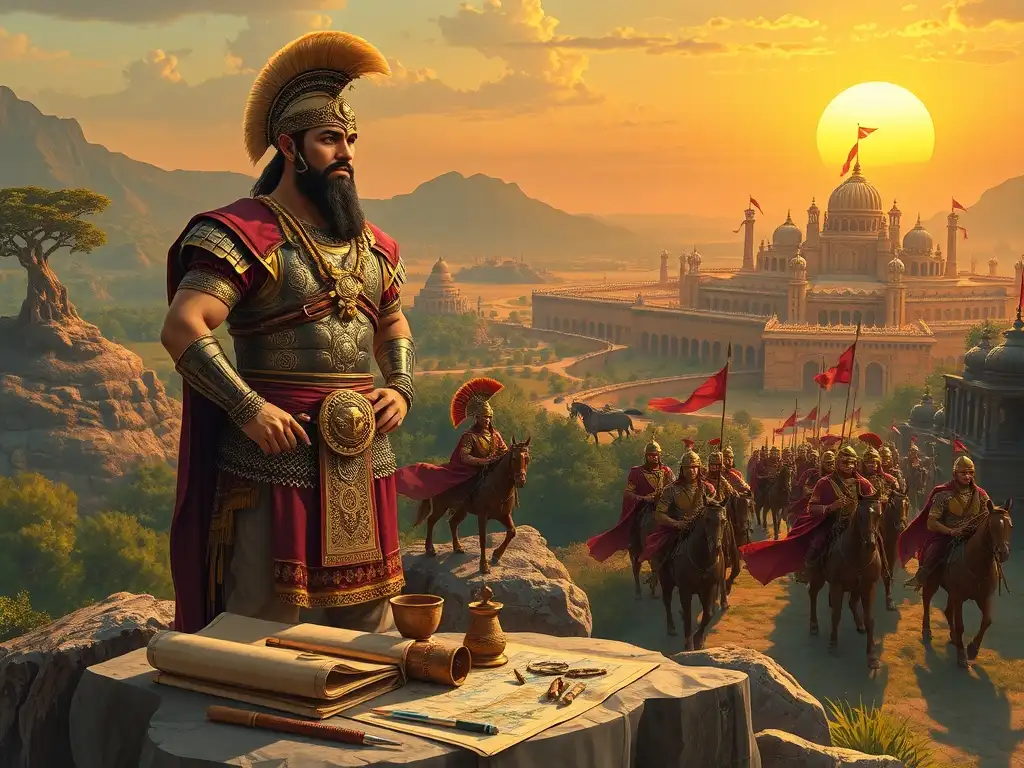
Chandragupta Maurya's triumph over the Nanda Empire is a significant chapter in ancient Indian history, characterized by a combination of tactical brilliance, strategic planning, and the astute guidance of his mentor, Chanakya. Understanding the strategies employed by Chandragupta provides insight into how he transformed a fledgling warrior into a formidable ruler who established the Maurya Empire.
Key Aspects of Chandragupta's Military Strategy
Chandragupta Maurya's approach to defeating the Nandas was multifaceted, involving several key components that collectively contributed to his success. Here are the principal aspects of his military strategy:
- Intelligence Gathering:
- Chandragupta recognized the importance of information in warfare. He employed spies to gather intelligence on Nanda troop movements, fortifications, and weaknesses. This information was crucial in planning surprise attacks and outmaneuvering the enemy.
- Guerrilla Tactics:
- Utilizing guerrilla warfare allowed Chandragupta to exploit the advantages of mobility and surprise. His forces engaged in hit-and-run tactics, ambushing Nanda supply lines and disrupting their logistics, which weakened the larger Nanda army.
- Alliances and Support:
- Chandragupta sought alliances with local rulers and influential figures who were discontent with the Nanda rule. By forming coalitions, he expanded his resources, manpower, and strategic locations, increasing his chances of success.
- Formation and Discipline:
- The Mauryan army was organized into various formations that maximized their effectiveness in battle. Chandragupta emphasized discipline and training, ensuring that his soldiers were well-prepared for combat and could execute complex maneuvers.
- Psychological Warfare:
- Chandragupta employed psychological strategies to instill fear and doubt within the Nanda ranks. He spread rumors about his prowess and the invincibility of his forces, which demoralized his opponents before battles even began.
- Adaptation to Terrain:
- Understanding the geography of the battlefield was essential. Chandragupta utilized the terrain to his advantage, planning ambushes in dense forests and utilizing rivers for strategic retreats and advances.
Role of Chanakya in Formulating the Strategy
Chanakya, also known as Kautilya, was not only a mentor to Chandragupta but also a master strategist and political thinker. His role in formulating the strategy against the Nandas was pivotal and can be broken down into several crucial elements:
- Political Philosophy:
- Chanakya's writings in the Arthashastra detail various strategies for governance, diplomacy, and warfare. His insights on statecraft and military tactics provided Chandragupta with a robust framework for planning his campaign against the Nandas.
- Psychological Manipulation:
- Chanakya understood the psychological aspects of warfare. He encouraged Chandragupta to create an image of fearlessness and strength, which played a crucial role in undermining Nanda authority and rallying support for Chandragupta.
- Economic Strategy:
- Recognizing that a strong economy is vital for sustaining a military campaign, Chanakya advised Chandragupta on economic policies to ensure that his forces were well-equipped and well-fed. This included seizing resources from the Nandas and redistributing wealth to win the loyalty of the people.
- Training and Recruitment:
- Chanakya was instrumental in recruiting and training skilled warriors. His emphasis on discipline and loyalty helped in building a professional army that was dedicated to the cause of overthrowing the Nandas.
- Advisement on Diplomacy:
- Beyond military tactics, Chanakya's diplomatic strategies facilitated Chandragupta in negotiating treaties and forming strategic alliances that bolstered his position against the Nandas.
The combined efforts of Chandragupta Maurya's military strategy and Chanakya's astute guidance illustrate a remarkable confluence of bravery, intellect, and strategic innovation. This collaborative approach not only led to the defeat of the powerful Nanda Empire but also laid the foundation for the establishment of one of the most significant empires in ancient India.
The Battles and Tactics Employed Against the Nandas

Significant Battles in the Chandragupta Maurya vs. Nanda Conflict
The conflict between Chandragupta Maurya and the Nanda Dynasty was marked by several significant battles that showcased not only the military prowess of Chandragupta but also the strategic weaknesses of the Nandas. The most notable battles occurred during the late 4th century BCE, culminating in Chandragupta's rise to power.
- The Initial Skirmishes:
- Chandragupta began his campaign against the Nandas with a series of smaller skirmishes aimed at testing the strength and defenses of the Nanda Empire. These early confrontations were crucial for gathering intelligence and rallying local support.
- Local rulers and discontented subjects of the Nandas were persuaded to join Chandragupta's cause, further weakening the Nanda position.
- The Battle of Pataliputra:
- The decisive encounter occurred at Pataliputra, the Nanda capital. Chandragupta employed guerilla tactics, utilizing the element of surprise and the support of local insurgents.
- Historical accounts indicate that Chandragupta's forces laid siege to the city, cutting off supply lines and demoralizing the Nanda troops. The siege lasted several months, showcasing Chandragupta's patience and planning.
- The Role of Chanakya:
- Notably, Chanakya, Chandragupta's mentor and strategist, played a pivotal role in these battles. His insights into the Nanda's military strengths and weaknesses significantly influenced Chandragupta's strategies.
- Chanakya's ability to create alliances and manipulate the political landscape was essential in undermining the Nanda military.
Tactical Innovations by Chandragupta Maurya
Chandragupta Maurya's success against the Nandas can be attributed to several tactical innovations that set him apart from his adversaries. His military strategies were characterized by a blend of traditional warfare and innovative tactics that capitalized on the Nandas' weaknesses.
- Guerilla Warfare:
- Chandragupta embraced guerilla tactics, which allowed smaller forces to engage larger Nanda armies effectively. This approach included hit-and-run attacks, ambushes, and the use of local terrain to his advantage.
- By employing stealth and mobility, he could avoid direct confrontation with superior forces, gradually wearing them down.
- Psychological Warfare:
- Understanding the importance of morale in warfare, Chandragupta utilized psychological tactics to instill fear among Nanda troops. The reputation of his forces was amplified through strategic messaging, making the Nandas appear weaker than they were.
- The use of spies to spread misinformation about his army’s strength and numbers further demoralized the Nanda forces.
- Alliance Formation:
- Chandragupta adeptly forged alliances with various regional kings discontented with Nanda rule. This not only provided him with additional troops but also destabilized the Nanda Empire from within.
- Strategic marriages and diplomacy were employed to secure these alliances, demonstrating his understanding of the political landscape.
- Superior Logistics:
- A logistical advantage was crucial to sustaining his campaign. Chandragupta ensured his army was well-supplied and well-prepared to endure the prolonged conflict against the Nandas.
- Efficient supply lines and a robust communication network allowed for quick mobilization and resource management.
The combination of significant battles and innovative tactics employed by Chandragupta Maurya ultimately led to the downfall of the Nanda Dynasty. His ability to adapt and strategize in the face of formidable opposition not only highlights his military genius but also marks a pivotal moment in ancient Indian history.
The Role of Allies and Support
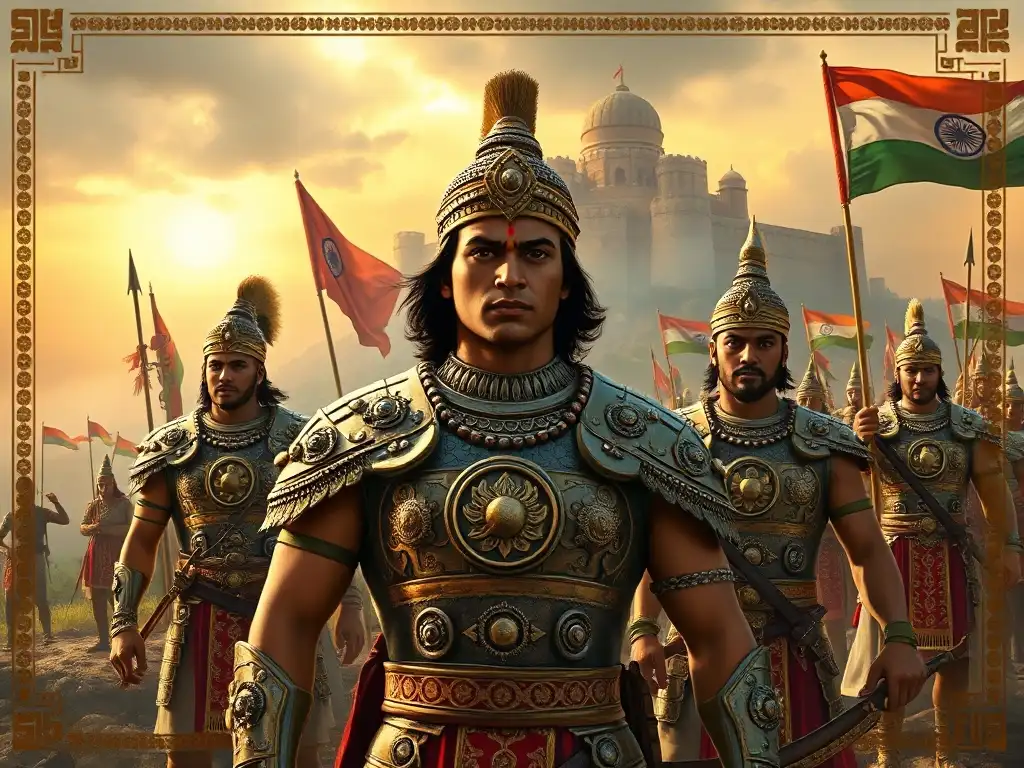
Chandragupta Maurya's campaign against the Nandas was not solely a product of his military prowess; it was significantly bolstered by the strategic alliances he formed and the local support he garnered. This multifaceted approach played a crucial role in his eventual success, enabling him to challenge a powerful dynasty that had ruled over a vast territory. Understanding the dynamics of these alliances offers valuable insights into the strategies employed by Chandragupta and the broader socio-political landscape of ancient India.
Key Figures Who Supported Chandragupta Maurya
The support structure around Chandragupta was composed of various key figures, each contributing uniquely to his cause:
- Chanakya (Kautilya):
- Perhaps the most influential figure in Chandragupta's rise, Chanakya was a Brahmin scholar and strategist who initially served the Nanda court. After a falling out, he sought revenge against the Nandas and became Chandragupta's mentor and advisor. His expertise in political strategy and warfare was instrumental in devising plans that would outmaneuver the Nanda forces.
- Quote: "There is some self-interest behind every friendship. There is no friendship without self-interests."
- Local Rulers and Chieftains:
- Chandragupta managed to secure the support of various local rulers and chieftains who were discontent with the Nanda regime. These leaders provided essential resources, local knowledge, and additional manpower to Chandragupta's army.
- Notable among them was Madhava, who played a critical role in rallying local troops and resources against the Nandas.
- Common People:
- The general populace, particularly those who suffered under Nanda rule, rallied to Chandragupta's cause, viewing him as a liberator. His promise of a better governance model resonated with many, allowing him to amass a following that transcended traditional class and caste boundaries.
Importance of Alliances and Local Support in the Campaign
The significance of alliances and local support in Chandragupta Maurya's campaign against the Nandas cannot be overstated. Here are several key points highlighting their importance:
- Enhanced Military Strength:
- Alliances provided Chandragupta with additional troops, which were crucial in facing the larger Nanda army. The combination of trained soldiers and local militias allowed for more effective guerrilla tactics and engagement strategies.
- Intelligence and Strategy:
- Local allies possessed intimate knowledge of the terrain and Nanda movements, which proved invaluable for planning ambushes and surprise attacks. This local intelligence helped in outmaneuvering the Nanda forces, often leading to decisive victories.
- Unified Resistance Against a Common Enemy:
- The diverse groups that united under Chandragupta's banner created a formidable force against the Nandas. This coalition was not merely a military alliance but a socio-political movement that aimed to overthrow an unpopular regime.
- Moral and Psychological Boost:
- Having a strong alliance instilled confidence in Chandragupta's troops and supporters. The morale of the army was significantly boosted by the perception that they were part of a larger movement with a noble cause, inspiring greater commitment and bravery in battles.
The role of allies and local support was critical to Chandragupta Maurya's strategy in defeating the Nandas. The collaborative efforts of key figures, local rulers, and the general populace created a robust network that not only enhanced military capabilities but also fostered a unified front against a powerful adversary. This strategic blend of alliances underlined Chandragupta's acumen as a leader and strategist during a transformative period in ancient Indian history.
The Outcome of the Nanda Defeat
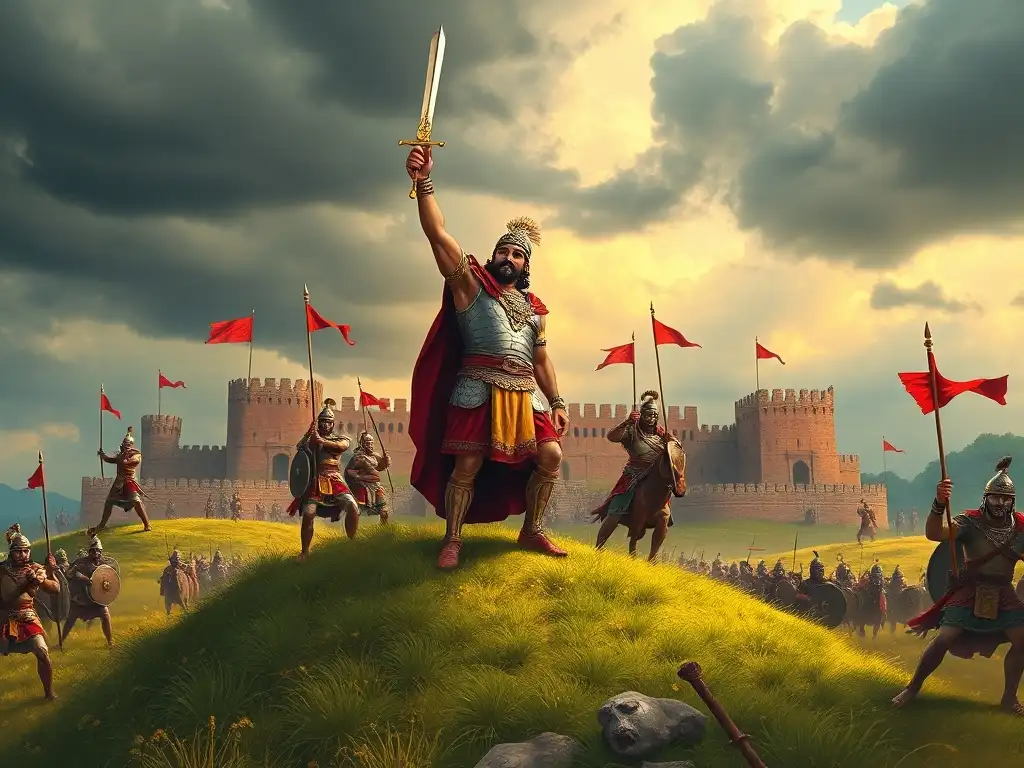
The defeat of the Nanda dynasty by Chandragupta Maurya marked a significant turning point in ancient Indian history. This monumental event not only altered the political landscape of the time but also set the stage for the establishment of the Maurya Empire, which would become one of the largest and most powerful empires in ancient India. The implications of this victory were felt immediately and reverberated throughout the ages, shaping the trajectory of Indian civilization.
Immediate Consequences of the Nanda Defeat
The immediate aftermath of the Nanda defeat was characterized by a series of profound changes:
- Establishment of the Maurya Empire:
- Chandragupta's victory over the Nandas led to the swift establishment of the Maurya Empire, which was marked by significant territorial expansion.
- The capital was moved to Pataliputra, which became a center of administration and culture.
- Political Vacuum and Power Shift:
- The fall of the Nanda dynasty created a political vacuum in northern India.
- Other regional powers and local rulers either aligned themselves with Chandragupta or faced the consequences of his military prowess.
- Economic Reorganization:
- Chandragupta implemented policies that restructured the economy, focusing on trade and agriculture.
- Revenue collection was streamlined, leading to increased prosperity for the empire and its subjects.
- Cultural Integration:
- As Chandragupta consolidated power, he initiated a period of cultural integration that drew upon the diverse traditions of the regions formerly under Nanda control.
- The blending of cultures facilitated the flourishing of arts, literature, and philosophy.
- Military Reforms:
- The defeat underscored the importance of military strategy and organization, leading to reforms in the Mauryan army.
- Chandragupta emphasized the use of war elephants, infantry, and cavalry, which would become a hallmark of Mauryan military campaigns.
Long-term Impact on Indian History and Chandragupta’s Legacy
The long-term implications of Chandragupta Maurya’s victory over the Nandas extended far beyond the immediate outcomes of the battle:
- Foundation of the Mauryan Dynasty:
- The Mauryan Empire became the first large-scale empire in India, laying the groundwork for future empires and dynasties.
- Chandragupta’s reign set precedents for governance, administration, and statecraft that would influence Indian rulers for centuries.
- Cultural and Economic Flourishing:
- The Mauryan period is often regarded as a golden age in Indian history due to advancements in art, science, and literature that flourished under Chandragupta and his successors, particularly Ashoka.
- The promotion of trade routes contributed to economic prosperity and cultural exchanges with other civilizations.
- Influence on Governance:
- Chandragupta’s administrative strategies, as detailed in texts like Arthashastra, became foundational for later Indian political thought.
- His emphasis on a centralized government and bureaucratic systems influenced subsequent Indian states.
- Philosophical and Religious Developments:
- The Mauryan Empire played a critical role in the spread of Buddhism, especially under Ashoka, who was instrumental in promoting the teachings of Buddha.
- This religious shift fostered a legacy of tolerance and cultural exchange that shaped the spiritual landscape of India.
The defeat of the Nandas by Chandragupta Maurya was not merely a military victory; it was the catalyst for a profound transformation in Indian society, politics, and culture. Chandragupta's legacy as a ruler and strategist continues to be celebrated, highlighting the enduring impact of his triumph over the Nandas on the course of Indian history.
Conclusion: The Legacy of Chandragupta Maurya's Victory
Chandragupta Maurya's victory over the Nanda dynasty is not merely a tale of conquest but a significant milestone that shaped the political landscape of ancient India. This triumph marked the beginning of the Mauryan Empire, which would go on to become one of the largest and most powerful empires in Indian history. Chandragupta's strategic brilliance and military tactics laid the groundwork for a unified India, fostering a sense of identity among its diverse populations.
The legacy of this victory extends beyond military achievements; it also encompasses the administrative and governance systems that Chandragupta established. His collaboration with Chanakya (Kautilya), who authored the Arthashastra, introduced innovative governance strategies that emphasized statecraft, economic policy, and military strategy. This synergy not only fortified his rule but also influenced future generations of leaders in their approach to governance.
Reflection on Chandragupta Maurya’s Strategic Brilliance
Chandragupta Maurya's strategies in defeating the Nandas were characterized by a combination of tactical acumen and psychological warfare. He meticulously planned his campaign, focusing on gathering intelligence and forging alliances with local rulers who were discontent with Nanda rule. This approach allowed him to weaken the Nanda forces from within before engaging them in battle.
One of the key strategies employed was the use of guerrilla warfare, which involved quick, surprise attacks that disrupted the Nanda's larger and more conventional army. Chandragupta's forces were relatively smaller but highly mobile and motivated, enabling them to outmaneuver and outsmart their opponents. This strategy not only showcased his military genius but also demonstrated his understanding of the importance of adaptability in warfare.
Moreover, his ability to inspire loyalty among his troops played a crucial role in the success of his campaigns. By fostering a strong sense of purpose and unity, he ensured that his soldiers were committed to the cause, which was instrumental in overcoming the more established Nanda forces.
The Significance of the Nanda Defeat in Ancient Indian History
The defeat of the Nandas by Chandragupta Maurya holds immense significance in ancient Indian history for several reasons. Firstly, it marked the end of an era characterized by autocratic rule under the Nandas, who were often viewed as unpopular due to their heavy taxation and economic policies. Chandragupta’s rise heralded a new beginning, one that was rooted in the ideals of governance that emphasized welfare and stability.
Secondly, the establishment of the Mauryan Empire under Chandragupta set the stage for an unprecedented period of political unity and cultural flourishing in India. It facilitated the spread of ideas, trade, and cultural exchanges across vast regions, contributing to the rich tapestry of Indian civilization. This period also saw advancements in art, architecture, and philosophy, as the Mauryan Empire became a melting pot of diverse cultures.
Furthermore, the victory over the Nandas also inspired future leaders and dynasties, serving as a model for effective leadership through strategic planning and governance. The principles of statecraft outlined in Chanakya's Arthashastra continued to influence rulers long after the Mauryan Empire had declined.
Chandragupta Maurya's defeat of the Nandas was not just a pivotal military achievement; it was a transformative event that reshaped the course of Indian history, leaving a legacy that continues to resonate in contemporary discussions of leadership and governance.
Frequently Asked Questions
What was the Nanda Empire known for?
The Nanda Empire was known for its wealth, strong military, and extensive administrative systems. It was one of the largest empires in ancient India before the rise of the Mauryan Empire.
Who was Chandragupta Maurya?
Chandragupta Maurya was the founder of the Mauryan Empire in ancient India. He is celebrated for his strategic prowess in defeating the Nanda Dynasty and establishing a unified Indian state.
What was Chandragupta Maurya's strategy to defeat the Nandas?
Chandragupta Maurya employed a combination of guerrilla tactics, alliances, and intelligence to undermine the Nanda forces, ultimately leading to their defeat. His approach emphasized strategic planning and resourcefulness.
How did Chandragupta Maurya gain support against the Nandas?
He garnered support from local rulers, discontented nobles, and the general populace who were unhappy with Nanda rule. This support was crucial for his military campaign against the Nandas.
What impact did the defeat of the Nandas have on ancient India?
The defeat of the Nandas marked the rise of the Mauryan Empire, which unified much of India and laid the groundwork for subsequent administrative and cultural developments. It significantly shaped the region's political landscape.
Final Reflection: The Enduring Legacy of Chandragupta Maurya's Strategic Brilliance
The tale of Chandragupta Maurya's defeat of the Nandas is not just a historical account; it is a powerful testament to the impact of bravery and strategy in shaping the course of history. In today's world, where we often face challenges that seem insurmountable, the lessons drawn from Chandragupta's audacity and tactical ingenuity resonate more than ever. His journey reminds us that with courage and a well-crafted plan, even the most formidable obstacles can be overcome.
Culture and society continue to be influenced by the narratives of leaders like Chandragupta, who exemplify the virtues of resilience and strategic thinking. His victory over the Nandas serves as a source of inspiration for leaders and individuals alike, encouraging them to confront their own challenges with determination and foresight. As Mahatma Gandhi once said, “Strength does not come from physical capacity. It comes from an indomitable will.” > This quote encapsulates the essence of Chandragupta's triumph, highlighting that true strength lies in the resolve to pursue one's goals against all odds.
As we reflect on the lessons from Chandragupta Maurya's remarkable journey, let us challenge ourselves to embody the spirit of strategic thinking and bravery in our own lives. Consider the obstacles you face and ask yourself: How can I approach these challenges with a fresh perspective? Embrace the courage to strategize and act, just as Chandragupta did, and you may find that your own victories are within reach. Let this reflection inspire you to forge your path with the same tenacity and vision that defined a great leader of the past.
Unleash Your Inner Warrior: Learn from Chandragupta's Triumph!
Thank you for diving into the inspiring story of Chandragupta Maurya and his victory over the Nandas! You’ve explored not just a tale of bravery, but a remarkable example of **strategic thinking** and **resilience**. Now, it’s your turn to channel that inspiration into action!
- Reflect on your own challenges: Identify a situation in your life where you can apply strategic thinking or bravery. Outline your plan of action today!
- Join the conversation: Engage with fellow history enthusiasts in our community forum—share your thoughts on Chandragupta’s methods and what modern leaders can learn from his example.
- Explore further: Discover similar tales of strategic brilliance in ancient history. Consider reading about other influential leaders who changed the course of their eras!
What challenge in your life would benefit from the strategic mindset of Chandragupta Maurya? Share your thoughts below!