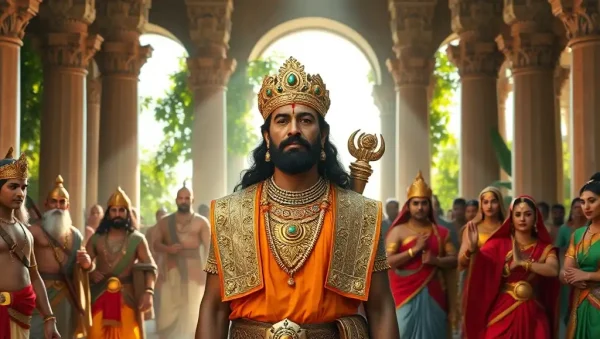
Other Influential Leaders
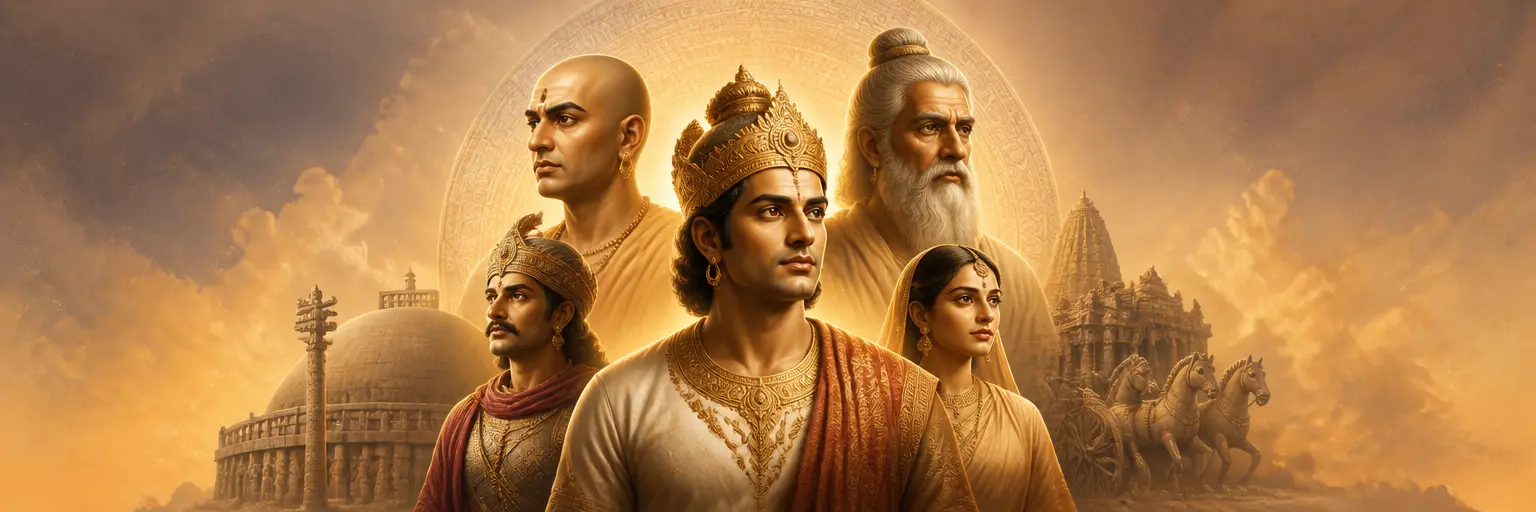
Key Historical Figures
181 articles in this topic
Read more about this topic
Explore the remarkable lives and legacies of key historical figures who shaped Ancient India—from visionary emperors and powerful Mauryan rulers to influential leaders whose ideas transformed politics, culture, religion, and society. 🏛️ Discover their achievements, leadership, reforms, and enduring contributions to Indian history, from the Indus Valley era through the Gupta Empire. 📜
More in Key Historical Figures
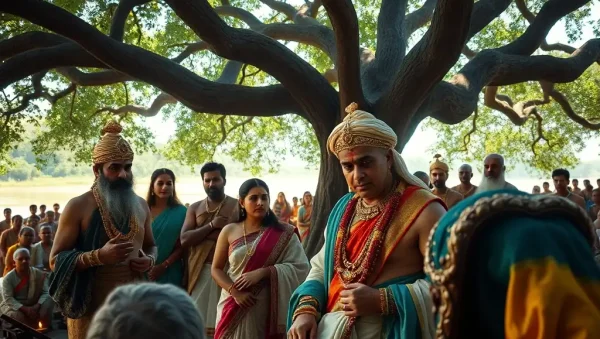
Other Influential Leaders
The Role of Public Welfare in Ancient Indian Leadership Practices
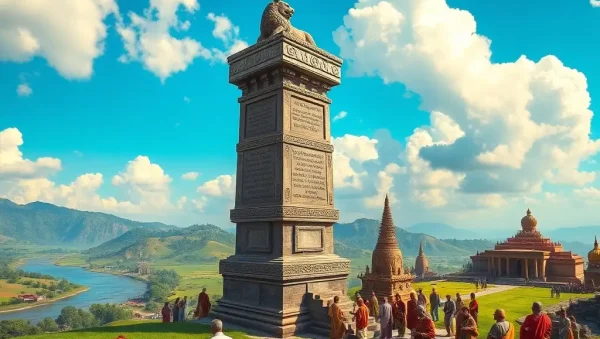
Ashoka the Great
Ashoka’s Reforms: A Blueprint for Governance in Ancient India
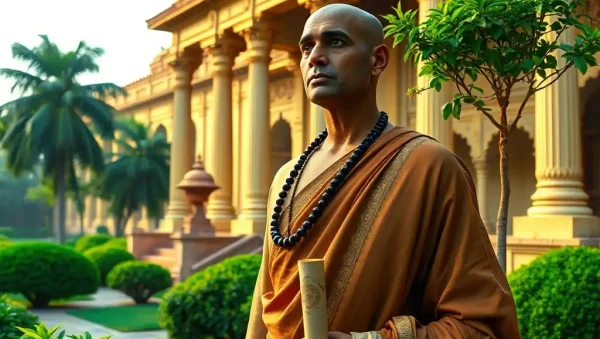
Other Influential Leaders
The Contributions of Chanakya: The Strategic Mind Behind the Mauryan Empire
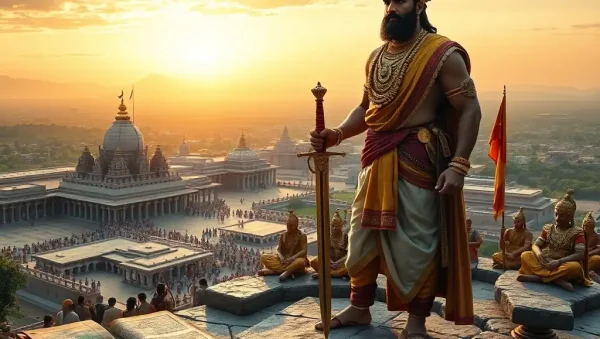
Chandragupta Maurya
Chandragupta Maurya: The Strategic Genius Behind the Mauryan Dynasty
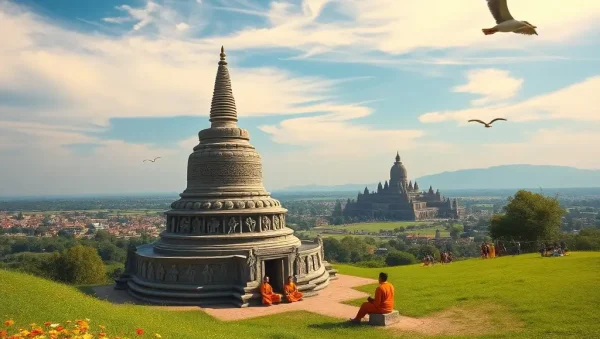
Ashoka the Great
Ashoka’s Missionary Work: Spreading Buddhism Beyond Borders
Chandragupta Maurya
The Lasting Legacy of Chandragupta Maurya in Modern Indian Politics
Chandragupta Maurya
Chandragupta Maurya's Influence on the Indian Caste System
Other Influential Leaders
The Evolution of Leadership: How Ancient Indian Kings Managed Diverse Populations
Discover the remarkable individuals who shaped ancient Indian history through military ambition, political innovation, religious tolerance, and cultural achievement. This category explores key historical figures from the Mauryan period and beyond, offering detailed insights into their lives, empires, reforms, beliefs, and lasting influence on Indian civilization. From the expansion of the Mauryan Empire to the spread of Buddhism, these leaders helped define the political and cultural foundations of ancient India.
Explore reliable, engaging information about Ashoka the Great, Chandragupta Maurya, and other influential leaders who transformed South Asian history. Learn about ancient Indian rulers, Mauryan administration, imperial governance, major battles, inscriptions, religious movements, and the historical sources that preserve their legacies. Whether you are a student, researcher, history enthusiast, or traveler interested in India’s past, this category provides valuable context for understanding the development of ancient Indian civilization.
🕊️ Ashoka the Great
Explore the life and achievements of Ashoka the Great, one of the most influential rulers in ancient Indian history. This subcategory examines his rise as a Mauryan emperor, the expansion of the Mauryan Empire, and the transformative impact of the Kalinga War. Readers can learn how Ashoka’s experiences reshaped his political philosophy and encouraged his support for Buddhism, compassion, nonviolence, and ethical governance.
Discover how Ashoka communicated his principles through rock edicts, pillar inscriptions, and public works found across the Indian subcontinent. Articles also explain Ashoka’s role in spreading Buddhism beyond India, promoting religious tolerance, improving administration, and supporting hospitals, roads, wells, and charitable initiatives. This section is ideal for anyone researching Ashoka’s dhamma, Mauryan history, Buddhist expansion, and his enduring global legacy.
👑 Chandragupta Maurya
Learn about Chandragupta Maurya, the founder of the Mauryan Empire and one of the greatest empire-builders in ancient India. This subcategory covers his early life, rise to power, overthrow of the Nanda dynasty, and creation of a centralized state that united large parts of the Indian subcontinent. Readers will gain insight into the political strategies, military organization, and administrative systems that supported his expanding empire.
Explore Chandragupta Maurya’s relationship with Chanakya, also known as Kautilya, and examine the importance of the Arthashastra in discussions of ancient Indian statecraft. The section also considers Chandragupta’s interactions with Seleucus I Nicator, diplomatic relations with the Hellenistic world, and accounts of his later life. These resources provide useful context for understanding Mauryan governance, ancient Indian diplomacy, imperial administration, and the formation of one of India’s earliest large empires.
🌟 Other Influential Leaders
Discover other influential leaders who contributed to the political, cultural, military, and intellectual development of ancient India. This subcategory may include rulers, queens, generals, reformers, scholars, and dynastic founders connected with the Indus Valley Civilization, Magadha, the Mauryan Empire, the Gupta Empire, and other major kingdoms. Each profile highlights the historical setting, major achievements, leadership style, and impact of these important figures.
Readers can explore the contributions of leaders such as Bindusara, Samudragupta, Chandragupta II, Harshavardhana, and other notable personalities who influenced ancient Indian civilization. Topics may include territorial expansion, trade, religion, education, art, science, literature, and systems of governance. By comparing different rulers and historical personalities, this section helps explain how ancient India developed into a diverse and influential civilization.
❓ Frequently Asked Questions About Key Historical Figures
Who were the most important historical figures in ancient India?
Important figures include Chandragupta Maurya, Ashoka the Great, Chanakya, Samudragupta, Chandragupta II, and Harshavardhana. Their contributions shaped ancient Indian politics, administration, warfare, religion, literature, art, and international relations.
Why is Ashoka the Great important in Indian history?
Ashoka is important because he created one of the largest empires in ancient India and later promoted Buddhism, ethical governance, religious tolerance, and nonviolence. His rock and pillar edicts are among the most valuable primary sources for studying Mauryan history.
What did Chandragupta Maurya accomplish?
Chandragupta Maurya founded the Mauryan Empire, defeated the Nanda dynasty, unified extensive territories, and established a strong centralized administration. His alliance with Chanakya played a major role in the development of Mauryan political strategy and governance.
How did ancient Indian rulers influence religion and culture?
Ancient Indian rulers supported different religious traditions, including Buddhism, Jainism, and Brahmanical Hinduism. Their patronage helped develop temples, monasteries, universities, sculpture, architecture, literature, and philosophical traditions across the subcontinent.
What sources help historians study ancient Indian leaders?
Historians use inscriptions, coins, archaeological discoveries, Buddhist and Jain texts, Sanskrit literature, foreign accounts, and works such as the Arthashastra. Comparing these sources helps researchers identify historical events while understanding the perspectives and limitations of each record.
Related topics