
The Fascinating Story of Ancient Indian Bronze and Its Uses

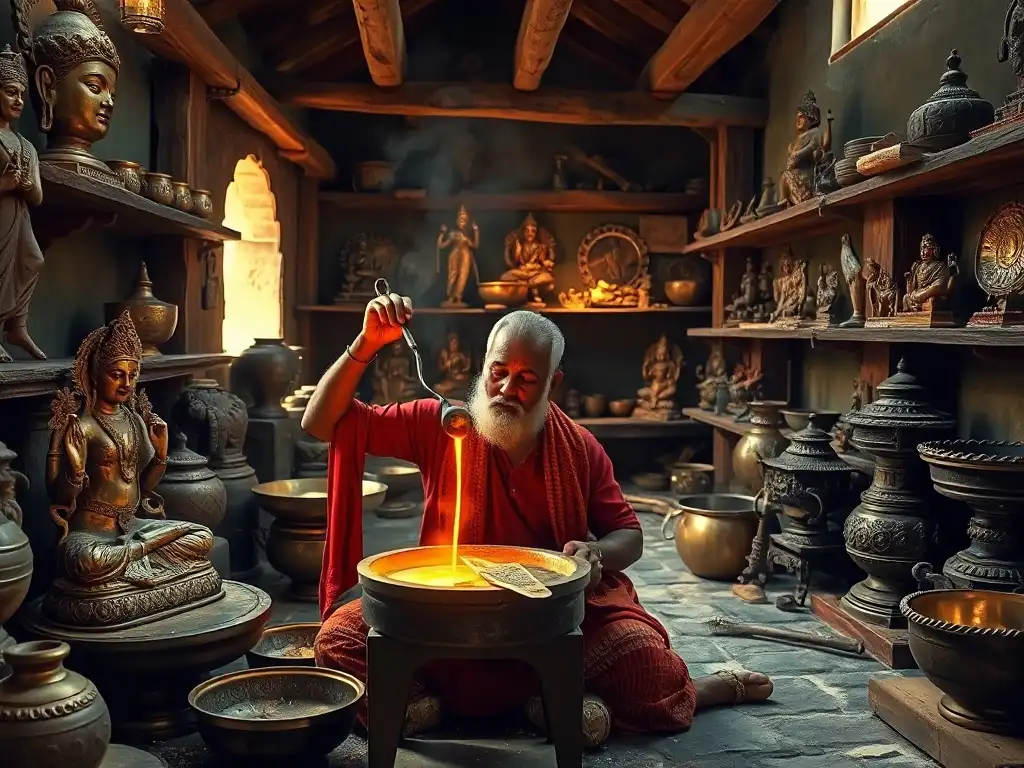
Welcome to Ancient India History, where we embark on a journey through time to uncover the rich tapestry of ancient Indian civilizations. In today’s exploration, we dive into the fascinating story of ancient Indian bronze and its uses—a testament to the remarkable innovation and artistry that flourished from the Indus Valley to the Gupta Empire. What secrets lie behind the creation and application of bronze in these ancient societies? Join us as we unravel the intriguing connections between technology and culture, igniting your curiosity to discover the profound impacts of these innovations on our world today.
Introduction to Ancient Indian Bronze
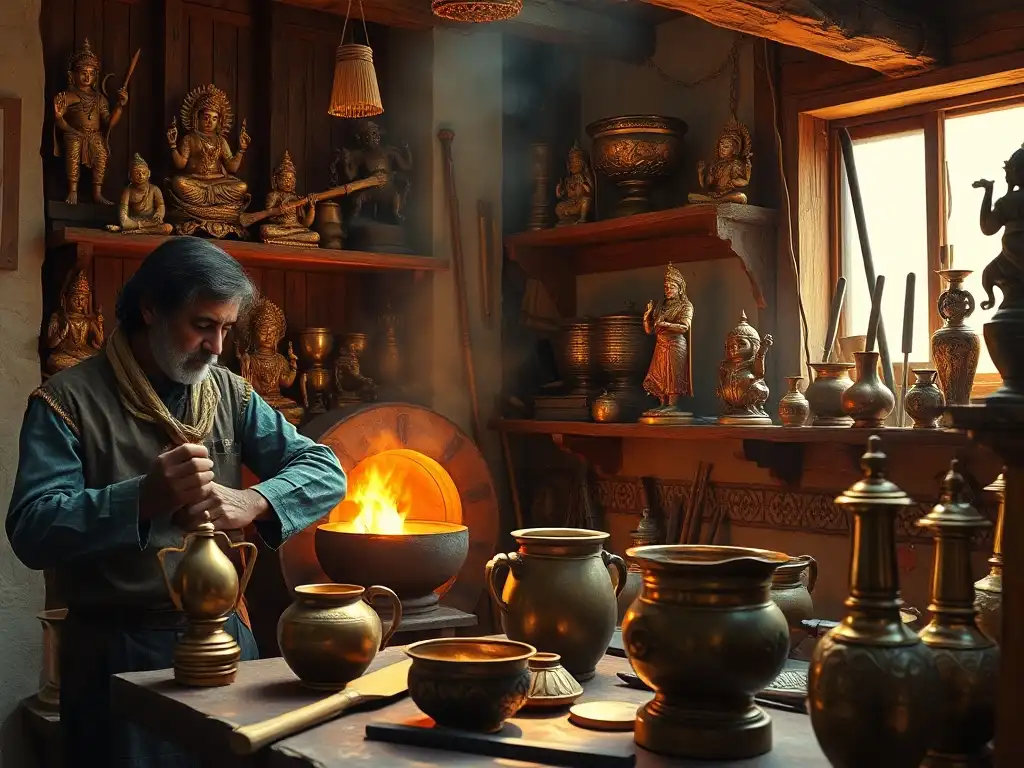
The history of ancient India is a tapestry woven with the threads of innovation, culture, and craftsmanship. Among the remarkable materials that shaped this rich heritage, bronze stands out as a significant contributor to the development of various technologies and artistic expressions. Ancient Indian bronze, a versatile alloy primarily composed of copper and tin, played a pivotal role in metallurgy, art, and daily life.
Its applications ranged from tools and weapons to intricate sculptures and ritual objects, reflecting the advanced knowledge and skills of ancient Indian civilizations. Understanding the uses of bronze not only illuminates the technological advancements of the time but also offers insights into the socio-economic and cultural dynamics that flourished across the subcontinent.
Overview of Bronze in Ancient India
Bronze emerged as a crucial material in ancient Indian society, particularly during the Indus Valley Civilization (circa 3300–1300 BCE). This civilization showcased a sophisticated understanding of metallurgy, evidenced by the production of bronze tools and artifacts. The use of bronze was not limited to practical applications; it also played a significant role in religious and artistic contexts.
- Key Characteristics of Bronze:
- Durability: Bronze is more resistant to corrosion and wear compared to pure copper, making it ideal for tools and weapons.
- Malleability: The alloy's malleability allowed artisans to create intricate designs and detailed sculptures.
- Casting Ability: Bronze can be cast into complex shapes, enabling the creation of various objects, from utensils to deities.
Bronze's unique properties made it indispensable in various aspects of ancient Indian life, paving the way for advancements in technology and artistry.
Importance of Bronze in Metallurgy
The significance of bronze in ancient Indian metallurgy cannot be overstated. It represented a major technological advancement that transformed production methods and societal structures.
- Metallurgical Techniques:
- Alloying: The combination of copper with tin or other metals to create bronze required advanced knowledge of materials.
- Casting Techniques: The lost-wax casting method allowed for the production of detailed and durable bronze artifacts.
- Smithing: Skilled artisans developed techniques for forging bronze, enhancing the functionality and aesthetic appeal of tools and weapons.
The advancement of bronze metallurgy contributed to the growth of trade networks, as regions rich in copper and tin exchanged materials and finished goods, fostering economic interdependence.
The History of Bronze Metallurgy in Ancient India
The journey of bronze metallurgy in ancient India is marked by several key developments that highlight its evolution and significance across different periods.
The Origins of Bronze Production
The origins of bronze production in ancient India can be traced back to the Indus Valley Civilization. Archaeological evidence suggests that the people of this civilization were among the earliest to experiment with copper alloys, leading to the eventual production of bronze.
- Notable Sites:
- Mohenjo-Daro: Artifacts such as tools and figurines made of bronze have been discovered, indicating advanced metallurgical practices.
- Harappa: Evidence of bronze casting workshops highlights the technological capabilities of this period.
The skills developed during this time laid the groundwork for future advancements in bronze metallurgy.
Key Historical Periods of Bronze Use
Bronze continued to play a vital role throughout various historical periods in ancient India, each contributing to its legacy in unique ways.
- Chalcolithic Period (circa 3000–1500 BCE):
- Transition from stone tools to metalworking.
- Increased production of bronze tools and ornaments.
- Vedic Period (circa 1500–500 BCE):
- Bronze weapons and tools became essential in warfare and agriculture.
- Artisans began creating decorative bronze items for religious and ceremonial purposes.
- Maurya and Gupta Empires (circa 322 BCE–550 CE):
- Heightened artistry in bronze sculpture, with significant works like the famous Dancing Girl of Mohenjo-Daro.
- Expansion of trade routes enhancing the distribution and exchange of bronze artifacts.
Through these periods, ancient Indian bronze not only served practical purposes but also became a symbol of cultural identity and artistic excellence, enriching the historical narrative of ancient India.
Ancient Indian Bronze Uses
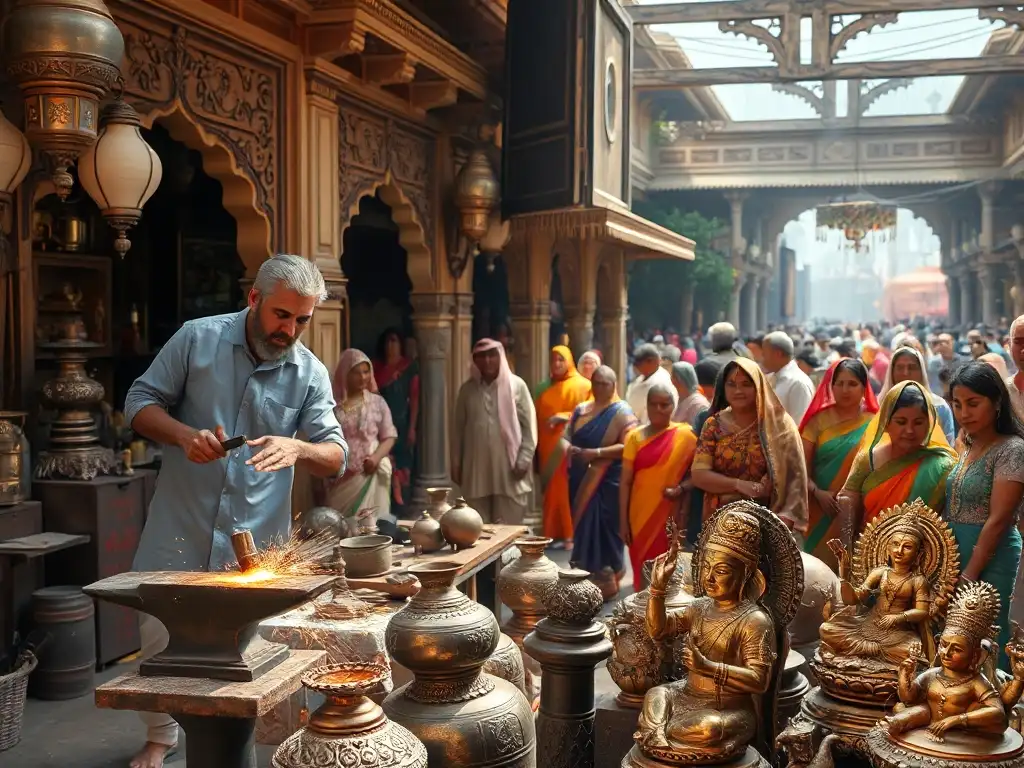
The use of bronze in ancient India is a testament to the advanced metallurgy practices of the time. This alloy, primarily made from copper and tin, was pivotal in various aspects of life, influencing art, utility, and culture. The versatility of ancient Indian bronze allowed for its application in diverse fields, ranging from sculpture and daily household items to weapons and religious artifacts. Understanding these uses provides insight into the technological prowess of ancient Indian civilizations and their cultural significance.
Sculptural Applications of Bronze
Bronze was extensively used in sculpture, particularly during the Maurya and Gupta periods. Artisans created intricate and durable sculptures that held both aesthetic and spiritual value.
- Iconography: Bronze sculptures of deities and mythological figures were prominent, showcasing detailed craftsmanship. These sculptures often depicted Hindu gods such as Shiva and Vishnu, embodying religious narratives and cultural values.
- Lost-Wax Casting: This sophisticated technique allowed for the creation of highly detailed and complex forms, enabling artisans to achieve lifelike representations. The process involved creating a wax model, which was covered in clay, then heated to melt away the wax, leaving a mold for the molten bronze.
- Cultural Significance: Many of these bronze sculptures were not only artistic expressions but also served a functional role in temples and public spaces, contributing to the cultural and spiritual ethos of ancient Indian society.
Bronze in Everyday Life: Tools and Utensils
In addition to its artistic applications, bronze was widely utilized in daily life, enhancing the functionality and durability of tools and utensils.
- Household Items: Bronze was used to create various utensils, including pots, pans, and containers. These items were favored for their resistance to corrosion and their ability to withstand high temperatures.
- Agricultural Tools: Implements such as sickles, axes, and plows were crafted from bronze, significantly improving agricultural productivity. The durability of bronze tools allowed for more efficient farming practices, contributing to food security.
- Trade and Economy: The widespread use of bronze tools and utensils also facilitated trade, as they became valuable commodities. This exchange of goods fostered economic growth and interaction between different regions.
Ritualistic and Religious Uses of Bronze
Bronze played a significant role in the religious and ceremonial practices of ancient Indian civilizations.
- Vessels and Offerings: Bronze vessels were commonly used in rituals and offerings, symbolizing purity and durability. These vessels often held holy water or other offerings during religious ceremonies.
- Religious Figures: In addition to sculptures, bronze was used to create ritualistic objects, such as bells and lamps, which were integral to temple ceremonies and worship practices.
- Cultural Heritage: The use of bronze in religious contexts underscores the material's importance in preserving cultural identity and religious traditions throughout ancient Indian history.
Bronze in Warfare: Weapons and Armor
The strategic use of bronze in warfare marked a significant advancement in military technology in ancient India.
- Weapons: Bronze was used to forge a variety of weapons, including swords, spears, and arrows. These weapons were favored for their strength and durability, providing an advantage in combat.
- Armor: Bronze was also utilized in the creation of armor, including helmets and shields. The use of bronze armor offered better protection compared to earlier materials, significantly enhancing the effectiveness of soldiers in battle.
- Military Innovations: The development of bronze weaponry and armor represented a critical evolution in ancient Indian warfare, influencing tactics and strategies employed by various kingdoms.
Techniques of Bronze Casting in Ancient India
The methods employed in bronze casting were crucial in determining the quality and intricacy of the final products. Ancient Indian artisans mastered several techniques that showcased their innovation and craftsmanship.
Lost-Wax Casting Method
The lost-wax casting method was the most prominent technique used in ancient India for creating bronze artifacts.
- Process Overview: This technique involved creating a model from wax, which was then encased in a clay mold. Once the mold was heated, the wax melted away, leaving a cavity into which molten bronze was poured.
- Advantages: The lost-wax method allowed for high levels of detail and precision, making it ideal for intricate sculptures and delicate designs. This technique was not only efficient but also allowed for the production of multiple copies of the same design.
- Cultural Impact: The mastery of this technique reflects the artistic and technological advancements of ancient Indian civilizations, contributing significantly to their cultural heritage.
Other Traditional Techniques Employed
In addition to the lost-wax method, ancient Indian artisans employed various other techniques for bronze casting.
- Sand Casting: This method involved creating a mold from sand, which was then packed around a model to form the desired shape. Once the mold was removed, molten bronze was poured into the cavity.
- Direct Metal Casting: Some artisans used direct metal casting, where molten bronze was poured directly into a mold without the intermediary wax model. This technique was simpler but less common for detailed works.
- Combination of Techniques: Often, artisans would combine these methods to achieve specific results, demonstrating their flexibility and ingenuity in bronze casting practices.
The rich history of bronze casting techniques not only showcases the artisans’ skill but also highlights the technological innovations that were integral to the development of ancient Indian culture.
The Cultural Significance of Bronze in Ancient Indian Society
Bronze played a pivotal role in ancient Indian society, not only as a material for tools and weapons but also as a medium for artistic expression and cultural representation. Its introduction marked a significant advancement in metallurgy, allowing for the production of more durable and versatile items compared to earlier materials like copper. This transition facilitated various aspects of daily life and contributed to the development of complex societal structures.
The use of bronze was deeply intertwined with religious and cultural practices. Temples and shrines often housed bronze idols and artifacts, reflecting the craftsmanship and spiritual beliefs of the people. These bronze figures were not merely decorative; they served as focal points for worship and community gatherings, emphasizing the material's importance in both social and religious contexts. As a result, bronze became a symbol of prosperity and artistic achievement, influencing various aspects of life in ancient India.
Symbolism and Artistic Expression
Bronze in ancient India was not only a functional material but also a canvas for artistic expression. The intricate craftsmanship involved in creating bronze sculptures, figurines, and utensils showcased the skills of artisans and their ability to convey themes of mythology, spirituality, and daily life.
Iconic pieces, such as the famous bronze Nataraja (Shiva as the cosmic dancer), exemplify the fusion of artistry and spirituality. These sculptures were not just representations of deities but also served as a means to communicate deeper philosophical concepts. The use of bronze allowed for more detailed and delicate designs, enabling artists to capture dynamic poses and intricate features that reflected the cultural narratives of the time.
Moreover, bronze artifacts were often adorned with inscriptions and motifs that conveyed particular meanings, reinforcing their cultural significance. The symbolic nature of these items further enhanced their value within society, making them important not only for their artistic merits but also for their role in preserving and transmitting cultural heritage.
Trade and Economic Implications of Bronze
The production and use of bronze had substantial economic implications in ancient India. The demand for bronze tools and artifacts stimulated trade networks, as communities sought to acquire the necessary raw materials, such as copper and tin. These metals were often sourced from distant regions, leading to the establishment of trade routes that facilitated cultural exchange and economic interaction.
As bronze became a vital component of agricultural tools, weaponry, and household items, its accessibility contributed to the growth of local economies. Societies that mastered bronze metallurgy often gained a competitive advantage, enhancing their military capabilities and agricultural productivity. This economic shift allowed for the emergence of more complex social hierarchies and urbanization, as communities with access to bronze resources thrived.
Furthermore, the trade of bronze items extended beyond local markets. Ancient Indian civilizations participated in long-distance trade with regions such as Mesopotamia and the Indus Valley, exchanging bronze goods for luxury items, agricultural products, and other valuable resources. This interconnectedness not only enriched local economies but also fostered cultural diffusion, influencing art, technology, and societal norms across civilizations.
Comparison of Ancient Indian Bronze with Other Civilizations
The study of ancient Indian bronze metallurgy reveals both unique characteristics and shared practices with other civilizations, highlighting the rich tapestry of technological and cultural development across regions. While each civilization adapted bronze to their specific needs and contexts, comparative analysis reveals fascinating insights into the similarities and differences in techniques and applications.
Comparison with Bronze in Mesopotamia
When comparing ancient Indian bronze to that of Mesopotamia, several distinctions and parallels emerge. Mesopotamia is often credited with pioneering bronze metallurgy around 3500 BCE, leading to significant advancements in tools, weapons, and art. Similarly, ancient India began utilizing bronze around the same period, with evidence of sophisticated casting techniques.
One notable difference lies in the sources of raw materials. Mesopotamia had easier access to tin deposits, which allowed for the production of high-quality bronze alloys. In contrast, ancient Indian societies often relied on trade to acquire tin, which influenced the quality and availability of bronze artifacts.
In terms of artistic expression, both civilizations produced intricate bronze sculptures, yet the stylistic choices varied significantly. Mesopotamian bronze works often depicted royal figures and mythological themes, while ancient Indian bronze art focused heavily on religious and spiritual iconography, reflecting the distinct cultural priorities of each society.
Similarities and Differences with Chinese Bronze Techniques
The comparison of ancient Indian bronze techniques with those of China reveals both similarities and unique methodologies. Chinese bronze metallurgy, which flourished during the Shang Dynasty (1600-1046 BCE), is renowned for its advanced casting methods and elaborate ritual vessels. Like India, China utilized bronze for practical tools and ceremonial artifacts, establishing a cultural significance around the material.
One significant difference is the complexity of the casting techniques employed. Chinese artisans perfected the lost-wax casting method, allowing for greater detail and complexity in their bronze works. While ancient Indian craftsmen also used sophisticated techniques, such as the direct casting method, their focus often remained on the functional and symbolic aspects of the artifacts rather than the intricate details seen in Chinese bronze.
Moreover, the role of bronze in society differed between the two regions. In China, bronze vessels were integral to ritual practices and served as status symbols among the elite. In contrast, ancient Indian bronze artifacts had a more diverse application, ranging from domestic tools to religious icons, reflecting the broader societal values and practices of the time.
The study of ancient Indian bronze and its uses not only underscores the material's significance within Indian civilization but also highlights its role in the larger narrative of global metallurgy and cultural exchange. The intricate connections between ancient societies reveal a rich history of innovation, trade, and artistic expression that continues to influence contemporary understanding of ancient technologies.
Legacy of Ancient Indian Bronze
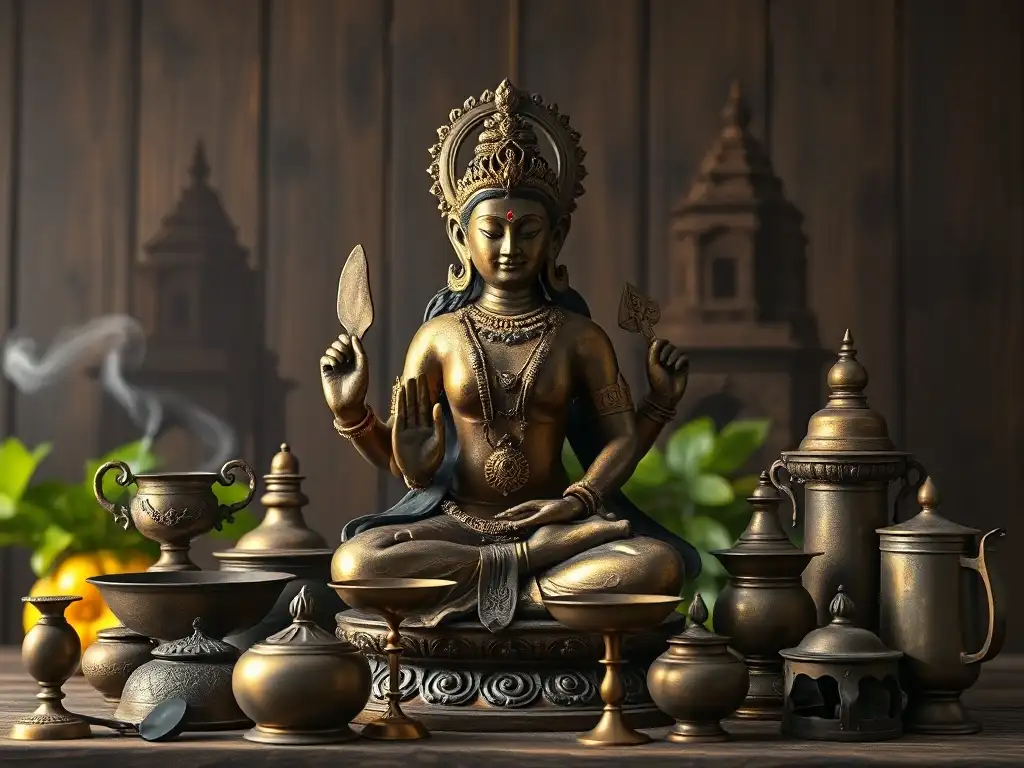
The legacy of ancient Indian bronze is deeply intertwined with the technological advancements and cultural expressions of Indian civilization. Bronze, an alloy primarily composed of copper and tin, was extensively utilized in various forms during ancient times, marking a significant milestone in metallurgy. Artifacts from the Indus Valley Civilization, dating back to around 2500 BCE, showcase the early mastery of bronze casting techniques. This period saw the creation of intricate sculptures, tools, and utensils, reflecting both functional and artistic purposes.
Bronze played a pivotal role in the development of Indian society. The introduction of this durable material facilitated advancements in agriculture, warfare, and everyday life. Tools made from bronze were not only more effective than their stone counterparts but also allowed for greater precision in agriculture and craftsmanship. Furthermore, bronze sculptures, particularly those of deities and animals, became central to religious practices, illustrating the blend of utility and spirituality in ancient Indian culture.
Influence on Later Indian Metallurgy
The innovations in bronze metallurgy during ancient times laid the foundation for subsequent developments in Indian metallurgy. The techniques of alloying and casting bronze were refined over the centuries, influencing the production of other metals, such as iron and brass. The Gupta period (circa 320–550 CE) is often regarded as a golden age in Indian metallurgy, where advancements in metalworking techniques can be traced back to the earlier bronze practices.
The legacy of ancient bronze metallurgy also fostered a culture of experimentation and innovation. Artisans began to explore various combinations of metals and methods, leading to the creation of superior alloys and techniques. This not only enhanced the quality of metal artifacts but also contributed to the establishment of trade networks, as Indian metallurgy became highly sought after in international markets. The influence of ancient bronze craftsmanship can be seen in the exquisite bronze statues and temple ornaments that emerged in later centuries, showcasing the continuity of artistic and technical skills.
Modern Relevance of Ancient Techniques
Today, the techniques and knowledge derived from ancient Indian bronze metallurgy hold significant relevance in various fields. Researchers and artisans are increasingly interested in traditional methods of metalworking, seeking to revive ancient techniques that promote sustainability and environmental consciousness. The principles behind bronze casting, such as lost-wax casting, are being explored for their potential in contemporary art and industrial applications.
Moreover, the study of ancient Indian bronze artifacts provides insights into the historical context of metallurgy, informing modern practices in conservation and restoration. Understanding the composition and structure of these ancient alloys allows modern metallurgists to enhance the durability and performance of contemporary materials. This bridge between ancient craftsmanship and modern innovation underscores the enduring legacy of ancient Indian bronze and its techniques, demonstrating their value in today’s technological landscape.
Conclusion
Summary of Ancient Indian Bronze Uses
The uses of ancient Indian bronze were multifaceted, encompassing a wide array of applications that shaped daily life and cultural practices. Bronze was primarily used for:
- Sculptures and Religious Icons: Many bronze sculptures served as representations of deities, playing a crucial role in rituals and worship.
- Tools and Weapons: The durability and strength of bronze made it ideal for creating agricultural tools and weaponry, enhancing productivity and defense.
- Utensils and Decorative Items: Everyday items such as pots, pans, and jewelry showcased the artistry of bronze work, reflecting the aesthetic sensibilities of the time.
These uses highlight how bronze was not merely a material but a catalyst for cultural and technological advancement in ancient India.
Reflection on the Technological Innovations in Ancient India
The exploration of ancient Indian bronze and its applications reveals a rich tapestry of technological innovations that have significantly impacted human civilization. From the sophisticated casting techniques of the Indus Valley to the artistic expressions of the Gupta Empire, ancient Indian metallurgy exemplifies a profound understanding of materials and their properties.
This reflection underscores the importance of preserving and studying ancient techniques, as they offer valuable lessons in sustainability, craftsmanship, and innovation. The legacy of ancient Indian bronze serves as a reminder of the ingenuity and creativity that has shaped not only Indian history but also the broader narrative of human technological progress.
- Introduction to Ancient Indian Bronze
- Overview of Bronze in Ancient India
- Importance of Bronze in Metallurgy
- The History of Bronze Metallurgy in Ancient India
- Ancient Indian Bronze Uses
- Techniques of Bronze Casting in Ancient India
- The Cultural Significance of Bronze in Ancient Indian Society
- Comparison of Ancient Indian Bronze with Other Civilizations
- Legacy of Ancient Indian Bronze
- Influence on Later Indian Metallurgy
- Modern Relevance of Ancient Techniques
- Conclusion
- What were some common uses of bronze in ancient India?
- How did ancient Indian civilizations create bronze?
- What is the significance of bronze sculptures in ancient Indian culture?
- How did the Gupta Empire contribute to bronze technology?
- Are there any notable archaeological findings related to ancient Indian bronze?
Frequently Asked Questions
What were some common uses of bronze in ancient India?
Bronze was primarily used for tools, weapons, sculptures, and coins. Its durability made it ideal for creating artistic and functional objects that have lasted through centuries.
How did ancient Indian civilizations create bronze?
Ancient Indian artisans used a copper and tin alloy to create bronze. They employed sophisticated casting techniques, often using molds to shape their products.
What is the significance of bronze sculptures in ancient Indian culture?
Bronze sculptures served not only as artistic expressions but also held religious and cultural significance, often depicting deities and important figures in Indian mythology.
How did the Gupta Empire contribute to bronze technology?
The Gupta Empire is known for its advancements in metallurgy, including the refinement of bronze production methods. This era saw the creation of high-quality bronze artifacts that showcased artistic mastery.
Yes, numerous archaeological sites have uncovered bronze artifacts, including the famous dancing girl statue from Mohenjo-Daro, which highlights the artistic and technological prowess of ancient Indian civilizations.
Final Reflection: The Enduring Legacy of Ancient Indian Bronze
The story of ancient Indian bronze and its myriad uses is not just a tale of craftsmanship; it is a testament to human ingenuity and cultural evolution. Today, as we navigate a world increasingly dominated by technology and mass production, the artistry and significance of ancient bronze artifacts remind us of the value of tradition and the stories embedded in every creation. The intricate designs and functional applications of bronze in ancient India serve as a bridge connecting us to our past, urging us to appreciate the craftsmanship that shaped civilizations.
The influence of ancient Indian bronze extends far beyond its physical artifacts; it resonates within the cultural and social fabric of contemporary society. The techniques and artistic expressions developed by ancient artisans continue to inspire modern artists and craftsmen, fostering a renewed interest in traditional methods. As noted by historian R. S. Sharma, The legacy of ancient craftsmanship is not merely historical; it is a living tradition that informs our present and shapes our future.
This ongoing dialogue between past and present underscores the importance of preserving and celebrating our cultural heritage.
As we reflect on the fascinating story of ancient Indian bronze, let us consider how we can incorporate its lessons into our own lives. Take a moment to appreciate the craftsmanship around you, whether in art, architecture, or daily objects. By recognizing the beauty and significance of traditional practices, we can foster a deeper connection to our history and inspire future generations to carry these stories forward. Embrace the legacy of ancient Indian bronze, and allow it to guide your journey toward a more mindful and appreciative existence.
Unveil the Wonders of Ancient Indian Bronze!
Thank you for diving into the fascinating world of Ancient Indian bronze with us! We hope you’ve gained insight into its rich history and remarkable uses. Now, it's your turn to connect deeper with this captivating subject and explore its significance further!
Here are some engaging steps you can take:
- Discover local museums or exhibits that feature ancient Indian artifacts, and experience the beauty of bronze firsthand.
- Join online forums or communities focused on Ancient Indian history to share your thoughts and learn from others.
- Create a small project centered around bronze, such as an art piece or a research paper, to unveil your own interpretation of this exquisite material.
What aspect of Ancient Indian bronze intrigues you the most, and how do you plan to explore it further? We’d love to hear your thoughts!