
From Copper to Gold: The Evolution of Metalworking in Ancient India

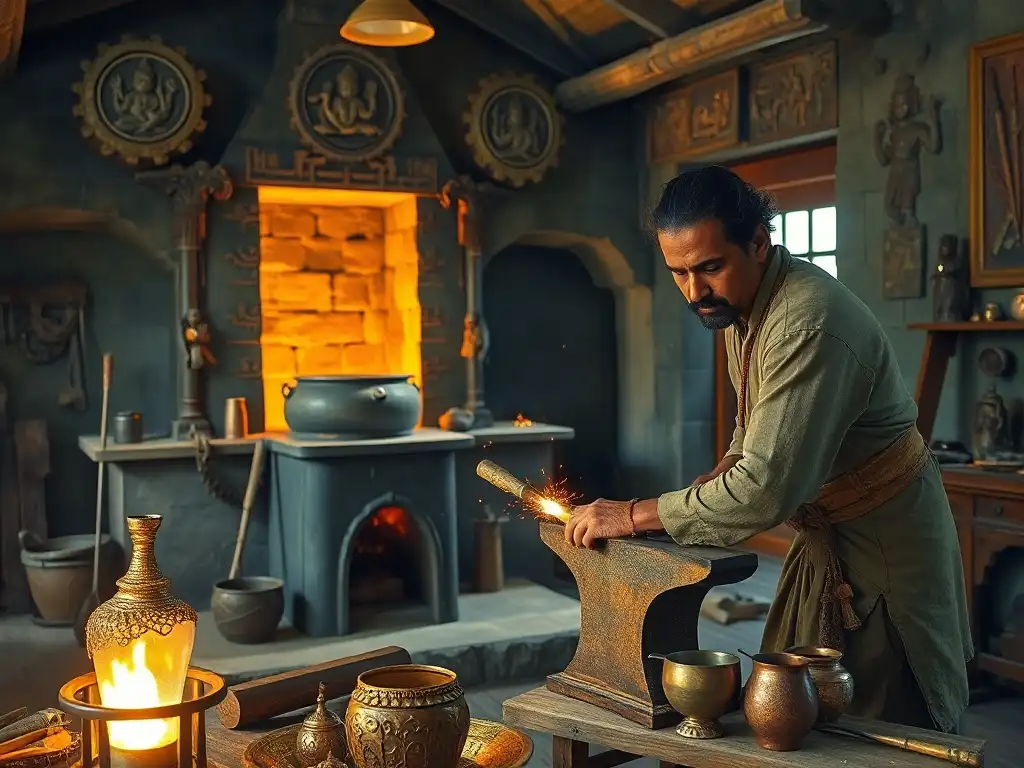
Welcome to Ancient India History, where we embark on a captivating journey through the rich tapestry of ancient civilizations that shaped India's illustrious past. This week, we're diving deep into the fascinating world of metalworking techniques in ancient India, exploring how the mastery of metals like copper and gold fueled innovations and transformed societies. What secrets lie within the ancient forges?
Discover the remarkable evolution of metalworking that not only reflects the ingenuity of our ancestors but also laid the foundation for future advancements. Join us as we uncover the intricate stories and techniques that continue to inspire and intrigue!
- Introduction to Metalworking Techniques in Ancient India
- The Beginnings of Metalworking in Ancient India
- The Transition from Copper to Bronze
- Advancements in Ironworking Techniques
- The Goldsmiths of Ancient India
- Regional Variations in Metalworking Techniques
- The Role of Trade in the Evolution of Metalworking
- The Legacy of Metalworking in Ancient India
- Conclusion: The Rich Heritage of Metalworking Techniques in Ancient India
-
Frequently Asked Questions
- What were the earliest metalworking techniques used in ancient India?
- How did the Indus Valley civilization contribute to metalworking?
- What role did metalworking play during the Gupta Empire?
- How did trade influence metalworking in ancient India?
- What impact did ancient Indian metalworking have on later civilizations?
- Final Reflection: The Enduring Legacy of Metalworking Techniques in Ancient India
- Unlock the Secrets of Ancient Metalworking!
Introduction to Metalworking Techniques in Ancient India
The evolution of metalworking techniques in ancient India is a captivating journey that reflects the ingenuity and craftsmanship of early civilizations. From the sophisticated practices of the Indus Valley Civilization to the advanced metallurgical skills witnessed during the Gupta Empire, ancient Indian societies demonstrated remarkable proficiency in manipulating various metals.
This article delves into the diverse metalworking techniques developed in ancient India, exploring their historical significance, contributions to technology, and the cultural implications that arose from these advancements. By examining the intricate relationship between metalworking and society, we gain a deeper understanding of how these techniques shaped not only the economy but also the social fabric of ancient Indian life.
Overview of Ancient Indian Metallurgy
Ancient Indian metallurgy is characterized by a series of progressive developments that highlight the region's rich tradition of craftsmanship. The earliest evidence of metalworking in India dates back to the Indus Valley Civilization (circa 3300–1300 BCE), where archaeologists have uncovered various artifacts such as tools, ornaments, and weights crafted from copper and bronze. These early metalworking techniques involved:
- Mining and Extraction: Knowledge of mineral resources was crucial as artisans extracted metals from ores using rudimentary smelting techniques.
- Alloying: The combination of copper with tin to produce bronze marked a significant technological advancement, enhancing the durability and functionality of tools and weapons.
- Casting and Forging: Techniques such as lost-wax casting allowed for the creation of intricate designs, while forging enabled artisans to shape metal into desired forms through hammering.
As time progressed, ancient Indian metallurgists refined their techniques, leading to the production of high-quality iron and steel by the time of the Maurya Empire (circa 322–185 BCE). The famous Wootz steel, known for its exceptional quality, emerged during this period, exemplifying the high level of metallurgical knowledge that had been achieved.
Importance of Metalworking in Ancient Indian Society
Metalworking played a pivotal role in shaping ancient Indian society, influencing various aspects of daily life, economy, and culture. The importance of metalworking can be summarized through the following key points:
- Economic Development: The ability to produce tools and weapons from metal significantly enhanced agricultural productivity and warfare capabilities, contributing to the growth of trade and commerce.
- Cultural Significance: Metal artifacts, including ornaments and religious icons, held substantial cultural value. They were often used in rituals and as symbols of status, reflecting the social hierarchy of ancient societies.
- Technological Innovation: The advancements in metallurgy spurred further innovations in related fields, such as architecture and engineering, where metals were employed in constructing durable structures and intricate designs.
- Interregional Trade: Ancient India's metalworking skills attracted traders from far and wide, facilitating the exchange of goods and ideas, and thus contributing to the cultural diffusion that characterized the region.
The evolution of metalworking techniques in ancient India not only showcases the technical prowess of its people but also underscores the profound impact these developments had on society as a whole. Through this exploration, we can appreciate the intricate tapestry of history, culture, and technology that defines ancient Indian civilizations.
The Beginnings of Metalworking in Ancient India
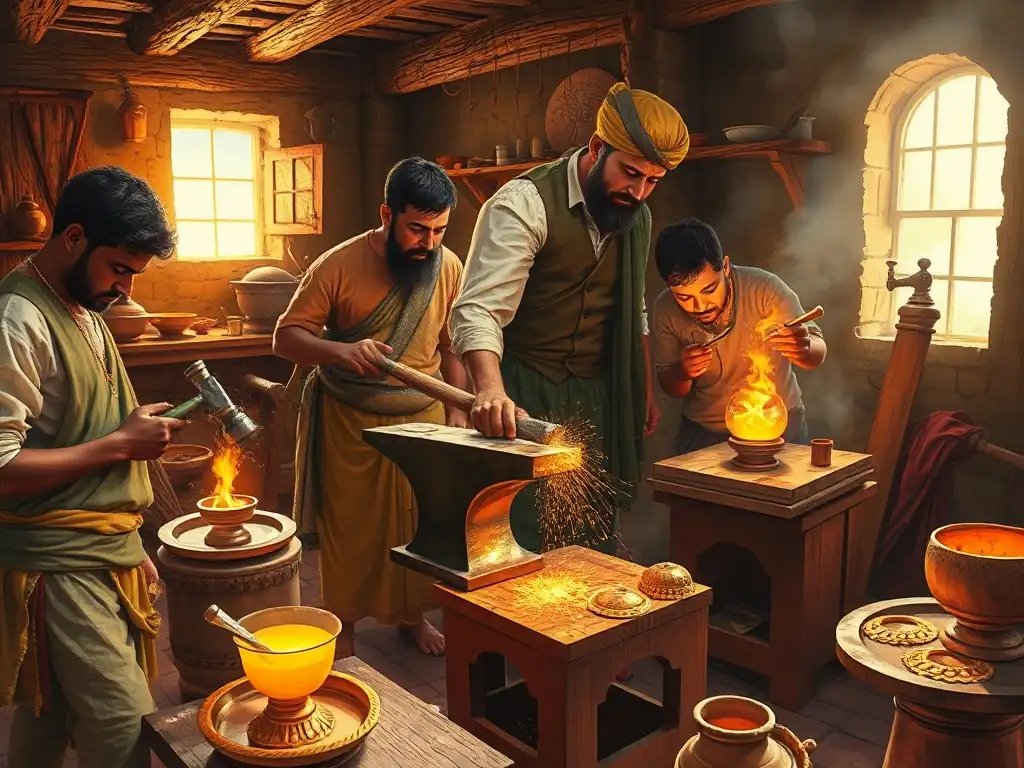
The evolution of metalworking in ancient India marks a significant milestone in the development of technology and culture. The transition from stone tools to metal tools laid the foundation for advancements in agriculture, warfare, and craftsmanship. This transformation began around 3000 BCE with the advent of copper metallurgy, which played a crucial role in shaping the socio-economic structure of ancient Indian civilizations.
The Use of Copper in Early Civilizations
Copper was among the first metals utilized by ancient Indian societies, particularly during the Indus Valley Civilization (IVC). The IVC, flourishing from approximately 3300 to 1300 BCE, showcased sophisticated urban planning and trade networks, and the introduction of copper tools significantly contributed to these developments.
- Tools and Implements: The early metallurgists produced a range of copper items, including:
- Hoes: Used for farming, which enhanced agricultural productivity.
- Axes: Facilitated deforestation and land clearing for cultivation.
- Jewelry and Ornaments: Decorative items that reflected the social status and artistry of the people.
- Cultural Significance: The use of copper also had cultural implications, as it was associated with wealth and power. Artefacts such as copper figurines and ceremonial objects indicate the importance of metalworking in religious and social rituals.
- Technological Innovations: The techniques developed during this period included:
- Casting: The method of pouring molten metal into molds to create specific shapes.
- Hammering: Shaping copper into tools and ornaments through manual force, which improved their utility and design.
Archaeological Evidence of Copper Artifacts
Archaeological findings have provided substantial evidence of copper working in ancient India, revealing insights into the technological prowess of early civilizations. Excavations in various sites have unearthed a plethora of copper artifacts that underscore the sophistication of these ancient metalworkers.
- Notable Sites:
- Harappa and Mohenjo-Daro: Major IVC sites where numerous copper items, including tools and figurines, have been discovered.
- Chandraketugarh: Another significant site where copper utensils and ornaments were found, dating back to the Mauryan period.
- Types of Artifacts: The variety of copper artifacts discovered includes:
- Statues and Figurines: Reflecting artistic skills and religious practices.
- Weights and Measures: Indicating the development of trade and economy.
- Technological Insights: Analysis of these artifacts reveals:
- Alloying Techniques: The use of arsenic with copper to create stronger tools, indicating advanced metallurgical knowledge.
- Craftsmanship: The intricacy of designs suggests a high level of skill among ancient artisans.
The study of metalworking techniques in ancient India not only highlights the technological innovations of the time but also provides a glimpse into the cultural and economic dynamics that shaped early Indian civilization. The transition from copper to more advanced metals laid the groundwork for future metallurgical developments, ultimately leading to the sophisticated metalworking practices seen during the later periods, such as the Gupta Empire.
The Transition from Copper to Bronze
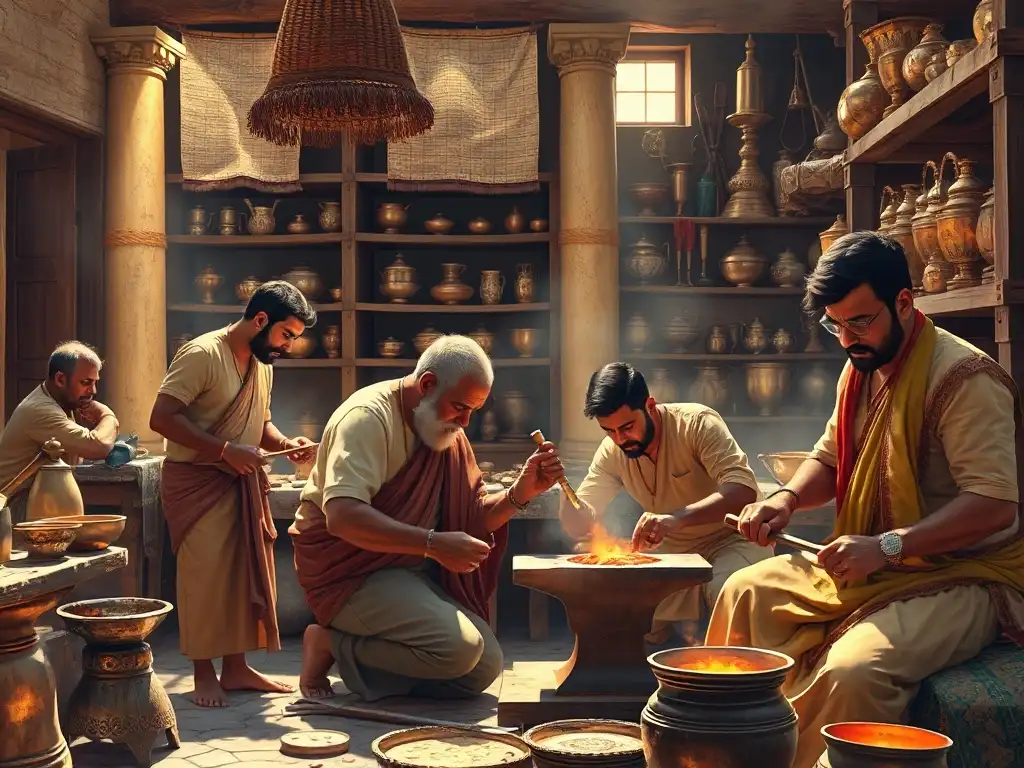
The transition from copper to bronze marked a significant technological advancement in ancient India, reflecting broader changes in society, economy, and culture. This transition occurred around 3000 BCE, coinciding with the rise of the Indus Valley Civilization, which is renowned for its sophisticated urban planning and advanced craft production.
Bronze, an alloy of copper and tin, offered superior properties compared to its predecessor. Its increased hardness and durability made it an ideal material for tools, weapons, and ceremonial objects. The introduction of bronze not only improved the efficiency of metalworking techniques in ancient India but also catalyzed the development of trade networks, as the sourcing of tin required extensive exchange with regions where tin deposits were more abundant.
Moreover, the advent of bronze metallurgy fostered innovation in casting techniques, allowing for the creation of intricate designs and more complex shapes. This period also saw the emergence of specialized craftsmen who contributed to the societal structure as metalworkers became integral to urban economies. The shift to bronze metallurgy was not merely a technological change; it represented a pivotal moment that influenced the cultural and economic landscape of ancient Indian civilizations.
Development of Bronze Metallurgy
The development of bronze metallurgy in ancient India was a multifaceted process that involved several key steps:
- Mining and Sourcing:
- The primary sources of copper were found in regions like Rajasthan and the central Indian highlands.
- Tin was less commonly found, necessitating trade with regions such as present-day Afghanistan and Iran.
- Smelting Techniques:
- Early metallurgists employed primitive smelting techniques, using furnaces constructed from clay and stone to reach the required temperatures for melting copper.
- The emergence of better furnace designs led to improved efficiency in metal extraction.
- Alloying Process:
- The alloying of copper with tin required precise measurement and control over the temperature during the melting process to ensure the proper chemical composition of bronze.
- Artisans experimented with different ratios of copper to tin, which typically ranged from 90:10 to 85:15, to achieve desired properties.
- Casting Techniques:
- The lost-wax casting method became increasingly popular, allowing artisans to create complex and detailed bronze objects.
- This technique involved creating a wax model, covering it with clay, and then heating it to melt the wax, leaving a mold for molten bronze to be poured into.
- Cultural Significance:
- The production of bronze tools and weapons not only enhanced the efficiency of agricultural and military endeavors but also contributed to the social status of metallurgists within communities.
The development of bronze metallurgy thus played a crucial role in the technological advancements of ancient India, laying the groundwork for further innovations in metalworking techniques.
Techniques for Alloying Copper and Tin
The techniques for alloying copper and tin in ancient India were critical in achieving the desired properties of bronze. Here are some of the key methods employed by ancient metallurgists:
- Proportional Mixing:
- The most common method involved mixing copper and tin in specific proportions before the melting process.
- A typical alloy would consist of 90% copper and 10% tin, but varying these ratios could produce bronze with different characteristics.
- Direct Alloying:
- In this method, copper and tin were melted together in a crucible. The tin would be added gradually to the molten copper to ensure a uniform mixture.
- This technique required careful control of temperature, as overheating could lead to the loss of tin through evaporation.
- Indirect Alloying:
- Artisans sometimes created bronze by first producing an intermediate copper-tin alloy, which was then melted with additional copper to adjust the final composition.
- This allowed for more control over the alloy's properties and facilitated experimentation with different mixtures.
- Casting and Recasting:
- Bronze objects were often recast to create new items or to repair existing tools. This practice allowed metalworkers to reuse materials and refine their alloying processes over time.
- The ability to recast also contributed to the gradual evolution of bronze metallurgy as craftsmen learned from previous failures and successes.
The mastery of these techniques not only reflects the ingenuity of ancient Indian metallurgists but also highlights the cultural significance of metalworking in the development of ancient civilizations. The knowledge and skills surrounding metalworking techniques in ancient India laid the foundation for future advancements in metallurgy, influencing subsequent generations and contributing to the rich tapestry of Indian history.
Advancements in Ironworking Techniques
Discovery and Use of Iron in Ancient India
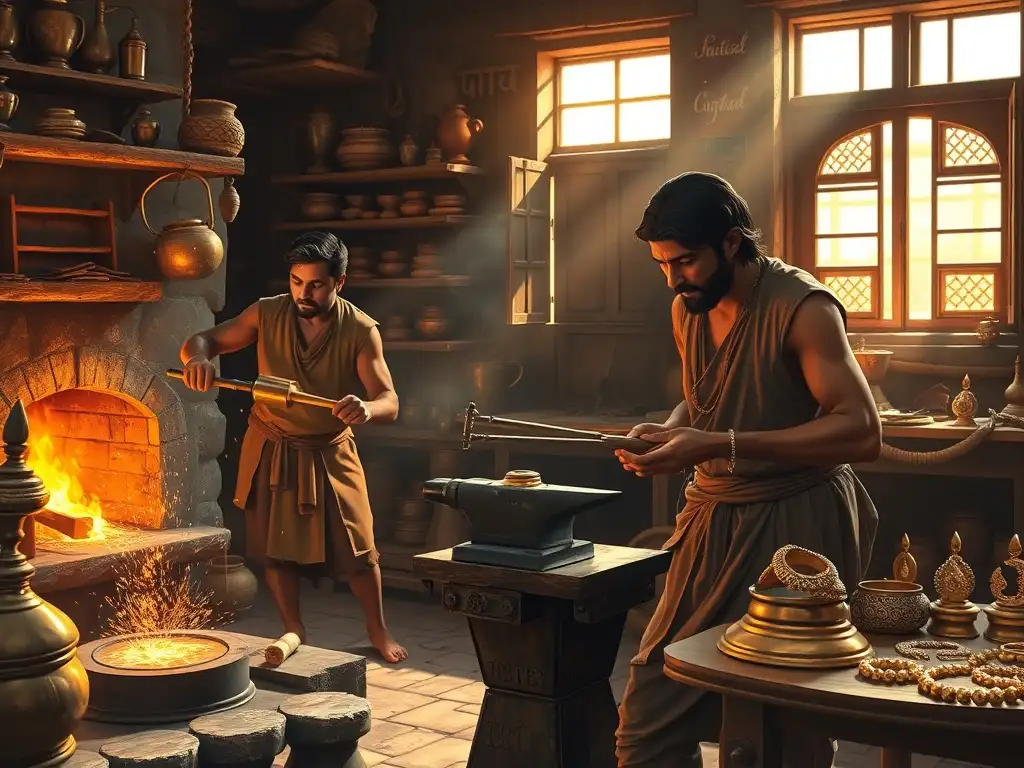
The discovery of iron marked a significant turning point in the metallurgical practices of ancient India. Archaeological evidence suggests that iron was being utilized in India as early as 1200 BCE, during the early Iron Age. The transition from bronze to iron was not merely a change in material but represented a profound shift in technology and society.
Key developments in ironworking techniques include:
- Smelting Processes: Ancient Indian metallurgists mastered the art of iron smelting using furnaces known as bloomery furnaces. These structures reached high temperatures, allowing for the extraction of iron from its ore. The use of charcoal as a reducing agent was crucial in this process.
- Wrought Iron Production: The production of wrought iron emerged, characterized by its malleability and strength. This allowed artisans to create a variety of tools and weapons that were more durable than their bronze counterparts.
- Innovative Alloys: Ancient metallurgists experimented with various alloys, leading to the development of high-quality steel, notably Wootz steel. This steel, renowned for its toughness and ability to hold a sharp edge, was highly sought after both within India and in international markets.
- Cultural Impact: The advent of ironworking had significant implications for agriculture, warfare, and trade. Iron plows improved farming efficiency, while iron weapons transformed military strategies, contributing to the expansion of empires.
Comparative Analysis of Iron and Bronze in Metalworking
The transition from bronze to iron in ancient India represents a pivotal moment in the evolution of metalworking techniques. Each metal offered distinct advantages and applications, shaping the technological landscape of the time.
| Aspect | Bronze | Iron |
|---|---|---|
| Composition | Alloy of copper and tin | Primarily iron with varying carbon content |
| Strength | Strong but brittle | Tougher and more flexible |
| Workability | Easier to cast | Requires higher temperatures to forge |
| Corrosion Resistance | Less susceptible to rust | Prone to rust but can be treated (e.g., through quenching) |
| Applications | Decorative items, tools, weapons | Tools, weapons, agricultural implements |
| Cultural Significance | Linked to early civilizations and trade | Associated with military and agricultural advancements |
The advantages of iron over bronze became evident as ironworking techniques advanced. While bronze was initially favored for its aesthetic qualities and ease of casting, the durability and strength of iron tools and weapons eventually led to widespread adoption. This transition also facilitated the growth of trade networks, as regions began to exchange not only raw materials but also techniques and finished products.
The advancements in ironworking techniques in ancient India not only reflect a technological evolution but also highlight the profound impact of metallurgy on societal progress. The transition from bronze to iron signifies a crucial chapter in the history of metalworking techniques in ancient India, laying the groundwork for future innovations and cultural developments.
The Goldsmiths of Ancient India
The art of goldsmithing in ancient India stands as a testament to the extraordinary craftsmanship and technological prowess of its artisans. Goldsmiths were not merely workers of metal; they were revered artists who played crucial roles in religious, social, and economic aspects of ancient Indian society. Their intricate skills were documented in ancient texts and showcased through various artifacts that have survived through the ages.
Goldsmiths in ancient India operated within a sophisticated system that combined traditional techniques with innovative approaches to metalworking. The guild system, known as "shreni," regulated the profession, ensuring high standards of craftsmanship. These artisans often specialized in specific techniques, such as alloying, crafting intricate designs, and employing unique finishing methods that distinguished their work from that of other cultures.
Techniques of Goldsmithing in Ancient Civilizations
The techniques of goldsmithing in ancient India evolved over centuries, influenced by regional practices and the availability of materials. Key methods included:
- Lost-Wax Casting: This technique involved creating a wax model of the desired object, which was then coated in clay to form a mold. Once the mold was heated, the wax melted away, leaving a cavity for molten gold to be poured in. This method allowed for highly detailed and intricate designs, enabling the creation of figurines, jewelry, and ceremonial objects.
- Filigree Work: Goldsmiths excelled in filigree, a delicate art form involving twisting and weaving fine gold wires into intricate patterns. This technique was particularly popular for creating ornate jewelry and embellishments, showcasing the artisan's skill and creativity.
- Granulation: This method involved fusing tiny gold beads onto a surface to create decorative patterns. The process required precision and an understanding of metallurgy, as the beads had to be carefully heated to bond with the base metal without losing their form.
- Hammering and Forging: Artisans used hammers and anvils to shape gold into sheets or wires, allowing for the creation of various forms such as bangles, necklaces, and decorative ornaments. This technique also included the practice of raising, where artisans would create hollow forms by hammering on a solid base.
- Inlay Techniques: Goldsmiths often inlaid gold into other materials, such as wood or stone, to enhance the aesthetic appeal of objects. This technique not only highlighted the beauty of gold but also showcased the artisan's mastery in combining different materials.
These techniques reflect a deep understanding of materials and an innovative spirit that characterized metalworking in ancient India. The use of gold in craftsmanship was not merely for adornment; it served practical purposes in trade, religious rituals, and social status.
The Cultural Significance of Gold in Ancient India
Gold held profound cultural significance in ancient India, transcending its material value. It symbolized wealth, power, and divine favor, often associated with various deities in Hinduism. The prominence of gold can be seen in the following aspects:
- Religious Rituals: Gold was extensively used in religious ceremonies and offerings. Temples often featured gold-plated idols and decorative elements, signifying the divine association of gold with prosperity and spiritual purity.
- Social Status: Ownership of gold jewelry and artifacts was a marker of social status. Wealthy families often commissioned elaborate gold items, showcasing their affluence and taste. Gold's rarity and beauty made it a desirable commodity for trade and gifting.
- Cultural Artifacts: Numerous archaeological discoveries, such as the gold jewelry found in Harappa and Mohenjo-Daro, reveal the importance of gold in ancient Indian culture. These artifacts reflect not only the technical skill of goldsmiths but also the aesthetic preferences of the time.
- Economic Exchange: Gold served as a medium of exchange in trade, facilitating commerce across regions. The intricate gold items produced by Indian goldsmiths were highly sought after in international markets, contributing to India's historical reputation as a center for trade.
Metalworking techniques in ancient India, particularly in the realm of goldsmithing, encapsulate a rich tapestry of cultural, religious, and economic significance. The legacy of these artisans continues to influence modern metalworking practices and remains a source of pride in India’s historical narrative.
Regional Variations in Metalworking Techniques
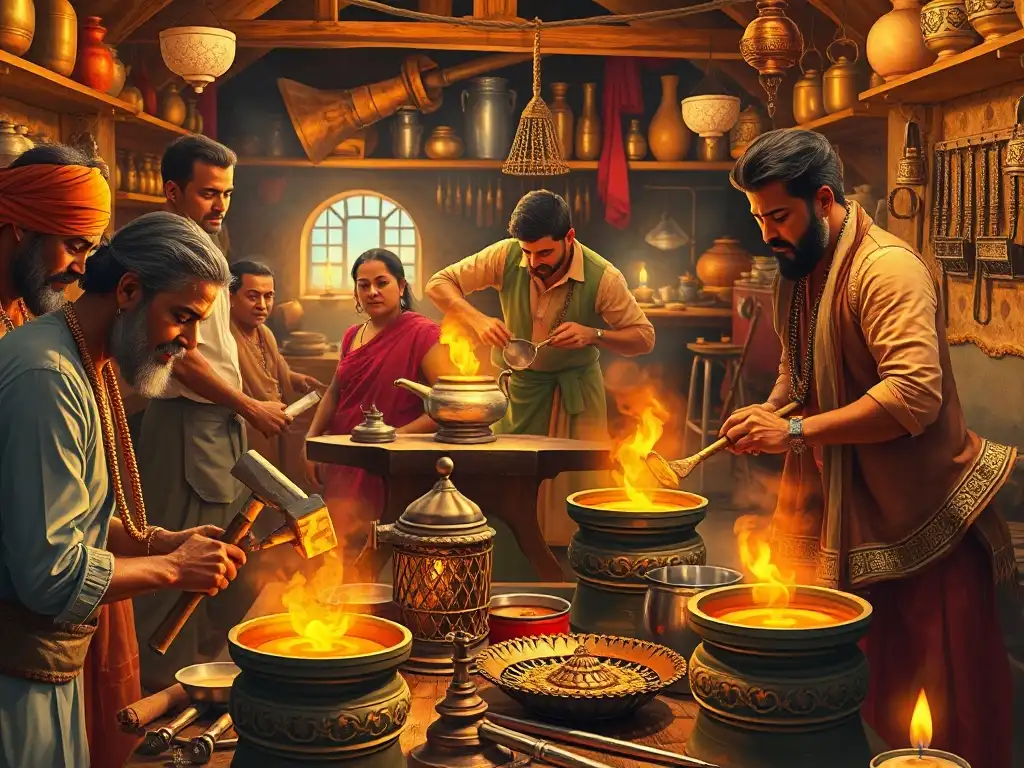
The evolution of metalworking techniques in ancient India showcases a rich tapestry of regional diversity, reflecting the unique cultural, geographical, and resource-based factors influencing metallurgy across various regions. From the northern plains to the southern peninsulas, metalworking practices evolved distinctly, resulting in unique styles and methodologies.
Distinct Styles in Northern India
Northern India, particularly regions like Punjab, Haryana, and Uttar Pradesh, exhibited metalworking techniques that were characterized by several key features:
- Iron Smelting and Forging: The northern regions became renowned for their iron smelting techniques, particularly during the early centuries CE. The well-known Wootz steel, prized for its quality and resilience, was produced here. Artisans utilized high-temperature furnaces that enabled them to extract iron from ore efficiently.
- Decorative Techniques: Northern Indian metalworkers incorporated intricate decorative techniques in their crafts. For instance, the use of damascening (the art of inlaying gold and silver into iron) was prevalent. This technique allowed artisans to produce stunning designs on weapons and armor, enhancing both aesthetic appeal and value.
- Tool Production: The production of tools, such as plows and sickles, was prominent in this region. The combination of practical functionality and ornamental design made these tools essential for agricultural development while showcasing the artistry of local craftsmen.
- Cultural Influences: The influence of various dynasties, such as the Mauryas and the Guptas, contributed to the evolution of metalworking styles. The spread of Buddhism and Hinduism also influenced decorative motifs and themes in metal artifacts, leading to a fusion of artistic expressions.
Southern Indian Metallurgy Practices
In contrast, southern India, comprising states like Tamil Nadu, Karnataka, and Kerala, developed its own distinctive metalworking practices that were equally advanced and innovative:
- Bronze Casting: Southern Indian craftsmen excelled in lost-wax casting, particularly for producing bronze sculptures. This technique involved creating a wax model, covering it with clay, and then melting away the wax to leave a mold for bronze pouring. The Chola dynasty is particularly noted for its exquisite bronze sculptures of deities, showcasing intricate detailing and artistic finesse.
- Goldsmithing: The southern regions were also known for their goldsmithing techniques. Artisans employed a variety of methods such as granulation and filigree work, creating elaborate jewelry that reflected both religious significance and social status. The temple jewelry of Tamil Nadu remains a prime example of this craftsmanship.
- Trade Networks: Southern Indian metallurgy benefited from extensive trade networks that connected them with Southeast Asia and beyond. This interaction facilitated the exchange of ideas and techniques, enriching their metalworking practices and leading to the adoption of various foreign styles.
- Cultural Heritage: The strong religious and cultural traditions in southern India greatly influenced metalworking. Temples often commissioned metal sculptures and decorative elements, resulting in a unique blend of functionality and spirituality in metal artifacts.
The regional variations in metalworking techniques in ancient India not only highlight the technological advancements of the time but also reflect the cultural richness and diversity of Indian civilization. Each region contributed uniquely to the art of metallurgy, ensuring that ancient Indian metalworking remains a significant chapter in the history of technology and innovation.
The Role of Trade in the Evolution of Metalworking
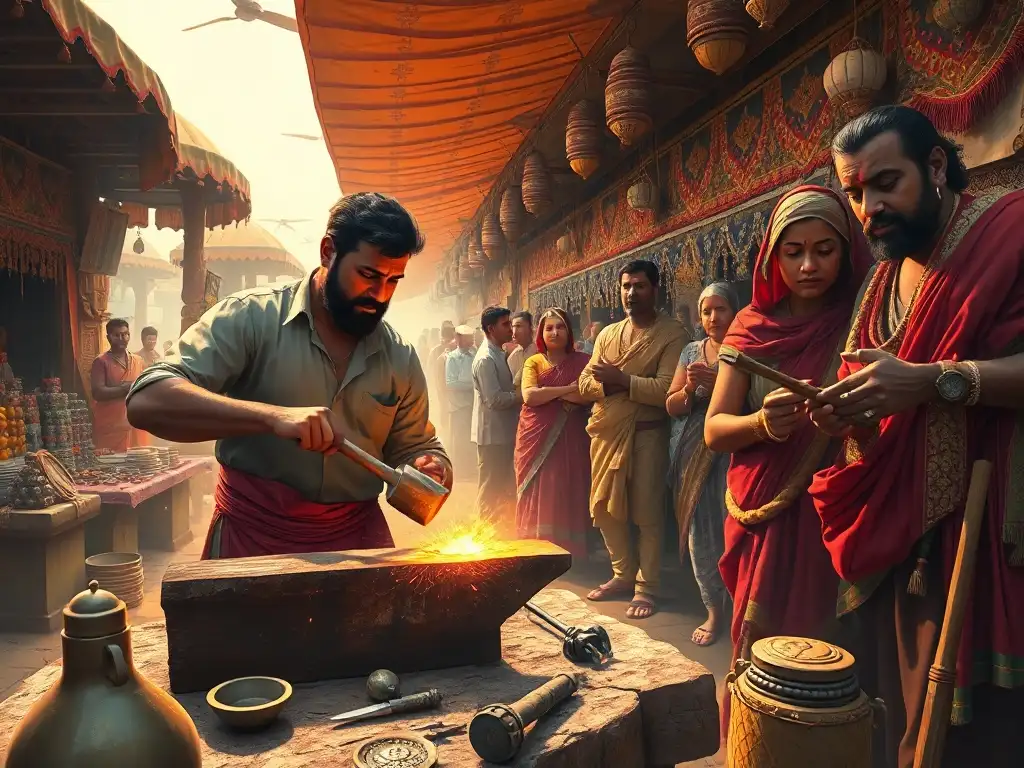
Trade played a pivotal role in the evolution of metalworking techniques in ancient India, influencing not only the materials available but also the knowledge and practices surrounding metallurgy. As ancient Indian civilizations engaged in trade with neighboring regions and distant lands, they facilitated the exchange of not only goods but also ideas, technologies, and cultural practices that enriched their own metalworking traditions.
Influence of Trade Routes on Metalworking Techniques
The establishment of extensive trade routes, such as the Silk Road and maritime pathways connecting India to the Mediterranean and Southeast Asia, had a profound impact on the development of metalworking techniques. These routes facilitated the movement of raw materials, including copper, tin, and precious metals, which were vital for producing various alloys and finished products.
- Copper and Tin Trade: The availability of copper and tin through trade enabled the production of bronze, a significant advancement in metalworking. The metallurgical knowledge required to alloy these two metals was often shared among traders, leading to improved techniques.
- Access to Precious Metals: Trade routes also opened access to gold and silver, allowing artisans to experiment with different methods of crafting intricate jewelry and ceremonial objects. This exposure to new materials led to advancements in techniques such as lost-wax casting and filigree.
- Regional Variations: Different trade routes resulted in regional variations in metalworking techniques. For example, the coastal trade routes facilitated maritime exchanges, which introduced foreign influences on local practices, resulting in unique adaptations in metalworking styles.
The interdependence of trade and metalworking is evident in archaeological findings, where tools and artifacts reflect a blend of local and foreign techniques, showcasing the influence of trade networks.
Exchange of Ideas and Technologies with Other Civilizations
The exchange of ideas and technologies through trade was instrumental in the refinement of metalworking in ancient India. As merchants traveled across regions, they carried with them not only goods but also knowledge and innovations.
- Cultural Interactions: The interactions with civilizations such as Mesopotamia, Persia, and the Hellenistic world introduced new metallurgical techniques. For instance, the technique of hardening steel through carburizing, which likely originated in regions outside India, was adopted and adapted by Indian metallurgists, leading to the production of high-quality steel known as "Wootz."
- Technological Transfer: The ancient Indian artisans were adept at assimilating foreign techniques into their practices. This included the introduction of new tools, such as the hammer and anvil, which revolutionized shaping and crafting processes. The cross-cultural pollination led to the development of unique metalworking styles that incorporated both indigenous and foreign elements.
- Scientific Knowledge: The trade of manuscripts and texts also played a critical role in disseminating metallurgical knowledge. Scholars and artisans exchanged information on chemical processes and the properties of metals, which further enhanced the sophistication of metalworking techniques in ancient India.
The evolution of metalworking techniques in ancient India was significantly shaped by trade. The flow of materials, ideas, and technologies through established trade routes fostered an environment of innovation, leading to advancements that would define the region's metallurgical heritage for centuries to come.
The Legacy of Metalworking in Ancient India
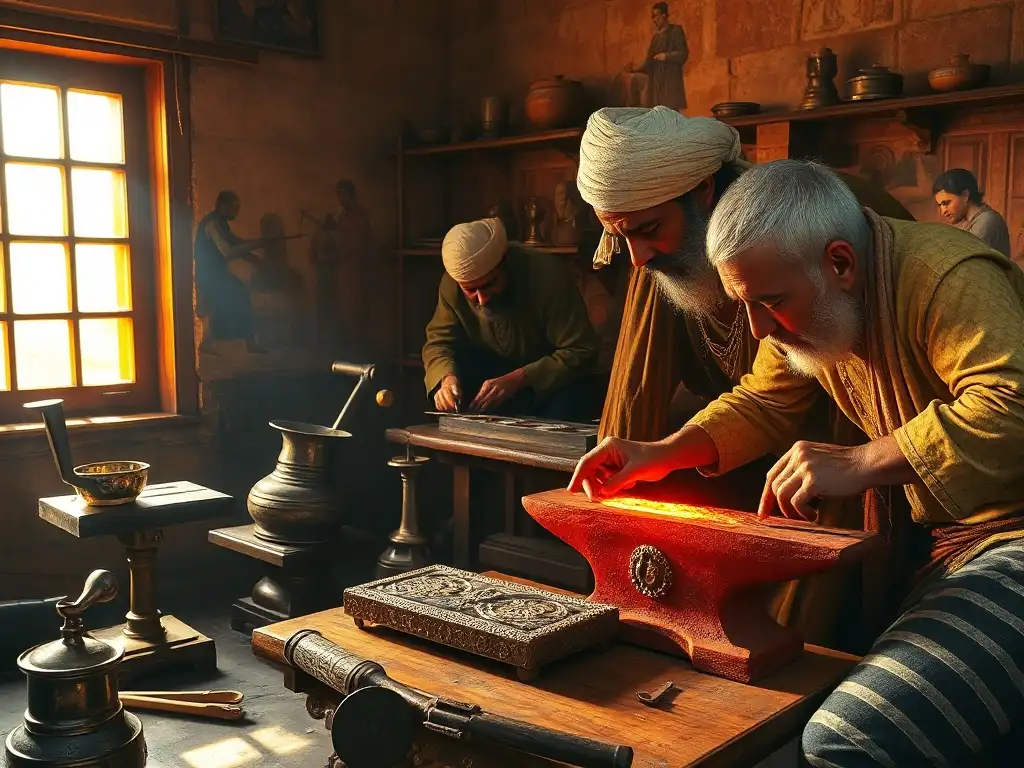
The legacy of metalworking in ancient India is profound and multifaceted, shaping not only the technologies of its time but also influencing future generations in various fields such as art, architecture, and industry. Ancient Indian civilizations, particularly those from the Indus Valley to the Gupta Empire, made significant advancements in metallurgy that laid the groundwork for modern practices.
Contributions to Modern Metallurgy
Ancient Indian metalworking techniques have directly contributed to modern metallurgy through the refinement of processes and the discovery of alloys. The mastery of copper and bronze metallurgy during the Harappan period (circa 3300–1300 BCE) demonstrates early advancements in smelting and casting.
- Copper and Bronze Alloys: The use of copper and its alloy with tin to create bronze marked a significant leap in material science. The application of bronze in tools and weapons made them more durable and effective. These ancient techniques are still studied today for insights into alloy production and metallurgical properties.
- Iron Metallurgy: The emergence of ironworking during the later Vedic period (circa 1200–600 BCE) introduced new techniques such as bloomery smelting, which were pivotal in developing high-quality iron. The production of wootz steel, known for its sharpness and durability, became a foundational element in modern steel production methodologies.
- Scientific Approaches: Ancient texts, such as the Arthashastra and various alchemical writings, reflect a sophisticated understanding of material properties and chemical reactions, which are crucial in modern metallurgy. The systematic study of metals and their interactions laid the groundwork for future metallurgical research.
- Cultural Exchange: Metalworking techniques from ancient India influenced neighboring regions, facilitating a flow of knowledge that enriched global metallurgy. The spread of Indian metalworking techniques can be seen in artifacts found in areas as far as the Middle East and Southeast Asia.
This integration of ancient practices into modern metallurgical science illustrates the ongoing relevance of ancient Indian contributions and highlights the need for continued research into these historic techniques.
Impact on Crafts and Industries in Contemporary India
The impact of ancient metalworking techniques is still evident in contemporary Indian crafts and industries, where traditional skills are combined with modern technologies. This synergy has led to a vibrant landscape of metalworking that honors its historical roots while innovating for the future.
- Artisanal Metalwork: Traditional crafts such as brassware, copper utensils, and intricate jewelry designs remain popular. Artisans utilize ancient techniques of casting and engraving, ensuring that the craftsmanship and aesthetics of ancient India continue to thrive.
- Cultural Significance: Festivals and rituals often involve metal artifacts, showcasing the cultural heritage associated with ancient metalworking. The use of traditional items made from metals like brass and silver in temples and homes reflects an enduring legacy that connects contemporary practices to ancient traditions.
- Industrial Growth: The modern metallurgical industry in India has evolved significantly, with advancements in technology and mass production. However, many industries still rely on traditional techniques for specific products, such as hand-forged tools and artisanal crafts, demonstrating the practical applications of ancient methods in today’s economy.
- Sustainable Practices: Many contemporary metalworking practices in India draw inspiration from ancient sustainable techniques, such as the use of local materials and low-energy production methods. This focus on sustainability echoes the practices of ancient metallurgists who utilized their environment efficiently.
The legacy of metalworking in ancient India continues to resonate in modern practices, emphasizing the importance of preserving these techniques while adapting them to contemporary needs. The ongoing relevance of these ancient methods in today's crafts and industries underscores their significance in the rich tapestry of India's metallurgical history.
Conclusion: The Rich Heritage of Metalworking Techniques in Ancient India
The journey of metalworking in ancient India is a testament to the ingenuity and craftsmanship of its civilizations. From the early days of copper tools in the Indus Valley to the sophisticated gold and silver artifacts of the Gupta Empire, each period showcases a transformation in techniques and materials that laid the groundwork for future advancements. The evolution of metallurgy reflects not only technical progress but also the socio-economic and cultural dynamics that influenced these ancient societies.
Reflection on the Evolution of Metallurgy
The evolution of metallurgy in ancient India can be segmented into distinct phases, each marked by significant technological milestones:
- Indus Valley Civilization (c. 3300–1300 BCE):
- The use of copper and bronze is prominent. Artifacts such as tools, weapons, and ornaments indicate a high level of skill in casting and alloying.
- Evidence of advanced techniques like lost-wax casting was found, showcasing an understanding of complex processes.
- Vedic Period (c. 1500–500 BCE):
- The introduction of iron metalworking, which began to replace bronze tools, marked a significant shift. The use of iron allowed for stronger and more durable implements, crucial for agricultural and military purposes.
- Mauryan Period (c. 322–185 BCE):
- Metalworking techniques reached new heights, with the production of intricate sculptures and coins. The famous Iron Pillar of Delhi, known for its rust-resistant properties, demonstrates the advanced metallurgical knowledge of this period.
- Gupta Empire (c. 320–550 CE):
- This era is often termed the "Golden Age" of Indian history, characterized by exceptional craftsmanship in gold and silver. The Gupta artisans excelled in creating exquisite jewelry and coins, highlighting the artistic and technical prowess of the time.
Each phase not only reflects advancements in technology but also illustrates the cultural exchanges and influences that shaped the practices of metalworking. The legacy of these techniques continues to resonate in modern times, influencing contemporary metallurgical practices.
The Importance of Preserving Ancient Techniques and Knowledge
Preserving the ancient techniques of metalworking is crucial for several reasons:
- Cultural Heritage:
- Understanding and preserving these techniques connects us to our ancestors and their way of life. It fosters a sense of identity and continuity within communities.
- Technological Insight:
- Ancient methods often hold valuable insights that could enhance modern metallurgy. For instance, traditional alloying techniques may inspire new materials with unique properties.
- Sustainable Practices:
- Many ancient techniques emphasize sustainability and minimal waste, offering lessons for contemporary practices. Modern metallurgists can learn from these methods to create environmentally friendly processes.
- Educational Value:
- By studying ancient metalworking, we can develop educational programs that engage younger generations in history and craft, promoting skills that have been passed down through centuries.
- Economic Opportunities:
- Reviving traditional metalworking can lead to the growth of artisanal industries, benefiting local economies and providing livelihoods to craftsmen.
The rich heritage of metalworking techniques in ancient India is not just a relic of the past but a vibrant field of study that continues to influence modern practices. By reflecting on this evolution and committing to preserving ancient knowledge, we ensure that the legacy of these remarkable civilizations lives on, inspiring future generations.
Frequently Asked Questions
What were the earliest metalworking techniques used in ancient India?
The earliest metalworking techniques in ancient India involved the use of copper, which was shaped and alloyed to create tools and ornaments, marking a significant advancement in metal craftsmanship.
How did the Indus Valley civilization contribute to metalworking?
The Indus Valley civilization is known for its sophisticated copper and bronze metallurgy. Artifacts from this period demonstrate advanced techniques in casting and alloying, showcasing their technological innovation.
What role did metalworking play during the Gupta Empire?
During the Gupta Empire, metalworking techniques reached new heights with the production of gold coins and intricate metal sculptures, reflecting the artistic and economic prowess of this period.
How did trade influence metalworking in ancient India?
Trade routes facilitated the exchange of metalworking techniques and materials, leading to the adoption of new alloys and methods from other cultures, fostering a rich tapestry of metal craftsmanship.
What impact did ancient Indian metalworking have on later civilizations?
The innovations in metalworking from ancient India laid the groundwork for later civilizations, influencing techniques and styles in regions such as Southeast Asia and beyond, emphasizing the enduring legacy of this craft.
Final Reflection: The Enduring Legacy of Metalworking Techniques in Ancient India
The evolution of metalworking techniques in ancient India is not just a historical narrative; it is a testament to human ingenuity and cultural resilience. As we delve into the intricate processes and innovations that transformed copper into gold, we recognize their profound influence on contemporary craftsmanship and technology. Today, these ancient practices serve as a foundation for modern metalworking, reminding us that the past is not merely a series of events but a continuous thread that shapes our present and future.
The impact of ancient metalworking techniques extends far beyond the realm of craftsmanship; it has woven itself into the very fabric of Indian culture and identity. The skills and artistry developed over centuries have not only defined the aesthetic of ancient artifacts but have also fostered a sense of pride and continuity among artisans today. As we reflect on this legacy, we are reminded of the words of Mahatma Gandhi: The best way to find yourself is to lose yourself in the service of others.
This sentiment resonates deeply as we consider how the dedication to mastering metalworking techniques has enriched communities and preserved traditions through generations.
As we conclude this exploration of metalworking in ancient India, I invite you to reflect on the lessons embedded in these historical practices. Consider how the principles of innovation, craftsmanship, and cultural pride can inspire your own pursuits. Whether you are an artisan, a student, or simply a curious mind, let the legacy of ancient metalworking techniques encourage you to embrace creativity and resilience in your endeavors. Together, we can honor the past while forging a brighter, more innovative future.
Unlock the Secrets of Ancient Metalworking!
Thank you for diving into the rich history of metalworking in Ancient India! You've just uncovered the fascinating journey from copper to gold, and now it's time to take the next step in exploring this incredible legacy. Here’s how you can continue your journey:
- Dive Deeper: Explore the cultural significance of metals used in ancient rituals and daily life. Discover related articles on our site that connect metalworking to the broader context of ancient Indian society.
- Join the Conversation: We want to hear from you! Share your thoughts about which aspects of ancient metalworking intrigue you the most or recount any family stories about metal artifacts that have been passed down through generations.
- Spread the Knowledge: Help us share this article with your friends and on social media. Encourage others to appreciate the remarkable craftsmanship of our ancestors.
What aspect of ancient metalworking—whether it's the techniques, the tools, or their cultural significance—captures your curiosity the most? Let's discuss!