
The Cultural Significance of Metals in Ancient Indian Rituals

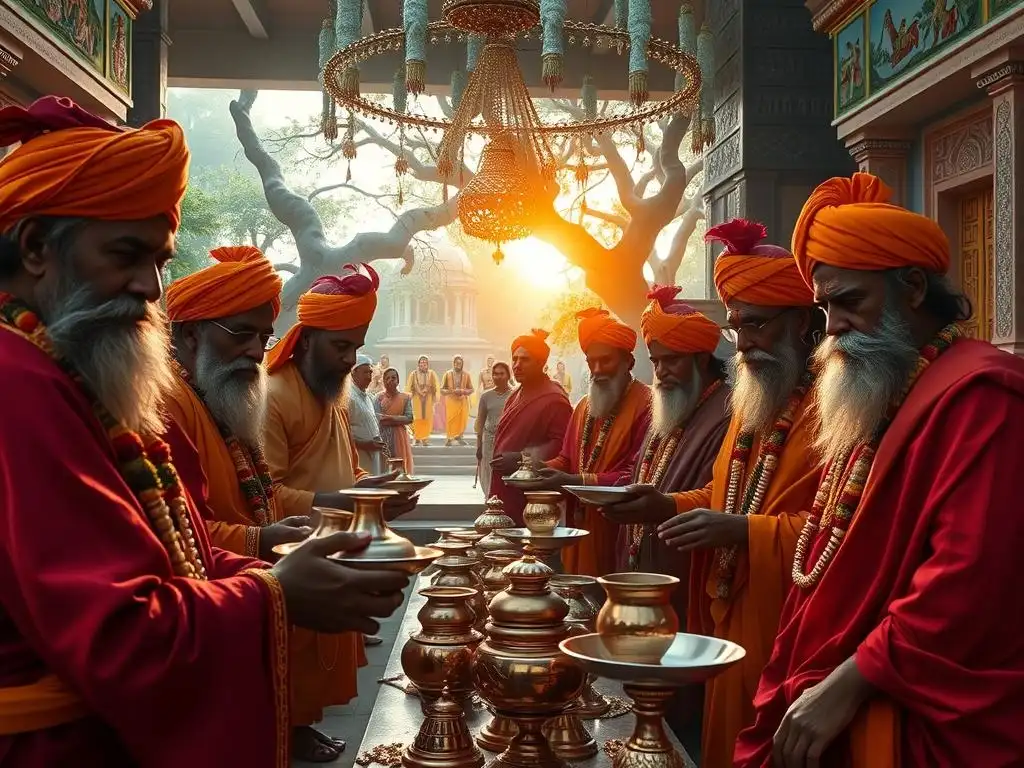
Welcome to Ancient India History, where the echoes of time reveal the rich tapestry of civilizations that shaped the subcontinent. In our featured article, "The Cultural Significance of Metals in Ancient Indian Rituals," we delve into the fascinating interplay between technology and spirituality, uncovering how ancient Indian societies revered metals not just for their utility, but for their profound cultural symbolism.
As you journey through the pages of this article, prepare to be captivated by the intricate relationship between metallurgy and ritualistic practices, and discover how these elements reflect the innovations that propelled ancient India into a realm of unparalleled sophistication. Your exploration begins here—let's unlock the secrets of the past together!
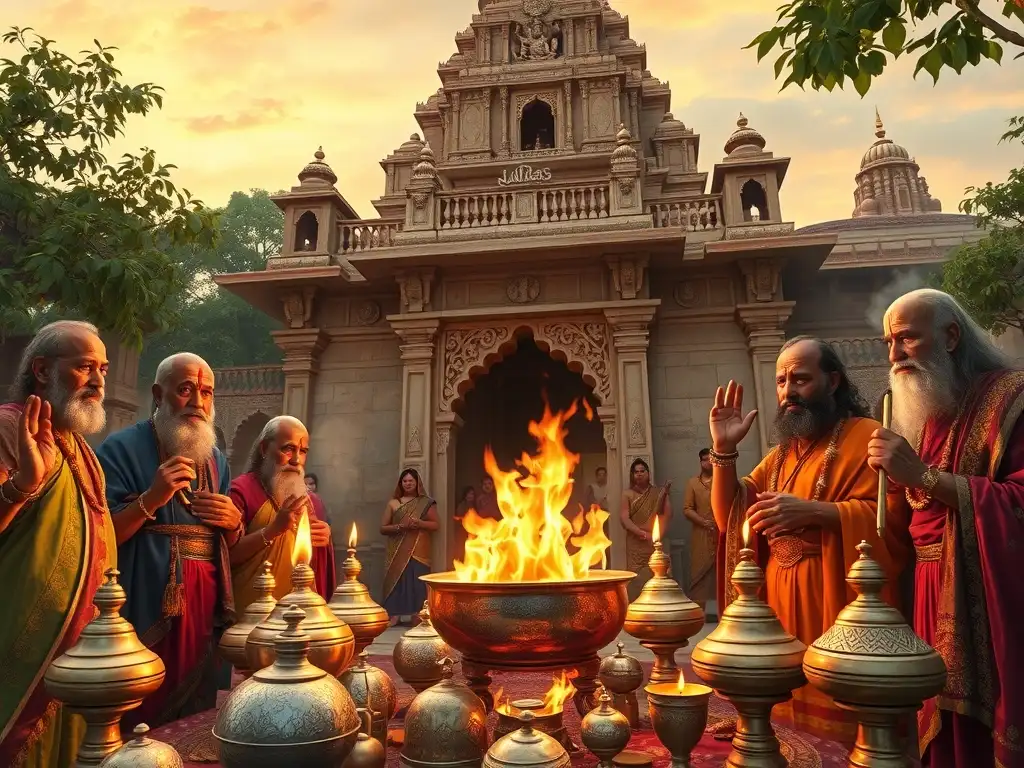
Metals played a pivotal role in shaping the cultural and ritualistic landscape of ancient India. From the early days of the Indus Valley Civilization to the flourishing Gupta Empire, the utilization of metals transcended mere functionality and became deeply intertwined with spiritual beliefs, societal structures, and artistic expressions. This article aims to delve into the cultural significance of metals in India, illuminating their multifaceted roles in rituals, ceremonies, and daily life.
Introduction to Metals in Ancient India
In ancient India, metals were not just materials for tools and weapons; they were imbued with symbolism and spiritual significance. The discovery and mastery of metallurgy marked a revolutionary advancement in human capability, allowing civilizations to express their craftsmanship, improve agricultural practices, and enhance their artistic endeavors. The ancient Indians' understanding of metals, including gold, silver, copper, and bronze, reflects their innovative spirit and profound connection to their environment.
Overview of Ancient Indian Metallurgy
Ancient Indian metallurgy was characterized by remarkable techniques and knowledge that laid the foundation for future developments in the field. Key aspects include:
- Extraction and Processing: Ancient Indians adeptly extracted metals from ores and developed techniques for purification and alloying. Notably, the use of copper and bronze during the Chalcolithic period highlighted their advanced metallurgical skills.
- Artistic Metallurgy: The crafting of metal objects, such as jewelry, sculptures, and utensils, demonstrated aesthetic sophistication. Artisans often incorporated intricate designs and motifs, reflecting the cultural narratives of their time.
- Innovative Techniques: Techniques such as lost-wax casting and welding emerged, showcasing the ingenuity of ancient metallurgists. The famed Iron Pillar of Delhi, known for its rust-resistant properties, exemplifies the advanced knowledge of materials and engineering.
Importance of Metals in Indian Culture and Society
Metals held profound importance in ancient Indian culture, serving various roles that extended beyond their practical use:
- Symbol of Wealth and Status: Metals like gold and silver were associated with prosperity and nobility. They were often used in decorative adornments and ceremonial artifacts, signifying social hierarchy.
- Religious Significance: Metals were integral to religious rituals. For instance, bronze and silver vessels were used in offerings and sacrifices, while gold idols were crafted for worship, reflecting the divine connection attributed to these materials.
- Cultural Identity: The craftsmanship of metalwork contributed to regional identities within India. Different regions developed unique styles and techniques, which further enriched the cultural tapestry of the nation.
Historical Context of Metals in Rituals
Understanding the historical context of metals in ancient Indian rituals provides insight into their evolving significance across different eras.
Timeline of Metal Use in Ancient India
The timeline of metal use in India can be segmented into several key phases:
- Indus Valley Civilization (3300–1300 BCE): The earliest known use of metals, particularly copper and bronze, marked significant advancements in urban planning and trade.
- Vedic Period (1500–500 BCE): Metals became prominent in rituals and ceremonies, with references to gold and silver in Vedic texts.
- Mauryan Empire (322–185 BCE): The use of metals expanded, with notable contributions in coinage and art, including the creation of elaborate sculptures.
- Gupta Empire (c. 320–550 CE): This period saw a flourishing of art and metallurgy, with the production of exquisite metal sculptures and advancements in metalworking techniques.
Key Civilizations and Their Metallurgical Practices
Several ancient Indian civilizations made significant contributions to metallurgy, each showcasing unique practices:
- Indus Valley Civilization: Renowned for their copper and bronze artifacts, including tools, jewelry, and seals, reflecting advanced societal organization.
- Mauryan Dynasty: Introduced standardized coinage and significant architectural metalwork, including intricate pillars and sculptures.
- Gupta Empire: Known as the Golden Age of India, metallurgy reached new heights with innovations in goldsmithing, producing intricate jewelry and religious artifacts.
The cultural significance of metals in ancient Indian rituals underscores their vital role in shaping the spiritual and societal frameworks of the time. By exploring the intricate relationships between metals and ancient Indian civilizations, we gain a deeper appreciation for the craftsmanship and cultural narratives that have persisted through the ages.
Types of Metals Used in Ancient Indian Rituals
Ancient Indian civilizations exhibited a profound reverence for metals, integrating them into various rituals and cultural practices. The metals commonly used included gold, silver, copper, bronze, and iron, each embodying unique symbolic meanings and ritualistic functions.
Gold: Symbolism and Significance
Gold has long been regarded as the most auspicious metal in Indian culture. Its natural luster and resistance to tarnish symbolize purity, wealth, and immortality. In ancient rituals, gold was often used to create idols, ceremonial ornaments, and offerings to deities. Its association with the sun and divine energy made it a preferred material for worship, as it was believed to attract positive spiritual vibrations. Additionally, gold was often included in marriage ceremonies, signifying prosperity and the sanctity of the union.
Silver: Cultural and Ritualistic Uses
Silver, known for its reflective quality and association with the moon, held significant cultural importance in ancient India. It was commonly used in the creation of ritual utensils, such as plates, cups, and lamps, which were essential for conducting ceremonies. Silver is also believed to have protective qualities against negative energies, making it a popular choice for amulets and talismans. Its use extended to various festivals and religious observances, where it was offered to deities, symbolizing gratitude and devotion.
Copper and Bronze: Their Role in Rituals
Copper and bronze were vital in ancient Indian metallurgy, forming the backbone of many ritualistic practices. Copper, believed to possess purifying properties, was used extensively in the crafting of utensils and ritualistic objects. It was often incorporated into fire rituals (Yajnas), where it symbolized the transformation of material to spiritual. Bronze, an alloy of copper and tin, was significant for making statues and icons. The durability of bronze made it ideal for creating artifacts intended for long-term use in temples and homes, embodying both artistic and spiritual expressions.
Iron: Transformation and Its Cultural Implications
Iron represents strength and resilience in ancient Indian culture. Its use in rituals often symbolized transformation and the overcoming of challenges. Iron tools and weapons were considered sacred in certain practices, signifying protection and the ability to conquer adversities. Moreover, iron's association with agriculture and warfare reflected its cultural importance in sustaining life and society. Rituals involving iron often included blessings for strength and success, reflecting the broader societal values of endurance and fortitude.
Ritual Practices Involving Metals
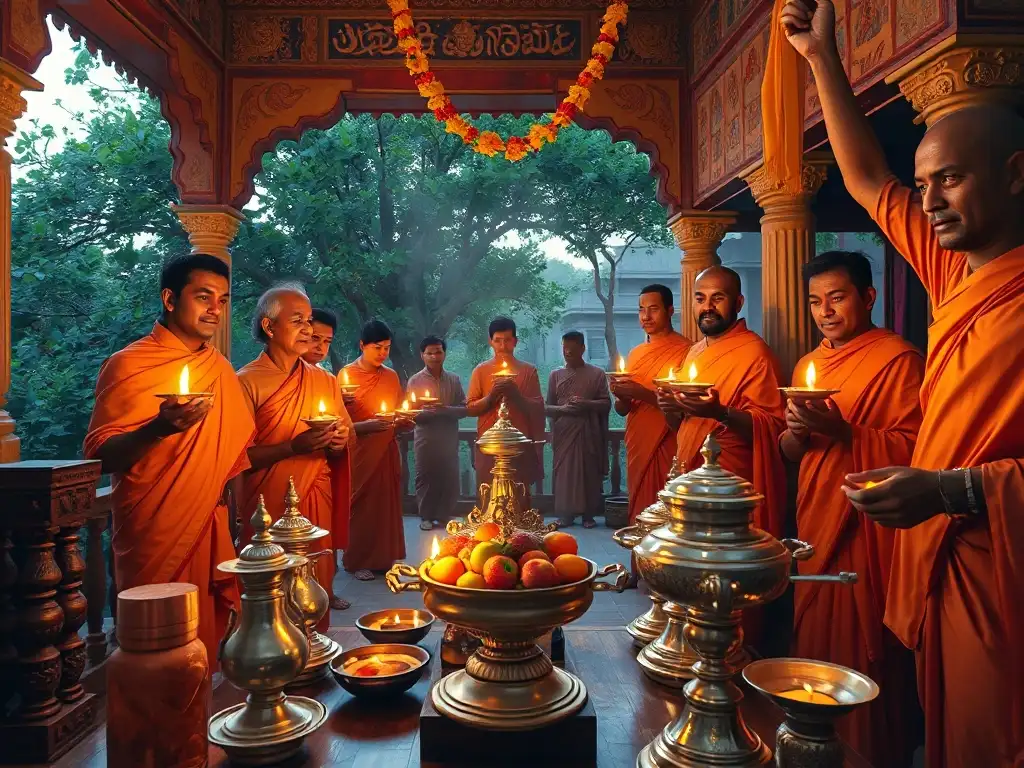
Ritual practices in ancient India were deeply intertwined with the use of metals, with specific procedures and offerings designed to harness their unique properties and symbolism. The incorporation of metals into rituals not only enhanced their visual appeal but also deepened their spiritual significance.
Metal-Infused Ritual Objects: An Overview
Ritual objects made from various metals were integral to ancient Indian ceremonial practices. These included metal bells, lamps (diyas), and small altars that facilitated worship. Each object was crafted with intention, often inscribed with sacred symbols or mantras. The resonance of metal bells, for instance, was believed to ward off negative energies and invoke divine presence. The careful selection of metal types for specific objects reflected a nuanced understanding of their energetic properties, enhancing the ritual's efficacy.
The Role of Metals in Religious Ceremonies
Metals played a central role in religious ceremonies, often serving as mediums through which devotees connected with the divine. During significant events such as weddings, festivals, and temple rituals, metals were used to create offerings, symbols of devotion, and sacred spaces. The act of presenting metal objects to deities was seen as a form of worship, reinforcing the relationship between the material and spiritual realms. The ceremonial use of metals also highlighted the community's wealth and devotion, promoting a sense of collective identity.
Metal Offerings and Their Spiritual Significance
Metal offerings were a vital aspect of ancient Indian rituals, symbolizing devotion and reverence. These offerings often included coins, jewelry, and metal figurines, which were presented to deities during worship. The act of giving metal was not only a demonstration of material wealth but also a spiritual transaction believed to yield blessings, prosperity, and protection. The intrinsic value of metals elevated these offerings, making them significant tokens in the ritualistic exchange between humans and the divine.
The Symbolism of Metals in Ancient Texts
Metals held profound significance in ancient Indian culture, often serving as symbols of power, purity, and divine connection. Their use in rituals and religious practices was deeply intertwined with the spiritual beliefs of the time. For example, gold, often referred to as 'hiranya' in Sanskrit, symbolized wealth and prosperity, representing the divine light and the sun. Silver, known as 'rajata', was associated with the moon and reflected purity and harmony. The significance of these metals extended beyond their physical properties; they were believed to have spiritual energies that could influence the outcomes of rituals and invoke blessings from deities.
The ancient texts, including the Vedas and Upanishads, describe various rituals where metals were integral to offerings and sacrifices, further emphasizing their importance in connecting the earthly realm with the divine. The careful selection of metals for specific rituals also highlighted the belief that different metals possessed unique vibrational frequencies that could enhance the efficacy of the religious ceremonies conducted.
References to Metals in Vedic Literature
In Vedic literature, metals are frequently mentioned in the context of rituals, sacrifices, and the construction of sacred objects. The Rigveda, one of the oldest texts, contains hymns that refer to the use of gold and silver in offerings to the gods. For instance, the term 'yajna', which denotes a ritual sacrifice, often involved the use of metal vessels for the offerings, highlighting their role in purifying the offerings and enhancing their sanctity.
Additionally, the Atharvaveda discusses the medicinal and protective properties of various metals, indicating a holistic understanding of their significance. The references to metals in these texts not only underscore their material value but also their spiritual essence, reinforcing the belief that metals were conduits for divine interaction and favor.
Mythological Narratives Featuring Metals
Mythological narratives in ancient Indian texts often feature metals as central elements that embody various traits and attributes. For instance, the story of the demon king Ravana in the Ramayana showcases his possession of a golden city, symbolizing his immense power and wealth. This narrative illustrates how gold was viewed not just as a material asset but as a representation of authority and divine favor.
Similarly, tales of the divine craftsman Vishvakarma highlight the revered status of metals in the creation of celestial weapons and palaces for the gods. These stories not only celebrate the craftsmanship involved in working with metals but also emphasize their divine origins and the belief that they were gifts from the gods to humankind. Through these narratives, metals are imbued with mythological significance, reinforcing their cultural importance in ancient Indian society.
Interpretations of Metal Symbolism in Ancient Philosophy
Ancient Indian philosophy delved deeply into the symbolism of metals, interpreting them as representations of various cosmic principles. For instance, in the context of the five elements (Pancha Mahabhuta), metals were often linked to earth and water, embodying stability and fluidity. Philosophers such as Charaka and Sushruta, renowned for their contributions to Ayurveda, also referred to the properties of metals in the context of health and wellness, suggesting that metals could influence physical and spiritual well-being.
Moreover, the alchemical texts, known as Rasashastra, explored the transformative properties of metals, leading to a deeper understanding of their symbolic significance in achieving spiritual enlightenment. The philosophical interpretations of metals not only influenced religious practices but also laid the groundwork for advancements in metallurgy, as they were seen as essential to achieving harmony between the material and spiritual worlds.
Regional Variations in Metal Usage
The cultural significance of metals in ancient India varied significantly across different regions, reflecting local traditions, beliefs, and practices. Each region developed its unique approach to metallurgy and ritualistic uses of metals, shaped by geographical, social, and historical factors.
Southern India: Distinct Practices and Beliefs
In Southern India, metals like gold and bronze were prominently featured in temple rituals and religious ceremonies. The Dravidian temples often showcased intricate bronze sculptures and metal icons, which were not only artistic expressions but also served as focal points in worship. The tradition of casting metal images for deities, known as 'panchaloha', which consists of five metals, was particularly significant. This blend of metals—gold, silver, copper, brass, and lead—was believed to possess divine properties, creating a harmonious balance that enhanced spiritual connections during rituals.
The cultural practices in this region also celebrated the use of metals in everyday life, with rituals surrounding marriage and festivals often incorporating gold and silver ornaments as symbols of prosperity and auspiciousness.
Northern India: Influences and Innovations
Northern India experienced a fusion of cultural influences that shaped its metallurgical practices. The Mughal period, for instance, introduced innovative techniques in metalwork, leading to the creation of intricate jewelry and ornate weapons. Gold and silver were often used in the construction of grand mausoleums and palaces, symbolizing the wealth and power of the rulers.
Moreover, the use of metals in rituals was heavily influenced by the rich traditions of Hinduism and Buddhism, where metal objects were utilized in pujas (worship rituals) and as offerings. The significance of metals in Northern India was further emphasized through the crafting of ceremonial items, such as bells and vessels, which were believed to invite divine presence during religious gatherings.
Eastern and Western India: Unique Ritualistic Expressions
In Eastern India, particularly in Bengal, the use of metals in rituals often showcased a unique blend of local customs and religious practices. The tradition of using brass and copper utensils for religious offerings was prevalent, reflecting the belief that these metals could purify the offerings and attract blessings from the deities. Festivals like Durga Puja featured elaborate metal idols, illustrating the region's artistic heritage and reverence for the goddess.
Conversely, in Western India, particularly in Gujarat and Maharashtra, the cultural significance of metals extended to daily life, where metal vessels were integral to cooking and serving food during religious ceremonies. The use of silver and gold in wedding rituals symbolized prosperity and was believed to bring good fortune to the couple.
Each region's unique practices and beliefs surrounding metals contributed to a rich tapestry of cultural expressions in ancient Indian rituals, underscoring the profound significance of metals across the subcontinent.
The Legacy of Ancient Indian Metallurgy
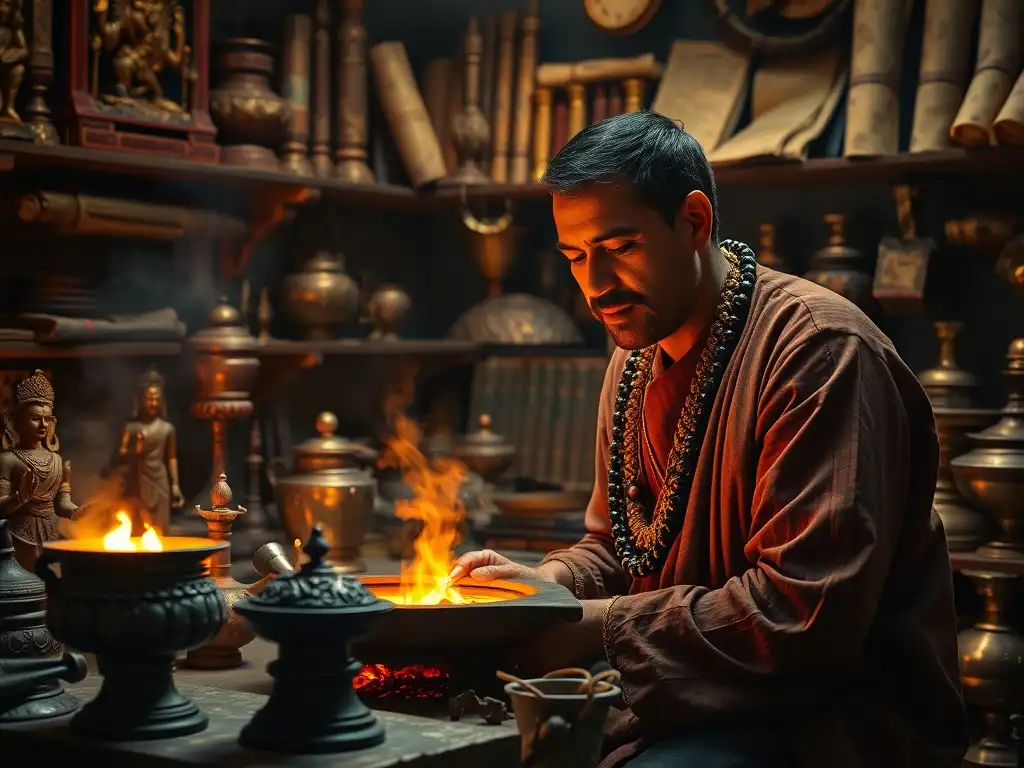
The legacy of ancient Indian metallurgy is rich and multifaceted, showcasing the ingenuity and skill of Indian artisans in manipulating various metals. Archaeological findings suggest that as early as the Indus Valley Civilization (circa 3300–1300 BCE), metallurgical techniques were highly advanced. Artifacts such as bronze statues, tools, and jewelry demonstrate a deep understanding of metal properties and their applications.
The production of copper, bronze, silver, and gold items was not merely for utilitarian purposes but also held significant cultural and religious importance. The use of specific metals in rituals and ceremonies indicated a sophisticated belief system where metals were seen as embodying various divine qualities. This practice laid the groundwork for subsequent metallurgical advancements throughout Indian history, influencing various dynasties, from the Mauryas to the Guptas.
Moreover, ancient texts like the "Arthashastra" and "Sushruta Samhita" highlight the importance of metallurgy in trade and medicine, reflecting its integral role in the economy and societal development. The metallurgical methods developed during this era not only catered to local needs but also facilitated trade with distant regions, enriching cultural exchanges.
Influence on Later Cultures and Practices
The influence of ancient Indian metallurgy extended beyond its time, impacting later cultures and practices across Asia. As Indian artisans migrated and traded, they shared their metallurgical techniques, which were adopted and adapted by neighboring civilizations. For instance, the sophisticated iron-smelting techniques developed in India contributed significantly to the metallurgical practices in regions such as Southeast Asia and the Middle East.
The art of metalwork, particularly in crafting intricate jewelry and ritualistic items, became a hallmark of cultural identity in various Indian communities. The enduring practices seen in traditional Indian crafts, such as Kundan and Meenakari work, can be traced back to these ancient metallurgical traditions, showcasing a remarkable continuity of cultural heritage.
Additionally, ancient texts and scriptures that detail the significance of metals in rituals influenced later religious practices in Hinduism, Buddhism, and Jainism. For instance, the use of specific metals in temple construction and in the crafting of idols reflects a direct correlation to ancient metallurgical beliefs, emphasizing how these practices have been preserved and evolved over time.
Preservation of Metallurgical Knowledge in Modern India
In modern India, the preservation of ancient metallurgical knowledge remains a vital aspect of cultural heritage. Various institutions and universities actively study ancient texts and archaeological findings to understand the techniques employed by ancient metallurgists. This academic interest has led to a resurgence in traditional practices, where artisans are trained in age-old methods of metalworking and metallurgy.
Furthermore, the government and non-governmental organizations have initiated programs to revive and promote traditional crafts. These efforts not only aim to sustain the economic viability of these crafts but also emphasize their cultural significance. Workshops and exhibitions celebrating traditional metallurgy are held regularly, allowing artisans to showcase their skills and engage with contemporary audiences.
The integration of ancient techniques with modern technology has also emerged, fostering innovation while respecting traditional methods. This blend of old and new ensures that the knowledge of ancient Indian metallurgy continues to thrive, keeping the cultural significance of metals alive in the collective consciousness of the nation.
The Role of Metals in Contemporary Indian Rituals
Metals continue to play a significant role in contemporary Indian rituals, reflecting their enduring cultural significance. In Hindu ceremonies, metals such as gold, silver, and brass are often utilized for crafting religious artifacts, including idols, utensils, and ceremonial tools. Each metal is believed to possess unique properties that enhance the spiritual experience.
For example, gold is associated with purity and prosperity, making it a staple in wedding ceremonies and religious offerings. Silver, on the other hand, is often used in rituals for its perceived ability to attract positive energy and ward off negativity. Additionally, brass is commonly used in temple bells, symbolizing the calling of deities and the presence of divine energy during prayers.
The use of metals in rituals is also evident during festivals, where decorative items made from various metals adorn homes and temples. This practice not only highlights the aesthetic appeal of metals but also reinforces their symbolic significance in fostering community bonds and cultural identity.
Conclusion: The Enduring Cultural Significance of Metals in India
The cultural significance of metals in India is not merely a relic of the past; it is a living tradition that continues to evolve. From ancient rituals to modern practices, metals have maintained their place in the spiritual and cultural fabric of Indian society.
Summary of Key Points
- Ancient Indian metallurgy laid the groundwork for sophisticated metalworking techniques, influencing later cultures.
- The enduring influence of ancient practices is evident in contemporary rituals and crafts.
- Preservation of metallurgical knowledge through education and artisan support ensures the cultural legacy is maintained.
- Metals remain integral to religious and cultural celebrations, symbolizing purity, prosperity, and community.
Reflection on the Continual Relevance of Ancient Practices
The continual relevance of ancient practices surrounding metals in India reflects a deep-rooted connection to cultural heritage and spirituality. As society evolves, the intrinsic values associated with metals persist, highlighting their importance in both historical and modern contexts. This enduring relationship showcases how the cultural significance of metals transcends time, enriching the spiritual lives of contemporary Indians while honoring the wisdom of their ancestors.
References and Further Reading
The exploration of the cultural significance of metals in ancient Indian rituals offers a fascinating glimpse into the technological and spiritual advancements of early civilizations. To deepen your understanding of this topic, consider the following literature and academic studies that provide valuable insights and comprehensive analyses.
Recommended Literature on Ancient Indian Metallurgy
-
"The Archaeometallurgy of the Indian Subcontinent" by K. N. Dikshit
This book delves into the historical context of metallurgy in India, tracing its development from the ancient times to the medieval period. It highlights the various techniques used in metalworking and the cultural implications of these practices.
-
"Metals and Society: Indian Perspectives" by J. P. Sharma
Focusing on the societal aspects of metal usage, this work examines how metals influenced social structures, trade, and religious practices in ancient India. The author discusses the significance of different metals in rituals and their symbolic meanings.
-
"Ancient Indian Technology: A Study of Metallurgy" by R. S. Sharma
This literature reviews technological advancements in metallurgy, emphasizing the innovations that characterized ancient Indian civilizations. It includes case studies of significant archaeological findings related to metal artifacts.
-
"The Role of Metals in Ancient Indian Culture" edited by S. Kumari
A collection of essays by various authors, this book explores the multifaceted roles that metals played in rituals, art, and daily life in ancient India, providing a comprehensive overview of the cultural context surrounding metal use.
Academic Studies on Cultural Significance of Metals in India
-
"Cultural Symbolism of Metals in Ancient Indian Rituals" by A. Patel
This journal article investigates the symbolism associated with various metals, such as gold, silver, and copper, in religious and cultural rituals. It details how these metals were perceived and their significance in different contexts.
-
"The Metallurgical Heritage of India: Cultural Insights" by M. Singh
This research paper presents an analysis of ancient metallurgical practices and their cultural implications. The study emphasizes the connection between metalcraft and spiritual beliefs in ancient Indian societies.
-
"Rituals and Metals: An Ethnographic Study of Metal Use in Indian Traditions" by L. N. Menon
Through ethnographic methods, this study documents contemporary practices that trace their origins to ancient rituals involving metals. It highlights the continuity of metal's cultural significance over centuries and its evolving meanings.
-
"Metals in Ancient Indian Texts: A Linguistic Analysis" by P. R. Joshi
This linguistic study examines references to metals in ancient Indian scriptures and texts. By analyzing the use of language around metals, the author reveals insights into their perceived value and roles in rituals and daily life.
These resources provide a foundational understanding of the cultural significance of metals in ancient India, reflecting the intricate relationship between technology, spirituality, and society.
- Introduction to Metals in Ancient India
- Historical Context of Metals in Rituals
- Types of Metals Used in Ancient Indian Rituals
- Ritual Practices Involving Metals
- The Symbolism of Metals in Ancient Texts
- Regional Variations in Metal Usage
- The Legacy of Ancient Indian Metallurgy
- Conclusion: The Enduring Cultural Significance of Metals in India
- References and Further Reading
- What metals were predominantly used in ancient Indian rituals?
- How did metals influence the social structure in ancient India?
- Were there any specific rituals associated with metal usage in ancient India?
- How did metallurgy impact trade in ancient India?
- What role did the Gupta Empire play in the advancement of metallurgy?
Frequently Asked Questions
What metals were predominantly used in ancient Indian rituals?
Ancient Indians primarily used gold, silver, and copper for their ritualistic purposes, reflecting their cultural significance and wealth.
The use of precious metals like gold in rituals often indicated status and power, leading to a distinct social hierarchy based on wealth and access to these materials.
Were there any specific rituals associated with metal usage in ancient India?
Yes, certain rituals involved the use of metals like copper or bronze, believed to possess spiritual properties that could enhance purity and protection during ceremonies.
How did metallurgy impact trade in ancient India?
Metallurgy contributed to the development of trade networks, as metal goods were highly sought after, leading to economic prosperity and cultural exchanges with other civilizations.
What role did the Gupta Empire play in the advancement of metallurgy?
The Gupta Empire was pivotal in advancing metallurgical techniques, leading to innovations in the production of coins and metal artifacts that reflected the empire's cultural richness.
Final Reflection: The Enduring Legacy of Metals in Indian Culture
The cultural significance of metals in India transcends mere utility, weaving a rich tapestry of tradition, spirituality, and identity that continues to resonate in contemporary society. As we explore the profound roles that metals played in ancient Indian rituals, we uncover not only their practical applications but also their symbolic meanings that have shaped cultural practices over millennia. The reverberations of these ancient traditions are felt today, as they inform our understanding of heritage and community.
The influence of metals in ancient rituals is a testament to the intricate relationship between material culture and spiritual beliefs. From the sacred use of gold in religious ceremonies to the craftsmanship of bronze idols, these elements have played a pivotal role in shaping the cultural landscape of India. The reverence for metals is not just historical; it is a living tradition that continues to inspire artisans and practitioners alike. Tradition is not the worship of ashes, but the preservation of fire.
This quote encapsulates the essence of how ancient practices surrounding metals are not relics of the past but vibrant flames that fuel contemporary cultural expressions.
As you reflect on the insights shared in this article, consider how the cultural significance of metals in India can inspire your own understanding of heritage and identity. Embrace the lessons of the past and recognize the importance of preserving these traditions in your life. Whether through art, spirituality, or community engagement, let the legacy of metals guide you in forging connections that honor both history and innovation. The future is bright when we carry forward the wisdom of our ancestors, allowing it to illuminate our paths in a rapidly changing world.
Unveil the Mysteries of Ancient Indian Metal Rituals!
Thank you for diving into the fascinating world of ancient Indian rituals centered around metals! You've uncovered the profound cultural significance of these practices. Now, let’s transform that curiosity into action!
- Engage with this history: Visit a local museum or an online exhibit that showcases ancient Indian artifacts, allowing you to see these metals in their original context.
- Join the conversation: Discuss your insights with friends or in online communities – what aspect of metal rituals intrigues you the most?
- Experience it yourself: Participate in a workshop focused on traditional metal crafting to appreciate the skills and techniques passed down through generations.
Which metal ritual resonates with you the most, and how do you think it reflects broader cultural values? We invite you to share your thoughts below!