
The Influence of Indian Dance Forms on Chinese Performative Arts

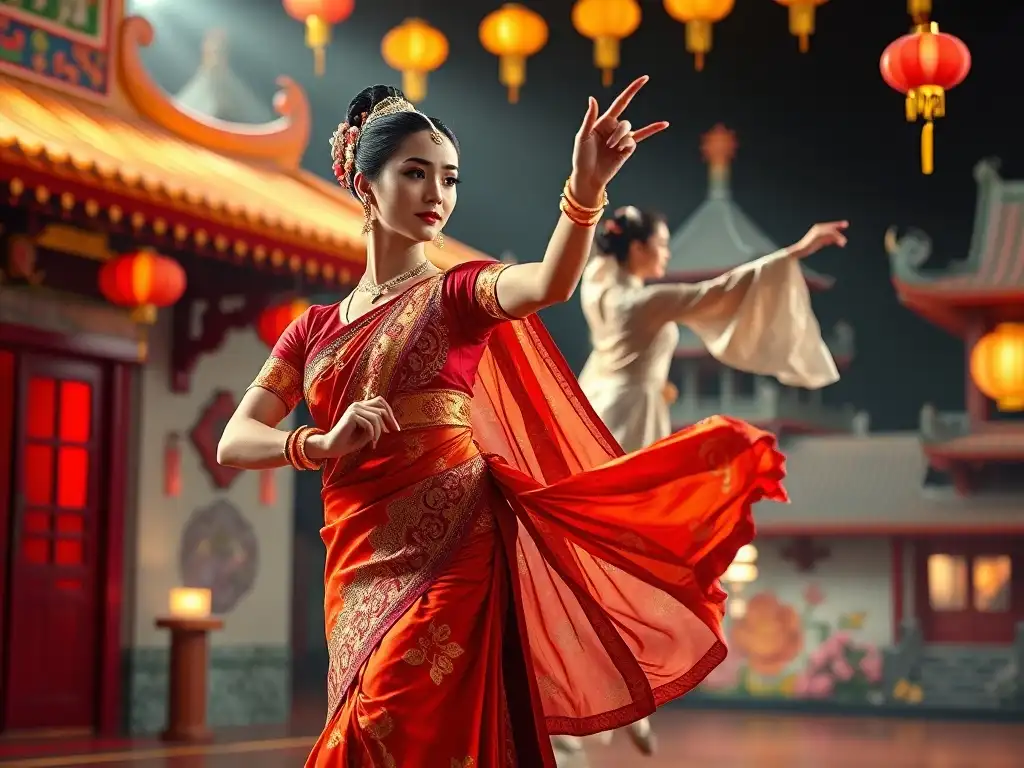
Welcome to Ancient India History, where we take you on a mesmerizing journey through the vibrant tapestry of India's past. Here, you’ll uncover how the rich traditions and artistic expressions of ancient Indian civilizations have shaped cultures far beyond their borders. In our featured article, "The Influence of Indian Dance Forms on Chinese Performative Arts," we delve into the captivating exchange between India and China, revealing how Indian dance has left an indelible mark on Chinese artistic practices.
Prepare to be intrigued as we explore this fascinating interaction with other civilizations, sparking your curiosity about the profound connections that have shaped our world. Join us as we unravel the stories that celebrate the enduring legacy of ancient India!
Introduction to Indian Dance Influence on China
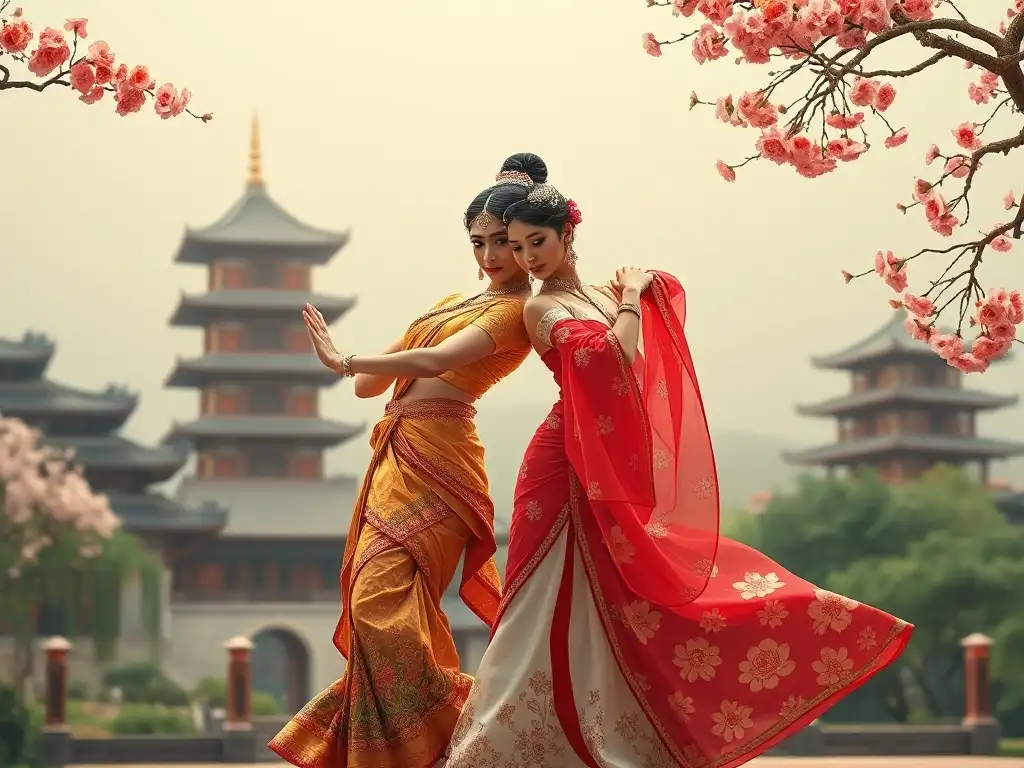
The intricate tapestry of cultural exchanges between ancient India and China has significantly shaped the performative arts in both regions. Among the many influences, Indian dance forms have left a profound mark on Chinese performative traditions. This article delves into the nuances of these influences, examining how Indian dance has permeated Chinese culture, contributing to its richness and diversity.
From historical interactions to the evolution of dance styles, we will explore the interplay between these two civilizations, shedding light on their shared artistic heritage. Understanding this influence not only highlights the interconnectedness of ancient cultures but also enriches our appreciation of the performing arts as a universal language transcending geographical boundaries.
Definition of Indian Dance Forms
Indian dance encompasses a wide variety of classical and folk traditions, each with its unique style, technique, and cultural significance. Major classical forms include:
- Bharatanatyam: Originating from Tamil Nadu, this dance form is characterized by intricate footwork, expressive hand gestures (mudras), and storytelling through facial expressions.
- Kathak: Hailing from North India, Kathak blends narrative and rhythm, often depicting tales from mythology and history through graceful movements.
- Odissi: This dance form from Odisha is known for its fluid grace, intricate footwork, and temple-inspired poses.
- Kathakali: A dramatic dance form from Kerala, it combines storytelling, elaborate costumes, and vibrant facial makeup.
These dance forms are often accompanied by traditional music and serve as a means of spiritual expression, social commentary, and cultural storytelling.
Overview of Chinese Performative Arts
Chinese performative arts are equally diverse, encompassing a range of traditional practices such as:
- Peking Opera: Renowned for its elaborate costumes, stylized movements, and vocal performance, Peking Opera incorporates music, dance, and acrobatics.
- Chinese Classical Dance: This includes a variety of regional styles characterized by graceful movements and expressive storytelling, often depicting historical tales or folklore.
- Martial Arts: Traditional Chinese martial arts, such as Tai Chi and Shaolin Kung Fu, also incorporate dance-like movements, emphasizing fluidity and discipline.
These art forms reflect the philosophical and cultural values of Chinese society, often intertwining with elements of spirituality, ethics, and social commentary.
Historical Context of Indian-Chinese Cultural Exchanges
The historical exchanges between India and China can be traced back over two millennia, marked by trade, travel, and the movement of ideas. The Silk Road served as a vital link, facilitating not only commercial trade but also cultural and artistic interactions. As merchants and travelers journeyed between the two regions, they carried with them not just goods but also stories, spiritual beliefs, and artistic expressions. This dynamic exchange laid the groundwork for a rich tapestry of cultural interplay, contributing to the evolution of both Indian and Chinese performative arts.
The Historical Roots of Indian Dance in China
Early Cultural Interactions between India and China
The initial cultural interactions between India and China can be traced back to the Han Dynasty (206 BCE – 220 CE), when Buddhist monks traveled to China, bringing with them Indian cultural practices. This period marked the introduction of Indian artistic concepts, including dance, which began to influence Chinese theatrical forms. The essence of storytelling through movement resonated with the Chinese, leading to the gradual incorporation of Indian dance elements into local traditions.
Trade Routes and the Spread of Indian Dance
The Trade Route system, particularly the Silk Road, played an instrumental role in the dissemination of Indian dance forms to China. As traders and travelers traversed these routes, they facilitated not only the exchange of goods but also the cross-pollination of cultural ideas. Indian dance, with its rich narrative traditions and expressive movements, found its way into Chinese festivals and performances, enriching the local artistic landscape.
Key Historical Figures in Indian-Chinese Cultural Exchange
Several key historical figures have been pivotal in fostering Indian-Chinese cultural exchange. Notably, Buddhist monks such as Xuanzang traveled extensively between India and China, documenting their experiences and sharing Indian cultural practices, including dance. Their contributions not only facilitated the spread of Buddhism but also helped introduce Indian dance forms to Chinese audiences, paving the way for a lasting artistic dialogue between the two civilizations.
As we delve deeper into the specifics of these influences, it becomes clear that the interconnectedness of Indian and Chinese dance forms is a testament to the enduring legacy of their cultural exchanges.
Major Indian Dance Forms and Their Characteristics
Indian dance forms are renowned for their intricate movements, expressive gestures, and deep cultural significance. Each dance form represents a unique amalgamation of history, mythology, and spirituality, often reflecting the regional diversity of India. Here are some of the most prominent Indian dance forms:
- Bharatanatyam: Originating from Tamil Nadu, this classical dance is characterized by its fixed upper torso, bent legs, intricate footwork, and expressive hand gestures (mudras). It often narrates stories from Hindu mythology and is performed in temples and cultural festivals.
- Kathak: Hailing from North India, Kathak is distinguished by its narrative style, rhythmic footwork, and spins. Performers often portray various characters through expressive facial expressions and dramatic storytelling, traditionally linked to the tales of Krishna.
- Odissi: This dance form from Odisha is celebrated for its graceful movements and lyrical expressions. Odissi is often performed as a form of worship, characterized by the 'tribhangi' position, where the body is divided into three bends: the head, torso, and knee.
- Kathakali: A dance-drama from Kerala, Kathakali is known for its elaborate costumes, facial masks, and intense storytelling, often drawn from the epics of Ramayana and Mahabharata.
These dance forms not only serve as a mode of entertainment but also as a means of spiritual expression, deeply influencing cultural exchanges with neighboring civilizations, including China.
Bharatanatyam and Its Elements
Bharatanatyam is one of the oldest classical dance forms of India, with origins tracing back over 2,000 years. It encompasses several key elements that contribute to its unique character:
- Natyashastra Influence: The ancient Indian treatise on performing arts, Natyashastra, serves as a foundational text for Bharatanatyam, detailing techniques, movements, and the emotional expressions (bhavas) that dancers must convey.
- Mudras (Hand Gestures): The dance employs a rich vocabulary of hand gestures, known as mudras, which communicate various emotions and narrate stories without the use of words.
- Abhinaya (Expression): A significant aspect of Bharatanatyam is abhinaya, where the dancer expresses feelings and stories through facial expressions and body language, allowing for a profound emotional connection with the audience.
- Costume and Music: The traditional costume, featuring a sari with intricate jewelry, complements the performance. Accompanied by Carnatic music, Bharatanatyam performances evoke a spiritual atmosphere, which is essential to the art form.
Kathak: The Dance of Storytelling
Kathak, often referred to as the "dance of storytellers," has a rich history that intertwines with the cultural narratives of India. Its primary characteristics include:
- Narrative Technique: The storytelling aspect of Kathak is central, with dancers portraying various characters and themes from mythology, especially tales related to Lord Krishna and Radha.
- Footwork and Spins: Known for its fast-paced footwork and graceful spins, Kathak involves intricate rhythms and patterns, showcasing the dancer's skill and stamina.
- Facial Expressions: Dancers utilize a wide range of facial expressions to convey emotions and enhance the storytelling, making each performance a captivating experience.
- Influence of Mughal Culture: Over time, Kathak absorbed influences from Mughal traditions, leading to the incorporation of new themes, costumes, and musical styles, further enriching its repertoire.
Kathak's appeal lies in its dynamic performance style, which has resonated not only in India but also in various global cultures, including Chinese performative arts.
Odissi and Its Spiritual Significance
Odissi stands out as a dance form that is deeply rooted in spirituality and devotion. Its essential features include:
- Devotional Themes: Traditionally performed in temples, Odissi often depicts the love stories of deities, particularly those of Lord Krishna and Radha, emphasizing themes of devotion (bhakti).
- Unique Postures: The dance is characterized by distinct body postures and intricate footwork, particularly the 'tribhangi' stance, which embodies grace and beauty.
- Mudras and Expressions: Similar to other Indian dance forms, Odissi employs a variety of mudras and facial expressions to convey complex emotions and narratives, enhancing its spiritual essence.
- Connection to Music: Accompanied by Odissi music, which includes the use of traditional instruments, the performance creates an immersive experience that resonates with the audience, fostering a sense of peace and spirituality.
Odissi's spiritual dimension has made it an influential form within the realm of performative arts, contributing to cultural exchanges with China.
The Reception of Indian Dance in China
The reception of Indian dance forms in China has evolved over the centuries, reflecting a rich tapestry of cultural interactions. Indian dance's influence on Chinese performative arts is notable, as it has inspired various adaptations and innovations.
Initial Reactions to Indian Dance Forms
When Indian dance forms were introduced to China, particularly during the early exchanges along the Silk Road, they were met with curiosity and admiration. The aesthetic quality of Indian dances, especially their expressive gestures and intricate movements, appealed to Chinese audiences. Early performers and travelers documented their experiences, highlighting the following reactions:
- Cultural Fascination: Chinese scholars and artists were fascinated by the spiritual and artistic depth of Indian dance, often drawing parallels with their own traditional forms.
- Adoption and Adaptation: Some elements of Indian dance were adopted and integrated into local performance traditions, leading to a fusion of styles that enriched both cultures.
- Religious and Philosophical Exchange: The introduction of Indian dance coincided with the spread of Buddhism in China, and many performances were appreciated for their spiritual themes, resonating with Chinese philosophical beliefs.
Adaptations and Integrations into Chinese Performative Arts
As Indian dance forms permeated Chinese culture, several adaptations emerged, reflecting the unique characteristics of Chinese performing arts:
- Incorporation of Themes: Chinese adaptations often incorporated local myths and stories, blending Indian dance narratives with traditional Chinese tales, creating a hybrid performance style.
- Choreographic Innovations: Dancers began to experiment with movement styles, combining Indian footwork and gestures with Chinese techniques, resulting in new forms of dance that appealed to both Indian and Chinese audiences.
- Cultural Festivals: Various cultural festivals in China began to showcase Indian dance performances, promoting cross-cultural understanding and appreciation.
These adaptations illustrate the fluidity of cultural exchange and the impact of Indian dance on the evolution of Chinese performative arts.
Influence on Chinese Traditional Dance Styles
The influence of Indian dance forms can be seen in several traditional Chinese dance styles. Notable impacts include:
- Classical Chinese Dance: Elements of Indian dance, such as expressive hand gestures and dynamic movements, have found their way into classical Chinese dance forms, enriching the emotional and aesthetic aspects of performances.
- Folk Dances: Certain regional folk dances in China exhibit similarities with Indian dance forms, particularly in their storytelling and expressive movements, indicating a shared cultural heritage.
- Theatrical Performances: The incorporation of Indian dramatic elements into Chinese opera has also been observed, where narrative styles and character portrayals reflect Indian influences.
The ongoing interplay between Indian and Chinese performing arts continues to shape the cultural landscape of both nations, underscoring the enduring legacy of their historical exchanges.
Comparative Analysis of Indian and Chinese Dance Forms
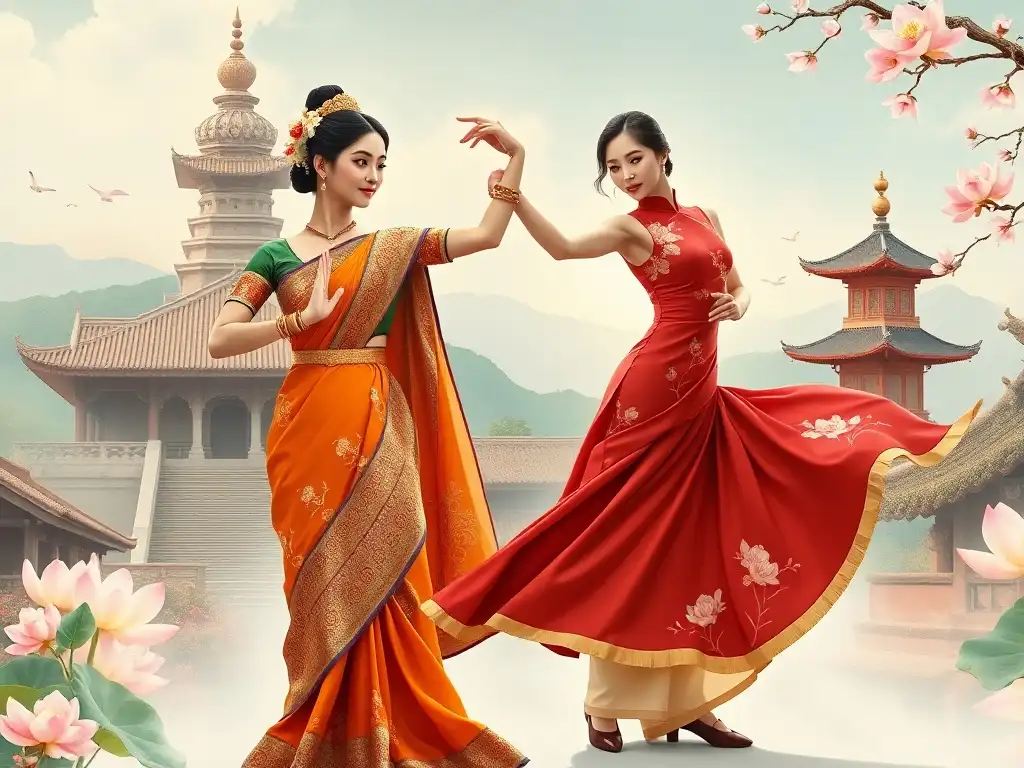
The dance forms of India and China, both rich and varied, have evolved over centuries, each shaped by their unique cultural contexts. A comparative analysis reveals intriguing intersections and divergences that reflect the historical exchanges between these two ancient civilizations.
Similarities in Themes and Expressions
Both Indian and Chinese dance forms often celebrate similar themes such as spirituality, nature, mythology, and the human experience. For instance, Indian classical dances like Bharatanatyam and Kathakali frequently depict stories from Hindu epics, while traditional Chinese dances often illustrate tales from Buddhism and Taoism.
Moreover, expressions in both cultures utilize intricate facial expressions and hand gestures (mudras in Indian dance and sheng in Chinese dance) that convey emotions and narratives. The emphasis on storytelling through movement is a significant commonality, allowing both dance forms to serve as powerful mediums for cultural expression and preservation.
Differences in Techniques and Styles
While Indian and Chinese dances share thematic elements, their techniques and styles exhibit marked differences. Indian dance is characterized by its intricate footwork, rhythmic patterns, and elaborate hand gestures, often performed to classical music. Each Indian dance style has its unique vocabulary, with Bharatanatyam focusing on expressive storytelling and Kathak emphasizing spins and footwork.
Conversely, Chinese dance tends to emphasize fluidity and grace, with a focus on the overall aesthetic and visual harmony. Traditional Chinese dance incorporates larger movements and often integrates acrobatics, reflecting a different approach to physical expression. The use of costumes also varies significantly, with Indian dance typically featuring vibrant, ornate attire, while Chinese dance costumes often emphasize flowing fabrics and colors that enhance visual storytelling.
Cross-Cultural Influences in Choreography
The historical interaction between India and China facilitated a cross-pollination of ideas that influenced choreography in both cultures. As Buddhism spread from India to China, Indian dance elements began to seep into Chinese performative arts. This amalgamation is evident in certain Chinese folk dances that incorporate Indian-inspired gestures and movements, reflecting a blend of cultural traditions.
Additionally, interactions through trade routes, such as the Silk Road, allowed for the sharing of artistic practices, further enhancing the complexity and richness of both Indian and Chinese dance forms. This cultural exchange has resulted in hybrid performances that showcase the beauty of both traditions, paving the way for innovative choreographic expressions.
Case Studies of Indian Dance Influence on Chinese Performative Arts
Example 1: The Incorporation of Indian Gestures in Chinese Dance
A notable example of Indian influence on Chinese dance can be observed in the incorporation of specific hand gestures and facial expressions. Certain Chinese dances, particularly those from minority ethnic groups, have adopted mudras from Indian classical dance, using these gestures to convey meaning and enhance storytelling. This fusion highlights the adaptability of dance forms and their ability to transcend cultural barriers.
Example 2: Collaborative Performances and Festivals
Collaborative performances between Indian and Chinese artists have become increasingly common, particularly in international festivals. These events not only showcase the distinct styles of both cultures but also encourage mutual appreciation and understanding. For example, the annual “Silk Road Cultural Festival” features performances that blend Indian classical dance with traditional Chinese elements, illustrating a harmonious exchange of artistic practices.
Example 3: The Role of Indian Dance in Modern Chinese Theatre
In modern Chinese theatre, Indian dance has gained prominence as a source of inspiration for innovative stage productions. Directors and choreographers incorporate Indian dance techniques to enhance the visual language of their performances. This integration not only enriches the theatrical experience but also serves as a testament to the enduring influence of Indian dance on Chinese performative arts, fostering a continued dialogue between the two cultures.
The Impact of Indian Dance on Contemporary Chinese Arts
The influence of Indian dance forms on contemporary Chinese arts is a fascinating testament to the historical exchanges between India and China. As globalization and cultural interactions have intensified in recent decades, the insights and techniques from Indian dance have permeated various facets of Chinese performative arts. This influence is not merely a borrowing of styles, but rather an intricate dialogue where traditions evolve and inspire one another.
From classical forms like Bharatanatyam and Kathak to folk dances, Indian dance has introduced vibrant rhythms, expressive movements, and rich storytelling techniques to Chinese performances. This has fostered a greater appreciation for narrative-driven arts in China, leading to a renaissance of traditional performances that resonate with both cultural heritages.
Revival of Traditional Chinese Dance with Indian Elements
In recent years, there has been a notable revival of traditional Chinese dance, which has begun to incorporate Indian elements into its choreography and performance styles. This revival is characterized by the blending of Indian rhythmic patterns, gestural vocabularies, and emotional expressions with traditional Chinese dance forms such as Classical Chinese Dance and ethnic folk dances.
For instance, some Chinese dance troupes have started to adopt the storytelling techniques found in Indian dance, emphasizing character portrayal and narrative arcs. This has resulted in performances that not only showcase the grace and fluidity of Chinese dance but also the dynamic and intricate movements typical of Indian styles. The incorporation of Indian dance elements has brought a renewed vibrancy to these performances, attracting a diverse audience eager to experience this cultural fusion.
Modern Interpretations and Fusion Dance Forms
Modern interpretations of dance have seen a significant rise, with many choreographers experimenting with fusion dance forms that blend Indian and Chinese styles. These innovative choreographies often draw on the strengths of both traditions, creating unique performances that celebrate the cultural diversity of both nations.
For example, contemporary dance companies in China have begun to create pieces that showcase traditional Indian motifs while integrating Chinese dance aesthetics. The use of props, costumes, and music from both cultures enhances the visual and auditory experience, making it a rich tapestry of artistic expression. This fusion not only captivates audiences but also fosters a deeper understanding and appreciation of both Indian and Chinese heritage.
Influence on Chinese Choreographers and Dancers
The influence of Indian dance on Chinese choreographers and dancers is profound. Many contemporary Chinese artists have traveled to India to study various dance forms, gaining insights into the technical and expressive aspects of Indian dance. This cross-cultural exchange has led to the emergence of choreographers who are well-versed in both Indian and Chinese traditions, allowing for innovative collaborations and performances.
Furthermore, renowned Chinese dancers are increasingly incorporating Indian techniques into their training, enhancing their versatility and expressiveness. By understanding the nuances of Indian dance, they can bring a fresh perspective to their work, often resulting in performances that resonate with broader audiences. This cross-pollination of ideas and styles enriches the artistic landscape in China, demonstrating the powerful impact of Indian dance on its contemporary practices.
Conclusion: The Legacy of Indian Dance Influence on China
The legacy of Indian dance influence on China is one of mutual respect and admiration, marking a significant chapter in the history of cultural exchange between the two civilizations. As dance continues to evolve, this legacy is evident in the way artists draw inspiration from one another, creating a rich tapestry that honors both traditions.
Summary of Key Influences
The key influences of Indian dance on Chinese performative arts include:
- Revival of Traditional Forms: The integration of Indian elements has rejuvenated traditional Chinese dance.
- Fusion Dance Forms: Contemporary interpretations that blend both cultural aesthetics are gaining popularity.
- Choreographic Innovation: Chinese choreographers are increasingly incorporating Indian techniques into their work, enriching the artistic dialogue.
Future Prospects for Indian-Chinese Performative Arts
Looking ahead, the future prospects for Indian-Chinese performative arts appear promising. As both nations continue to engage in cultural exchanges, there will likely be an increase in collaborative projects, workshops, and festivals that highlight the beauty of both dance traditions. This ongoing dialogue not only enriches the artistic landscape but also strengthens the cultural ties between India and China.
Final Thoughts on Cultural Exchange and Artistic Evolution
The influence of Indian dance on Chinese performative arts is a powerful example of how cultural exchanges can lead to artistic evolution. As both cultures continue to interact and share their rich traditions, the world can look forward to a vibrant future of dance that celebrates diversity, fosters creativity, and enhances mutual understanding. The legacy of this exchange will undoubtedly inspire generations of artists, showcasing the timeless nature of cultural collaboration.
- Introduction to Indian Dance Influence on China
- The Historical Roots of Indian Dance in China
- Major Indian Dance Forms and Their Characteristics
- The Reception of Indian Dance in China
- Comparative Analysis of Indian and Chinese Dance Forms
- Case Studies of Indian Dance Influence on Chinese Performative Arts
- The Impact of Indian Dance on Contemporary Chinese Arts
- Conclusion: The Legacy of Indian Dance Influence on China
- What are the main Indian dance forms that influenced Chinese performative arts?
- How did Indian dance influence Chinese culture?
- Are there historical connections between India and China regarding dance?
- What role did Buddhism play in the exchange of dance forms?
- How has the influence of Indian dance evolved in modern China?
Frequently Asked Questions
What are the main Indian dance forms that influenced Chinese performative arts?
The main Indian dance forms include Bharatanatyam, Kathak, and Odissi, which have left a significant mark on various Chinese dance traditions.
How did Indian dance influence Chinese culture?
Indian dance introduced themes, movements, and storytelling techniques that enriched Chinese performing arts, fostering a unique blend of cultural expression.
Are there historical connections between India and China regarding dance?
Yes, there are documented historical exchanges between ancient India and China, particularly through trade routes like the Silk Road, facilitating cultural cross-pollination.
What role did Buddhism play in the exchange of dance forms?
Buddhism acted as a cultural bridge, promoting the dissemination of Indian dance styles to China, especially through monastic performances and rituals.
How has the influence of Indian dance evolved in modern China?
In modern times, Indian dance continues to inspire contemporary Chinese performances, incorporating fusion elements while maintaining traditional roots and aesthetics.
Final Reflection: The Cross-Cultural Dance Dialogue
The exploration of how Indian dance forms have influenced Chinese performative arts underscores the profound interconnectedness of cultures in our globalized world. Today, as we navigate an era marked by cultural exchange and fusion, the impact of Indian dance on China serves as a powerful reminder of the beauty that emerges when traditions intermingle. This dialogue between two rich artistic heritages not only enriches the performers but also captivates audiences, fostering a deeper appreciation for the diversity of human expression.
Cross-cultural influences like these shape our cultural landscape in ways that are both visible and subtle. The intricate movements and storytelling found in Indian dance have left an indelible mark on Chinese performing arts, creating a tapestry of shared narratives and aesthetics. As we witness this ongoing evolution, we are reminded of the words of the renowned dancer and choreographer Martha Graham: Dance is the hidden language of the soul.
This sentiment resonates deeply as we consider how these two cultures communicate through their respective dance forms, transcending geographical boundaries and inviting us to explore the depths of our shared humanity.
As you reflect on the themes presented in this article, I invite you to consider how you can engage with and celebrate the cultural exchanges in your own life. Embrace the richness of diversity around you, and allow the influences of different traditions to inspire your own creative expressions. Whether through dance, art, or simply in your daily interactions, let the spirit of cross-cultural dialogue guide you toward a more inclusive and enriched understanding of the world.
Embrace the Fusion: Discover the Dance Connection!
Thank you for diving into the mesmerizing world of Indian dance forms and their rich influence on Chinese performative arts. By exploring these vibrant connections, you’ve gained a deeper understanding of how culture intertwines through movement and expression. Now, it’s time to take that knowledge and inspire action!
Here are some exciting ways to engage further with this captivating topic:
- Attend a local cultural event featuring Indian or Chinese dance to experience the artistry firsthand and connect with your community.
- Share this article with friends or on social media to spark conversations about the beauty of cultural exchanges.
- Create a fusion dance piece that incorporates elements from both Indian and Chinese traditions—this could be a fun project for a dance class or a community performance!
What unique blend of dance styles would you create to celebrate this cross-cultural heritage? **We invite you to share your thoughts and ideas below! **