
Taste the Tradition: Unforgettable Culinary Experiences in Ancient Indian Cities

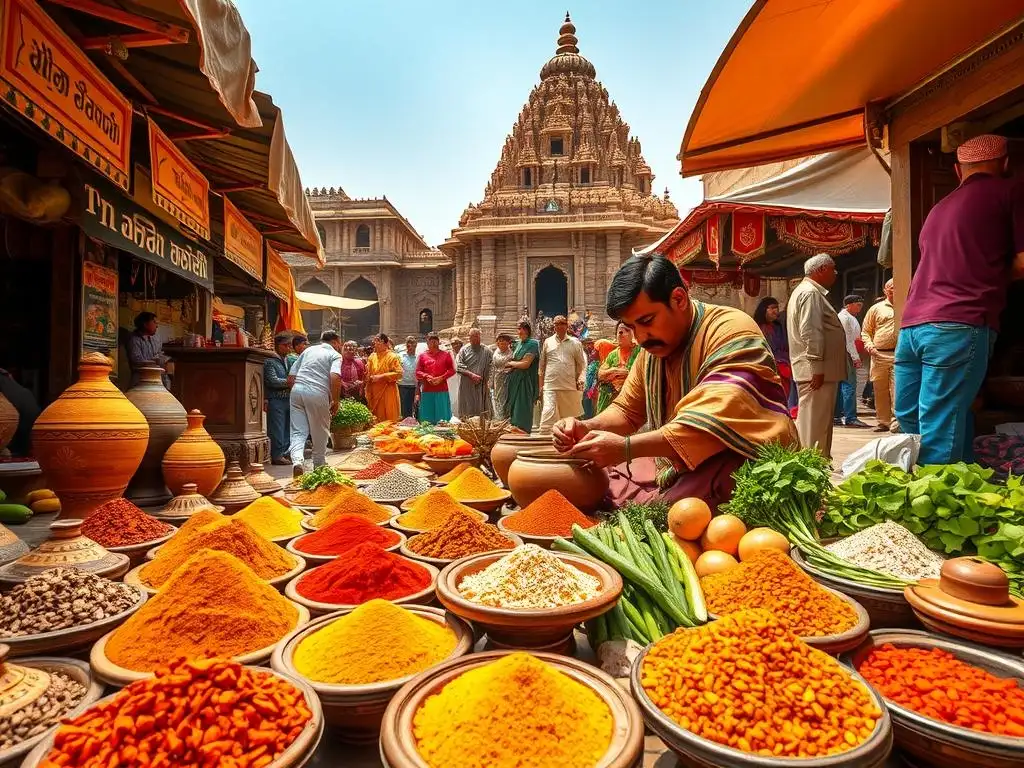
Welcome to Ancient India History, where we embark on a captivating journey through time to uncover the rich tapestry of ancient Indian civilizations. Delve into the fascinating world of ancient Indian culinary traditions, where every dish tells a story of culture, innovation, and heritage. In our featured article, "Taste the Tradition: Unforgettable Culinary Experiences in Ancient Indian Cities," we invite you to explore the delectable flavors and time-honored practices that have shaped Indian cuisine over the centuries. Get ready to ignite your curiosity and discover how the past continues to tantalize our taste buds today!
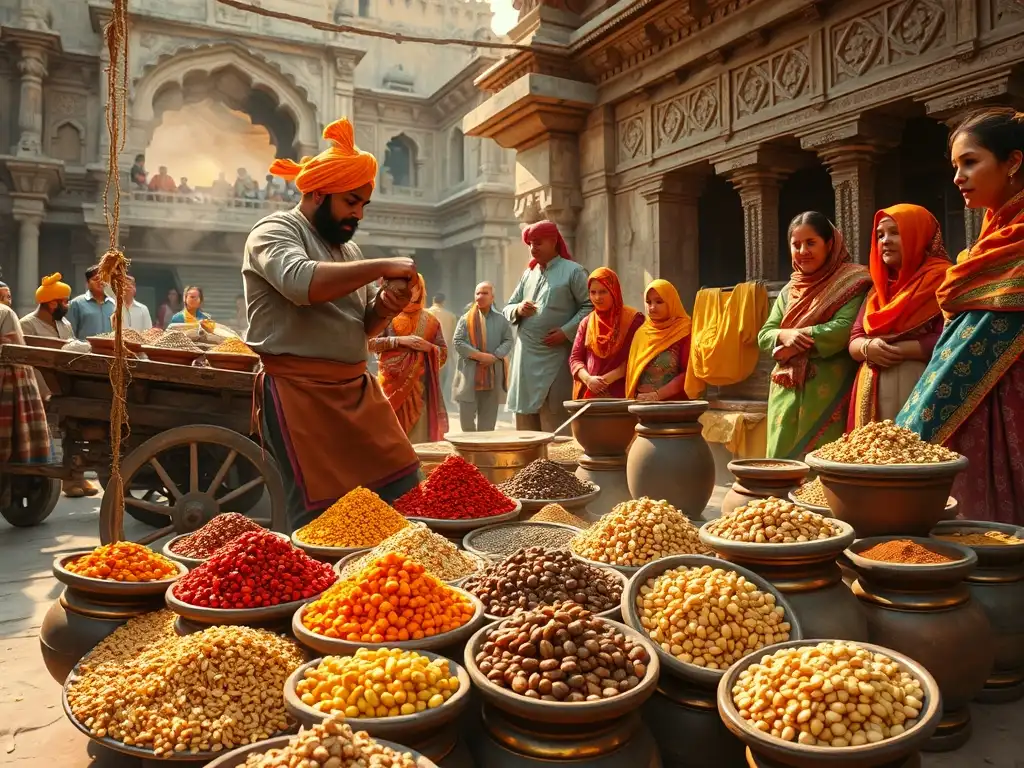
Introduction to Ancient Indian Culinary Traditions
Ancient Indian culinary traditions are a vibrant tapestry woven from centuries of history, culture, and regional diversity. From the aromatic spices of the Indus Valley to the sophisticated flavors of the Gupta Empire, India's culinary heritage is as rich and varied as its civilizations. The significance of food in ancient Indian society extends beyond mere sustenance; it is deeply intertwined with rituals, festivals, and daily life.
Exploring these culinary experiences offers an unparalleled glimpse into the past, revealing how ancient practices have influenced contemporary Indian cuisine. This article invites you to embark on a journey through time, discovering the unforgettable culinary experiences that ancient Indian cities have to offer.
Exploring the Historical Roots of Indian Cuisine
Understanding the historical roots of Indian cuisine is essential to appreciate its complexity and depth. The culinary landscape of India has been shaped by various factors, including geography, climate, trade, and cultural exchanges. Each region developed its own unique culinary identity, influenced by the availability of local ingredients and the traditions brought by migrating communities. Let's delve into two significant aspects that have profoundly impacted ancient Indian culinary practices.
The Influence of the Indus Valley Civilization on Culinary Practices
The Indus Valley Civilization, one of the earliest urban cultures in the world, laid the groundwork for many culinary practices that continue to resonate today. Archaeological findings in cities like Harappa and Mohenjo-Daro reveal a sophisticated understanding of agriculture, with evidence of extensive farming of wheat, barley, and pulses. Additionally, the Indus Valley people were known to have domesticated animals, contributing to a varied diet that included dairy and meat.
- Key Contributions:
- Agriculture: The introduction of irrigation techniques improved crop yields and diversified food sources.
- Food Storage: Granaries and storage facilities indicate a systematic approach to food preservation and distribution.
- Culinary Tools: Pottery and cooking implements found in excavations suggest advanced cooking methods and food preparation.
These innovations not only sustained the population but also set the stage for culinary practices that would evolve over millennia.
The Role of Religion and Culture in Shaping Culinary Traditions
Religion and culture have played pivotal roles in the evolution of ancient Indian culinary traditions. With the emergence of major religions such as Hinduism, Buddhism, and Jainism, food practices became intertwined with spiritual beliefs and ethical considerations.
- Influences on Cuisine:
- Vegetarianism: Rooted in religious beliefs, particularly in Hinduism and Jainism, vegetarianism became a prevalent dietary practice, influencing regional cuisines to emphasize plant-based dishes.
- Festivals and Rituals: Food serves as an integral part of religious ceremonies and festivals, with certain dishes prepared specifically for auspicious occasions, demonstrating the cultural significance of culinary traditions.
- Cultural Exchange: As ancient India interacted with other civilizations through trade and conquests, culinary exchanges led to the integration of new ingredients and cooking techniques, enriching the Indian culinary landscape.
The rich tapestry of ancient Indian culinary traditions reflects a profound connection between food, culture, and history. By exploring these traditions, we can gain a deeper appreciation for the diverse culinary experiences that ancient Indian cities offer.
Top Ancient Indian Cities Known for Culinary Richness
Ancient Indian cities are not just historical landmarks; they are vibrant epicenters of culinary traditions that have evolved over centuries. Each city boasts its own unique flavors, recipes, and cooking techniques that reflect the cultural and geographical diversity of India. These culinary hubs provide an unforgettable experience for food enthusiasts and cultural explorers alike. Here are some of the top ancient Indian cities known for their rich culinary heritage:
Varanasi: A Gastronomic Pilgrimage
Varanasi, one of the oldest inhabited cities in the world, is a place where spirituality and gastronomy intertwine. The city's culinary scene is influenced by its religious significance and the vibrant street food culture. Local specialties include:
- Kachori: A deep-fried pastry filled with spicy lentils, often served with tangy chutneys.
- Chaat: A medley of flavors and textures, featuring crisp fried dough, boiled potatoes, yogurt, and spices.
- Lassi: A refreshing yogurt-based drink, often flavored with fruits like mango or spiced with cardamom.
Visiting Varanasi is not just about tasting food; it’s about experiencing the rituals that accompany it, such as the tradition of having meals on the banks of the Ganges River, where local vendors serve their dishes with a spiritual touch.
Jaipur: The Pink City’s Regal Flavors
Jaipur, known as the Pink City, is famed for its royal heritage and exquisite culinary offerings. The city's cuisine reflects the grandeur of its Rajput history with rich and aromatic dishes. Some signature dishes include:
- Dal Baati Churma: A traditional Rajasthani dish comprising baked wheat balls served with lentils and a sweet crumbly mixture.
- Gatte Ki Sabzi: A flavorful curry made from gram flour dumplings, showcasing the use of local spices.
- Lassi: Particularly famous in Jaipur, this creamy drink is often garnished with nuts and served in traditional earthen pots.
Dining in Jaipur often involves enjoying meals in heritage hotels or traditional havelis, providing visitors with an immersive experience of royal dining customs.
Delhi: A Fusion of Historical Tastes
Delhi, the capital city, is a melting pot of cultures and cuisines, showcasing a blend of ancient flavors and modern influences. The city's diverse culinary landscape includes:
- Butter Chicken: A staple of Mughlai cuisine, this creamy, spiced chicken dish is a must-try.
- Biryani: A fragrant rice dish layered with marinated meat, reflecting influences from Persian cuisine.
- Street Food: Delhi’s streets offer an array of snacks like Aloo Tikki and Pani Puri, providing a taste of local flavors.
Exploring Delhi’s culinary scene is akin to walking through history, where each dish tells a story of its origins and the cultures that have shaped it.
Mysore: The Land of Spices and Sweets
Mysore is renowned for its unique blend of spices and delectable sweets, making it a haven for food lovers. The culinary heritage of Mysore includes:
- Mysore Pak: A rich, buttery sweet made from chickpea flour and ghee, it is a popular choice during festivals.
- Rava Idli: A soft, steamed cake made from semolina, typically served with coconut chutney and sambar.
- Mysore Masala Dosa: A crispy crepe filled with spiced potato filling, often accompanied by chutneys and sambar.
The influence of the Wadiyar dynasty on Mysore’s cuisine is evident in its royal recipes and cooking styles, making it a delightful city for culinary exploration.
Unique Culinary Experiences in Ancient Indian Cities
Beyond traditional dining, ancient Indian cities offer unique culinary experiences that enhance the understanding of their rich food culture. These experiences immerse visitors in the local gastronomy and provide a deeper appreciation for ancient culinary traditions.
Cooking Classes in Historic Settings
Many ancient cities now host cooking classes where tourists can learn to prepare traditional dishes using age-old techniques. These classes often take place in historic homes or heritage sites, allowing participants to connect with the culture intimately. Some benefits include:
- Hands-On Experience: Participants get to cook authentic dishes under the guidance of local chefs.
- Cultural Insights: Classes often include stories about the history and significance of the dishes being prepared.
- Local Ingredients: Many classes emphasize the use of locally-sourced ingredients, showcasing the region's culinary diversity.
By joining these cooking classes, participants not only learn about ancient Indian culinary traditions but also gain the skills to recreate these dishes at home.
Food Festivals Celebrating Ancient Culinary Traditions
Food festivals in ancient Indian cities serve as vibrant platforms to celebrate and preserve culinary traditions. These festivals often feature:
- Local Vendors: A chance to sample a wide variety of dishes from various local chefs and vendors.
- Cultural Performances: Festivals often include music, dance, and art, creating a festive atmosphere that highlights the region's culture.
- Workshops and Demonstrations: Attendees can participate in cooking demonstrations and workshops, learning directly from experts about ancient recipes and techniques.
These festivals not only promote ancient culinary traditions but also foster a sense of community and appreciation for the diverse food heritage of India.
The Modern Influence of Ancient Indian Culinary Traditions
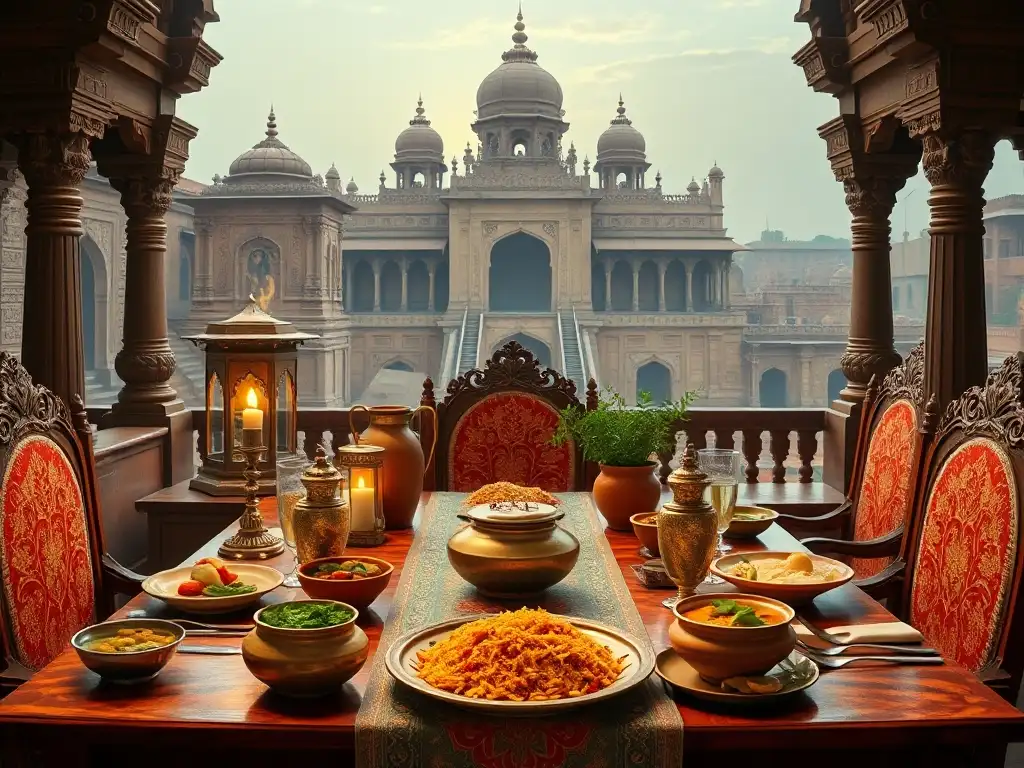
The culinary landscape of modern India is a vibrant tapestry woven from the threads of its ancient past. Ancient Indian culinary traditions have left an indelible mark on contemporary cuisine, influencing not just the flavors but also the cooking techniques and rituals that are practiced today. The use of spices such as turmeric, cumin, and coriander, which have been staples since the Vedic period, continues to dominate Indian kitchens.
Moreover, the concept of thali, a traditional platter that offers a variety of dishes, echoes the ancient practice of serving meals that cater to balanced nutrition and diverse flavors. Modern chefs often draw inspiration from historical texts and manuscripts, such as the Manasollasa and Pakashastra, to recreate authentic dishes with a contemporary twist. This fusion not only preserves ancient culinary heritage but also showcases it in a way that appeals to today's palate.
How Ancient Recipes are Revived in Contemporary Cuisine
Reviving ancient recipes in contemporary cuisine involves a meticulous approach to both authenticity and adaptation. Many chefs and culinary historians are dedicated to unearthing forgotten recipes from various regions of India. For instance, dishes from the royal kitchens of the Mughal Empire, like biryani and kebabs, are being recreated using age-old techniques such as slow cooking and the use of traditional earthenware pots.
In addition, local ingredients that were once commonplace but have fallen out of favor are being reintroduced. Ingredients like millets, which were widely consumed in ancient times, are being celebrated for their health benefits and are incorporated into modern dishes. Culinary workshops and classes focused on ancient cooking methods allow enthusiasts to experience the flavors and techniques of yesteryears firsthand, ensuring these culinary traditions are not lost to time.
Culinary Tourism: Bridging Past and Present
Culinary tourism in India serves as a bridge connecting ancient culinary traditions with modern practices. Tourists are increasingly seeking authentic experiences that allow them to explore not only the history but also the flavors of ancient Indian cities. Culinary tours often include visits to local markets, cooking classes with traditional families, and meals prepared using age-old recipes.
Regions like Rajasthan, known for its rich heritage and unique dishes such as dal baati churma, offer immersive experiences that highlight how ancient ingredients and methods are still relevant today. This tourism trend not only supports local economies but also encourages the preservation of traditional culinary practices. By participating in these tours, travelers partake in a living narrative that celebrates the evolution of Indian cuisine from its ancient roots to contemporary interpretations.
Conclusion: Savoring the Legacy of Ancient Indian Culinary Traditions
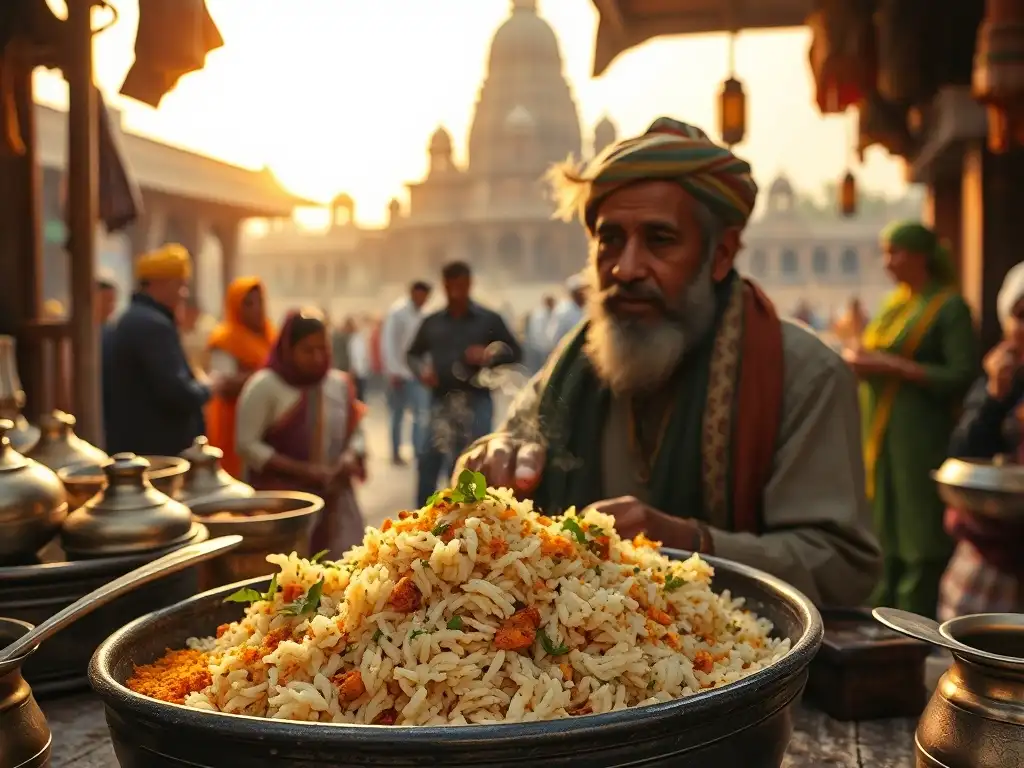
The legacy of ancient Indian culinary traditions is a treasure trove of flavors, techniques, and cultural practices that continue to shape the culinary identity of India today. As we savor the diverse culinary experiences offered by ancient cities, we also celebrate the resilience and adaptability of these traditions. From the revival of ancient recipes to the integration of historical practices in modern kitchens, the journey of Indian cuisine is a testament to its rich heritage.
Engaging with these culinary traditions not only enhances our understanding of India's past but also allows us to appreciate the ongoing dialogue between history and modernity. As culinary tourism flourishes, it invites a broader audience to explore and embrace the unforgettable tastes and stories that ancient Indian cities have to offer, ensuring that these traditions endure for generations to come.
Additional Resources
For those eager to dive deeper into ancient Indian culinary traditions, several resources can enhance your understanding and appreciation of this vibrant aspect of India's heritage. Here are some valuable materials to explore:
- Books:
- "The Food of India: A Journey for Food Lovers" by Charmaine Solomon offers insights into the historical context and evolution of Indian cuisine.
- "Culinary Culture in Colonial India" by Radhika Singha examines how colonial influences shaped Indian culinary practices.
- Documentaries:
- "Indian Food Made Easy" provides a visual feast of traditional cooking methods and recipes from various regions.
- "The Great Indian Food Trail" explores the culinary diversity across ancient Indian cities, showcasing local ingredients and traditional cooking techniques.
- Online Courses:
- Websites like Coursera and Udemy offer courses on Indian cooking that often include historical perspectives on culinary traditions.
- Local cooking classes in cities like Varanasi or Jaipur can provide hands-on experience with ancient recipes and ingredients.
- Culinary Tours:
- Join guided food tours in cities like Delhi, Agra, and Mumbai, where local experts share stories and culinary practices that date back centuries.
- Participate in workshops that teach traditional cooking methods, allowing you to recreate ancient dishes in your own kitchen.
Final Thoughts
Exploring ancient Indian culinary traditions offers a unique window into the cultural and historical richness of India. Each dish tells a story, reflecting the influences of various civilizations, trade routes, and regional ingredients. As you embark on culinary tours through the ancient cities of India, you'll not only savor exquisite flavors but also gain insights into the traditions and practices that have shaped Indian cuisine over millennia.
Whether you are a seasoned traveler or a curious food enthusiast, immersing yourself in the culinary heritage of ancient India is sure to be an unforgettable experience. Embrace the opportunity to taste, learn, and appreciate the timeless recipes that continue to be a part of India’s vibrant culinary landscape. From the spices of the Indus Valley to the refined flavors of the Gupta Empire, the journey through ancient Indian culinary traditions is one filled with discovery and delight. 🌟
- Introduction to Ancient Indian Culinary Traditions
- Exploring the Historical Roots of Indian Cuisine
- Top Ancient Indian Cities Known for Culinary Richness
- Unique Culinary Experiences in Ancient Indian Cities
- The Modern Influence of Ancient Indian Culinary Traditions
- How Ancient Recipes are Revived in Contemporary Cuisine
- Culinary Tourism: Bridging Past and Present
- Conclusion: Savoring the Legacy of Ancient Indian Culinary Traditions
- Additional Resources
- Final Thoughts
- What are the main influences behind ancient Indian culinary traditions?
- How did geography impact the cuisine of ancient Indian civilizations?
- What role did religion play in ancient Indian culinary practices?
- Can you name some ancient cities known for their culinary contributions?
- How have ancient Indian culinary traditions evolved over time?
Frequently Asked Questions
What are the main influences behind ancient Indian culinary traditions?
Ancient Indian culinary traditions were shaped by regional ingredients, cultural exchanges, and trade routes that introduced various spices and cooking techniques.
How did geography impact the cuisine of ancient Indian civilizations?
The diverse geography of India led to a variety of climates and resources, resulting in distinct regional cuisines that utilized local produce and cooking methods.
What role did religion play in ancient Indian culinary practices?
Religious beliefs significantly influenced ancient Indian culinary practices, with many communities adhering to dietary restrictions based on spiritual principles like vegetarianism.
Can you name some ancient cities known for their culinary contributions?
Cities like Varanasi, Pataliputra, and Taxila were renowned for their unique dishes and served as hubs for culinary exchange during ancient times.
How have ancient Indian culinary traditions evolved over time?
Ancient Indian culinary traditions have evolved through cultural assimilation and innovation, blending with other influences to create the diverse cuisine we see in India today.
Final Reflection: Savoring the Legacy of Ancient Indian Culinary Traditions
The culinary traditions of ancient India are not just relics of the past; they are vibrant threads woven into the fabric of contemporary culture. As we explore the rich tapestry of flavors, techniques, and stories that define these traditions, we realize that they continue to shape our culinary landscape today.
The resurgence of interest in authentic, traditional recipes and cooking methods highlights a collective yearning to reconnect with our roots. In a world increasingly dominated by fast food and convenience, the essence of ancient Indian culinary traditions serves as a powerful reminder of the importance of heritage and mindfulness in our eating habits.
The influence of ancient Indian culinary traditions extends far beyond the kitchen; it resonates deeply within our social interactions and cultural identity. From family gatherings centered around shared meals to festivals celebrating regional specialties, these culinary practices foster a sense of community and belonging. As we delve into the flavors of the past, we uncover the wisdom embedded in these traditions, which have been passed down through generations. Food is not just what we eat; it is a reflection of who we are.
This sentiment encapsulates the profound connection between our culinary practices and our cultural identity, urging us to honor and preserve these traditions for future generations.
As you reflect on the culinary experiences shared in this article, I invite you to embrace the richness of ancient Indian culinary traditions in your own life. Consider exploring local markets, experimenting with traditional recipes, or even sharing a meal with loved ones that celebrates these time-honored practices. By doing so, you not only nourish your body but also cultivate a deeper appreciation for the stories and heritage that shape our culinary world. Let us commit to savoring these traditions, ensuring they continue to thrive and inspire for years to come.
Savor the Flavor: Dive Into India’s Culinary Heritage Today!
Thank you for joining us on this delicious journey through the rich culinary traditions of ancient Indian cities! We hope you're inspired to explore the mouthwatering flavors and stories behind each dish. Now, it’s time to take your passion for cuisine further and truly engage with this vibrant culture.
Here are some exciting actions you can take right now:
- Plan a Culinary Adventure: Choose an ancient Indian city to visit and create a food itinerary that explores its unique dishes and cooking styles.
- Join a Cooking Class: Look for local workshops or online classes that teach you how to recreate traditional Indian recipes in your own kitchen.
- Share Your Discoveries: Connect with fellow food lovers by sharing your culinary experiences or favorite recipes on social media or in a blog.
What’s the first dish you’re eager to try making at home? **We’d love to hear your thoughts in the comments below! **