Ancient Indian Food Traditions
Indian Cuisine and Culinary Tourism
76 articles in this topic
Start here
Read more about this topic
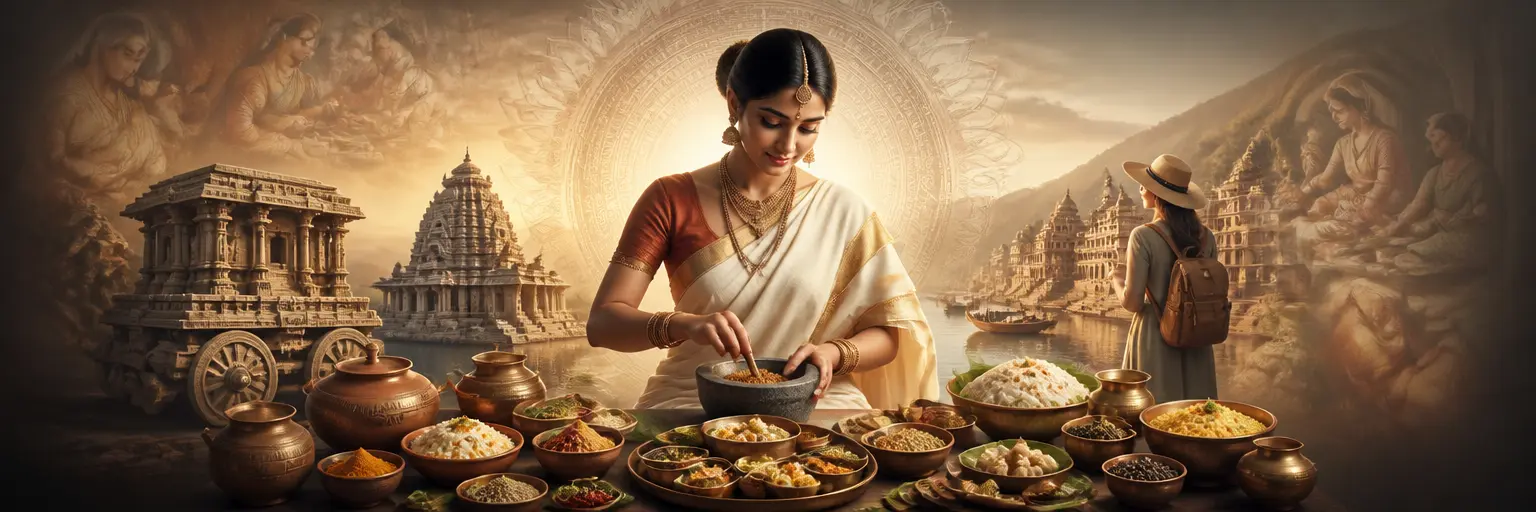
Discover the vibrant world of Indian cuisine and culinary tourism 🍛, where ancient traditions, regional flavors, and time-honored cooking techniques reveal the cultural richness of India’s past. Explore authentic food journeys, traditional recipes, aromatic spices, and the historical influences that shaped Indian gastronomy—from the Indus Valley to the Gupta Empire. 🌿✨ Immerse yourself in India’s culinary heritage and experience the stories, tastes, and techniques that continue to inspire food lovers worldwide.
More in Indian Cuisine and Culinary Tourism
How to Cook Traditional Indian Dishes
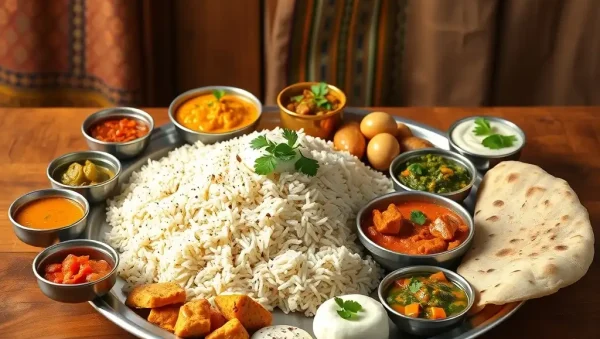
How to Create a Traditional Indian Thali: A Complete Guide to Indian Platter
Top Culinary Tours in India
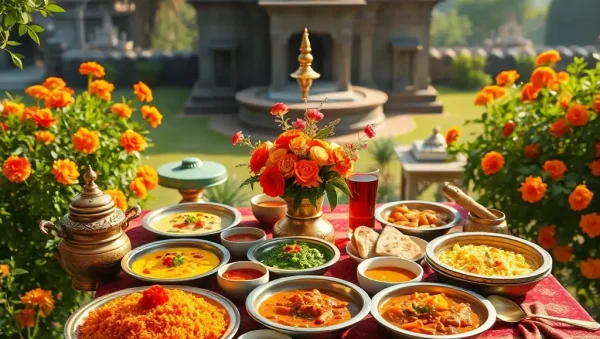
Culinary Exploration: MustVisit Food Destinations in India
Ancient Indian Food Traditions
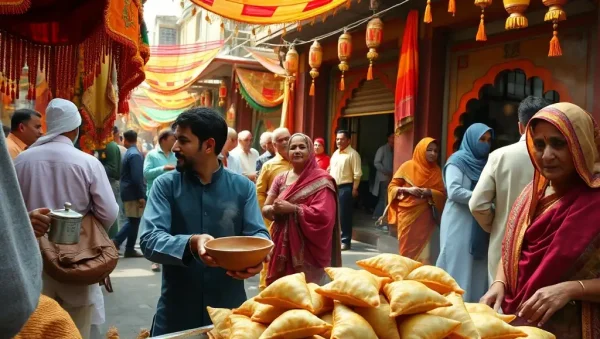
A Journey Through Ancient Indian Street Food: The Roots of Popular Snacks
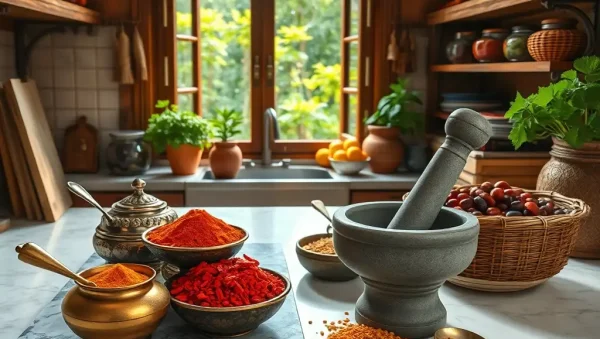
Ancient Indian Food Traditions
The Evolution of Ancient Indian Food Traditions: What Has Changed and What Remains
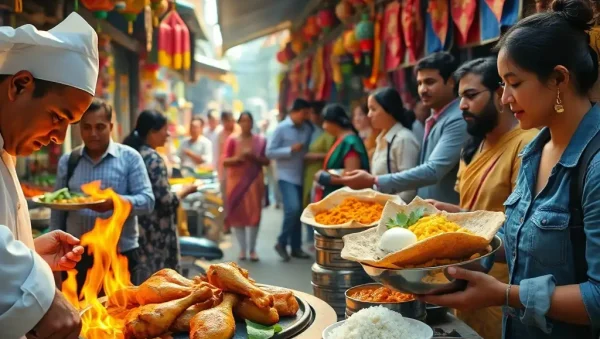
Top Culinary Tours in India
From Tandoori to Thali: MustTry Culinary Tours Across India
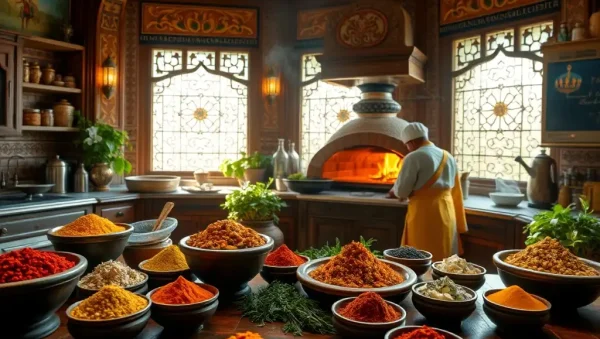
How to Cook Traditional Indian Dishes
The Influence of Ancient India on Modern Indian Cuisine: A Culinary Journey
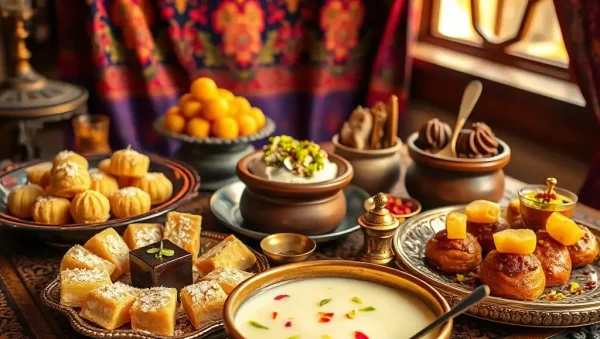
Top Culinary Tours in India
Sweet Indulgence: Culinary Tours Focusing on India's Desserts
Top Culinary Tours in India
A Gourmet Journey: Explore India's Culinary Heritage with These Tours
Indian Cuisine and Culinary Tourism offers an immersive journey through India’s history, culture, and regional food traditions. From the ancient cities of the Indus Valley to the classical age of the Gupta Empire, Indian cuisine reflects centuries of migration, trade, agriculture, religion, and cultural exchange. Exploring Indian food is therefore much more than tasting memorable dishes—it is a way to understand the people, landscapes, rituals, and civilizations that shaped the subcontinent.
This category brings together practical travel inspiration, historical context, and authentic cooking knowledge. Discover the best culinary tours in India, learn about ancient Indian food traditions, and explore step-by-step guidance for cooking traditional Indian dishes at home. Whether you are planning a food-focused trip, researching the origins of Indian cuisine, or looking for regional recipes, these resources connect modern culinary experiences with India’s fascinating ancient past.
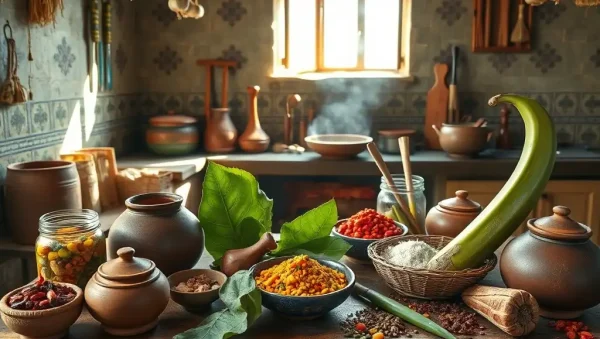
Explore the flavors of spices, grains, pulses, fruits, vegetables, dairy, and aromatic herbs that have defined Indian cooking for thousands of years. You will also find insights into Ayurvedic food principles, temple cuisine, festive meals, royal kitchens, street food, and the regional diversity that makes Indian gastronomy one of the world’s richest culinary traditions.
🍛 Top Culinary Tours in India
Discover unforgettable culinary tours in India that combine local food experiences with history, architecture, and cultural exploration. From spice markets and street-food walks in Delhi to traditional cooking classes in Rajasthan, Kerala, Tamil Nadu, and Uttar Pradesh, this subcategory helps travelers find meaningful ways to experience India through its cuisine.
Readers can expect practical information about regional specialties, food markets, heritage restaurants, home-cooked meals, temple food, tea plantations, spice farms, and guided gastronomic adventures. Each guide highlights authentic Indian food experiences, responsible tourism, seasonal ingredients, and useful planning advice for travelers seeking memorable culinary holidays in India.
🏺 Ancient Indian Food Traditions
Explore the origins and development of ancient Indian food traditions through historical evidence, literary sources, archaeology, religion, and everyday life. This section examines how early Indian communities cultivated grains and pulses, used spices and medicinal herbs, prepared fermented foods, and developed dietary customs influenced by Ayurveda, Hinduism, Buddhism, and Jainism.
Readers will learn how food traditions evolved from the Indus Valley Civilization through the Vedic period and the Gupta Empire. Topics may include ancient cooking methods, traditional utensils, ceremonial meals, royal cuisine, vegetarianism, hospitality, fasting, and the role of food in trade and cultural exchange. These resources provide valuable context for understanding the historical roots of Indian cuisine.
👩🍳 How to Cook Traditional Indian Dishes
Learn how to prepare traditional Indian dishes using approachable instructions, authentic techniques, and readily available ingredients. This subcategory introduces readers to essential methods such as tempering spices, grinding masalas, slow cooking, fermenting batters, preparing flatbreads, and balancing the six traditional tastes described in Indian culinary philosophy.
Expect practical recipes and cooking guidance for regional favorites, including curries, dals, rice dishes, breads, chutneys, pickles, sweets, and vegetarian meals. Each resource emphasizes authentic Indian cooking techniques, ingredient substitutions, spice combinations, serving suggestions, and the cultural history behind the dish, making it useful for beginners and experienced home cooks alike.
❓ Frequently Asked Questions About Indian Cuisine and Culinary Tourism
What makes Indian cuisine historically significant?
Indian cuisine is historically significant because it developed through thousands of years of agriculture, trade, migration, religion, and cultural exchange. Ancient ingredients such as rice, wheat, lentils, sesame, milk, and spices remain central to Indian cooking today.
What are the best destinations for culinary tourism in India?
Popular destinations include Delhi, Mumbai, Jaipur, Lucknow, Kolkata, Varanasi, Goa, Kerala, Hyderabad, Amritsar, and Chennai. Each region offers distinctive food traditions, markets, cooking classes, street-food experiences, and historical influences.
What ancient ingredients are still used in Indian cooking?
Many ingredients associated with ancient Indian food traditions remain common, including rice, wheat, barley, lentils, chickpeas, sesame, mustard, turmeric, ginger, black pepper, cardamom, and cumin. Their use varies according to regional climate, agriculture, and cultural customs.
Can beginners learn to cook traditional Indian dishes?
Yes. Beginners can start with simple recipes such as dal, vegetable curry, jeera rice, roti, chutney, or khichdi. Learning basic techniques such as spice tempering and understanding when to add whole or ground spices makes traditional Indian cooking easier and more authentic.
How can travelers enjoy Indian food responsibly?
Travelers can support local cooks, family-run restaurants, food artisans, farmers, and ethical tour operators. It is also helpful to respect religious dietary customs, ask about ingredients, avoid unnecessary food waste, and choose experiences that benefit local communities.
Related topics