
How to Create a Traditional Indian Thali: A Complete Guide to Indian Platter

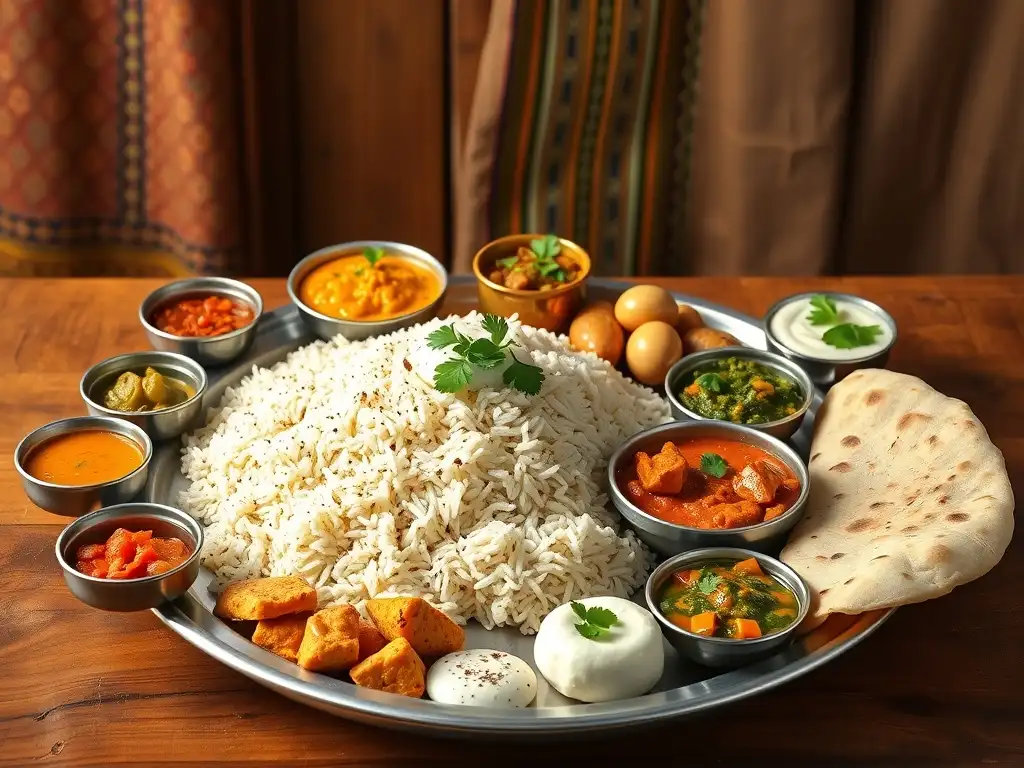
Welcome to Ancient India History, where we embark on an extraordinary journey through the vibrant tapestry of ancient civilizations that shaped India’s legacy. Today, we delve into the rich flavors and cultural significance of the Traditional Indian Thali recipe, a culinary masterpiece that not only tantalizes the taste buds but also tells the story of India's diverse heritage. Get ready to uncover the secrets behind this iconic platter, as we guide you through its fascinating history and the intricate art of creating your own thali. Explore, learn, and immerse yourself in the flavors of a bygone era!
- Introduction to Traditional Indian Thali: A Culinary Journey
- Essential Components of a Traditional Indian Thali
- Step-by-Step Guide to Preparing a Traditional Indian Thali
- Tips for Customizing Your Traditional Indian Thali
- Common Mistakes to Avoid When Preparing a Traditional Indian Thali
- Conclusion: Enjoying the Experience of a Traditional Indian Thali
- Recommended Products for Your Traditional Indian Thali Preparation
- Frequently Asked Questions
- Final Reflection: The Timeless Art of the Traditional Indian Thali
- Savor the Experience: Create Your Own Thali Today!
Introduction to Traditional Indian Thali: A Culinary Journey
The Traditional Indian Thali is more than just a meal; it represents a vibrant tapestry of flavors, regional ingredients, and culinary techniques that have evolved over millennia. Originating from the diverse cultures of ancient India, the thali is a platter that showcases a variety of dishes, each telling its own story.
From the ancient Indus Valley civilization's agricultural practices to the rich traditions of the Gupta Empire, the thali encapsulates the essence of Indian history and culture. This guide aims to explore the intricacies of creating a traditional Indian thali, focusing on its components, historical significance, and the step-by-step Traditional Indian Thali recipe that will allow you to recreate this culinary masterpiece in your own kitchen.
What is a Traditional Indian Thali?
A traditional Indian thali is a complete meal that typically consists of a wide array of dishes served on a single platter. The variety includes:
- Rice: Usually steamed basmati or jeera rice, forming the base of the meal.
- Bread: This can include chapati, naan, or puri, offering a staple to accompany the curries.
- Curries: A mix of vegetarian and/or non-vegetarian options, such as dal (lentils), paneer (cottage cheese), or meat preparations.
- Vegetables: Seasonal vegetables prepared in various styles, often sautéed or curried.
- Salad: Fresh vegetables served raw, providing a refreshing contrast to the cooked dishes.
- Pickles and Chutneys: These add a burst of flavor and spice, enhancing the overall experience.
- Dessert: A sweet dish to conclude the meal, such as gulab jamun or kheer.
Each item on the thali is carefully chosen to provide a balance of taste, texture, and nutrition, making it a wholesome dining experience.
Importance of Thali in Indian Culture and History
The thali holds significant cultural and historical importance in India. It reflects the philosophy of "Atithi Devo Bhava," which means "The guest is God." The concept of serving a variety of dishes on a single platter exemplifies Indian hospitality and the importance of sharing meals with family and friends. Historically, thalis were used in royal feasts and celebrations, showcasing the culinary prowess of the region.
Moreover, different regions in India have their own variations of thalis, influenced by local ingredients, traditions, and rituals. For instance:
- Rajasthani Thali: Known for its rich flavors, often featuring dal baati churma.
- South Indian Thali: Includes items like sambar, rasam, and an array of chutneys.
- Gujarati Thali: Characterized by its sweetness, often featuring dishes like dhokla and thepla.
Thus, the thali serves not only as a meal but as a cultural symbol, embodying the diversity and unity of Indian culinary traditions.
Overview of the Traditional Indian Thali Recipe
Creating a traditional Indian thali involves a harmonious blend of various dishes that cater to different tastes and preferences. Here’s a brief overview of the essential components you will need to prepare a well-rounded thali:
- Main Dishes:
- Dal Tadka: Spiced lentils cooked to perfection.
- Paneer Butter Masala: Creamy paneer dish with rich tomato gravy.
- Accompaniments:
- Jeera Rice: Flavored with cumin seeds.
- Roti/Chapati: Soft flatbreads made from whole wheat flour.
- Vegetables:
- Aloo Gobi: Potato and cauliflower stir-fry.
- Bhindi Masala: Spiced okra sauté.
- Sides and Extras:
- Raita: Yogurt-based side dish with cucumber or boondi.
- Papad: Crispy lentil wafers.
- Dessert:
- Gulab Jamun: Soft, syrup-soaked sweets.
This comprehensive guide will equip you with the knowledge and recipes required to assemble a traditional Indian thali that not only satisfies the palate but also celebrates the rich culinary heritage of India. With each dish, you will embark on a journey through time, savoring the flavors that have been cherished across generations.
Essential Components of a Traditional Indian Thali
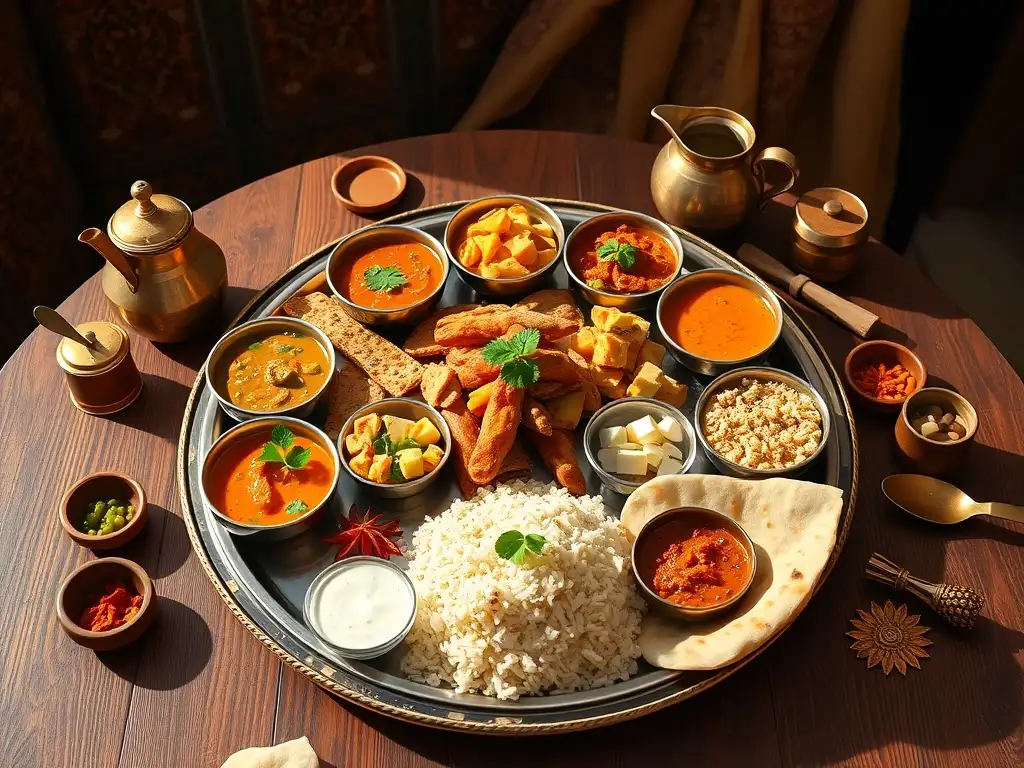
Variety of Dishes: Curries, Breads, and Sides
A traditional Indian thali is a vibrant and diverse array of dishes that represent the culinary richness of India. Each thali is unique, often reflecting regional specialties and seasonal ingredients. The essential components typically include a variety of curries, breads, and sides, creating a balanced meal that is both visually appealing and flavor-packed.
Popular Indian Curry Recipes for Your Thali
- Paneer Butter Masala: A creamy and rich curry made with paneer (Indian cottage cheese) and a blend of aromatic spices. This dish is perfect for those who appreciate a milder flavor profile.
- Chana Masala: A hearty and spicy chickpea curry that is both nutritious and filling. It is often seasoned with a mix of cumin, coriander, and garam masala, making it a staple in many households.
- Dal Tadka: This dish features yellow lentils cooked with tomatoes and seasoned with a tempering of mustard seeds, cumin seeds, and garlic. Dal Tadka is a comforting addition to any thali.
- Vegetable Korma: A medley of seasonal vegetables cooked in a creamy coconut milk or yogurt base, flavored with a blend of traditional spices. Korma adds both color and nutrition to the thali.
- Butter Chicken: A rich and flavorful dish of marinated chicken cooked in a buttery tomato sauce, ideal for those who enjoy a non-vegetarian option in their thali.
Types of Indian Breads to Include in Your Thali
- Roti: A staple unleavened flatbread made from whole wheat flour, perfect for scooping up curries.
- Naan: A soft, leavened bread traditionally baked in a tandoor. It can be plain or stuffed with ingredients like garlic or cheese.
- Paratha: A flaky and layered bread that can be made plain or filled with spiced potatoes, cauliflower, or paneer.
- Poori: Deep-fried bread that puffs up, offering a delightful texture and is often paired with curries or sweet dishes.
Accompaniments: Pickles, Chutneys, and Raita
Accompaniments play a crucial role in enhancing the flavors and providing balance to the dishes on a thali. Pickles, chutneys, and raita add zest, tang, and creaminess, respectively, making every bite a unique experience.
Best Indian Pickles to Enhance Your Thali
- Mango Pickle: This iconic Indian pickle is made with raw mangoes, mustard seeds, and a blend of spices, adding a tangy kick to your thali.
- Lemon Pickle: A zesty and tangy option, often prepared with spices and salt, that complements the richness of curries.
- Mixed Vegetable Pickle: A combination of seasonal vegetables pickled with spices, offering a burst of flavor and crunch.
How to Make Authentic Raita for Your Thali
Raita is a cooling yogurt-based side that balances spicy dishes. Here’s a simple recipe to create authentic cucumber raita:
- Ingredients:
- 1 cup plain yogurt
- 1 medium cucumber, grated
- 1/2 teaspoon roasted cumin powder
- Salt to taste
- Chopped coriander leaves for garnish
- Instructions:
- In a bowl, whisk the yogurt until smooth.
- Add the grated cucumber, roasted cumin powder, and salt. Mix well.
- Garnish with chopped coriander leaves.
- Serve chilled alongside your thali.
Incorporating these essential components and accompanying dishes into your traditional Indian thali will not only showcase the diversity of Indian cuisine but also create a fulfilling dining experience that celebrates the culinary heritage of India.
Dessert Options: Sweet Endings to Your Thali
A traditional Indian thali is not complete without a delectable dessert to round off the meal. These sweet dishes not only provide a delightful finale but also reflect the diverse culinary heritage of India. From rich, creamy textures to light, fruity flavors, the dessert options in a thali can vary widely, offering something for every palate. Here are some popular choices that can elevate your thali experience:
- Gulab Jamun: These small, round dumplings made from khoya (reduced milk) are deep-fried and soaked in a fragrant sugar syrup flavored with cardamom and rose water. Their soft, melt-in-the-mouth texture makes them a favorite among many.
- Ras Malai: This dessert consists of soft paneer (cheese) discs soaked in sweetened milk, often flavored with saffron and garnished with pistachios or almonds. Its creamy consistency and delicate flavors make it a refreshing choice.
- Kheer: A traditional rice pudding, kheer is made by simmering rice in milk and sugar, often enriched with nuts and flavored with cardamom. Variations include semolina or vermicelli kheer, which offer different textures and tastes.
- Ladoo: These round sweets can be made from various ingredients such as besan (gram flour), coconut, or chickpea flour. They are typically sweetened with jaggery or sugar and often flavored with nuts and spices.
Traditional Indian Desserts to Complete Your Thali Experience
To ensure your thali is truly traditional, consider incorporating these classic Indian desserts that not only complement the savory dishes but also provide a sweet contrast. Each of these desserts tells a story of cultural significance and culinary craftsmanship:
- Barfi: A fudge-like sweet made from condensed milk, sugar, and various flavorings like coconut, pistachio, and chocolate. Barfi is often cut into squares or diamonds, making it easy to share.
- Jalebi: This spiral-shaped, deep-fried sweet is soaked in sugar syrup, giving it a crunchy exterior and a juicy interior. It is often enjoyed hot and is a popular street food dessert.
- Peda: These soft, round sweets are primarily made from khoya and flavored with cardamom. They are often garnished with nuts and are a common offering during festivals.
- Sandesh: A Bengali delicacy, sandesh is made from fresh chhena (paneer) and can be flavored with fruits like mango or orange. Its light texture and subtle sweetness make it a perfect end to a hearty meal.
- Soan Papdi: This flaky, sweet confection is made from sugar and gram flour, with a light, airy texture that melts in your mouth. It often contains cardamom and is a popular choice during celebrations.
Including one or more of these traditional desserts in your thali not only enhances the meal's appeal but also provides a glimpse into the rich tapestry of Indian culinary traditions. Each dessert adds a unique flavor profile, creating a well-rounded dining experience that honors the cultural history of India.
Step-by-Step Guide to Preparing a Traditional Indian Thali
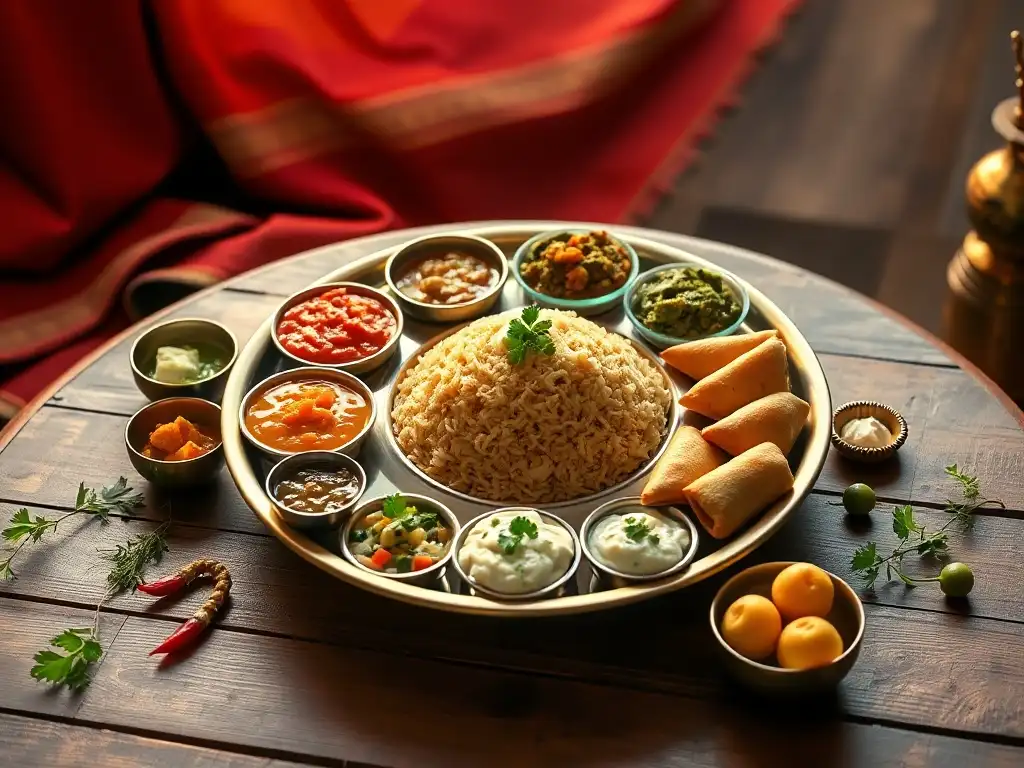
Planning Your Thali: Ingredients and Tools Needed
Creating a traditional Indian thali is a delightful experience, as it showcases a variety of flavors, colors, and textures. To ensure a successful preparation, proper planning is essential.
Must-Have Cooking Tools for Making a Thali
When assembling your traditional Indian thali, certain cooking tools can make the process smoother:
- Kadai (Wok): Ideal for frying and cooking curries.
- Pressure Cooker: Essential for cooking lentils and rice quickly.
- Tawa (Griddle): Perfect for making flatbreads like roti or paratha.
- Serving Bowls: Traditionally, small stainless steel bowls (katori) are used to serve each dish.
- Spoon and Ladle: For stirring and serving.
- Chakla and Belan (Rolling Board and Pin): Necessary for rolling out dough.
Having these tools at hand will streamline your cooking process and enhance the overall presentation of your thali.
Essential Ingredients for a Traditional Indian Thali Recipe
A traditional Indian thali consists of a variety of dishes. Here’s a list of essential ingredients you’ll need:
- For Paneer Butter Masala:
- Paneer (Indian cottage cheese)
- Butter
- Tomatoes
- Cream
- Spices (cumin, coriander, garam masala)
- For Dal Tadka:
- Yellow lentils (toor dal or moong dal)
- Onions
- Tomatoes
- Garlic and ginger
- Green chilies
- Spices (mustard seeds, cumin seeds, turmeric)
- For Roti:
- Whole wheat flour
- Water
- Salt
- For Rice:
- Basmati rice
- Water
- Bay leaves (optional)
- Accompaniments:
- Pickles
- Raita (yogurt with spices)
- Salad (cucumber, carrot, onion)
With these ingredients, you can create a vibrant and authentic thali that represents the heart of Indian cuisine.
Cooking the Main Dishes for Your Thali
Once you have your ingredients and tools ready, it's time to dive into cooking the main dishes that form the foundation of your traditional Indian thali.
How to Prepare Paneer Butter Masala: A Thali Favorite
Paneer Butter Masala is a creamy, rich dish that is a staple in many Indian thalis. Here’s how to prepare it:
- Preparation:
- Cut paneer into cubes and lightly fry in a pan until golden brown. Set aside.
- In the same pan, add butter and let it melt.
- Making the Gravy:
- Add finely chopped onions and sauté until golden.
- Incorporate chopped tomatoes and cook until soft.
- Blend this mixture into a smooth paste using a blender.
- Cooking the Dish:
- Return the paste to the pan, add cream, and let it simmer.
- Season with spices like garam masala, cumin powder, and salt.
- Finally, add the fried paneer and cook for a few more minutes.
- Garnish:
- Finish with a drizzle of cream and chopped coriander leaves.
This dish pairs well with naan or rice, making it a favored choice for a traditional Indian thali.
Cooking Dal Tadka: The Heart of Indian Cuisine
Dal Tadka is often referred to as the heart of Indian cuisine due to its comforting and nutritious qualities. Here’s how to prepare it:
- Cooking the Lentils:
- Rinse your lentils thoroughly and cook them in a pressure cooker with water and turmeric until soft (approximately 3-4 whistles).
- Preparing the Tadka:
- In a separate pan, heat oil or ghee.
- Add mustard seeds and cumin seeds, allowing them to splutter.
- Incorporate chopped onions, garlic, and ginger, and sauté until the onions turn translucent.
- Add chopped tomatoes and green chilies, cooking until the tomatoes are mushy.
- Combining the Flavors:
- Pour the cooked lentils into the tadka mixture and mix well.
- Simmer for a few minutes to allow the flavors to meld together.
- Final Touch:
- Garnish with fresh coriander leaves and a squeeze of lemon juice before serving.
This dish is not only nutritious but also adds a homely touch to your thali, embodying the essence of Indian dining.
With these main dishes ready, you can now assemble your thali, ensuring that each component complements the others for a delightful culinary experience!
Preparing Accompaniments and Sides
A traditional Indian thali is incomplete without a variety of accompaniments and sides that enhance the flavors of the main dishes. These accompaniments not only provide a burst of flavor but also add color and texture to the platter. The most common accompaniments include chutneys, pickles, raita (yogurt-based dish), and bread like naan or roti. Each of these components plays a crucial role in balancing the meal and offering a diverse taste experience.
Simple Recipes for Homemade Chutneys
Chutneys are a staple in Indian cuisine, adding freshness and zest to meals. Here are a couple of simple recipes for homemade chutneys that can greatly elevate your thali:
- Mint Chutney:
- Ingredients:
- 1 cup fresh mint leaves
- 1/2 cup fresh coriander leaves
- 1 green chili (adjust to taste)
- 1 tablespoon lemon juice
- Salt to taste
- Instructions:
- In a blender, combine mint leaves, coriander leaves, green chili, lemon juice, and salt.
- Blend until smooth, adding a little water if necessary.
- Adjust seasoning as needed. Serve fresh.
- Ingredients:
- Tamarind Chutney:
- Ingredients:
- 1/2 cup tamarind pulp
- 1/2 cup jaggery (or sugar)
- 1 teaspoon cumin powder
- 1/2 teaspoon red chili powder
- Salt to taste
- Instructions:
- Mix tamarind pulp, jaggery, cumin powder, red chili powder, and salt in a saucepan.
- Cook over medium heat until the jaggery dissolves and the mixture thickens slightly.
- Allow to cool and serve.
- Ingredients:
These chutneys can be stored in the refrigerator for several days, making them perfect for preparing ahead of time.
How to Make Soft and Fluffy Naan or Roti
Naan and roti are types of Indian flatbreads that complement the dishes in a thali beautifully. Here’s how to make them:
- For Naan:
- Ingredients:
- 2 cups all-purpose flour
- 1/2 cup yogurt
- 1 teaspoon baking powder
- 1/2 teaspoon salt
- Water (as needed)
- Butter or ghee (for brushing)
- Instructions:
- In a bowl, combine flour, baking powder, and salt.
- Add yogurt and mix well. Gradually add water to form a soft dough.
- Cover and let it rest for at least 1 hour.
- Divide the dough into balls. Roll each ball into an oval shape.
- Cook on a hot skillet until bubbles form, then flip and cook the other side. Brush with butter or ghee.
- Ingredients:
- For Roti:
- Ingredients:
- 2 cups whole wheat flour
- Water (as needed)
- Salt (optional)
- Instructions:
- In a bowl, mix flour and salt. Gradually add water to form a soft dough.
- Divide into small balls and roll each into a thin circle.
- Cook on a hot skillet until golden brown on both sides, puffing up as it cooks.
- Ingredients:
Both naan and roti provide a delicious and satisfying base for the various dishes served in a traditional thali.
Final Touches: Plating Your Traditional Indian Thali
The presentation of a thali is just as important as its preparation. A well-plated thali not only looks appealing but also enhances the overall dining experience. Here are some steps and tips for creating an attractive traditional Indian thali.
Tips for an Attractive Thali Presentation
- Use a Round Platter: A traditional thali is typically served on a round platter, which allows for a harmonious arrangement of dishes.
- Color Coordination: Incorporate a variety of colors in your dishes. Use vibrant vegetables, rich curries, and colorful chutneys to make the thali visually appealing.
- Portion Control: Serve small portions of each dish to allow guests to taste everything without feeling overwhelmed.
- Garnishing: Use fresh herbs like coriander or mint for garnishing the dishes. A sprinkle of red chili powder or a few slices of lemon can add a beautiful touch.
- Arrange Thoughtfully: Place the main dish in the center, with accompaniments like chutneys and raita around it. Ensure that each item is easy to access and visually distinct.
- Use Traditional Serveware: If possible, use traditional Indian serveware such as copper or stainless steel bowls and utensils, which add to the authenticity of the meal.
By following these tips, you can create a stunning thali that is not only a feast for the palate but also a delight for the eyes! 🍽️
Tips for Customizing Your Traditional Indian Thali
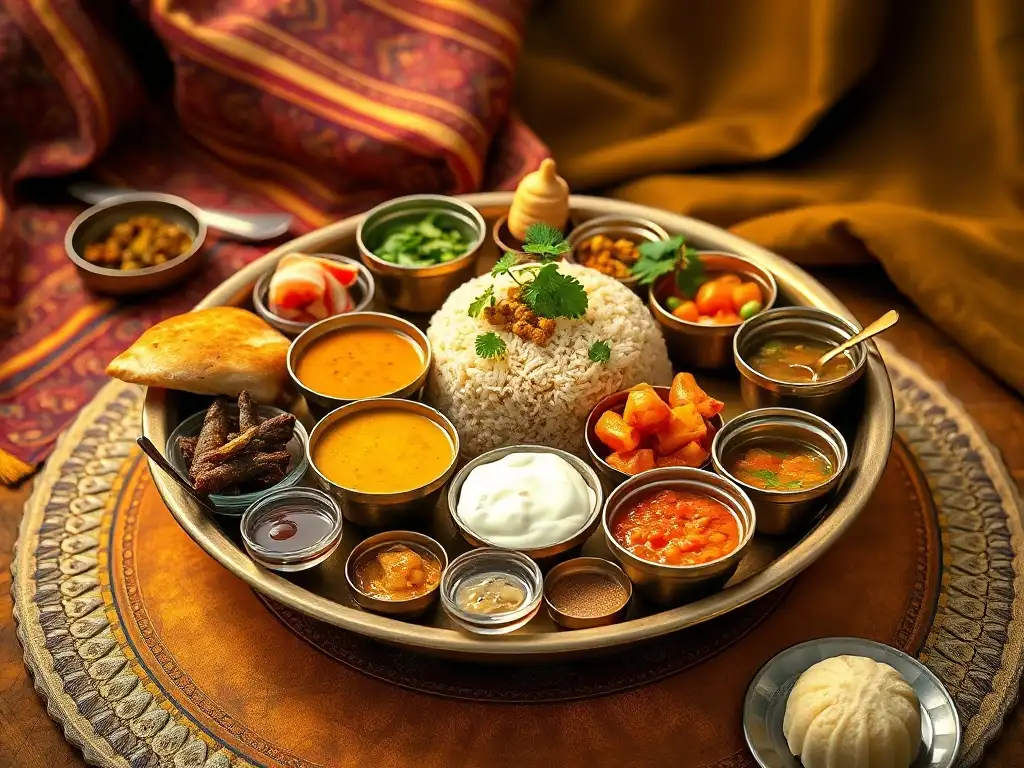
Creating a traditional Indian thali is not just about the food; it’s also about personalizing the experience to reflect your tastes and cultural influences. Here are some essential tips for customizing your thali:
- Balance of Flavors: Aim for a balance of flavors in your thali. Include sweet, salty, spicy, and tangy dishes to create a harmonious meal.
- Portion Control: Serve smaller portions of each dish to allow for a variety of items without overwhelming the diner. This encourages tasting and enjoying all components.
- Colorful Presentation: Use a variety of colors to make your thali visually appealing. Bright greens, vibrant reds, and earthy browns can enhance the meal’s aesthetic.
- Seasonal Ingredients: Incorporate seasonal vegetables and fruits to ensure freshness and enhance flavor. This also adds a local touch to your thali.
- Customization for Dietary Preferences: Consider dietary restrictions by offering a mix of vegetarian and non-vegetarian options, as well as gluten-free or vegan alternatives.
Vegetarian vs. Non-Vegetarian Thali Options
When planning your traditional Indian thali, deciding between vegetarian and non-vegetarian options can influence its overall appeal.
Vegetarian Thali
- Common Dishes:
- Dal: A staple in most Indian meals, lentils can be seasoned in various ways, such as with garlic or curry leaves.
- Sabzi: Choose seasonal vegetables like Bhindi (Okra) or Aloo Gobi (Potatoes and Cauliflower).
- Raita: A cooling yogurt-based side that can include cucumber or mint.
- Rice: Accompany with plain steamed rice or flavored rice like Jeera Rice (Cumin Rice).
Non-Vegetarian Thali
- Common Dishes:
- Chicken Curry or Fish Masala: Choose a popular dish from regional cuisines, such as Butter Chicken or Goan Fish Curry.
- Egg Dishes: Include hard-boiled eggs or a spicy egg curry.
- Accompaniments: Pair with Raita and Mixed Pickles for an added zing.
- Rice or Breads: Offer both steamed rice and Indian bread like Naan or Roti.
Regional Variations of Indian Thali
India's diverse cultures and traditions influence various thali styles, showcasing regional specialties and cooking techniques.
Exploring South Indian Thali Recipes
The South Indian thali is renowned for its unique flavors and components. Key elements include:
- Sambar: A lentil-based vegetable stew, rich in spices and tamarind.
- Rasam: A tangy soup made from tamarind juice, tomatoes, and spices, served hot.
- Rice: Steamed rice is a staple, often accompanied by a dollop of ghee.
- Side Dishes: Include Poriyal (stir-fried vegetables) and Kootu (vegetable and lentil dish).
- Dessert: Serve Payasam, a sweet rice or lentil pudding flavored with cardamom.
North Indian Thali Highlights
North Indian thalis are characterized by their rich gravies and a variety of breads. Here are some highlights:
- Dal Makhani: A creamy black lentil dish that is rich and flavorful.
- Paneer Dishes: Options like Paneer Butter Masala or Palak Paneer (spinach with cottage cheese).
- Breads: Offer a selection of breads, including Naan, Roti, and Paratha.
- Salad: A simple cucumber and onion salad to refresh the palate.
- Sweet Treats: Conclude with a small serving of Gulab Jamun or Jalebi for a sweet finish.
By customizing your traditional Indian thali with these tips and regional variations, you can create a memorable dining experience that showcases the rich culinary heritage of India.
Common Mistakes to Avoid When Preparing a Traditional Indian Thali
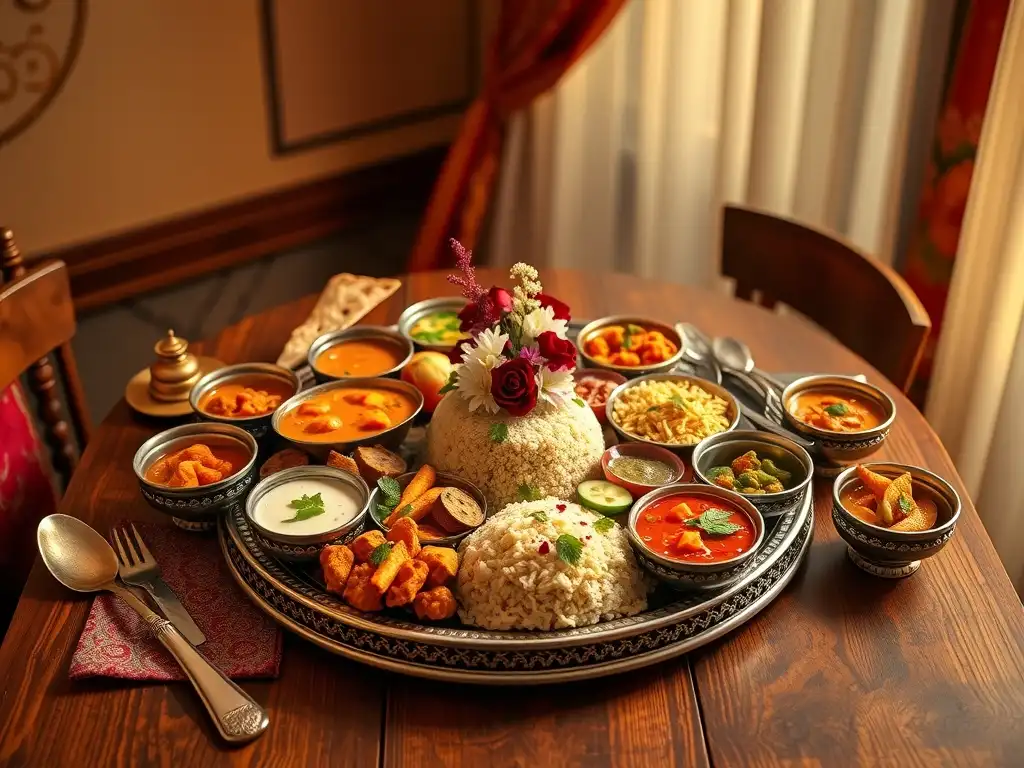
Creating a traditional Indian thali is an art that reflects the rich culinary heritage of India. However, many home cooks make common mistakes that can detract from the authenticity and enjoyment of this beautiful platter. In this section, we will highlight some of these pitfalls and offer guidance on how to navigate them for a truly delightful experience.
Overcomplicating Your Thali: Less is More
One of the most frequent errors when preparing a traditional Indian thali is attempting to include too many dishes. A thali is meant to be a harmonious representation of flavors, textures, and colors, and overloading it can lead to a confusing dining experience. Here are some key points to keep in mind:
- Focus on Balance: Instead of trying to include every possible dish, select a few that complement each other. A typical thali might consist of:
- One or two curries (vegetarian or non-vegetarian)
- A lentil dish (dal)
- A vegetable side (sabzi)
- A carbohydrate (rice or roti)
- Accompaniments (pickles and yogurt)
- Diverse Textures: Aim for a mix of textures to enhance the eating experience. For example, combining a creamy dal with a crunchy vegetable dish creates a pleasing contrast.
- Color Coordination: A visually appealing thali is not just about taste; it’s also about aesthetics. Use a variety of colors from vegetables and garnishes to make the platter inviting.
- Serving Size: Keep portions moderate to allow for sampling multiple items without overwhelming the palate. A well-prepared thali is about enjoying each component, not just filling up the plate.
By prioritizing quality over quantity, you can create a thali that is both satisfying and memorable.
Skipping Key Ingredients: The Importance of Authentic Flavors
Another significant mistake is neglecting essential ingredients that contribute to the authentic taste of a traditional Indian thali. Authentic flavors are crucial in ensuring that your thali resonates with the traditional Indian culinary ethos. Consider the following:
- Spices Matter: The right spices are fundamental in Indian cooking. Freshly ground spices can elevate your dishes significantly. For example, using:
- Cumin: Adds warmth and depth.
- Turmeric: Provides color and earthiness.
- Garam Masala: Adds a complex flavor profile.
- Regional Ingredients: Different regions of India have unique ingredients that define their cuisine. Research and include regional specialties where possible. For instance:
- Coconut in South Indian dishes.
- Paneer in North Indian preparations.
- Quality Over Quantity: Using high-quality ingredients, like organic vegetables and fresh herbs, can significantly enhance the flavor of your thali. Don't compromise on the freshness of key components like cilantro, green chilies, and garlic.
- Tradition in Recipes: Stick to traditional recipes and methods for preparing dishes. Each recipe carries the essence of its origin, and altering key steps can lead to a loss of authenticity.
By focusing on authentic flavors and essential ingredients, you ensure that your traditional Indian thali is a true representation of India's rich culinary diversity. Remember, each dish tells a story, and together they create a memorable dining experience.
Conclusion: Enjoying the Experience of a Traditional Indian Thali
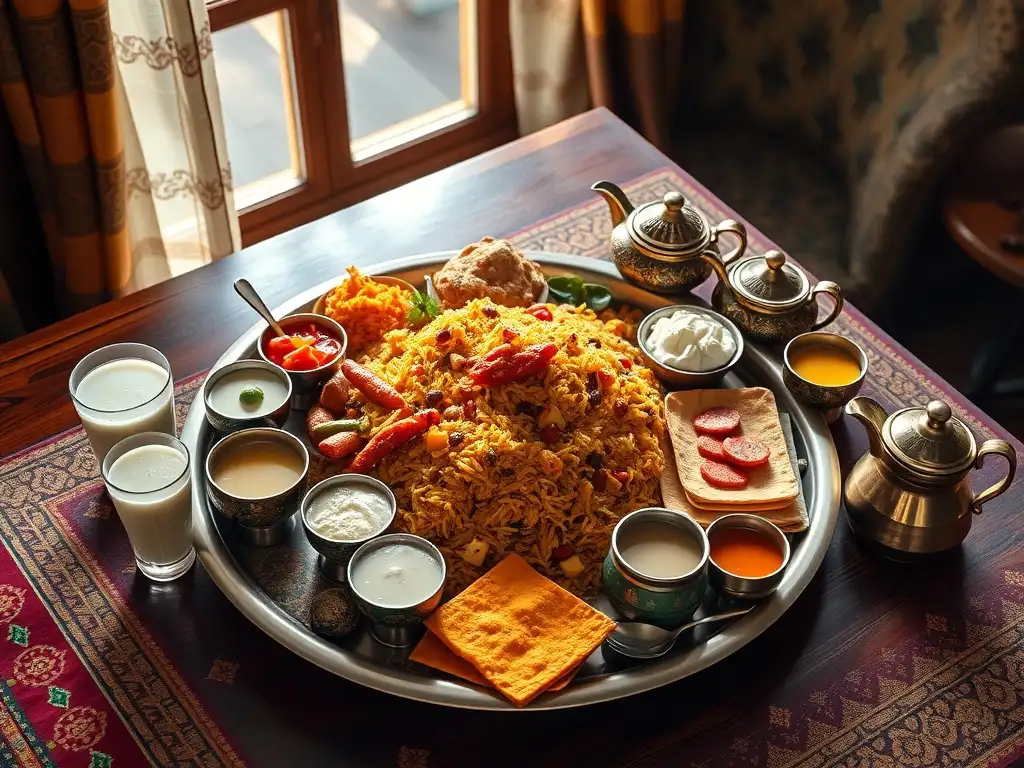
The experience of enjoying a traditional Indian thali goes beyond just the food; it encapsulates a rich cultural heritage and the essence of Indian hospitality. A thali is not merely a meal; it is a vibrant representation of the diverse regional cuisines of India, bringing together an array of flavors, textures, and colors on a single plate.
One of the most significant aspects of a traditional Indian thali is its role in fostering community and togetherness. The act of sharing a thali reflects the Indian ethos of unity and familial bonds. When dining on a thali, diners often share dishes, creating a communal experience that encourages conversation and connection. This practice can be traced back to ancient customs where meals were a central part of social gatherings.
- Cultural Significance:
- In many Indian households, meals are a time for family members to come together, discuss their day, and strengthen relationships.
- Special occasions, festivals, and celebrations often feature an elaborate thali, highlighting the importance of food in cultural traditions.
- Variety on a Single Plate:
- A typical thali may include several components such as:
- Main Dishes: Rice, roti, or paratha
- Curries: A variety of vegetable and lentil dishes
- Side Dishes: Pickles, yogurt (raita), and chutneys
- Desserts: Sweets like gulab jamun or kheer
- This variety allows individuals to sample different flavors and combinations, making the meal an adventurous and enjoyable experience.
- A typical thali may include several components such as:
Exploring Culinary Tourism Through Traditional Indian Cuisine
Culinary tourism is becoming increasingly popular, with travelers seeking authentic food experiences as part of their journeys. Traditional Indian thalis are a significant draw for food enthusiasts and tourists alike, offering a gateway to explore India's rich culinary heritage.
- Experiential Learning:
- Many culinary tours in India offer hands-on cooking classes where participants can learn to prepare a traditional thali, deepening their understanding of regional ingredients and cooking techniques.
- Such experiences allow tourists to connect with local chefs and families, gaining insights into the history and stories behind various dishes.
- Regional Variations:
- Each region in India boasts its unique take on the thali, influenced by local ingredients, climatic conditions, and historical factors. For instance:
- Punjabi Thali: Rich in dairy and meat dishes, often featuring butter chicken and lassi.
- Gujarati Thali: Known for its vegetarian offerings, including sweet and savory elements, served with a variety of dals and rotis.
- South Indian Thali: Typically includes rice, sambar, rasam, and a range of coconut-based dishes.
- Each region in India boasts its unique take on the thali, influenced by local ingredients, climatic conditions, and historical factors. For instance:
- Sustainable Tourism:
- Engaging in culinary tourism through traditional thali experiences promotes sustainable practices by supporting local farmers and artisans.
- Tourists are encouraged to appreciate the cultural significance of food, leading to greater respect for local traditions and practices.
A traditional Indian thali is not just a meal but a delightful exploration of culture, community, and history. Whether shared with family or experienced during travel, it offers a unique insight into the heart of Indian culinary traditions. Embracing this rich legacy allows individuals to savor not only the flavors but also the stories and connections that make the experience truly memorable.
Recommended Products for Your Traditional Indian Thali Preparation
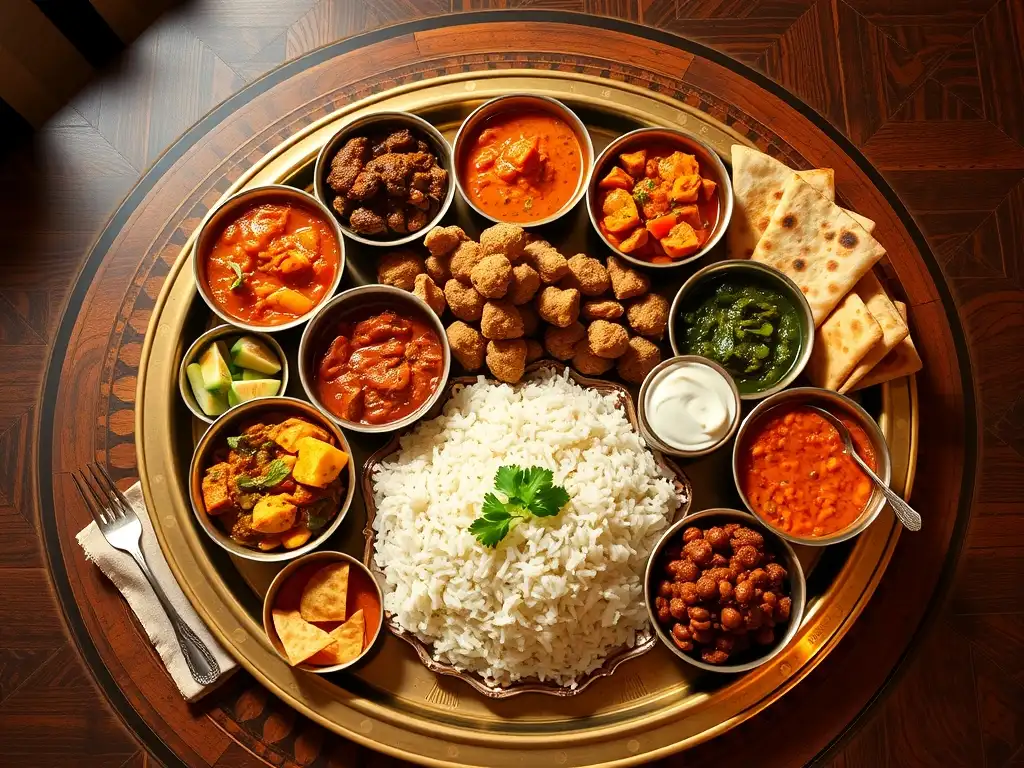
Creating a traditional Indian thali requires not just skill but also the right products that enhance the authenticity of the dishes. Below, we delve into essential cookware and must-have spices that will elevate your culinary experience.
Essential Cookware for Authentic Indian Cooking
Cooking an authentic Indian thali involves various techniques, each necessitating specific cookware. Here are some of the essential items you'll need:
- Kadhai (Wok): A versatile deep pan used for frying, sautéing, and preparing curries. Its rounded shape ensures even cooking.
- Tawa (Griddle): Ideal for making flatbreads such as roti and paratha. A cast-iron tawa retains heat well and provides a perfect cooking surface.
- Pressure Cooker: A staple in Indian kitchens, it significantly reduces cooking time for lentils, beans, and vegetables, ensuring they are tender and flavorful.
- Serving Bowls: Traditionally, a thali is served in stainless steel or copper bowls, which not only enhance the presentation but also maintain the temperature of the food.
- Mortar and Pestle: Useful for grinding spices and making pastes, a traditional stone mortar and pestle can add authenticity to your cooking process.
Top Brands for Indian Cookware
When selecting cookware, consider these reputable brands known for their high-quality products:
| Brand | Specialty | Website |
|---|---|---|
| Prestige | Pressure cookers | www.prestige.in |
| Hawkins | Pressure cookers and pans | www.hawkins.in |
| Nirlep | Non-stick cookware | www.nirlep.com |
| Pigeon | Kitchen essentials | www.pigeon.in |
| Borosil | Glass cookware | www.borosil.com |
Having the right cookware is crucial for ensuring that your traditional Indian thali is prepared with the authentic flavors and textures that reflect India's culinary heritage.
Must-Have Spices for Traditional Indian Dishes
Spices are the heart of Indian cuisine, and a traditional thali would be incomplete without a variety of them. Here’s a list of must-have spices that you should stock up on:
- Turmeric (Haldi): Known for its vibrant yellow color and earthy flavor, turmeric is a key ingredient in many Indian dishes.
- Cumin (Jeera): Adds a warm, earthy flavor; can be used in both whole and ground forms.
- Coriander (Dhania): Often used in powder form, it contributes a citrusy flavor and is a staple in curries and chutneys.
- Garam Masala: A blend of various spices, it adds depth and warmth to dishes; each region has its unique blend.
- Mustard Seeds (Rai): Used for tempering, they impart a tangy flavor and aroma when fried.
Best Sources for Quality Indian Spices Online
To ensure that you are using the best spices for your thali, consider purchasing from these reputable online sources:
| Source | Specialty | Website |
|---|---|---|
| Spice Route | Authentic Indian spices | www.spiceroute.com |
| iSpice | Organic and natural spices | www.ispice.in |
| Patanjali | Ayurvedic and traditional spices | www.patanjaliayurved.net |
| Amazon | Wide variety of spices | www.amazon.in |
| Flipkart | Affordable spices | www.flipkart.com |
Investing in quality spices not only enhances the flavor of your dishes but also ensures that your traditional Indian thali reflects the rich culinary heritage of India.
Frequently Asked Questions
What is a Traditional Indian Thali?
A Traditional Indian Thali is a platter that showcases a variety of dishes from different regions of India, typically served together for a balanced meal.
What are the key components of a Traditional Indian Thali?
The key components usually include rice, dal (lentils), a variety of vegetable curries, pickles, yogurt, and a sweet dish, offering a mix of flavors and textures.
How do I prepare a Traditional Indian Thali?
To prepare a Traditional Indian Thali, choose a selection of dishes, cook them according to their recipes, and arrange them aesthetically on a platter for serving.
Can I customize my Thali?
Yes, you can customize your Thali based on your personal preferences or dietary requirements, incorporating regional specialties or seasonal ingredients.
What is the significance of a Thali in Indian culture?
A Thali represents hospitality and the diversity of Indian cuisine, often enjoyed during festivals, family gatherings, and celebrations, symbolizing the richness of Indian heritage.
Final Reflection: The Timeless Art of the Traditional Indian Thali
The essence of a Traditional Indian Thali transcends mere sustenance; it is a vibrant tapestry of culture, history, and community. In today's fast-paced world, where convenience often overshadows tradition, the Thali serves as a reminder of the rich culinary heritage that binds families and friends together. As we explore the intricate layers of flavors and textures that define this iconic platter, we are reminded of its enduring relevance in fostering connection and celebration.
Creating a Traditional Indian Thali is not just about the food; it is a celebration of the diverse cultures and regions of India. Each dish tells a story, reflecting the local ingredients, customs, and traditions that have been passed down through generations. The Thali invites us to appreciate the beauty of sharing a meal, as it brings people together around a common table. Food is not just what we eat; it is a way of connecting with our roots and with each other.
This ongoing influence of the Thali in our social landscape highlights its role as a cultural ambassador, bridging gaps and fostering understanding among diverse communities.
As you embark on your journey to create your own Traditional Indian Thali, I invite you to reflect on the deeper significance of this culinary art. Consider how each ingredient and dish can represent not only flavors but also memories, traditions, and connections. Embrace the opportunity to share this experience with loved ones, allowing the Thali to become a centerpiece of your gatherings. By doing so, you not only honor the rich legacy of Indian cuisine but also create new memories that will be cherished for years to come.
Savor the Experience: Create Your Own Thali Today!
Thank you for diving into our complete guide on crafting a traditional Indian thali! We hope you’ve discovered the bursts of flavors and cultural richness that make this platter a delightful experience. Now, it’s time to take that knowledge and bring it to life in your own kitchen.
Are you ready to impress your family and friends with your culinary skills? Here are some impactful steps to get started:
- Gather Your Ingredients: Begin by collecting fresh ingredients for the dishes you want to include in your thali, ranging from vibrant curries to fragrant rice.
- Dive into Cooking: Prepare at least one traditional recipe you’ve learned about, and don’t hesitate to experiment with flavors!
- Share Your Creation: Once you’ve assembled your beautiful thali, take a picture and share it with us and your friends on social media—let’s spread the joy of Indian cuisine!
Which dish are you most excited to create for your unique thali? We can’t wait to hear your thoughts!