
The Art of Advocacy in Ancient Indian Courts: Techniques and Strategies

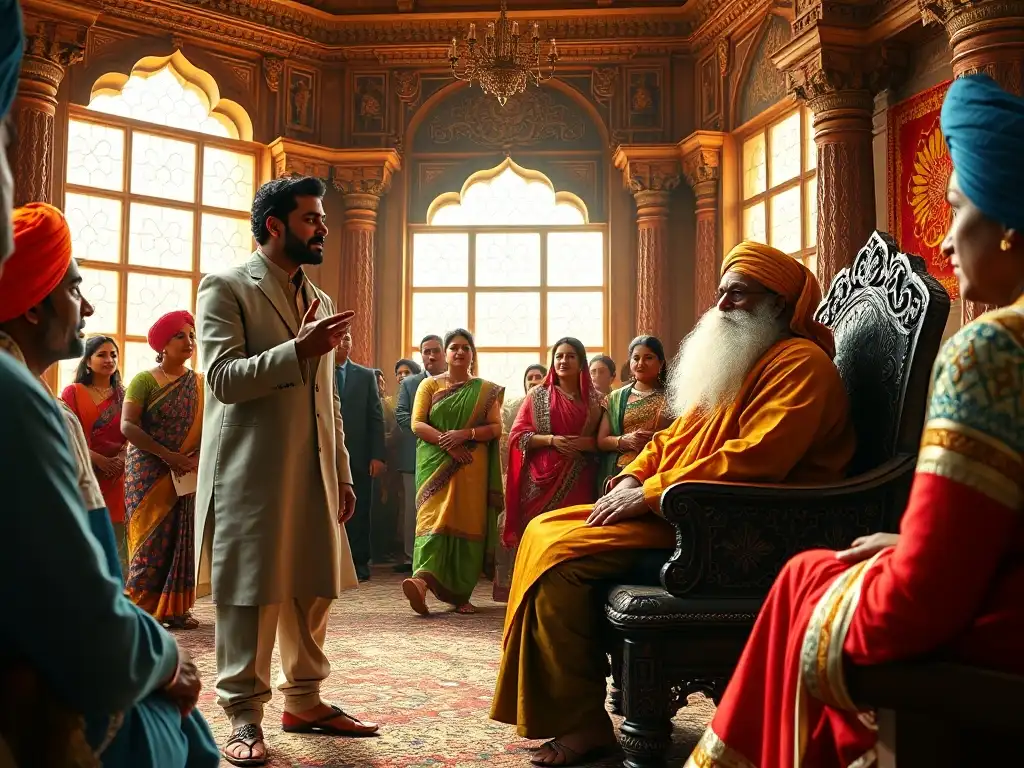
Welcome to Ancient India History, where we delve deep into the captivating tapestry of India's past! Here, we explore the rich and diverse narratives that shaped ancient civilizations, from the ingenious architects of the Indus Valley to the intellectual giants of the Gupta Empire. In our featured article, The Art of Advocacy in Ancient Indian Courts: Techniques and Strategies, we unravel the intricate ancient Indian advocacy techniques that defined legal discourse in a time long forgotten.
Get ready to embark on a journey that not only informs but also ignites your curiosity about the profound legal frameworks that laid the foundation for modern systems. Dive in and discover the timeless wisdom that continues to resonate today!
Introduction to Ancient Indian Advocacy Techniques
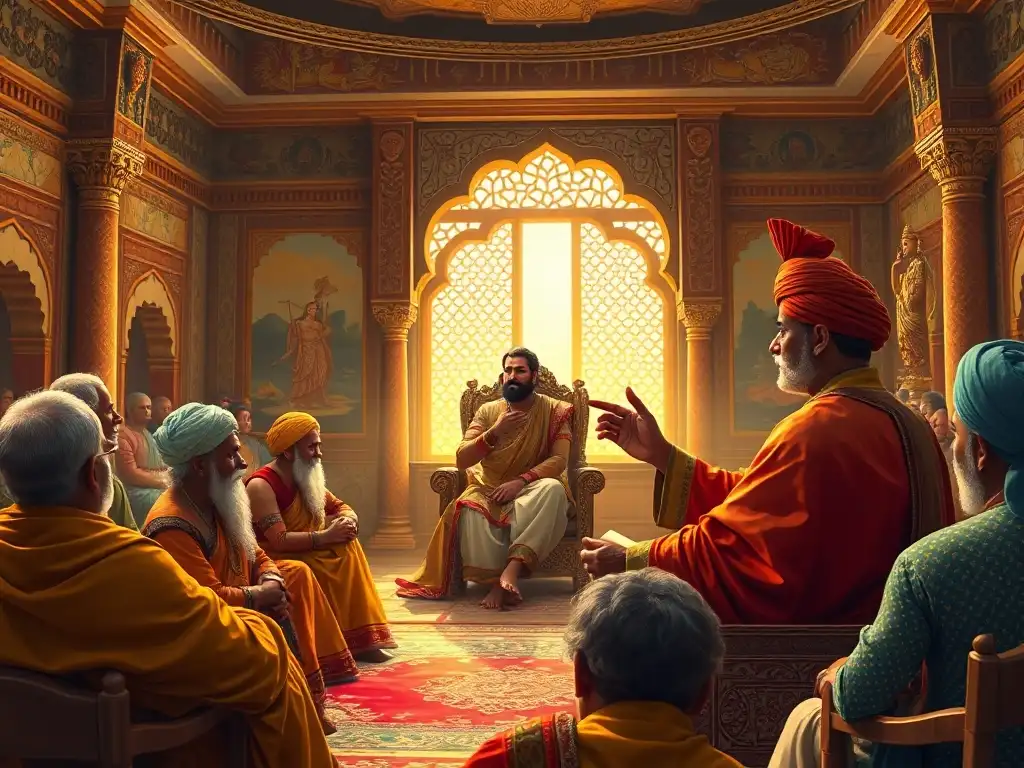
The art of advocacy in ancient Indian courts is a fascinating subject that reveals the sophisticated legal and rhetorical practices that flourished in the Indian subcontinent. From the time of the Indus Valley Civilization through to the Gupta Empire, various legal systems and courts evolved, each contributing unique techniques and strategies to the realm of advocacy. This article delves into the intricacies of ancient Indian advocacy techniques, highlighting how these methods were not only instrumental in legal proceedings but also reflected the broader cultural and philosophical underpinnings of ancient Indian society.
Understanding ancient Indian advocacy requires an exploration of the historical context and the evolution of legal systems that shaped these practices. Advocates in ancient India employed a blend of oratory skills, legal knowledge, and ethical considerations to navigate the complexities of their time. As we explore this rich tapestry, we will uncover the prominent figures who played pivotal roles in developing and practicing these advocacy techniques, emphasizing how their contributions continue to influence modern legal frameworks.
Historical Context of Advocacy in Ancient Indian Courts
The historical landscape of ancient India provides a backdrop against which advocacy techniques can be understood. Legal practices were deeply intertwined with the prevailing social, political, and religious norms of the time. The evolution of advocacy was not merely a function of legal reforms but was also influenced by philosophical doctrines and cultural narratives that permeated society.
The Evolution of Legal Systems in Ancient India
Ancient Indian legal systems evolved significantly over centuries. Initially, indigenous practices governed disputes, where local customs and community elders played crucial roles. However, as societies grew more complex, formalization of legal codes became necessary.
- Vedic Period: The earliest legal practices can be traced back to the Vedic texts, which contained principles of dharma (moral law) and justice. Rhetorical skills were paramount as disputes were often settled through persuasive arguments anchored in religious and philosophical contexts.
- Mauryan Empire: The establishment of centralized governance under the Mauryan Empire brought about more structured legal systems. The Arthashastra, authored by Kautilya (Chanakya), emphasized strategic argumentation and the importance of advocacy in court proceedings.
- Gupta Empire: During the Gupta period, legal practices became increasingly codified. The Manusmriti, a significant legal text, outlined not only laws but also the ethical conduct expected from advocates, reinforcing the moral dimensions of advocacy.
Prominent Figures in Ancient Indian Law
The landscape of ancient Indian advocacy was populated by notable figures who exemplified the techniques and strategies of their time. These individuals not only practiced law but also contributed to its evolution through their writings and teachings.
- Kautilya (Chanakya): Often regarded as the father of political science and economics in India, Kautilya's writings in the Arthashastra provide insights into the strategic nuances of advocacy. His emphasis on intelligence, persuasion, and understanding human psychology laid a foundation for effective advocacy.
- Manu: The author of the Manusmriti, Manu's treatise on law encompassed various aspects of governance and legal practices. His ideas on the ethical responsibilities of advocates highlight the moral framework within which ancient Indian advocacy operated.
- Judges and Elders: Local judges and community elders played a vital role in dispute resolution. Their wisdom, experience, and ability to mediate were crucial in advocating for justice, often using oral traditions to influence outcomes.
The art of advocacy in ancient Indian courts is a reflection of the intricate interplay between law, culture, and ethics. Through understanding the historical context and the prominent figures who shaped these practices, we gain valuable insights into the techniques that defined ancient Indian advocacy.
Core Techniques of Advocacy in Ancient Indian Courts
In ancient Indian courts, advocacy was a highly refined practice that incorporated a variety of techniques aimed at effectively representing clients. Central to these techniques were rhetoric, persuasion, and a deep understanding of legal principles. Advocates employed these methods not only to argue their cases but also to navigate the complexities of ancient legal systems, which were often influenced by philosophical and cultural elements.
The advocates often relied on oral traditions, emphasizing the importance of eloquence and clarity in their presentations. They would prepare meticulously, understanding the nuances of the law as well as the socio-political context surrounding each case. This preparation allowed advocates to anticipate counterarguments and develop robust strategies tailored to the specific circumstances of each case.
Moreover, the role of the advocate extended beyond mere representation; they were often seen as advisors and mediators, guiding their clients through legal processes and helping to resolve disputes amicably whenever possible. This multi-faceted approach to advocacy not only showcased their skills but also highlighted the importance of ethics and integrity within the legal profession of ancient India.
Rhetorical Techniques Used by Advocates
Rhetoric played a pivotal role in ancient Indian advocacy, with advocates employing various strategies to effectively communicate their arguments. One key technique was the use of anecdotes and parables, which served to simplify complex legal principles and resonate with the emotions of the audience. By illustrating their points through relatable stories, advocates could foster a deeper connection with judges and jurors.
Additionally, analogies were frequently used to draw comparisons between the current case and past legal precedents or moral lessons. This technique not only reinforced their arguments but also helped to establish a framework within which judges could understand the significance of the case at hand.
Another important rhetorical device was pathos, ethos, and logos, derived from classical rhetoric. Advocates aimed to appeal to the emotions of the audience (pathos), establish their credibility (ethos), and present logical arguments (logos). By balancing these three elements, they could create compelling narratives that were persuasive and impactful.
Persuasion and Negotiation Strategies
In ancient Indian courts, successful advocates were not just skilled orators; they were also adept negotiators. Persuasion was often achieved through a combination of empathy and strategic communication. Advocates were trained to understand the motivations and emotions of the opposing party, allowing them to tailor their arguments to address these concerns directly.
Negotiation strategies often included the use of compromise and settlement offers, which were designed to resolve disputes amicably without prolonged litigation. Advocates emphasized the benefits of cooperation and mutual agreement, often utilizing the principle of dharma (righteousness) to appeal to the moral sensibilities of their opponents and the court.
Furthermore, the practice of listening was essential. By actively listening to the concerns of the opposing party, advocates could identify opportunities for resolution and propose solutions that satisfied both sides, thereby fostering goodwill and reducing animosity.
Strategies for Effective Case Presentation
The presentation of a case in ancient Indian courts required careful planning and execution. Advocates employed several strategies to ensure their arguments were both compelling and comprehensible.
Structuring Legal Arguments
A well-structured argument was fundamental to effective advocacy in ancient Indian courts. Advocates typically followed a clear framework that included:
- Introduction: Presenting the case and outlining the main issues at hand.
- Statement of Facts: Providing a concise summary of relevant facts that support the case.
- Legal Principles: Citing applicable laws and precedents that strengthen their position.
- Argumentation: Methodically presenting their arguments, often through logical reasoning and rhetorical techniques discussed earlier.
- Conclusion: Summarizing their key points and making a strong case for the desired outcome.
This structured approach not only enhanced clarity but also facilitated easier comprehension for judges and jurors, making it more likely for them to favor the advocate's position.
Use of Evidence and Testimony
The effective use of evidence and testimony was crucial in ancient Indian advocacy. Advocates were skilled in gathering and presenting evidence that supported their claims, which included documents, witness statements, and tangible items relevant to the case.
Witness testimony was particularly valuable. Advocates would often coach witnesses on how to present their accounts clearly and convincingly. They understood that the credibility of a witness could significantly influence a case's outcome. Moreover, the strategic use of expert witnesses—individuals with specialized knowledge—was employed to bolster arguments and provide authoritative insights.
In addition, the advocate’s ability to discredit opposing evidence or testimonies played a vital role in their strategy. By effectively challenging the reliability or relevance of the opposing party's evidence, advocates could sway the court's opinion in favor of their clients, demonstrating a comprehensive understanding of both legal principles and human psychology.
Overall, these techniques and strategies formed the backbone of advocacy in ancient Indian courts, reflecting a sophisticated legal culture that emphasized both rhetoric and ethical considerations.
Cultural Influences on Advocacy Practices
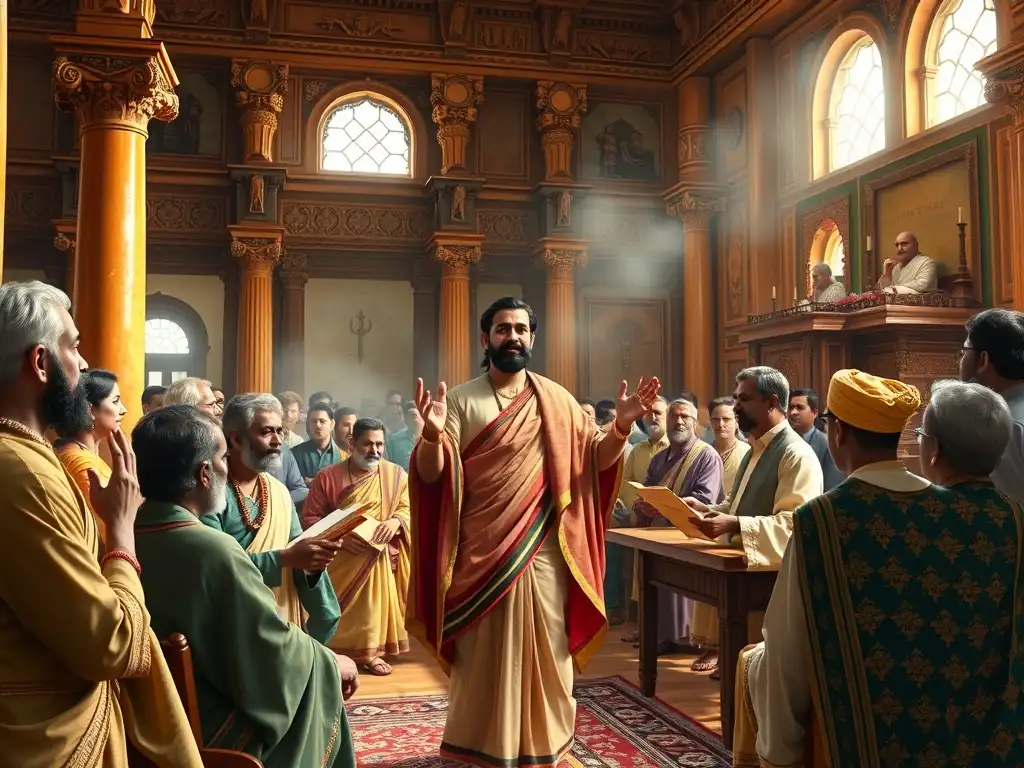
The advocacy practices in ancient Indian courts were deeply intertwined with the cultural fabric of the society. Understanding the nuances of these practices requires a look into the various cultural influences that shaped them. The rich diversity of India, with its multitude of languages, customs, and traditions, played a crucial role in defining how advocacy was perceived and practiced.
Advocates often drew upon local customs and oral traditions, which were pivotal in presenting cases. The storytelling techniques inherent in these cultures allowed advocates to craft compelling narratives that resonated with judges and audiences alike. Furthermore, the use of metaphors and analogies from everyday life facilitated a connection between the legal arguments and the cultural context, enhancing the persuasiveness of their presentations.
Moreover, the intermingling of art forms such as poetry, music, and drama in advocacy showcases the holistic approach taken by ancient Indian advocates. They employed rhetorical devices and persuasive language that were influenced by classical literature, making their arguments not only legally sound but also artistically rich.
The Role of Religion and Philosophy
Religion and philosophy were significant pillars influencing advocacy techniques in ancient India. The legal framework was often intertwined with religious texts, such as the Manusmriti and various Dharmashastras, which governed not only legal principles but also ethical conduct. Advocates were expected to align their arguments with these moral guidelines, thereby enhancing their credibility in the eyes of the court.
Philosophical schools of thought, such as Nyaya (logic) and Vaisheshika (atomism), also provided a foundation for legal reasoning. These philosophies emphasized logical argumentation and the pursuit of truth, compelling advocates to hone their skills in logical deduction and ethical discourse. The interplay of religion and philosophy encouraged a holistic understanding of justice, where advocates were seen not merely as legal representatives but as moral agents striving for righteousness.
Challenges Faced by Advocates in Ancient Indian Courts
The art of advocacy in ancient Indian courts was not without its challenges. Advocates often navigated a complex landscape of legal constraints and societal perceptions that could hinder their effectiveness.
Legal Limitations and Constraints
Advocates faced numerous legal limitations that affected their practice in ancient Indian courts. The rigid adherence to established texts and precedents often constrained the flexibility needed for effective advocacy. Many legal decisions were rooted in ancient scriptures, limiting the scope for innovative arguments or interpretations. This reliance on codified laws meant that advocates had to be well-versed in these texts and adept at referencing them to support their claims.
Additionally, the hierarchical structure of the legal system posed challenges. The status of an advocate could influence their ability to present cases effectively, as those from lower social standings might struggle to gain the attention or respect of judges and juries. This hierarchical dynamic often dictated the outcome of legal proceedings, overshadowing the advocates' skills and strategies.
Societal Perceptions of Advocates
The role of advocates in ancient Indian society was also shaped by prevailing societal perceptions. While some viewed advocates as learned and respected figures, others regarded them with skepticism or disdain. This dual perception created an environment where advocates had to continuously prove their worth and integrity.
Social stigma associated with the profession could limit the opportunities available to advocates, especially for those from marginalized communities. The perception that advocacy was a means of manipulation or deceit often undermined the trust placed in advocates, making it essential for them to cultivate a reputation for honesty and ethical conduct.
Furthermore, the societal expectation that advocates should uphold not just legal but also moral standards added another layer of complexity to their role. Advocates were tasked with balancing their duty to their clients with the broader implications of justice and ethical considerations, often leading to internal conflicts and challenges in their practice.
Conclusion: Legacy of Ancient Indian Advocacy Techniques
The legacy of ancient Indian advocacy techniques is profound and multifaceted, influencing not only the legal systems of the Indian subcontinent but also providing insights into the broader realm of advocacy and jurisprudence. The strategies employed by advocates in ancient Indian courts were characterized by their emphasis on rhetoric, ethics, and the moral duty of the advocate to seek truth and justice.
One of the most significant contributions of ancient Indian advocacy was the integration of philosophical principles into legal practices. The ancient texts, such as the Manusmriti and Arthashastra, emphasized that an advocate should not only be skilled in the art of persuasion but also possess a deep understanding of dharma (moral law). This intertwining of ethics and advocacy laid the groundwork for a legal culture that regarded the pursuit of justice as a sacred duty, thus elevating the role of the advocate to that of a moral guardian within society.
Furthermore, the techniques of argumentation and the use of logical reasoning developed during this period have continued to resonate through the ages. The emphasis on clarity, coherence, and emotional appeal in legal arguments can be traced back to ancient practices. These elements are not just remnants of history; they have evolved and adapted, influencing modern advocacy techniques in contemporary legal systems.
The art of advocacy in ancient Indian courts has left an indelible mark on legal thought and practice. The principles and techniques that emerged during this time continue to inform the ethical standards and rhetorical strategies employed by modern advocates, demonstrating the timeless relevance of ancient wisdom in the pursuit of justice.
References
- Bhatia, S. (2007). Advocacy and the Law in Ancient India: A Historical Perspective. Journal of Indian Law and Society.
- Chatterjee, P. (1995). The Role of Rhetoric in Ancient Indian Legal Practices. Indian Journal of Legal Studies.
- Gupta, R. (2010). Dharma and Legal Ethics in Ancient Indian Advocacy. Legal History Review.
- Sharma, K. (2019). Persuasion and Legal Argumentation in Ancient India: An Analytical Overview. Journal of Historical Jurisprudence.
- Introduction to Ancient Indian Advocacy Techniques
- Historical Context of Advocacy in Ancient Indian Courts
- Core Techniques of Advocacy in Ancient Indian Courts
- Strategies for Effective Case Presentation
- Cultural Influences on Advocacy Practices
- Challenges Faced by Advocates in Ancient Indian Courts
- Conclusion: Legacy of Ancient Indian Advocacy Techniques
- References
Frequently Asked Questions
What are ancient Indian advocacy techniques?
Ancient Indian advocacy techniques refer to strategies and methods used by lawyers and advocates in ancient Indian courts to present their cases effectively, emphasizing persuasion and rhetoric.
How did ancient Indian courts function?
Ancient Indian courts operated under a system of local governance, where disputes were resolved by a combination of law, custom, and social norms, often influenced by the teachings of dharma.
What role did rhetoric play in advocacy?
Rhetoric was crucial in ancient Indian advocacy as it involved the use of language and persuasive techniques to convince judges and sway public opinion, often drawing from philosophical texts.
Were there any notable advocates or figures in ancient India?
Yes, figures like Chanakya and Vishnu Sharma are known for their contributions to law and advocacy techniques, blending political strategy and moral philosophy in their approaches.
How do these techniques compare to modern advocacy?
While some principles of persuasion and logic remain relevant, ancient techniques were often more intertwined with cultural and philosophical aspects, emphasizing moral duty alongside legal arguments.
Final Reflection: The Enduring Legacy of Ancient Indian Advocacy Techniques
The techniques and strategies of ancient Indian advocacy resonate profoundly in today's legal landscape, reminding us that the art of persuasion is timeless. As we navigate a world increasingly defined by complex legal challenges and social justice movements, the principles established by ancient advocates provide a foundation upon which modern practitioners can build. The ability to articulate, persuade, and advocate effectively is not merely a skill; it is a powerful tool that can shape societies and influence change.
The influence of ancient Indian advocacy techniques extends beyond the courtroom, permeating our cultural and social fabric. These methods have shaped the way we communicate, negotiate, and resolve conflicts, emphasizing the importance of empathy and understanding in advocacy. As we reflect on the wisdom of these ancient practices, we are reminded of the words of Mahatma Gandhi: The best way to find yourself is to lose yourself in the service of others.
This sentiment encapsulates the essence of advocacy, urging us to prioritize the needs of others while employing the strategies that have stood the test of time.
As we look to the future, I invite you to embrace the lessons of ancient Indian advocacy in your own life. Consider how you can apply these techniques to advocate for those who cannot speak for themselves, whether in your community, workplace, or beyond. Reflect on the power of your voice and the impact of your actions, and let the art of advocacy inspire you to create meaningful change. Together, we can honor the legacy of our ancestors while forging a path toward a more just and equitable world.
Ignite Your Advocacy Skills Today!
Thank you for exploring the intricate world of advocacy in ancient Indian courts with us. You've uncovered valuable techniques and strategies that shaped legal practices of the past. Now, it’s time to put that knowledge into action!
Here’s how you can elevate your understanding of advocacy:
- Explore historical case studies to witness these techniques in action. Research how ancient jurists approached specific cases and analyze their strategies.
- Join a discussion group focused on ancient Indian legal history. Engaging with others can deepen your comprehension and inspire innovative ideas.
- Write a reflective piece on how these ancient strategies can be adapted to modern legal contexts or your personal advocacy efforts.
Which ancient advocacy strategy do you believe holds the potential to transform today's legal practices?