
Chandragupta Maurya: A Study of His Personal Life and Relationships

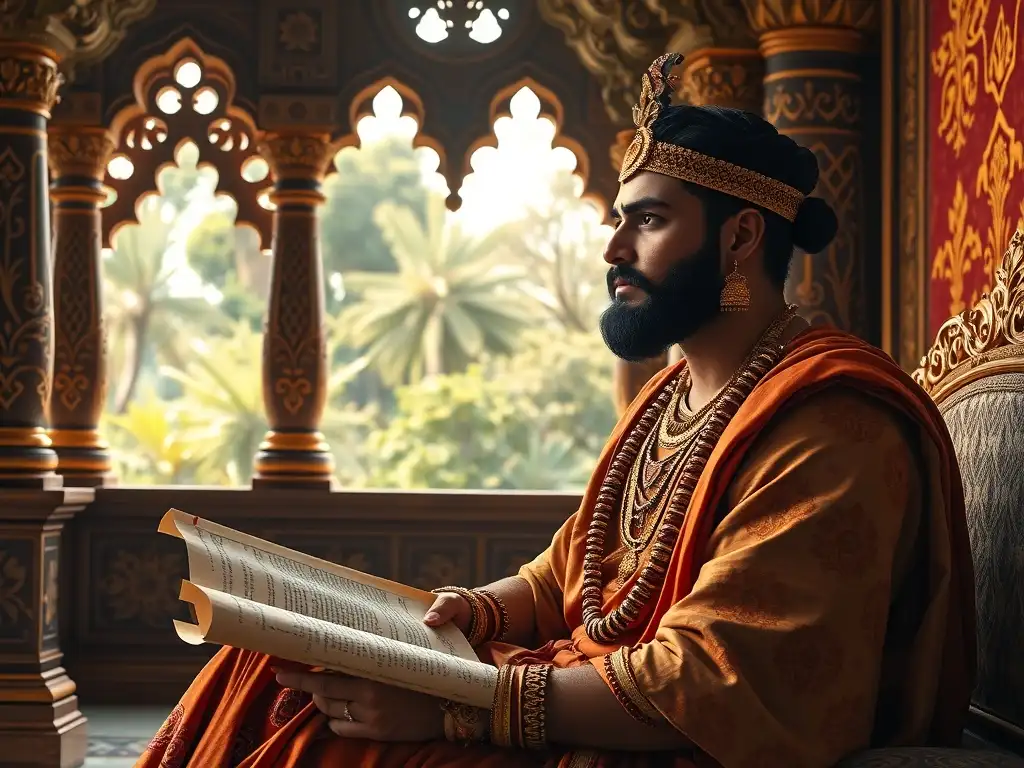
Welcome to Ancient India History, where we embark on a fascinating journey through time to uncover the rich tapestry of ancient Indian civilizations. In this article, we delve deep into the life of one of history's most significant figures, Chandragupta Maurya. Prepare to explore the personal life insights and relationships that shaped his reign and left an indelible mark on the subcontinent. What secrets lie behind the walls of his royal court? Join us as we unravel the complexities of his character and influence, encouraging you to dive deeper into the vibrant history that defines our past.
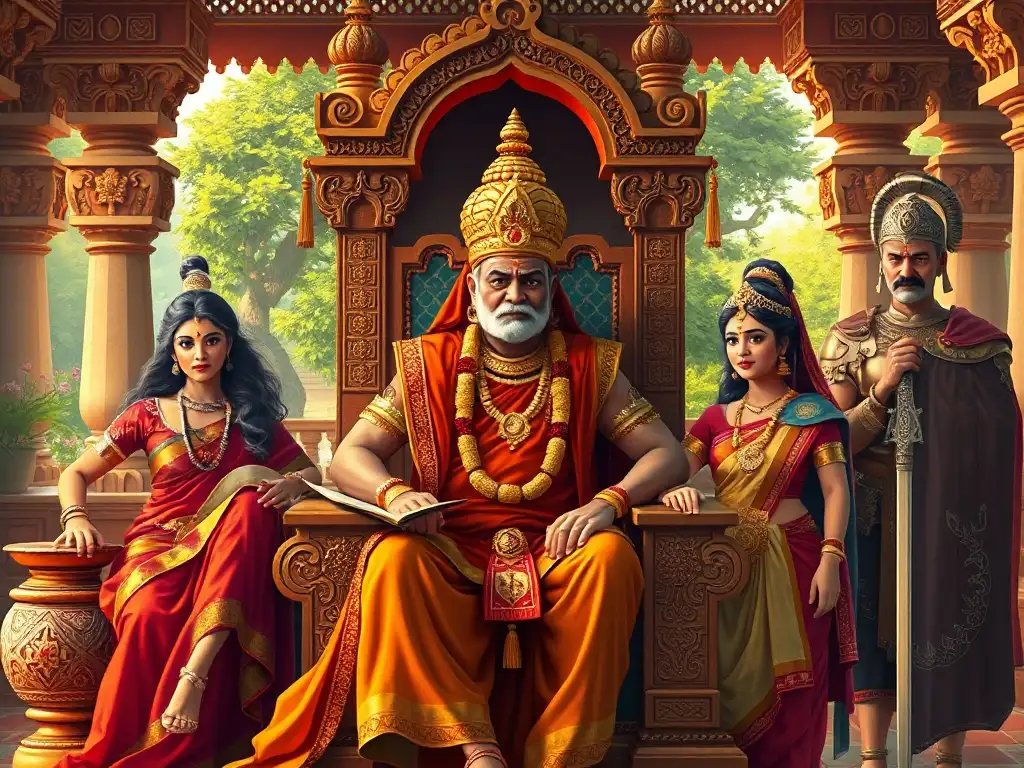
Chandragupta Maurya stands as a towering figure in the annals of ancient Indian history, known primarily for establishing the Maurya Empire, one of the largest empires in Indian history. However, to truly appreciate his historical impact, it is crucial to delve into the nuances of his personal life, which shaped his character, decisions, and ultimately, his legacy.
In this article, we will explore various facets of Chandragupta Maurya's personal life and relationships, offering valuable insights that go beyond his political achievements. By examining his early years, family background, and formative influences, we aim to paint a comprehensive picture of the man behind the empire and understand how these elements contributed to his role as a key historical figure.
Introduction to Chandragupta Maurya
Overview of Chandragupta Maurya's Historical Significance
Chandragupta Maurya emerged in the 4th century BCE as the founder of the Maurya Empire, a significant force that united much of the Indian subcontinent. His reign marked a pivotal turn in Indian history, as it laid the groundwork for subsequent empires and established a centralized administrative framework that influenced governance for centuries.
Through strategic alliances and military conquests, he expanded his territory, effectively ending the fragmented political landscape that characterized the post-Mauryan era. Moreover, his relationship with the philosopher Chanakya, who played a crucial role in his rise to power, reflects the blend of intellectual and martial prowess that defined his leadership.
Importance of Studying Personal Life Insights
Understanding the personal life of Chandragupta Maurya is essential for several reasons. First, it allows us to see how his relationships and experiences shaped his decisions as a ruler. For instance, his marriages, friendships, and mentorship influenced his political alliances and military strategies.
Second, by analyzing his personal life, we can gain insights into the cultural and social norms of ancient India, providing context to his actions and motivations. Finally, personal narratives often humanize historical figures, making them more relatable and comprehensible to contemporary audiences. Thus, exploring Chandragupta Maurya's personal life offers a richer understanding of his legacy, beyond mere dates and accomplishments.
Early Life of Chandragupta Maurya
Birth and Family Background
Chandragupta Maurya was born into a humble family in the region that is now modern-day Bihar, India. While specific details about his birth year and family lineage are often debated among historians, it is widely accepted that he belonged to the Kshatriya caste, known for their warrior status. His lineage is often traced back to the Moriya clan, which is believed to have had connections with the ruling families of the time. The socio-political environment during his childhood, marked by instability and foreign invasions, played a significant role in shaping his aspirations and ambitions.
Influences in His Formative Years
Chandragupta’s formative years were significantly influenced by the teachings of Chanakya, also known as Kautilya, who recognized the young boy's potential and took him under his wing. Chanakya's mentorship was pivotal, providing Chandragupta with not only military training but also strategic insights into statecraft and governance.
Furthermore, the turbulent political climate of his early life, characterized by the decline of the Nanda Empire and the threat of Alexander the Great's incursions, instilled in him a sense of urgency to unify and strengthen the Indian territories. These influences and experiences laid the foundation for his future endeavors and the establishment of a vast and influential empire.
Personal Relationships of Chandragupta Maurya
Chandragupta Maurya, the founder of the Maurya Empire, had a complex personal life woven with relationships that significantly influenced his reign and political strategies. His personal relationships not only shaped his character but also played a vital role in the establishment and consolidation of his empire. Understanding these relationships provides key insights into his personality and leadership style.
Relationship with His Mother
Chandragupta's relationship with his mother, who remains largely unnamed in historical texts, was foundational in shaping his early life. She was known to be a strong and resourceful woman who instilled in him the values of resilience and determination. According to some accounts, she raised him in humble surroundings, imparting lessons of strength and survival. This nurturing environment fostered a sense of loyalty and respect for family, which would later influence his leadership style.
Historical records suggest that his mother played a pivotal role in his early ambitions. After being exiled from his home in Pataliputra, Chandragupta relied on her emotional support and guidance. Her sacrifices and teachings were instrumental in molding his character, making him both compassionate yet fierce—a duality that served him well in the tumultuous world of ancient Indian politics.
Bond with Close Friends and Allies
Chandragupta's bonds with close friends and allies were crucial for his rise to power. Among them, the most notable was his mentor and advisor, Chanakya (Kautilya), who not only guided him politically but also influenced his personal philosophy. Their relationship was built on mutual respect, with Chanakya recognizing Chandragupta's potential and providing him with strategic wisdom that would enable him to challenge the Nanda dynasty.
The camaraderie between Chandragupta and his allies played a significant role in consolidating his power. He surrounded himself with trusted generals and advisors who shared his vision, fostering a sense of loyalty and camaraderie. This network of alliances not only strengthened his military campaigns but also helped in maintaining stability within his expanding empire. Their collective efforts laid the groundwork for the Maurya Empire’s success, illustrating the importance of personal relationships in political dynamics.
Marriages and Family Life
Chandragupta Maurya's marriages were not merely personal choices; they were strategic alliances that furthered his political ambitions. His marital relationships were carefully orchestrated to strengthen his position and secure alliances with powerful families. This aspect of his personal life underscores the interplay between personal relationships and statecraft in ancient India.
Chandragupta's Marriages: Political Alliances and Personal Choices
Chandragupta is believed to have married several women, among whom the most prominent was his union with a princess from the Nanda dynasty, which symbolized a significant political alliance. This marriage helped him legitimize his claim to power and further unify various factions within his realm. In addition to this alliance, he also married a daughter of the royal family of the Mauryas, which enhanced his political stature.
Despite the political motivations behind his marriages, there are indications that Chandragupta sought personal happiness and companionship within these unions. Historical accounts suggest that he was a caring husband, attentive to the needs and well-being of his wives. This duality of political necessity and personal affection reflects the complexity of relationships in royal circles during his time.
Insights into His Children and Their Roles
Chandragupta's children, particularly his son, Bindusara, played significant roles in the continuation of the Maurya dynasty. Bindusara succeeded him as the emperor and maintained the stability and expansion of the empire. Historical texts depict Chandragupta as a devoted father who took an active interest in the upbringing of his children, ensuring they were well-prepared for leadership.
The roles of his children were not limited to royal duties; they also engaged in military campaigns and governance, which showcased the importance of familial ties in maintaining authority. The legacy of Chandragupta’s family life is reflected in the subsequent rulers of the Maurya Empire, emphasizing how personal relationships influenced political continuity and the historical trajectory of one of ancient India’s largest empires.
Philosophical Influences on His Personal Life
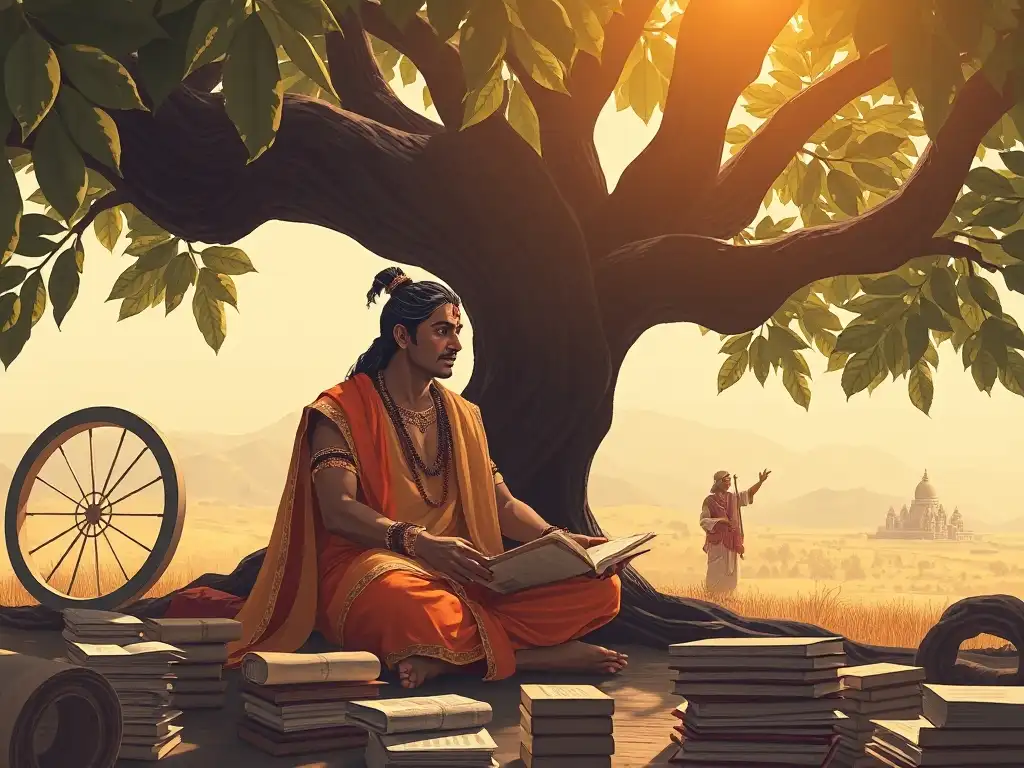
Chandragupta Maurya's personal life was significantly shaped by various philosophical influences that guided his decisions and interactions. His era was marked by the rise of diverse philosophical schools of thought, particularly those rooted in Hinduism, Buddhism, and Jainism. These philosophies not only influenced governance and politics but also permeated personal relationships, ethics, and lifestyle choices.
Chandragupta's deep engagement with these philosophies provided him a framework for understanding the complexities of human relationships. The teachings of these traditions instilled values such as dharma (duty), ahimsa (non-violence), and the importance of wisdom, which resonated with his own experiences and decisions throughout his life. These influences are evident in his governance style, where he aimed for a balance between might and morality, reflecting a nuanced understanding of leadership that went beyond mere power.
Connection with Chanakya: Mentor and Advisor
One of the most significant influences on Chandragupta's personal life was his relationship with Chanakya, a renowned philosopher, and strategist. Their connection was not merely that of a mentor and disciple; it was a profound partnership grounded in mutual respect and shared vision. After witnessing the decline of the Nanda dynasty, Chanakya sought to establish a new regime that would be more just and equitable. He saw in Chandragupta a capable leader who could help realize this vision.
Chanakya's teachings were pivotal in shaping Chandragupta's understanding of statecraft and personal conduct. He emphasized the importance of intelligence, strategy, and pragmatism in both governance and personal relationships. The lessons learned from Chanakya's Arthashastra—a treatise on statecraft—were not only political guidelines but also deeply personal insights that influenced Chandragupta's interactions with allies and adversaries alike. Their bond exemplifies how mentorship can profoundly impact one's life trajectory, blending personal growth with political acumen.
Impact of Jainism on His Personal Beliefs and Lifestyle
As Chandragupta's life progressed, he became increasingly influenced by Jain philosophy, especially towards the later years of his reign. His encounter with Jain monks, particularly during his interactions with Bhadrabahu, played a crucial role in reshaping his beliefs and lifestyle. Jainism's core tenets of non-violence, truth, and asceticism resonated deeply with him, prompting a transformation in his personal values.
This philosophical shift led him to adopt a more ascetic lifestyle, culminating in his decision to abdicate the throne in favor of his son, Bindusara. He sought solace in the principles of Jainism, emphasizing meditation and self-discipline. This transition illustrates a significant aspect of his personal life, showcasing a leader who was not only a conqueror but also a seeker of spiritual truth. His embrace of Jainism highlights the fluidity of personal beliefs and the impact they can have on one's legacy.
Challenges in Personal Relationships
Despite his achievements, Chandragupta faced considerable challenges in his personal relationships, often stemming from the pressures of leadership and the intricacies of political alliances. His rise to power was fraught with betrayals, conflicts, and the constant demand for loyalty from those around him. These challenges tested his capacity for trust and understanding within his inner circle.
Struggles with Trust and Loyalty
Chandragupta's ascent to power was often marked by treachery and betrayal, leading to a pervasive struggle with trust. The political landscape of ancient India was tumultuous, and Chandragupta had to navigate a web of loyalties that often shifted according to personal ambitions. His experiences with figures who turned against him, sometimes unexpectedly, deeply affected his ability to forge lasting relationships.
Moreover, the need for strategic alliances often required him to place his trust in individuals whose intentions were not always transparent. This created a delicate balance between maintaining alliances and ensuring his safety and sovereignty. His struggle for trust is emblematic of many leaders faced with the duality of personal relationships and political necessity, revealing the human vulnerabilities behind the powerful façade.
Conflicts and Resolutions within His Circle
Within his close circle, Chandragupta faced various conflicts, often arising from differences in ambition, ideology, and personal motivations. His relationship with Chanakya, while fundamentally strong, was not without its tensions. Disagreements over strategies and approaches to governance occasionally led to friction, yet their mutual respect allowed for resolutions that ultimately strengthened their bond.
Additionally, as Chandragupta expanded his empire, he had to deal with the ambitions of his generals and advisors, some of whom sought greater power for themselves. These conflicts required adept diplomatic skills to resolve, often through negotiation and compromise. The ability to manage such disputes effectively highlights Chandragupta's leadership qualities, showcasing his understanding of human dynamics and the importance of fostering cooperation within his ranks. His experiences underscore the complexities of personal relationships in the realm of power, where conflicts are inevitable but can also lead to growth and stronger alliances.
Legacy of Chandragupta Maurya's Personal Life
Chandragupta Maurya's personal life holds significant historical weight, shaping not only his reign but also influencing the broader socio-political landscape of ancient India. His relationships, both familial and political, illustrate a complex interplay between personal ambition and strategic governance. The legacy he left behind can be seen in several dimensions:
- Foundational Leadership: Chandragupta's rise to power marked the beginning of the Maurya Empire, which unified large parts of India. His personal life choices, particularly in securing alliances through marriage and diplomacy, set a precedent for future rulers who would follow a similar path to consolidate power.
- Cultural Integration: His interactions with diverse communities during his reign promoted an ethos of tolerance and integration, which would resonate through Indian history. The emphasis on building relationships with local leaders and tribes can be traced back to his methods, fostering a cooperative approach to governance.
- Philosophical Impact: The influence of Chanakya, his advisor, is evident in Chandragupta's personal development and decision-making. Their relationship exemplifies the merging of personal mentorship with political strategy, highlighting the importance of wise counsel in leadership.
Influence on Subsequent Rulers and Dynasties
Chandragupta Maurya's personal life significantly influenced subsequent rulers and dynasties in several ways:
- Model of Governance: His approach to leadership, which balanced personal relationships with political acumen, served as a blueprint for future emperors. Rulers like Ashoka, his grandson, built upon this foundation, emphasizing moral governance and the welfare of the people.
- Diplomatic Marriages: The practice of forming alliances through marriage became a common strategy among Indian dynasties. Chandragupta’s own marriages served to strengthen ties with influential families, a tactic that later dynasties adopted to enhance their political standing.
- Cultural Exchanges: His interactions with various cultures set a precedent for the cultural synthesis that characterized the Maurya Empire. This blending of traditions influenced the subsequent Gupta Empire, which also focused on cultural patronage and the arts.
Reflection of Personal Life in Historical Narratives
The historical narratives surrounding Chandragupta Maurya often reflect the nuances of his personal life, showcasing how deeply intertwined it was with his political strategies:
- Biographical Accounts: Ancient texts, including the Arthashastra and various historical chronicles, provide insights into his relationships, particularly with Chanakya. These accounts emphasize how personal bonds impacted statecraft and governance.
- Myths and Legends: Over time, Chandragupta's personal life has been embellished with legendary tales that highlight his virtues and struggles. These stories, while partly mythical, reveal the values and ideals that were esteemed in ancient Indian society.
- Cultural Depictions: Various art forms, from sculptures to literature, depict his life and relationships, reflecting societal values and the importance of leadership qualities such as loyalty, courage, and wisdom.
Conclusion
Summary of Key Insights into Chandragupta Maurya's Personal Life
Chandragupta Maurya's personal life is a rich tapestry of relationships that shaped his legacy as a ruler. Key insights include:
- Strategic Alliances: His marriages and political alliances were pivotal in establishing and consolidating the Maurya Empire.
- Mentorship and Guidance: The relationship with Chanakya highlights the importance of wise counsel in governance.
- Cultural Integration: His efforts to unify diverse groups laid the groundwork for a more cohesive society.
Final Thoughts on the Importance of Understanding His Relationships
Understanding Chandragupta Maurya's personal life and relationships is crucial for several reasons. It provides a more nuanced view of his character, revealing the human aspects behind political decisions. Furthermore, it illustrates how personal dynamics can significantly influence governance and statecraft. By studying these relationships, we gain insights into the complexities of leadership in ancient India, emphasizing the enduring relevance of personal connections in the pursuit of power and stability.
- Introduction to Chandragupta Maurya
- Early Life of Chandragupta Maurya
- Personal Relationships of Chandragupta Maurya
- Marriages and Family Life
- Philosophical Influences on His Personal Life
- Challenges in Personal Relationships
- Legacy of Chandragupta Maurya's Personal Life
- Conclusion
- What were the key aspects of Chandragupta Maurya's personal life?
- How did relationships influence Chandragupta's reign?
- What can we learn about Chandragupta's character from his personal life?
- Did Chandragupta Maurya have any notable mentors or influences in his life?
- How did his personal life affect his political decisions?
Frequently Asked Questions
What were the key aspects of Chandragupta Maurya's personal life?
Chandragupta Maurya's personal life was shaped by his strategic marriages and relationships, particularly with royal families to strengthen his political alliances.
How did relationships influence Chandragupta's reign?
His personal relationships were crucial in forging alliances, which helped him establish the Maurya Empire and maintain political stability during his rule.
What can we learn about Chandragupta's character from his personal life?
Chandragupta's resilience and leadership qualities are evident through his personal choices, reflecting a man dedicated to his empire and people.
Did Chandragupta Maurya have any notable mentors or influences in his life?
Yes, Chanakya, a significant figure in his life, provided guidance and support, shaping Chandragupta’s political strategies and his ascent to power.
How did his personal life affect his political decisions?
Chandragupta's personal relationships often dictated his political strategies, as alliances through marriage or friendship influenced his decisions for the empire's expansion and governance.
Final Reflection: Unveiling the Depths of Chandragupta Maurya's Personal Life
Chandragupta Maurya's personal life insights reveal a profound connection between leadership and human relationships, emphasizing that even the most powerful figures are shaped by their personal experiences. In today's world, where the lines between personal and public lives often blur, understanding the intricacies of a leader's personal journey can provide invaluable lessons. The legacy of Chandragupta reminds us that behind every great empire lies a tapestry of personal struggles, triumphs, and relationships that define the very essence of leadership.
The exploration of Chandragupta's relationships not only enriches our understanding of his character but also highlights the enduring impact of personal connections on societal structures. The way he navigated his friendships, alliances, and familial ties serves as a powerful reminder of how our interactions shape our destinies.
As Mahatma Gandhi once said, "> The best way to find yourself is to lose yourself in the service of others." This sentiment resonates deeply, as it reflects the importance of empathy and connection in both personal and political spheres, reminding us that our relationships can be a source of strength and guidance.
As you reflect on the insights gleaned from Chandragupta Maurya's life, consider how the lessons of his personal relationships can be applied to your own journey. Embrace the idea that your connections with others—be it friends, family, or colleagues—hold the potential to influence your path and impact the world around you. Take a moment to assess the relationships in your life and how they shape your identity and aspirations. By nurturing these connections, you can cultivate a legacy that, much like Chandragupta's, transcends time and inspires future generations.
Uncover the Legacy of Chandragupta Maurya!
Thank you for taking the time to explore the fascinating life of Chandragupta Maurya! We hope you’ve gained valuable insights into his personal life and relationships, which reflect the complexity of his character and the era in which he lived. Now, it’s time to take the next step in your journey of discovery!
Here are a few actions you can take to further dive into the rich tapestry of Ancient India:
- Engage with the Past: Visit local museums or explore online exhibitions featuring artifacts from Chandragupta’s era to witness history come alive.
- Share Your Thoughts: Join our community forums to discuss your insights about Chandragupta’s relationships with fellow history enthusiasts.
- Expand Your Knowledge: Read biographies or watch documentaries about his mentor, Chanakya, to gain a deeper understanding of the influences that shaped his reign.
What aspect of Chandragupta's relationships intrigues you the most? Why do you think they were pivotal to his success? Let’s continue the conversation!