
The Impact of Trade on Technological Advancements in the Indus Valley


Welcome to Ancient India History, where we embark on a fascinating journey through the vibrant tapestry of ancient Indian civilizations. In this exploration, we delve into the intricate web of trade and technology that flourished in the Indus Valley, revealing how commerce not only connected distant lands but also spurred remarkable technological advancements. As you uncover the layers of this compelling narrative, prepare to be captivated by the innovations and cultural exchanges that shaped one of history's most influential empires.
Join us as we unravel the secrets of the past, starting with "The Impact of Trade on Technological Advancements in the Indus Valley." Your adventure into the heart of ancient history begins here!
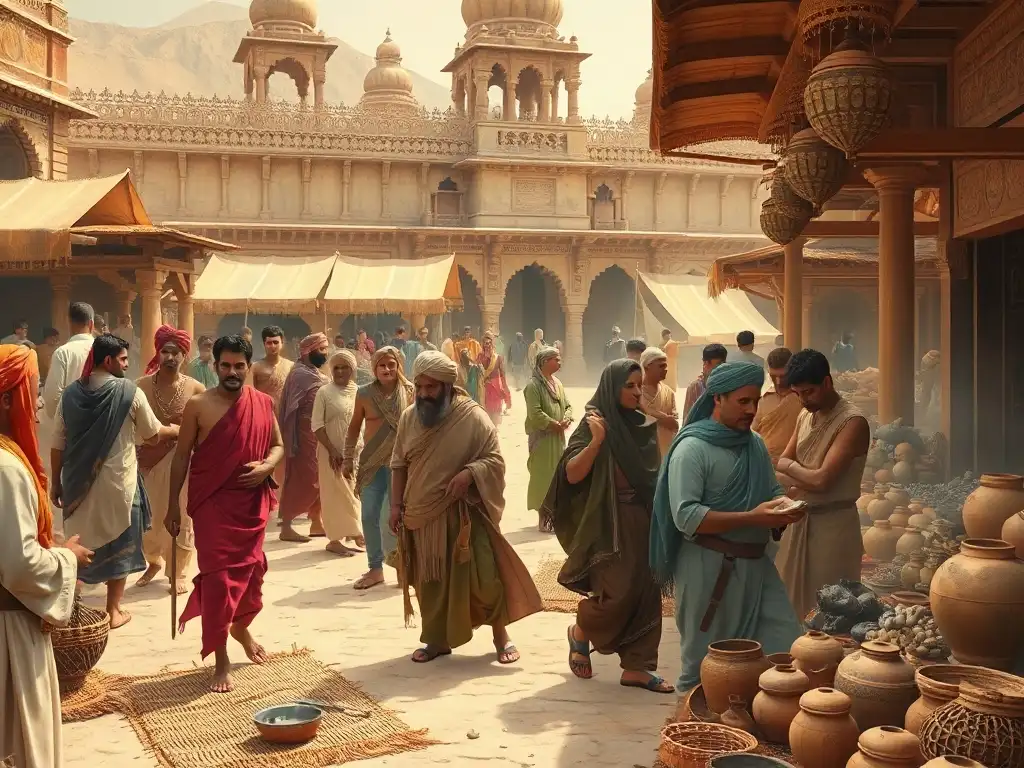
The Indus Valley Civilization, one of the world's earliest urban societies, thrived from approximately 3300 to 1300 BCE in what is now Pakistan and northwest India. This remarkable civilization is renowned for its advanced city planning, sophisticated drainage systems, and impressive architecture. However, a less explored yet equally significant aspect of the Indus Valley is the role of trade in fostering technological advancements.
As we delve into the interplay between Indus Valley trade and technology, we uncover how commerce not only facilitated economic growth but also spurred innovations that defined this ancient society. By examining the trade networks, goods exchanged, and the resulting technological developments, we can gain a deeper appreciation of how the Indus Valley Civilization laid the groundwork for future advancements in South Asian history.
Introduction to Indus Valley Trade and Technology
Overview of the Indus Valley Civilization
The Indus Valley Civilization, also known as the Harappan Civilization, emerged around the fertile banks of the Indus River, encompassing major urban centers like Harappa and Mohenjo-Daro. Characterized by its intricate urban design, standardized weights and measures, and a script that remains undeciphered, this civilization exhibited a high degree of sophistication. The people of the Indus Valley engaged in various activities, including agriculture, craft production, and trade. Their economy was predominantly agrarian, but trade played a pivotal role in enhancing their technological capabilities.
Significance of Trade in Ancient Economies
Trade has always been a cornerstone of economic development in ancient civilizations. In the context of the Indus Valley, trade was not merely a means of exchanging goods but a catalyst for technological progress. The civilization established extensive trade routes that connected them to distant regions, including Mesopotamia, Persia, and even the Arabian Peninsula. Through these interactions, the Indus Valley people were able to access resources not available in their region, leading to advancements in various technologies. The significance of trade in ancient economies can be summarized as follows:
- Resource Acquisition: Access to raw materials such as copper, tin, and precious stones that were vital for tool-making and ornamentation.
- Cultural Exchange: Introduction of new ideas, customs, and technologies that enriched the local culture.
- Market Expansion: Development of marketplaces that fostered economic diversity and innovation.
The Role of Trade in Technological Development
How Trade Influenced Technological Innovations
The interactions stemming from trade were crucial in shaping technological innovations in the Indus Valley. For instance, the introduction of metallurgy led to the production of bronze tools, which significantly enhanced agricultural productivity and craftsmanship. Notable technological advancements influenced by trade included:
- Urban Planning: The exchange of ideas regarding city layouts and infrastructure.
- Textile Production: Innovations in dyeing techniques and weaving methods as a result of access to foreign materials.
- Pottery Techniques: Advanced kilns and glazing methods introduced through trade with neighboring civilizations.
These technological innovations not only optimized daily life in the Indus Valley but also set the stage for future developments in the region.
Exchange of Ideas and Techniques through Trade Networks
Trade networks served as conduits for the exchange of not just goods but knowledge and skills as well. As traders moved across vast distances, they brought with them new techniques and concepts. This exchange can be illustrated through various examples:
- Metallurgical Skills: Techniques for smelting and alloying metals were shared, enhancing tool and weapon production.
- Architectural Knowledge: The introduction of advanced construction methods that influenced public and private buildings.
- Agricultural Practices: New farming techniques and crop varieties were adopted, improving food security.
This intricate web of trade not only stimulated technological development but also fostered a spirit of innovation that characterized the Indus Valley Civilization.
The relationship between trade and technology in the Indus Valley is a testament to how interconnected societies can drive progress. Understanding this dynamic offers valuable insights into the advanced nature of one of history's most intriguing civilizations.
Key Technological Advancements Linked to Trade
The Indus Valley Civilization, which thrived around 2500 BCE, is renowned for its remarkable technological advancements that were closely intertwined with trade. The flourishing trade networks not only enabled the exchange of goods but also facilitated the dissemination of ideas and innovations. Key technological advancements linked to trade during this period include urban planning, pottery innovations, and advancements in metallurgy.
Urban Planning and Infrastructure Developments
The cities of the Indus Valley, such as Harappa and Mohenjo-Daro, are exemplary of advanced urban planning that was influenced by trade. The grid-like layout of streets, sophisticated drainage systems, and standardized brick sizes indicate a high degree of organization and planning. This infrastructure was crucial for supporting trade activities, as it allowed for efficient movement of goods and people. The presence of granaries and warehouses suggests that these cities served as central hubs for trade, fostering economic growth and stability.
Moreover, the construction of docks along the riverbanks facilitated maritime trade, connecting the Indus Valley with distant regions such as Mesopotamia. This integration of urban planning and trade routes not only enhanced economic prosperity but also led to technological innovations in construction techniques and materials.
Innovations in Pottery and Craftsmanship
Trade played a significant role in the evolution of pottery and craftsmanship within the Indus Valley Civilization. The exchange of goods with neighboring regions led to the introduction of new materials and techniques. For example, the use of high-fired ceramic technology enabled artisans to create more durable and intricately designed pottery. The introduction of painted pottery, often featuring geometric patterns and motifs, reflects both aesthetic influences and the desire for trade goods that appealed to foreign markets.
Additionally, the production of terracotta figurines and beads showcased advanced craftsmanship, which was likely inspired by trade interactions. These artifacts were not only used locally but also traded with other civilizations, enhancing the artisans' skills and creative expressions. The trade of pottery and crafts thus illustrates how commercial interactions spurred technological advancements in the arts.
The Role of Metallurgy in Trade and Technology
Metallurgy was another crucial aspect of technological advancement linked to trade in the Indus Valley. The civilization is known for its innovative use of metals, particularly copper and bronze, which were essential for tools, weapons, and trade items. The demand for metal goods in both local and foreign markets propelled advancements in smelting and alloying techniques.
The trade of metal goods with regions like Mesopotamia facilitated the exchange of knowledge regarding metallurgy, leading to improved techniques and the creation of more sophisticated tools. This not only enhanced agricultural productivity but also contributed to the growth of trade networks, as metal tools were highly sought after commodities. The interplay between metallurgy and trade thus played a pivotal role in shaping the technological landscape of the Indus Valley Civilization.
Trade Routes and Their Influence on Technological Exchange
The extensive trade routes of the Indus Valley Civilization were vital in facilitating the exchange of goods, ideas, and technologies. These routes connected the civilization to various regions, including Mesopotamia, Persia, and the Arabian Peninsula, promoting a vibrant exchange that had lasting impacts on technological advancements.
Major Trade Routes of the Indus Valley Civilization
The major trade routes of the Indus Valley were primarily land and river routes that allowed for the transportation of goods over vast distances. The Indus River served as a key artery for trade, enabling the movement of agricultural products, textiles, and crafted goods. Land routes connected the Indus Valley to the western regions, facilitating trade with civilizations such as the Sumerians and Akkadians.
The emergence of caravan trade routes also played a significant role in expanding the reach of the Indus Valley's trade networks. These routes allowed traders to transport goods across the challenging terrains of the surrounding regions, linking the civilization to distant markets and fostering a rich exchange of technologies and ideas.
Interaction with Neighboring Civilizations and Its Impact
The interaction between the Indus Valley Civilization and its neighboring cultures had profound implications for technological exchange. Trade fostered not only the transfer of goods but also the sharing of knowledge and innovations. For instance, the adoption of writing systems, agricultural techniques, and metalworking skills from neighboring cultures reflected a dynamic process of cultural exchange.
As the Indus Valley engaged in trade with Mesopotamia, it absorbed various technological practices, which were then adapted to meet local needs. This mutual influence contributed to advancements in urban planning, crafting methods, and agricultural practices, demonstrating that the flow of trade was pivotal in shaping the technological landscape of the Indus Valley Civilization.
The interplay between trade and technological advancements in the Indus Valley highlights the significance of economic interactions in driving innovation and development. The rich tapestry of trade routes and the exchange of ideas not only fostered economic prosperity but also propelled the civilization towards remarkable achievements in technology and science.
Case Studies of Technological Advancements from Trade
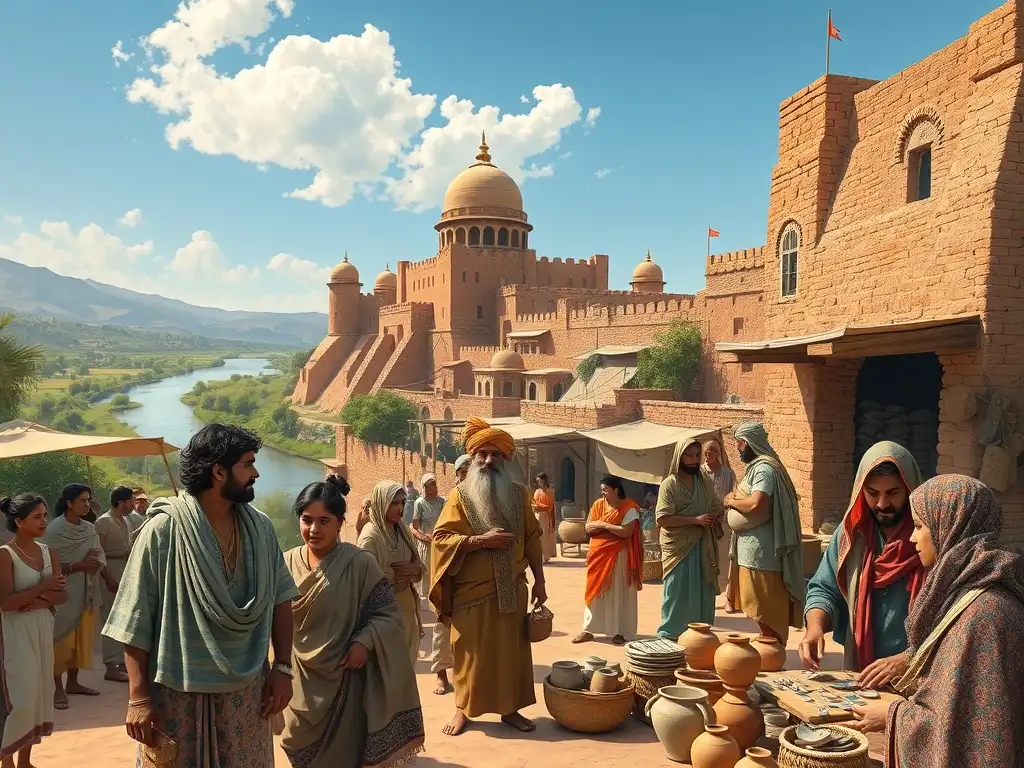
The Indus Valley Civilization, known for its remarkable urban planning and advanced technologies, thrived significantly due to its extensive trade networks. These interactions with neighboring regions not only enriched their economy but also spurred various technological advancements. Analyzing specific case studies illustrates how trade catalyzed innovation in this ancient society, leading to the development of standardized systems and the adoption of foreign technologies that transformed their daily lives and infrastructure.
Example 1: The Development of Standardized Weights and Measures
One of the most notable technological advancements prompted by trade in the Indus Valley was the development of standardized weights and measures. Archaeological findings indicate that the Indus Valley traders utilized a sophisticated system of weights made from stone, with measurements that were remarkably uniform across different cities such as Harappa and Mohenjo-Daro.
- Purpose of Standardization: This system ensured fair trade practices and facilitated commerce, as traders could trust that the weights were accurate, leading to smoother transactions not only within the Indus Valley but also with external partners, including Mesopotamia.
- Construction of Weights: The weights were typically cubical or cylindrical in shape, with varying sizes indicating different units. The most common weight was around 1.6 grams, suggesting a well-thought-out approach to trade.
- Impact on Economy: The establishment of these standards allowed for the growth of a more organized economy, enabling the Indus Valley to engage in long-distance trade, exchanging goods such as textiles, metals, and pottery with neighboring civilizations.
Example 2: The Influence of Mesopotamian Trade on Indus Valley Technologies
The trade connections between the Indus Valley Civilization and Mesopotamia significantly influenced the technological landscape of the former. Evidence suggests that the Indus Valley engaged in reciprocal trade relationships, exchanging goods and technologies that would lead to considerable advancements.
- Introduction of Metallurgy: The Indus Valley craftsmen adopted advanced metallurgical techniques from Mesopotamia, enhancing their capabilities in producing bronze tools and weapons. This not only improved their agricultural practices but also bolstered their military strength.
- Urban Planning and Architecture: The influence extended to urban planning, where the layout of cities in the Indus Valley reflected advanced techniques seen in Mesopotamian cities. The use of fired bricks, drainage systems, and grid patterns in city layouts were likely inspired by their interactions with Mesopotamian traders.
- Cultural Artifacts: Additionally, the exchange of artifacts such as pottery and seals illustrates how Mesopotamian artistic styles and iconography were integrated into Indus Valley culture, enriching their artistic expressions and technological outputs.
The Interconnection of Trade, Technology, and Culture
The synergy between trade, technology, and culture in the Indus Valley highlights the profound impact of commerce on the civilization's advancements. As traders interacted with various cultures, they not only exchanged goods but also ideas, leading to significant technological progress and cultural enrichment.
How Trade Facilitated Cultural Exchange and Technological Diffusion
Trade in the Indus Valley was not merely an economic activity; it was a dynamic process that fostered cultural exchange and technological diffusion. Merchants traveling along established trade routes contributed to a vibrant cultural mosaic.
- Cultural Interactions: The arrival of foreign goods, such as Mesopotamian textiles and pottery, introduced new aesthetic values and techniques to Indus artisans, who adapted these influences into their own craft.
- Technological Innovations: This exchange was also evident in the diffusion of agricultural techniques, such as irrigation practices learned from neighboring regions, which allowed for increased crop yields and supported urban growth.
- Shared Knowledge: The movement of people, including traders and craftsmen, facilitated the sharing of knowledge and skills, leading to the evolution of technologies such as pottery making, metallurgy, and textile production.
The Impact of Trade on Social Structures and Technological Progress
Trade significantly influenced the social structures of the Indus Valley Civilization, leading to the emergence of specialized roles and technological progress.
- Emergence of Specialization: As trade flourished, individuals began to specialize in various crafts and trades. This specialization led to innovations in production techniques and increased efficiency, as artisans focused on perfecting specific skills.
- Social Stratification: The wealth generated from trade also contributed to social stratification, where a merchant class emerged, influencing the political and cultural landscape. This new social hierarchy encouraged the investment in technological advancements to support commerce.
- Technological Growth: The demand for goods and services driven by trade led to innovations in production methods, logistics, and transportation technologies, further enhancing the capabilities of the Indus Valley Civilization to thrive in a competitive environment.
The intricate interplay of trade, technology, and culture in the Indus Valley not only set the foundation for its economic prosperity but also paved the way for advancements that would influence subsequent civilizations in the region.
Conclusion: The Legacy of Indus Valley Trade and Technology
The Indus Valley Civilization, flourishing between 3300 and 1300 BCE, serves as a testament to the profound impact of trade on technological advancements. The extensive trade networks established by the Indus Valley people facilitated not only the exchange of goods but also ideas, innovations, and cultural practices. This interconnectedness with neighboring regions, such as Mesopotamia and Persia, catalyzed developments in various technological domains, including urban planning, metallurgy, and craft production.
The legacy of these advancements is evident in the subsequent Indian civilizations, as many techniques and technologies that originated during the Indus Valley period continued to influence later cultures. The expertise in bead-making, pottery, and textile production laid the foundation for future artisanship across the Indian subcontinent. Additionally, the standardized weights and measures developed during this era contributed to more sophisticated economic systems in later periods. Overall, the Indus Valley's trade and technology have left an indelible mark on the history of ancient India.
Lasting Impacts on Subsequent Indian Civilizations
The technological innovations and trade practices established by the Indus Valley Civilization significantly influenced subsequent Indian civilizations. For instance, the Maurya and Gupta Empires adopted many of the urban planning concepts originating from the Indus Valley. Cities like Pataliputra showcased advanced drainage systems and grid layouts reminiscent of Harappan cities.
Moreover, the Indus Valley's emphasis on metallurgy paved the way for advancements in ironworking during the later Vedic period. The techniques in crafting tools and weapons were further refined, leading to superior agricultural and military capabilities. Additionally, the trade routes established during the Indus Valley era evolved into the Silk Road, facilitating not only economic exchange but also cultural and technological diffusion across Asia.
Reflections on the Importance of Trade in Technological Evolution
Trade has consistently played a pivotal role in technological evolution throughout history. The Indus Valley serves as a prime example of how trade can act as a conduit for innovation and progress. The exchange of goods such as cotton textiles, precious stones, and metals not only satisfied consumer demand but also necessitated improvements in production techniques and logistics.
This interdependence between trade and technology highlights the importance of economic interactions in fostering creativity and problem-solving. As merchants sought to improve their trade practices, they inadvertently contributed to advancements in navigation, transportation, and even communication technologies. The lessons learned from the Indus Valley's trade practices underscore the need to view economic systems as integral components of technological development.
References for Further Reading on Indus Valley Trade and Technology
Suggested Books and Articles
- "The Indus Civilization: A Contemporary Perspective": by Gregory Possehl - This comprehensive work offers insights into the Indus Valley's trade networks and their impact on technological developments.
- "Ancient India: A History": by Upinder Singh - This detailed history provides context on how the Indus Valley influenced later Indian civilizations.
- "Trade and Technology in the Indus Valley Civilization" - An academic journal article exploring the intricate relationships between trade and technological advancements in the region.
Online Resources for Ancient Indian History
- The Archaeological Survey of India - A resource for research, findings, and publications related to ancient Indian civilizations, including the Indus Valley.
- Ancient History Encyclopedia - Offers articles and insights on various aspects of ancient Indian history, including trade and technology in the Indus Valley.
- National Geographic's Ancient Indus Valley Civilization - An informative site that provides an overview of the civilization's trade practices and technological innovations.
- Introduction to Indus Valley Trade and Technology
- The Role of Trade in Technological Development
- Key Technological Advancements Linked to Trade
- Trade Routes and Their Influence on Technological Exchange
- Case Studies of Technological Advancements from Trade
- The Interconnection of Trade, Technology, and Culture
- Conclusion: The Legacy of Indus Valley Trade and Technology
- References for Further Reading on Indus Valley Trade and Technology
- What was the significance of trade in the Indus Valley civilization?
- How did technology influence trade practices in the Indus Valley?
- What were some key trade routes of the Indus Valley civilization?
- How did Indus Valley trade impact its neighboring cultures?
- What are some examples of technological advancements from the Indus Valley?
Frequently Asked Questions
What was the significance of trade in the Indus Valley civilization?
Trade played a crucial role in the economic and cultural exchange of the Indus Valley civilization, facilitating the movement of goods, ideas, and technologies across regions.
How did technology influence trade practices in the Indus Valley?
The development of advanced technologies, such as standardized weights and measures, allowed for more efficient trade practices, ensuring fair exchanges and boosting economic growth.
What were some key trade routes of the Indus Valley civilization?
The Indus Valley civilization utilized various trade routes, including those connecting to Mesopotamia and regions of the Arabian Peninsula, which were vital for exporting local goods and importing resources.
How did Indus Valley trade impact its neighboring cultures?
Indus Valley trade fostered interactions with neighboring cultures, leading to the exchange of ideas and technologies, significantly influencing art, architecture, and societal structures in those regions.
What are some examples of technological advancements from the Indus Valley?
The Indus Valley civilization is known for its innovative technologies, such as urban planning, drainage systems, and metallurgy, which were essential for facilitating trade and improving living conditions.
Final Reflection: The Interwoven Legacy of Indus Valley Trade and Technology
The impact of trade on technological advancements in the Indus Valley is not just a historical curiosity; it remains a crucial lens through which we can understand the evolution of societies today. The intricate networks of commerce that flourished in this ancient civilization laid the groundwork for innovations that resonate even in our modern world. The interplay between trade and technology in the Indus Valley serves as a powerful reminder of how interconnectedness can drive progress and shape cultures.
Cultural and social landscapes have been profoundly influenced by the advancements born from trade in the Indus Valley. The exchange of goods and ideas fostered an environment ripe for innovation, demonstrating that collaboration can lead to remarkable achievements. As we reflect on this, we are reminded of the words of historian Peter Watson: Trade is the most powerful force for peace and prosperity in human history.
This notion echoes through time, illustrating how the spirit of trade can cultivate not only economic growth but also cultural exchange and technological progress.
As we look to the future, let us take inspiration from the lessons of the Indus Valley. Consider how trade and collaboration can enhance your own life and community. Whether through supporting local businesses, engaging in cultural exchanges, or embracing technological advancements, each of us has the potential to contribute to a legacy of innovation and connection. Reflect on how you can harness the power of trade and technology to create a brighter, more interconnected future for all.
Unleash Your Curiosity: Dive Deeper into the Indus Valley!
Thank you for taking the time to explore the fascinating interplay between trade and technological advancements in the Indus Valley! Your interest in this rich history highlights the significance of ancient innovations and their impact on our modern world. Now, it's time to take your newfound knowledge a step further!
Here are a few ways you can deepen your understanding and become an active participant in uncovering more about this incredible civilization:
- Continue your exploration: Visit our extensive archive of articles on Ancient India to discover even more about the Indus Valley and other ancient cultures. Let the knowledge flow!
- Join the conversation: Share your thoughts or questions in the comments below—we love hearing diverse viewpoints and inspiring discussions!
- Explore related artifacts: Seek out books or documentaries that focus on artifacts from the Indus Valley to enrich your understanding of its cultural significance; you might be surprised at how interconnected everything is!
What aspect of the Indus Valley trade system inspires you the most? Let's discuss and learn together!