
Unraveling the Mysteries of Indus Valley Society: What Daily Life Was Really Like

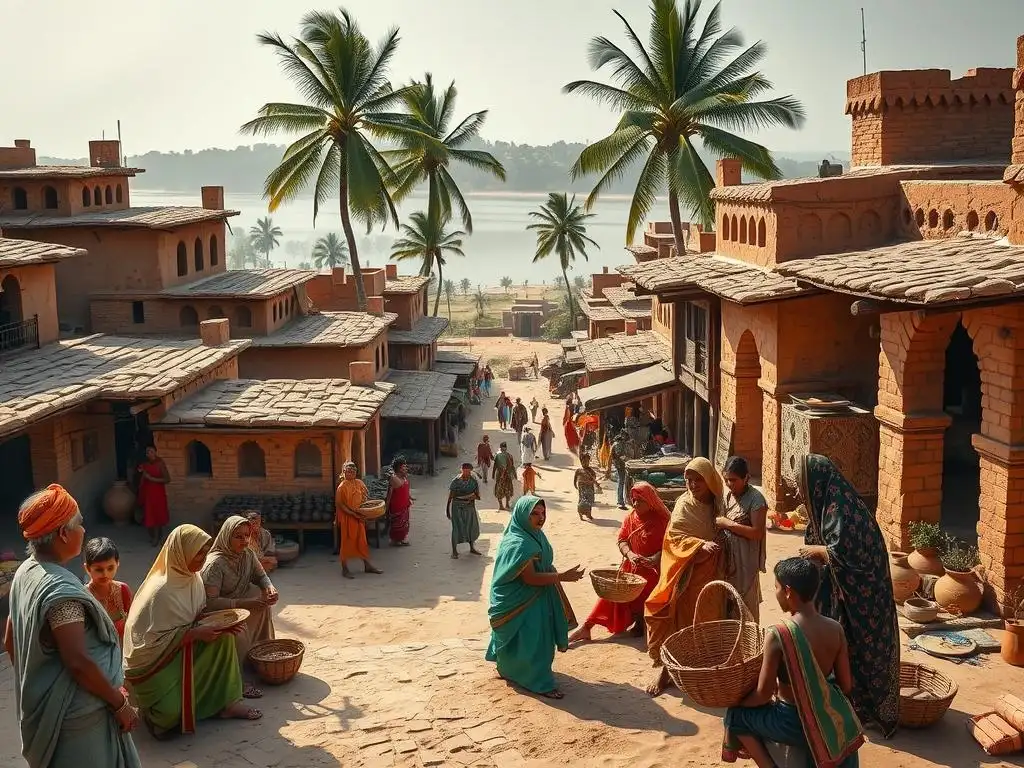
Welcome to Ancient India History, where we embark on a fascinating journey through the vibrant tapestry of ancient Indian civilizations. Here, you’ll uncover the rich heritage and remarkable contributions that have shaped not only the subcontinent but the world at large.
In our featured article, "Unraveling the Mysteries of Indus Valley Society: What Daily Life Was Really Like," we delve into the intriguing nuances of daily life in the Indus Valley, revealing the customs, innovations, and social structures that defined this enigmatic civilization. Get ready to explore the echoes of the past and uncover the secrets that lie within the heart of Ancient India!
Introduction to Daily Life in the Indus Valley
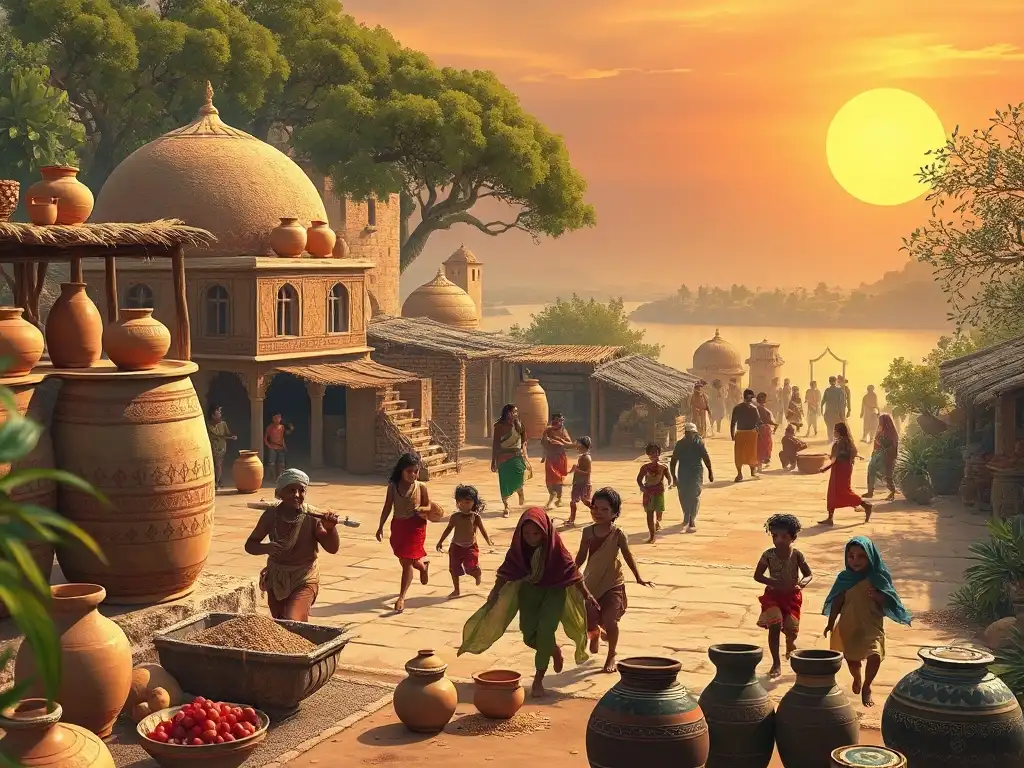
The Indus Valley Civilization, one of the world's earliest urban cultures, flourished around 2500 BCE in what is now modern-day Pakistan and northwest India. This ancient society is renowned not only for its advanced city planning and architecture but also for the intricate social structures that governed daily life. Understanding daily life in the Indus Valley provides invaluable insights into the customs, practices, and societal norms that defined this remarkable civilization. This exploration sheds light on how the people of the Indus Valley interacted with their environment, each other, and the myriad challenges they faced.
Overview of the Indus Valley Civilization
The Indus Valley Civilization, also known as the Harappan Civilization, spanned across a vast area, covering approximately 1.25 million square kilometers. Key cities such as Harappa and Mohenjo-Daro were characterized by their well-planned layouts, brick buildings, and advanced drainage systems. The civilization thrived on agriculture, trade, and craftsmanship, with evidence suggesting a sophisticated understanding of hydraulics and urban management.
| Feature | Description |
|---|---|
| Time Period | c. 3300 - c. 1300 BCE |
| Major Cities | Harappa, Mohenjo-Daro, Dholavira |
| Economy | Agriculture, trade, and crafts |
| Writing System | Undeciphered script (Indus script) |
Importance of Understanding Daily Life in Ancient Societies
Studying daily life in ancient societies, particularly the Indus Valley, is crucial for several reasons. It allows historians and archaeologists to reconstruct the social fabric and cultural norms that influenced individual behaviors and community interactions. By analyzing artifacts, urban layouts, and remnants of daily activities, we can gain a deeper appreciation for the values and priorities of Indus Valley inhabitants. Moreover, understanding their daily lives can provide context to broader historical narratives, illustrating how ancient civilizations adapted to their environments and interacted with one another.
The Urban Layout of Indus Valley Cities
The cities of the Indus Valley were remarkable examples of urban planning, demonstrating a level of sophistication that was unparalleled at the time. The layout of these cities reveals much about the daily lives of their residents, including their social organization and economic practices.
City Planning and Architecture
Indus Valley cities were meticulously planned, featuring grid patterns, wide streets, and impressive public buildings. Homes were constructed from baked bricks and often included multiple rooms, suggesting a degree of comfort and privacy. The architectural design of these cities reflects not only aesthetic considerations but also practical needs, accommodating the daily activities of their inhabitants.
Significance of Drainage Systems
One of the most notable features of Indus Valley cities was their advanced drainage systems. These systems included covered drains that ran along the streets, allowing for the efficient disposal of waste and stormwater. This innovation not only contributed to public health but also indicated a high level of civic responsibility among the residents. Cleanliness and sanitation were evidently prioritized in daily life, which in turn fostered a sense of community well-being.
Public and Private Spaces in Daily Life
The separation of public and private spaces in Indus Valley cities played a crucial role in shaping daily life. Public areas likely served as hubs for trade, social interaction, and cultural activities, while private homes were spaces for family and domestic life. This division illustrates the complexity of social interactions, where communal activities occurred alongside private family dynamics, enriching the overall fabric of Indus Valley society.
Understanding these elements provides a clearer picture of what daily life was like in the Indus Valley, offering a glimpse into the lives of those who inhabited this remarkable civilization.
Daily Activities of Indus Valley Inhabitants
The daily life of the inhabitants of the Indus Valley Civilization was characterized by a blend of agricultural practices, craftsmanship, trade, and social organization. These activities were intertwined with the natural environment and the technological advancements of the time. Most of the population engaged in farming, with a significant proportion also involved in trades and crafts. The proximity of major rivers, particularly the Indus River, provided not only water for irrigation but also transportation routes that facilitated trade with neighboring regions.
Daily routines varied according to social class and occupation. Farmers typically rose with the sun to tend to their fields, while artisans and traders prepared for their workday, which often involved the production of goods or the exchange of products in bustling marketplaces. Children were also part of the daily life, helping with chores and learning skills from their parents. The rhythm of life in the Indus Valley was marked by seasonal changes, with planting and harvest times dictating many of the community's activities.
Agricultural Practices and Food Production
Agriculture was the backbone of the Indus Valley economy. The fertile plains, nourished by seasonal flooding of the Indus River, allowed for the cultivation of various crops such as wheat, barley, peas, and cotton. Archaeological evidence suggests that the inhabitants practiced advanced agricultural techniques, including irrigation systems and crop rotation, which increased productivity and sustainability.
The Indus Valley farmers also domesticated animals, including cattle, sheep, and goats, which provided not only food but also labor for plowing fields. These practices contributed to a stable food supply, allowing the population to grow and thrive. Additionally, grain storage facilities, often discovered in archaeological sites, indicate that surplus production was common, enabling trade with other regions and enhancing the society's wealth.
Craftsmanship and Trade
The craftsmanship of the Indus Valley inhabitants was highly developed, showcasing their skills in various fields such as pottery, metallurgy, jewelry making, and textiles. Artisans produced intricate items, including beautifully decorated pottery, finely crafted beads, and metal tools, which were often traded with neighboring civilizations. The presence of standardized weights and measures in trade indicates a sophisticated economic system.
Trade networks extended beyond the Indus Valley, connecting to regions as far as Mesopotamia and the Persian Gulf. Goods such as lapis lazuli, copper, and precious stones were exchanged for local products, facilitating cultural exchanges and the spread of ideas. The bustling markets of Indus cities like Harappa and Mohenjo-Daro were central to this trade, where merchants and consumers interacted daily.
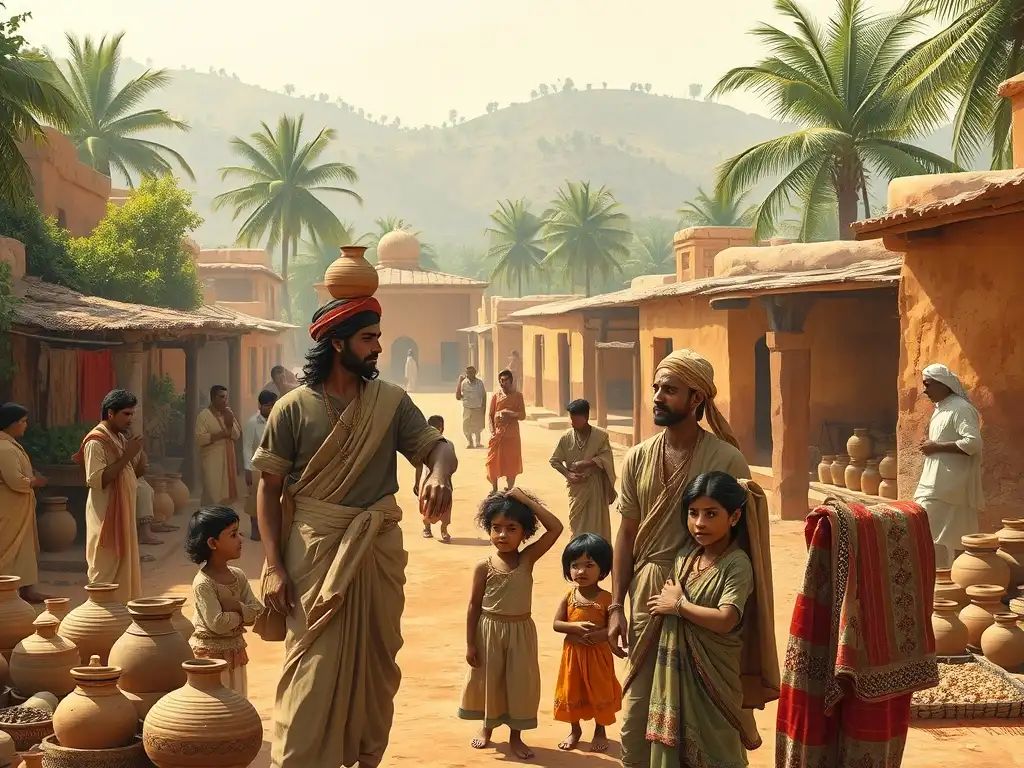
The social structure of the Indus Valley Civilization was complex and indicative of a hierarchical society. Family life was integral to the community, with familial ties playing a vital role in social organization. Households often consisted of extended family members, living in close quarters and sharing responsibilities for domestic tasks and agricultural work.
Hierarchical Society in the Indus Valley
The society of the Indus Valley was likely stratified, with a clear distinction between different social classes. Evidence suggests the presence of a ruling elite or priestly class that held significant power over economic and religious matters. This elite class was possibly responsible for overseeing trade and agricultural production, as well as maintaining the sophisticated urban centers that characterized the civilization.
Archaeological findings, including large public buildings and elaborate drainage systems, point to organized governance and social organization. However, the exact nature of the political structure remains largely speculative, with limited written records available. Nevertheless, the existence of seals and inscriptions suggests that some form of administration was in place to manage the affairs of the cities.
Housing and Living Conditions
Housing in the Indus Valley was typically constructed from baked bricks, which were remarkably uniform in size and shape, indicating advanced engineering skills. Homes were often single or multi-storied, featuring flat roofs and courtyards, and were designed to maximize space and ventilation. The urban planning of cities like Mohenjo-Daro is notable for its grid-like layout and sophisticated drainage systems, which reflect an understanding of sanitation and urban infrastructure.
Living conditions varied based on social status, with wealthier families enjoying larger homes and better access to resources. In contrast, lower-class families lived in smaller, simpler dwellings. Despite these disparities, the overall urban environment was conducive to community life, with shared public spaces and facilities that promoted social interaction among residents.
The daily life in the Indus Valley was a rich tapestry woven from agriculture, craftsmanship, trade, and structured social dynamics, revealing a civilization that was advanced for its time and left a lasting legacy on subsequent cultures in the Indian subcontinent.
Religion and Spiritual Life
The religion and spiritual life of the Indus Valley Civilization remain a subject of fascination and scholarly debate. While much about their beliefs is inferred from archaeological findings rather than written records, evidence suggests a complex belief system that integrated nature, fertility, and possibly ancestor worship. The presence of figurines, seals, and various symbols points towards a society that placed significant importance on religious practices and spiritual life.
The archaeological site of Mohenjo-Daro, for instance, reveals structures that may have served as communal bathing areas, indicating ritualistic purification practices. Additionally, terracotta figures, often depicting female forms, suggest a veneration of a mother goddess, symbolizing fertility and perhaps the earth's nurturing aspects. These insights into their spiritual life highlight how religion permeated various aspects of daily living, influencing social structures and community cohesion.
Religious Beliefs and Practices
Religious beliefs in the Indus Valley Civilization appear to have been polytheistic, with a pantheon of deities associated with natural elements and fertility. Seals featuring a horned figure, often interpreted as a deity, suggest that this figure may have held significant religious importance, possibly as a god of the hunt or a protector of animals.
Rituals likely revolved around agricultural cycles, as the society was primarily agrarian. The reliance on the monsoon for farming might have led to practices aimed at appeasing rain gods. Additionally, the discovery of fire altars at sites like Kalibangan indicates that fire rituals were part of their spiritual practices, possibly for offerings or purification.
Moreover, the existence of numerous small figurines, including those of animals and mythical creatures, points to a rich tapestry of mythological narratives that may have formed the basis of their belief system. Such artifacts suggest that storytelling and oral traditions were integral, passed down through generations, solidifying community identity and cultural values.
Burial Practices and Afterlife Beliefs
Burial practices in the Indus Valley Civilization provide crucial insights into their beliefs about the afterlife. Archaeological evidence reveals that the dead were often interred with various grave goods, including pottery, jewelry, and tools. This practice suggests a belief in an afterlife where these items would be useful to the deceased.
Grave sites indicate a variety of burial methods, including inhumation—where the body was placed in a grave—and cremation, reflecting possibly differing beliefs about the afterlife or social stratification within the society. Additionally, some graves have been found with the body oriented towards the east, a position that may have held religious significance, possibly linked to the sun and rebirth.
The absence of elaborate tombs, compared to other ancient civilizations, hints that the Indus Valley people may have favored a more egalitarian approach to burial, emphasizing a shared belief in the afterlife rather than individual status. This aspect of their burial practices reinforces the idea of a community-oriented belief system, where the emphasis was on collective identity and shared spiritual values.
Art and Culture in Daily Life
Art and culture played a vital role in the daily life of the Indus Valley Civilization, reflecting their societal values, aesthetic preferences, and technological advancements. Various forms of artistic expression, from pottery to sculpture, provided insight into the cultural practices and lifestyle of the Indus people. The creativity and craftsmanship evident in their artifacts underscore a society that valued art not just for decoration but as a vital component of their cultural identity.
The sophisticated design of urban centers, with their organized layouts and public spaces, further exemplifies the cultural priorities of the Indus Valley inhabitants. These urban planning elements suggest a community that appreciated beauty, functionality, and social interaction, which were essential in their daily lives.
Artistic Expressions and Crafts
The artistic expressions of the Indus Valley Civilization were diverse and intricate, showcasing their exceptional craftsmanship. Pottery, often adorned with geometric patterns and animal motifs, illustrates the aesthetic sensibilities of the time. The use of a potter's wheel demonstrates advanced technological skills, allowing for uniform shapes and sizes.
Seals carved from steatite, depicting various animals and deities, were not only artistic but also served as tools for trade and communication. These seals often carried inscriptions in a script that remains undeciphered, hinting at a sophisticated system of writing that played a crucial role in their commerce and cultural exchange.
Textiles also held importance in the Indus Valley, with evidence of cotton cultivation suggesting that they were among the first to produce cotton fabric. Dyed textiles, often used for clothing and ceremonial purposes, indicate a society that appreciated color and texture, further enriching their daily life and cultural practices.
Music and Dance in the Indus Valley
Music and dance likely played a significant role in the social and cultural life of the Indus Valley Civilization. While direct evidence of musical instruments is limited, findings of terracotta figurines suggest that dance and music were integral to their rituals and celebrations. These figurines, often depicting dancers in various poses, indicate that performance arts were a means of expression and community bonding.
In addition, seals depicting musicians and instruments hint at a rich musical culture that may have included stringed instruments, flutes, and percussion. Such artistic representations suggest that music was not only a form of entertainment but also a vehicle for storytelling, cultural transmission, and spiritual expression.
Festivals and communal gatherings likely provided opportunities for music and dance, fostering social cohesion and reinforcing cultural identity. The rhythmic patterns and movements associated with their dances could have been influenced by agricultural cycles, celebrating harvests and seasonal changes, thus intertwining their artistic expressions with the very fabric of daily life in the Indus Valley.
Challenges and Changes in Daily Life
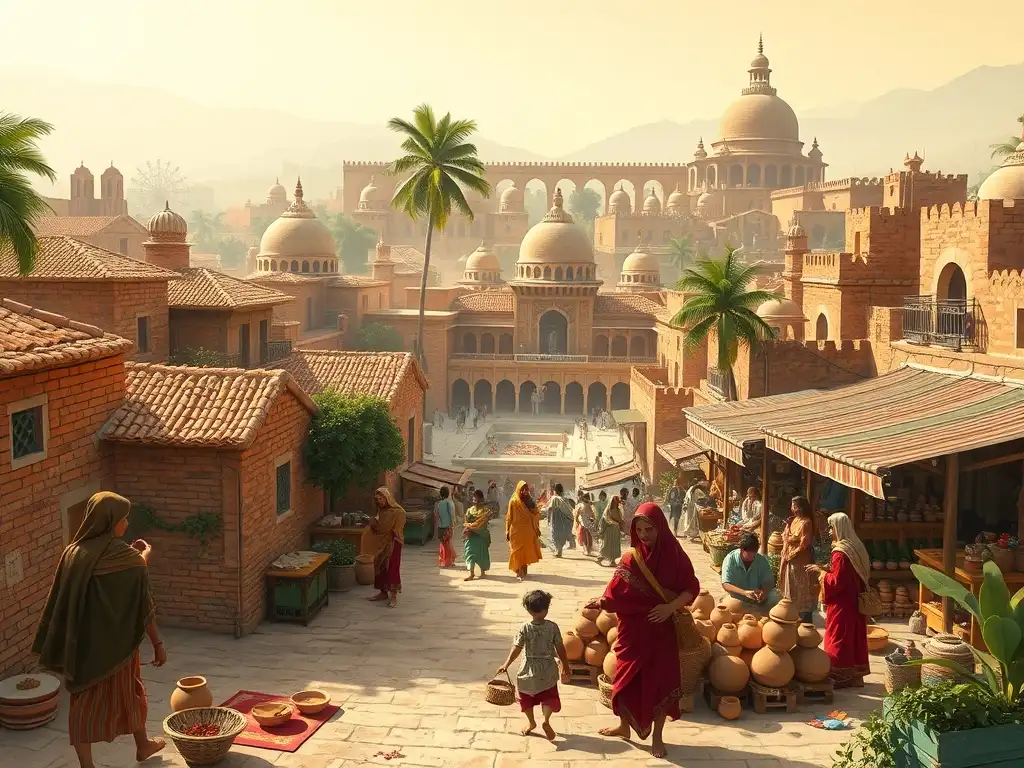
The daily life of the Indus Valley civilization was shaped by various challenges and changes that affected their societal structures, economic systems, and cultural practices. As a thriving civilization, the inhabitants of the Indus Valley encountered numerous difficulties, ranging from environmental changes to socio-political dynamics. These challenges not only influenced the nature of their daily activities but also contributed to the evolution of their society over time.
One significant challenge was the reliance on monsoon rains for agriculture. The Indus Valley's economy was heavily dependent on farming, especially the cultivation of wheat, barley, and cotton. Variability in rainfall patterns could lead to droughts or floods, directly impacting food production. In response to these challenges, the people developed advanced irrigation techniques, including the construction of canals and reservoirs, to manage water resources effectively.
Additionally, trade and interaction with neighboring cultures introduced new ideas and technologies but also brought about competition and conflict. The emergence of urban centers like Harappa and Mohenjo-Daro fostered a complex societal structure, where trade networks expanded. However, this also made these cities vulnerable to external pressures, leading to changes in their social and economic dynamics.
Environmental Factors and Their Impact
Environmental factors played a crucial role in shaping daily life in the Indus Valley. The region's geography, characterized by fertile plains and access to rivers like the Indus, facilitated agricultural development. However, the same environment also posed risks, such as flooding from the Indus River during monsoon seasons, which could devastate crops and settlements.
As the civilization progressed, archaeological evidence indicates a shift in climate patterns that may have led to harsher living conditions. The gradual aridification of the region could have caused agricultural decline, prompting people to seek alternative livelihoods. This environmental stress may have forced communities to migrate toward more sustainable areas, altering the demographic landscape of the civilization.
The Indus Valley people's response to these environmental challenges was innovative. They adopted crop diversification and improved storage techniques, as evidenced by the discovery of granaries in archaeological sites. Such adaptability was crucial for their survival and illustrates their understanding of their environment.
Decline of the Indus Valley Civilization
The decline of the Indus Valley civilization remains one of history's intriguing mysteries. Various theories have been proposed, including climate change, shifts in river courses, and socio-political upheaval. By around 1900 BCE, many urban centers began to decline, leading to the gradual abandonment of cities.
One prevailing theory suggests that a significant change in climate, characterized by reduced rainfall and prolonged drought, severely impacted agriculture. This agricultural decline would have led to food shortages and social unrest, forcing people to abandon urban life in search of sustenance.
Moreover, archaeological findings indicate signs of increased militarization and conflict in the later stages of the civilization. This could reflect internal strife or external pressures from neighboring cultures, contributing to the fragmentation of society. As trade routes diminished and urban centers fell into disrepair, the once-flourishing civilization experienced a profound transformation.
Ultimately, the decline of the Indus Valley civilization was likely the result of a combination of environmental, economic, and social factors, making it a complex and multifaceted historical event.
Conclusion: The Legacy of Daily Life in the Indus Valley
The legacy of daily life in the Indus Valley is a testament to the ingenuity and resilience of its people. Their advancements in urban planning, agricultural practices, and social organization laid the groundwork for future Indian societies. The remnants of their civilization provide valuable insights into their way of life, influencing the cultural and historical narratives of the region.
Lasting Influences on Subsequent Indian Societies
The contributions of the Indus Valley civilization extend beyond its decline. Many elements of daily life, such as urban architecture, craft specialization, and trade practices, influenced subsequent cultures in India. For instance, the grid-like city planning and drainage systems established by the Indus Valley inhabitants can be seen in later urban developments across the Indian subcontinent.
Additionally, the agricultural techniques and domestication of plants and animals pioneered during this period had lasting effects on agricultural practices in India. The cultivation of cotton and the use of standardized weights for trade are examples of innovations that continued to shape Indian society in the centuries that followed.
Continuing Research and Discoveries in Indus Valley Studies
Ongoing research and archaeological discoveries continue to shed light on the complexities of daily life in the Indus Valley. New findings, such as the excavation of more urban sites and artifacts, help historians and archaeologists piece together the social, economic, and cultural practices of this ancient civilization.
Recent advancements in technology, such as satellite imagery and ground-penetrating radar, have enhanced our ability to explore previously uncharted areas, revealing more about the extent of the civilization. As scholars delve deeper into the Indus Valley’s past, they increasingly recognize its significance in the broader context of ancient Indian history, enhancing our understanding of the influences that shaped the region's development.
The daily life of the Indus Valley civilization is a rich tapestry of challenges, adaptations, and enduring legacies that continue to captivate researchers and history enthusiasts alike.
References and Further Reading
Understanding the daily life in the Indus Valley Civilization requires delving into a variety of scholarly resources. The following suggestions encompass a range of books, articles, and online resources that provide comprehensive insights into the intricacies of this ancient society.
Suggested Books and Articles on Indus Valley Daily Life
- "The Indus Civilization: A Contemporary Perspective" by Gregory L. Possehl
- This book offers a modern interpretation of the Indus Valley Civilization, examining archaeological findings and their implications for understanding daily life, trade, and urban planning.
- "The Archaeology of the Indus Valley" by Michael J.ansen
- An in-depth exploration of archaeological methods and findings, this work details the daily activities, societal structures, and cultural practices of the Indus Valley inhabitants.
- "Indus Valley Civilization: A Historical Overview" by Rita Lucarelli
- A comprehensive overview that includes discussions on daily life, art, and religion, providing readers with a well-rounded perspective on the civilization's contributions.
- "Daily Life in Ancient India" by R. S. Sharma
- This book contextualizes daily life within the broader framework of ancient Indian society, including insights from the Indus Valley period.
- "The Indus Valley: A History of the Early Civilization" by Shereen Ratnagar
- Ratnagar's work emphasizes trade, craftsmanship, and the socio-economic dynamics of daily life in the Indus Valley, making it an essential read for those interested in the nuances of this civilization.
- Research articles in journals such as "Journal of Archaeological Science" and "Ancient India"
- These journals frequently publish peer-reviewed articles focused on specific discoveries and interpretations regarding the Indus Valley, providing updated and detailed information for scholars and enthusiasts alike.
Online Resources for Exploring Ancient Indian Civilizations
- Ancient History Encyclopedia
- This resource offers a wealth of information, including articles, timelines, and illustrations that cover the Indus Valley Civilization and its daily life intricacies.
- The British Museum's Online Collection
- The collection features artifacts from the Indus Valley, alongside detailed descriptions that help contextualize their use in daily life.
- Archaeological Survey of India (ASI) Website
- The ASI provides access to research papers, excavation reports, and findings related to the Indus Valley Civilizations, which are invaluable for understanding their society and culture.
- National Geographic: Indus Valley Civilization
- This platform offers engaging articles and visual content about the Indus Valley, making it accessible for a broader audience interested in ancient history.
- YouTube Documentaries
- There are various educational documentaries available that explore the Indus Valley Civilization, providing visual insights into its urban planning, culture, and daily life activities.
By utilizing these resources, readers can deepen their understanding of daily life in the Indus Valley and appreciate the complexity of this ancient civilization.
- Introduction to Daily Life in the Indus Valley
- The Urban Layout of Indus Valley Cities
- Daily Activities of Indus Valley Inhabitants
- Social Structure and Family Life
- Religion and Spiritual Life
- Art and Culture in Daily Life
- Challenges and Changes in Daily Life
- Conclusion: The Legacy of Daily Life in the Indus Valley
- References and Further Reading
- What was daily life like in the Indus Valley?
- How did the people of the Indus Valley communicate?
- What were the primary occupations in the Indus Valley civilization?
- How did religion influence daily life in the Indus Valley?
- What contributions did the Indus Valley civilization make to later cultures?
Frequently Asked Questions
What was daily life like in the Indus Valley?
Daily life in the Indus Valley was characterized by a well-organized urban structure, advanced drainage systems, and a focus on trade and agriculture.
How did the people of the Indus Valley communicate?
The people of the Indus Valley likely used a script that remains undeciphered today, indicating a form of written communication that was essential for trade and administration.
What were the primary occupations in the Indus Valley civilization?
The primary occupations included farming, craftsmanship, and trade, with a strong emphasis on agriculture due to the fertile land and river systems.
How did religion influence daily life in the Indus Valley?
Religion played a significant role in daily life, with evidence suggesting that people practiced rituals and revered deities, which influenced their social structures and community activities.
What contributions did the Indus Valley civilization make to later cultures?
The Indus Valley civilization contributed significantly to urban planning, drainage systems, and trade practices, which later influenced Indian culture and other ancient civilizations.
Final Reflection: Exploring the Echoes of Daily Life in the Indus Valley
The daily life of the Indus Valley civilization serves as a profound reminder of our shared human experience, revealing how the intricacies of daily routines, social structures, and cultural practices continue to resonate in our modern world. As we delve into the remnants of this ancient society, we uncover not only their innovations and achievements but also the timeless aspects of human existence that connect us across millennia. The lessons from the Indus Valley are not merely historical curiosities; they challenge us to reflect on our own daily lives and the values we uphold.
The influence of the Indus Valley civilization extends far beyond its geographical boundaries and historical timeline. Its sophisticated urban planning, trade networks, and social organization have shaped our understanding of civilization itself. Today, as we navigate the complexities of our own societies, we can draw parallels between their communal living and our current struggles for connection and sustainability. The past is not dead; it is not even past,
said William Faulkner, reminding us that the echoes of ancient societies like the Indus Valley continue to inform our present and future.
As we conclude our exploration of daily life in the Indus Valley, I invite you to reflect on how the lessons from this remarkable civilization can inspire your own daily practices. Consider how you can incorporate the values of community, innovation, and sustainability into your life. Let the stories of those who lived thousands of years ago encourage you to create a meaningful and connected existence today. Embrace the wisdom of the past as you forge your path into the future, and remember that every small action contributes to the tapestry of human history.
Unveil the Secrets of Daily Life in the Indus Valley!
Thank you for diving into the captivating world of the Indus Valley Society! We hope you gained insights into their fascinating daily life and unique customs. Are you ready to take your exploration further? Here’s how you can engage and expand your knowledge:
- Join a discussion group focused on Ancient Indian history to connect with fellow enthusiasts and share your insights.
- Visit a local museum that showcases artifacts from the Indus Valley civilization for a firsthand experience of history.
- Share this article with friends to spark engaging conversations about the richness of ancient societies!
What aspects of daily life in the Indus Valley intrigued you the most, and how do you think they compare to our lives today?