
The Role of Gemstone Markets in Preserving India's Artistic Heritage

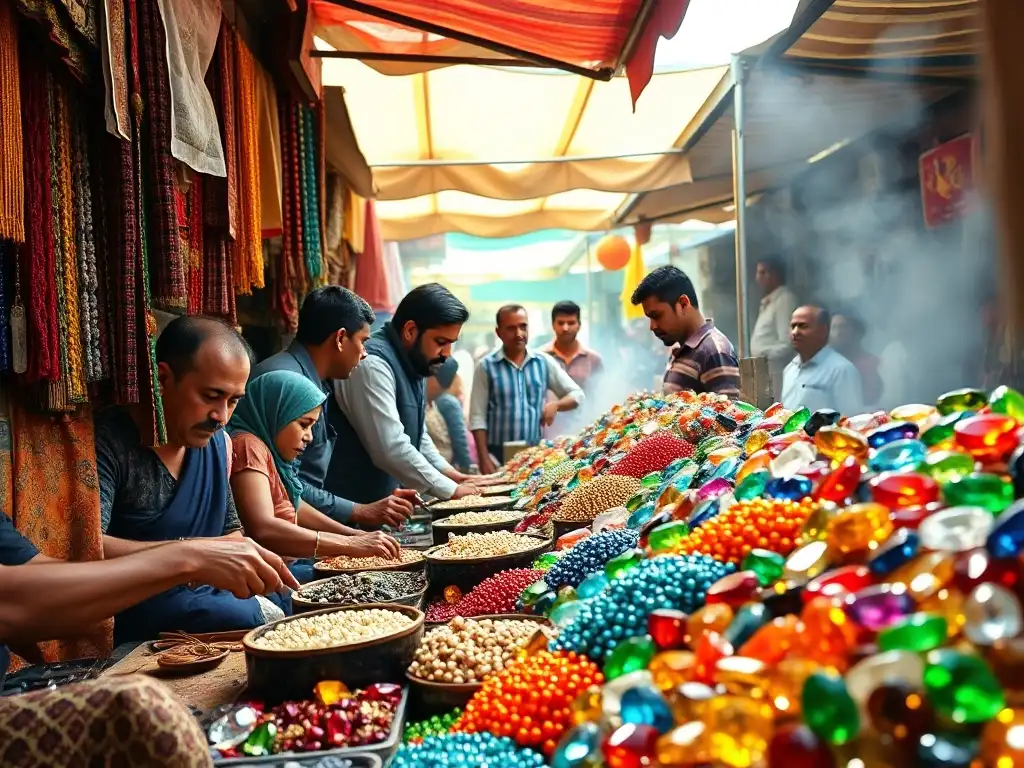
Welcome to Ancient India History, where we embark on a fascinating journey through the rich tapestry of India's past. Today, we delve into the enchanting world of gemstone markets in India, exploring their pivotal role in preserving the artistic heritage that has flourished throughout centuries. From the intricately crafted jewelry of the Indus Valley to the exquisite designs of the Gupta Empire, these markets serve as a vibrant link to our cultural legacy.
Curious to uncover how these precious stones symbolize India's history and artistry? Join us as we unravel the stories that lie within each gem, and discover the vibrant traditions that continue to shine through the ages.
- Introduction to Gemstone Markets in India
- Historical Significance of Gemstone Markets in India
- The Role of Gemstone Markets in Preserving Artistic Heritage
- Top Gemstone Markets in India
- Economic Impact of Gemstone Markets on Local Communities
- Challenges Faced by Gemstone Markets in India
- Future Trends in India's Gemstone Markets
- Conclusion: The Enduring Legacy of Gemstone Markets in India
- Frequently Asked Questions
- Final Reflection: The Enduring Legacy of Gemstone Markets in India
- Preserve India’s Artistry: Take Action Now!
Introduction to Gemstone Markets in India
The gemstone markets in India hold a significant place in the country's rich tapestry of history and culture. These markets are not merely commercial hubs; they are vital repositories of centuries-old artistic traditions and craftsmanship. From the dazzling streets of Jaipur to the bustling bazaars of Delhi and beyond, these markets serve as vibrant platforms where artisans showcase their skills while preserving the intricate heritage of gemstone artistry. In this article, we explore the pivotal role that gemstone markets play in safeguarding India's artistic legacy, their historical roots, and the diverse cultural influences that shape the industry today.
Understanding the Importance of Gemstone Markets in Cultural Preservation
Gemstone markets in India are more than just trading spots; they are living museums of cultural expression. The importance of these markets can be understood through several key points:
- Artisan Communities: Many gemstone markets are home to artisan families who have practiced their craft for generations. This continuity fosters a unique blend of tradition and innovation, ensuring that ancient techniques are passed down to younger generations.
- Cultural Exchange: Gemstone markets facilitate the exchange of ideas and styles among various communities, contributing to a dynamic artistic environment. The influence of local customs, regional styles, and international trends enriches the craftsmanship found in these markets.
- Economic Sustainability: By supporting local artisans, gemstone markets contribute to the economic well-being of communities. This economic aspect is crucial for the survival of traditional arts, as it provides artisans with the resources needed to continue their work.
The beauty of Indian gemstones is not just in their physical allure, but in the stories and traditions they carry with them.
Overview of India's Rich Artistic Heritage
India's artistic heritage is a vibrant mosaic that reflects the country's diverse history and cultural influences. Key elements include:
- Historical Significance: India's artistic traditions can be traced back thousands of years, with influences from various dynasties, including the Mauryas, Guptas, and Mughals. Each era contributed unique styles and techniques, enriching the overall artistic landscape.
- Diverse Art Forms: The country boasts an array of artistic expressions, from intricate jewelry making to vibrant textiles and elaborate paintings. Gemstone craftsmanship is a crucial part of this diversity, showcasing the skill and creativity of Indian artisans.
- Symbolism and Spirituality: In many Indian cultures, gemstones are imbued with symbolism and spiritual significance. They are often associated with healing properties and are integral to various rituals and ceremonies.
- Global Influence: India's artistic heritage has not only shaped its own cultural identity but has also influenced global art and jewelry trends. The allure of Indian gemstones and their craftsmanship continues to captivate collectors and enthusiasts around the world.
By examining the gemstone markets within this rich context, we can appreciate their role in preserving and promoting India's artistic heritage. Each gemstone tells a story, and every market is a testament to the enduring legacy of Indian craftsmanship.
Historical Significance of Gemstone Markets in India
The Roots of Gemstone Trade in Ancient Indian Civilizations
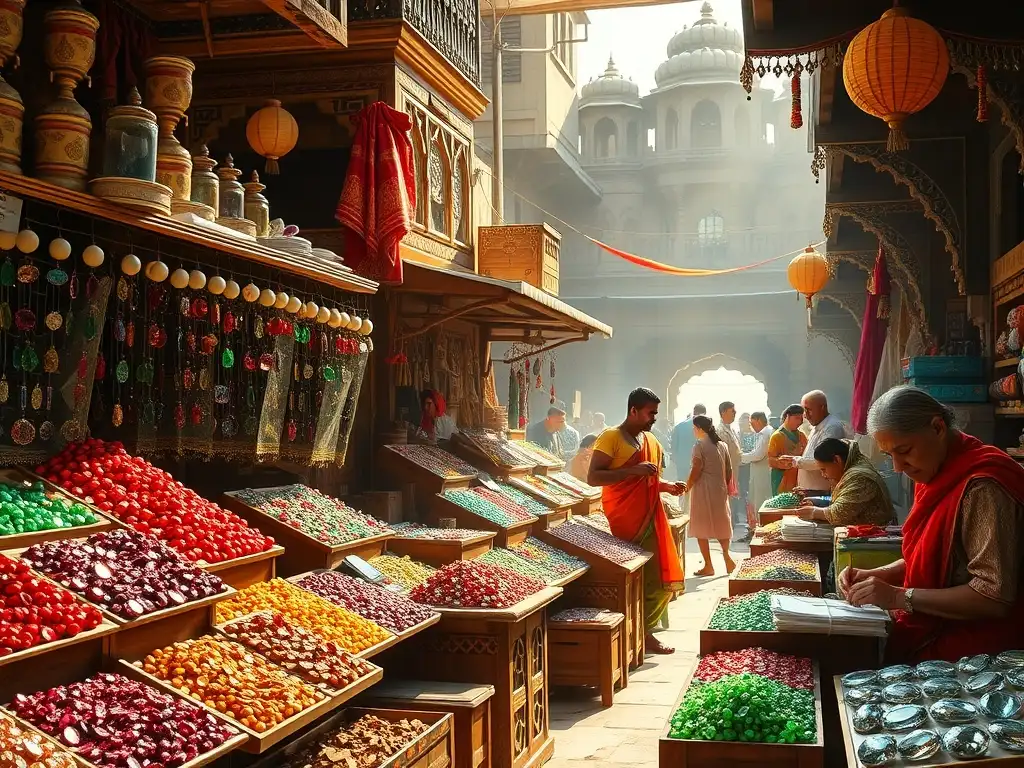
The gemstone trade in India dates back thousands of years, woven intricately into the fabric of ancient Indian civilizations. The rich deposits of gemstones found across the subcontinent laid the groundwork for a vibrant trade network, influencing both local economies and international commerce. The Indus Valley Civilization (circa 3300–1300 BCE) is often regarded as one of the earliest to engage in the mining and trading of precious stones, including carnelian, lapis lazuli, and agate.
- Indus Valley Discoveries: Archaeological excavations have unearthed evidence of gemstone beads and seals, indicating advanced craftsmanship and trade practices. These artifacts showcase not only the aesthetic value of gemstones but also their significance in trade and cultural exchanges.
- Cultural Symbolism: In ancient India, gemstones were believed to possess spiritual powers, often used in religious rituals and as talismans. Texts such as the Rigveda reference gems and their symbolic meanings, further solidifying their importance in society.
As the centuries progressed, the trade of gemstones flourished, particularly during the Mauryan Empire (322–185 BCE) and the Gupta Empire (circa 320–550 CE), when India's merchants established extensive trade routes connecting the East with the West, including the Silk Road. This facilitated the exchange of not only gemstones but also artistic techniques, cultural practices, and philosophies, enriching the Indian heritage.
Key Historical Gemstone Markets: A Journey Through Time
Throughout India's history, several key markets have emerged as focal points for gemstone trade, each contributing uniquely to the preservation of artistic heritage. Below is a look at some of these significant markets:
- Jaipur: Known as the "Pink City," Jaipur has been a hub for gemstone trading since the 16th century. The establishment of the Gem Palace in the early 19th century marked a turning point, as it became a center for royal commissions and international clients.
- Key Contributions: The city is famous for its lapidary work, particularly in cutting and polishing gemstones, which helped elevate Indian craftsmanship on the global stage.
- Delhi: The capital city has long been a melting pot of cultures and trades. During the Mughal era, Delhi became renowned for its exquisite jewelry, including intricate designs featuring diamonds and emeralds.
- Cultural Fusion: The city's markets, such as Chandni Chowk, have remained vibrant over centuries, serving as a testament to the enduring legacy of gemstone trading.
- Surat: Historically known as the "Gateway to India," Surat was a prominent port city in the 17th century, facilitating maritime trade of gemstones and textiles.
- Economic Impact: The bustling bazaars of Surat attracted traders from Europe, further integrating Indian gemstones into global markets.
- Varanasi: Known primarily for its spiritual significance, Varanasi also has a rich history of gemstone craftsmanship, particularly in the creation of intricate jewelry pieces.
- Artistic Heritage: The local artisans have preserved traditional techniques, ensuring that the artistry involved in gemstone crafting remains alive through generations.
- Ahmedabad: The city has been at the forefront of diamond trading, especially since the establishment of the diamond cutting and polishing industry in the 20th century.
- Modern Developments: Today, Ahmedabad plays a crucial role in the global diamond trade, with its markets continuing to thrive and innovate.
The vibrant gemstone markets in India not only reflect the historical significance of gemstone trading but also serve as custodians of the artistic heritage that has been passed down through generations. These markets are essential not only for their economic contribution but also for their role in preserving the cultural identity of India.
The Role of Gemstone Markets in Preserving Artistic Heritage
How Gemstone Craftsmanship Reflects India's Cultural Identity
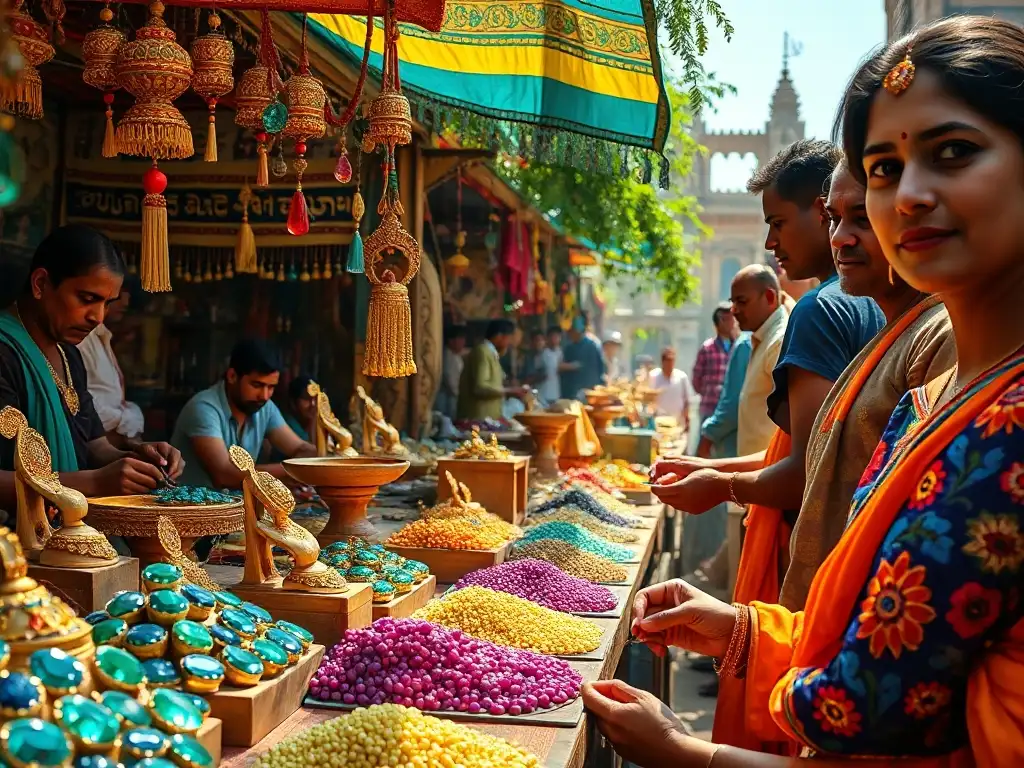
Gemstone craftsmanship in India is not merely a trade; it is a vibrant reflection of the country's rich cultural identity. The intricate art of gemstone carving, cutting, and setting has deep historical roots, tracing back to ancient civilizations such as the Indus Valley. Each gemstone carries with it stories of traditions, beliefs, and artistic expressions unique to various regions of India.
- Historical Significance: The use of gemstones in jewelry and ornaments can be traced back to ancient texts like the Rigveda, which mentions precious stones. These texts highlight the spiritual and social significance of gemstones, establishing their role in religious rituals and royal adornments.
- Regional Variations: Different regions in India have developed distinct styles of gemstone craftsmanship. For instance, Jaipur is renowned for its vibrant gemstones, while Varanasi is famous for intricate gold jewelry embedded with precious stones. This diversity showcases the local cultural influences, traditions, and artistic techniques that have evolved over centuries.
- Symbolism in Gemstones: Each gemstone is often imbued with symbolic meanings that reflect cultural beliefs. For example, the ruby is associated with power and passion, while the emerald is linked to wisdom and fertility. These associations enhance the value of gemstones beyond their aesthetic appeal, intertwining them with the fabric of Indian heritage.
The role of gemstone markets in India is pivotal in maintaining these artistic traditions. By providing a platform for artisans and craftsmen to showcase their work, these markets help preserve age-old techniques and cultural narratives, ensuring that the artistry continues to thrive.
The Impact of Traditional Techniques on Modern Gemstone Markets
The traditional techniques of gemstone craftsmanship have a profound impact on modern gemstone markets in India. Despite the advent of technology and globalization, these age-old methods continue to influence design, production, and market dynamics.
- Sustainable Practices: Many traditional techniques are inherently sustainable, relying on locally sourced materials and minimal environmental impact. For instance, hand-cutting gemstones reduces energy consumption compared to machine-based processes. This eco-friendly approach appeals to modern consumers who prioritize sustainability in their purchases.
- Artisanal Value: There is a growing appreciation for handcrafted jewelry in contemporary markets. Consumers are increasingly seeking unique, one-of-a-kind pieces that tell a story. Traditional craftsmanship brings an artisanal quality that mass-produced items lack, thereby elevating the perceived value of gemstones.
- Cultural Revival: The revival of traditional techniques is also seen as a way to empower local artisans and preserve cultural heritage. Initiatives that promote traditional craftsmanship not only support the livelihoods of artisans but also ensure that their skills are passed down to future generations.
- Market Trends: The integration of traditional techniques into modern design has led to innovative gemstone jewelry that resonates with both local and global markets. Designers are blending contemporary aesthetics with traditional craftsmanship, creating hybrid styles that appeal to a diverse audience.
The gemstone markets in India play a crucial role in bridging the gap between tradition and modernity, ensuring that the rich artistic heritage continues to be celebrated and preserved. Through the promotion of traditional techniques, these markets not only sustain the economic viability of artisans but also reinforce the cultural identity that gemstones represent in Indian society.
Top Gemstone Markets in India
Jaipur: The Pink City and Its Vibrant Gemstone Scene
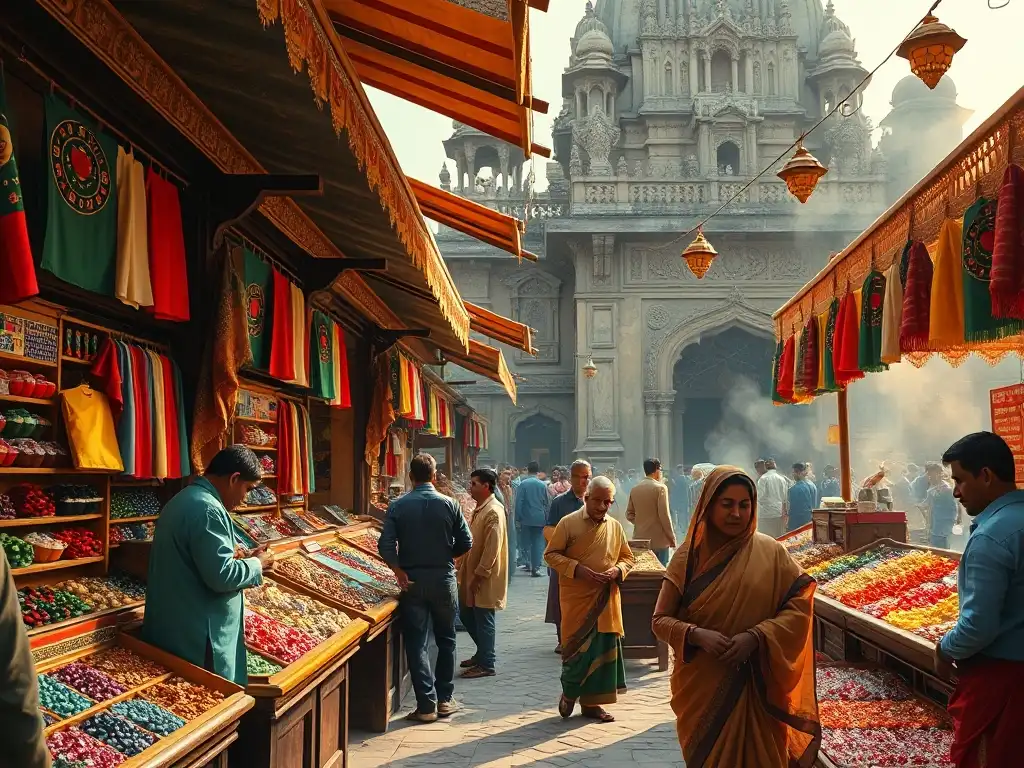
Jaipur, renowned for its stunning architecture and vibrant culture, is also a prominent hub for gemstones in India. The city's gemstone market is characterized by its rich history, craftsmanship, and unique offerings, making it a destination for both local and international buyers. The skilled artisans of Jaipur have long been celebrated for their expertise in cutting, polishing, and setting gemstones, which reflects the city's dedication to preserving its artistic heritage.
Unique Features of Jaipur's Gemstone Market
The gemstone market in Jaipur is distinguished by several unique features:
- Traditional Techniques: Artisans in Jaipur often utilize traditional techniques passed down through generations. Techniques such as "jadau" and "kundan" are particularly notable, where gemstones are set in intricate gold and silver jewelry.
- Variety of Gemstones: The market offers a wide array of gemstones, including rubies, emeralds, sapphires, and semi-precious stones like turquoise and lapis lazuli. This diversity allows customers to find unique pieces that reflect both tradition and contemporary styles.
- Cultural Significance: Many gemstones sold in Jaipur carry cultural and spiritual significance, often used in traditional Indian jewelry for weddings and festivals. This deep-rooted connection to culture enhances the overall value of the gemstones.
Recommended Shops: Gem Palace, A. D. S. Gems
When exploring Jaipur's gemstone market, consider visiting these renowned shops:
- Gem Palace: Established in the 1850s, Gem Palace combines history with luxury. Known for its exquisite craftsmanship and a wide selection of high-quality gemstones, this shop is a favorite among collectors and connoisseurs.
- A. D. S. Gems: This shop is famous for its custom-made jewelry that showcases unique gemstone combinations. Their expertise in contemporary designs makes them a go-to for those seeking modern interpretations of traditional styles.
Surat: The Diamond Hub of India
Surat is often dubbed the diamond capital of India, owing to its extensive diamond cutting and polishing industry. The city has evolved into a global hub, catering to the increasing demand for diamonds both domestically and internationally. Surat's gemstone market plays a vital role in shaping the global diamond trade, contributing significantly to India's economy.
The Evolution of Surat's Gemstone Industry
Surat's gemstone industry has seen remarkable evolution over the years:
- Historical Roots: The diamond trade in Surat dates back to the 15th century when diamonds were first discovered in the nearby Golconda region. Surat quickly became a center for trading and processing these precious stones.
- Modernization: In recent decades, Surat has embraced technology, leading to the adoption of advanced machinery for cutting and polishing diamonds. This modernization has increased efficiency and quality, maintaining Surat's competitive edge in the global market.
- Global Influence: Currently, around 90% of the world's diamonds are processed in Surat. The city's ability to adapt to international trends and demands has solidified its reputation as a pivotal player in the gemstone market.
Must-Visit Places for Gemstone Enthusiasts: Diamond World, Dharmanandan Diamonds
For those interested in exploring Surat's diamond scene, these establishments are a must-visit:
- Diamond World: This showroom showcases a stunning collection of diamonds, offering everything from loose stones to finished jewelry pieces. Their commitment to quality and customer service ensures a memorable shopping experience.
- Dharmanandan Diamonds: Known for its vast inventory and competitive pricing, Dharmanandan Diamonds is a significant player in Surat's market. They offer a wide range of diamonds, along with expert guidance to help customers make informed decisions.
The gemstone markets in India, particularly in Jaipur and Surat, play a crucial role in preserving the country's artistic heritage. By supporting local artisans and embracing traditional craftsmanship, these markets contribute to the rich tapestry of India's cultural history.
Hyderabad: The City of Pearls and Gemstones
Hyderabad, often referred to as the "City of Pearls," boasts a rich heritage in gemstone trading that dates back centuries. The city's historical links to the diamond trade, particularly during the era of the Golconda Sultanate, established it as a significant hub for precious stones. Although pearls have been a staple of Hyderabad's identity, the city's gemstone markets have flourished, showcasing a variety of stones including rubies, emeralds, and sapphires.
Hyderabad's unique blend of Mughal and Persian influences is reflected in its jewelry designs, which often incorporate intricate craftsmanship and traditional motifs. The vibrant gemstone markets here not only serve as commercial centers but also as cultural landmarks that preserve the artistic traditions of the region, making them an essential part of India's artistic heritage.
The Cultural Significance of Gemstones in Hyderabad
Gemstones hold immense cultural and historical significance in Hyderabad. They are not merely decorative items but are deeply intertwined with local customs, beliefs, and traditions. For centuries, gemstones have been used in various forms of jewelry, especially during weddings and festivals, symbolizing prosperity and good fortune.
Moreover, Hyderabad is known for its unique art of "Nizam Jewelry," characterized by elaborate designs featuring gemstones set in gold. This style reflects the opulence of the Nizam era and continues to influence modern jewelry trends. The cultural importance of gemstones extends to their use in traditional medicine and astrological practices, where specific stones are believed to possess healing properties and bring about positive energy.
Notable Markets and Shops: Shahrukh Jewellers, Mangatrai Neeraj
Among the notable gemstone markets in Hyderabad, Shahrukh Jewellers stands out for its exquisite collection of diamond and gemstone jewelry. This shop has garnered a reputation for its authenticity and craftsmanship, offering pieces that range from traditional to contemporary designs, appealing to a wide customer base.
Mangatrai Neeraj is another prominent establishment, known for its stunning array of gemstones and intricate jewelry. This shop specializes in customized pieces, allowing customers to select their gemstones and design their jewelry according to personal preferences. Both markets reflect the artistry and dedication of Hyderabad's jewelers, contributing to the city's status as a premier destination for gemstone shopping.
Delhi: The Capital's Gemstone Treasures
Delhi, the capital city of India, is not just a political hub but also a melting pot of cultures, reflected in its vibrant gemstone markets. The city is renowned for its diverse offerings, which include traditional Indian gemstones as well as international varieties. The rich history and cultural tapestry of Delhi have fostered a thriving environment for gemstone traders, artisans, and enthusiasts alike.
The markets in Delhi provide a unique shopping experience where one can find everything from antique gemstones to modern designs. This diversity caters to a broad audience, making it a go-to destination for both locals and tourists seeking high-quality gemstones.
Exploring Delhi's Diverse Gemstone Offerings
Delhi's gemstone markets are a treasure trove of options, showcasing a variety of stones, including diamonds, emeralds, and semi-precious stones like amethyst and citrine. Each market has its own specialty, providing shoppers with an array of choices based on quality, price, and style.
The city’s rich history is evident in the traditional craftsmanship found in its gemstones. Artisans employ age-old techniques in their work, ensuring that every piece reflects the heritage of Indian artistry. Additionally, many shops offer educational experiences, where customers can learn about the significance, history, and care of gemstones, further enriching their shopping experience.
Best Places to Buy Gemstones: Darya Ganj Market, Janpath
Darya Ganj Market is one of the best places to explore a variety of gemstones in Delhi. Known for its bustling atmosphere, this market offers a mix of traditional and contemporary jewelry, often at competitive prices. Here, shoppers can find everything from intricate handcrafted pieces to modern designs, making it a popular spot for both locals and tourists.
Another excellent destination is Janpath, which is famous for its street shopping experience. This market features numerous stalls and shops selling gemstones, jewelry, and handicrafts. The vibrant energy and eclectic mix of offerings make Janpath a must-visit for anyone looking to discover unique gemstone pieces while enjoying the lively atmosphere of Delhi.
Economic Impact of Gemstone Markets on Local Communities
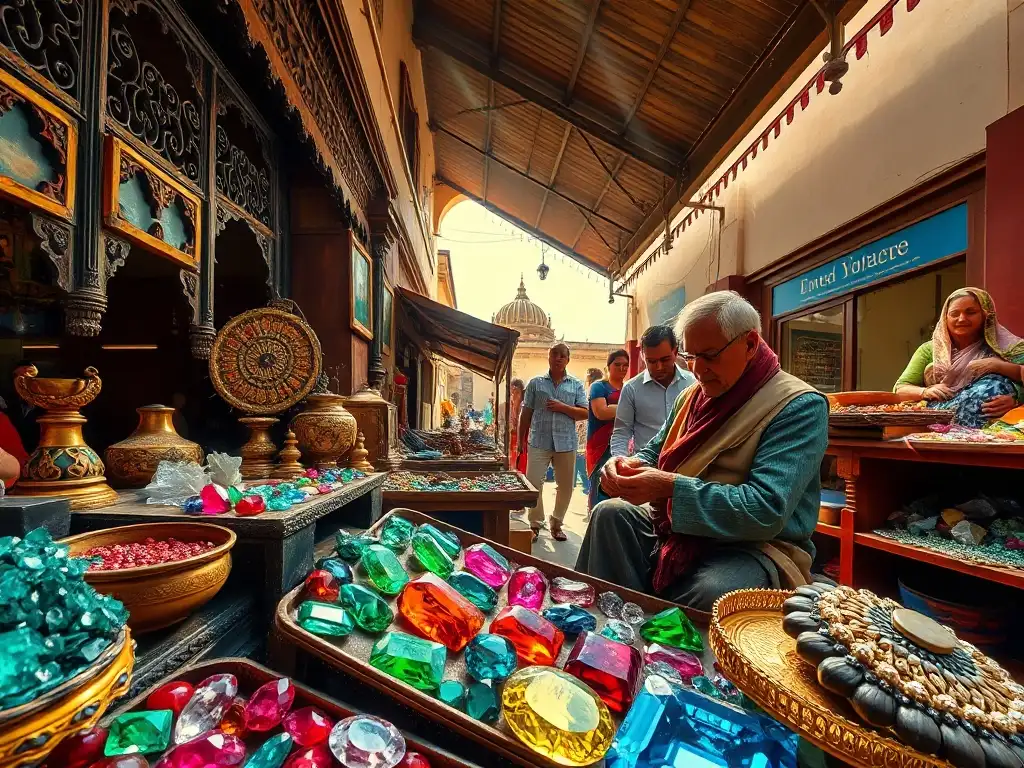
The gemstone markets in India play a crucial role in shaping the economic landscape of local communities. As centers of trade and commerce, these markets not only facilitate the buying and selling of precious stones but also serve as vital hubs for employment and skill enhancement. Their impact extends beyond mere transactions, intertwining with the social fabric and cultural heritage of the regions they inhabit.
Job Creation and Skill Development in the Gemstone Sector
The gemstone sector is a significant source of employment in India, particularly in regions known for their rich deposits and craftsmanship. Gemstone markets in India provide direct and indirect job opportunities across various levels, from miners and cutters to designers and retailers.
- Direct Employment: Many individuals find livelihoods as gem miners, where they extract raw materials from the earth, often in remote areas. This initial step is critical, as it sets the stage for the entire supply chain.
- Cutting and Polishing: Workers skilled in cutting and polishing gemstones are essential. These artisans often undergo extensive training, sometimes handed down through generations, ensuring that traditional techniques are preserved.
- Design and Retail: Designers and jewelers play a pivotal role in translating raw stones into beautiful artifacts for consumers. Their expertise not only adds value to the gemstones but also enhances the marketability of the products.
Skill development is a key aspect of sustaining this workforce. Various organizations and government initiatives offer training programs aimed at upskilling workers in modern techniques while preserving traditional methods. This dual approach ensures that artisans remain competitive in both domestic and international markets.
Moreover, the rising demand for ethically sourced and crafted gemstones has prompted many markets to adopt fair trade practices, further enhancing job security and worker rights. The economic ripple effect is significant, as families benefit from stable incomes, allowing them to invest in education, health, and overall community welfare.
How Gemstone Markets Support Local Artisans and Craftspeople
Gemstone markets in India are not just commercial entities; they are vital lifelines for local artisans and craftspeople. The intricate connection between these markets and the artisans can be highlighted through several key aspects:
- Cultural Preservation: Artisans often use traditional techniques passed down through generations. The vibrant gemstone markets provide a platform for these unique skills to flourish, ensuring that ancient crafts are not lost to modernization.
- Market Access: By participating in these markets, artisans gain access to larger audiences, both locally and internationally. This exposure allows them to showcase their craftsmanship, leading to increased sales and recognition.
- Collaborative Opportunities: Many artisans collaborate with designers and businesses, creating bespoke pieces that reflect both modern trends and traditional artistry. Such partnerships not only enhance the diversity of offerings available in the gemstone markets but also provide artisans with more stable income streams.
Additionally, the support from local governments and non-governmental organizations (NGOs) has been instrumental in creating initiatives that empower artisans. These initiatives often include:
- Financial Support: Providing microloans to artisans to help them procure materials and tools necessary for their craft.
- Workshops and Training: Hosting workshops that focus on enhancing technical skills and educating artisans about market demand and consumer preferences.
The collective effort of gemstone markets to uplift local artisans ensures the survival of traditional crafts and reinforces the importance of these markets in preserving India’s artistic heritage. As a result, the economic impact of gemstone markets extends far beyond mere financial transactions; it fosters a thriving community that celebrates and sustains its cultural legacy.
Challenges Faced by Gemstone Markets in India
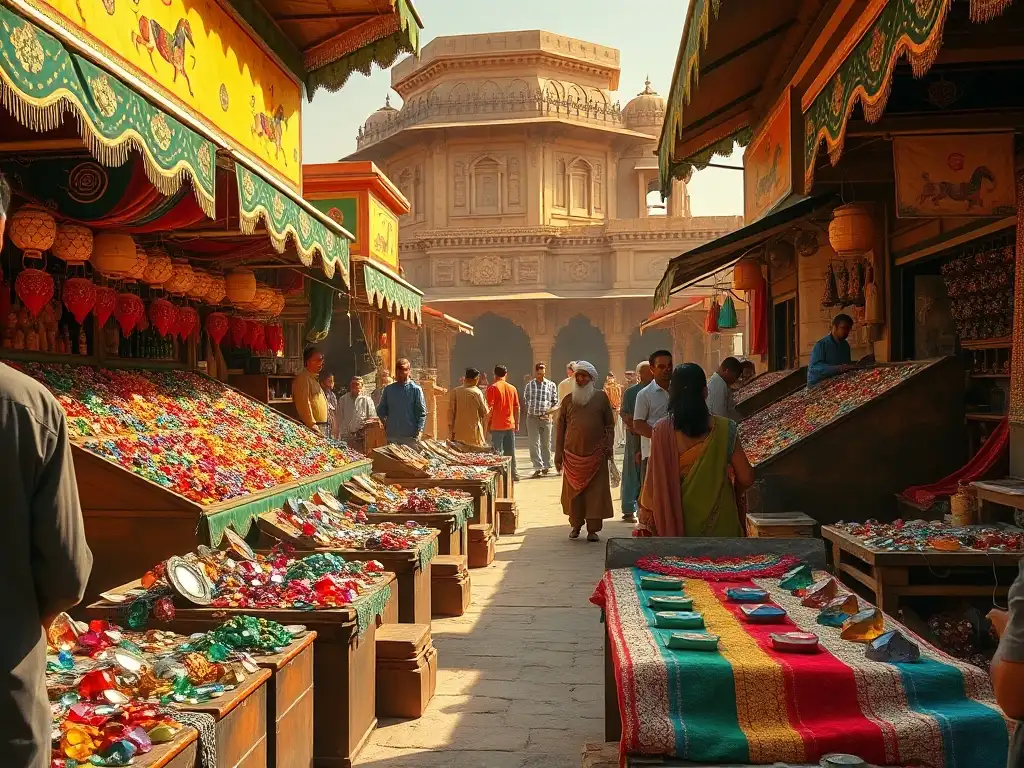
The gemstone markets in India are not just vibrant hubs of trade; they are also vital to the preservation of the country’s artistic heritage. However, these markets face several challenges that threaten their sustainability and cultural significance. Among these, globalization and ethical sourcing concerns stand out as crucial factors that need addressing.
The Influence of Globalization on Traditional Gemstone Trade
Globalization has significantly reshaped the landscape of gemstone markets in India. While it has opened up opportunities for international trade and access to broader markets, it has also introduced challenges that impact traditional practices.
- Market Competition:
- The influx of foreign gemstones and designs has led to increased competition for local artisans and traders. This competition often pushes prices down, making it difficult for local traders to sustain their livelihoods.
- Traditional artisans, who have spent years perfecting their craft, may struggle to compete with mass-produced items from other countries.
- Cultural Dilution:
- The blend of global styles with traditional Indian designs can sometimes dilute the authenticity of local craftsmanship.
- Younger generations are increasingly drawn to modern designs, which may lead to the loss of traditional techniques and styles that have been passed down through generations.
- Shifts in Consumer Preferences:
- As consumers become more globally minded, their preferences shift towards international brands and styles, leaving local markets at risk of losing their customer base.
- This shift can also affect the pricing strategies of local artisans, who may feel pressured to adopt global trends at the expense of their unique cultural expressions.
- Supply Chain Issues:
- Globalization has complicated the supply chain for gemstones, introducing new logistical challenges.
- Local markets may find it difficult to source raw materials due to reliance on international suppliers, which can affect production timelines and costs.
To mitigate these challenges, it is essential for gemstone markets in India to innovate while preserving their traditional practices. This includes promoting local artisans through initiatives that highlight the uniqueness of Indian craftsmanship and re-establishing the value of locally sourced gemstones.
Addressing Ethical Concerns in Gemstone Sourcing
Ethical sourcing has emerged as a pressing issue in the gemstone industry, and it is particularly relevant to the gemstone markets in India. Consumers are increasingly aware of the socio-economic and environmental implications of gemstone mining and trade, prompting a call for transparency and responsibility.
- Labor Practices:
- There are concerns regarding the working conditions in mines, particularly in regions where labor laws may not be strictly enforced.
- Ensuring fair wages and safe working conditions for miners is essential for ethical sourcing. Initiatives that promote fair trade practices can significantly enhance the reputation of Indian gemstones.
- Environmental Impact:
- Gemstone mining can lead to significant environmental degradation, including deforestation, loss of biodiversity, and water pollution.
- Sustainable practices must be adopted to minimize the ecological footprint of mining activities. This includes implementing responsible mining techniques and rehabilitating mined areas.
- Conflict Gemstones:
- The issue of conflict gemstones—stones mined in war zones and sold to finance armed conflict—poses a moral dilemma for consumers.
- Ensuring that gemstones sold in India are sourced from conflict-free zones is crucial for maintaining ethical integrity in the market. Implementing certification processes can help verify the origins of gemstones.
- Consumer Awareness:
- Educating consumers about the importance of ethical sourcing is vital.
- Initiatives that raise awareness about the impact of their purchasing decisions can empower consumers to make informed choices, thereby supporting ethical artisans and businesses.
By addressing these ethical concerns, gemstone markets in India can not only enhance their credibility but also contribute to a more sustainable and socially responsible industry. This approach will not only protect the artisans and miners but also ensure that India’s rich artistic heritage continues to thrive in a globalized world.
Future Trends in India's Gemstone Markets
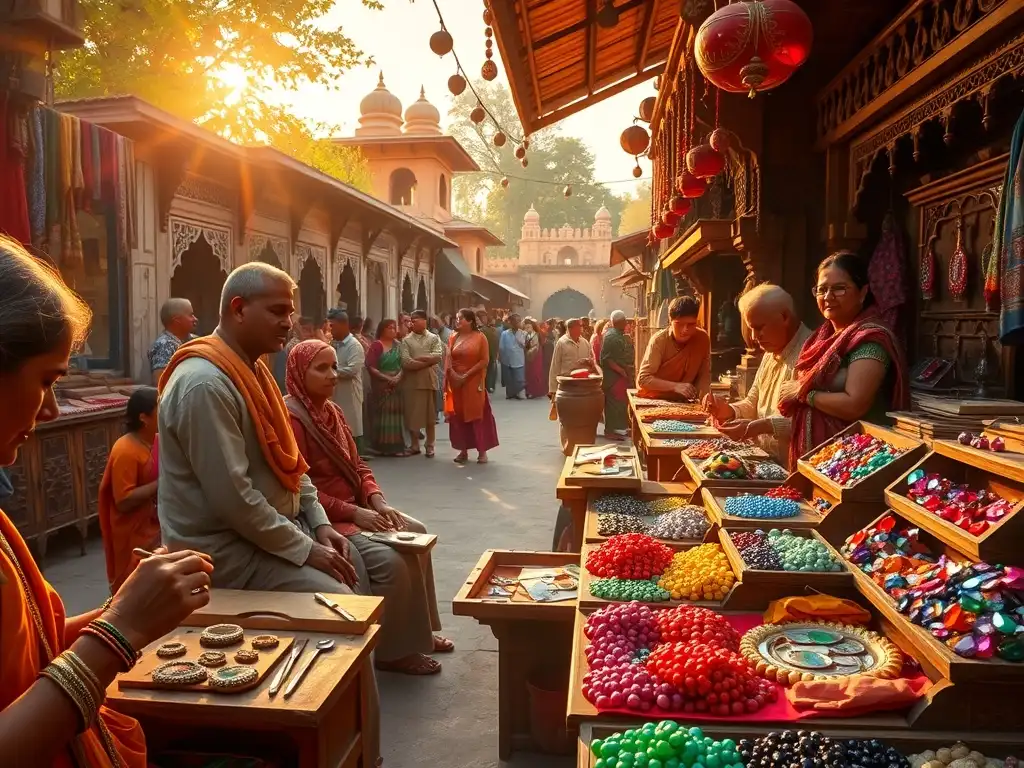
The gemstone markets in India are poised for significant transformation as they adapt to emerging trends driven by technology, consumer preferences, and global market dynamics. Understanding these future trends is crucial for artisans, traders, and consumers alike, as they can influence the preservation of India's artistic heritage while promoting sustainable practices.
The Rise of Online Gemstone Retail and Its Impact
As digital technology continues to reshape various industries, the online gemstone retail sector in India is experiencing remarkable growth. E-commerce platforms are becoming the go-to destinations for purchasing gemstones, providing several advantages:
- Accessibility: Consumers from all corners of the country and beyond can access a wide variety of gemstones, including rare and traditional stones that might not be available locally.
- Transparency: Online platforms often provide detailed information about the gemstones, including their origin, certification, and pricing, fostering trust among buyers.
- Market Expansion: Artisans and small traders can reach a broader audience without the need for a physical storefront, significantly increasing their market reach.
This shift to online retail is not without its challenges. For instance, the lack of physical inspection can deter some consumers. However, many online retailers are addressing this by offering virtual consultations, allowing customers to view gemstones in real-time and understand their unique attributes.
Innovations in Gemstone Craftsmanship and Market Strategies
The future of gemstone markets in India is also being shaped by innovations in craftsmanship and marketing strategies. Artisans are increasingly adopting modern techniques while retaining traditional methods. This blend fosters the creation of unique pieces that appeal to contemporary tastes while honoring India's rich heritage.
Key Innovations Include:
- Sustainable Practices: A growing emphasis on sustainability is influencing gemstone sourcing and crafting. Artisans are exploring eco-friendly methods and materials, appealing to environmentally conscious consumers.
- Customization: The demand for personalized jewelry is rising. Many artisans are now offering customized gemstone pieces, allowing customers to select stones and designs that reflect their individual preferences.
- Smart Technology: The use of technology in crafting processes, such as 3D printing and laser engraving, is enhancing precision and creativity in gemstone jewelry production.
Market Strategies:
- Social Media Marketing: Artisans and traders are leveraging social media platforms to showcase their collections, share stories behind their crafts, and engage with potential customers.
- Collaborations: Partnerships between traditional artisans and modern designers are leading to innovative collections that blend traditional aesthetics with contemporary flair.
By embracing these innovations and strategies, India's gemstone markets can not only thrive but also ensure that the rich artistic heritage of the region is preserved for future generations. The dynamic interplay of tradition and modernity is key to the ongoing evolution of gemstone markets in India.
Conclusion: The Enduring Legacy of Gemstone Markets in India
The gemstone markets in India have played a pivotal role in not only preserving but also enhancing the rich artistic heritage of the nation. With a history that spans thousands of years, these markets serve as vibrant hubs of cultural exchange, artistic expression, and economic activity. They reflect the diverse traditions and craftsmanship that define India's identity, showcasing gemstones that are intricately tied to regional art forms and spiritual practices.
Summarizing the Cultural and Economic Importance of Gemstone Trade
The cultural significance of gemstone markets in India is profound. These markets are not merely commercial centers but are also repositories of traditional knowledge and skills passed down through generations. Artisans and craftsmen, often belonging to specific communities, have honed their skills in cutting, polishing, and setting gemstones, transforming raw stones into exquisite pieces of art. This craftsmanship embodies the ethos of ancient Indian aesthetics, where each piece tells a story, often influenced by mythology, spirituality, and nature.
From the bustling streets of Jaipur to the serene bazaars of Varanasi, each region has its unique style and specialties. For instance:
- Jaipur is renowned for its pink sapphires and blue stones, reflecting the city's royal heritage.
- Varanasi is celebrated for its intricate beadwork and spiritual significance, where gemstones are often used in religious artifacts.
- Delhi offers a blend of contemporary and traditional designs, catering to a diverse clientele.
Economically, the gemstone trade is a significant contributor to India's GDP. It supports millions of artisans and their families, fostering local economies and promoting sustainable livelihoods. The export of Indian gemstones not only enhances the nation's market presence globally but also helps in preserving traditional crafts that might otherwise decline in the face of modernization.
Call to Action: Supporting India's Artistic Heritage Through Gemstone Purchases
To ensure the continued prosperity of these vibrant markets and the artisans who inhabit them, consumers can play a vital role. By purchasing gemstones directly from local markets, individuals can support the preservation of traditional craftsmanship and ensure fair compensation for artisans. Here are a few ways to contribute:
- Buy Locally: Whenever possible, purchase gemstones from local markets rather than large commercial entities. This helps in sustaining local economies.
- Educate Yourself: Learn about the history and significance of the gemstones you purchase. Understanding their cultural context adds value to your investment.
- Promote Ethical Practices: Seek out sellers who are committed to ethical sourcing and fair labor practices, ensuring that your purchases contribute positively to the community.
The gemstone markets in India are not just about commerce; they are vital to preserving the artistic heritage and cultural identity of the nation. By engaging with these markets, consumers can contribute to a larger movement of cultural preservation and economic sustainability, ensuring that the legacy of Indian craftsmanship continues to thrive for generations to come.
Frequently Asked Questions
What are the gemstone markets in India known for?
The gemstone markets in India are renowned for their exquisite craftsmanship and diverse range of gemstones, reflecting the country's rich cultural heritage and artistic traditions.
How do gemstone markets contribute to India's artistic heritage?
These markets play a crucial role in preserving traditional art forms, as artisans pass down their skills through generations, ensuring that historical techniques remain alive and appreciated.
What types of gemstones are predominantly found in India?
India is famous for its precious gemstones like diamonds, rubies, emeralds, and sapphires, as well as semi-precious stones such as amethyst and topaz, each with its own unique significance in Indian culture.
How have gemstone markets evolved over time in India?
Over the years, gemstone markets have adapted to global trends while maintaining traditional practices, showcasing how ancient craftsmanship can thrive in a modern economy.
What impact do gemstone markets have on local communities?
These markets provide employment opportunities and support local economies, allowing artisans to sustain their livelihoods while promoting the rich cultural identity associated with their craft.
Final Reflection: The Enduring Legacy of Gemstone Markets in India
The intricate relationship between gemstone markets and India's artistic heritage is more relevant today than ever. As we navigate a rapidly changing world, the preservation of cultural identity through traditional crafts and artistry remains a vital endeavor. The gemstone markets in India not only serve as commercial hubs but also as custodians of centuries-old craftsmanship, ensuring that these artistic expressions continue to thrive in contemporary society.
The influence of gemstone markets extends far beyond mere transactions; they are vibrant ecosystems that nurture creativity and sustain communities. These markets are a testament to the resilience of artisans who pour their heart and soul into their work, thus keeping age-old traditions alive. As Mahatma Gandhi once said, "> A nation's greatness is measured by how it treats its weakest members." This sentiment resonates deeply within the gemstone markets, where the livelihoods of countless artisans depend on the appreciation and support of their craft.
As we reflect on the significance of gemstone markets in preserving India's artistic heritage, I invite you to consider your own role in this narrative. How can you contribute to the appreciation and support of these artisans and their crafts? Whether through conscious purchasing, spreading awareness, or simply valuing the stories behind each piece, your actions can help sustain this rich cultural tapestry. Let us embrace the beauty of these gemstones not just as adornments but as symbols of heritage, resilience, and the shared responsibility we hold in preserving our artistic legacy for future generations.
Preserve India’s Artistry: Take Action Now!
Thank you for exploring the intricate relationship between gemstone markets and India's artistic heritage! Your interest is key to understanding and supporting these vibrant traditions. Now is the time to transform your passion into impactful actions that help preserve this rich culture.
Here are some meaningful steps you can take:
- Support Local Artisans: Visit local gemstone fairs or craft exhibitions to buy directly from artisans. Your purchases help sustain their heritage while connecting you to their artistry.
- Share Knowledge: Spread the word about India’s gemstone markets and their cultural significance on social media. Use the hashtag **#SupportIndianArtistry** to create a ripple effect!
- Join a Workshop: Engage in a gemstone crafting workshop to experience the artistry firsthand. Not only will you learn valuable skills, but you'll also foster appreciation within your community.
What actions will you take today to help keep India’s artistic gem heritage shining bright?