
From Sacred Stones to Fashion: The Dual Life of Indian Gemstones

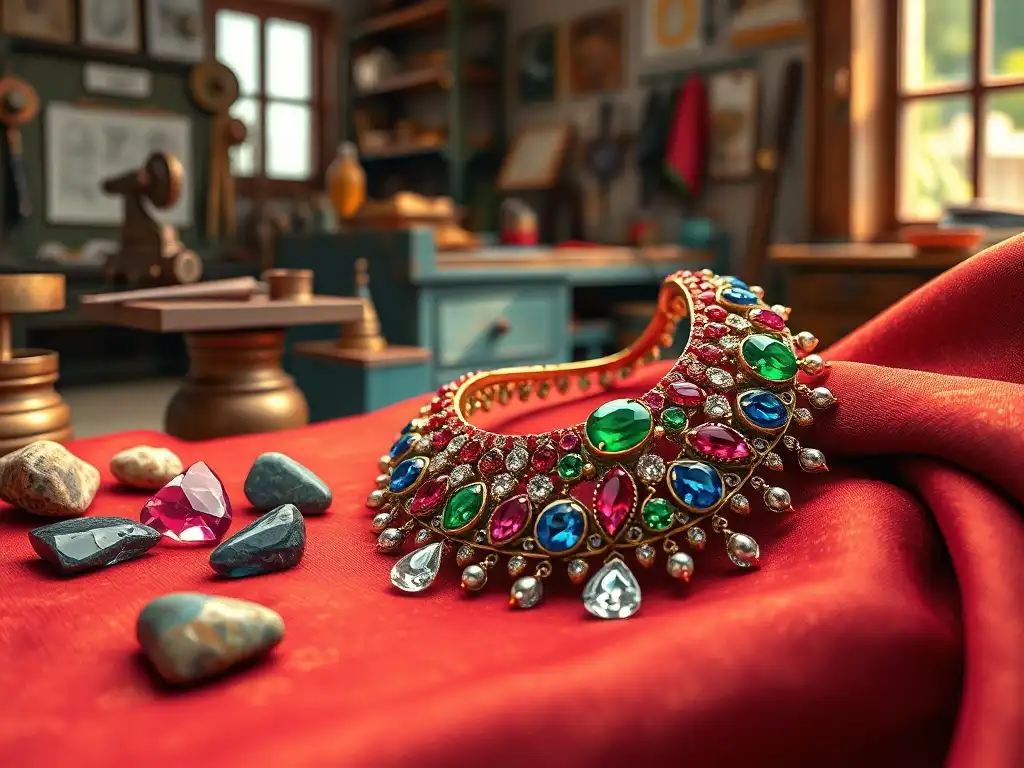
Welcome to Ancient India History, where we embark on an enlightening journey through the rich tapestry of ancient Indian civilizations. As we delve into the captivating realm of Indian gemstones and their cultural significance, you'll uncover how these mesmerizing stones have transcended time—serving not only as objects of beauty but also as symbols of spirituality and status. Join us as we explore the dual life of these precious gems, from sacred stones revered in ancient rituals to the stunning pieces that adorn modern fashion. Prepare to be intrigued and inspired as we unravel the stories behind each gem!
- Introduction to Indian Gemstones: Cultural Significance and History
- Sacred Stones: Gemstones in Ancient Indian Traditions
- The Dual Life of Indian Gemstones: From Sacred to Fashion
- Prominent Indian Gemstones: Characteristics and Cultural Importance
- The Craft of Gemstone Jewelry: Techniques and Traditions
- Modern Interpretations of Indian Gemstones in Fashion
- The Economic Impact of Indian Gemstones on Culture
- Conclusion: The Enduring Legacy of Indian Gemstones
- Frequently Asked Questions
- Final Reflection: The Enduring Legacy of Indian Gemstones
- Embrace the Elegance: Transform Your Style with Indian Gemstones!
Introduction to Indian Gemstones: Cultural Significance and History
Indian gemstones have long been revered not only for their aesthetic beauty but also for their profound cultural significance. Spanning thousands of years, the history of Indian gemstones is intertwined with the spiritual, social, and economic fabric of ancient civilizations.
From the sacred stones used in religious rituals to the exquisite jewelry worn by royalty, gemstones have played a dual role in society—serving both as symbols of wealth and as carriers of deeper meaning. This article will explore the rich tapestry of Indian gemstones, examining their cultural importance and historical journey from the ancient Indus Valley civilization to the opulent courts of the Gupta Empire.
The Role of Gemstones in Ancient Indian Culture
In ancient India, gemstones were not merely decorative objects; they were believed to possess divine properties and were often associated with various deities and astrological beliefs. The use of gemstones in rituals and ceremonies highlighted their spiritual significance. For example:
- Astrological Beliefs: Each gemstone was thought to have a specific influence on an individual's fate. The practice of wearing gemstones based on astrological charts, known as "ratna shastra," was prevalent among the elite and is still observed today.
- Religious Symbolism: Many gemstones were associated with specific gods and goddesses. For instance, emeralds were linked to the goddess of knowledge, Sarasvati, while rubies were revered for their connection to the warrior prince, Lord Rama.
- Cultural Identity: Gemstones were also used to signify social status and cultural identity. Various communities would have specific gemstones that represented their heritage, often passed down through generations as heirlooms.
The dual life of Indian gemstones—being both a symbol of beauty and a source of spiritual significance—reflects the complex relationship that ancient civilizations had with nature and the cosmos.
Overview of Indian Gemstones' Historical Journey
The historical journey of Indian gemstones is as rich and varied as the gems themselves. From the ancient trade routes of the Indus Valley to the flourishing markets during the Gupta Empire, these precious stones have been a part of India's economic and cultural landscape for millennia. Here are some key milestones in their journey:
- Indus Valley Civilization (c. 3300–1300 BCE):
- The earliest evidence of gemstone use can be traced back to this civilization, where beads made from carnelian, lapis lazuli, and agate were crafted for personal adornment and trade.
- Vedic Period (c. 1500–500 BCE):
- Texts from this period mention gemstones extensively, indicating their use in rituals and as offerings to deities. The Atharva Veda even describes the protective qualities of certain stones.
- Maurya and Gupta Empires (c. 322 BCE–550 CE):
- During these periods, the craftsmanship of gemstones reached new heights. The royal courts adorned themselves with intricate jewelry, and the trade of gemstones flourished, establishing India as a hub for precious stones in the ancient world.
- Cultural Exchange and Trade:
- Indian gemstones were highly sought after in international trade, with routes extending to the Middle East, Africa, and beyond. This exchange not only spread the popularity of Indian gemstones but also influenced local cultures and practices.
Through these historical phases, Indian gemstones have maintained their significance, evolving in their use and symbolism while remaining a testament to the creativity and spirituality of ancient Indian civilizations.
Sacred Stones: Gemstones in Ancient Indian Traditions
The Spiritual Significance of Indian Gemstones
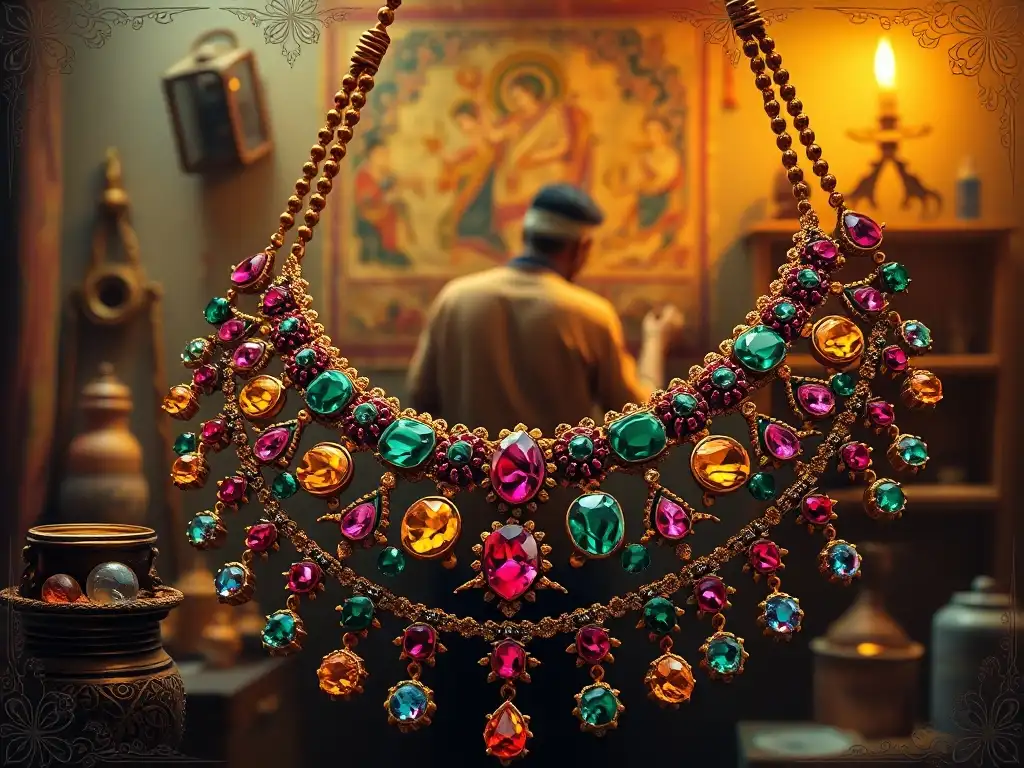
Indian gemstones have long been revered not just for their aesthetic appeal but also for their profound spiritual significance. In ancient India, gemstones were believed to possess unique energies and properties that could influence the physical, emotional, and spiritual well-being of individuals. This belief is deeply rooted in the Vedic texts, which emphasize the connection between the cosmos and human existence.
Gemstones were often associated with different planets in Hindu astrology, or Jyotish, and were used to harness celestial energies. For example, wearing a specific gemstone was thought to mitigate negative planetary influences or enhance positive ones. This practice is not merely historical; it continues to play a significant role in contemporary Indian culture, where individuals consult astrologers to determine which gemstones to wear based on their unique horoscopes.
Moreover, gemstones were integral to various rituals and ceremonies, symbolizing divine blessings and protection. They were used in religious artifacts, temple decorations, and personal adornments, illustrating their dual role as both decorative elements and sacred objects.
Symbolism of Specific Gemstones in Ancient Texts
The ancient texts of India, including the Vedas and Purāṇas, are replete with references to various gemstones and their symbolic meanings. These texts provide insights into how specific stones were perceived in terms of their spiritual and cultural significance.
Each gemstone was believed to resonate with distinct energies and attributes, often linked to deities, virtues, and natural elements. For instance, the blue sapphire, associated with the planet Saturn, was believed to promote wisdom and discipline, while the yellow sapphire was linked to Jupiter, symbolizing prosperity and knowledge.
Ruby (Manik), Emerald (Panna), and Their Mythological Importance
Among the many gemstones celebrated in ancient Indian lore, ruby (Manik) and emerald (Panna) hold a prominent place. The ruby is often described as the "king of precious stones," symbolizing love, passion, and power. In Hindu mythology, it is linked to the goddess Lakshmi, representing wealth and prosperity. The vibrant red hue of the ruby is thought to embody the fire element, signifying energy and vitality.
Emerald, on the other hand, is often associated with the god of love, Kamadeva. In ancient texts, it is praised for its calming effects and is believed to enhance communication and intellect. Both gemstones were not only worn as adornments by royalty but were also considered auspicious gifts that could bring fortune and favor from the divine.
The Use of Diamond (Heera) in Royalty and Religion
The diamond (Heera) has a storied history in ancient India, often linked to royalty and divine favor. Its unparalleled hardness and brilliance made it a symbol of invincibility and purity. In ancient texts, diamonds were associated with the goddess Durga, embodying strength and protection.
Diamonds were highly coveted by emperors and kings, who adorned their crowns and thrones with these gems to signify their power and divine right to rule. Additionally, diamonds were believed to possess unique healing properties, making them integral to various religious practices. They were often included in rituals to ward off evil and attract prosperity.
The allure of diamonds in ancient India was not merely superficial; they were embedded in the cultural and spiritual fabric of society, signifying a connection to the divine and the cosmos. In this way, diamonds exemplified the dual life of Indian gemstones, serving both as symbols of status and as sacred objects imbued with spiritual significance.
The Dual Life of Indian Gemstones: From Sacred to Fashion
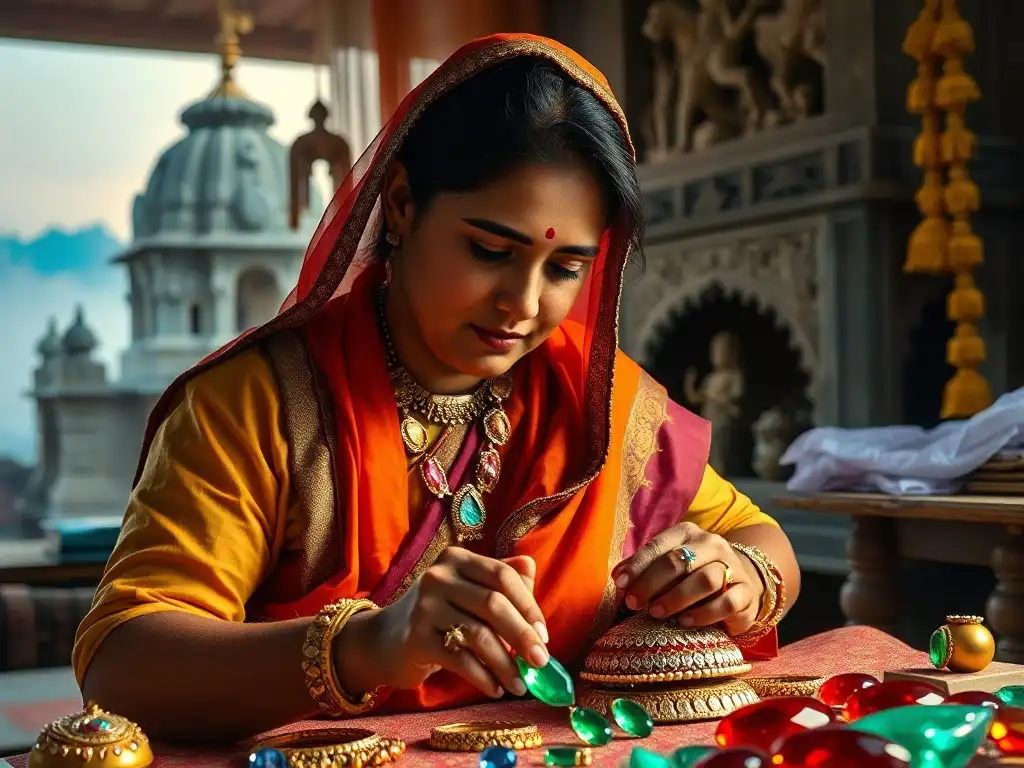
Indian gemstones have long held a dual significance, serving both as sacred artifacts in religious rituals and as exquisite pieces of jewelry that adorn the elite. The cultural significance of Indian gemstones is deeply rooted in the country's history, showcasing a rich tapestry of beliefs, practices, and artistry that evolved over millennia. From the revered stones used in ancient temples to the dazzling jewelry worn by royalty, the journey of these gemstones reflects the intricate relationship between faith and fashion in Indian society.
Transition of Gemstones from Rituals to Jewelry
The transition of gemstones from sacred rituals to fashionable jewelry is a fascinating aspect of Indian history. In ancient times, gemstones were predominantly associated with spiritual and religious practices. They were believed to possess divine properties, acting as talismans for protection and prosperity.
- Ritualistic Uses:
- Astrological Significance: Many gemstones were linked to astrological beliefs, where each stone was thought to influence different planets and celestial bodies. For instance, the ruby was associated with the Sun, believed to enhance vitality and energy.
- Temple Offerings: Gemstones like diamonds and emeralds were often used in offerings to deities, symbolizing devotion and reverence. Temples adorned with these precious stones were seen as sacred spaces that connected the earthly realm with the divine.
- Evolution to Jewelry:
- As trade routes expanded and cultural exchanges flourished, gemstones began to be crafted into ornate jewelry. The art of jewelry making saw significant advancements, with skilled artisans developing intricate designs that blended traditional motifs with contemporary styles.
- Royal Influence: The patronage of royalty and nobility played a crucial role in popularizing gemstone jewelry. Kings and queens adorned themselves with elaborate pieces, making gemstones a status symbol that reflected wealth and power.
Historical Examples of Gemstone Jewelry in Ancient India
Throughout history, several notable examples of gemstone jewelry from ancient India highlight the artistic and cultural significance of these precious stones:
- Mughal Jewelry: The Mughal Empire (16th to 18th centuries) is renowned for its exquisite jewelry that featured a plethora of gemstones. Pieces like the Koh-i-Noor diamond and intricately designed necklaces showcased exceptional craftsmanship and the blending of Persian and Indian styles.
- South Indian Temple Jewelry: This style is characterized by heavy gold jewelry adorned with a variety of gemstones, often worn during religious festivals and ceremonies. Nose rings, bangles, and temple necklaces reflect the devotion and artistic heritage of the region.
- Indus Valley Civilization: Archaeological findings from the Indus Valley Civilization (around 2500 BCE) reveal the early use of semi-precious stones like carnelian and lapis lazuli in bead-making, indicating that the tradition of using gemstones has ancient roots.
The Influence of Indian Gemstones on Global Fashion Trends
The allure of Indian gemstones has transcended borders, influencing global fashion trends over the centuries. Their vibrant colors, unique cuts, and symbolic meanings have captured the imagination of designers and fashion enthusiasts worldwide.
- Cultural Exchange:
- The arrival of traders from various cultures, including Persian and European influences, facilitated the exchange of gemstone jewelry styles. This resulted in hybrid designs that incorporated traditional Indian elements with Western aesthetics.
- Modern Fashion:
- In recent years, Indian gemstones have made a significant impact on contemporary fashion. Designers have started to incorporate gemstones into modern jewelry collections, emphasizing sustainability and ethical sourcing.
- Runway Trends: Major fashion runways have showcased collections featuring Indian gemstones, celebrating their rich heritage while appealing to a global audience.
- Sustainable Luxury:
- As consumers become more conscious of ethical sourcing, the demand for responsibly sourced Indian gemstones is on the rise. This trend aligns with the growing movement towards sustainable fashion, where the cultural significance of these gemstones adds an additional layer of value.
The journey of Indian gemstones from sacred artifacts to fashionable jewelry illustrates their profound cultural significance. By understanding this dual life, we can appreciate the historical context behind the stunning pieces that continue to captivate audiences around the world.
Prominent Indian Gemstones: Characteristics and Cultural Importance
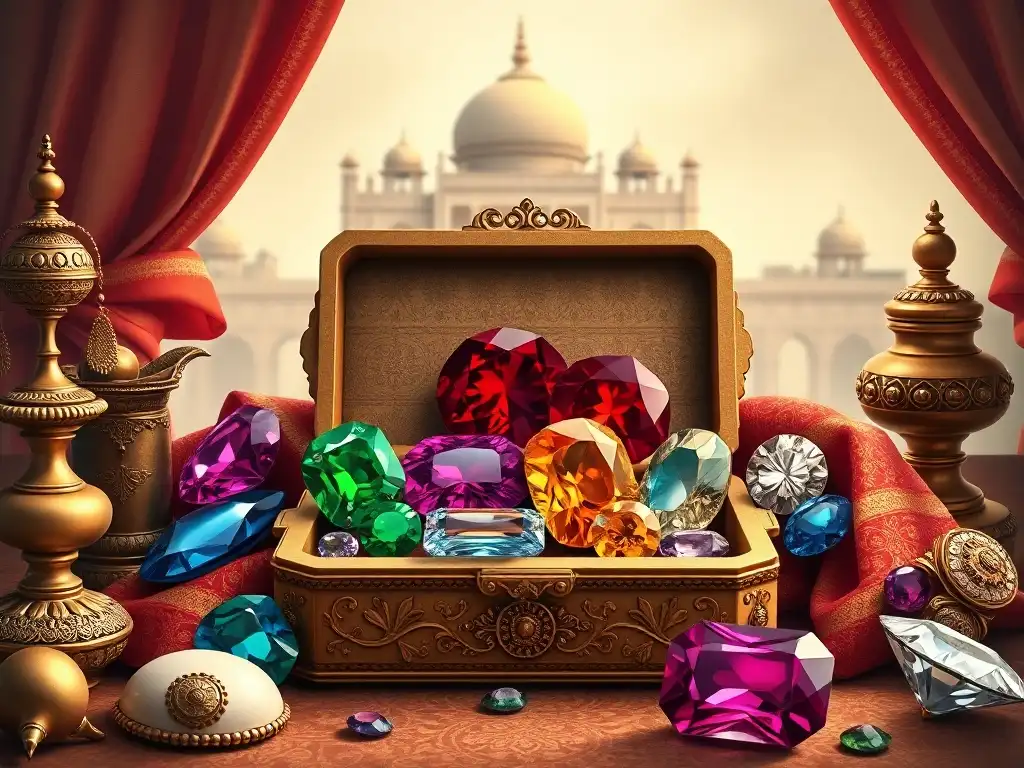
Indian gemstones have long been revered not only for their beauty but also for their profound cultural significance. From ancient times, these precious stones have played a pivotal role in the spiritual, social, and economic realms of Indian civilization. The intrinsic characteristics of these gemstones often intertwine with local beliefs, legends, and customs, creating a rich tapestry of meaning that extends far beyond their aesthetic appeal.
This section explores some of the most prominent Indian gemstones, focusing on their unique characteristics and the cultural importance they hold in Indian society.
Diamonds: The Allure and Heritage of Indian Diamonds
Diamonds, often referred to as the "king of gems," have been integral to Indian culture for centuries. The earliest known diamonds were sourced from the Golconda mines in India, which were famous for producing some of the world's most magnificent stones. The allure of Indian diamonds is not merely in their brilliance but also in their historical significance and the myths surrounding them.
One key characteristic of Indian diamonds is their unique cut and clarity. Unlike modern diamond cutting techniques that emphasize maximum brilliance, many historical Indian diamonds feature a more natural, unrefined appearance, highlighting the gem's raw beauty. This aspect has been celebrated in various forms of Indian art and literature, symbolizing both wealth and divine favor.
Famous Indian Diamonds: Koh-i-Noor and Hope Diamond
Among the most renowned diamonds to arise from India are the Koh-i-Noor and the Hope Diamond.
- Koh-i-Noor: This legendary diamond, weighing approximately 105 carats, has a storied history. Believed to have been mined in the 13th century, it has passed through the hands of various rulers and empires, including the Mughal Empire and British monarchy. The Koh-i-Noor is often associated with power, and its cultural significance is reflected in numerous tales and legends, including its reputed curse that befalls male owners.
- Hope Diamond: While it is now housed in the Smithsonian Institution, the Hope Diamond's origins trace back to India as well. Weighing 45.52 carats, this blue diamond is infamous for its supposed curse, which has been a topic of fascination in popular culture. Its deep blue hue is attributed to the presence of boron, making it a scientific marvel as well as a cultural icon.
Rubies and Sapphires: From Royalty to Modern Adornment
Rubies and sapphires are another set of gemstones that hold significant cultural importance in India. Historically, these stones were favored by royalty and were often embedded in crowns, jewelry, and ceremonial regalia. The vibrant colors of rubies and the deep blues of sapphires have symbolized power, passion, and protection throughout Indian history.
One of the defining characteristics of Indian rubies is their unique color, which can range from a deep pigeon blood red to lighter hues. In contrast, Indian sapphires are celebrated for their rich blue tones, often pronounced by their clarity and luster. Both gemstones are believed to possess astrological properties, influencing the lives of their wearers positively.
Cultural Significance
The cultural significance of rubies and sapphires extends beyond mere adornment. In ancient Indian texts, these gemstones are often mentioned in connection with the Navaratnas (nine gems), which are believed to bring good fortune and protection. They are not just fashion statements but are woven into the spiritual fabric of Indian society, often used in rituals and as talismans.
The rich heritage of Indian gemstones like diamonds, rubies, and sapphires is a reflection of the country's diverse culture and history. Their allure continues to captivate the modern world, serving as a bridge between the ancient and contemporary, the sacred and the fashionable.
The Unique Appeal of Indian Emeralds: A Cultural Perspective
Emeralds, known for their vibrant green color and captivating allure, hold a significant place in the cultural and historical tapestry of India. The cultural significance of Indian emeralds extends beyond their aesthetic appeal, intertwining with spirituality, mythology, and traditional practices.
Historically, Indian emeralds are believed to have originated from the legendary mines of Colombia and were later discovered in India, particularly in the regions of Rajasthan and Gujarat. The Mughals, who ruled India from the 16th to the 19th centuries, greatly valued emeralds. They considered them to be symbols of power and prosperity. The Mughal emperors adorned themselves with exquisite emerald jewelry, often inscribing verses from the Quran on these gemstones, thereby elevating their spiritual significance.
In Indian culture, emeralds are associated with the planet Mercury (Budh), which is believed to influence intellect, communication, and wisdom. This connection has led to the emerald being a popular choice for astrological purposes. Many individuals wear emeralds to enhance their mental acuity and articulate their thoughts more clearly. The belief that emeralds can bring good fortune, wealth, and success has made them a coveted gemstone in both personal and ceremonial contexts.
Moreover, emeralds play a vital role in various traditional Indian practices. In Ayurveda, the ancient system of medicine, emeralds are thought to have healing properties, promoting emotional balance and mental clarity. They are often used in rituals and prayers to invoke blessings for prosperity and protection against negative energies.
The unique appeal of Indian emeralds also manifests in their intricate craftsmanship. Jewelers skillfully cut and polish emeralds, often setting them in elaborate designs that reflect the rich artistic heritage of Indian jewelry. The combination of traditional craftsmanship and the gemstone's inherent beauty creates stunning pieces that are not only ornamental but also carry deep cultural significance.
Indian emeralds are far more than mere gemstones; they embody a rich cultural legacy that encompasses historical reverence, spiritual beliefs, and artistic expression. Their enduring allure continues to resonate within Indian society, making them a vital part of the country's heritage and identity.
The Craft of Gemstone Jewelry: Techniques and Traditions
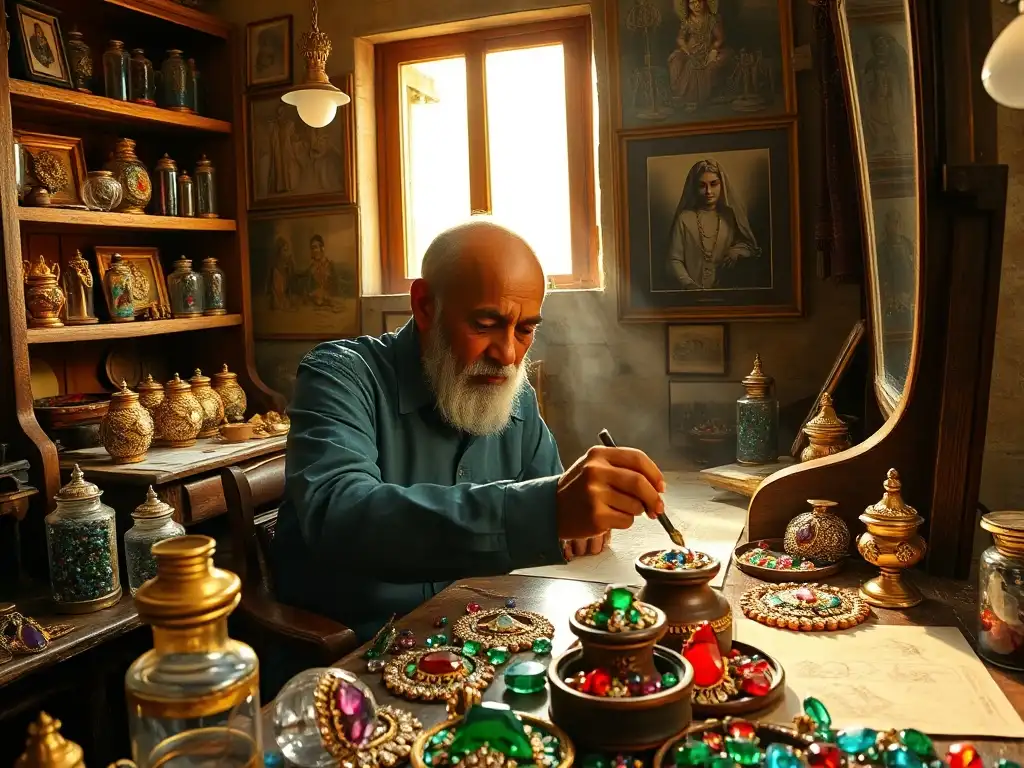
The art of gemstone jewelry making in India is a centuries-old tradition that reflects the rich cultural heritage and craftsmanship of the region. This craft has evolved through various historical phases, showcasing a blend of techniques passed down through generations. The intricate designs and the spiritual significance of Indian gemstones have made them not only adornments but also symbols of status and protection. The craftsmanship involved in creating gemstone jewelry is a meticulous process that highlights the skill of artisans and the cultural narratives woven into each piece.
Traditional Craftsmanship in Indian Gemstone Jewelry Making
Traditional craftsmanship in Indian gemstone jewelry is characterized by a unique combination of artistry and skill. Artisans, often belonging to specific communities, have honed their craft over generations, ensuring that ancient techniques remain alive. This craftsmanship is not merely a profession; it is a way of life that encompasses various cultural practices and beliefs.
Techniques: Kundan, Meenakari, and Jadau
- Kundan:
- Definition: Kundan is a traditional technique that involves setting gemstones in gold or silver using a unique form of adhesive. The term "Kundan" itself refers to the pure gold foil used in the process.
- Process: The process begins with creating a framework of gold that holds the gemstones in place. The stones are then set in a way that maximizes their brilliance and minimizes visible settings.
- Cultural Significance: Kundan jewelry is often associated with royal families and is a staple in bridal adornments, symbolizing wealth and prestige.
- Meenakari:
- Definition: Meenakari is the art of enameling, where colored glass is fused onto the metal surface, creating vibrant designs.
- Process: This technique involves several steps, including engraving the metal, filling it with colored enamel, and firing it at high temperatures to achieve durability.
- Cultural Significance: The vivid colors and intricate patterns in Meenakari pieces often depict stories from mythology and nature, making them not just decorative but also narrative.
- Jadau:
- Definition: Jadau is a technique that involves the setting of uncut diamonds and gemstones into gold, often without any adhesive.
- Process: The stones are secured by creating a framework of gold that holds them in place through intricate designs. This technique is known for its ability to enhance the natural beauty of uncut stones.
- Cultural Significance: Jadau jewelry reflects the opulence of the Mughal era and is often associated with bridal and festive wear, emphasizing the connection between gemstones and cultural rituals.
The Role of Artisans in Preserving Gemstone Traditions
Artisans play a crucial role in the preservation of gemstone traditions in India. They are not just craftsmen; they are custodians of a rich legacy that encompasses history, culture, and spirituality. The passing down of techniques and knowledge from one generation to the next ensures that the art of gemstone jewelry making remains relevant in contemporary society.
- Community and Identity: Many artisans belong to specific communities, such as the Kundan or Meenakari artisans, where their identity is intertwined with their craft. This sense of belonging fosters a commitment to maintaining traditional practices while adapting to modern trends.
- Economic Sustainability: As demand for traditional jewelry rises, artisans find new opportunities to sustain their livelihoods. Craft fairs, exhibitions, and online platforms have started to showcase their work, allowing them to reach a broader audience.
- Cultural Education: Artisans often engage in workshops and training sessions to educate younger generations about the significance of their craft. This not only preserves traditional techniques but also instills a sense of pride in their cultural heritage.
The craft of gemstone jewelry in India is a dynamic interplay of tradition and innovation. The techniques of Kundan, Meenakari, and Jadau highlight the artistry of Indian artisans, while their role in preserving these practices ensures that the cultural significance of Indian gemstones continues to thrive in modern times.
Modern Interpretations of Indian Gemstones in Fashion
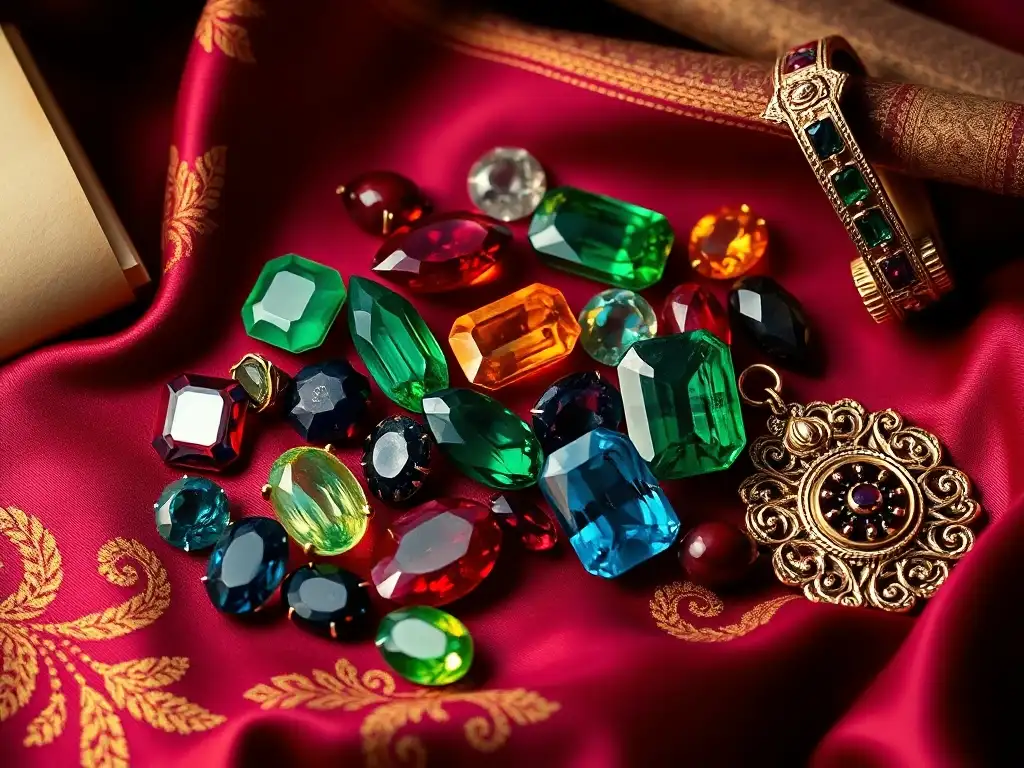
The contemporary fashion landscape has witnessed a resurgence of interest in Indian gemstones, drawing from their rich history and cultural significance. Designers today are reinterpreting traditional uses of these gemstones, infusing modern aesthetics with ancient techniques. This fusion not only showcases the beauty of Indian gemstones but also honors their historical narrative, creating pieces that resonate with both heritage and innovation.
Contemporary Designers Incorporating Indian Gemstones
Numerous designers are leading the charge in integrating Indian gemstones into modern jewelry collections. Their work emphasizes the unique qualities of these stones while reflecting contemporary tastes:
- Sustainable Practices: Many designers prioritize ethically sourced gemstones, aligning with the global push for sustainability in fashion.
- Cultural Narratives: Each piece often tells a story, linking back to traditional craftsmanship and regional significance.
- Innovative Techniques: Modern settings and designs, such as minimalistic styles or bold statement pieces, highlight the gemstones' natural beauty.
Case Study: Anita Dongre and Their Use of Gemstones
One prominent designer making waves in this arena is Anita Dongre, known for her commitment to sustainability and cultural heritage. Dongre's collections frequently feature Indian gemstones, which are not only visually stunning but also imbued with deep cultural meaning.
- Signature Styles: Her designs often incorporate gemstones like turquoise, lapis lazuli, and rubies, arranged in intricate patterns that reflect traditional Indian artistry.
- Cultural Significance: Each gemstone is selected for its historical and spiritual significance, connecting wearers to India's rich past.
- Empowerment through Fashion: Dongre's work also supports local artisans, providing them with a platform to showcase their craftsmanship while promoting the enduring legacy of Indian gemstones.
Fashion Trends: How Indian Gemstones Influence Today's Jewelry Market
The influence of Indian gemstones on today’s jewelry market is profound, shaping trends and consumer preferences. The following key trends illustrate this impact:
- Heritage Revival: There is a growing trend toward vintage-inspired jewelry, with Indian gemstones playing a crucial role in this revival. Consumers are drawn to pieces that reflect historical styles, often featuring elaborate designs reminiscent of royal adornments.
- Mixed-Media Designs: Contemporary jewelers are blending Indian gemstones with other materials, such as metals and textiles. This approach creates a diverse range of products that appeal to a broader audience.
- Custom and Personalized Jewelry: The demand for personalized pieces is on the rise, with many opting for custom designs that incorporate specific gemstones linked to personal stories or heritage.
| Trend Category | Description | Gemstone Examples |
|---|---|---|
| Heritage Revival | Vintage-inspired pieces reflecting royal styles | Emeralds, Sapphires |
| Mixed-Media Designs | Combines gemstones with other materials | Turquoise with Silver |
| Custom and Personalized | Tailored jewelry incorporating personal significance | Birthstones, Zodiac stones |
The cultural significance of Indian gemstones continues to resonate through these trends, as consumers increasingly seek pieces that are not only fashionable but also meaningful. This blending of tradition and modernity ensures that the legacy of Indian gemstones remains vibrant in the contemporary fashion scene.
The Economic Impact of Indian Gemstones on Culture
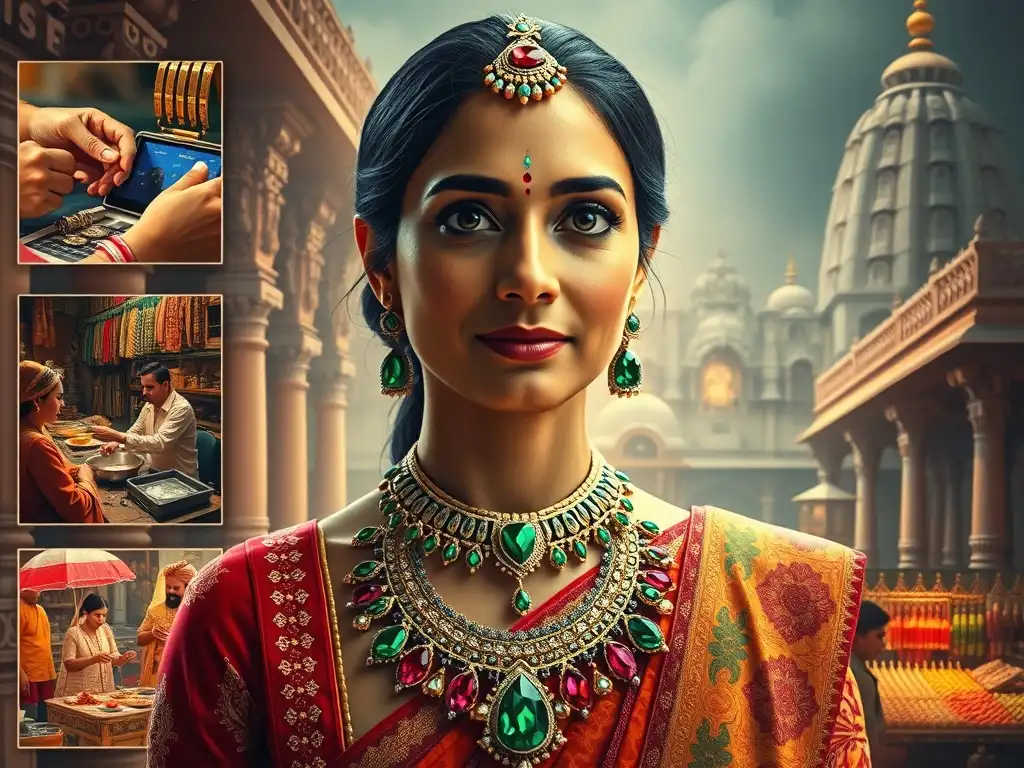
Indian gemstones have not only adorned the bodies of royalty and commoners alike but have also played a pivotal role in shaping the economy and cultural landscape of the nation. The fascinating interplay between gem trade, economic growth, and cultural development showcases the multifaceted significance of these precious stones in India.
Gemstone Trade and Its Contribution to Indian Economy
The gemstone trade in India dates back thousands of years, with historical accounts indicating that the subcontinent was a significant hub for the trade of precious stones. The Indian gemstone market has expanded exponentially, with various regions specializing in different types of gemstones.
- Major Gemstone Regions:
- Rajasthan: Known for its sapphires, rubies, and emeralds.
- Gujarat: Famous for diamonds, especially in Surat.
- Karnataka: Renowned for its production of high-quality sapphires and rubies.
The contribution of the gemstone sector to the Indian economy can be illustrated with current statistics:
| Aspect | Details |
|---|---|
| Annual Revenue | Approximately $30 billion |
| Export Value | Over $10 billion annually |
| Market Growth Rate | Expected to grow at 7% annually |
The gemstone industry significantly influences local economies, particularly in rural areas where mining and processing occur. The revenue generated through the trade of Indian gemstones supports numerous related sectors, including tourism and handicrafts, enhancing the overall economic fabric of the nation.
Employment and Skill Development in the Gemstone Sector
The gemstone sector also plays a crucial role in providing employment opportunities across various skill levels. With a labor force exceeding 2 million individuals, this sector not only creates jobs but also fosters skill development in areas such as mining, cutting, polishing, and jewelry design.
- Job Creation:
- Artisans: Skilled artisans who specialize in crafting intricate jewelry designs.
- Technicians: Individuals trained in the latest technologies for cutting and polishing gemstones.
Moreover, various training programs and workshops are being implemented to enhance the skills of workers in this industry. These initiatives aim to:
- Promote Traditional Craftsmanship: Ensuring that traditional methods of gemstone cutting and jewelry making are preserved while integrating modern practices.
- Increase Employability: Providing workers with certifications that enhance their job prospects in both domestic and international markets.
The economic impact of Indian gemstones extends beyond mere financial metrics; it is intricately linked to cultural significance, providing a wealth of opportunities and preserving heritage through craftsmanship. The dual life of Indian gemstones, as both economic assets and cultural treasures, makes them an essential part of India's historical narrative.
Conclusion: The Enduring Legacy of Indian Gemstones
The legacy of Indian gemstones is woven intricately into the cultural, spiritual, and artistic fabric of the nation. For centuries, these precious stones have transcended their aesthetic value, embodying profound meanings and symbolism. Their historical significance is reflected in ancient texts, folklore, and religious practices, showcasing how they were revered not only as adornments but also as carriers of protection, prosperity, and divine favor.
The craftsmanship associated with Indian gemstones has evolved over millennia, with skilled artisans employing traditional techniques that have been passed down through generations. This craftsmanship has allowed for the creation of unique pieces that not only highlight the stones' beauty but also tell stories of the cultural heritage they represent. As we explore the enduring legacy of these gemstones, it becomes evident that they continue to play a vital role in rituals, celebrations, and personal expressions of identity.
The Continuing Cultural Significance of Indian Gemstones Today
In contemporary society, the cultural significance of Indian gemstones remains robust and multifaceted. They are not merely decorative items; they are deeply embedded in cultural practices and beliefs. For instance, many Indian communities still regard certain gemstones as auspicious, believing that they bring good fortune and ward off negative energies. This belief system often influences choices in engagement rings, wedding jewelry, and ceremonial adornments.
Moreover, Indian gemstones are increasingly recognized on global platforms, leading to a revival of interest in traditional craftsmanship. This resurgence has prompted a new generation of artisans to innovate while respecting ancestral techniques, resulting in contemporary designs that honor age-old practices. The integration of Indian gemstones into modern fashion trends—such as the use of semi-precious stones in casual wear—demonstrates their versatility and enduring appeal.
Additionally, educational initiatives and exhibitions highlight the rich history and artistry behind Indian gemstones, fostering a deeper appreciation among consumers. These endeavors not only celebrate the aesthetic value of gemstones but also emphasize their historical contexts and cultural narratives.
Future Trends: Preserving the Heritage and Craftsmanship of Indian Gemstones
Looking ahead, the preservation of the heritage and craftsmanship associated with Indian gemstones is paramount. As globalization influences the jewelry market, there is a pressing need to maintain the authenticity of traditional practices. This can be achieved through various strategies:
- Sustainable Practices: Emphasizing eco-friendly sourcing and production methods will help protect the environment while ensuring the longevity of gemstone mining and crafting traditions.
- Skill Development Programs: Initiatives aimed at training young artisans in traditional techniques will be crucial for preserving the craftsmanship that defines Indian gemstones. Workshops and mentorship programs can foster innovation while respecting heritage.
- Cultural Collaborations: Partnerships between designers and artisans can lead to the creation of contemporary pieces that retain cultural significance. This fusion can bridge the gap between tradition and modernity, appealing to a broader audience.
- Awareness Campaigns: Increasing consumer awareness about the cultural significance of Indian gemstones can drive demand for ethically sourced and crafted jewelry. Highlighting stories behind gemstones can elevate their perceived value beyond mere adornment.
As Indian gemstones continue to evolve in their roles both culturally and commercially, the future lies in a balanced approach that honors tradition while embracing contemporary innovation. The ongoing journey of these gemstones reflects the resilience of Indian heritage, ensuring their relevance for generations to come.
Frequently Asked Questions
What are the cultural significances of Indian gemstones?
Indian gemstones hold deep cultural significance, often being associated with various myths, traditions, and religious practices. They are believed to bring prosperity, protection, and spiritual enlightenment.
How did ancient Indian civilizations use gemstones?
Ancient Indian civilizations utilized gemstones in jewelry, amulets, and ritualistic objects. They were often carved into intricate designs to symbolize status and wealth in society.
Are Indian gemstones still relevant today?
Yes, Indian gemstones remain relevant, not only in traditional jewelry but also in modern fashion. Their aesthetic appeal and cultural heritage continue to attract global interest.
What is the historical significance of the Indus Valley in the context of gemstones?
The Indus Valley Civilization was known for its skilled craftsmanship in gemstones, showcasing their importance in trade and social stature. This early use laid the foundation for India's rich gemstone legacy.
How did the Gupta Empire influence the gemstone trade?
The Gupta Empire played a crucial role in the development of the gemstone trade, promoting artistry and techniques that enhanced the quality of gemstones. This period saw a flourishing of jewelry-making and cultural exchange.
Final Reflection: The Enduring Legacy of Indian Gemstones
The cultural significance of Indian gemstones transcends mere aesthetics; it embodies a rich tapestry of history, spirituality, and identity that remains relevant today. As we navigate a world increasingly driven by consumerism, the dual life of these precious stones—both as sacred symbols and fashion statements—challenges us to reconsider our relationship with beauty and meaning. The allure of Indian gemstones is not just in their brilliance but in the stories they tell, connecting us to our past while shaping our present.
Cultural narratives surrounding Indian gemstones continue to evolve, influencing contemporary fashion and design while preserving ancient traditions. The intricate craftsmanship and the spiritual beliefs tied to these stones remind us of our shared heritage and the importance of honoring it. As noted by renowned gemologist Dr. Aditi Sharma, Every gemstone carries a legacy, a whisper of the earth’s history, and a promise of the future.
This ongoing dialogue between the sacred and the stylish invites us to reflect on how we value the objects we adorn ourselves with and the stories they carry.
As you consider the themes explored in this article, I encourage you to reflect on the significance of the items you choose to wear and the narratives they embody. Let the beauty of Indian gemstones inspire you to seek deeper connections in your life, embracing both the aesthetic and the meaningful. In a world where trends come and go, may we find lasting value in the stories that enrich our lives and the cultural significance that shapes our identities.
Embrace the Elegance: Transform Your Style with Indian Gemstones!
Thank you for diving into the captivating world of Indian gemstones with us! We've explored the rich history and cultural significance of these stunning stones, and now it’s time to bring that beauty into your life. Are you ready to take the next step toward adding a touch of ancient elegance to your wardrobe?
Here are some actionable steps to inspire your journey:
- Discover the perfect gemstone accessory that resonates with you. Visit local jewelry stores or browse online collections showcasing exquisite Indian gemstone pieces.
- Share your newfound knowledge with friends! Host a casual gathering to demonstrate how different gemstones can elevate personal style, or spark a discussion on social media about their unique qualities.
- Explore the spiritual aspects of gemstones by researching their meanings. Understand how they can complement your lifestyle and support your intentions.
Which gemstone will you choose to express your unique style, and how will you incorporate its rich history into your daily life?