
The Story Behind the Gems: Understanding Authentic Indian Jewelry Materials

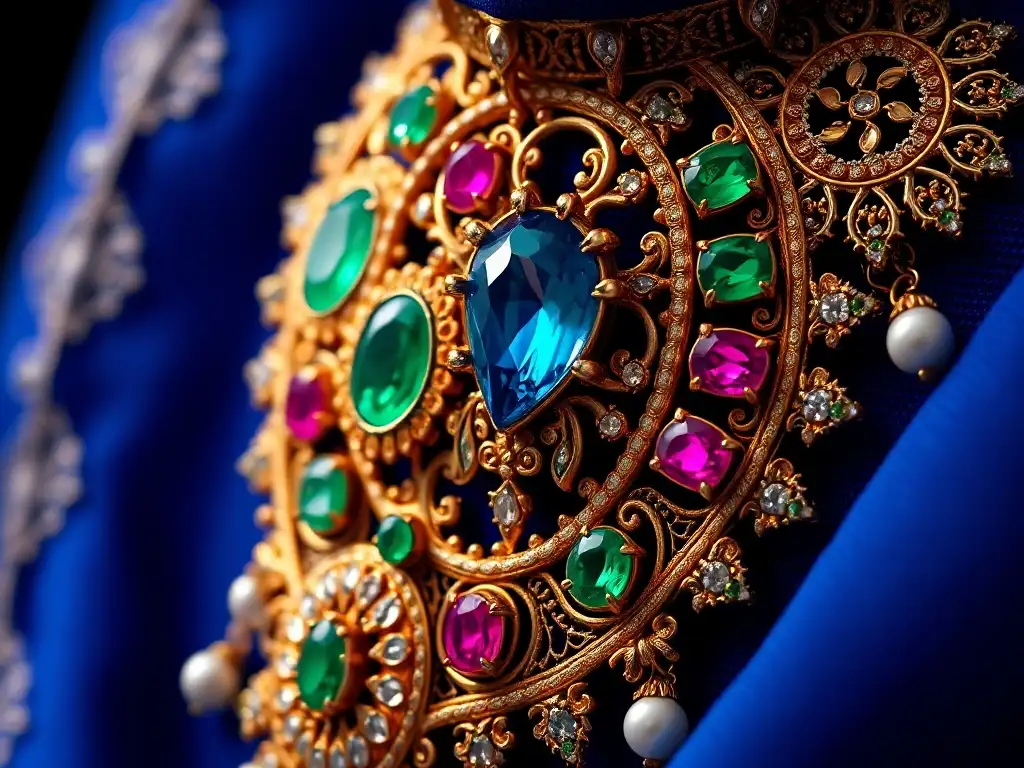
Welcome to Ancient India History, where we embark on a fascinating journey through time to uncover the rich and diverse tapestry of ancient Indian civilizations. From the ingenious innovations of the Indus Valley to the grandeur of the Gupta Empire, each era has contributed uniquely to our cultural heritage. In our featured article, "The Story Behind the Gems: Understanding Authentic Indian Jewelry Materials," we delve into the captivating history of the precious materials that adorn Indian jewelry, revealing secrets that have been treasured for centuries.
Curious about what makes these gems so special? Join us as we explore the intricate narratives behind these stunning adornments and the skilled artisans who crafted them, inviting you to discover the allure of ancient Indian craftsmanship.
Introduction to Authentic Indian Jewelry Materials
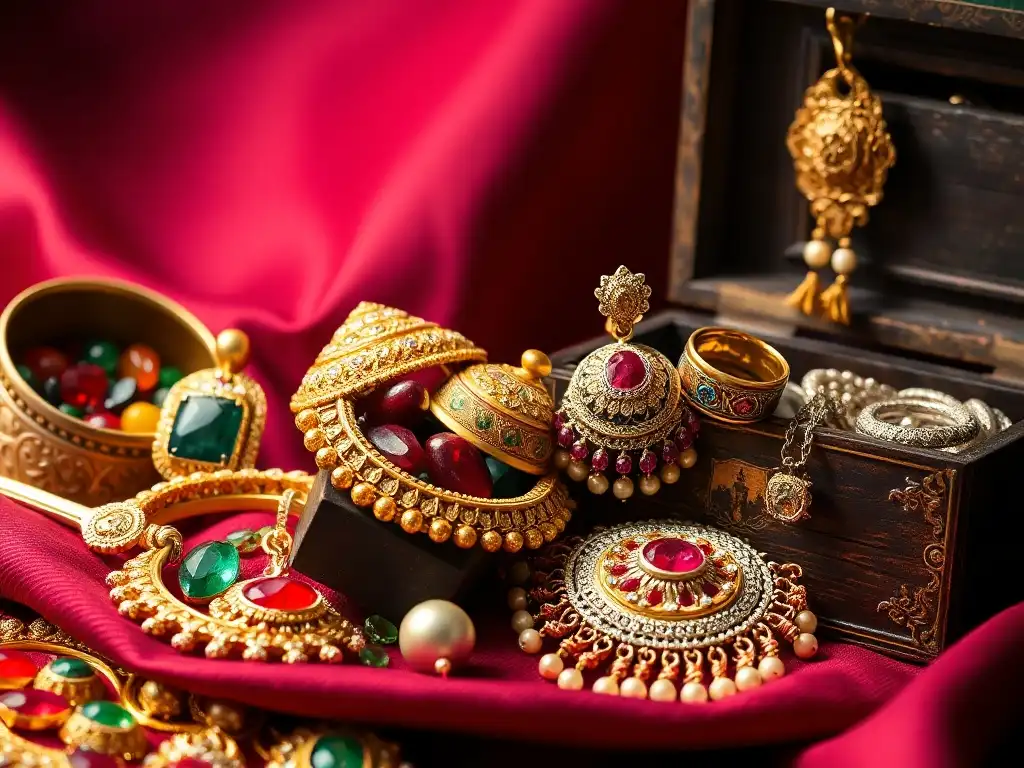
Indian jewelry is not merely an adornment; it is a profound expression of culture, tradition, and artistry that has transcended generations. The history of authentic Indian jewelry materials is a tapestry woven with intricate designs, unique craftsmanship, and a rich heritage that reflects the lives and beliefs of the people who created it. From the shimmering gold of the Indus Valley Civilization to the intricately carved silver of Rajasthan, each piece tells a story of its own, showcasing the diverse materials used and their significance in ancient society.
In this article, we will delve deep into the various authentic Indian jewelry materials, exploring their historical contexts, the craftsmanship involved, and the cultural importance they hold. This exploration not only enhances our understanding of Indian jewelry but also serves as a guide for those seeking to purchase genuine pieces, ensuring that every adornment carries with it a piece of history.
The Rich History of Authentic Indian Jewelry
The history of authentic Indian jewelry materials dates back to ancient civilizations, where they were utilized for both ornamentation and as symbols of status and wealth. Jewelry was often associated with rituals, ceremonies, and daily life, making it an integral part of Indian heritage. The evolution of these materials reflects the changing dynamics of Indian society, economy, and artistry over time.
Ancient Origins of Indian Jewelry
The origins of Indian jewelry can be traced back to the Indus Valley Civilization (circa 3300–1300 BCE), where archaeological findings reveal a wealth of ornamental artifacts made from a variety of materials. These early pieces often included:
- Beads: Crafted from semi-precious stones, shells, and terracotta, these beads were used in necklaces and bracelets, showcasing the craftsmanship of the time.
- Gold and Silver: Evidence suggests that gold and silver were extensively used in jewelry making, indicating the advanced metallurgical skills of ancient artisans.
- Gemstones: The use of precious stones like diamonds, rubies, and emeralds began in this era, setting the foundation for the opulent jewelry that would follow.
These ancient artifacts not only highlight the aesthetic values of the time but also indicate the economic significance of jewelry as a trade commodity.
Cultural Significance of Jewelry Materials
Jewelry in ancient India served more than just an ornamental purpose; it was imbued with cultural and spiritual meanings. Different materials were believed to possess unique qualities and powers, influencing their use in various contexts. For example:
- Gold: Regarded as a symbol of purity and prosperity, gold jewelry is often used in rituals and auspicious occasions.
- Silver: Associated with the moon and femininity, silver jewelry is considered protective and is often worn during traditional ceremonies.
- Gemstones: Each gemstone carries its own symbolism, with certain stones believed to bring luck, health, or protection, thus influencing their use in personal adornments.
Understanding the cultural significance of these materials enhances our appreciation of Indian jewelry, allowing us to connect more deeply with the stories they tell and the traditions they represent.
Common Authentic Indian Jewelry Materials
Indian jewelry is renowned for its intricate designs and the rich materials used in its creation. Understanding these materials is essential for anyone looking to appreciate or purchase authentic Indian jewelry. The materials commonly found in Indian jewelry include gold, silver, various precious and semi-precious stones, and unique traditional materials such as lac and meenakari. Each of these materials has its own significance and history, contributing to the overall aesthetic and cultural heritage of Indian jewelry.
Gold: The Timeless Treasure
Gold has been a favored material in Indian jewelry for centuries, symbolizing wealth, prosperity, and status. It is often associated with various cultural and religious practices, being used in wedding ornaments, religious offerings, and traditional attire. The purity of gold is measured in karats, with 22K gold being the most popular choice for jewelry in India.
In addition to its aesthetic appeal, gold is also known for its malleability, allowing artisans to craft intricate designs. The use of gold in Indian jewelry dates back to the Indus Valley Civilization, where evidence of gold ornaments has been found. This rich history enhances the allure of gold jewelry, making it a cherished possession across generations.
Silver: A Symbol of Purity
Silver is another essential material in authentic Indian jewelry, often regarded as a symbol of purity and protection. It plays a significant role in various cultural traditions and is frequently used in everyday jewelry as well as ceremonial pieces.
Indian silver jewelry is characterized by its intricate craftsmanship, often featuring filigree work and inlay techniques. The silver purity is usually 92.5% (known as sterling silver), which ensures durability and quality. Traditionally, silver is believed to have healing properties and is often used in the creation of amulets and talismans. Its association with less opulent yet elegant jewelry makes it a popular choice for both men and women.
Precious and Semi-Precious Stones
The use of precious and semi-precious stones in Indian jewelry adds to its vibrant beauty and cultural significance. Diamonds, rubies, emeralds, and sapphires are considered precious stones, while semi-precious stones include turquoise, amethyst, and garnet. Each stone carries unique meanings and is often chosen based on astrological beliefs or personal preferences.
The art of stone setting and embellishing jewelry with these gems has deep historical roots in India, with techniques such as kundan and polki still widely practiced today. These methods not only enhance the visual appeal of the jewelry but also reflect the skills of master artisans who have honed their craft over generations.
Unique Materials: Lac and Meenakari
Lac and meenakari are distinctive materials that showcase the diversity of Indian jewelry. Lac, a natural resin, is often used to create colorful bangles and other ornaments. It is lightweight and can be intricately designed with vibrant colors, making it a popular choice for festive wear.
Meenakari, on the other hand, is an enameling technique that involves coloring the surface of metal with vibrant, opaque colors. This art form is especially prevalent in Rajasthani jewelry, where artisans create stunning motifs and patterns that resonate with Indian heritage. Both lac and meenakari reflect the rich craftsmanship and cultural significance of Indian jewelry, making them unique components of its history.
Buying Guide for Authentic Indian Jewelry
When purchasing authentic Indian jewelry, it is important to be informed about the materials and craftsmanship to ensure you are making a genuine investment. Here are some tips to guide you in your search for authentic pieces.
How to Identify Authentic Materials
Identifying authentic Indian jewelry materials requires knowledge and attention to detail. Here are a few tips:
- Look for Hallmarks: Genuine gold and silver jewelry often has hallmarks indicating purity. For gold, look for numbers indicating karats, while silver should have a stamp indicating it's sterling (925).
- Examine Craftsmanship: Authentic Indian jewelry is often handmade and features intricate designs. Look for signs of skilled workmanship, such as seamless joins and detailed engravings.
- Check the Weight: Authentic gold and silver jewelry tends to be heavier than imitation pieces. If it feels unusually light, it may not be genuine.
- Ask for Certification: When purchasing expensive pieces, request certification from the seller. Reputable jewelers should provide documentation verifying the authenticity of the materials used.
Recommended Sources for Purchasing Authentic Indian Jewelry
To ensure you are purchasing genuine Indian jewelry, consider these recommended sources:
- Reputable Jewelers: Seek out well-established jewelers known for their authenticity and craftsmanship. Look for those with a strong reputation and positive customer reviews.
- Artisan Markets: Visiting local artisan markets and craft fairs can lead to discovering unique pieces directly from the artisans themselves, ensuring authenticity.
- Online Platforms: Many online platforms specialize in authentic Indian jewelry, offering a wide range of styles and materials. Make sure to choose platforms that provide clear information about the authenticity of their products.
- Cultural Exhibitions: Attending exhibitions or fairs dedicated to Indian culture and craftsmanship can provide opportunities to purchase authentic pieces while supporting local artisans.
By following these guidelines, you can confidently explore the world of authentic Indian jewelry materials and make informed purchasing decisions that celebrate the rich heritage of Indian craftsmanship.
The Evolution of Authentic Indian Jewelry Materials
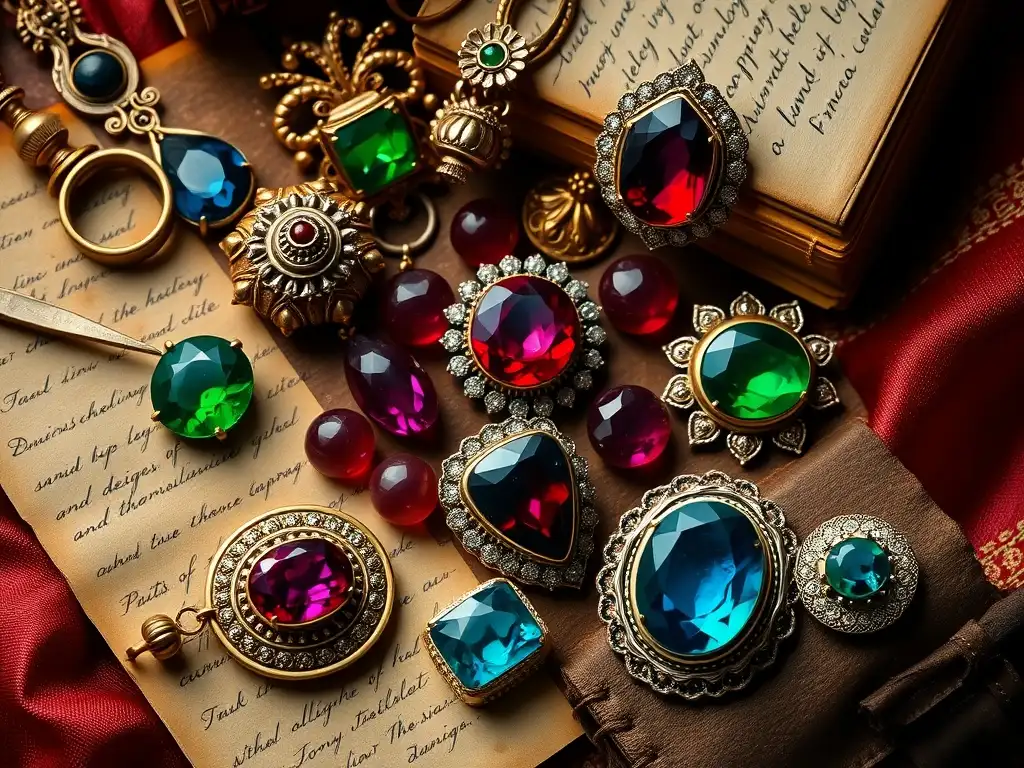
The history of authentic Indian jewelry materials is a tapestry woven with cultural significance, spiritual beliefs, and artistic expression. From the ancient civilizations of the Indus Valley to the flourishing empires of later periods, the materials used in jewelry-making have evolved significantly. Initially, jewelry was made from natural materials such as shells, bones, and stones, which were often crafted into beads and simple adornments.
As trade routes expanded, particularly during the Vedic period, metals like gold and silver began to play a vital role in jewelry-making. Gold, regarded as a symbol of purity and wealth, became a preferred choice for both decorative and ritualistic pieces. The intricate craftsmanship of artisans evolved, leading to the development of techniques such as granulation and filigree, which further enhanced the beauty and complexity of jewelry.
During the Mughal era, the introduction of precious gemstones like diamonds, emeralds, and rubies transformed the landscape of Indian jewelry. These stones were not only valued for their beauty but were also believed to possess mystical properties. The fusion of Persian and Indian styles during this period created a unique aesthetic that emphasized opulence and intricate design.
Modern Influences on Traditional Designs
In contemporary times, authentic Indian jewelry materials continue to be influenced by globalization and changing fashion trends. While traditional designs remain popular, modern influences have introduced innovative styles that blend the old with the new. For instance, the resurgence of vintage styles has led to a renewed interest in antique jewelry, prompting artisans to recreate classic pieces using traditional techniques.
Social media platforms and fashion influencers have also played a significant role in reshaping perceptions of Indian jewelry. The rise of fusion wear—combining traditional attire with contemporary outfits—has encouraged jewelers to experiment with unconventional materials such as acrylic, resin, and even recycled materials. This shift not only caters to a younger audience but also emphasizes sustainability in jewelry-making.
Moreover, the integration of technology in jewelry design has revolutionized the industry. 3D printing and computer-aided design (CAD) have enabled artisans to create intricate patterns and personalized pieces, allowing for a blend of traditional motifs with modern aesthetics. As a result, authentic Indian jewelry is continually evolving, reflecting both heritage and contemporary influences.
Future Trends in Authentic Indian Jewelry
Looking ahead, the future of authentic Indian jewelry materials is poised for further transformation. One prominent trend is the increasing focus on sustainability and ethical sourcing. More consumers are becoming conscious of the environmental impact of jewelry production, leading to a demand for ethically sourced gemstones and recycled metals. This shift encourages jewelers to adopt sustainable practices, such as using lab-grown diamonds and responsibly mined materials.
Additionally, the customization of jewelry is gaining traction, as personalized pieces resonate with buyers seeking uniqueness and individuality. Artisans are likely to continue exploring bespoke designs, allowing customers to participate in the creative process, thus enhancing the personal connection to the jewelry.
Technology will also play a pivotal role in shaping the future of Indian jewelry. With advancements in augmented reality (AR) and virtual reality (VR), consumers may soon experience virtual try-ons and interactive shopping experiences, making the purchasing process more engaging. This technological integration is expected to attract a tech-savvy demographic while preserving the artistry and heritage of authentic Indian jewelry.
Conclusion: Celebrating the Heritage of Authentic Indian Jewelry Materials
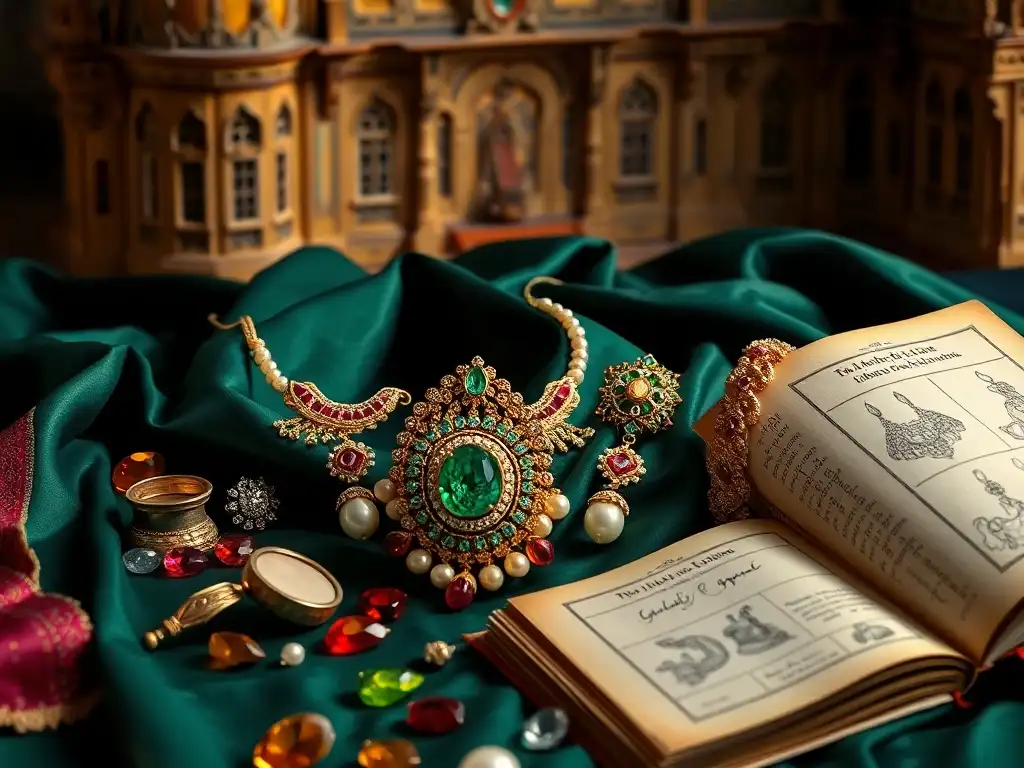
The journey of authentic Indian jewelry materials is a rich narrative that celebrates cultural heritage, artistic expression, and innovation. As we explore the evolution of these materials, we recognize the significance they hold in both historical and contemporary contexts. The fusion of traditional craftsmanship with modern influences underscores the adaptability of Indian jewelry, ensuring its relevance in today's dynamic fashion landscape.
By embracing sustainable practices and technological advancements, the future of authentic Indian jewelry promises to honor its illustrious past while paving the way for new trends. Ultimately, the appreciation of these exquisite materials not only enriches our understanding of India's cultural legacy but also fosters a deeper connection to the artistry and craftsmanship that define authentic Indian jewelry. 🌟
Additional Resources
To deepen your understanding of authentic Indian jewelry materials and their historical significance, consider exploring the following resources:
- Books:
- Indian Jewelry: A World of Beauty by J. P. Singh - This book offers an extensive overview of the artistry and craftsmanship behind Indian jewelry, including the materials used throughout different eras.
- The Art of Indian Jewelry: Traditions and Innovations by Meera Kumar - A detailed exploration of traditional techniques and the evolution of jewelry-making in India.
- Websites:
- The Indian Heritage Portal - A rich repository of articles and documents related to Indian art and culture, including sections dedicated to traditional jewelry.
- The Jewelry History Project - A platform that provides insights and research focused on the history and cultural significance of jewelry from around the world, including India.
- Documentaries and Films:
- The Secrets of Indian Jewelry - This documentary delves into the history and techniques of Indian jewelry making, featuring interviews with artisans and historians.
- India's Golden Age - A historical documentary that touches on the significance of gold and precious stones in ancient Indian society, including their use in jewelry.
- Museums:
- The National Museum in New Delhi - Houses a vast collection of ancient Indian jewelry, offering visitors a chance to see authentic pieces and learn about their historical context.
- The Victoria and Albert Museum, London - Features exhibits on Indian art and culture, including significant displays of jewelry from various periods.
Call to Action
Ready to explore the exquisite world of authentic Indian jewelry? Start your journey by researching the materials that have adorned Indian culture for centuries. Whether you are a collector, a jewelry enthusiast, or simply curious about the rich heritage of India, understanding the history of these materials is essential.
- Visit Local Artisans: Support traditional crafts by visiting local jewelers who specialize in authentic Indian jewelry. Engaging with artisans can provide insight into the materials and techniques used in their creations.
- Join Workshops: Look for workshops in your area that focus on jewelry making. Not only will you learn about the materials, but you'll also gain hands-on experience in crafting your own pieces.
- Stay Informed: Subscribe to newsletters or follow blogs dedicated to Indian jewelry. This will keep you updated on trends, new discoveries, and upcoming exhibitions related to Indian jewelry.
Explore, learn, and appreciate the stories behind each piece of jewelry, and take part in preserving the rich legacy of authentic Indian jewelry materials!
- Introduction to Authentic Indian Jewelry Materials
- The Rich History of Authentic Indian Jewelry
- Common Authentic Indian Jewelry Materials
- Buying Guide for Authentic Indian Jewelry
- The Evolution of Authentic Indian Jewelry Materials
- Modern Influences on Traditional Designs
- Future Trends in Authentic Indian Jewelry
- Conclusion: Celebrating the Heritage of Authentic Indian Jewelry Materials
- Additional Resources
- Call to Action
- What are the primary materials used in authentic Indian jewelry?
- How has the history of jewelry-making evolved in India?
- What cultural significance do jewelry materials hold in Indian traditions?
- Are there any regional differences in the types of jewelry materials used?
- How do modern practices influence the history of Indian jewelry materials?
Frequently Asked Questions
What are the primary materials used in authentic Indian jewelry?
Authentic Indian jewelry often utilizes precious metals like gold and silver, along with semi-precious stones such as emeralds, rubies, and sapphires, reflecting the rich artistic heritage of ancient India.
How has the history of jewelry-making evolved in India?
The history of jewelry-making in India dates back to the Indus Valley Civilization, where artisans used local materials and techniques, evolving over centuries into the diverse styles seen during the Gupta Empire and beyond.
What cultural significance do jewelry materials hold in Indian traditions?
Jewelry materials in Indian culture symbolize wealth, status, and spirituality, often used in rituals and ceremonies, showcasing the importance of adornment in both daily life and significant events.
Are there any regional differences in the types of jewelry materials used?
Yes, each region in India has its own unique preferences for jewelry materials; for example, Kundan and Meenakari styles are prominent in Rajasthan, while Temple jewelry is typical in South India, reflecting local traditions and resources.
How do modern practices influence the history of Indian jewelry materials?
Modern practices have led to a revival and innovation in traditional jewelry-making techniques, blending ancient craftsmanship with contemporary designs and materials, thus keeping the heritage alive while catering to modern tastes.
Final Reflection: The Timeless Legacy of Authentic Indian Jewelry Materials
The exploration of authentic Indian jewelry materials is not just a journey through history; it is a testament to the rich cultural tapestry that continues to shape our world today. As we uncover the stories behind these exquisite gems and metals, we recognize their enduring significance in both traditional and contemporary contexts. The artistry and craftsmanship inherent in Indian jewelry are reflections of a civilization that values beauty, heritage, and identity, reminding us that every piece carries a narrative worth celebrating.
Cultural heritage is not merely a relic of the past; it is a living, breathing entity that influences our present and shapes our future. The intricate designs and materials used in authentic Indian jewelry serve as a bridge connecting generations, fostering a sense of belonging and pride. As we admire these pieces, we are reminded of the words of renowned designer Manish Arora: Jewelry is a way of keeping memories alive.
This sentiment resonates deeply as we consider how the stories encapsulated within each piece of jewelry continue to inspire and influence contemporary fashion and personal expression.
As you reflect on the insights shared in this article, I invite you to embrace the beauty and significance of authentic Indian jewelry materials in your own life. Consider how these treasures can serve not only as adornments but also as symbols of cultural appreciation and personal identity. Let the stories behind these gems inspire you to explore your own heritage, celebrate diversity, and carry forward the legacy of craftsmanship and artistry that transcends time.
Unveil the Timeless Beauty of Indian Jewelry!
Thank you for taking the time to explore the enchanting world of authentic Indian jewelry with us. We hope you’ve gained valuable insights into the artistry and history behind each piece. Now, it’s time to embark on your own jewelry journey!
Here are a few steps you can take to deepen your understanding and appreciation of Indian jewelry:
- Explore local markets or online platforms to find unique pieces that resonate with you—consider investing in a handcrafted item that tells a story.
- Join a community or forum focused on Indian jewelry to share your findings and learn from fellow enthusiasts—your passion can inspire others!
- Try your hand at crafting your own designs using traditional materials; it’s a wonderful way to connect with the rich artistic heritage of India.
What aspect of Indian jewelry excites you the most, and how do you plan to incorporate it into your personal style? We’d love to hear your thoughts below!