
The Role of Education in the Mauryan Empire: Chandragupta's Vision

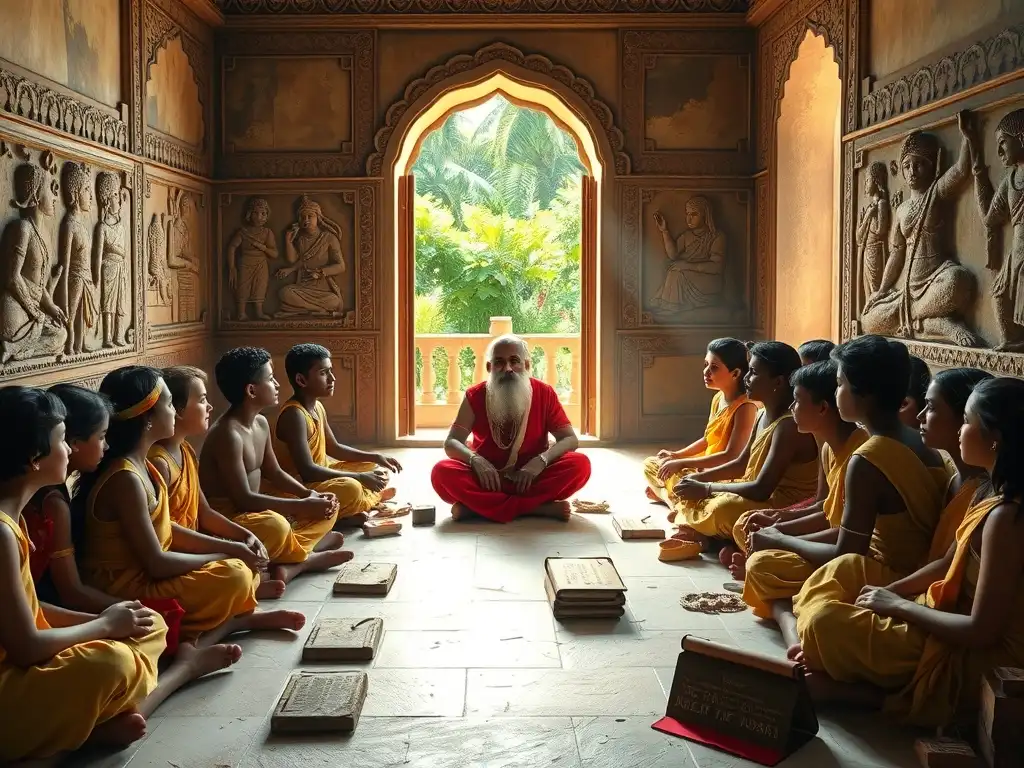
Welcome to Ancient India History, where we invite you to journey through the tapestry of time and uncover the profound legacies of ancient Indian civilizations. Today, we delve into the Mauryan Empire education system, a remarkable facet of Chandragupta's vision that shaped the minds of a nation. What innovative approaches did this empire employ to foster knowledge and wisdom?
As you explore this captivating article, prepare to be intrigued by the educational philosophies that not only influenced their society but also left an indelible mark on history. Join us as we unravel the layers of this ancient empire and discover how education became a cornerstone of its enduring legacy!
Introduction to the Mauryan Empire Education System
The Mauryan Empire, one of ancient India's most significant and expansive empires, flourished from 322 to 185 BCE. At its zenith, it encompassed a vast territory across the Indian subcontinent, characterized by its remarkable administrative structure, military prowess, and cultural advancements. Central to the success and sustainability of this empire was the pivotal role of education, which laid the groundwork for effective governance, societal cohesion, and intellectual growth.
Chandragupta Maurya, the empire's founder, envisioned an education system that went beyond mere literacy. His approach encompassed a broader spectrum of learning, emphasizing philosophy, governance, military strategy, and the arts. This multifaceted educational framework was instrumental in shaping the bureaucratic and administrative systems that allowed the Mauryan Empire to thrive. By fostering an educated populace, Chandragupta aimed to cultivate leaders capable of navigating the complexities of governance and societal challenges.
In this article, we will explore the intricate details of the Mauryan Empire's education system under Chandragupta Maurya, examining its structure, methodologies, and lasting impact on Indian civilization.
Overview of Chandragupta Maurya's Influence on Education
Chandragupta Maurya's influence on education was profound and multifaceted. His reign marked a transformative period in which education became a cornerstone of societal development. Several key aspects defined his approach to education:
- Institutional Framework:
- Chandragupta established formal institutions known as Gurukuls, where students received training in various disciplines, including science, mathematics, and the arts. These institutions played a crucial role in disseminating knowledge and fostering critical thinking among the youth.
- Curriculum Focus:
- The curriculum was designed to produce well-rounded individuals. Students were taught not only academic subjects but also practical skills essential for administration and governance. This emphasis on a comprehensive education helped create a knowledgeable and skilled ruling class.
- Support for Scholars:
- Chandragupta actively supported scholars and philosophers, encouraging them to share their knowledge and insights. This led to the flourishing of intellectual discourse and the preservation of ancient texts, which enriched the educational landscape of the empire.
- Integration of Diverse Knowledge Systems:
- The education system under Chandragupta integrated various cultural and philosophical traditions, including those of the Aryans and the indigenous populations. This inclusivity fostered a sense of unity and cultural pride among the diverse communities within the empire.
- Promotion of Ethics and Morality:
- Education during this period was not limited to academic learning; it also emphasized ethical and moral values. Students were taught the principles of Dharma (righteousness) and governance, which were essential for maintaining social order and justice.
By establishing a robust education system, Chandragupta Maurya not only prepared the next generation of leaders but also laid the foundation for the Mauryan Empire's enduring legacy in Indian history. The emphasis on education during this era had ripple effects, influencing subsequent civilizations and shaping the cultural and intellectual landscape of ancient India.
- Introduction to the Mauryan Empire Education System
- Overview of Chandragupta Maurya's Influence on Education
- What was the education system like in the Mauryan Empire?
- How did Chandragupta Maurya influence education?
- Were there any notable educational institutions during the Mauryan period?
- What subjects were taught in the Mauryan education system?
- How did the education system contribute to the Mauryan Empire's success?
The Foundations of Education in the Mauryan Empire
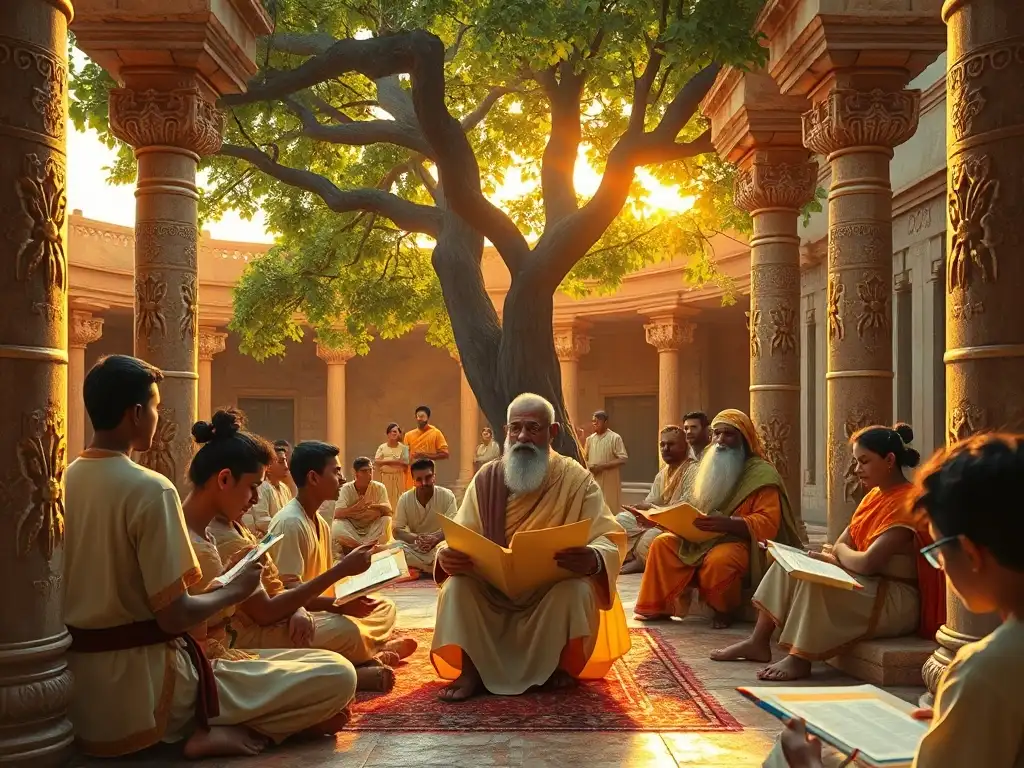
The Mauryan Empire, established by Chandragupta Maurya in the 4th century BCE, laid the groundwork for a structured and influential education system that would resonate throughout ancient India. This period marked a significant transition from informal knowledge transmission to a more organized approach to education, deeply intertwined with the empire's governance, culture, and philosophy.
Historical Context of Education Before Chandragupta
Before the rise of the Mauryan Empire, education in India was primarily informal and often conducted within the family or community settings. The Vedic period saw the establishment of the Gurukul system, where students resided with their guru (teacher) and received instruction in various disciplines including Vedas, mathematics, and philosophy.
- Vedic Education:
- Focused on religious texts and rituals.
- Primarily for the Brahmin class, limiting broader access.
- Buddhist Influence:
- The emergence of Buddhism introduced a different perspective on education.
- Monastic schools began to spread, emphasizing logic, dialectics, and ethics.
- Regional Variations:
- Different regions developed unique educational practices. For example, Taxila and Nalanda became known for their centers of higher learning.
- These institutions attracted students from various backgrounds, including those from foreign lands.
The education system before Chandragupta Maurya was characterized by its exclusivity and reliance on oral traditions, which often hindered widespread literacy and learning opportunities across different societal strata.
Key Philosophies Influencing the Mauryan Education System
Chandragupta Maurya's vision for the Mauryan Empire education system was influenced by various philosophical frameworks that shaped the educational landscape of India. His empire was not only a political entity but also a melting pot of ideas, leading to a more inclusive and pragmatic approach to education.
- Dharma:
- Central to Mauryan philosophy, emphasizing moral duties and ethical conduct.
- Education was seen as a means to instill dharma in individuals, promoting societal harmony.
- Pragmatism:
- Chandragupta believed in practical knowledge that could be directly applied to governance and administration.
- Subjects such as administration, law, and military strategy were emphasized, preparing students for roles in the vast bureaucratic structure of the empire.
- Integration of Diverse Traditions:
- The Mauryan education system drew from various sources, including Brahmanical, Buddhist, and Jain teachings.
- This integration fostered a holistic educational approach, encouraging critical thinking and open dialogue among different philosophical schools.
- Promotion of Literacy and Learning:
- Chandragupta's administration promoted literacy among all strata of society, not just the elite.
- The establishment of educational institutions, such as Taxila, became hubs for learning and cultural exchange, allowing for the dissemination of knowledge beyond traditional boundaries.
The education system during the Mauryan Empire, shaped by historical precedents and philosophical influences, laid a robust foundation for future generations. Chandragupta Maurya's vision fostered an environment where education became a vital instrument for governance, cultural enrichment, and societal progress.
Structure of the Mauryan Empire Education System
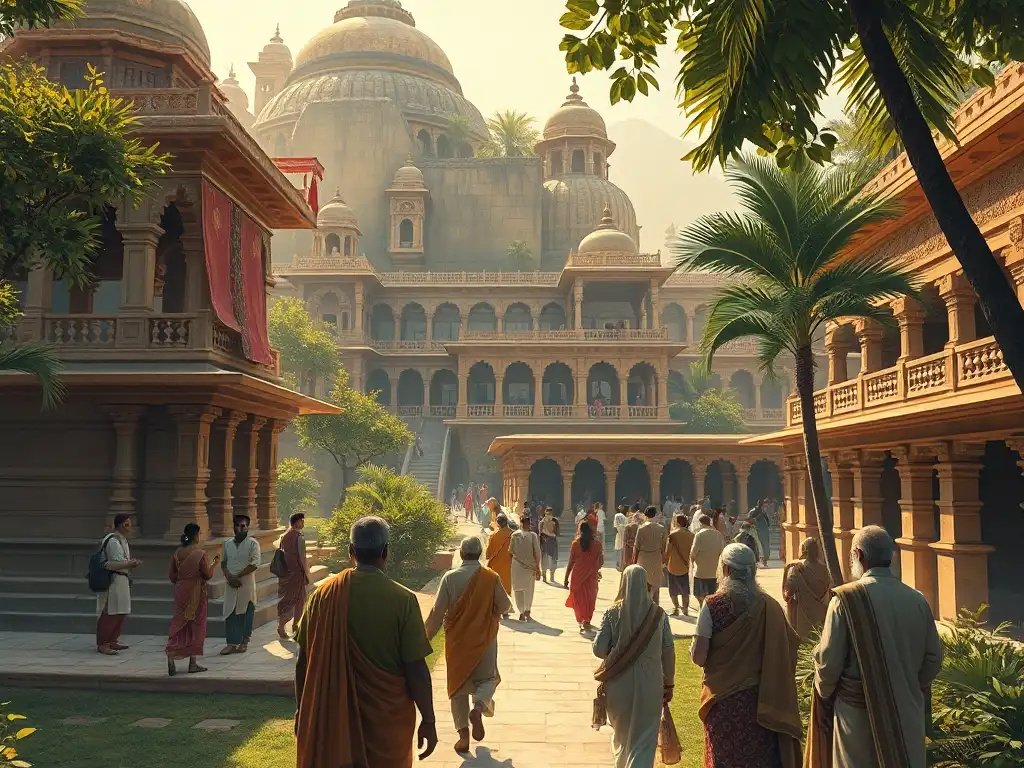
The education system in the Mauryan Empire was intricately woven into the fabric of society, reflecting the values and needs of the time. This system was characterized by a blend of traditional learning methods and the patronage of advanced educational institutions, which together fostered intellectual growth and cultural development. The Mauryan Empire education system was essential not only for the propagation of knowledge but also for the administration and governance of the vast empire.
Types of Educational Institutions in the Mauryan Empire
The educational landscape of the Mauryan Empire comprised various institutions that catered to different segments of society and subjects of study. The most prominent types of educational institutions included:
- Gurukulas: Traditional centers of learning where students, or shishyas, lived with their teacher, or guru.
- Royal Universities: Established by the imperial family to promote higher learning and scholarship.
- Temples and Monasteries: Functioned as centers for spiritual education and philosophical discourse.
These institutions not only facilitated academic learning but also emphasized moral and ethical teachings, aligning with Chandragupta Maurya's vision of a well-governed and just society.
Gurukulas and Their Role in Education
Gurukulas were the cornerstone of the Mauryan education system. These informal yet structured learning environments were primarily located in secluded areas away from the distractions of urban life, promoting concentration and scholarly pursuits.
- Curriculum: The curriculum in Gurukulas was comprehensive, covering subjects such as:
- Vedas and Upanishads: The foundation of Hindu philosophy and spirituality.
- Mathematics and Astronomy: Essential for trade, agriculture, and navigation.
- Political Science and Administration: Equipping future leaders with the skills needed to manage the empire.
- Methodology: Education was predominantly oral, with a heavy emphasis on memorization and debate. This method ensured that knowledge was not only transmitted but also critically analyzed and discussed among peers.
- Caste System Influence: While Gurukulas primarily served the Brahmin and Kshatriya classes, there is evidence of some inclusion of Shudras, especially in vocational training, indicating a complex relationship between education and the caste system.
Royal Patronage of Learning Centers
The Mauryan rulers, particularly Chandragupta Maurya and his grandson Ashoka, played a pivotal role in promoting education through royal patronage.
- Establishment of Learning Centers: Chandragupta recognized the importance of knowledge in governance and established various royal universities, which later flourished under Ashoka. These centers became hubs for scholars and attracted students from across the empire.
- Investment in Infrastructure: The royal family invested significantly in the development of educational infrastructure, including libraries, lecture halls, and hostels, which were crucial for supporting a vibrant academic community.
- Promotion of Buddhist Education: Ashoka's conversion to Buddhism led to the establishment of monastic universities, which emphasized spiritual education alongside secular studies. These institutions played a vital role in disseminating Buddhist teachings and philosophy, contributing to the cultural richness of the empire.
The Mauryan Empire's education system was a well-structured network of institutions that not only fostered learning but also reinforced the empire's governance and cultural identity. The legacy of the educational practices during this period laid the groundwork for future developments in Indian education.
Curriculum and Subjects Taught in the Mauryan Empire
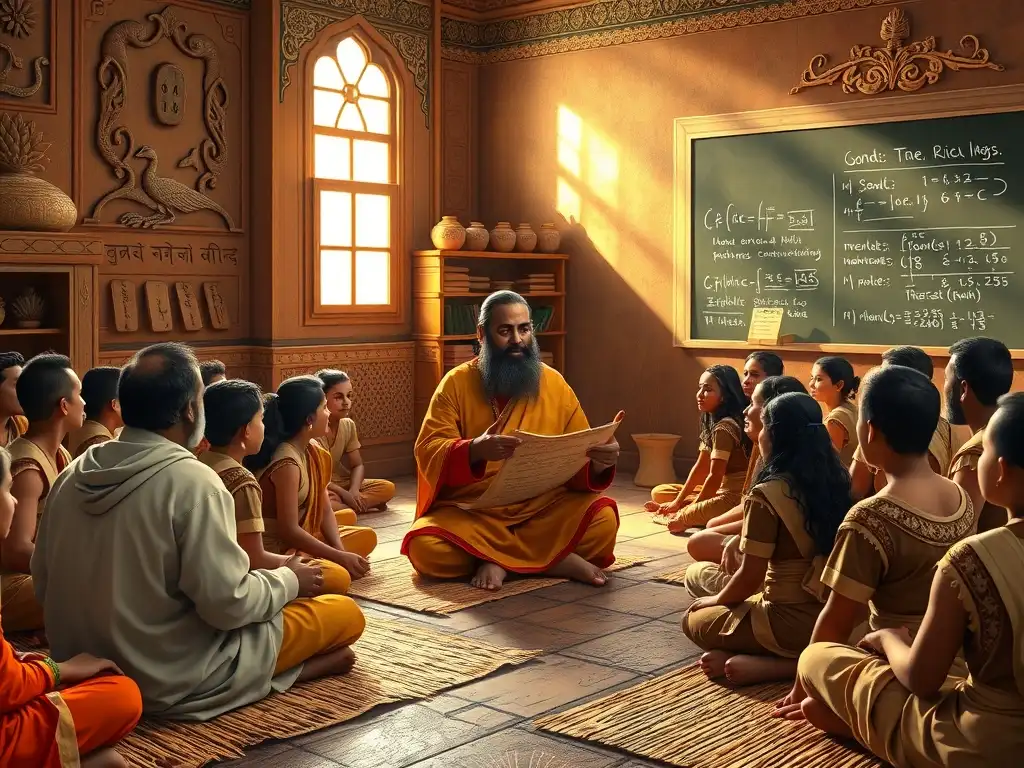
In the Mauryan Empire, education was pivotal in shaping the society and governance under the rule of Chandragupta Maurya. The education system was comprehensive and aimed at developing well-rounded individuals who could contribute to the empire's administration, culture, and intellectual life.
Core Subjects in the Mauryan Education System
The Mauryan education system was characterized by a curriculum that encompassed a variety of subjects, reflecting the multifaceted needs of the empire. The prominent subjects included:
- Philosophy and Political Science
- Mathematics and Astronomy
- Arts and Literature
Philosophy and Political Science
Philosophy and political science were foundational elements of the educational curriculum. The teachings were deeply influenced by the prevailing schools of thought, particularly Buddhism and Jainism. Students were exposed to the following aspects:
- Ethics and Morality: Students learned about the ethical frameworks that guided governance and personal conduct, often derived from texts like the Arthashastra, authored by Kautilya (Chanakya), who was a key advisor to Chandragupta.
- Statecraft: Lessons in political science focused on the principles of governance, administration, and the responsibilities of a ruler. The importance of diplomacy, warfare, and economic management were also emphasized, preparing students for roles in the imperial bureaucracy.
Mathematics and Astronomy
Mathematics and astronomy were critical for both practical applications and theoretical understanding. The educational institutions of the Mauryan Empire, such as Takshashila (Taxila), offered advanced studies in these fields:
- Mathematics: Students were taught arithmetic, geometry, and calculations essential for trade, taxation, and land measurement. The concept of zero and the decimal system, though not fully developed yet, were foundational to the numerical system used in various calculations.
- Astronomy: Knowledge of celestial bodies was vital for agricultural planning and religious practices. Students learned to observe celestial phenomena and calculate solar and lunar calendars, which were crucial for timing agricultural activities.
Arts and Literature
The arts and literature were celebrated in the Mauryan Empire, fostering a rich cultural environment. The subjects covered included:
- Literature: Students studied classical texts in various languages, including Sanskrit and Prakrit. They were exposed to poetry, drama, and prose, which not only enriched their linguistic skills but also imbued them with the cultural ethos of the time.
- Visual Arts: Artistic expression was encouraged, encompassing sculpture, painting, and architecture. The famous rock-cut caves and stupas from this era exemplify the artistic achievements that students learned about and contributed to.
The Mauryan Empire education system was a blend of practical and theoretical knowledge, designed to prepare individuals for active participation in the empire's administration, culture, and society. The emphasis on a broad curriculum ensured that students emerged as knowledgeable and capable citizens, equipped to handle the complexities of life in one of ancient India's most influential empires.
The Role of Educators in the Mauryan Empire
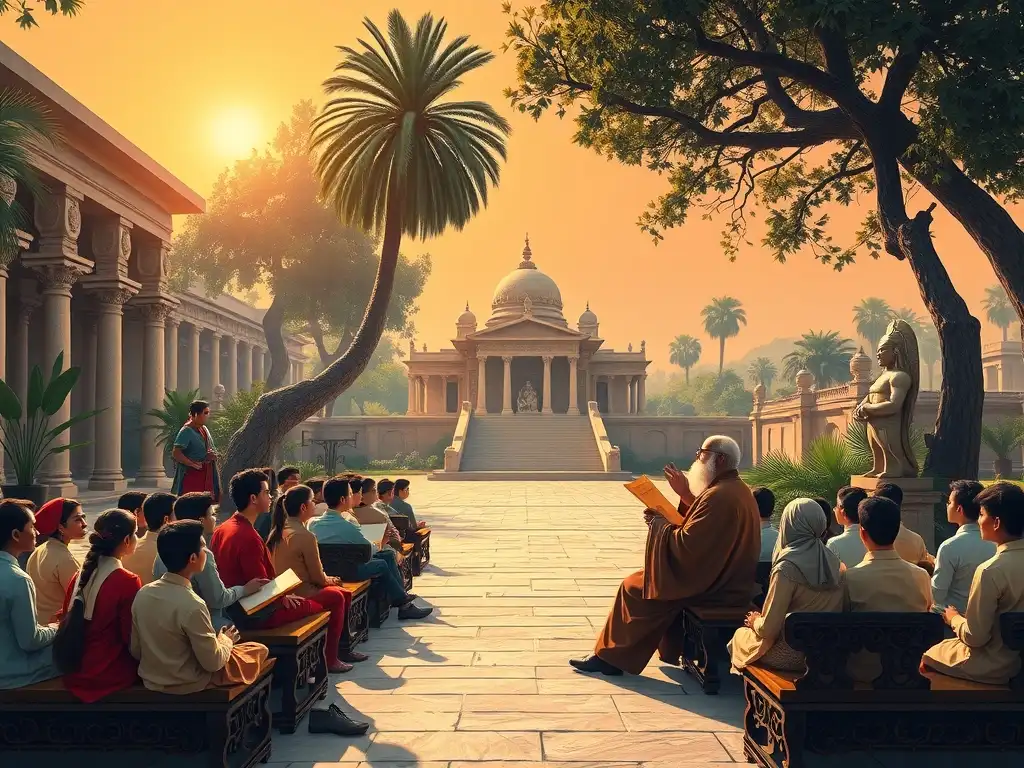
The Mauryan Empire, known for its significant advancements in various fields, placed great emphasis on education as a pillar of its societal framework. During this period, the role of educators transcended mere knowledge transmission; they were key figures in shaping the moral and ethical fabric of society. Educators, or gurus, were revered and held in high esteem, often guiding not only the intellectual growth of their students but also their character development.
The education system was predominantly characterized by the Guru-Shishya tradition, a mentorship model where knowledge was imparted in a personalized and immersive manner. This approach allowed for deep engagement between the guru (teacher) and shishya (student), fostering a strong bond based on respect and loyalty. Educators were tasked with teaching various subjects, including philosophy, mathematics, astronomy, and the arts, all aimed at preparing individuals for their roles in society.
Moreover, educational institutions, such as the famed Nalanda University, began to take shape during this period, although it reached its zenith later. These institutions provided a structured environment for learning and were instrumental in disseminating knowledge across the empire, contributing to the overall development of the Mauryan Empire education system.
The Guru-Shishya Tradition in Education
The Guru-Shishya tradition was central to the educational landscape of the Mauryan Empire. This method of learning was deeply rooted in Indian culture and philosophy, emphasizing the importance of personal tutelage. Here are some key aspects of this tradition:
- Personalized Learning: Students learned directly from their gurus, allowing for tailored instruction based on individual needs and capabilities.
- Holistic Education: Education encompassed various fields, including spiritual, practical, and ethical teachings, aimed at producing well-rounded individuals.
- Cultural Transmission: The tradition facilitated the passing down of knowledge, values, and cultural heritage from one generation to the next.
- Rituals and Discipline: The relationship was often formalized through rituals that ensured discipline and respect, reinforcing the authority of the guru.
This tradition not only emphasized academic knowledge but also moral and ethical training, which was crucial in maintaining the social order of the Mauryan Empire. The influence of this model extended beyond the empire, impacting educational practices in subsequent Indian civilizations.
Notable Educators of the Mauryan Era
The Mauryan Empire boasted several notable educators who played pivotal roles in shaping the education system and the intellectual landscape of the time. Here are a few key figures:
- Chanakya (Kautilya):
- A philosopher, economist, and statesman, Chanakya was instrumental in the establishment of the Mauryan Empire and served as a mentor to Chandragupta Maurya.
- His work, the Arthashastra, laid the foundation for political science and economics, blending practical governance with education.
- Vishnu Sharma:
- Best known for his fables in the Panchatantra, Vishnu Sharma utilized storytelling as a pedagogical tool to impart moral lessons and practical wisdom, showcasing the integration of education and entertainment.
- Brahmin Scholars:
- Many Brahmin scholars contributed to the educational landscape by teaching Vedic texts and philosophies, ensuring the preservation of ancient knowledge.
The contributions of these educators were crucial in establishing a robust education system during the Mauryan Empire, influencing generations and leaving a lasting legacy on Indian society. Their teachings not only focused on academic excellence but also instilled values and ethics, reflecting the holistic approach of the Mauryan Empire education system.
Chandragupta’s Vision for Education and Its Impact

Chandragupta Maurya, the founder of the Mauryan Empire, held a profound vision for the role of education in shaping a prosperous and cohesive society. His understanding of the importance of education transcended mere literacy; he envisioned it as a cornerstone for effective governance, social harmony, and economic prosperity. This vision was instrumental in the establishment of the Mauryan Empire education system, which sought to cultivate not only skilled administrators but also enlightened citizens.
Educational Reforms Under Chandragupta Maurya
Chandragupta's reign marked significant educational reforms that laid the groundwork for a structured educational system across the empire. The reforms can be categorized into several key areas:
- Establishment of Educational Institutions:
- Gurukul System: Traditional learning centers known as Gurukuls were promoted, where students lived with their teachers (gurus) and received a holistic education that included philosophy, mathematics, and the arts.
- Public Schools: The Mauryan administration began to establish public schools accessible to various strata of society, emphasizing the importance of education for all.
- Curriculum Development:
- Comprehensive Subjects: The curriculum was diverse, including subjects such as grammar, philosophy, science, and administration. This breadth ensured that students were well-rounded and equipped for various roles in society.
- Practical Skills: Emphasis was placed on practical skills that would aid in governance and trade, such as agriculture, irrigation techniques, and military strategy.
- Promotion of Scholars and Thinkers:
- Patronage of Scholars: Chandragupta actively supported scholars and intellectuals, inviting them to his court. This patronage led to the flourishing of philosophical and scientific thought, contributing to the rich tapestry of Mauryan culture.
- Integration of Knowledge: The integration of local knowledge with insights from neighboring cultures encouraged innovation and adaptability within the education system.
These educational reforms under Chandragupta Maurya not only enhanced the literacy rate but also promoted critical thinking and civic responsibility among the populace.
The Importance of Education in Governance and Society
The Mauryan Empire education system played a pivotal role in governance and societal development. The importance of education during this era can be delineated through several vital aspects:
- Informed Governance: Educated administrators were essential for effective governance. They could understand complex issues, implement policies, and manage resources efficiently, which was crucial for the vast Mauryan Empire.
- Social Cohesion: Education fostered a sense of unity and shared identity among the diverse populations within the empire. It enabled individuals from various backgrounds to engage in dialogue, share ideas, and participate in governance, thus enhancing social cohesion.
- Economic Advancement: An educated workforce was vital for the economic prosperity of the Mauryan Empire. Skilled artisans, traders, and farmers contributed significantly to the economy, leading to increased trade and wealth.
- Civic Responsibility: Education instilled a sense of civic duty in citizens. An educated populace was more likely to participate in governance and uphold the values of justice and fairness, contributing to a stable society.
Chandragupta's vision for education was instrumental in shaping the Mauryan Empire's governance and societal structure. By prioritizing education, he laid the foundation for a thriving civilization that balanced authority with the enlightenment of its citizens.
Legacy of the Mauryan Empire Education System
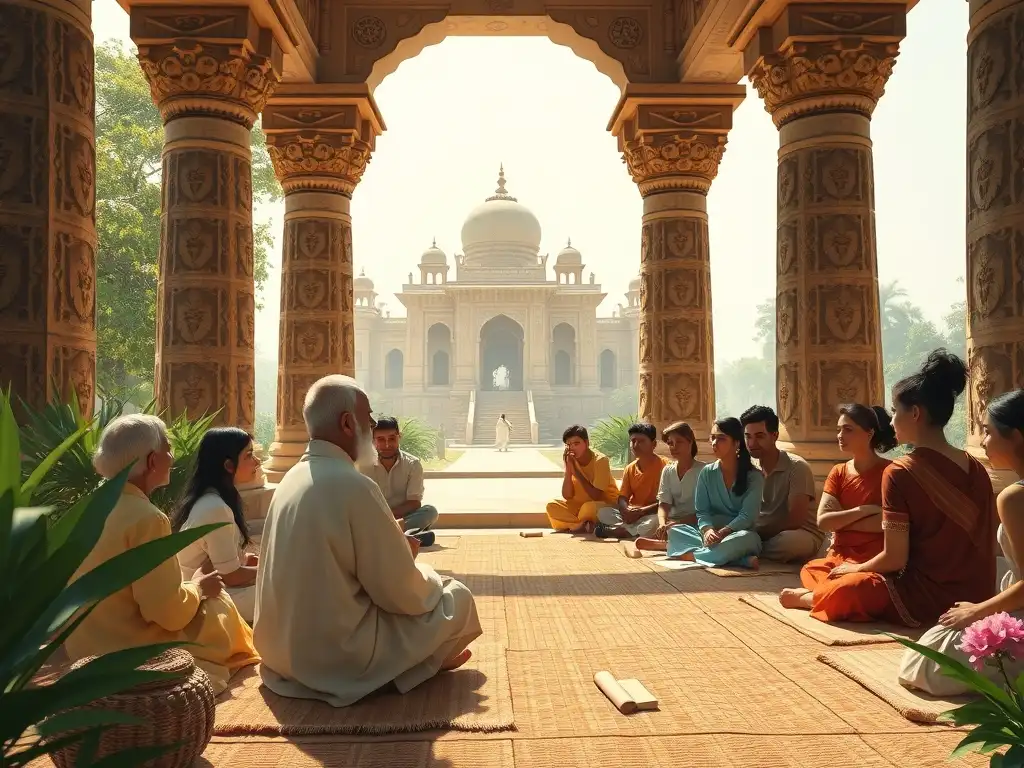
The Mauryan Empire education system, established under the reign of Chandragupta Maurya, laid a foundational legacy that influenced subsequent generations and educational practices throughout India. This system was characterized by its emphasis on holistic education, encompassing various disciplines such as philosophy, science, arts, and administration.
Chandragupta's vision for education was not merely functional; it was designed to cultivate a sense of duty and civic responsibility among the youth. The educational institutions of the Mauryan Empire, particularly the famed Nalanda University, became centers of learning that attracted scholars from across the region. This legacy of intellectual pursuit set a precedent for future educational frameworks in India.
One of the notable aspects of the Mauryan education system was its accessibility. Education was not limited to the elite; it was extended to all strata of society, promoting inclusivity. This egalitarian approach ensured that knowledge was disseminated widely, fostering an educated populace capable of contributing to the empire's administration and culture.
Influence on Later Indian Educational Systems
The impact of the Mauryan Empire education system can be observed in various later educational frameworks that emerged in India.
- Integration of Diverse Subjects: The Mauryan curriculum's comprehensive nature, which included subjects like logic, grammar, and mathematics, influenced the curricula of subsequent educational institutions. Notably, during the Gupta period, educational establishments continued to offer a wide range of subjects, reflecting the Mauryan model.
- Focus on Ethics and Governance: The teachings of Chanakya, a prominent scholar during the Mauryan Empire, emphasized the importance of ethics in governance. His work, the Arthashastra, became a critical text for later rulers and administrators, shaping political education and governance practices.
- Continuity of Learning Centers: The tradition of establishing learning centers continued after the Mauryan era, as seen in the rise of universities like Vikramshila and Nalanda. These institutions built upon the foundational principles laid by the Mauryan education system, promoting scholarship and debate.
- Cultural Exchanges: The Mauryan Empire's extensive trade networks facilitated cultural exchanges that enriched educational practices. This amalgamation of various cultural influences contributed to a more vibrant and diverse educational atmosphere in subsequent empires.
The legacy of the Mauryan education system is reflected in the enduring importance placed on education in Indian culture, emphasizing that the pursuit of knowledge is a lifelong endeavor.
Comparison with Other Ancient Educational Systems
When comparing the Mauryan Empire education system with those of other ancient civilizations, distinct features emerge that highlight its uniqueness.
| Feature | Mauryan Empire Education System | Ancient Greek Education System | Ancient Roman Education System |
|---|---|---|---|
| Inclusivity | Education for all societal classes | Primarily for male citizens, elite | Focused on wealthy families |
| Curriculum Focus | Philosophy, science, arts, governance | Rhetoric, philosophy, physical education | Rhetoric, law, and public speaking |
| Institutional Structure | Centralized institutions like Nalanda | Gymnasiums and private tutors | Schools run by private educators |
| Pedagogical Methods | Emphasis on debate and discussion | Socratic method, dialogues | Formal lectures and rhetoric training |
| Purpose of Education | Civic responsibility and governance | Preparation for public life | Preparation for law and public service |
The Mauryan education system prioritized a comprehensive curriculum aimed at fostering civic awareness and ethical governance, contrasting sharply with the more elitist frameworks of Ancient Greece and Rome. While Greek education focused heavily on rhetoric and philosophy, the Mauryan approach integrated these subjects with practical governance, reflecting Chandragupta's vision of a well-rounded education.
The Mauryan Empire education system not only shaped its contemporary society but also set a precedent for educational practices in India and beyond. Its legacy continues to inspire educational philosophies, emphasizing the importance of a holistic and inclusive approach to learning.
Conclusion: The Lasting Impact of Mauryan Empire Education
The education system of the Mauryan Empire, particularly under the visionary leadership of Chandragupta Maurya, laid a foundational framework that profoundly influenced the future of Indian education. The emphasis on knowledge as a cornerstone of governance and societal development fostered an environment where learning thrived. Chandragupta’s educational philosophy integrated various aspects of society, including administration, military training, and cultural education, ensuring that citizens were well-prepared for their roles in the empire.
The lasting impact of this educational system can be seen in the subsequent empires that followed, where similar principles were adopted. The Mauryan focus on practical knowledge, ethics, and statecraft created a legacy that would resonate throughout Indian history, influencing educational practices and philosophies for centuries. This holistic approach to education not only aimed at personal growth but also sought to cultivate responsible citizens who could contribute to the greater good of society.
Reflection on Chandragupta’s Educational Philosophy
Chandragupta Maurya’s educational philosophy was deeply rooted in the idea that knowledge is power. He believed that education should serve the dual purpose of personal enlightenment and the betterment of society. This philosophy can be broken down into several key principles:
- Practical Application of Knowledge: Education during the Mauryan period was not merely theoretical. It focused on practical skills that were essential for governance and administration. Subjects such as military tactics, agriculture, trade, and diplomacy were emphasized.
- Ethical and Moral Education: Chandragupta underscored the importance of ethics in education. He believed that a ruler or a citizen should possess moral integrity. The teachings of figures like Chanakya, who emphasized dharma (duty) and artha (prosperity), were integral to this educational approach.
- Inclusivity in Learning: The Mauryan education system aimed to be inclusive, allowing individuals from various backgrounds to access knowledge. This emphasis on inclusivity helped cultivate a diverse intellectual community that enriched the empire’s cultural fabric.
- Focus on Statecraft: Education in the Mauryan Empire was closely linked to the art of governance. Chandragupta recognized that educated leaders were essential for maintaining order and promoting prosperity. As such, administrative training was a significant component of the educational curriculum.
This multifaceted approach to education fostered a culture of learning that extended beyond the confines of formal institutions, permeating various aspects of daily life in the empire.
Future Research Directions in Mauryan Education Studies
The study of the Mauryan Empire's education system presents numerous avenues for future research, which can deepen our understanding of its impact on Indian civilization. Some potential directions include:
- Comparative Analysis: Investigating how the Mauryan education system compares to those of contemporary civilizations, such as the Hellenistic or Persian systems, could yield insights into cross-cultural influences and exchanges during this period.
- Role of Institutions: More in-depth research into the specific educational institutions of the Mauryan Empire, such as the ancient universities and centers of learning, could provide a clearer picture of their structure, curriculum, and societal roles.
- Impact on Social Mobility: Exploring how education under the Mauryan Empire affected social mobility and the status of various classes could reveal how access to knowledge influenced societal hierarchies.
- Long-term Legacy: Analyzing the long-term effects of Mauryan educational practices on subsequent dynasties, including the Gupta Empire, could enhance our understanding of the continuity and evolution of educational philosophies in India.
- Integration of Technology and Education: Investigating how technological advancements during the Mauryan period influenced educational practices and the dissemination of knowledge would be an interesting avenue of study.
Through these research directions, scholars can continue to unravel the complexities of the Mauryan Empire's education system and its enduring legacy in shaping the intellectual landscape of ancient India and beyond.
Frequently Asked Questions
What was the education system like in the Mauryan Empire?
The education system in the Mauryan Empire was characterized by gurukuls (traditional schools) where students learned various subjects, including philosophy, astronomy, and mathematics.
How did Chandragupta Maurya influence education?
Chandragupta Maurya emphasized the importance of education by establishing institutions that promoted learning and scholarship, reflecting his vision for a knowledgeable society.
Were there any notable educational institutions during the Mauryan period?
Yes, the Mauryan Empire had notable institutions like Taxila, which became a center for higher education, attracting students from across the region.
What subjects were taught in the Mauryan education system?
Students in the Mauryan education system were taught a variety of subjects, including logic, grammar, medicine, and politics, preparing them for various roles in society.
How did the education system contribute to the Mauryan Empire's success?
The education system contributed to the Mauryan Empire's success by producing knowledgeable leaders and skilled individuals who could effectively manage and govern the vast empire.
Final Reflection: The Enduring Legacy of Education in the Mauryan Empire
The role of education in the Mauryan Empire remains profoundly relevant today, illustrating how foundational learning can shape societies and empower individuals. As we navigate a world increasingly defined by knowledge and innovation, the vision of Chandragupta and his emphasis on education serve as a powerful reminder of the transformative potential that a robust education system can have on a civilization. The Mauryan Empire's commitment to education was not just a means of governance but a pathway to enlightenment, fostering a culture that valued knowledge and wisdom.
The impact of the Mauryan Empire's education system continues to resonate in our modern cultural and social landscapes. The principles established during this era have laid the groundwork for contemporary educational philosophies that prioritize holistic development and civic responsibility. As we reflect on the importance of education, we can draw inspiration from the words of Mahatma Gandhi: Live as if you were to die tomorrow. Learn as if you were to live forever.
This sentiment echoes the enduring value of education as a lifelong journey, one that shapes not only individual destinies but also the collective future of societies.
As we contemplate the lessons from the Mauryan Empire's education system, I invite you to reflect on your own educational journey and its impact on your life. Consider how you can embody the spirit of Chandragupta's vision by fostering a love for learning, sharing knowledge, and contributing to the educational growth of others. In doing so, you not only honor the legacy of a great empire but also help to cultivate a brighter future for generations to come.
Unveil the Wisdom of the Mauryan Empire!
Thank you for diving into the fascinating world of the Mauryan Empire and discovering how education shaped Chandragupta's visionary legacy! You've gained insights into the powerful role education played in that era, and now it’s time to put that knowledge into action.
Here are a few ways you can further explore and engage with this important subject:
- Dive Deeper into the educational philosophies of ancient scholars by reading books or articles that highlight their contributions and impact on society.
- Share your newfound insights with friends or in online communities focused on ancient history to spark discussions and encourage further exploration.
- Consider attending a local lecture or workshop on ancient civilizations—many experts are eager to share their extensive knowledge!
How do you envision education shaping the future of societies in our modern world?