
The Influence of Sankhya Philosophy on Yoga and Meditation Practices

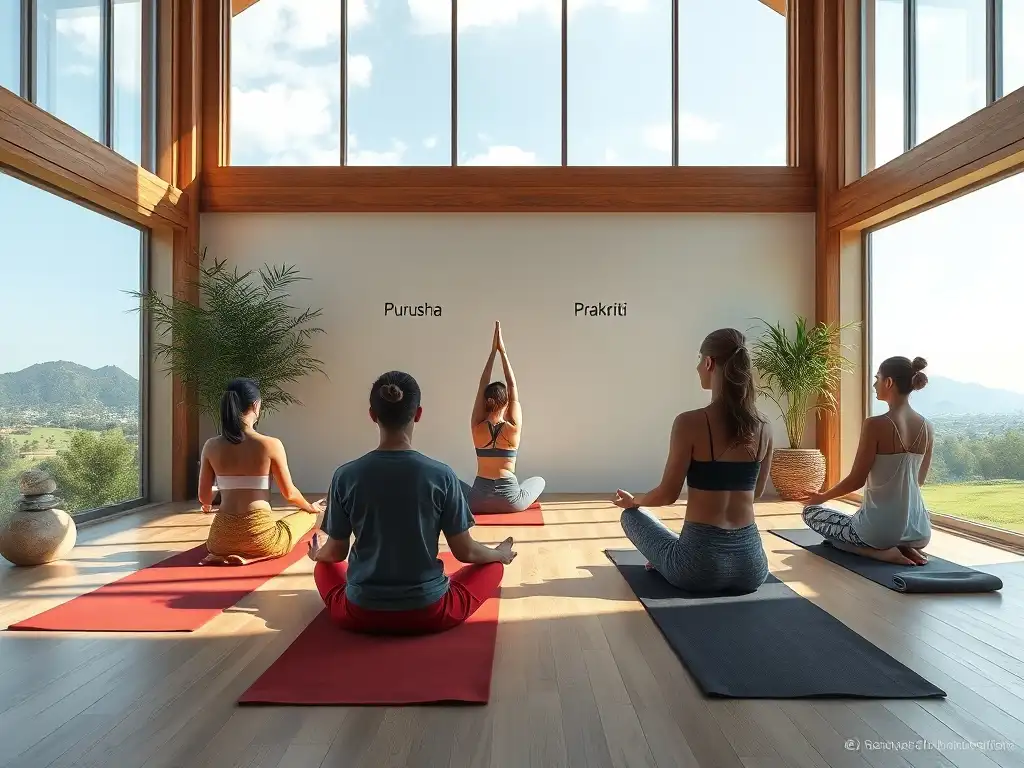
Welcome to Ancient India History, where we delve into the rich tapestry of India's past, uncovering the profound philosophies and practices that have shaped human thought and spirituality. In this exploration, we invite you to discover the intricate relationship between Sankhya philosophy and yoga—a connection that not only informs meditation practices but also enriches our understanding of existence itself. Are you ready to unlock the secrets of ancient wisdom? Join us as we embark on a journey through time, revealing how these timeless teachings continue to influence our lives today.
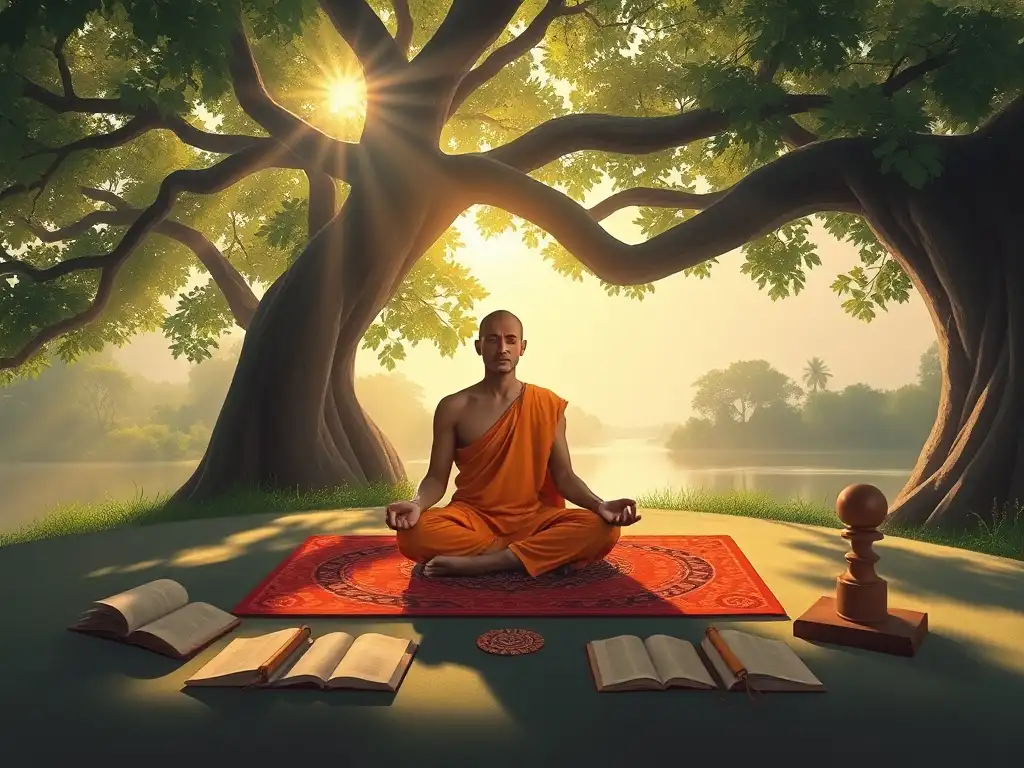
Sankhya philosophy, one of the six orthodox schools of Indian philosophy, has profoundly influenced various aspects of Indian culture, particularly yoga and meditation practices. Rooted in ancient texts, Sankhya provides a framework for understanding the nature of reality, consciousness, and the self. This philosophy is not merely theoretical; it serves as a guiding principle for practitioners seeking deeper self-awareness and enlightenment through yoga and meditation. In exploring the intricate connections between Sankhya philosophy and these spiritual disciplines, we can better appreciate how ancient wisdom continues to shape modern practices and philosophies.
Introduction to Sankhya Philosophy
Definition of Sankhya Philosophy
Sankhya, derived from the Sanskrit word meaning "number" or "count," is a dualistic philosophy that posits two fundamental realities: Purusha (consciousness) and Prakriti (matter). It lays the foundation for understanding the relationship between the self and the universe. In essence, Sankhya philosophy emphasizes the importance of knowledge (Jnana) as a means to liberate oneself from the cycle of birth and rebirth (Samsara).
Historical Context of Sankhya Philosophy
Sankhya philosophy traces its origins back to ancient India, with its earliest references found in the Upanishads and later texts like the Sankhya Karika by Ishvara Krishna in the 4th century CE. Its development occurred during a time when various philosophical systems were emerging, seeking to address existential questions and the nature of reality. The interplay between Sankhya and other schools, such as Yoga and Vedanta, enriched the philosophical landscape of ancient India, leading to a comprehensive understanding of spirituality and life.
Key Concepts and Principles of Sankhya Philosophy
At the core of Sankhya philosophy are several key concepts:
- Purusha: The eternal, unchanging consciousness that is the true self.
- Prakriti: The dynamic, changing material world that encompasses everything in nature.
- Gunās: The three fundamental qualities (Sattva, Rajas, and Tamas) that govern the behavior of Prakriti.
- Moksha: Liberation from the cycle of birth and rebirth achieved through self-realization and understanding the distinction between Purusha and Prakriti.
These principles provide a rich tapestry of insight into the human experience and the path toward spiritual growth.
The Relationship Between Sankhya Philosophy and Yoga
Core Philosophical Tenets of Sankhya in Yoga
Sankhya philosophy serves as a foundational pillar for the practice of yoga. The emphasis on discernment (Viveka) between the self (Purusha) and the non-self (Prakriti) is crucial for yogic practitioners. This understanding encourages individuals to transcend their material attachments and seek a higher state of consciousness, ultimately guiding them toward self-realization and enlightenment.
The Role of Prakriti and Purusha in Yoga Practices
In yoga, the interplay between Prakriti and Purusha is essential. Practitioners strive to balance the qualities of Prakriti through various asanas (postures), pranayama (breath control), and meditation techniques. By recognizing the presence of Purusha within, individuals can cultivate a sense of inner peace and clarity, allowing them to navigate life's challenges with greater awareness.
How Sankhya Philosophy Shapes Yogic Techniques
Sankhya philosophy shapes various yogic techniques, emphasizing the importance of self-awareness and the cultivation of mental clarity. Techniques such as meditation and mindfulness draw heavily on the principles of Sankhya, encouraging practitioners to observe their thoughts and emotions without attachment. This practice aligns with the Sankhya goal of distinguishing between the eternal self and the transient material world, fostering a deeper understanding of one's true nature.
Meditation Practices Influenced by Sankhya Philosophy
Sankhya philosophy, one of the six orthodox schools of Indian thought, has had a profound impact on meditation practices throughout history. This ancient philosophical system emphasizes the distinction between purusha (consciousness) and prakriti (matter), which lays the groundwork for understanding the self and the universe. Such insights have not only influenced the theoretical aspects of meditation but have also shaped practical applications, providing a framework for various meditative techniques.
In the context of meditation, Sankhya philosophy promotes the idea that through deep introspection and the discernment of the self from the material world, practitioners can achieve a state of liberation (moksha). This focus on self-awareness and the duality of existence is essential in many meditation practices today, illustrating the enduring legacy of Sankhya thought.
The Concept of Meditation in Sankhya Philosophy
Within Sankhya philosophy, meditation is viewed as a crucial means to attain self-realization and liberation. The practice is rooted in understanding the nature of existence and the self's role within it. Meditation serves as a tool for practitioners to detach themselves from the distractions of the material world, allowing them to observe the interplay between purusha and prakriti.
The core of Sankhya meditation involves the cultivation of discernment (viveka), which enables individuals to differentiate between the eternal self and transient phenomena. This clarity is essential for overcoming ignorance (avidya) and realizing one's true nature. The Sankhya perspective posits that through meditation, practitioners can transcend the limitations of the physical body and mind, facilitating a deeper connection with their consciousness.
Meditation Techniques Derived from Sankhya Thought
Several meditation techniques can be traced back to the principles of Sankhya philosophy. These techniques emphasize self-inquiry and contemplation, fostering a deep understanding of one's nature. Key practices include:
- Svadhyaya (self-study): This involves the introspective examination of thoughts and behaviors, encouraging practitioners to recognize patterns that bind them to the material realm.
- Pratyahara (withdrawal of senses): Through this technique, individuals learn to withdraw their senses from external stimuli, allowing for greater focus on the inner self.
- Dhyana (focused meditation): This practice encourages sustained concentration on a chosen object or thought, facilitating a deeper connection with the inner essence of being.
Each of these techniques aligns with Sankhya’s emphasis on discernment and self-awareness, ultimately guiding practitioners toward liberation.
The Impact of Sankhya on Mindfulness and Awareness in Meditation
Sankhya philosophy has significantly influenced the modern understanding of mindfulness and awareness in meditation practices. By prioritizing self-awareness, Sankhya encourages practitioners to observe their thoughts and feelings without attachment, fostering a non-judgmental awareness that is central to mindfulness.
The integration of Sankhya concepts into contemporary mindfulness practices allows individuals to cultivate a deeper understanding of their mental processes. This approach promotes emotional regulation and clarity of thought, enhancing overall well-being. The emphasis on recognizing the distinction between the self and the mind aligns closely with mindfulness principles, making Sankhya a foundational aspect of many meditation traditions today.
Comparative Analysis: Sankhya Philosophy and Other Philosophical Schools
Differences Between Sankhya and Yoga Philosophy
While both Sankhya and Yoga philosophy share a common goal of liberation, they diverge significantly in their approaches. Sankhya is primarily a theoretical framework that emphasizes knowledge and understanding as the path to enlightenment, focusing on the duality of purusha and prakriti.
In contrast, Yoga philosophy, as articulated by Patanjali, offers a more practical approach, emphasizing physical postures (asanas), breath control (pranayama), and ethical disciplines (yamas and niyamas). While Sankhya provides the intellectual foundation, Yoga complements it with practical methods for achieving the same spiritual goals.
Similarities Between Sankhya and Vedanta
Sankhya and Vedanta share several philosophical tenets, particularly regarding the nature of reality and the self. Both schools recognize the distinction between the eternal self and the impermanent material world. They also emphasize the importance of self-realization and liberation from ignorance.
However, while Sankhya posits a dualistic view of existence, Vedanta leans towards an idealistic monism, suggesting that the ultimate reality is non-dual. This philosophical divergence creates rich dialogues between the two schools, influencing various spiritual practices and interpretations in Indian philosophy.
The Unique Contributions of Sankhya to Holistic Practices
Sankhya philosophy has made unique contributions to holistic practices by providing a comprehensive understanding of the relationship between the mind, body, and spirit. Its focus on discernment fosters an integrative approach to health and wellness, encouraging individuals to recognize the interplay between their mental and physical states.
By emphasizing the importance of self-awareness, Sankhya encourages practices that promote mental clarity and emotional balance, which are essential for overall well-being. This holistic perspective has influenced not only meditation and yoga but also various aspects of Ayurvedic medicine and other traditional healing practices in India, highlighting the enduring relevance of Sankhya thought in contemporary wellness paradigms.
Practical Applications of Sankhya Philosophy in Modern Yoga and Meditation
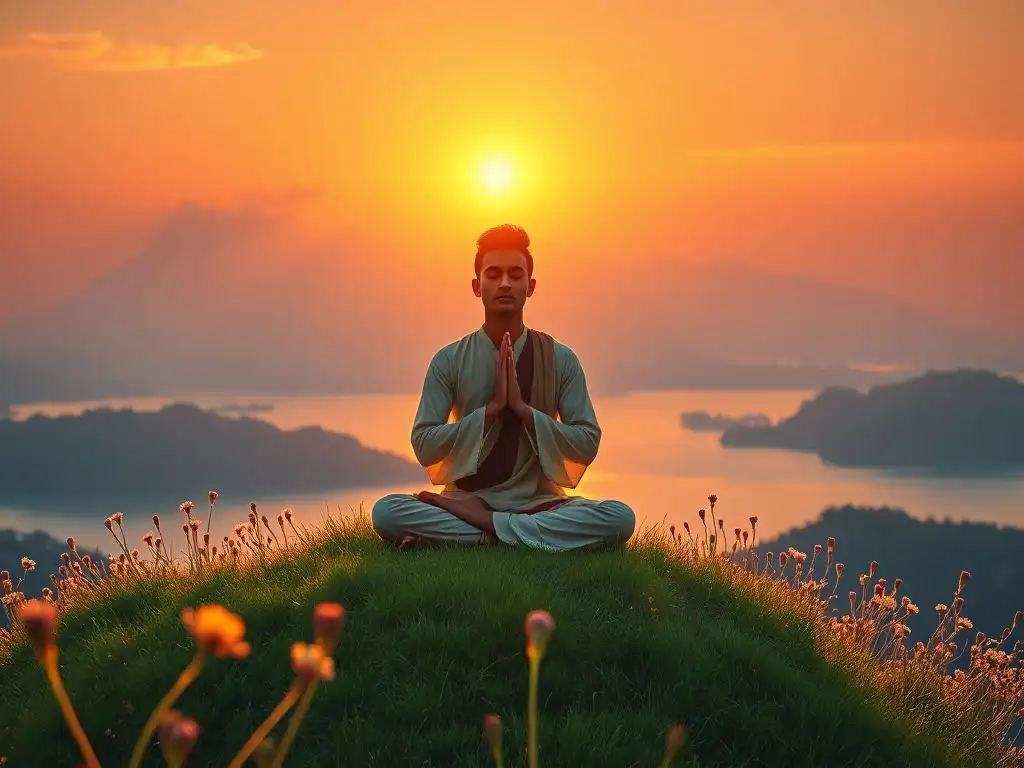
Sankhya philosophy, one of the six classical schools of Indian philosophy, has significantly influenced modern yoga and meditation practices. Its dualistic framework, which distinguishes between the purusha (consciousness) and prakriti (matter), provides a profound understanding of the self and the universe. This understanding fosters a holistic approach to wellness, emphasizing the importance of mental clarity and self-awareness.
In contemporary settings, practitioners incorporate Sankhya principles to deepen their yoga practice by recognizing the interplay of mind and body. Moreover, meditation techniques inspired by Sankhya encourage individuals to focus on the nature of consciousness, leading to enhanced mindfulness and spiritual growth. By integrating these philosophical insights, modern yoga and meditation not only promote physical fitness but also nurture mental and spiritual well-being.
Incorporating Sankhya Principles in Contemporary Yoga
Incorporating Sankhya principles into contemporary yoga involves embracing its core concepts to enhance the practice's depth and meaning. For instance, the emphasis on discernment (viveka) allows practitioners to recognize the difference between the transient nature of the body and the eternal nature of the self. This understanding encourages a mindful approach to asanas, where practitioners focus on their inner experience rather than mere physical attainment.
Additionally, Sankhya's focus on the three gunas—sattva (purity), rajas (activity), and tamas (inertia)—can guide practitioners in choosing specific yoga styles and practices that align with their current state of being. For example, those seeking mental clarity might gravitate towards more sattvic practices, such as restorative yoga or pranayama, while individuals needing to release energy may benefit from more dynamic styles like Vinyasa.
The Relevance of Sankhya Philosophy in Modern Meditation Practices
Sankhya philosophy's relevance in modern meditation practices lies in its ability to provide a framework for understanding the layers of consciousness. By focusing on the concept of purusha, meditators can cultivate a sense of detachment from the fluctuations of the mind, learning to observe thoughts without becoming entangled in them. This practice enhances self-awareness and promotes a state of inner peace.
Moreover, the Sankhya perspective encourages practitioners to explore the nature of reality and the self during meditation. Techniques such as self-inquiry (atma vichara) and contemplative reflection on the nature of existence can lead to profound insights, fostering a deeper connection with one's true essence. This integration of philosophy and practice enriches the meditation experience, making it not just a tool for relaxation but a pathway to spiritual awakening.
Benefits of Applying Sankhya Philosophy in Daily Life
Integrating Sankhya philosophy into daily life offers numerous benefits that extend beyond yoga and meditation. One of the primary advantages is the development of greater self-awareness, allowing individuals to understand their thoughts, emotions, and actions more clearly. This self-knowledge fosters a sense of empowerment, enabling people to make conscious choices rather than react impulsively to situations.
Additionally, the emphasis on discernment in Sankhya philosophy helps individuals navigate the complexities of modern life with wisdom. By recognizing the transitory nature of material possessions and experiences, practitioners can cultivate a more profound appreciation for life’s inherent value. This perspective promotes resilience, as individuals learn to detach from external outcomes while remaining grounded in their true nature.
Conclusion: The Lasting Legacy of Sankhya Philosophy on Yoga and Meditation
The lasting legacy of Sankhya philosophy on yoga and meditation is evident in the depth and richness it adds to these practices. By providing a comprehensive framework for understanding the self and the universe, Sankhya enhances the transformative potential of yoga and meditation, making them not only practices for physical health but also for spiritual evolution.
Summary of Key Influences
The key influences of Sankhya philosophy on yoga and meditation include its emphasis on dualism, the discernment of consciousness, and the exploration of the three gunas. These principles guide practitioners in developing a holistic approach to their practice, fostering self-awareness, mental clarity, and spiritual growth. The integration of Sankhya insights enriches the experience of yoga and meditation, making them powerful tools for personal transformation.
Future Directions for Research and Practice in Sankhya and Yoga
Looking ahead, future research and practice in the intersection of Sankhya philosophy and yoga hold great promise. There is a growing interest in exploring how these ancient teachings can inform modern psychological practices, particularly in the realms of mindfulness and cognitive therapies. Moreover, practitioners and scholars alike may benefit from further investigation into how Sankhya principles can enhance therapeutic yoga and meditation practices, contributing to holistic health approaches. Continued exploration of these themes will undoubtedly deepen our understanding of the profound legacy of Sankhya philosophy in contemporary life.
References and Further Reading on Sankhya Philosophy and Yoga
Sankhya philosophy has played a pivotal role in shaping the framework of yoga and meditation practices throughout history. For those interested in delving deeper into the connections between these disciplines, the following texts and resources provide a comprehensive overview of the theoretical foundations and practical applications of Sankhya philosophy in the realm of yoga.
Recommended Texts on Sankhya Philosophy
-
Sankhya Karika by Ishvara Krishna
This foundational text of Sankhya philosophy outlines the key concepts and principles of the school. It serves as an essential primer for understanding the dualistic nature of reality as posited by Sankhya.
-
The Philosophy of the Yoga Sutras by Swami Satchidananda
This book interprets the Yoga Sutras of Patanjali through the lens of Sankhya philosophy, highlighting the philosophical underpinnings that inform yoga practices.
-
Sankhya: A Dualist Tradition in Indian Philosophy by Christopher Bartley
Bartley offers an in-depth analysis of Sankhya philosophy, discussing its historical context and its interaction with other philosophical traditions in India.
-
The Essence of Yoga: An In-Depth Guide to the Philosophy and Practice of Yoga by Swami Kriyananda
This work explores the philosophical aspects of yoga, including the influence of Sankhya, providing a holistic view that integrates theory with practice.
-
Sankhya Philosophy: A Critical Study by R. K. Sharma
This book critically examines the tenets of Sankhya philosophy, making it an invaluable resource for both students and scholars interested in its nuances.
Influential Works on Yoga and Meditation Practices
-
The Yoga Sutras of Patanjali
This classical text is fundamental in understanding the philosophical and practical aspects of yoga. It outlines the eight limbs of yoga, emphasizing meditation as a means to achieve self-realization.
-
Light on Yoga by B.K.S. Iyengar
Iyengar’s work provides a practical guide to yoga asanas and pranayama, integrating philosophical insights from Sankhya and other systems of thought.
-
The Heart of Yoga: Developing a Personal Practice by T.K.V. Desikachar
This book presents a modern interpretation of yoga practices, drawing from the philosophical roots of Sankhya to guide readers in creating their own practice.
-
The Bhagavad Gita
While not solely a text on yoga, this epic poem discusses various paths of yoga (including Jnana and Bhakti) and provides insights into meditation and the philosophical principles that underpin these practices.
-
Meditation and Its Practice by Swami Rama
In this accessible text, Swami Rama explains the practice of meditation with reference to its philosophical roots, including those of Sankhya, making it a practical guide for meditators.
These references serve as a pathway for those looking to understand the profound influence of Sankhya philosophy on yoga and meditation practices, enriching both theoretical knowledge and practical application.
- Introduction to Sankhya Philosophy
- The Relationship Between Sankhya Philosophy and Yoga
- Meditation Practices Influenced by Sankhya Philosophy
- Comparative Analysis: Sankhya Philosophy and Other Philosophical Schools
- Practical Applications of Sankhya Philosophy in Modern Yoga and Meditation
- Conclusion: The Lasting Legacy of Sankhya Philosophy on Yoga and Meditation
- References and Further Reading on Sankhya Philosophy and Yoga
Frequently Asked Questions
What is Sankhya philosophy?
Sankhya is an ancient Indian philosophy that emphasizes the enumeration of the principles of reality. It explores the dualism of Purusha (consciousness) and Prakriti (matter), forming a foundational aspect of yoga practices.
How does Sankhya philosophy influence yoga?
Sankhya philosophy provides a theoretical framework for yoga by outlining the nature of existence and the processes of self-realization. It helps practitioners understand the distinction between the self and the material world.
What are the key components of Sankhya philosophy?
The key components include twenty-five principles that explain the universe's structure, including consciousness, intellect, ego, and the five elements. These components are essential for understanding the mind-body connection in yoga.
How does meditation relate to Sankhya philosophy?
Meditation, as per Sankhya, is a practice aimed at achieving self-awareness and liberation from the cycle of birth and death. It encourages a deep understanding of the internal self versus the external world.
Can Sankhya philosophy be applied in modern times?
Yes, many contemporary yoga and meditation practices incorporate principles of Sankhya, promoting mental clarity and emotional balance. Its teachings remain relevant for personal development and spiritual growth today.
Final Reflection: The Enduring Legacy of Sankhya Philosophy in Yoga and Meditation
The profound connection between Sankhya philosophy and yoga remains incredibly relevant today as individuals seek deeper understanding and balance in their lives. In a world increasingly characterized by chaos and distraction, the principles of Sankhya offer a timeless framework for self-realization and inner peace. The teachings of Sankhya not only inform the practice of yoga but also serve as a guiding light for those navigating the complexities of modern existence.
The influence of Sankhya philosophy extends far beyond its historical roots, shaping contemporary yoga and meditation practices in profound ways. As practitioners embrace the duality of existence and the pursuit of knowledge, they find themselves on a journey of self-discovery that resonates with the essence of Sankhya. Yoga is the journey of the self, through the self, to the self.
– The Bhagavad Gita. This quote encapsulates the transformative power of integrating Sankhya philosophy into our daily practices, fostering a deeper connection to ourselves and the world around us.
As we reflect on the teachings of Sankhya and their application in our lives, let us embrace the opportunity to cultivate mindfulness and awareness in our daily routines. I invite you to explore the principles of Sankhya philosophy in your own yoga and meditation practices, allowing them to guide you toward greater clarity and purpose. By doing so, you not only honor the legacy of this ancient wisdom but also empower yourself to navigate the complexities of life with grace and intention.
Embrace the Wisdom of Sankhya—Transform Your Practice Today!
Thank you for taking the time to explore the profound influence of Sankhya philosophy on yoga and meditation practices. Your journey into this ancient wisdom allows you to deepen your understanding and enrich your personal practices.
Now, it's time to put that knowledge into action! Here are some practical steps you can take:
- Integrate Sankhya Principles: Start incorporating the key concepts of Sankhya, such as the distinction between **consciousness** and **matter**, into your daily meditation sessions for enhanced clarity and focus.
- Share Your Insights: Discuss what you've learned with others! Join a local meditation group or an online forum to exchange thoughts and experiences related to the impact of Sankhya on your practice.
- Explore Further: Dive deeper into related texts or workshops. Seek out books and courses that expand on the connections between Sankhya philosophy and your preferred yoga techniques.
As you move forward on this enlightening journey, consider this: How can the principles of Sankhya reshape your understanding of self and inform your daily life?