
Education and Empowerment: Women in Ancient Indian Learning Institutions

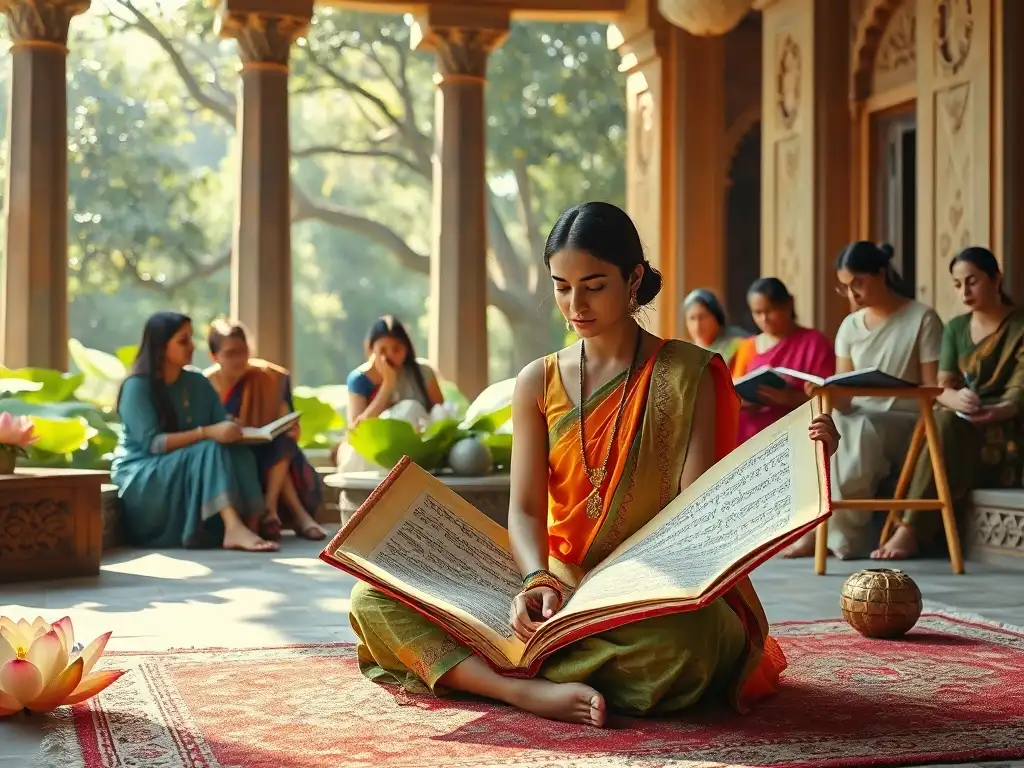
Welcome to Ancient India History, where we embark on a fascinating journey through the vibrant tapestry of India's past. In this exploration, we shine a spotlight on an often-overlooked aspect: the role of women in ancient India education. Did you know that learning institutions in ancient times were not just places of knowledge, but also arenas for women's empowerment? Join us as we delve into the stories of remarkable women who shaped the educational landscape, discovering how their contributions continue to resonate today. Prepare to be inspired and enlightened as you uncover the profound impact of these trailblazers!
- Introduction to Women in Ancient India Education
- Historical Context of Women in Ancient Indian Education
- Prominent Learning Institutions for Women in Ancient India
- Women Scholars and Educators in Ancient India
- Subjects and Curriculum for Women in Ancient Indian Education
- Challenges Faced by Women in Ancient Education
- Empowerment Through Education: Impact on Society
- Legacy of Women in Ancient India Education
- Conclusion: The Significance of Women’s Education in Ancient India
-
Frequently Asked Questions
- What were the primary educational institutions for women in ancient India?
- How did education impact women's status in ancient Indian society?
- Were there any notable female figures in ancient Indian education?
- What subjects were women taught in ancient India?
- How did the decline of women's education occur in ancient India?
- Final Reflection: The Enduring Legacy of Women in Ancient Indian Education
- Ignite Your Curiosity About Women's Empowerment in Education!
Introduction to Women in Ancient India Education
The role of women in ancient Indian education is a fascinating and often overlooked aspect of the rich tapestry of Indian history. From the esteemed halls of the ancient Gurukuls to the revered Buddhist monasteries, women played a significant part in the educational landscape of their time.
This article delves into the various learning institutions that existed in ancient India, the contributions of women to these institutions, and the societal implications of their education. By exploring the keyword "Women in ancient India education," we aim to shed light on how education not only empowered women but also contributed to the broader cultural and intellectual advancements of ancient Indian civilization.
Overview of Ancient Indian Learning Institutions
Ancient India was home to a variety of learning institutions that catered to the educational needs of both men and women. These institutions can broadly be categorized into:
- Gurukuls: Traditional centers of learning where students lived with their teacher (guru) to receive education in various subjects, including philosophy, mathematics, and the arts.
- Buddhist Monasteries: Places of worship and learning where women, particularly those who embraced Buddhism, could gain knowledge in religious texts, philosophy, and meditation practices.
- Vedic Schools: Institutions that focused on the study of Vedic texts and rituals, where women had limited but notable participation, especially among the higher castes.
The emergence of these institutions marked a significant stride towards inclusive education, as they provided women with opportunities to engage intellectually and culturally.
Importance of Education for Women in Ancient India
Education in ancient India was not merely a means to acquire knowledge; it was a powerful tool for empowerment. The importance of education for women can be highlighted through several key points:
- Social Empowerment: Education enabled women to participate actively in society, allowing them to express their views, engage in discussions, and contribute to decision-making processes within their families and communities.
- Cultural Contributions: Educated women contributed to literature, philosophy, and the arts, enriching the cultural heritage of ancient India. Figures such as Gargi Vachaknavi and Maitreyi are renowned for their intellectual prowess and contributions to philosophical discourse.
- Religious and Spiritual Roles: Many women held positions as spiritual leaders, teachers, and practitioners of religious rituals, showcasing the integral role of educated women in preserving and propagating spiritual traditions.
The education of women in ancient India was a crucial aspect of not only personal empowerment but also societal advancement. Understanding their roles in ancient learning institutions provides valuable insights into the broader context of women's contributions to Indian civilization.
Historical Context of Women in Ancient Indian Education
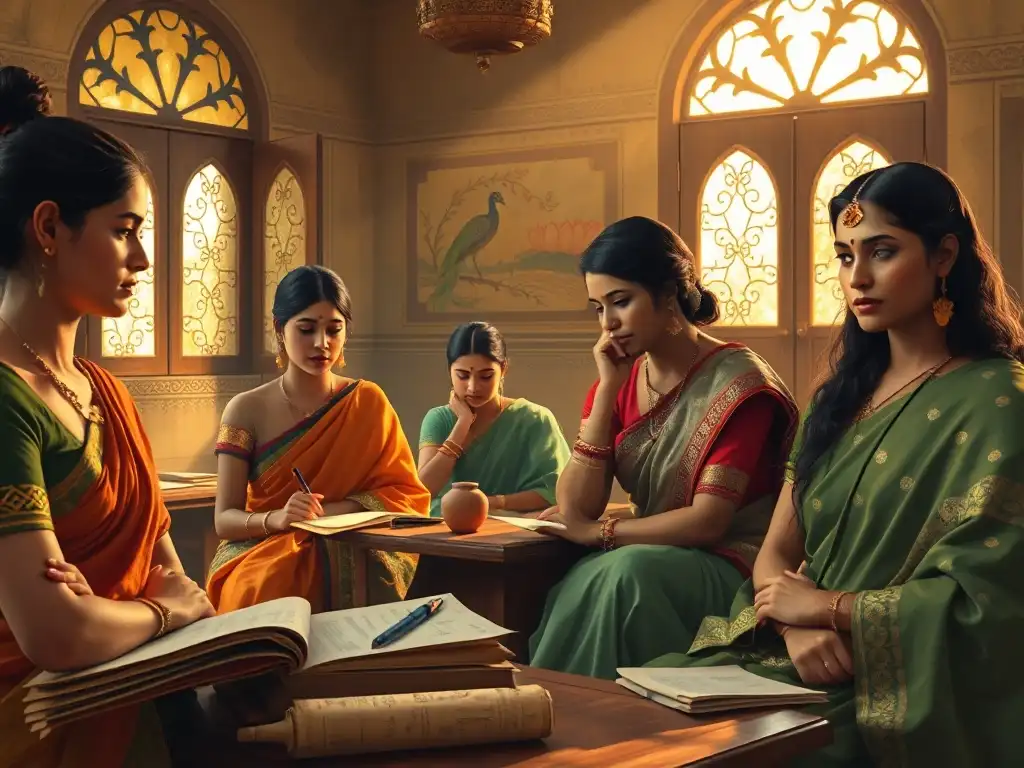
The Role of Women in Early Indian Society
In ancient India, the status and roles of women were multifaceted and varied significantly across different regions and periods. Women in early Indian society were often seen as the custodians of culture and tradition. They played pivotal roles in family structures, religious practices, and community life.
Societal Contributions
- Household and Family: Women primarily managed the household, which was central to the social fabric of ancient India. Their responsibilities included education of children, particularly in the early years, thus passing down cultural values and practices.
- Religious Roles: Many women participated actively in religious rituals. They were often seen as spiritual leaders in domestic settings, where their roles were crucial in maintaining religious traditions.
Literary Evidence
Historical texts such as the Vedas and Upanishads reveal that women were educated and respected for their knowledge and wisdom. Notable figures, such as Gargi and Maitreyi, are mentioned as philosophers and scholars, indicating that women did engage in intellectual discourses.
Education Systems in Ancient India: An Overview
Education in ancient India was structured around various institutions such as Gurukuls, Ashrams, and Viharas. These institutions were primarily male-dominated; however, there were notable exceptions where women received formal education.
Gurukuls and Ashrams
- Gurukul System: A traditional form of education where students lived with their teacher (guru) in a communal setting. While primarily focused on male students, some Gurukuls allowed girls, especially from higher castes, to learn sacred texts and arts.
- Ashrams: Some Ashrams, particularly those associated with spiritual practices, welcomed women as students. They studied philosophy, music, and dance, contributing to their empowerment.
Viharas and Monastic Education
- Buddhist Viharas: With the advent of Buddhism, women gained access to education in monasteries. The establishment of nunneries allowed women to study Buddhist texts and engage in philosophical debates, marking a significant shift in educational opportunities.
Conclusion
While the educational landscape of ancient India was predominantly male-centric, there were avenues for women to participate in learning. The roles they played, both in the domestic sphere and in educational institutions, were essential to the cultural and intellectual life of ancient Indian society.
The historical context of women in ancient India education reveals a complex tapestry of opportunities and restrictions, reflecting broader societal norms and values. Through their participation in various educational settings, women contributed significantly to the preservation and evolution of ancient Indian culture.
Prominent Learning Institutions for Women in Ancient India
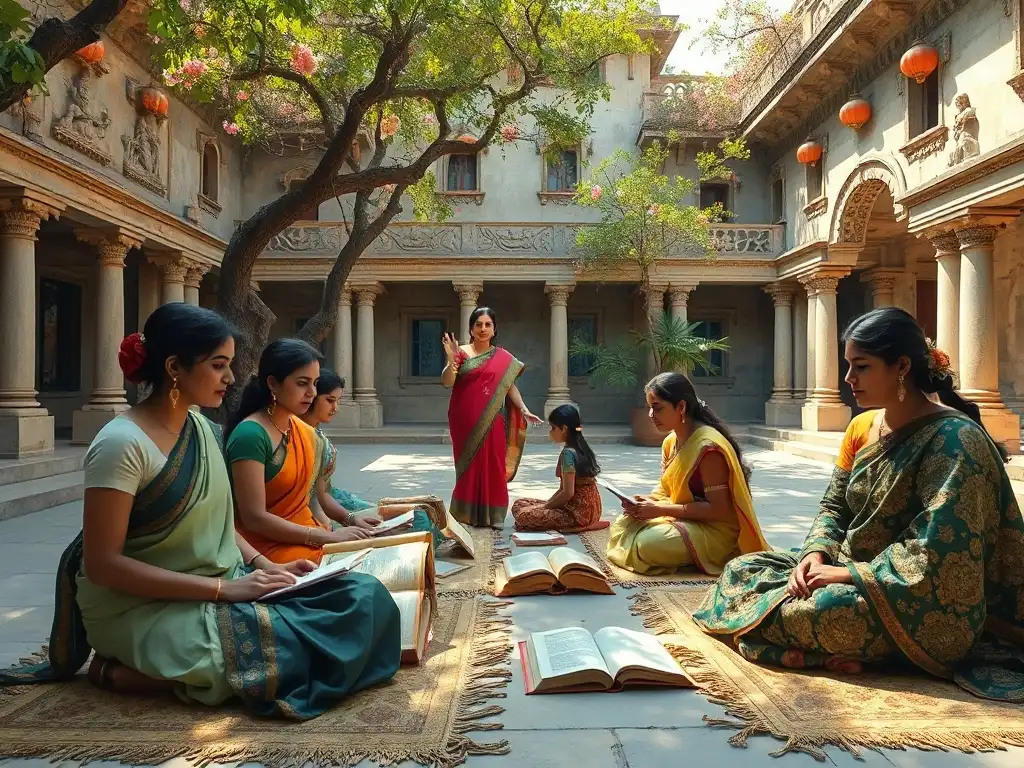
The education of women in ancient India was not only a critical component of societal development but also a reflection of the values and cultural norms of the time. Various learning institutions catered to women's education, providing them with opportunities to gain knowledge and skills. This section explores some of the prominent learning institutions for women in ancient India, highlighting their significance and impact on female empowerment.
Gurukuls: The Tradition of Home-Based Education
Gurukuls were traditional centers of learning in ancient India, where students lived with their teachers (gurus) in a familial setting. This intimate learning environment allowed for personalized education, often tailored to the individual needs of students, including women.
- Key Characteristics of Gurukuls:
- Residential Learning: Students, including girls, lived with their gurus, fostering a sense of community and familial bonds.
- Holistic Education: The curriculum encompassed various subjects, including scriptures, philosophy, arts, and practical skills essential for daily life.
- Gender Inclusivity: While not universally accepted, many Gurukuls welcomed women, particularly those from learned families, promoting their intellectual and spiritual growth.
Women who attended Gurukuls often engaged in the study of sacred texts, music, dance, and other arts, which were considered essential for contributing to cultural life. The existence of women scholars from this period, such as Gargi and Maitreyi, exemplifies the vital role of Gurukuls in fostering female intellectualism.
Nalanda University: A Place for Enlightenment
Nalanda University, established in the 5th century CE, stands out as one of the most renowned ancient learning centers, attracting scholars from across Asia. While primarily known for its male scholars, evidence suggests that women were also part of this esteemed institution.
- Features of Nalanda University:
- Diverse Curriculum: Nalanda offered a wide range of subjects, including philosophy, medicine, mathematics, and logic, providing an enriching educational experience for both genders.
- International Influence: The university was a melting pot of cultures, drawing students from China, Tibet, Korea, and other regions, which allowed for a blend of ideas and perspectives.
- Women Scholars: Historical texts reference women like the scholar Arya Tara, indicating that women did participate in the academic discourse at Nalanda, although their numbers were limited compared to their male counterparts.
The education provided at Nalanda not only contributed to the intellectual development of women but also empowered them to engage in scholarly pursuits and contribute to their communities.
Takshashila: Early Centers of Knowledge
Takshashila, or Taxila, is often regarded as one of the earliest centers of higher learning in the Indian subcontinent, thriving from around the 6th century BCE to the 5th century CE. This ancient city played a pivotal role in the education system of its time, and women were not entirely absent from its halls of learning.
- Highlights of Takshashila:
- Multidisciplinary Education: Students at Takshashila could study a variety of subjects, including law, medicine, and military science, making it a comprehensive educational hub.
- Cultural Interactions: The institution attracted a diverse student body, facilitating the exchange of knowledge and ideas across different cultures.
- Historical References: There are accounts of women scholars, such as the learned princesses, who were educated in Takshashila, showcasing the potential for women to thrive academically in ancient India.
Takshashila’s educational framework laid the groundwork for future institutions, influencing the development of women's education in subsequent eras. The legacy of women scholars from Takshashila serves as a reminder of the importance of inclusive education in shaping society.
The exploration of Gurukuls, Nalanda University, and Takshashila reveals the multifaceted nature of women's education in ancient India. Each institution contributed to empowering women through knowledge, facilitating their roles as scholars, artists, and leaders in society.
Women Scholars and Educators in Ancient India
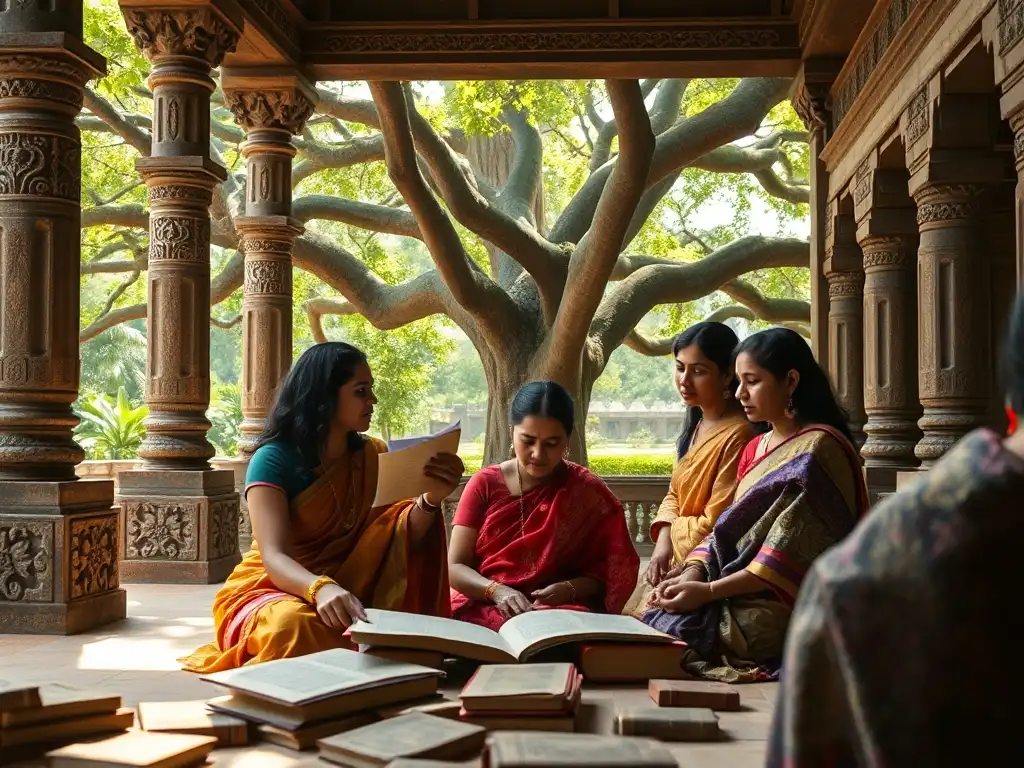
Notable Women Educators and Their Contributions
Ancient India was home to several remarkable women who contributed significantly to education and learning. These women were often well-versed in various fields, including philosophy, literature, and the arts.
- Gargi Vachaknavi:
- A renowned philosopher and scholar, Gargi is often celebrated for her participation in the Brahmodya, a philosophical debate in the Brahmanas.
- She is notable for her intellectual prowess and her contributions to the Upanishadic tradition, where she posed profound questions regarding the nature of the universe and the self.
- Maitreyi:
- Another prominent figure, Maitreyi was a philosopher who engaged in profound discussions about the nature of reality and the self in the Brahmanas.
- Her dialogues with her husband, Yajnavalkya, showcase her deep understanding of metaphysical concepts and the importance of women’s voices in intellectual discourse.
- Vishakha:
- Vishakha is mentioned in Buddhist texts as a learned woman who played a crucial role in the establishment of the Bhikkhuni Sangha (women's monastic community).
- Her contributions to the spread of education among women in the Buddhist community were pivotal, as she encouraged the learning of scriptures and ethical teachings.
These women not only excelled in their intellectual pursuits but also served as inspirations for future generations of female scholars. Their contributions laid the groundwork for a more inclusive educational environment in ancient Indian society.
The Influence of Women Scholars in Ancient Texts
The influence of women scholars in ancient Indian texts reflects the recognition of their intellectual capabilities and contributions to society.
- References in Literature:
- Texts such as the Mahabharata and the Ramayana contain references to women who were not only knowledgeable but also participated actively in philosophical and ethical discussions.
- The character of Draupadi in the Mahabharata is often interpreted as an embodiment of wisdom and strength, highlighting the respect for women’s voices in debates and discussions.
- Philosophical Contributions:
- Women like Gargi and Maitreyi are frequently cited in Upanishadic texts, emphasizing their roles as thinkers and philosophers alongside their male counterparts.
- Their questions and dialogues have been pivotal in shaping Indian philosophical thought, contributing to discussions on metaphysics, ethics, and the nature of existence.
- Educational Institutions:
- Ancient Indian educational institutions, such as Gurukuls and Ashrams, were places where both men and women could seek knowledge. Historical accounts suggest that women were encouraged to learn and teach, breaking the stereotypes of their time.
- Many texts indicate that women were involved in teaching various subjects, from the Vedas to arts and crafts, thus showcasing their multifaceted roles as both students and educators.
The contributions of women in ancient India education were substantial, as they not only participated in the learning process but also influenced the academic discourse of their time. Their legacy continues to inspire discussions about women's empowerment and education in contemporary society.
Subjects and Curriculum for Women in Ancient Indian Education
In ancient India, women's education was often intertwined with their roles within society and the family. The subjects and curriculum available to women in various learning institutions reflected the cultural and social values of the time. While the extent and nature of education varied greatly across different regions and periods, several core subjects were emphasized in women's education.
Vedic Studies and Spiritual Education
Vedic studies played a crucial role in the education of women during ancient times. Women were not only allowed but often encouraged to study the Vedas, which were the foundational texts of Hindu philosophy and spirituality. This education included:
- Mantras and Rituals: Women learned the recitation of mantras, which were essential for performing rituals and ceremonies. This practice was considered vital for maintaining familial and social harmony.
- Philosophical Texts: Women engaged with philosophical discussions found in texts such as the Upanishads. They explored concepts like dharma (duty), karma (action), and moksha (liberation), which were central to understanding one's role in the universe.
- Spiritual Leadership: Some women, like Gargi and Maitreyi, emerged as prominent scholars and philosophers, participating in debates and discussions in spiritual gatherings, showcasing that women's contributions to Vedic thought were significant.
The spiritual education of women emphasized not just rote learning but also critical thinking and personal introspection, enabling them to contribute meaningfully to their families and communities.
Arts, Sciences, and Literature: A Holistic Approach to Learning
Beyond spiritual education, women in ancient India engaged in a holistic curriculum that encompassed the arts, sciences, and literature. This diverse educational framework allowed women to develop skills and knowledge relevant to various aspects of life.
- Arts: Women were trained in various artistic disciplines, including music, dance, and poetry. They participated in cultural practices that celebrated beauty and creativity, which were deemed essential for societal enrichment.
- Sciences: Knowledge of mathematics, astronomy, and medicine was also part of women's education. Texts like the Aryabhatiya and Sushruta Samhita reflected the advanced understanding of these subjects, and women contributed to fields like herbal medicine and astrology.
- Literature: Women writers and poets, such as the famous poetess Vallabai and Sulabha, were encouraged to express their thoughts and experiences through literature. Their works often addressed themes of love, morality, and social issues, providing insight into the female perspective of their times.
The curriculum aimed to empower women, allowing them to play active roles in both domestic and public spheres. This education not only fostered individual growth but also helped in the preservation and transmission of cultural values across generations.
The subjects and curriculum for women in ancient India education were diverse and comprehensive. They included a strong foundation in Vedic studies, a broad understanding of arts and sciences, and a commitment to developing critical thinking and leadership skills. This holistic approach laid the groundwork for women's empowerment within their communities.
Challenges Faced by Women in Ancient Education
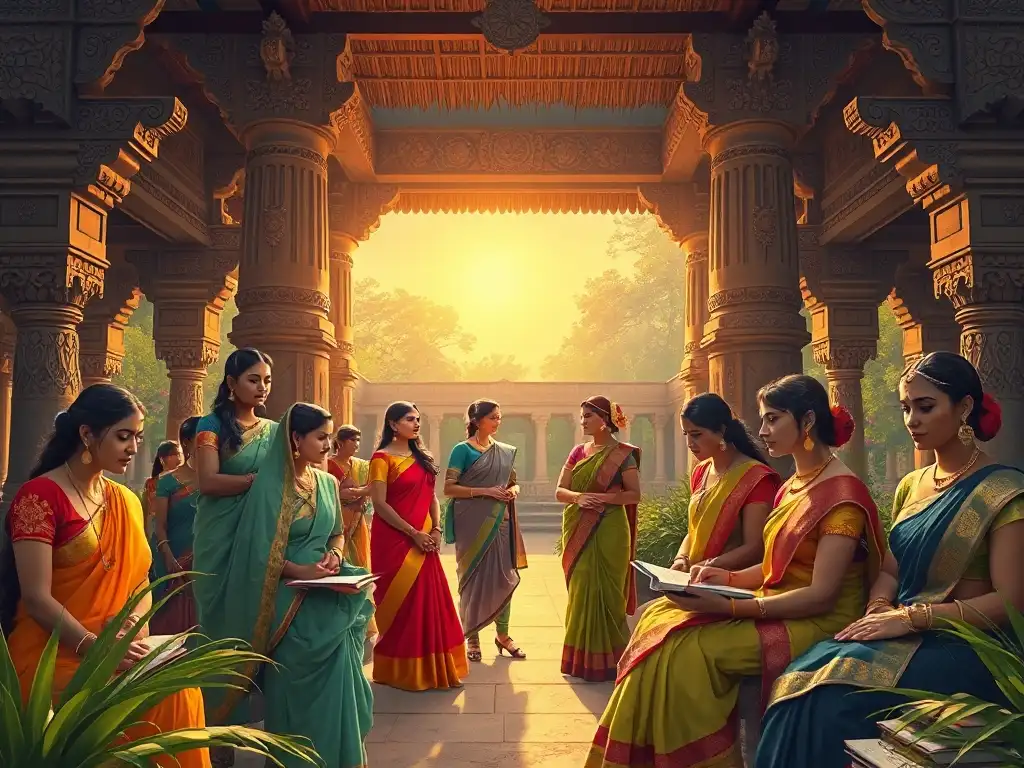
The pursuit of education by women in ancient India was fraught with challenges that stemmed from deeply entrenched societal norms and a lack of accessible educational resources. Despite the notable contributions they made to various fields, the educational landscape for women was often restrictive and limited.
Societal Norms and Gender Roles
In ancient India, societal norms dictated that women were primarily seen as caretakers and homemakers. Education for women was not universally accepted and was often viewed as unnecessary. The prevailing belief was that a woman's role was to manage the household and raise children, leading to limited opportunities for formal education. Here are some key aspects of this challenge:
- Patriarchal Structures: The patriarchal system placed significant restrictions on women's autonomy and decision-making abilities. Men's roles were prioritized in public life, relegating women to secondary positions in both education and society.
- Cultural Expectations: Cultural narratives often emphasized modesty and domesticity for women, discouraging their pursuit of learning. Texts from ancient scriptures sometimes reinforced the idea that a woman's primary duty was to serve her family.
- Religious Influences: Certain religious texts promoted the notion that education was unnecessary for women, further entrenching the belief that their primary role was within the home. This led to a cycle of disenfranchisement, where women were not encouraged to seek knowledge or participate in intellectual discourse.
Accessibility and Availability of Educational Resources
The access to educational resources for women in ancient India was not only limited by societal norms but also by a lack of infrastructure and opportunities. The following points illustrate the barriers women faced in accessing education:
- Limited Educational Institutions: While institutions such as the Gurukuls and Ashrams existed, they primarily catered to male students. Women had fewer opportunities to attend these centers of learning, and those that did often faced skepticism and discrimination.
- Geographical Constraints: Many women lived in rural areas where educational facilities were scarce. The journey to urban centers where learning institutions were located could be perilous and was often deemed inappropriate for women to undertake.
- Economic Factors: The need for women to contribute to household income often took precedence over education. Families with limited resources prioritized the education of male children, believing that investing in their future would yield greater returns.
- Lack of Female Educators: The absence of female teachers in educational institutions further deterred women's participation in formal education. Without role models or mentors, aspiring female scholars faced additional hurdles in their quest for knowledge.
The challenges faced by women in ancient Indian education were multifaceted, deeply rooted in societal norms and compounded by limited access to educational resources. Despite these barriers, some women managed to navigate the system and contribute significantly to various fields, showcasing their resilience and determination in the face of adversity.
Empowerment Through Education: Impact on Society
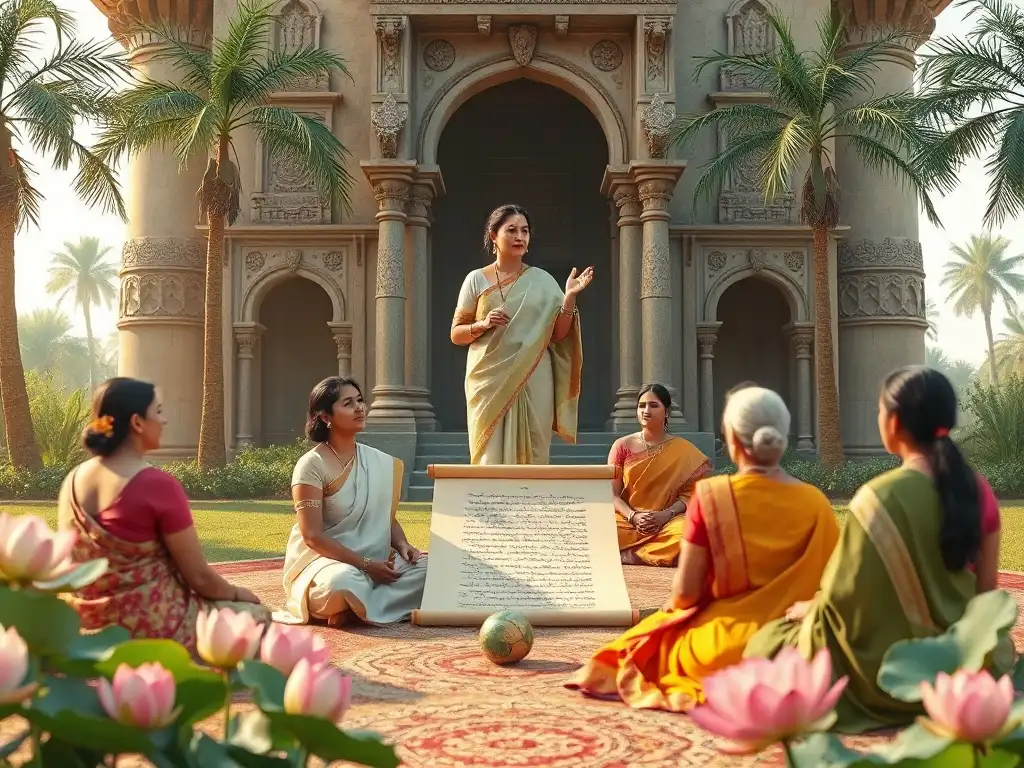
In ancient India, education played a pivotal role in shaping the lives of women and, consequently, the fabric of society itself. The traditional view often relegated women to domestic roles; however, historical evidence reveals a more complex reality where education served as a powerful tool for empowerment. This transformation occurred through various learning institutions, such as Gurukuls and Viharas, which offered women the opportunity to gain knowledge and skills that extended beyond mere household management.
How Education Transformed Women's Roles
The education of women in ancient India marked a significant shift in societal norms and expectations. By acquiring knowledge, women were able to challenge the traditional boundaries imposed upon them. Here are several key aspects of this transformation:
- Access to Knowledge: Women had the opportunity to study various subjects, including philosophy, literature, and science. This access allowed them to become informed individuals who could participate in intellectual discourse.
- Influence in Family and Community: Educated women were often seen as pillars of their families. Their knowledge not only enhanced their status within the household but also allowed them to contribute to community decision-making processes. For example, many women acted as advisors to their husbands and families, influencing important choices.
- Cultural Preservation: Women played a crucial role in preserving and transmitting cultural and spiritual knowledge. They were often tasked with teaching their children values and ethics, thus ensuring the continuity of cultural practices.
- Social Reformers: Many educated women became social reformers, advocating for issues such as health, education, and social justice. Their voices contributed to the gradual evolution of societal norms regarding women's rights and education.
Through these roles, education helped women to not only assert their individuality but also to elevate their status within their communities, ultimately contributing to a more equitable society.
Contributions of Educated Women to Ancient Indian Society
The contributions of educated women in ancient India were manifold, and their impact can be observed across various domains:
- Literature and Arts: Women like Gargi and Maitreyi were prominent figures in ancient texts, renowned for their philosophical insights. Their contributions to literature and arts enriched the cultural landscape of the time. Many educated women were also involved in the creation of poetry, music, and dance, thereby contributing to the artistic heritage.
- Science and Medicine: Ancient texts indicate that women participated in fields such as medicine and astronomy. For instance, Sushruta Samhita, an ancient text on surgery, mentions women practitioners who were skilled in healing and medicinal practices, showcasing their contributions to health and wellness.
- Philosophical Discourse: Women philosophers engaged in critical discussions and debates, contributing significantly to the intellectual traditions of their time. Their insights challenged existing paradigms and paved the way for a more inclusive philosophical inquiry.
- Political Influence: Some educated women wielded considerable political power, acting as regents or advisors in royal courts. Figures like Rani Durgavati exemplify how educated women could assume leadership roles, influencing governance and policy decisions.
- Social Change: Educated women were often at the forefront of societal reform movements. They advocated for better education, health care, and the rights of women, contributing to the gradual shift in societal attitudes towards gender equality.
Women in ancient India education was not simply about acquiring knowledge; it was a transformative force that empowered women to contribute significantly to society. Their roles as scholars, artists, healers, and reformers illustrate the profound impact of education on women’s lives and the broader society. Through their contributions, they laid the groundwork for future generations, highlighting the importance of women's education in shaping a more equitable and enlightened society.
Legacy of Women in Ancient India Education
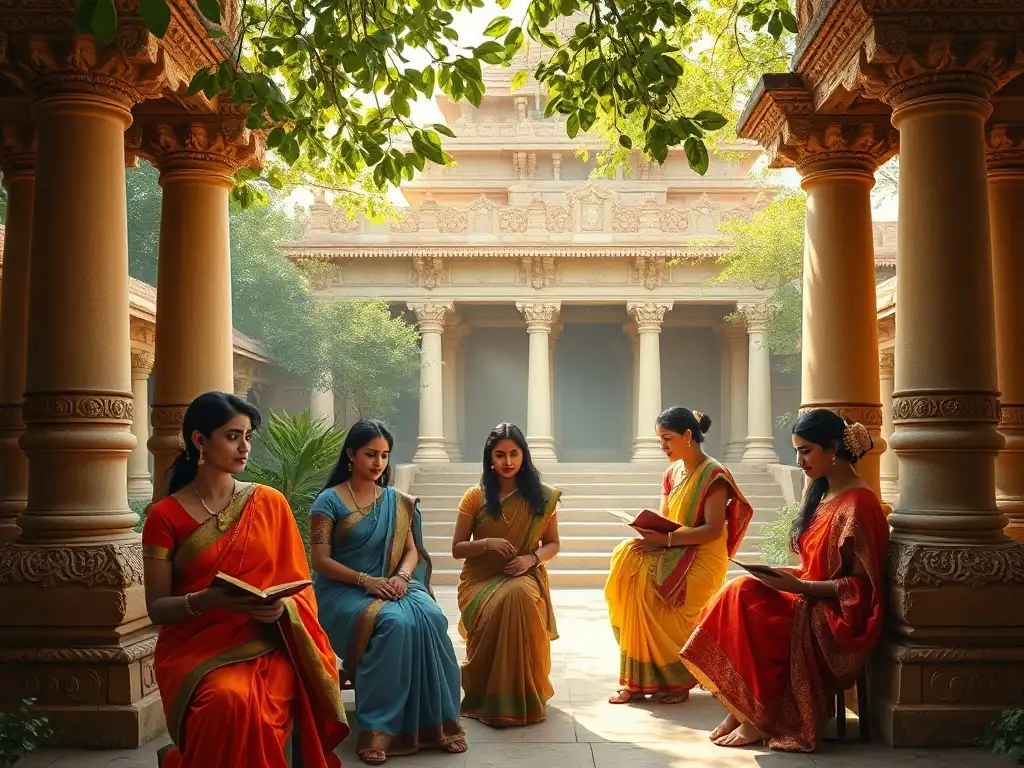
The educational landscape of ancient India was notably enriched by the contributions of women who played significant roles in various learning institutions. These women were not only participants but also educators and leaders in the quest for knowledge. Their influence can be traced through various historical texts, inscriptions, and the oral traditions that have survived through generations.
Lasting Influence on Modern Education Systems
The foundations laid by women in ancient Indian education have had a lasting impact on contemporary educational frameworks.
- Curriculum Development: Ancient texts such as the Vedas and Upanishads indicate that women were involved in the creation of educational content. The inclusion of diverse subjects, including philosophy, mathematics, and arts, reflects a holistic approach to education that is echoed in modern curricula.
- Pedagogical Methods: The teaching methods employed by women, particularly in institutions like the Gurukuls, emphasized experiential learning and critical thinking. This approach has influenced modern educational practices that prioritize interactive and student-centered learning environments.
- Gender Inclusivity: Ancient Indian women’s involvement in education serves as a precursor to today's discussions on gender inclusivity in education. The acknowledgment of women as scholars and teachers in ancient times lays the groundwork for contemporary movements advocating for equal access to education for all genders.
- Role Models: Figures such as Gargi and Maitreyi, who were renowned scholars of their time, serve as historical role models for both men and women in the pursuit of knowledge. Their stories inspire current and future generations to challenge societal norms regarding education and gender.
Recognition and Rediscovery of Women’s Contributions in History
Despite their significant contributions, the roles of women in ancient Indian education have often been overlooked in mainstream historical narratives. Recent efforts to rediscover and recognize these contributions have begun to shed light on their importance.
- Research and Scholarship: Academic research focusing on women's roles in ancient societies has gained momentum. Scholars are now revisiting historical texts and archaeological findings to highlight the presence and influence of women in educational contexts.
- Cultural Representation: Documentaries, literature, and educational programs have started to feature the stories of women scholars from ancient India. This cultural representation plays a critical role in educating the public about the historical significance of women in ancient education.
- Historical Texts: The examination of historical documents, such as the Arthashastra and various Puranas, reveals references to women scholars, indicating their active participation in intellectual discourses. These texts not only honor their contributions but also serve as a reminder of the rich tapestry of knowledge that ancient Indian women were a part of.
- Social Movements: The resurgence of interest in women's history correlates with ongoing social movements advocating for women's rights and education in India. The recognition of women's roles in ancient education can empower current initiatives aimed at dismantling educational inequalities.
The legacy of women in ancient India education is profound, influencing modern educational practices and inspiring ongoing efforts to recognize and celebrate their contributions throughout history. By reclaiming these narratives, society can foster a more inclusive understanding of its past, paving the way for equitable educational opportunities in the present and future.
Conclusion: The Significance of Women’s Education in Ancient India
In ancient India, the education of women was not just a matter of individual empowerment; it was a cornerstone for societal progress. The learning institutions of the time, such as Gurukuls and Vedic schools, provided women with opportunities that were often overlooked in many other ancient civilizations. These institutions were pivotal in shaping the intellectual landscape of ancient India and facilitated the growth of a culture that valued knowledge and learning for all, regardless of gender.
The historical records indicate that women like Gargi Vachaknavi and Maitreyi, renowned scholars, played a significant role in philosophical discourse and contributed immensely to the Vedic texts. Their active participation in educational frameworks demonstrates that women were not only recipients of knowledge but also contributors to its expansion. This highlights the importance of women in ancient India education and their role in maintaining the continuity of intellectual traditions.
Moreover, formal education empowered women to pursue various fields, including literature, science, and philosophy, thus breaking the confines of traditional gender roles. The significant presence of women in these learning institutions serves as a testament to the progressive attitudes towards women's education during this era.
Reflection on Gender Equality and Educational Opportunities
The educational landscape of ancient India reflects a fascinating interplay between gender roles and societal expectations. Despite the progressive elements that allowed women access to education, challenges remained, particularly as society evolved. The decline of women's educational opportunities during the later periods, such as the medieval era, illustrates the complexities surrounding gender equality.
The existence of female scholars in ancient texts and records is a critical indicator of the potential for gender equality in education. The Vedic literature and other historical documents provide evidence that women were not only allowed to learn but were also respected for their intellectual contributions. This progressive outlook towards women's education in ancient India can serve as a reflection point for contemporary discussions on gender equality in education.
Efforts to revive and promote women's education today can draw inspiration from the practices of ancient Indian civilizations, emphasizing the need for inclusive educational policies that empower women. By recognizing the historical significance of women's roles in education, societies can better appreciate the ongoing struggle for equality in educational opportunities.
The Ongoing Importance of Empowering Women Through Education
Today, the empowerment of women through education continues to be a vital issue globally, echoing the sentiments of ancient Indian practices. The link between education and empowerment is well-established; educated women are more likely to contribute positively to their communities, pursue careers, and advocate for their rights.
Educational Initiatives and Their Impact
Modern educational initiatives aimed at women often reflect the principles established in ancient India. Programs that focus on literacy, vocational training, and leadership development are crucial in providing women with the tools they need to succeed.
- Community Learning Centers: These centers mirror the ancient Gurukuls by promoting lifelong learning and communal education.
- Scholarship Programs: Financial support for women's education ensures that economic barriers do not hinder their access to knowledge, similar to the support systems that existed in ancient learning environments.
Empowering women through education not only benefits individuals but also uplifts entire communities and societies. The historical context of women's education in ancient India serves as a reminder of the transformative power of knowledge.
The legacy of women in ancient India education is a powerful narrative that emphasizes the need for ongoing efforts to promote gender equality in educational opportunities. By honoring and learning from this legacy, societies can foster a future where women's education is not just a privilege but a fundamental right, leading to a more equitable world for all.
Frequently Asked Questions
What were the primary educational institutions for women in ancient India?
Women in ancient India had access to learning institutions like Gurukuls and Ashrams, where they received education in various subjects, including literature, philosophy, and arts.
How did education impact women's status in ancient Indian society?
Education significantly enhanced women's social status and empowerment, allowing them to participate in cultural and intellectual discussions, which contributed to their self-reliance and respect in society.
Were there any notable female figures in ancient Indian education?
Yes, figures like Gargi and Maitreyi are renowned for their intellectual contributions and participation in debates, showcasing the importance of women's education in ancient Indian culture.
What subjects were women taught in ancient India?
Women were educated in subjects such as scripture, music, dance, and mathematics, highlighting their multifaceted roles in society beyond domestic responsibilities.
How did the decline of women's education occur in ancient India?
The decline was influenced by social changes, including the rise of patriarchal systems and restrictive customs, which limited women's access to education and their roles in society.
Final Reflection: The Enduring Legacy of Women in Ancient Indian Education
The exploration of women's roles in ancient Indian learning institutions reveals a profound truth: education has always been a powerful tool for empowerment. Today, as we navigate a world still grappling with gender disparities, the historical contributions of women in education remind us of the potential that lies in inclusive learning environments. The stories of women scholars and educators from ancient India serve as a beacon of hope and inspiration, illustrating that the pursuit of knowledge can transcend societal boundaries and ignite change.
The impact of women's education in ancient India resonates deeply within our contemporary cultural landscape. It challenges us to reflect on the progress we've made while acknowledging the work that still lies ahead. The legacies of figures like Gargi and Maitreyi, who engaged in intellectual discourse and contributed to philosophical thought, underscore the importance of women's voices in shaping society. As we consider their influence, we are reminded of the words of Malala Yousafzai: I raise up my voice—not so that I can shout, but so that those without a voice can be heard.
This sentiment captures the essence of what we must strive for today: an education system that empowers all individuals, regardless of gender.
As we conclude this exploration of education and empowerment, I invite you to reflect on your own role in fostering an inclusive environment. Consider how you can champion the cause of education for women and girls in your community. Whether through mentorship, advocacy, or simply sharing knowledge, each action contributes to a larger movement toward equality. Let us honor the legacy of women in ancient Indian education by ensuring that their stories inspire future generations to pursue knowledge and empowerment, creating a world where every voice is heard and valued.
Ignite Your Curiosity About Women's Empowerment in Education!
Thank you for diving into the rich history of women's roles in ancient Indian learning institutions. Your interest in this vital topic helps us recognize the powerful legacy of education and empowerment among women. Now, let’s take the next step in exploring this fascinating narrative further!
- Join the conversation: Share your thoughts about women's education in ancient times in the comments below or on social media. Your insights could inspire others!
- Explore further: Check out our additional articles to uncover more inspiring figures and stories of women in education throughout history.
- Get involved: Consider supporting local educational initiatives that advocate for women's learning and empowerment in your community.
What do you believe are the most important lessons we can learn from the educational practices of women in ancient India that remain relevant today?