
The Transformation of Women’s Roles from the Indus Valley to the Gupta Empire

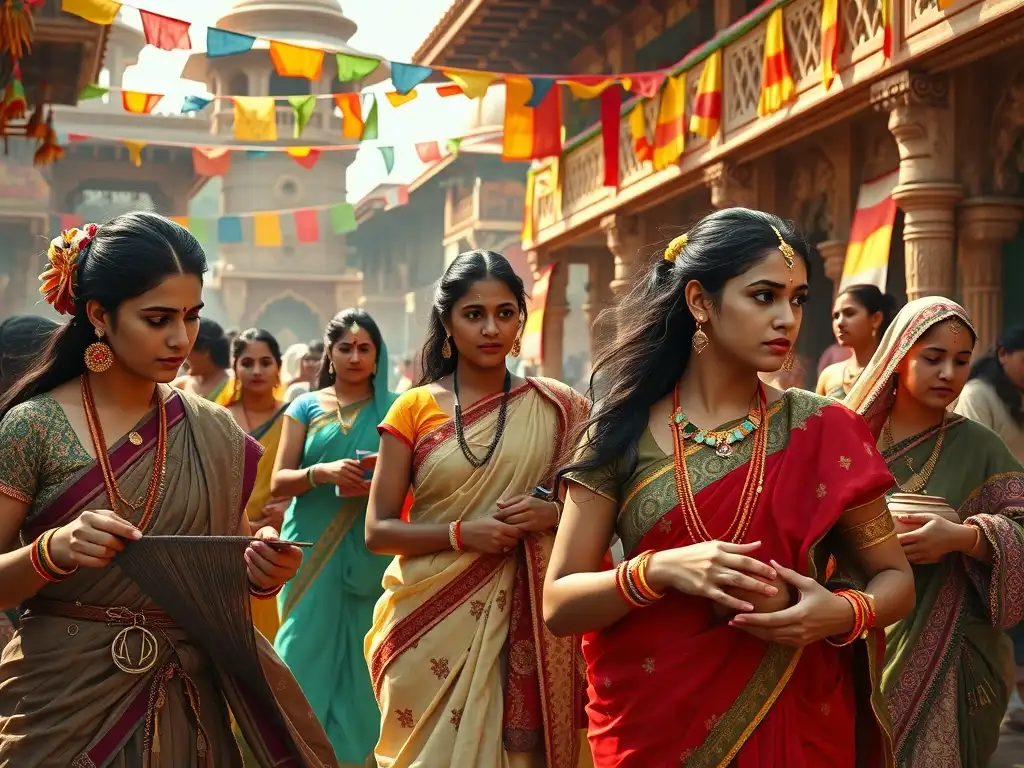
Welcome to Ancient India History, where we embark on a fascinating journey through the rich tapestry of ancient Indian civilizations. In our featured article, “The Transformation of Women’s Roles from the Indus Valley to the Gupta Empire,” we delve into the pivotal roles women played in shaping society, culture, and history. Have you ever wondered how the status and contributions of women evolved across different eras?
Join us as we uncover the profound legacies of these remarkable women and explore the dynamic shifts that defined their lives throughout ancient India. Your adventure into history begins here—let's dive deeper into their untold stories!
Introduction to Women in Ancient Indian Civilizations
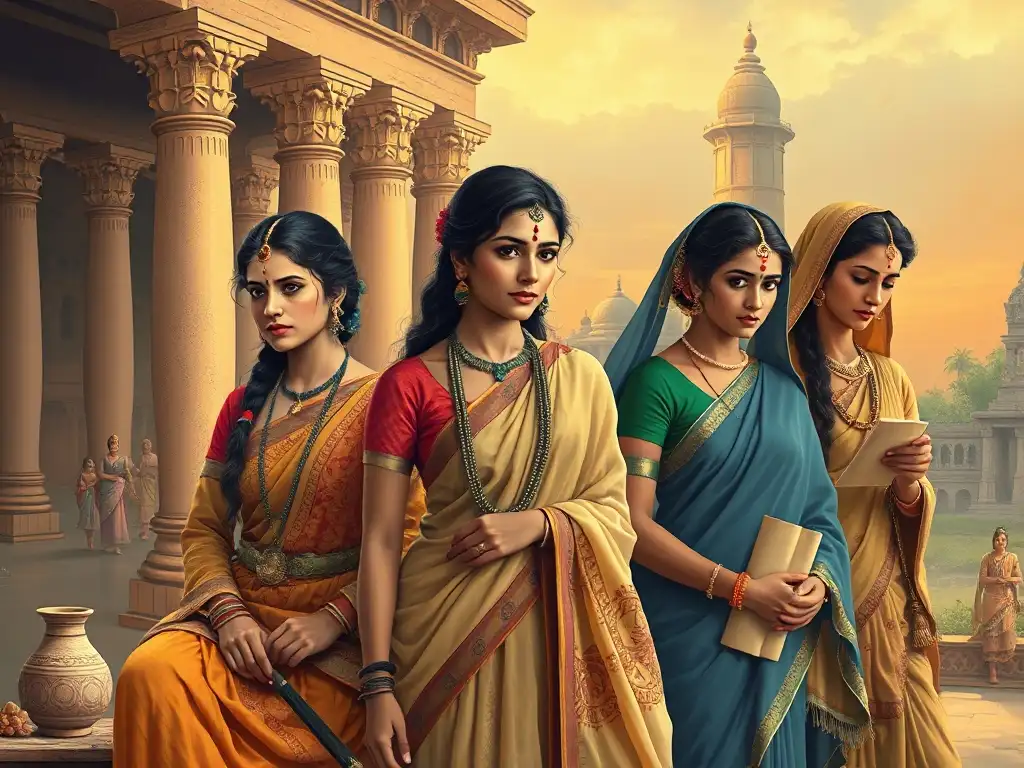
The exploration of women's roles in ancient Indian civilizations provides a fascinating insight into the societal structures, cultural norms, and evolving identities of women from the Indus Valley Civilization to the Gupta Empire. As we delve into this transformation, it is essential to understand that women were not mere passive observers in the historical narrative; rather, they played pivotal roles that shaped their communities and contributed significantly to the cultural and economic fabric of their societies.
The examination of women's contributions throughout these periods reveals a complex interplay of empowerment, restriction, and resilience. This article aims to highlight the diverse roles women held and how their status evolved, reflecting broader changes in ancient Indian civilization.
Overview of Women's Roles in Ancient India
Throughout ancient India, women's roles varied significantly across different regions and eras. From the urban centers of the Indus Valley, where women enjoyed considerable autonomy, to the more patriarchal structures of the Gupta Empire, the experiences of women were deeply influenced by social, economic, and religious factors.
- Indus Valley Civilization (c. 3300–1300 BCE): Women were involved in various trades, had rights to property, and participated in public life.
- Vedic Period (c. 1500–500 BCE): Women's roles began to shift, with an increased emphasis on domestic responsibilities. Yet, they still engaged in intellectual pursuits and religious practices.
- Gupta Empire (c. 320–550 CE): The status of women became more restricted, with the rise of patriarchal norms that limited their freedoms and autonomy.
Understanding these dynamics is crucial for appreciating the historical context of women's contributions and the transformation of their roles over time.
Importance of Studying Women's Contributions
Studying the roles and contributions of women in ancient Indian civilizations is vital for several reasons:
- Historical Accuracy: Recognizing the influence of women helps provide a more comprehensive and nuanced understanding of history.
- Cultural Insights: Women’s roles often reflect the broader cultural and societal norms of their time, offering insights into ancient Indian values and beliefs.
- Inspiration: Highlighting the achievements and resilience of women can serve as a source of inspiration for contemporary discussions on gender equality and women’s empowerment.
By examining women's contributions, we not only honor their legacy but also enhance our understanding of the complex tapestry of ancient Indian history.
Women in the Indus Valley Civilization
The Indus Valley Civilization, one of the world's earliest urban cultures, exhibited a unique social structure that afforded women significant opportunities compared to later periods.
Social Status of Women in the Indus Valley
Women in the Indus Valley enjoyed a relatively high social status. Evidence from archaeological sites suggests that they were involved in various aspects of public life.
- Property Rights: Women had ownership rights over property, which was uncommon in many ancient societies.
- Education and Social Participation: Some indications suggest women might have had access to education, allowing them to participate in social and economic affairs.
Economic Activities of Women
Women played active roles in the economic activities of the Indus Valley, contributing to both household and community economies.
- Craftsmanship: Artifacts indicate that women were skilled artisans, engaged in weaving, pottery, and bead-making.
- Agriculture: Women participated in agricultural practices, contributing to food production and trade.
Religious and Cultural Contributions of Women
The spiritual and cultural lives of the Indus Valley were also marked by the active participation of women.
- Religious Practices: Women may have held important roles in religious rituals, as suggested by figurines and symbols associated with feminine deities.
- Cultural Artifacts: The artistic expressions found in this civilization often reflect feminine themes, indicating that women were key contributors to the cultural landscape.
The examination of women's roles in the Indus Valley reveals a society where they were integral to both the economy and the cultural identity, setting a foundation for the evolving status of women in subsequent periods of Indian history.
Women in the Vedic Period
The Vedic period, spanning from approximately 1500 BCE to 500 BCE, marked a significant transformation in the roles and status of women in ancient Indian civilizations. This era was characterized by the composition of the Vedas, which are among the oldest sacred texts of Hinduism. During this time, women enjoyed certain rights and privileges, including participation in religious rituals, which was a notable shift from the preceding Indus Valley civilization. Women were often regarded as knowledgeable and capable, having the ability to perform Vedic rituals and even contribute to the creation of hymns.
Transition in Women's Roles from the Indus Valley to the Vedic Age
The transition from the Indus Valley civilization to the Vedic age saw a fundamental shift in societal structures and norms. In the Indus Valley, women appeared to have enjoyed a relatively high status, as evidenced by the archaeological discoveries of female figurines and artifacts indicating their active participation in various aspects of society. However, as Vedic society emerged, the patriarchal structure began to solidify. While women in the Vedic period retained some rights, such as the ability to inherit property and participate in religious ceremonies, their roles increasingly became defined by familial duties, especially concerning marriage and motherhood.
This transition is particularly evident in the shift from the egalitarian nature of the Indus Valley to the more hierarchical structures established in Vedic society, where the focus began to pivot toward male authority in both domestic and public spheres.
Education and Intellectual Contributions of Women
Despite the patriarchal norms that began to emerge in the Vedic period, women were still afforded opportunities for education and intellectual engagement. The presence of women scholars and sages in Vedic texts illustrates that women participated in philosophical discourse and were often depicted as learned and eloquent.
Notable figures such as Gargi and Maitreyi are celebrated for their intellect, with Gargi being known for her debates on metaphysics and Maitreyi for her philosophical inquiries. Women also played vital roles in preserving oral traditions and imparting knowledge to future generations, showcasing their contributions to the intellectual fabric of ancient Indian society.
Women in Vedic Literature and Society
Vedic literature provides a wealth of information regarding the roles of women in society. Texts such as the Rigveda contain hymns that honor women and acknowledge their contributions to family and society. The literature often depicts women in multifaceted roles, from dutiful wives to revered sages.
However, it is important to note that while women had a voice in literature, their societal roles were still largely confined to domestic spheres. The ideal of womanhood was often encapsulated in the virtues of patience, loyalty, and devotion to family. Thus, while there were instances of empowerment, the overarching narrative still reflected the societal expectation for women to prioritize their familial roles.
Women in the Maurya Empire
The Maurya Empire, which thrived from 322 BCE to 185 BCE, was marked by significant political, economic, and cultural developments. During this period, the roles of women evolved in various dimensions, reflecting both the complexities of societal structures and the influence of prominent female figures.
Political Influence of Women in the Maurya Empire
Women in the Maurya Empire, particularly those from royal families, wielded considerable political influence. The most notable example is that of Chandragupta Maurya's wife, Durdhara, and later, the prominent role of women such as the famed queen, Helena. These women were not only significant in the realm of family alliances but also had a say in political matters, often acting as advisors or regents in their husbands' absence.
Additionally, the historical accounts suggest that some women played roles in court politics and were involved in key decisions that affected the empire, indicating a more active engagement in the political landscape compared to earlier periods.
Examples of Influential Women during the Maurya Period
Several women emerged as influential figures during the Maurya Empire, contributing to both governance and culture. One such figure was Ashoka's queen, who is believed to have influenced his policies on non-violence and Buddhist principles. Her role exemplifies how women could impact the broader socio-political landscape, shaping the empire's ideologies.
Another influential figure is the character of Queen Nandini, who, while possibly fictional, represents the archetype of a strong, politically savvy woman in Mauryan narratives. These examples highlight that women's contributions during this period were not just limited to domestic spheres but also extended to significant cultural and political legacies.
Changes in Economic Roles for Women
The Maurya Empire also witnessed notable changes in the economic roles of women. While traditional roles as homemakers persisted, there were increasing opportunities for women to engage in trade and commerce. Records indicate that women participated in various crafts, contributing to the economic fabric of society.
Moreover, some texts suggest that women could own and manage businesses, especially in urban areas, indicating a gradual shift in economic agency. This economic involvement was crucial for women, as it allowed them to contribute to their households and gain a degree of independence, contrasting sharply with the more restricted economic roles of women in earlier periods.
The transformation of women's roles from the Indus Valley through the Vedic period and into the Maurya Empire illustrates a complex interplay of empowerment and restriction, showcasing the diverse contributions and challenges faced by women in ancient Indian civilizations.
Women in the Gupta Empire
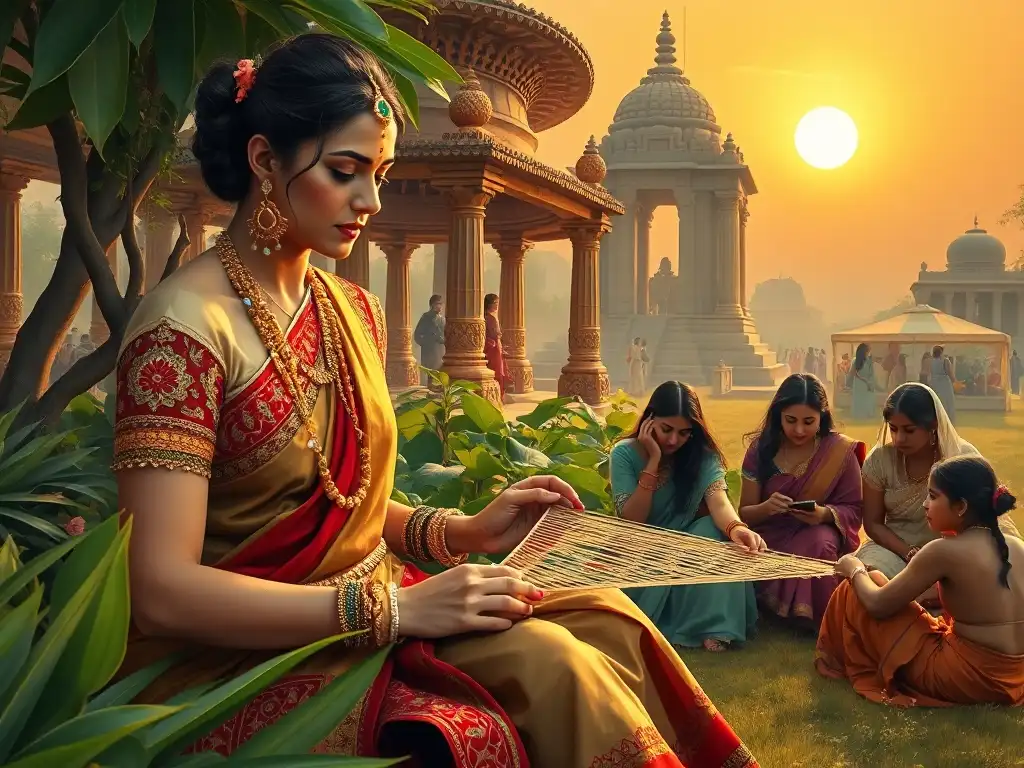
The Gupta Empire, often referred to as the Golden Age of India, flourished from approximately 320 to 550 CE. This era is characterized by significant advancements in art, science, and culture, alongside notable transformations in the roles of women. During this period, women in ancient Indian civilizations experienced both opportunities and restrictions that shaped their status and contributions to society. The Gupta era saw women participating in various spheres, including family, education, and religion, although their social status was influenced by prevailing cultural norms.
The Status of Women during the Gupta Era
In the Gupta period, women's status was multifaceted, reflecting a blend of respect and subjugation. On one hand, women were revered as mothers and wives, playing essential roles in maintaining family honor and lineage. The concept of Patrilineality dominated, where inheritance and family names passed through the male line, often placing women in subordinate positions within their households.
However, women also enjoyed certain rights and privileges. Some had access to education and were able to read and write, which was relatively progressive for the time. Evidence suggests that women participated in various professions, including those in the arts and trade. This duality in their status indicates a complex societal framework where women's roles were both vital and constrained.
Artistic and Literary Contributions of Women
The Gupta Empire is celebrated for its contributions to art and literature, and women played a significant role in this cultural landscape. While direct evidence of women artists is scarce, historical texts and archaeological findings suggest that women were involved in various artistic endeavors, including music, dance, and poetry.
Women like Vatsala, who is mentioned in literary texts, are believed to have made significant contributions to poetry and storytelling. Additionally, literary works from this period, such as the Kamasutra and Shakuntala, showcase female characters with depth and agency, indicating that women were not merely passive subjects but active participants in cultural narratives. This artistic expression reflects the evolving perception of women and their contributions to the cultural fabric of the Gupta Empire.
The Role of Women in Religion and Philosophy
Religion and philosophy held a pivotal place in Gupta society, and women were integral to both realms. The period witnessed the rise of various religious movements, including Hinduism and Buddhism, where women played crucial roles as devotees and practitioners.
Women participated in religious rituals and ceremonies, often taking on responsibilities in temple activities and family worship. Philosophically, texts from this era, such as the Mahabharata, include discussions on women's virtues, moral duties, and their roles in society, promoting a narrative that recognized women's importance in moral and ethical discourse. This engagement in religious and philosophical dialogues signifies a shift towards recognizing women's contributions beyond domestic spaces.
Comparative Analysis of Women's Roles Across Periods
Analyzing the transformation of women's roles from the Indus Valley Civilization to the Gupta Empire reveals both continuity and change. Each period presented unique challenges and opportunities that shaped women's experiences in ancient India.
Similarities in Women’s Contributions Across Civilizations
Across the various ancient Indian civilizations, women consistently contributed to the cultural, economic, and social spheres. From the Indus Valley, where women were involved in crafts and trade, to the Gupta Empire, where they participated in artistic and literary pursuits, a thread of resilience and adaptability can be observed.
In both civilizations, women were often seen as custodians of tradition, managing household affairs while influencing social norms. Their roles, though confined by societal expectations, showcased their ability to navigate and shape their environments, reflecting a shared cultural legacy.
Differences in Women's Rights and Social Status
Despite the similarities, significant differences in women's rights and social status emerged across these historical periods. In the Indus Valley Civilization, women appeared to enjoy relative freedom and respect, as indicated by archaeological findings suggesting their involvement in trade and public life.
Conversely, during the Gupta Empire, while there were advancements in education and opportunities for artistic expression, women often faced stricter social constraints, particularly regarding marriage and inheritance. The transition from a more egalitarian society to one that emphasized patriarchal structures illustrates the evolving dynamics of women's roles in ancient Indian civilizations, highlighting how cultural and social factors influenced their status over time.
Conclusion: The Evolution of Women’s Roles in Ancient Indian Civilizations
The journey of women’s roles from the Indus Valley Civilization through to the Gupta Empire illustrates a remarkable transformation influenced by societal, economic, and cultural shifts. From the early days when women enjoyed significant agency and involvement in various aspects of life, including trade and religious practices, to periods where their contributions became more constrained, the evolution of women's roles reflects broader societal changes.
Throughout these eras, women adapted to the dynamics of their environments, often taking on roles that aligned with prevailing cultural norms while still maintaining their essential contributions to family, society, and culture. The evidence from archaeological findings, ancient texts, and historical accounts suggests that women were not merely passive observers but active participants in shaping their communities. This transformation underscores the resilience and adaptability of women in ancient Indian civilizations, marking them as pivotal figures in the historical narrative.
Reflecting on the Impact of Women in Ancient Indian History
The impact of women in ancient Indian history cannot be overstated. They were integral in various domains, including economic activities, religious practices, and familial structures. For instance, women in the Indus Valley Civilization are believed to have participated in trade and possibly held property rights, which showcases their economic agency.
As we move through history, figures such as the poetess and philosopher Gargi, known for her intellectual contributions, highlight the significant roles women played in philosophical discourse and education. Furthermore, in the Gupta Empire, women like Vasanti, who is celebrated in literature and arts, demonstrate how women's contributions extended beyond domestic spheres into cultural realms.
These historical reflections reveal that women were not merely relegated to subordinate positions but were influential in various fields, contributing to the rich tapestry of ancient Indian civilization. Understanding these impacts helps acknowledge the complexities of women's roles and the necessity of their recognition in historical narratives.
Significance of Understanding Women's Contributions for Modern Society
Understanding the contributions of women in ancient Indian civilizations offers valuable insights for modern society. Recognizing the historical significance of women's roles encourages a more inclusive perspective of history, challenging the often male-centric narratives that dominate historical discourse.
Moreover, this understanding can inspire contemporary discussions about gender equality and the empowerment of women. By examining the achievements and influence of women in ancient times, we can draw parallels to current societal issues, emphasizing that women have always played crucial roles in shaping cultures and societies.
Additionally, acknowledging these contributions fosters a sense of pride and identity among women today, encouraging them to aspire to similar levels of influence and participation in society. It serves as a reminder that the pursuit of equality is not a new phenomenon but a continuation of a long-standing struggle for recognition and rights that has roots in ancient history.
The evolution of women’s roles in ancient Indian civilizations provides essential lessons for today’s society, advocating for recognition, empowerment, and the celebration of women's contributions across all spheres of life.
- Introduction to Women in Ancient Indian Civilizations
- Women in the Indus Valley Civilization
- Women in the Vedic Period
- Women in the Maurya Empire
- Women in the Gupta Empire
- Comparative Analysis of Women's Roles Across Periods
- Conclusion: The Evolution of Women’s Roles in Ancient Indian Civilizations
- What were the roles of women in the Indus Valley Civilization?
- How did women's roles change during the Vedic period?
- What contributions did women make during the Maurya Empire?
- How did the Gupta Empire impact women's status?
- What is the significance of studying women in ancient Indian civilizations?
Frequently Asked Questions
What were the roles of women in the Indus Valley Civilization?
Women in the Indus Valley Civilization were integral to society, engaging in activities such as craftsmanship, and trade. Evidence suggests they enjoyed a level of social freedom and participated in religious practices.
How did women's roles change during the Vedic period?
During the Vedic period, women's roles began to shift towards domestic responsibilities. Although they held some educational opportunities, their contributions became more focused on family and home life.
What contributions did women make during the Maurya Empire?
Women in the Maurya Empire were involved in various fields such as administration and art. Some women even held positions of power, influencing political decisions and cultural developments.
How did the Gupta Empire impact women's status?
The Gupta Empire saw a decline in women's rights and freedoms compared to earlier periods. They faced increased social restrictions, with a focus on marriage and motherhood, limiting their participation in public life.
What is the significance of studying women in ancient Indian civilizations?
Understanding the roles of women in ancient Indian civilizations highlights their contributions to society and culture. It also sheds light on the evolution of gender roles and the complex social structures of the time.
Final Reflection: The Enduring Legacy of Women in Ancient Indian Civilizations
The evolution of women's roles from the Indus Valley to the Gupta Empire highlights a profound narrative of resilience and adaptation. As we explore the intricate tapestry of ancient Indian civilizations, it becomes clear that the status and contributions of women have been pivotal to societal development. This transformation is not just a relic of history; it resonates with contemporary discussions about gender equality and empowerment. The journey of women through these eras serves as a powerful reminder of their enduring strength and influence.
Clearly, the historical roles of women in ancient Indian societies have shaped cultural norms and social structures that persist today. The recognition of women's contributions in various domains—be it in governance, arts, or spirituality—challenges the often one-dimensional portrayal of their roles. As we reflect on this, we are reminded of the words of historian Romila Thapar: History is not just about the past; it is a living dialogue with the present.
This dialogue invites us to reconsider how we view women's roles in both historical and modern contexts, urging us to acknowledge their significance in shaping our collective identity.
As we look to the future, let us take a moment to reflect on how the lessons from the past can inform our actions today. Consider how you can honor the legacy of women in ancient Indian civilizations by advocating for equality and empowerment in your own community. Each of us has the potential to contribute to a world where the voices and achievements of women are celebrated and recognized. Embrace this call to action, and let the stories of these remarkable women inspire you to create a more inclusive and equitable society for all.
Empower Your Understanding of Women’s History!
Thank you for taking the time to explore the fascinating evolution of women's roles from the Indus Valley to the Gupta Empire. Your curiosity has equipped you with valuable insights into the resilience and strength of women throughout history. Now, let's take those insights a step further!
Here are a few actions you can engage in today to deepen your understanding and connect with this rich historical narrative:
- Dive Deeper: Explore the lives and contributions of influential women from this era by accessing our archives or reading related articles on Ancient Indian history.
- Join the Conversation: Share your thoughts and insights by commenting below on how you believe women’s roles have shaped contemporary society.
- Spread the Knowledge: Share this article with your friends or on social media to spark discussions about women's history and inspire others to learn more!
What aspect of women’s transformation through the ages resonates most with you, and how do you see it reflected in today’s society?