
The Artistic Representation of Zero in Ancient Indian Manuscripts

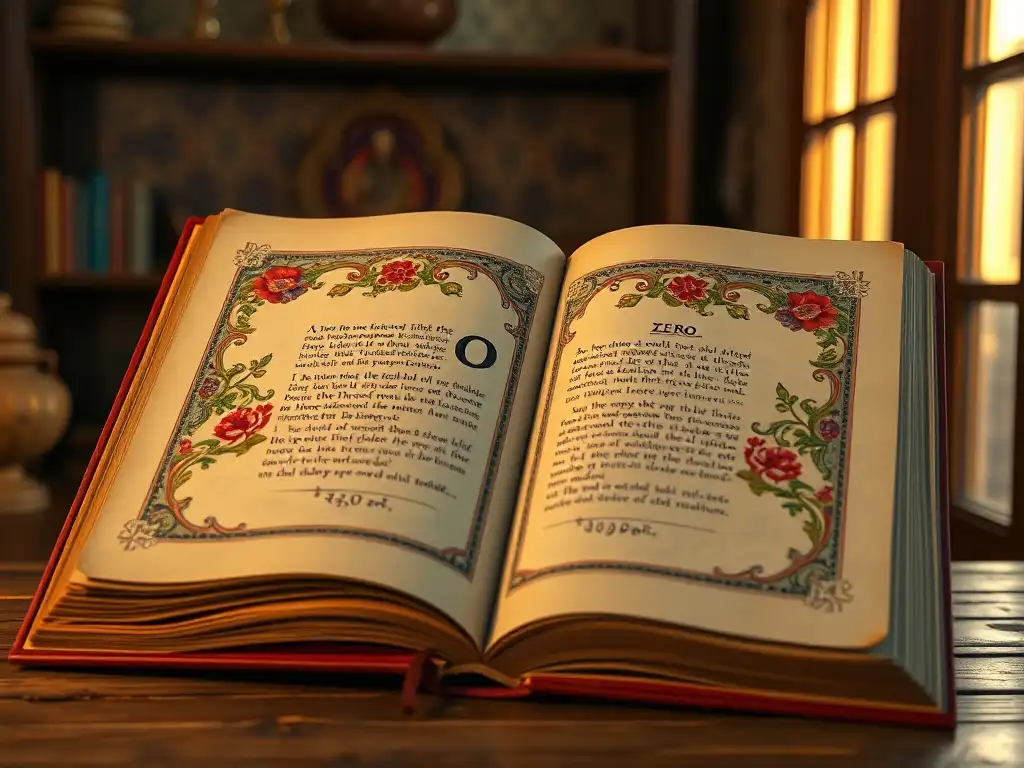
Welcome to Ancient India History, where we embark on a fascinating journey through time to uncover the rich tapestry of India’s ancient civilizations. From the intricate streets of the Indus Valley to the intellectual brilliance of the Gupta Empire, each chapter is filled with remarkable stories and innovations. Today, we invite you to delve into the artistic representation of zero in ancient Indian manuscripts, a groundbreaking concept that not only transformed mathematics but also reshaped our understanding of the universe.
What secrets lie within these ancient pages? Join us as we explore this captivating topic and discover how the legacy of zero continues to influence our world today.
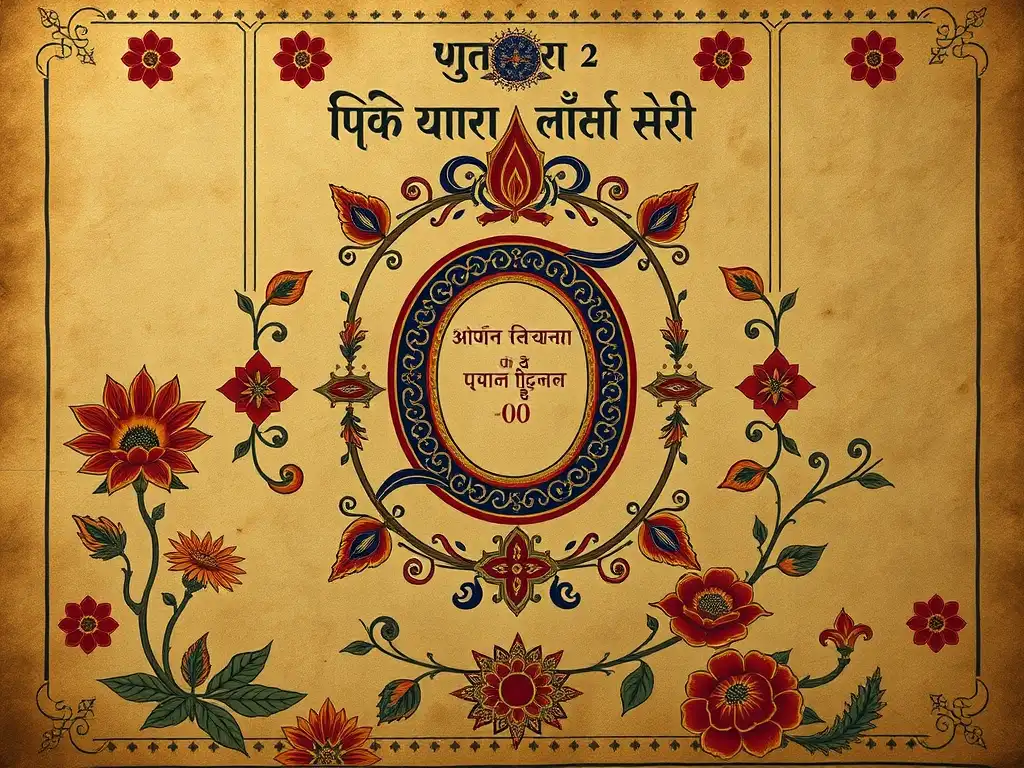
The concept of zero is not merely a mathematical symbol; it represents a profound philosophical and cultural understanding that emerged in ancient India. This article delves into the artistic representation of zero in ancient Indian manuscripts, exploring how this numeral was not only a mathematical innovation but also a significant cultural artifact. By examining the ways zero was depicted in various manuscripts, we can gain insight into the rich tapestry of ancient Indian civilization, which seamlessly wove together mathematics, art, and philosophy.
Introduction to the Artistic Representation of Zero
The artistic representation of zero in ancient Indian manuscripts is a fascinating study that reveals much about the intellectual climate of the time. The numeral zero, represented by the symbol '0', has its roots in ancient Indian mathematics and has significantly influenced the development of mathematics globally. However, its presence in art and manuscripts provides an additional layer of meaning, reflecting the aesthetic values and symbolic interpretations of the era.
Overview of Zero in Ancient Indian Mathematics
Zero was not merely a placeholder but a concept that revolutionized numerical systems. In ancient India, mathematicians like Aryabhata and Brahmagupta integrated zero into their calculations, fundamentally changing how numbers were understood and manipulated. The introduction of zero allowed for the representation of large numbers and complex calculations without confusion.
- Key Contributions:
- Aryabhata (c. 476–550 CE) utilized zero in his astronomical calculations.
- Brahmagupta (c. 598–668 CE) formulated rules for arithmetic operations involving zero.
These contributions laid the groundwork for future mathematical advancements, both in India and beyond.
Importance of Artistic Expression in Mathematical Concepts
Art has the unique ability to communicate complex ideas and abstract concepts in a tangible form. The representation of zero in ancient Indian art serves not only as a mathematical symbol but also as a conduit for cultural expression. Through intricate designs and manuscripts, artists conveyed the philosophical implications of zero, illustrating its role in the universe and its connection to concepts like infinity and void.
Historical Context of Zero in India
Understanding the historical context in which zero was developed is crucial for appreciating its significance. Ancient India was a melting pot of ideas, where mathematics and philosophy intersected with daily life and spiritual beliefs.
The Evolution of Zero in Ancient Indian Civilization
The journey of zero's evolution can be traced back to the first few centuries CE, where it transitioned from a simple absence of quantity to a symbol representing nothingness. This shift was marked by several key developments:
- Early Contributions:
- The Bakhshali Manuscript (dated to around the 2nd century CE) contains one of the earliest known uses of zero.
- The Gwalior Tablet (c. 876 CE) showcases zero's role in positional notation.
As the concept matured, so did its representation in art, culminating in a rich tradition that celebrated mathematical innovation.
Cultural Significance of Zero in Mathematics and Art
The cultural significance of zero extends beyond its mathematical utility. In ancient Indian philosophy, zero embodies the concept of 'Shunya' or void, which carries deep metaphysical implications. This duality—mathematical and philosophical—was reflected in artistic depictions, where zero was often integrated into broader themes of creation, destruction, and the cosmos.
- Artistic Representations:
- Manuscripts often adorned with elaborate illustrations depicting cycles of creation and dissolution.
- Symbolism of zero as a bridge between existence and non-existence.
The artistic representation of zero in ancient Indian manuscripts serves as a testament to the depth of understanding and creativity that characterized ancient Indian civilization, illuminating the intertwined nature of mathematics and art in shaping human thought.
Key Manuscripts Featuring the Artistic Representation of Zero
The artistic representation of zero in ancient Indian manuscripts is a critical aspect of the mathematical developments that emerged during the early centuries. Several key manuscripts showcase this unique representation, illustrating the evolving understanding of zero as both a numeral and a concept. Among these manuscripts, the Bakhshali Manuscript, Aryabhatiya, and Siddhanta Shiromani stand out as pivotal texts that not only contributed to mathematical thought but also employed various artistic styles to depict zero.
These manuscripts not only reveal the mathematical sophistication of ancient Indian scholars but also demonstrate how aesthetics and symbolism played a significant role in the communication of complex ideas. Through intricate illustrations and carefully crafted layouts, these texts provided a visual context for understanding zero's significance, ensuring that its representation was both functional and visually appealing.
The Bakhshali Manuscript: A Case Study
The Bakhshali Manuscript, dating back to between the 2nd and 4th centuries CE, is one of the earliest known texts to contain a clear representation of zero. This manuscript is primarily a mathematical treatise, composed in the form of a series of problems and their solutions. The artistic representation of zero in the Bakhshali Manuscript is notable for its use of a dot symbol, which serves as a placeholder in the positional numeral system.
In examining the manuscript, we find that the illustrations accompanying the mathematical problems not only clarify the calculations but also enhance the overall aesthetic appeal. The dot representing zero is often depicted in relation to other numerals, highlighting its role in the decimal system. This visual interplay emphasizes the importance of zero as an integral part of mathematics, setting a precedent for future representations in other texts.
The Aryabhatiya: Illustrations and Interpretations
Aryabhata's Aryabhatiya, composed in 499 CE, is another seminal work that features artistic representations of zero. This text is characterized by its systematic approach to mathematics and astronomy. The artistic representation of zero in the Aryabhatiya is significant not only for its mathematical implications but also for its elaborate illustrations.
The manuscript employs a circular symbol to denote zero, reflecting the concept of a void or nothingness. The circular form is aesthetically pleasing and symbolizes completeness and the cyclical nature of time, aligning with Aryabhata's astronomical theories. Additionally, the manuscript contains diagrams that illustrate complex mathematical concepts, including the use of zero in calculations, showcasing how the visual elements were intertwined with mathematical ideas.
The Siddhanta Shiromani: Insights into Zero's Representation
The Siddhanta Shiromani, written by Bhaskara II in the 12th century, further explores the representation of zero through its artistic elements. This work is distinguished by its comprehensive treatment of mathematics, including arithmetic, algebra, and astronomy.
Within the Siddhanta Shiromani, zero is represented through a combination of dots and shapes, which serve to differentiate it from other numerals. The manuscript's illustrations not only convey mathematical principles but also reflect the aesthetic sensibilities of the time. The use of vibrant colors and intricate designs highlights the significance of zero, making it visually prominent in the text.
The artistic representation in the Siddhanta Shiromani underscores the cultural context of mathematics in ancient India, where beauty and functionality coexisted, and zero was embraced as a fundamental concept.
Techniques and Styles of Artistic Representation
The artistic representation of zero in ancient Indian manuscripts employed various techniques and styles that enhanced the understanding and appreciation of this mathematical concept. These methods not only served a functional purpose but also reflected the cultural and philosophical underpinnings of the time.
Illustrative Techniques Used in Ancient Indian Manuscripts
Ancient Indian manuscripts utilized a range of illustrative techniques to represent zero effectively. These techniques included:
- Calligraphy: The use of ornate lettering and scripts added a visual elegance to the manuscripts, making the representation of zero more striking.
- Geometry: Geometric shapes, particularly circles and dots, were often used to symbolize zero, creating a visual connection to the concept of emptiness or void.
- Color: Vibrant colors were applied to enhance the visibility of zero, drawing attention to its significance within the mathematical context.
These techniques highlight the scholars' understanding of visual communication, ensuring that the representation of zero was not only mathematically accurate but also artistically compelling.
Symbolism and Aesthetic Elements in Representing Zero
The representation of zero in ancient Indian manuscripts is rich with symbolism and aesthetic elements that convey deeper meanings.
- The Dot: Often seen as the most common representation of zero, the dot symbolizes the concept of nothingness, serving as a placeholder in calculations.
- Circular Forms: The circular shape associated with zero reflects completeness and the infinite nature of mathematics, resonating with philosophical ideas of the universe.
- Intricate Designs: The use of intricate designs and patterns in manuscripts not only beautified the text but also suggested the interconnectedness of mathematics with art and culture.
These symbolic and aesthetic elements of the artistic representation of zero underscore its importance in ancient Indian civilization, reflecting the sophisticated understanding of mathematics and its broader implications in society.
The Role of Artists and Scholars in Depicting Zero
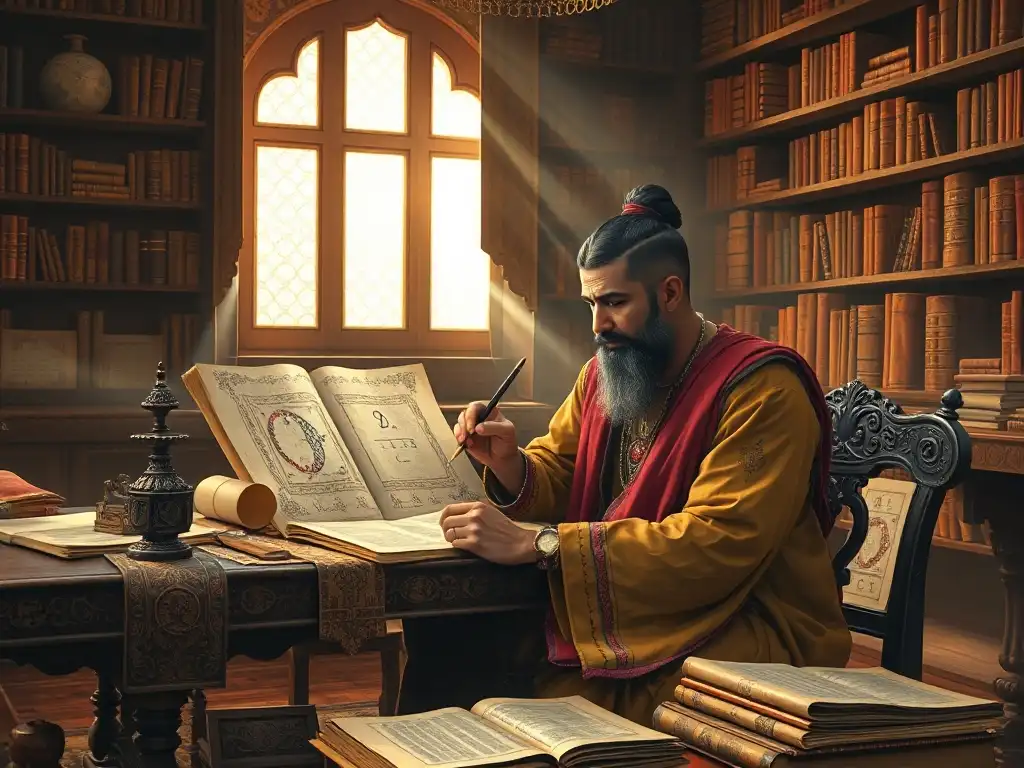
The depiction of zero in ancient Indian manuscripts is a fascinating intersection of art and mathematics, reflecting the intellectual and cultural milieu of the time. Artists and scholars played pivotal roles in this representation, with each contributing their unique skills to convey the abstract concept of zero. Artists utilized their creative abilities to visualize mathematical concepts, employing intricate designs, symbols, and visual metaphors that transformed abstract ideas into concrete images. Scholars, on the other hand, provided the intellectual framework, defining the philosophical and mathematical significance of zero while ensuring that its representation aligned with the prevailing cultural narratives.
In this collaborative environment, the artistic representation of zero became a medium through which complex mathematical ideas were made accessible to broader audiences. The visuals not only served educational purposes but also reflected the aesthetic values of the period, illustrating how mathematics was intertwined with art. The manuscripts that emerged from this collaboration are not merely mathematical texts but are also considered works of art, showcasing the rich cultural heritage of ancient India.
Contributions of Ancient Indian Mathematicians and Artists
Ancient Indian mathematicians, such as Aryabhata and Brahmagupta, made significant contributions to the conceptualization of zero, establishing it as a numeral and a concept in mathematics. Their works, often accompanied by illustrations, depict zero in various contexts, such as in calculations and astronomical predictions. The artistic representation of zero in these manuscripts often involved the use of geometric forms and decorative motifs, which enhanced the readability and aesthetic appeal of the mathematical content.
Artists played a crucial role in bridging the gap between the mathematical theories proposed by these scholars and their practical applications. For instance, in the Bakhshali Manuscript, the use of a dot to represent zero is surrounded by elaborate designs, emphasizing its importance while simultaneously serving as a visual anchor for the reader. This synergy between mathematicians and artists not only facilitated the dissemination of mathematical knowledge but also elevated the status of zero, allowing it to be appreciated both as a number and a symbol of philosophical depth.
Collaboration Between Mathematicians and Artists in Manuscript Creation
The collaboration between mathematicians and artists in the creation of manuscripts was characterized by a mutual respect for each other's domains of expertise. Mathematicians provided the foundational knowledge and theoretical underpinnings, while artists translated these ideas into visual formats that could be easily understood and appreciated. This partnership was particularly evident in the preparation of texts that included both mathematical calculations and artistic illustrations.
In many instances, mathematicians would outline the mathematical principles and calculations, leaving the artistic embellishment to skilled artisans. This process not only ensured accuracy in the mathematical content but also allowed for creativity in the visual representation. Manuscripts like the Lilavati, attributed to Bhaskara II, showcase this collaboration, where mathematical concepts are beautifully illustrated with diagrams and ornamental borders, enhancing the reader's understanding and enjoyment of the material.
Comparisons with Other Cultures' Representations of Zero
The artistic representation of zero in ancient Indian manuscripts can be contrasted with similar depictions in other cultures, highlighting both unique characteristics and common themes. Ancient Mesopotamia and China also grappled with the concept of zero, each developing their own methods of representation and integration into mathematical practices.
The Representation of Zero in Ancient Mesopotamia and China
In ancient Mesopotamia, zero was represented more as a placeholder than as a number in its own right. The Sumerians used a space or a specific symbol to indicate the absence of a value in their cuneiform writing system, which was crucial for their positional numeral system. However, this representation lacked the philosophical depth and cultural significance attributed to zero in Indian mathematics.
Similarly, in ancient China, the concept of zero emerged in mathematical texts, but its representation was often less visually distinct compared to Indian manuscripts. Chinese mathematicians utilized a symbol similar to a dot or a small circle, but these representations were primarily functional rather than artistic. The focus was on practicality in calculations, and the aesthetic embellishments seen in Indian texts were largely absent.
Similarities and Differences in Artistic Approaches
While the concept of zero exists across different cultures, the artistic approaches to its representation vary significantly. In ancient Indian manuscripts, zero is often depicted with intricate designs, symbolizing not only its mathematical importance but also its philosophical implications regarding the void and the infinite. This artistic flair reflects a broader cultural inclination toward integrating mathematics with art and spirituality.
In contrast, the representations of zero in Mesopotamian and Chinese cultures tend to be more utilitarian, focusing on the practical aspects of mathematics without the same level of artistic elaboration. The differences in representation can be attributed to varying cultural values and the roles of mathematics within those societies. While Indian culture embraced zero as a symbol of both mathematical innovation and artistic expression, other cultures approached the concept with a more functional mindset, emphasizing its role in calculations over its visual or philosophical significance.
The artistic representation of zero in ancient Indian manuscripts stands as a testament to the collaborative efforts of mathematicians and artists, reflecting a rich cultural heritage that valued both mathematical innovation and artistic creativity.
Conclusion: The Legacy of Zero's Artistic Representation in India
The artistic representation of zero in ancient Indian manuscripts is a remarkable testament to the intellectual and cultural achievements of Indian civilization. Through intricate designs and symbolism, zero transcended its numerical function to become an integral part of artistic expression. This legacy not only enriched the visual landscape of ancient India but also laid the groundwork for subsequent mathematical advancements. The aesthetics surrounding zero reflect a deep philosophical understanding of the concept of nothingness and the infinite, which continues to resonate in contemporary thought and culture.
As we look back at these ancient manuscripts, we can appreciate how the artistic forms employed to depict zero contributed to a broader understanding of mathematics and its relationship with art. The fusion of mathematics and aesthetics in these representations highlights the creativity inherent in mathematical thought. Thus, the legacy of zero's artistic representation is not merely a historical artifact; it serves as a source of inspiration for future generations to explore the intersections of art and science.
Impact on Future Mathematical Concepts and Art Forms
The influence of zero's artistic representation in ancient India extends far beyond its time, shaping future mathematical concepts and art forms. By visually embodying the concept of nothingness, ancient artists and mathematicians established a framework that would inform subsequent mathematical innovations. The introduction of zero into the number system revolutionized mathematics, facilitating the development of algebra and calculus, and ultimately influencing various disciplines across the globe.
Moreover, the aesthetics of zero inspired numerous art forms, from traditional Indian paintings to contemporary digital art. Artists have continued to explore themes of void and infinity, drawing on the rich heritage of ancient representations. The interplay between mathematics and visual arts remains a vibrant area of exploration, where the legacy of zero serves as a bridge connecting historical art forms with modern creative expressions.
The Continued Relevance of Zero in Modern Mathematics and Art
In today's world, the concept of zero retains profound relevance in both mathematics and art. Mathematically, zero is foundational, serving not only as a placeholder but also as a crucial element in equations, algorithms, and computer science. Its role in enabling complex calculations and technological advancements cannot be overstated, making it a vital component of modern mathematical thought.
Artistically, zero continues to inspire contemporary creators who experiment with the idea of absence and presence. Modern art movements frequently engage with the concept of zero, utilizing negative space and minimalism to provoke thought and evoke emotion. This ongoing dialogue between mathematics and art, rooted in the ancient representations of zero, highlights the enduring legacy of India's contributions to both fields.
References
Key Texts and Sources on Ancient Indian Mathematics and Art
- The History of Mathematics in India: A Cultural Perspective by Kim Plofker
- Mathematics in Ancient India by C. Kumaravel
- Zero: The Biography of a Dangerous Idea by Charles Seife
- Indian Mathematical Sciences: A Historical Perspective by B. V. Subbarayappa
Suggested Further Reading on Zero in Mathematics
- The Story of Zero: A Cultural History by Robert Kaplan
- A History of Mathematics: An Introduction by Roger L. Cooke
- The Origins of Mathematical Thought: From Ancient Times to the Present by John Stillwell
- The Significance of Zero by Michael Guillen
- Introduction to the Artistic Representation of Zero
- Historical Context of Zero in India
- Key Manuscripts Featuring the Artistic Representation of Zero
- Techniques and Styles of Artistic Representation
- The Role of Artists and Scholars in Depicting Zero
- Comparisons with Other Cultures' Representations of Zero
- Conclusion: The Legacy of Zero's Artistic Representation in India
- References
- What is the significance of the artistic representation of zero in ancient Indian manuscripts?
- How did ancient Indian civilizations contribute to the concept of zero?
- Where can we find examples of zero in ancient Indian art?
- What are some features of the artistic representation of zero in these manuscripts?
- How did the concept of zero in India influence the rest of the world?
Frequently Asked Questions
What is the significance of the artistic representation of zero in ancient Indian manuscripts?
The artistic representation of zero in ancient Indian manuscripts symbolizes the concept of nothingness and is a crucial development in mathematical history.
How did ancient Indian civilizations contribute to the concept of zero?
Ancient Indian mathematicians, particularly during the Gupta Empire, played a key role in formalizing zero as a number, influencing both mathematics and philosophy.
Where can we find examples of zero in ancient Indian art?
Examples of the artistic representation of zero can be found in various manuscripts and temple carvings, showcasing its integration into both art and mathematics.
What are some features of the artistic representation of zero in these manuscripts?
The artistic representations often include intricate designs and symbolic imagery, reflecting the cultural and philosophical significance of zero in ancient India.
How did the concept of zero in India influence the rest of the world?
The introduction of zero through Indian manuscripts significantly impacted global mathematics, facilitating advances in calculation and paving the way for modern numerical systems.
Final Reflection: The Timeless Legacy of Zero's Artistic Representation in India
The artistic representation of zero in ancient Indian manuscripts is not merely a historical curiosity; it is a profound testament to the ingenuity and creativity of a civilization that understood the significance of nothingness in a way that continues to resonate today. As we navigate an increasingly complex world, the concept of zero—both mathematically and artistically—reminds us of the power of absence and the potential that lies within it. This exploration of zero's artistic journey in India serves as a striking reminder of how cultural expressions can shape our understanding of fundamental concepts.
The influence of zero transcends mere mathematics; it has woven itself into the very fabric of our cultural and social landscapes. The artistic depictions of zero in ancient manuscripts not only illustrate mathematical principles but also reflect the philosophical and spiritual dimensions of existence. As we consider the ongoing impact of these representations, we are reminded of the words of the renowned mathematician Carl Friedrich Gauss: Mathematics is the queen of the sciences and number theory is the queen of mathematics.
This quote encapsulates the reverence we must hold for the artistic and intellectual achievements of our predecessors, who recognized the beauty and depth of what zero represents.
As we conclude this exploration, I invite you to reflect on the lessons embedded in the artistic representation of zero. Consider how the concept of nothingness can inspire creativity and innovation in your own life. Embrace the idea that sometimes, the absence of something can lead to the emergence of new possibilities. Let the legacy of ancient Indian manuscripts encourage you to find beauty in simplicity and to recognize the profound impact that seemingly small ideas can have on the world around us.
Unveil the Secrets of Ancient Artistry!
Thank you for diving into the world of ancient Indian manuscripts with us! Your interest in the artistic representation of zero is not only enriching but essential to understanding the cultural heritage that shapes our modern world. Now that you’ve explored this fascinating topic, let’s take action together!
- Join a workshop or lecture on the intersection of art and mathematics to deepen your understanding of how these concepts intertwined in ancient cultures.
- Share your newfound knowledge with friends by hosting a discussion evening on mathematics in art, inspiring others to appreciate this incredible history.
- Explore more about ancient scripts by visiting local museums or virtual exhibits dedicated to Indian history and art.
What aspect of ancient Indian manuscripts intrigued you the most, and how do you think it influences art today? Your insights could spark a beautiful conversation!