
How Ancient Techniques Influence Modern Gemstone Markets in India

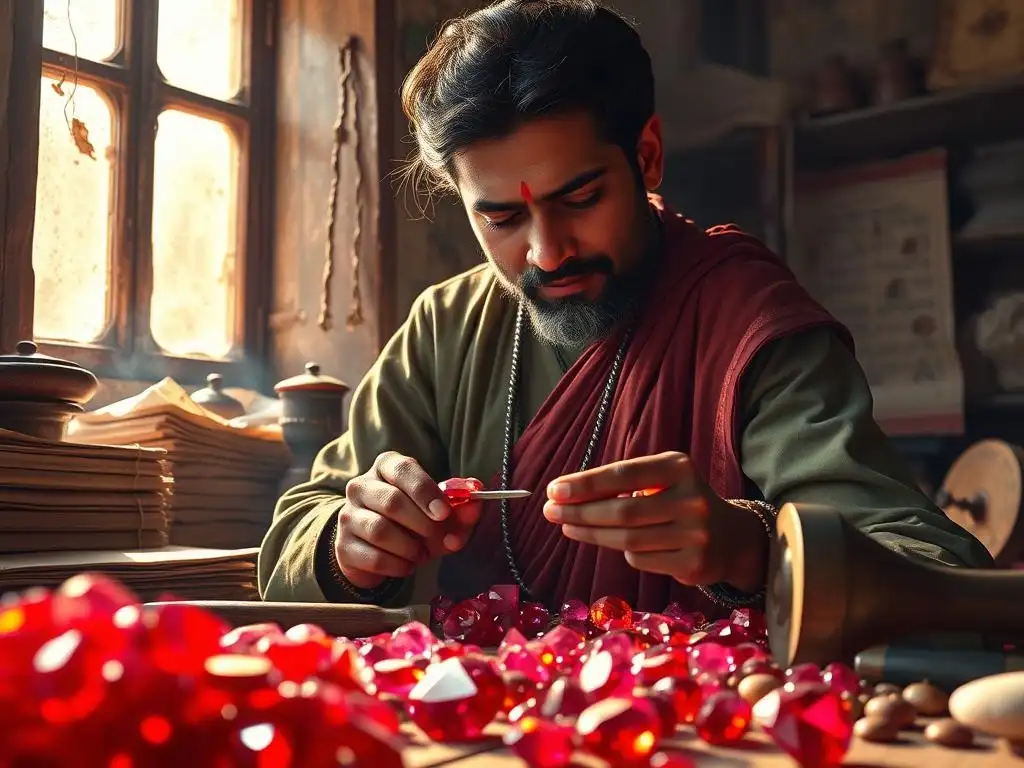
Welcome to Ancient India History, where we embark on a fascinating journey through the rich tapestry of India’s past! In this exploration, we delve into the intricate world of ancient Indian gemstone techniques, illuminating how these age-old practices have not only shaped the cultural landscape of their time but continue to impact modern gemstone markets today. Are you curious about the artistry and craftsmanship that has transcended centuries? Join us as we uncover the secrets behind these timeless techniques and their enduring legacy. Your adventure into the depths of ancient wisdom and its relevance today starts here!
- Introduction to Ancient Indian Gemstone Techniques
- Historical Context of Gemstone Crafting in India
- Key Ancient Techniques Influencing Modern Gemstone Markets
- The Intersection of Ancient Techniques and Modern Gemstone Markets
- Prominent Gemstone Markets in India Inspired by Ancient Techniques
- Conclusion: The Lasting Legacy of Ancient Indian Gemstone Techniques
-
Frequently Asked Questions
- What are ancient Indian gemstone techniques?
- How did ancient Indian civilizations contribute to gemstone craftsmanship?
- What impact do ancient techniques have on today's gemstone industry in India?
- Are there specific gemstones associated with ancient Indian techniques?
- How can modern gemologists learn from ancient techniques?
- Final Reflection: The Enduring Legacy of Ancient Indian Gemstone Techniques
- Unlock the Secrets of Gemstone Wisdom Today!
Introduction to Ancient Indian Gemstone Techniques
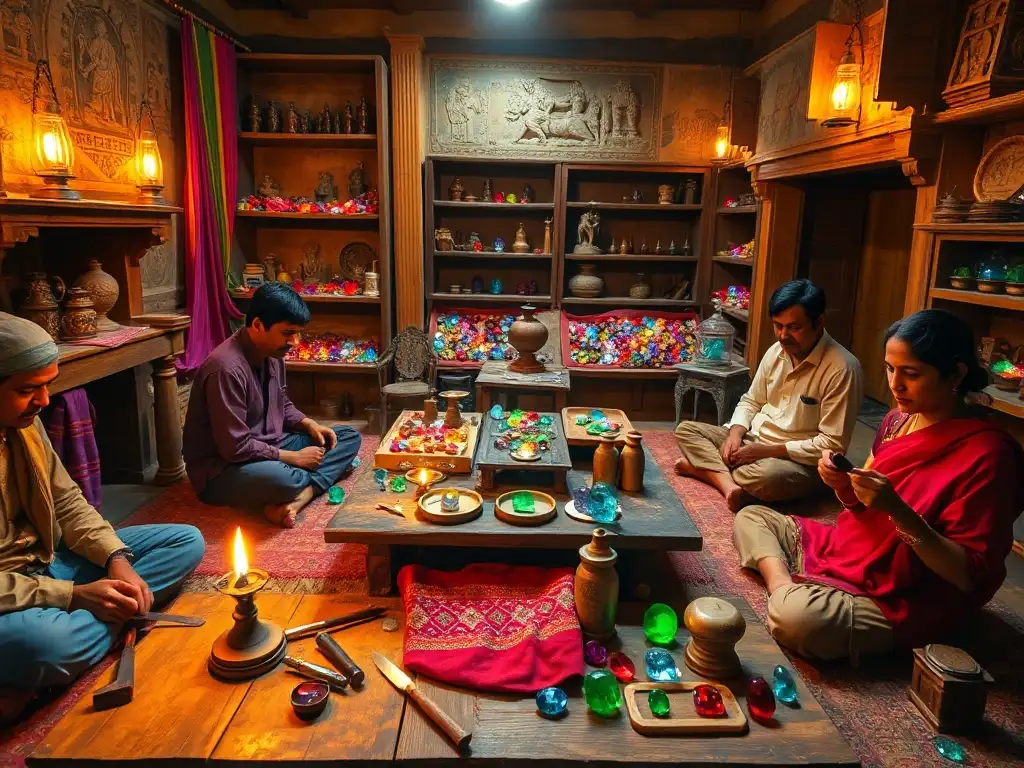
The intricate history of gemstone techniques in ancient India has profoundly shaped the modern gemstone markets, making it a fascinating area of study. Spanning thousands of years, ancient Indian civilizations, notably those from the Indus Valley to the Gupta Empire, developed sophisticated methods for mining, cutting, and polishing gemstones.
These techniques not only reflect the rich cultural heritage of India but also highlight the advancements in craftsmanship and artistry that continue to influence contemporary practices. As we delve deeper into the traditions surrounding gemstones in ancient India, we uncover how these age-old techniques are still resonant today, shaping the landscape of India's bustling gemstone markets.
Overview of Gemstone Traditions in Ancient India
Ancient India was renowned for its profound knowledge of gemstones, which were highly valued for both their aesthetic appeal and their purported spiritual significance.
- Indus Valley Civilization (c. 3300–1300 BCE): The early artisans of the Indus Valley are believed to have created some of the first known gemstone beads, using materials such as carnelian, agate, and lapis lazuli. These beads were meticulously crafted and traded across regions, showcasing early expertise in craftsmanship.
- Vedic Period (c. 1500–500 BCE): During this period, gemstones became intertwined with religious practices and beliefs. Texts such as the Rigveda mention various gemstones and their astrological significance, emphasizing their importance in rituals and health.
- Maurya and Gupta Empires (c. 322 BCE–550 CE): The Mauryan and Gupta periods marked a golden age for the arts, including gemstone craftsmanship. Techniques such as cabochon cutting (a method of shaping stones without facets) and intricate engraving emerged, leading to the production of exquisite jewelry pieces that were both decorative and symbolic.
These traditions laid the groundwork for what would evolve into a thriving gemstone industry, where artistry and spirituality coalesced into stunning works that captured the imagination of both ancient and modern societies.
Importance of Ancient Techniques in Modern Markets
The influence of ancient Indian gemstone techniques is still palpable in today's markets. As consumers increasingly seek authenticity and craftsmanship, the revival of these time-honored practices offers several advantages:
- Cultural Heritage: By utilizing ancient techniques, modern jewelers maintain a connection to India's rich cultural history. This not only enhances the value of the gemstones but also attracts customers who appreciate the story behind their jewelry.
- Quality and Craftsmanship: Techniques developed centuries ago often prioritize quality over mass production. Artisans who adopt these methods are able to create unique, high-quality pieces that stand out in the saturated market.
- Sustainability: Many ancient practices emphasize the use of local materials and traditional methods, promoting sustainability in gemstone mining and production. This approach resonates with contemporary consumers who are becoming more environmentally conscious.
The legacy of ancient Indian gemstone techniques is not merely a historical curiosity; it serves as a vital component in the modern jewelry landscape. By honoring these traditions, the gemstone markets in India continue to thrive, offering both beauty and a deep sense of connection to the past.
Historical Context of Gemstone Crafting in India
Ancient Indian Civilizations and Gemstone Usage
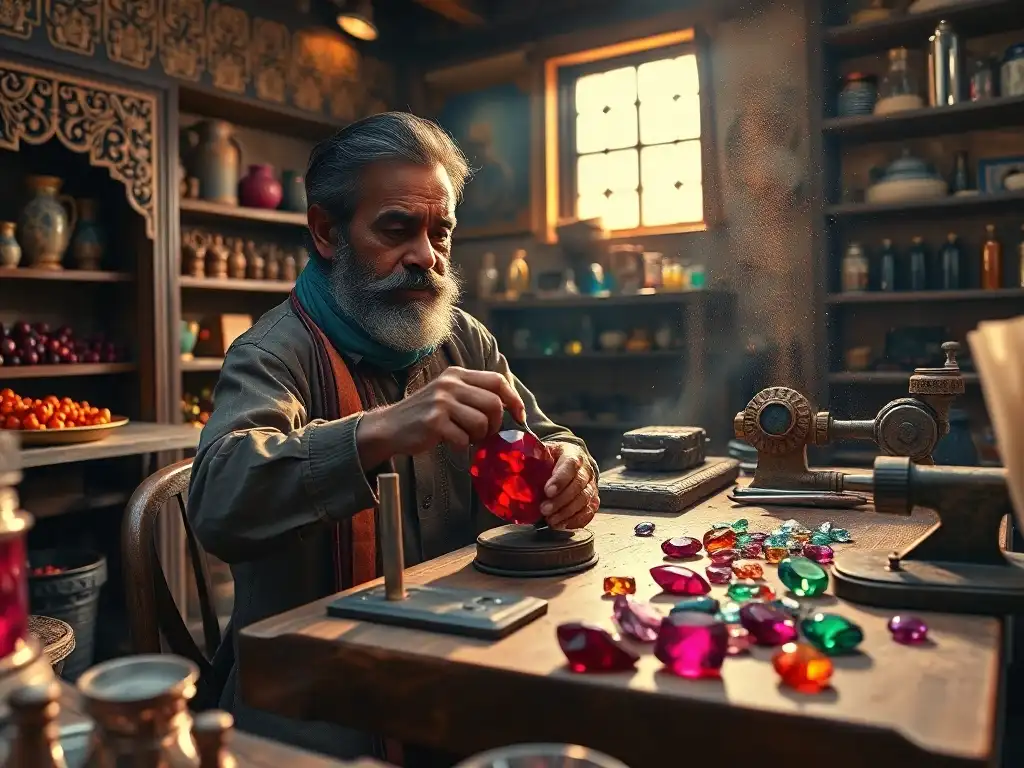
The history of gemstone crafting in India dates back to ancient times, with its roots deeply embedded in the cultural practices of various civilizations. From the Indus Valley Civilization (circa 3300–1300 BCE) to the Gupta Empire (circa 320–550 CE), gemstones have played a crucial role not only as adornments but also as symbols of power, spirituality, and trade.
- Indus Valley Civilization: Evidence suggests that the inhabitants engaged in the crafting of beads and ornaments from semi-precious stones such as carnelian, agate, and lapis lazuli. The sophisticated techniques they employed for cutting and polishing these stones indicate a high level of craftsmanship and knowledge about mineral properties.
- Vedic Period: Texts from the Vedic period (1500–500 BCE) reference gemstones in rituals and astrology, suggesting their importance in both spiritual and practical contexts. This era saw a rise in the belief that gemstones had inherent properties that could influence the fate and health of individuals.
- Maurya and Post-Maurya Periods: During the rise of the Maurya Empire (322–185 BCE), gemstones became more integral to royal regalia and were often used in the construction of palaces and monuments. The famous Mauryan ruler Ashoka was known for his patronage of artisans skilled in gemstone work.
Notable Techniques from the Indus Valley Civilization
The Indus Valley Civilization is renowned for its advanced techniques in gemstone crafting, which set the foundation for future generations. Some notable techniques include:
- Bead Making: Artisans created intricate beads using lapidary techniques. They utilized tools made of harder stones, such as corundum, to shape softer materials like carnelian and agate.
- Polishing and Drilling: The use of polishing wheels indicates that they had developed methods for enhancing the luster and finish of gemstones. Additionally, the invention of drilling tools allowed for the creation of holes in beads, enabling the production of necklaces and other jewelry.
- Coloring Techniques: Evidence of ancient dyeing methods suggests that artisans experimented with color enhancements, using natural substances to alter the appearance of stones, which made them more appealing in trade.
The Role of Gemstones in Ancient Indian Culture and Trade
Gemstones were not merely decorative items in ancient India; they held significant cultural and economic value. Their roles can be broadly categorized into:
- Symbolic Significance: Gemstones were associated with various deities and were believed to confer protection, health, and prosperity. For instance, the use of emeralds was often linked to the goddess of wealth, Lakshmi.
- Trade and Economy: The ancient trade routes facilitated the exchange of gemstones across regions. Indian gemstones were highly sought after in international markets, particularly in the Middle East and Europe. The Silk Road and maritime trade routes contributed to the thriving gemstone economy, which saw the export of Indian jewels to various parts of the world.
- Cultural Exchange: The demand for Indian gemstones led to cultural exchanges, where techniques and styles were shared between artisans from different regions. This cross-pollination of ideas enriched the craftsmanship and diversified the types of gemstones used in jewelry.
Ancient Indian gemstone techniques have laid the groundwork for modern practices in the gemstone market. The rich history of craftsmanship, trade, and cultural significance continues to influence contemporary artisans and the global gemstone industry today.
Key Ancient Techniques Influencing Modern Gemstone Markets
Traditional Cutting and Polishing Methods
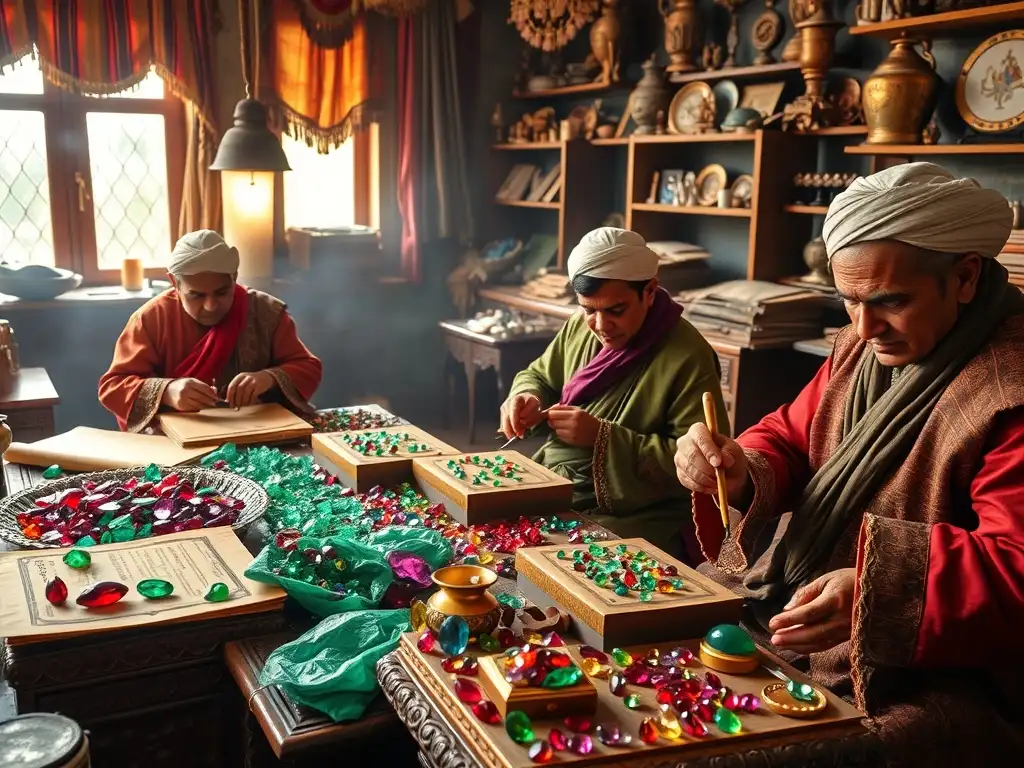
The ancient Indian gemstone industry was renowned for its sophisticated cutting and polishing techniques, which laid the foundation for the modern gemstone market. Techniques such as cabochon cutting, faceting, and the use of rudimentary tools have been passed down through generations, influencing contemporary practices.
- Cabochon Cutting: This technique involves shaping gemstones into a smooth, rounded form without facets. Historically, it was predominantly used for softer stones like turquoise and lapis lazuli. The revival of cabochon-cut stones in modern jewelry highlights the enduring appeal of this ancient method.
- Faceting: Faceting, which creates multiple flat surfaces on a gemstone, significantly enhances its brilliance. Ancient texts mention the use of simple tools to achieve these precise angles, a practice that has evolved yet maintains its roots in Indian craftsmanship.
- Polishing Techniques: Traditional methods of polishing involved the use of natural abrasives like sandstone and powdered gemstones, which are still relevant today. The craftsmanship behind these techniques not only improves the aesthetic appeal of the stones but also affects their market value.
Impact of Handcrafted Techniques on Gem Quality
The quality of gemstones in the modern market can often be traced back to the ancient techniques used in their processing. Handcrafted techniques, which emphasize individual attention to detail, result in superior quality stones compared to mass-produced alternatives.
- Durability and Finish: Ancient methods ensure that gemstones maintain their natural beauty while enhancing durability. The hand-polishing process often results in a finer finish, which is highly sought after in today's luxury market.
- Cultural Significance: Many gemstones crafted using traditional methods carry cultural stories and significance, which adds value in the market. The authenticity associated with handcrafted items appeals to consumers looking for unique and meaningful purchases.
Case Study: The Art of Jaipur Gemstone Cutting
Jaipur, often called the "Pink City," is famous for its gemstone cutting and trading. The techniques developed here, such as the intricate designs and the precision in cutting, showcase how ancient practices influence modern markets.
- Heritage and Training: Artisans in Jaipur often undergo years of training, learning techniques that date back centuries. This commitment to craftsmanship ensures that the quality and artistry are preserved.
- Global Influence: The gemstones cut in Jaipur are not just sold locally but have found their way into international markets. The blend of ancient techniques with contemporary design aesthetics has allowed Jaipur to thrive as a global hub for gemstones.
Ancient Indian Gemstone Settings and Their Modern Adaptations
The traditional settings of ancient Indian jewelry, particularly those seen in royal and temple adornments, have significantly influenced modern designs. The combination of intricate settings and the use of various metals has created a timeless aesthetic that continues to resonate today.
- Kundal Setting: This ancient technique involves the use of gold or silver to encase gemstones securely. The durability and visual appeal of this setting style make it popular in contemporary jewelry.
- Jadau Setting: A fusion of gemstones and enamel work, Jadau settings were traditionally used in Mughal jewelry. Today, this technique is revived in bridal wear and fashion jewelry, offering a rich historical context to modern designs.
The Influence of Temple Jewelry on Contemporary Designs
Temple jewelry, characterized by its elaborate designs and religious motifs, has played a crucial role in shaping modern jewelry styles. The resurgence of temple jewelry in contemporary fashion illustrates a deep-seated cultural appreciation that transcends time.
- Symbolism and Craftsmanship: Each piece of temple jewelry is imbued with symbolism, often reflecting spiritual beliefs. Modern adaptations incorporate these motifs, appealing to consumers seeking not just beauty but also meaning in their jewelry.
- Versatility in Fashion: Contemporary jewelers are creatively blending traditional temple designs with modern aesthetics to cater to diverse tastes. This fusion allows the ancient artistry to remain relevant, showcasing the adaptability of ancient Indian gemstone techniques in today’s market.
The ancient Indian gemstone techniques significantly impact the current market, with traditional craftsmanship still holding immense value and appeal. The integration of these techniques into modern designs not only preserves the rich heritage but also enhances the cultural significance of gemstones in contemporary jewelry.
The Intersection of Ancient Techniques and Modern Gemstone Markets
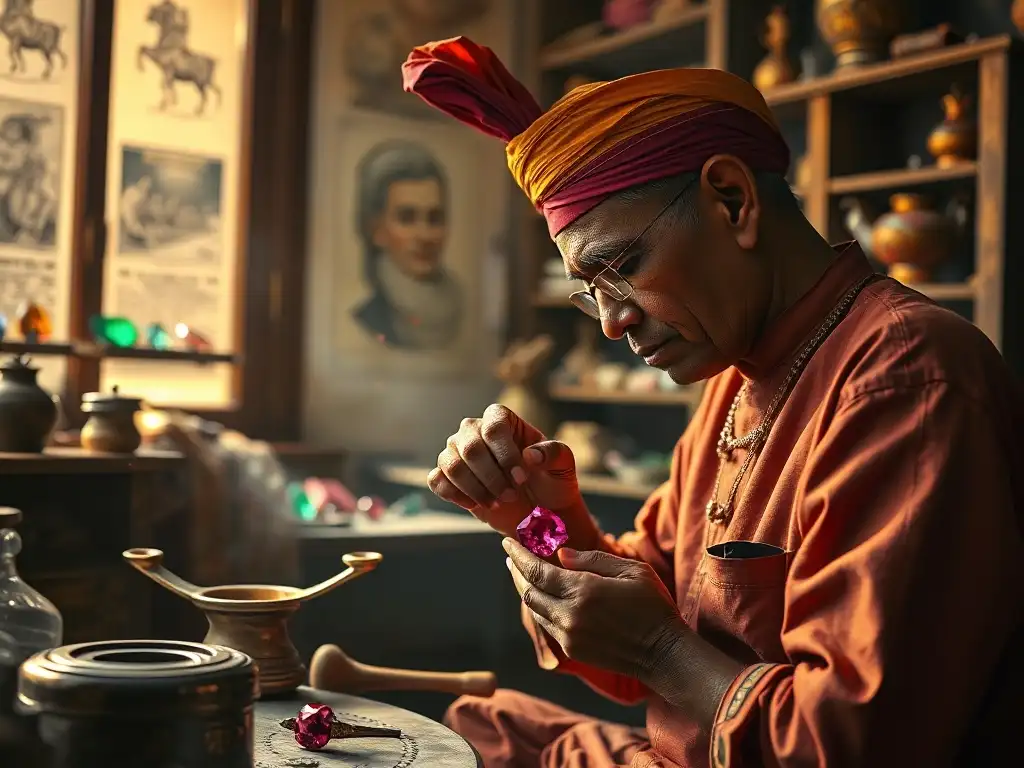
Reviving Ancient Techniques in Today's Jewelry Industry
The resurgence of interest in traditional craftsmanship is revitalizing the gemstone market in India. Ancient Indian gemstone techniques, which have been passed down through generations, are increasingly being adopted by modern jewelers. These techniques not only enhance the aesthetic appeal of jewelry but also emphasize the cultural heritage associated with each piece.
One of the most notable aspects of these ancient methods is the art of hand-cutting gemstones. Unlike contemporary mass production, this technique involves meticulous attention to detail, resulting in unique shapes and facets that reflect light in extraordinary ways. Additionally, the use of natural materials and organic dyes in jewelry design resonates with consumers who prioritize sustainability.
The incorporation of these ancient techniques into modern designs has led to the creation of hybrid styles that appeal to both traditional and contemporary tastes. For instance, jewelers are blending intricate Mughal designs with minimalist aesthetics to cater to a wider audience. This fusion not only preserves the rich legacy of Indian craftsmanship but also ensures its relevance in today’s fast-paced market.
Examples of Brands Utilizing Ancient Techniques
Several brands have embraced ancient Indian gemstone techniques, showcasing their commitment to preserving tradition while catering to modern consumer preferences. Some prominent examples include:
- Tanishq: Known for its exquisite gold jewelry, Tanishq incorporates traditional motifs and craftsmanship, often collaborating with artisans who specialize in ancient techniques.
- Amrapali: This brand draws inspiration from ancient Indian jewelry designs, utilizing techniques such as Kundan and Meena (enameling) to create breathtaking pieces that tell a story of heritage.
- Suhani Pittie: A contemporary designer who integrates traditional craftsmanship with modern aesthetics, Suhani’s collections often feature hand-cut gemstones and intricate detailing that reflect ancient techniques.
These brands not only highlight the beauty of ancient craftsmanship but also emphasize a narrative that connects consumers to the rich history of Indian jewelry.
How Ancient Techniques Attract High CPC in Online Sales
The rise of e-commerce has transformed the way consumers shop for gemstones and jewelry. Ancient Indian gemstone techniques play a significant role in driving higher Cost-Per-Click (CPC) rates in online advertisements. When brands market their products, emphasizing traditional craftsmanship and unique techniques appeals to a niche audience that values authenticity.
- Keywords: By incorporating keywords like "ancient Indian gemstone techniques" in their online marketing campaigns, brands can attract consumers interested in heritage and tradition, thereby increasing their visibility and CPC.
- Visual Storytelling: High-quality images and videos showcasing the intricate processes involved in ancient craftsmanship can create an emotional connection with potential buyers. This engagement often leads to higher conversion rates.
- Limited Editions: Products that highlight ancient techniques are often marketed as limited editions, creating a sense of urgency and exclusivity. This strategy not only drives up demand but also allows brands to charge premium prices.
As consumers lean towards products that resonate with their values, the integration of ancient techniques into modern marketing strategies is proving to be a lucrative venture.
Market Demand for Authenticity Rooted in Tradition
The modern consumer landscape is increasingly favoring products that reflect authenticity and a connection to the past. This trend is evident in the booming market for gemstones that are crafted using ancient Indian techniques.
Consumer Trends Favoring Handcrafted and Heritage Products
Research indicates that over 70% of millennials prefer purchasing handcrafted items over mass-produced alternatives. This shift is largely driven by a desire for unique products that tell a story and support sustainable practices.
- Heritage Appeal: Consumers are drawn to the rich history embedded in handcrafted jewelry. Pieces made using ancient techniques not only serve as adornments but also as conversation starters, linking wearers to a broader cultural narrative.
- Sustainability Concerns: As awareness about environmental issues grows, many consumers are seeking out brands that prioritize sustainability. Ancient techniques often utilize local materials and traditional methods, making them a more eco-friendly choice compared to modern manufacturing processes.
- Artisan Support: Purchasing jewelry that employs ancient techniques often means supporting local artisans and communities. This socio-economic aspect resonates with consumers who wish to make a positive impact through their purchases.
By aligning with these consumer trends, brands that leverage ancient Indian gemstone techniques can significantly enhance their market presence and cater to a growing audience that values authenticity and tradition.
Prominent Gemstone Markets in India Inspired by Ancient Techniques
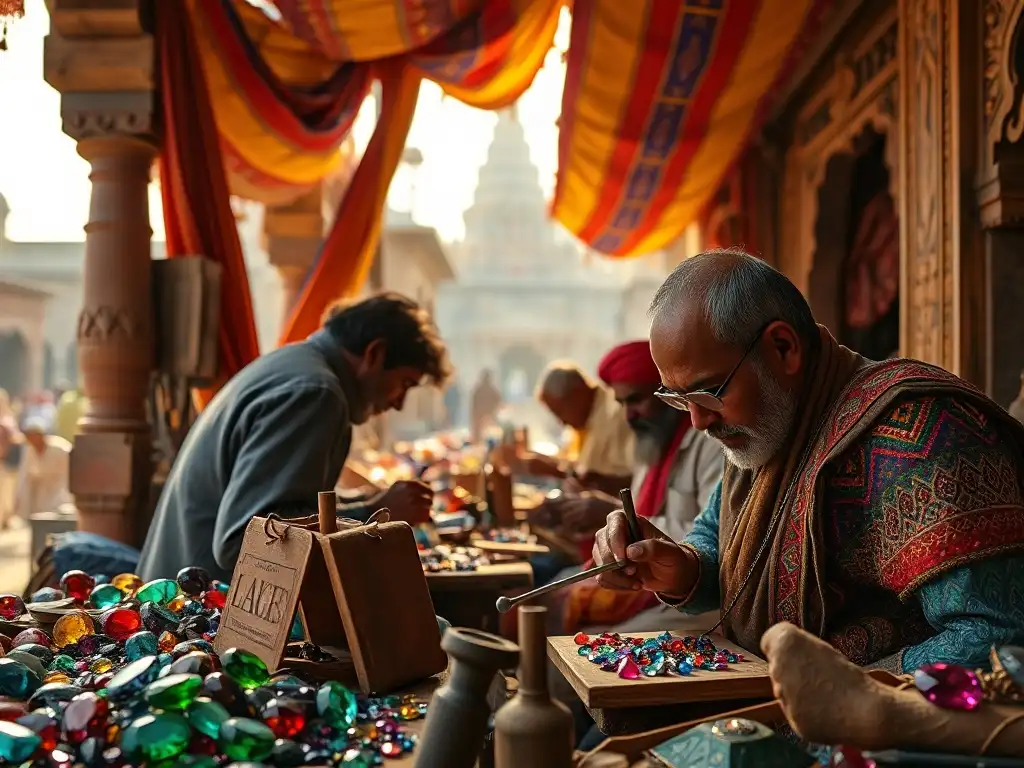
India is renowned for its vibrant gemstone markets, where the legacy of ancient craftsmanship continues to thrive. These markets not only showcase exquisite gemstones but also reflect the rich history of ancient Indian gemstone techniques that have been passed down through generations. The following sections delve into the prominent hubs of gemstone trading in India, highlighting their unique offerings and the artisans who keep these ancient techniques alive.
Gemstone Hubs: Jaipur, Surat, and Delhi
Overview of Each Market’s Unique Offerings
-
Jaipur
Known as the "Pink City," Jaipur is a major center for gemstone cutting and trading. The city is famous for its stunning blue sapphires, emeralds, and rubies. The ancient art of Kundan and Meenakari jewelry is prevalent here, where gemstones are set in gold using traditional methods. Jaipur's markets, such as Johari Bazaar and Bapu Bazaar, are bustling with shops offering handcrafted jewelry that showcases these age-old techniques.
-
Surat
Surat is often referred to as the diamond capital of India, specializing in diamond cutting and polishing. The city has embraced ancient techniques such as Bristol cutting and Rose cutting, which enhance the brilliance and sparkle of diamonds. The Surat Diamond Bourse is a state-of-the-art facility that connects local traders with international buyers, ensuring that traditional craftsmanship remains relevant in today's market.
-
Delhi
The capital city, Delhi, is a melting pot of cultures and traditions, reflected in its gemstone market. Here, one can find a mix of traditional and contemporary designs, with artisans employing ancient techniques like Lakh (lac) work and Polki (uncut diamonds). Markets such as Chandni Chowk and Janpath provide an array of gemstone options, from traditional pieces to modern interpretations, making it a vibrant hub for gemstone enthusiasts.
Recommended Shops and Artisans Embracing Ancient Techniques
- Jaipur
- Gem Palace: A family-run business known for its exquisite Kundan jewelry and rich heritage.
- Vijay Gems: Renowned for its authentic Meenakari pieces, blending traditional craftsmanship with modern designs.
- Surat
- Kiran Gems: A leading diamond manufacturer that utilizes ancient cutting techniques to enhance the beauty of its diamonds.
- Surat Diamond Company: Recognized for its commitment to preserving traditional diamond cutting practices while embracing modern technology.
- Delhi
- Rajesh Exports: Offers a wide range of Polki jewelry, maintaining the authenticity of ancient designs.
- Sangeeta Jewels: Specializes in Lakh jewelry, showcasing intricate craftsmanship that dates back centuries.
Online Marketplaces Supporting Ancient Craftsmanship
As the demand for authentic Indian gemstones grows, several online platforms have emerged to promote ancient craftsmanship. These marketplaces connect artisans directly with consumers, ensuring that traditional techniques are valued and preserved.
Platforms to Discover Authentic Indian Gemstones
-
Craftsvilla
This platform focuses on promoting handcrafted products from Indian artisans, including gemstones. It offers a wide range of jewelry made using ancient techniques, ensuring that customers receive authentic pieces.
-
Etsy
A global marketplace for handmade and vintage items, Etsy features many Indian artisans who specialize in traditional gemstone techniques. Buyers can explore unique, one-of-a-kind pieces that reflect India's rich heritage.
-
Amazon Handmade
This section of Amazon showcases artisans from around the world, including those from India who create jewelry using ancient gemstone techniques. Customers can discover a variety of authentic pieces while supporting traditional craftsmanship.
Affiliate Opportunities for Promoting Ancient Indian Gemstone Techniques
For those interested in promoting ancient Indian gemstone techniques, affiliate marketing offers a unique opportunity. By partnering with online marketplaces or individual artisans, affiliates can earn commissions by driving traffic and sales to their products.
- Affiliate Programs to Consider
- Craftsvilla Affiliate Program: Earn commissions by promoting handcrafted jewelry and supporting artisans.
- Etsy Affiliates: Promote unique, handcrafted items while connecting customers with traditional craftsmanship.
- Amazon Associates: Link to authentic Indian gemstone products and earn a commission on purchases made through your referrals.
Through these platforms and partnerships, the rich heritage of ancient Indian gemstone techniques can continue to flourish, ensuring that these time-honored practices remain an integral part of India's cultural identity.
Conclusion: The Lasting Legacy of Ancient Indian Gemstone Techniques
The legacy of ancient Indian gemstone techniques is profound, influencing not only the craftsmanship of gemstones but also the broader market dynamics in contemporary India. The skills honed over centuries, from the intricate carving methods of the Indus Valley Civilization to the intricate polishing techniques developed during the Mughal era, continue to inform modern practices.
Ancient artisans employed methods that prioritized quality and aesthetics, creating gemstones that were not just commodities but works of art. These techniques were handed down through generations, often within families, ensuring that the knowledge remained intact and evolved with time. Today, as the global demand for ethically sourced and high-quality gemstones rises, these ancient practices are being revisited and integrated into modern techniques.
The Future of Gemstone Crafting in India
As we look to the future of gemstone crafting in India, it becomes evident that the ancient techniques offer a valuable framework for sustainable and innovative practices. Here are a few trends that highlight this evolution:
- Integration of Technology: Modern craftsmen are beginning to incorporate technology into traditional methods. For instance, laser cutting and 3D printing are being used alongside age-old polishing techniques, resulting in precision and creativity that were previously unattainable.
- Revival of Traditional Skills: There is a growing movement to revive ancient crafts, with artisans trained in traditional techniques being recognized for their unique skills. This revival not only preserves cultural heritage but also enhances the value of gemstones in the market.
- Customization and Personalization: Consumers today prefer unique, personalized items over mass-produced products. Ancient Indian gemstone techniques, with their emphasis on bespoke craftsmanship, cater perfectly to this demand, enabling artisans to create one-of-a-kind pieces that tell a story.
- Focus on Ethical Sourcing: With a heightened awareness of ethical practices, many gemstone markets are now emphasizing the importance of sourcing materials responsibly. Ancient techniques, which often utilized local resources and labor, align with this trend, promoting sustainability in the gemstone industry.
Encouraging Sustainable Practices in Modern Markets
The integration of ancient Indian gemstone techniques into modern gemstone markets also aligns with the current global push for sustainability. Here are some key practices that can enhance sustainability:
- Local Sourcing of Materials: By sourcing gemstones locally, artisans reduce the carbon footprint associated with transportation and support the local economy. This practice echoes the methods of ancient craftsmen who relied on nearby resources.
- Craftsmanship over Industrialization: Emphasizing handcrafted techniques over industrial processes not only preserves cultural heritage but also ensures that artisans receive fair wages for their work. This approach can lead to a more equitable market.
- Education and Training: Encouraging the younger generation to learn ancient techniques through workshops and training programs can help preserve these skills. By fostering a new generation of artisans, the sustainability of these practices is ensured.
- Consumer Awareness: Educating consumers about the importance of supporting sustainable practices in the gemstone market can lead to more responsible purchasing decisions. Increased demand for ethically sourced gemstones can prompt more businesses to adopt these practices.
The ancient Indian gemstone techniques have left an indelible mark on the modern gemstone industry. By blending traditional craftsmanship with contemporary needs, India’s gemstone markets can thrive while honoring their rich heritage. The future of gemstone crafting, rooted in sustainability and cultural preservation, promises to be as vibrant and intricate as the gemstones themselves.
Frequently Asked Questions
What are ancient Indian gemstone techniques?
Ancient Indian gemstone techniques refer to the traditional methods used in the cutting, shaping, and polishing of gemstones, which have significantly influenced modern practices.
How did ancient Indian civilizations contribute to gemstone craftsmanship?
Civilizations like the Indus Valley and Gupta Empire developed advanced gemstone techniques, leading to intricate jewelry and paving the way for India’s global reputation in the gemstone market.
What impact do ancient techniques have on today's gemstone industry in India?
The heritage of ancient techniques enhances the authenticity and value of modern gemstones, attracting buyers interested in cultural significance and craftsmanship.
Are there specific gemstones associated with ancient Indian techniques?
Yes, gemstones such as rubies, sapphires, and emeralds were commonly used, and ancient techniques helped in enhancing their brilliance and clarity, making them highly sought after.
How can modern gemologists learn from ancient techniques?
Modern gemologists can study historical texts and practices to integrate traditional knowledge into contemporary methods, improving sustainability and artistry in gemstone handling.
Final Reflection: The Enduring Legacy of Ancient Indian Gemstone Techniques
The intricate relationship between ancient Indian gemstone techniques and today's vibrant gemstone markets in India underscores the timelessness of craftsmanship and tradition. As we navigate a world increasingly driven by technology and mass production, the art of gemstone cutting and polishing, honed over centuries, serves as a powerful reminder of the value of heritage and skill. The revival and adaptation of these ancient techniques not only enrich the market but also preserve a cultural identity that is at risk of fading away.
Cultural heritage is not merely a relic of the past; it is a living, breathing entity that shapes our present and future. The influence of ancient techniques on modern practices is evident in the meticulous craftsmanship that characterizes Indian gemstones today. As artisans blend traditional methods with contemporary designs, they create pieces that resonate with both history and modernity. Tradition is not the worship of ashes, but the preservation of fire.
This quote encapsulates the essence of how these ancient practices continue to ignite passion and innovation in the gemstone industry, fostering a unique identity that stands out in a global market.
As you reflect on the significance of ancient Indian gemstone techniques, consider how you can incorporate the lessons of tradition and craftsmanship into your own life. Embrace the beauty of heritage, whether through supporting local artisans, learning about the history behind the crafts you admire, or simply appreciating the stories embedded in the objects around you. By doing so, you not only honor the past but also contribute to a future where these invaluable techniques continue to thrive, inspiring generations to come.
Unlock the Secrets of Gemstone Wisdom Today!
Thank you for exploring the fascinating intersection of ancient techniques and modern gemstone markets in India. We hope you gained valuable insights into how history shapes contemporary practices and the vibrant world of gemstones. Now, it’s time to put this knowledge into action!
- Explore local gemstone markets in your area or online to discover unique pieces that reflect traditional craftsmanship.
- Share your newfound knowledge with friends by discussing how historical practices continue to influence today’s designs and trends.
- Join a local gemology club or an online community to connect with fellow enthusiasts eager to delve deeper into this captivating subject.
What unique gemstone story or piece have you encountered recently that resonates with you?