
The Legacy of Chandragupta Maurya: Lessons for Modern Leadership

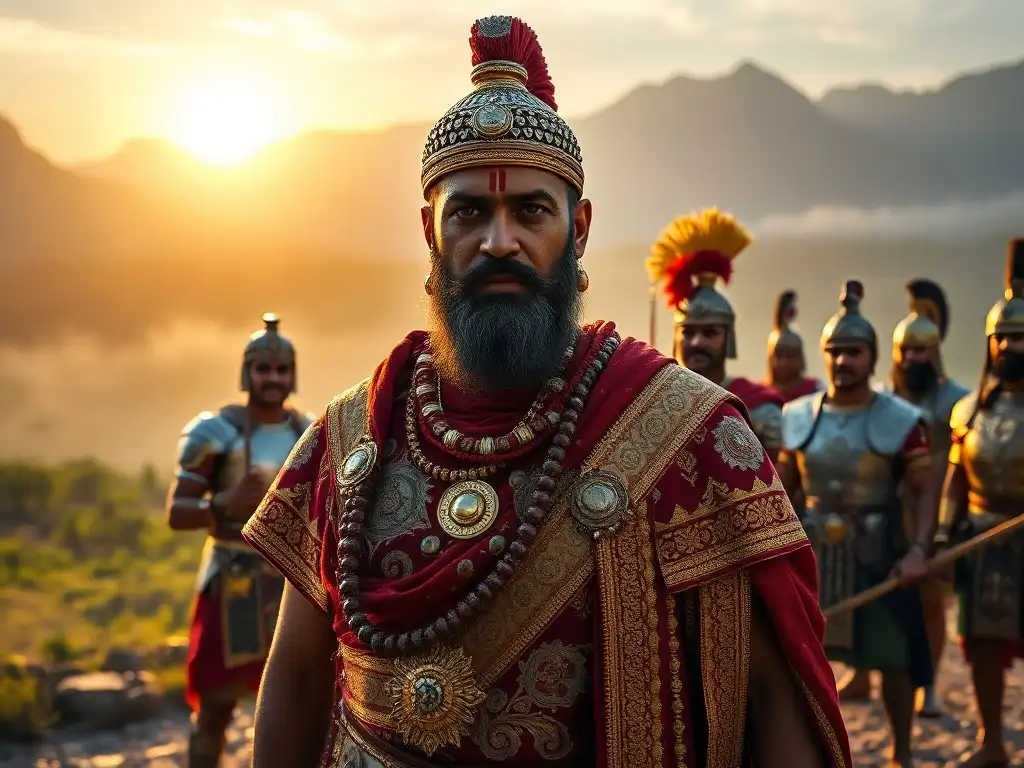
Welcome to Ancient India History, where we embark on a journey through the rich tapestry of ancient Indian civilizations, exploring their remarkable contributions and vibrant cultures. In our spotlight today is the enigmatic figure of Chandragupta Maurya, whose leadership lessons resonate profoundly in our modern world. What can the strategies and decisions of this legendary ruler teach us about effective leadership today? Prepare to delve into the legacy of Chandragupta Maurya and uncover insights that transcend time, inviting you to explore the depths of history and its relevance in shaping contemporary leadership. Curious to learn more? Let’s dive in!
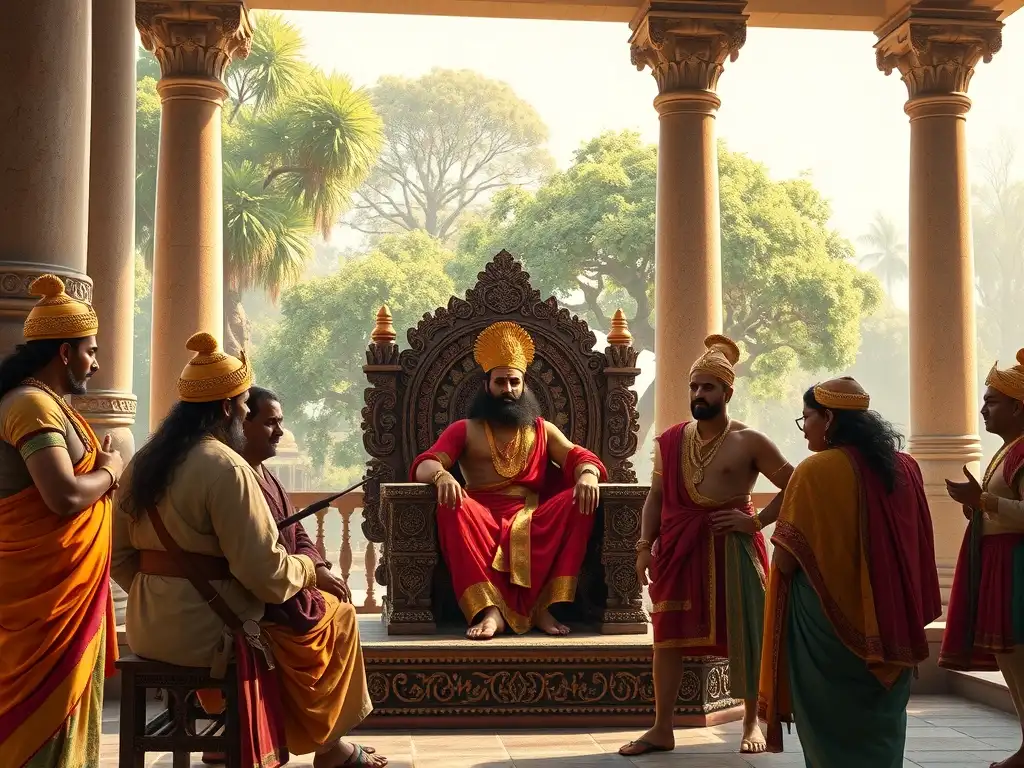
Chandragupta Maurya, the founder of the Mauryan Empire, stands as a monumental figure in ancient Indian history, revered not only for his military prowess but also for his exceptional leadership skills. His journey from a modest background to the establishment of one of the largest empires in the Indian subcontinent offers a treasure trove of insights that remain remarkably relevant to contemporary leadership.
This article delves into the profound legacy of Chandragupta Maurya, uncovering valuable lessons in leadership that modern leaders can adopt to navigate today's complex challenges. From strategic governance to ethical decision-making, Chandragupta's approach can guide contemporary leadership practices, ensuring that the wisdom of the past informs the paths of the future.
Introduction to Chandragupta Maurya
Chandragupta Maurya emerged as a pivotal leader in the 4th century BCE, laying the foundation for a vast empire that would transform the political landscape of ancient India. His rise to power was not merely a tale of conquest; it was a narrative woven with strategic acumen, alliance-building, and an understanding of the socio-political dynamics of his time. As we explore his historical significance, we unveil the multifaceted aspects of his leadership that left an indelible mark on Indian history.
Overview of Chandragupta Maurya's Historical Significance
Chandragupta's historical significance is underscored by his role in unifying numerous fragmented kingdoms into a single empire, which heralded the beginning of the Mauryan dynasty. His reign marked a departure from the earlier political structures, establishing a centralized administration that emphasized effective governance and public welfare. Notably, he was a student of Chanakya, a brilliant strategist and philosopher, whose guidance played a crucial role in shaping Chandragupta's policies and methodologies. The Mauryan Empire under his leadership not only expanded territorially but also saw advancements in trade, arts, and culture, making it a beacon of civilization in the ancient world.
The Impact of Mauryan Empire on Ancient India
The Mauryan Empire, under Chandragupta, set a precedent for future Indian empires in terms of governance and administration. It introduced a bureaucratic system that prioritized efficiency and accountability. The empire's extensive road networks and trade routes facilitated economic prosperity, while its promotion of Buddhism and Jainism fostered a spirit of tolerance and cultural exchange. The legacy of the Mauryan Empire is evident in the political and cultural developments that followed, influencing subsequent empires and shaping the historical trajectory of the Indian subcontinent.
Understanding Leadership in the Context of Chandragupta Maurya
In examining Chandragupta Maurya's leadership, it is essential to contextualize it within the frameworks of ancient Indian political thought. His approach to leadership encompassed not only the art of war and conquest but also the philosophy of governance that emphasized ethical considerations, social responsibility, and the well-being of the populace. This comprehensive understanding of leadership can provide valuable insights for modern leaders seeking to create impact in their respective fields.
Defining Leadership: Insights from Ancient India
Leadership in ancient India was often characterized by a blend of strength, wisdom, and moral integrity. Chandragupta exemplified this ideal through his decisive actions and strategic foresight. His ability to inspire loyalty among his followers and his commitment to the welfare of the state reflect a holistic approach to leadership that transcends mere authority. By studying these ancient insights, contemporary leaders can cultivate a leadership style that balances assertiveness with empathy, ensuring they lead with both strength and compassion.
Key Leadership Traits Exhibited by Chandragupta Maurya
Chandragupta Maurya embodied several key leadership traits that contributed to his success:
- Visionary Thinking: He had a clear vision for a unified India, which guided his strategic decisions.
- Strategic Acumen: His ability to devise military strategies and diplomatic alliances was crucial to his conquests.
- Moral Integrity: Chandragupta's ethical considerations in governance fostered trust and loyalty among his subjects.
- Adaptability: He demonstrated the ability to adapt to changing circumstances, a vital trait for any leader.
By embracing these traits, modern leaders can draw inspiration from Chandragupta's legacy, applying these lessons to foster effective and responsible leadership in today's world.
The Strategic Mind of Chandragupta Maurya
Chandragupta Maurya, the founder of the Maurya Empire, is often remembered for his profound strategic acumen that laid the foundation of one of ancient India's most powerful empires. His ability to foresee challenges and devise plans to confront them was a hallmark of his leadership style. This strategic mindset not only contributed to the consolidation of power but also ensured the stability and prosperity of his empire. Chandragupta's strategies were multifaceted, encompassing military tactics, diplomatic maneuvers, and administrative innovations that can serve as valuable lessons for modern leaders.
Military Strategies and Leadership Techniques
Chandragupta's military strategies were instrumental in his rise to power. He adeptly utilized guerrilla warfare, taking advantage of the terrain and local support to outmaneuver larger, more established armies. One notable instance was his campaign against the Nanda Empire, where he effectively capitalized on weaknesses within the enemy ranks, demonstrating his ability to think critically in high-pressure situations.
His leadership techniques were equally significant. Chandragupta inspired loyalty among his troops through a combination of charisma and rigorous training. He understood the importance of morale and discipline, ensuring that his soldiers were not only well-prepared but also deeply committed to his vision. By fostering a culture of respect and honor, he secured unwavering support from his warriors, which was pivotal during conflicts.
Diplomacy and Statecraft: Learning from Maurya's Approach
Chandragupta's approach to diplomacy was as strategic as his military endeavors. He recognized that alliances could be just as powerful as armies. Through shrewd negotiations and marriages, he expanded his influence without bloodshed, demonstrating the effectiveness of strategic partnerships. One of his key alliances was with the Greek general Seleucus I Nicator, which not only solidified his position but also opened pathways for trade and cultural exchange.
Furthermore, his statecraft emphasized the importance of intelligence and information gathering. Chandragupta employed spies to monitor both internal and external threats, ensuring that he remained one step ahead of potential rivals. This proactive stance in statecraft highlights the significance of being well-informed and adaptable in leadership roles today.
Governance and Administration under Chandragupta Maurya
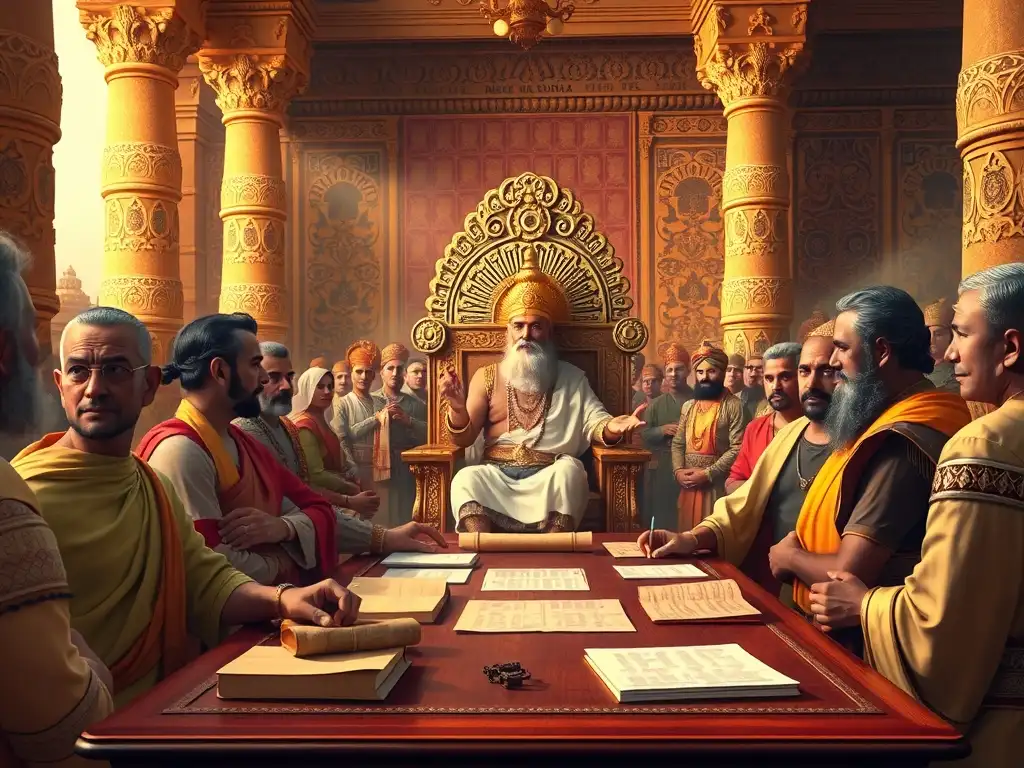
Chandragupta Maurya's governance model was groundbreaking for its time and laid the groundwork for future administrations in India. His approach to governance was characterized by a blend of strong centralized authority and local autonomy, creating a balanced system that catered to a diverse population.
Establishing a Bureaucratic System
One of Chandragupta's most significant contributions was the establishment of a bureaucratic system that streamlined governance. He appointed skilled officials to oversee various regions and departments, ensuring that the needs of the populace were met efficiently. This bureaucratic structure facilitated effective tax collection, law enforcement, and public welfare initiatives.
Moreover, Chandragupta's reliance on a merit-based system for appointing officials helped in reducing corruption and favoritism, fostering a sense of accountability within the administration. This model serves as a critical lesson for modern leaders, emphasizing the necessity of a competent bureaucracy in achieving administrative effectiveness.
Economic Policies and Their Modern Implications
Chandragupta Maurya implemented progressive economic policies that promoted trade, agriculture, and industry. He recognized the importance of a strong economy for the stability of his empire, leading to the establishment of trade routes that connected various regions. His administration invested in infrastructure, such as roads and irrigation systems, which enhanced agricultural productivity and facilitated commerce.
The implications of his economic policies extend to contemporary governance, where a focus on sustainable development and infrastructure investment is crucial. By prioritizing economic growth through strategic planning and resource management, modern leaders can draw inspiration from Chandragupta’s legacy to foster prosperity and stability in their own regions.
The leadership lessons from Chandragupta Maurya offer invaluable insights for contemporary leaders. His strategic mind, adept military tactics, diplomatic finesse, robust governance, and economic foresight illuminate pathways for effective leadership in today’s complex world.
Lessons in Resilience and Adaptability
Chandragupta Maurya's rise to power is a testament to his remarkable resilience and adaptability in the face of adversity. His journey from a humble background to the founder of one of the largest empires in ancient India offers valuable insights for modern leaders grappling with challenges. Resilience, defined as the ability to recover from difficulties, was a cornerstone of Chandragupta's character. He faced numerous obstacles, including the formidable Nanda Empire, political instability, and personal betrayals, yet he persisted with unwavering determination.
Adaptability played a crucial role in his success. Chandragupta demonstrated an acute awareness of his environment, which allowed him to modify his strategies effectively in response to changing circumstances. His ability to learn from each encounter and adjust his tactics ensured that he remained relevant and effective in his leadership. This combination of resilience and adaptability is essential for contemporary leaders who must navigate the complexities of a rapidly evolving world.
Overcoming Challenges: Chandragupta Maurya's Journey
Chandragupta Maurya's journey to power began in the shadows of the Nanda Empire, where he faced the daunting challenge of overthrowing a well-established dynasty. With limited resources and a small band of followers, he relied on strategic alliances and the wisdom of his mentor, Chanakya. Together, they devised a plan that capitalized on the weaknesses of their adversaries.
One of the pivotal moments in his early life was his confrontation with the Nandas, which required not only tactical brilliance but also an understanding of the political landscape. Chandragupta's ability to inspire and rally support from various factions, including local rulers and warriors, illustrates how effective communication and relationship-building can lead to overcoming significant challenges. His journey reinforces the idea that leaders must be prepared to face and adapt to obstacles, using every setback as an opportunity for growth.
Embracing Change: How Adaptability Shaped His Leadership
Chandragupta's adaptability was evident in his approach to governance and military strategy. He recognized the need to evolve in response to the changing dynamics of his empire. For instance, after successfully establishing his rule, he shifted from a purely militaristic approach to one that emphasized governance and administration. He implemented policies that promoted trade, agriculture, and infrastructure, which helped stabilize and enrich his empire.
Moreover, Chandragupta's willingness to embrace new ideas, such as those advocated by Chanakya in the Arthashastra, allowed him to refine his leadership style continuously. His adaptability extended to forming alliances with various groups, including former enemies, to ensure the empire's stability. This lesson in embracing change is critical for modern leaders who must remain flexible and open-minded in a world characterized by rapid transformations.
Ethical Leadership and Moral Values
Chandragupta Maurya's leadership was not solely defined by his military conquests; it was also deeply rooted in ethical principles and moral values. His commitment to dharma, or righteousness, shaped his approach to governance and leadership. This aspect of his legacy offers valuable lessons for contemporary leaders striving to create a positive impact in their organizations and communities.
The Role of Dharma in Chandragupta Maurya's Leadership
Dharma played a central role in Chandragupta's leadership philosophy. He believed that a ruler's primary duty was to uphold justice and ensure the welfare of his subjects. This belief guided his decisions and policies, fostering a sense of trust and loyalty among his people. By prioritizing the well-being of his subjects and adhering to moral principles, he established a legacy that emphasized the importance of ethical governance.
Furthermore, his alignment with dharma helped him navigate the complexities of political life. Chandragupta understood that true leadership goes beyond the acquisition of power; it encompasses responsibility and accountability towards the people. This commitment to ethical leadership is a crucial lesson for modern leaders, who must navigate ethical dilemmas in their decision-making processes.
Integrity and Justice: Principles for Modern Leaders
Chandragupta's emphasis on integrity and justice serves as a guiding principle for today's leaders. His administration was marked by a commitment to fair governance, where laws were applied uniformly, and justice was accessible to all. This approach not only strengthened his rule but also fostered social harmony within his empire.
Modern leaders can learn from Chandragupta's example by prioritizing transparency and fairness in their organizations. Upholding ethical standards and promoting a culture of integrity can lead to greater trust among team members and stakeholders. In an era where ethical breaches can lead to significant repercussions, Chandragupta's legacy reminds us that commitment to justice and integrity is essential for sustainable leadership.
Embracing these principles can help modern leaders navigate the complexities of their roles, ensuring that they build organizations that are not only successful but also principled and just.
Building Alliances and Networks
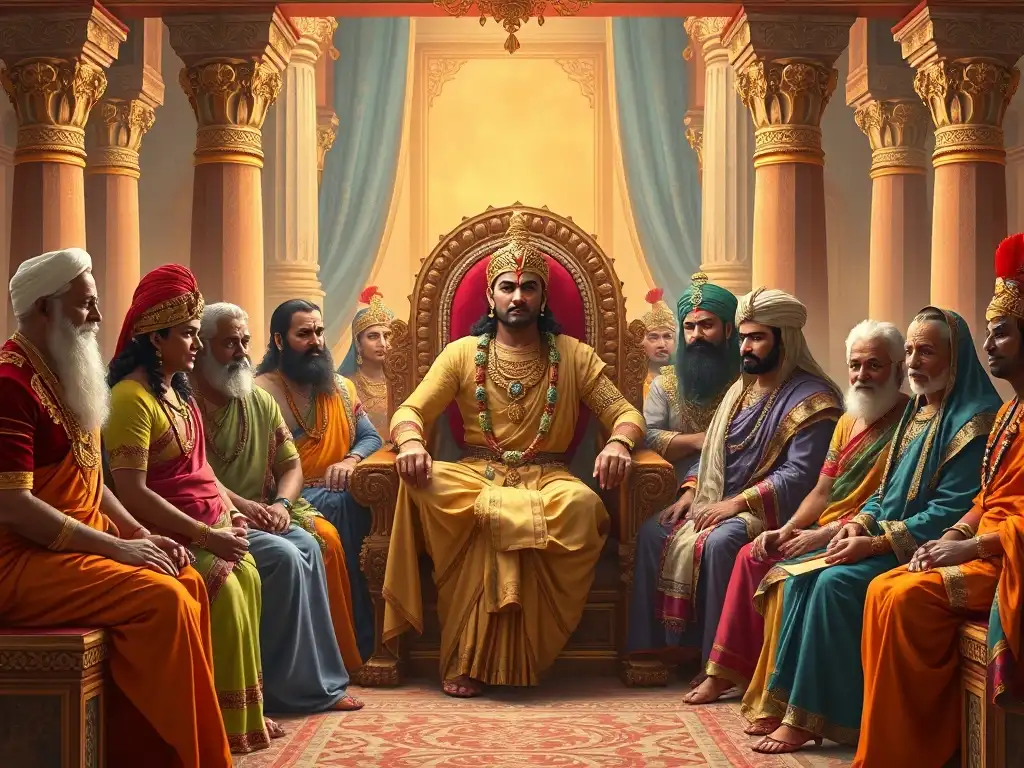
Building strong alliances and networks has always been a cornerstone of effective leadership. Chandragupta Maurya, the founder of the Maurya Empire, exemplified this principle through his strategic partnerships and collaborations. His ability to forge alliances with influential figures and neighboring kingdoms played a crucial role in the expansion and consolidation of his empire. In ancient times, as in today’s world, relationships can enhance a leader’s ability to navigate challenges and leverage opportunities.
The Importance of Relationships in Leadership
In the realm of leadership, relationships serve as the foundation for trust, collaboration, and influence. Leaders who invest time in cultivating meaningful connections with others—be they allies, subordinates, or even competitors—are often better equipped to inspire loyalty and drive collective goals. The relationships leaders maintain can provide them with critical insights, resources, and support during turbulent times.
Chandragupta Maurya understood this well. He surrounded himself with wise advisors, such as Chanakya, who not only provided strategic counsel but also helped him establish vital networks that were essential for his rise to power. The lessons drawn from his approach remind modern leaders of the need to prioritize relationship-building as a means to foster collaboration and ensure the success of their initiatives.
Chandragupta Maurya's Alliances: Lessons for Today’s Leaders
Chandragupta's ability to create alliances extended beyond mere political maneuvers. He engaged in diplomacy, marriage alliances, and strategic partnerships, which were instrumental in consolidating his power. For instance, his collaboration with Chanakya, a brilliant strategist and philosopher, served as a catalyst for his success, demonstrating the value of surrounding oneself with knowledgeable and capable individuals.
Modern leaders can draw several lessons from Chandragupta’s approach to alliances:
- Strategic Collaborations: Seek partnerships that complement your strengths and counterbalance weaknesses. Just as Chandragupta allied with local rulers and influential figures, today’s leaders should identify synergies that can enhance their strategic positions.
- Mutual Benefits: Focus on creating win-win scenarios. Alliances should be built on mutual respect and shared goals, fostering an environment where all parties feel valued and empowered.
- Flexibility and Adaptability: Be prepared to adjust your alliances as circumstances change. Chandragupta’s ability to adapt to the shifting political landscape was essential for his long-term success; modern leaders must also remain agile in their relationships.
Conclusion: The Relevance of Chandragupta Maurya's Leadership Lessons Today
Chandragupta Maurya’s leadership embodies principles that remain relevant in contemporary contexts. His legacy serves as a powerful reminder that successful leadership is not solely about authority or power but rather about cultivating relationships and collaborating with others to achieve common goals. The lessons from his life encourage leaders today to harness the power of alliances to navigate complex challenges and drive progress.
Key Takeaways for Modern Leadership
- Invest in Relationships: Prioritize relationship-building as a core leadership strategy. The strength of a leader’s network can significantly impact their effectiveness.
- Embrace Diversity: Leverage diverse perspectives by building alliances with a wide range of stakeholders, fostering innovation and creativity.
- Balance Power Dynamics: Understand the dynamics of power in relationships and strive to create equitable partnerships that empower all parties involved.
How Ancient Leadership Principles Can Influence Today’s Leaders
Ancient leadership principles, such as those exemplified by Chandragupta Maurya, offer timeless wisdom for today's leaders. The emphasis on strategic alliances, adaptability, and relationship-building can guide modern leaders in their quest for success. By studying historical figures and their approaches, contemporary leaders can gain valuable insights that inform their strategies and enhance their effectiveness in an ever-evolving landscape. Embracing these lessons not only honors the legacy of great leaders like Chandragupta but also equips today’s leaders with the tools necessary for navigating the complexities of modern governance and business.
Further Reading on Chandragupta Maurya and Leadership in Ancient India
To deepen your understanding of Chandragupta Maurya and the principles of leadership he exemplified, a variety of resources are available. These works explore not only the life and achievements of Chandragupta but also the broader context of leadership in ancient India. Engaging with these texts provides valuable insights into the political, social, and cultural frameworks that shaped leadership during that era.
Recommended Books and Articles
-
"The Arthashastra" by Kautilya (Chanakya)
This ancient Indian treatise on statecraft, economic policy, and military strategy was written by Kautilya, who was a mentor and advisor to Chandragupta Maurya. It offers profound insights into political leadership and governance that remain relevant today.
-
"Chandragupta Maurya: The Rise of the Mauryan Empire" by [Author Name]
This book delves into the life of Chandragupta, tracing his journey from a young leader to the founder of one of India's greatest empires. It analyzes his strategies and their lasting impact on leadership.
-
"The Mauryan Empire" by [Author Name]
This comprehensive examination touches upon the political, economic, and cultural aspects of the Mauryan Empire, highlighting Chandragupta's role in its establishment and consolidation.
-
"Leadership Lessons from Ancient India" by [Author Name]
This article juxtaposes principles of leadership from ancient Indian leaders, including Chandragupta, with modern leadership theories, providing practical takeaways for contemporary leaders.
-
"The Rise of the Maurya Dynasty: Chandragupta and His Legacy"
This research paper discusses the political strategies employed by Chandragupta and how they can be applied to modern leadership challenges.
-
"Chandragupta Maurya: A Historical Perspective" by [Author Name]
This scholarly article offers a detailed exploration of Chandragupta's life, his tactical acumen, and the philosophical ideas that underpinned his leadership style.
Exploring Other Key Historical Figures in Ancient Indian Leadership
In addition to Chandragupta Maurya, several other historical figures in ancient India exemplify notable leadership qualities and strategies. Learning about these leaders can provide a broader perspective on effective governance and leadership.
-
Ashoka the Great
The grandson of Chandragupta Maurya, Ashoka is renowned for his transformation from a fierce warrior to a promoter of peace and Buddhism. His reign is marked by policies of non-violence and social welfare, offering vital lessons on ethical leadership.
-
Kautilya (Chanakya)
As the chief advisor to Chandragupta, Kautilya's strategic insights and political philosophy played a crucial role in the establishment of the Mauryan Empire. His teachings continue to influence leaders in various fields.
-
Harsha Vardhana
A prominent emperor of North India, Harsha is known for his administrative skills and efforts to promote trade and culture. His leadership style emphasizes the importance of public welfare and cultural patronage.
-
Rani Durgavati
A fierce warrior queen, Rani Durgavati fought valiantly against the Mughal invaders. Her leadership exemplifies courage and resilience, showcasing the role of women in ancient Indian history.
-
Chola Dynasty Leaders
The Chola rulers, particularly Rajaraja Chola I and Rajendra Chola I, were known for their military prowess and administrative innovations. Their contributions to trade, architecture, and governance provide lessons in effective and visionary leadership.
These figures collectively enrich our understanding of ancient Indian leadership and provide valuable insights that can be applied to modern contexts. Exploring their legacies alongside that of Chandragupta Maurya reveals a tapestry of strategies, philosophies, and practices that continue to resonate today.
- Introduction to Chandragupta Maurya
- Understanding Leadership in the Context of Chandragupta Maurya
- The Strategic Mind of Chandragupta Maurya
- Governance and Administration under Chandragupta Maurya
- Lessons in Resilience and Adaptability
- Ethical Leadership and Moral Values
- Building Alliances and Networks
- Conclusion: The Relevance of Chandragupta Maurya's Leadership Lessons Today
- Further Reading on Chandragupta Maurya and Leadership in Ancient India
- What are the main contributions of Chandragupta Maurya to ancient India?
- How did Chandragupta Maurya demonstrate effective leadership?
- What lessons can modern leaders learn from Chandragupta Maurya?
- How did Chandragupta Maurya’s leadership style differ from others?
- Why is studying Chandragupta Maurya important for understanding ancient Indian history?
Frequently Asked Questions
What are the main contributions of Chandragupta Maurya to ancient India?
Chandragupta Maurya is known for establishing the Maurya Empire, unifying most of the Indian subcontinent, and implementing a system of effective governance that laid the foundation for future empires.
How did Chandragupta Maurya demonstrate effective leadership?
He showcased strategic brilliance by forming alliances, employing skilled advisors like Chanakya, and focusing on administrative efficiency, which are crucial lessons for modern leaders.
What lessons can modern leaders learn from Chandragupta Maurya?
Modern leaders can learn the importance of visionary thinking, adaptability in strategy, and the value of building strong alliances, all of which were pivotal in Chandragupta's success.
How did Chandragupta Maurya’s leadership style differ from others?
Chandragupta’s leadership was marked by a blend of military prowess and political acumen, emphasizing both strength and diplomacy, which is essential for contemporary leadership.
Why is studying Chandragupta Maurya important for understanding ancient Indian history?
Studying Chandragupta Maurya offers insights into the political dynamics and cultural development of ancient India, showcasing how his leadership shaped the region's history and governance.
Final Reflection: Embracing the Legacy of Chandragupta Maurya's Leadership Lessons
The leadership principles exemplified by Chandragupta Maurya resonate profoundly in today's world, where effective leadership is more crucial than ever. In an era marked by rapid change and uncertainty, the ability to unite diverse groups and inspire collective action is a skill that can transform societies. Chandragupta's journey from a humble beginning to the founder of one of the largest empires in ancient India serves as a powerful reminder that visionary leadership can shape destinies and create lasting legacies.
The lessons drawn from Chandragupta's life continue to influence modern leadership paradigms, emphasizing the importance of strategic thinking, adaptability, and ethical governance. His story encourages us to reflect on the qualities that define effective leaders today. As Mahatma Gandhi once said, "> The best way to find yourself is to lose yourself in the service of others." This sentiment echoes the essence of Chandragupta's leadership, which was rooted in service to his people and the greater good, reminding us that true leadership is about uplifting others and fostering a sense of community.
As we contemplate the teachings of Chandragupta Maurya, let us take this opportunity to integrate these lessons into our own lives and leadership styles. Consider how you can embody the principles of resilience, vision, and service in your daily interactions and decision-making processes. By doing so, we not only honor the legacy of a great leader but also pave the way for a future where leadership is synonymous with integrity and purpose. Embrace the challenge to lead with intention, and let the wisdom of the past guide you toward a brighter tomorrow.
Embrace Leadership Lessons from the Past!
Thank you for taking the time to explore the remarkable legacy of **Chandragupta Maurya**! By delving into his strategies and principles, you've gained invaluable insights that can shape your own leadership journey. Now, it's time to put that knowledge into action!
Here are some steps to help you harness the power of Chandragupta's legacy:
- Reflect on Your Leadership Style: Identify key traits that resonate with you and think about how you can incorporate them into your daily practice.
- Engage in Community Conversations: Join local groups focused on leadership and share your thoughts on ancient strategies that inspire you.
- Start a Leadership Journal: Document your leadership experiences and how they relate to lessons learned from Maurya, encouraging personal growth and clarity.
As you embark on this journey, consider this: What key leadership principle from Chandragupta Maurya do you believe could transform the way you lead today? Share your thoughts and join the conversation!