
Exploring Jain Mysticism: Ancient Practices and Their Spiritual Significance


Welcome to Ancient India History, where we embark on a fascinating journey through time, uncovering the rich tapestry of India's ancient civilizations. In our featured article, "Exploring Jain Mysticism: Ancient Practices and Their Spiritual Significance," we delve into the profound world of Jain mysticism and its age-old traditions. What are the spiritual practices that have shaped the lives of countless individuals throughout history? Join us as we explore the depths of these ancient practices, revealing insights that might just transform your understanding of spirituality and heritage. Your adventure into the mystical realms of ancient India starts here!
Introduction to Jain Mysticism
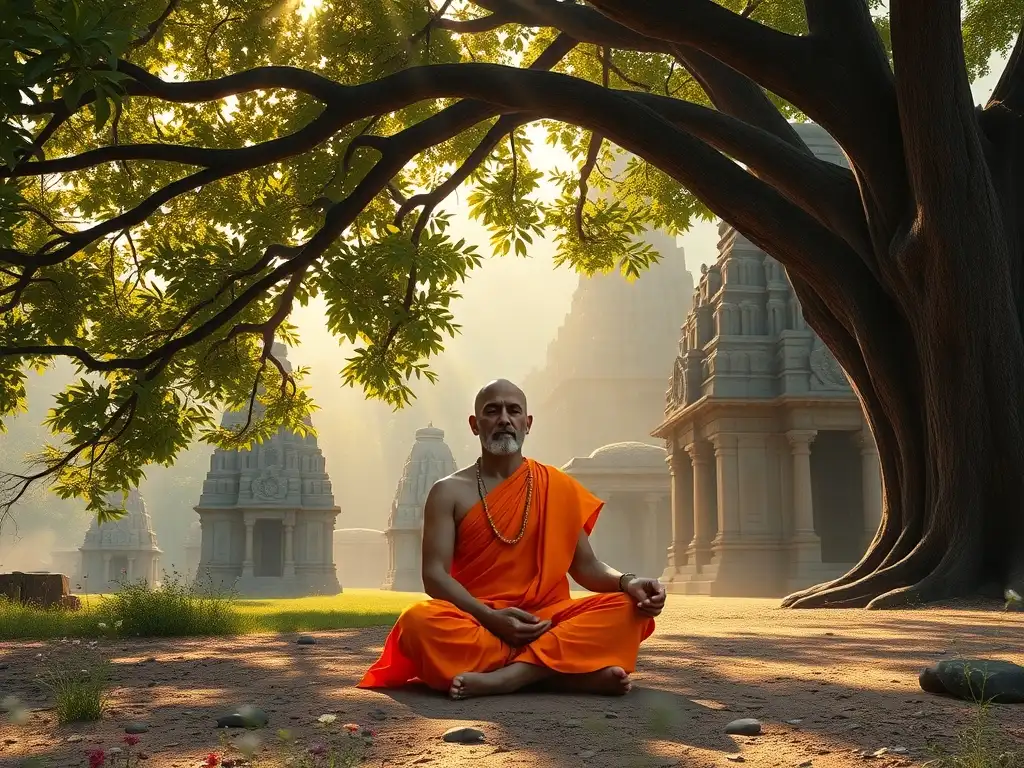
Jain mysticism represents a profound aspect of Jainism, encapsulating the spiritual practices, philosophical teachings, and ethical principles that have shaped this ancient religion since its inception. Rooted in the traditions of Ancient India, Jainism emphasizes non-violence, truth, and asceticism, all of which are intricately woven into the fabric of Jain mysticism.
This article delves into the Jain mysticism ancient practices, exploring their historical context and spiritual significance within the Jain community and beyond. By understanding these practices, we gain insights into how they have influenced not only Jain followers but also the broader tapestry of Indian spirituality and ethical living.
Definition of Jain Mysticism
Jain mysticism can be defined as the exploration of the spiritual and metaphysical aspects of Jain beliefs and practices. It encompasses a variety of elements, including meditation, rituals, and ascetic practices aimed at fostering a deep connection with the soul and the universe. At its core, Jain mysticism seeks liberation (moksha) from the cycle of birth and death (samsara) through self-discipline, ethical living, and the realization of ultimate truth.
Overview of Ancient Practices in Jainism
Ancient Jain practices are diverse and include:
- Meditation: A key component of Jain mysticism, meditation helps practitioners attain inner peace and clarity. Techniques such as Samayika (equanimity) promote a balanced state of mind, essential for spiritual growth.
- Fasting: Jains observe various forms of fasting, which serve as a means of self-purification and discipline. These fasts can range from complete abstention from food to limited diets.
- Rituals and Worship: Rituals involve offerings, prayers, and ceremonies dedicated to Tirthankaras (spiritual teachers) and are integral to community life, reinforcing spiritual teachings and ethical values.
- Ascetic Practices: Many Jains undertake rigorous ascetic practices, including renunciation of worldly possessions and living a life of simplicity to cultivate detachment and focus on spiritual advancement.
Importance of Spiritual Significance in Jain Traditions
The spiritual significance of Jain practices cannot be overstated. These practices foster a sense of connection with the divine and the cosmos, guiding practitioners toward higher states of consciousness. They emphasize:
- Ahimsa (Non-violence): The foundational principle of Jainism, promoting respect for all living beings.
- Aparigraha (Non-possessiveness): Encouraging detachment from material possessions, which is vital for spiritual liberation.
- Karma and Rebirth: Understanding the implications of one's actions on the soul's journey reinforces ethical living and responsibility.
Historical Context of Jain Mysticism
To fully appreciate Jain mysticism, it is essential to examine its historical context, which provides insight into its development and evolution over millennia.
Origins of Jain Mysticism in Ancient India
Jainism traces its origins to the ancient spiritual tradition of India, with its roots believed to extend back to the 7th–5th centuries BCE. The teachings of Mahavira, the 24th Tirthankara, significantly shaped Jain mysticism as he emphasized the importance of personal spiritual experience, ethical conduct, and the pursuit of liberation. This early period was marked by a rich exchange of ideas with contemporaneous philosophies such as Buddhism and Hinduism, leading to a unique development of mystical practices.
Key Figures in Jain History and Their Contributions
Throughout Jain history, several key figures have emerged, each contributing to the development of Jain mysticism:
- Mahavira: The most prominent figure in Jainism, whose teachings form the basis of Jain philosophy and practices.
- Parshvanatha: Preceding Mahavira, he laid the groundwork for Jain ethical principles, including non-violence and truthfulness.
- Akkara: An influential Jain monk whose writings on asceticism and meditation enriched Jain mystical literature.
Influence of Jainism on Other Ancient Indian Religions
Jainism's impact on other ancient Indian religions is profound. Its principles of non-violence and compassion found resonance in Buddhism and have influenced Hindu practices as well. The emphasis on asceticism and meditation in Jainism contributed to the spiritual discourse of the time, fostering a climate of philosophical exploration that shaped the spiritual landscape of Ancient India.
Jain mysticism is a rich and complex tapestry of spiritual practices and beliefs that continue to resonate today, reflecting the timeless quest for truth and liberation in the human experience.
Core Principles of Jain Mysticism
Jain mysticism is deeply rooted in the core principles of Jainism, which emphasize the pursuit of spiritual purity and liberation (moksha). Central to these principles are concepts that guide practitioners in their daily lives and spiritual journeys. The essence of Jain mysticism lies in understanding and embodying these foundational tenets, which include Ahimsa (non-violence), Aparigraha (non-possessiveness), and a strong emphasis on meditation and self-discipline. Each of these principles serves as a pathway to achieving spiritual enlightenment and reflecting the profound interconnectedness of all living beings.
The Concept of Ahimsa (Non-violence)
Ahimsa is the cornerstone of Jain philosophy and mysticism. It represents the commitment to non-violence in thought, word, and action. This principle extends beyond mere abstention from physical harm; it encompasses emotional and verbal non-violence as well. Jains believe that all living beings possess a soul and are interconnected, thus any act of harm, whether intentional or unintentional, creates negative karma that hampers spiritual progress.
The practice of Ahimsa is manifested in various ways:
- Dietary Choices: Jains adhere to strict vegetarianism, avoiding all forms of life, including plants that are uprooted.
- Daily Conduct: Practitioners engage in mindful actions to avoid harm, like sweeping the ground before walking or using a mask to prevent inhaling small insects.
- Compassion: Ahimsa fosters a sense of compassion towards all sentient beings, encouraging empathy and understanding.
Through the practice of Ahimsa, Jains aspire to purify their souls, thus moving closer to liberation.
The Role of Aparigraha (Non-possessiveness)
Aparigraha, or non-possessiveness, emphasizes the importance of detachment from material possessions and desires. This principle encourages Jains to cultivate a mindset free from greed and attachment, leading to a more profound spiritual existence. By practicing Aparigraha, individuals learn to appreciate the transient nature of worldly possessions and focus on their spiritual growth.
Key aspects of Aparigraha include:
- Simple Living: Jains often lead minimalistic lifestyles, avoiding excess and focusing on essential needs.
- Generosity: Sharing resources and helping those in need are integral to practicing non-possessiveness, reinforcing the idea that true wealth lies in spiritual abundance rather than material accumulation.
- Inner Peace: Letting go of attachments leads to greater emotional stability and freedom from the stresses associated with desire and possession.
In Jain mysticism, Aparigraha is essential for achieving a state of inner tranquility and clarity on the path to enlightenment.
The Importance of Meditation and Self-discipline in Jain Mysticism
Meditation and self-discipline are vital components of Jain mysticism, serving as tools for introspection and spiritual refinement. Jains engage in various forms of meditation to cultivate mindfulness, enhance concentration, and foster a deep connection with the self.
The significance of these practices can be outlined as follows:
- Mindfulness: Regular meditation helps practitioners remain aware of their thoughts and actions, ensuring alignment with Jain principles.
- Self-discipline: Adhering to a disciplined lifestyle, which includes fasting and moral conduct, strengthens willpower and fosters spiritual resilience.
- Inner Transformation: Through meditation, Jains seek to transcend the ego and realize their true nature, promoting a sense of unity with the universe.
These practices reinforce the commitment to personal growth and the pursuit of enlightenment, showcasing the transformative power of Jain mysticism.
Ancient Practices of Jain Mysticism
Jain mysticism is rich in ancient practices that have been meticulously preserved and passed down through generations. These practices not only embody the philosophical principles of Jainism but also serve as means for spiritual elevation and communion with the divine.
Rituals and Their Spiritual Significance
Rituals in Jainism are imbued with deep spiritual significance, acting as conduits for expressing devotion and reverence. These rituals often incorporate elements of prayer, fasting, and communal gatherings, fostering a sense of community and shared purpose among practitioners.
Some notable rituals include:
- Paryushana: An annual festival marked by fasting, reflection, and forgiveness, allowing individuals to purify their souls and renew their spiritual commitments.
- Samayika: A practice of meditation that involves a temporary withdrawal from worldly activities, enabling practitioners to achieve a state of equanimity and self-reflection.
- Pratikraman: A ritual of repentance and reflection, where individuals express remorse for past actions and seek forgiveness, thus fostering inner peace and spiritual cleansing.
These rituals reinforce the principles of Jain mysticism, helping individuals to cultivate a deeper understanding of themselves and their connection to the universe.
Meditation Techniques in Jainism
Meditation in Jainism encompasses various techniques aimed at fostering spiritual growth and self-awareness. These techniques are integral to the practice of Jain mysticism, enabling practitioners to delve deeper into their consciousness and attain higher states of being.
Notable meditation techniques include:
- Dhyana: A form of focused meditation where individuals concentrate on their breath or a specific object, promoting mental clarity and inner stillness.
- Anupreksha: A reflective meditation technique that involves contemplating the impermanence of life and the nature of reality, fostering detachment and deeper insight.
- Samadhi: A profound state of meditation where practitioners experience a deep connection with the divine, often accompanied by a sense of bliss and transcendence.
Through these meditation techniques, Jains strive to achieve self-realization and ultimate liberation, embodying the essence of Jain mysticism in their spiritual journeys.
The Spiritual Significance of Jain Mysticism
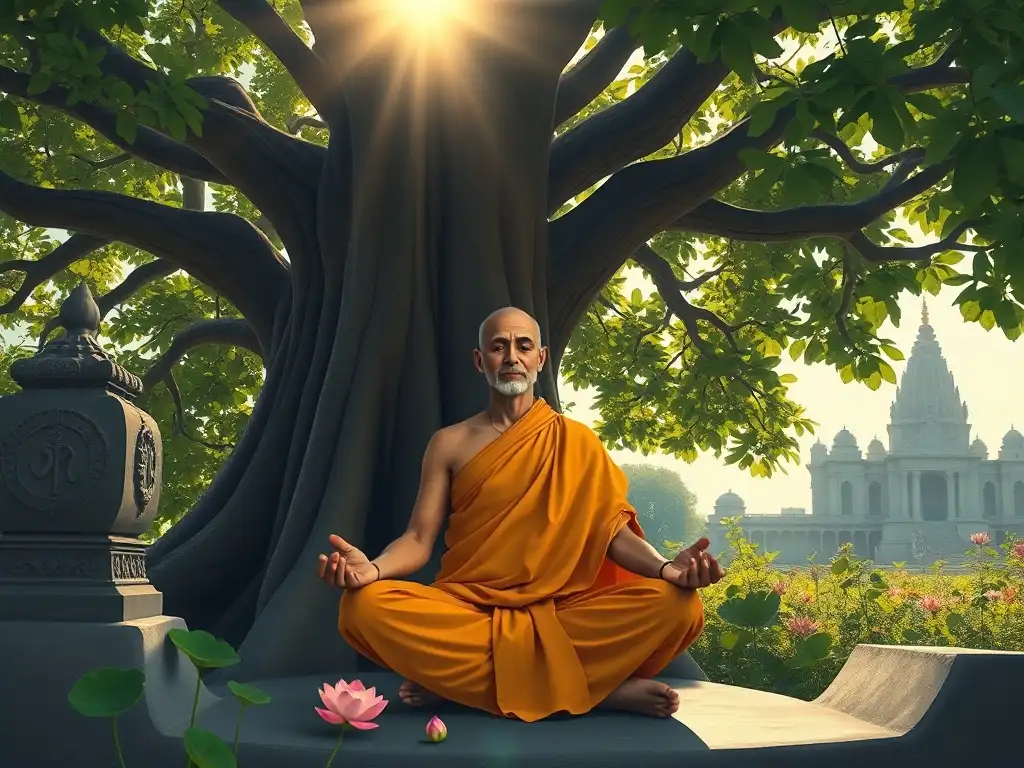
Jain mysticism embodies a profound spiritual philosophy that prioritizes the inner journey toward self-realization and liberation. At its core, Jainism advocates for the conquest of the self, where practitioners seek to transcend the material realm through rigorous ethical conduct, meditation, and ascetic practices. The spiritual significance of Jain mysticism lies in its emphasis on Ahimsa (non-violence), Aparigraha (non-possessiveness), and Satya (truthfulness), which are foundational principles guiding the spiritual aspirant towards a higher state of consciousness.
The journey within Jain mysticism is not merely about external rituals but focuses on inner purification and the attainment of a state of Kevala Jnana (absolute knowledge). This state is characterized by the realization of the true nature of the soul, free from the constraints of karma and material attachments. Thus, the spiritual significance of Jain mysticism is vitally linked to the concepts of self-discipline, ethical living, and the pursuit of spiritual truth.
Connection Between Ancient Practices and Spiritual Growth
The ancient practices of Jainism, which include meditation, fasting, and ritualistic observances, are intricately connected to the spiritual growth of individuals. These practices serve as pathways to enhance self-awareness and foster a deeper understanding of one's inner self. For instance, meditative techniques such as Dhyana help practitioners focus their minds, enabling them to confront their inner turmoil and cultivate a sense of peace and clarity.
Moreover, the practice of tapas (austerities) is essential in Jainism, where ascetics engage in rigorous disciplines to purify the soul and mitigate karmic influences. By embracing these ancient practices, Jains believe that they can gradually eliminate the layers of karma accumulated over lifetimes, leading to spiritual elevation and eventual liberation. Thus, the connection between these practices and spiritual growth is evident in the transformative experiences reported by practitioners, who often describe profound insights and a sense of unity with the cosmos.
The Role of Mysticism in Achieving Liberation (Moksha)
In Jainism, mysticism is fundamentally tied to the concept of Moksha, or liberation from the cycle of birth and death (samsara). The path to Moksha is seen as an intricate journey of the soul through various stages of spiritual development, where mysticism plays a crucial role. The ascetic practices, meditative experiences, and profound philosophical inquiries inherent in Jain mysticism are designed to dissolve the karmic bonds that trap the soul in cycles of rebirth.
Jain mystics, through their rigorous self-discipline and spiritual practices, aim to attain Kevala Jnana, which is the ultimate realization of the soul's true nature. This realization leads to a state of complete detachment from worldly desires and a profound understanding of the universe's interconnectedness. The culmination of these efforts results in the liberation of the soul, allowing it to reside in the eternal, blissful state of Moksha. Therefore, mysticism in Jainism is not merely an esoteric pursuit but a vital mechanism for achieving spiritual freedom.
Contemporary Relevance of Jain Mystical Practices
In today's world, where materialism often overshadows spiritual pursuits, Jain mystical practices retain significant relevance. The principles of non-violence, compassion, and ethical living advocated by Jainism resonate deeply in contemporary discussions surrounding environmental sustainability and social justice. As people increasingly seek holistic approaches to life, the meditative practices and ethical teachings of Jainism provide valuable insights into achieving balance and harmony.
Moreover, the emphasis on introspection and self-discipline within Jain mysticism offers individuals tools for personal growth and resilience in an ever-changing world. Many contemporary practitioners adapt ancient practices, such as mindfulness meditation and ethical vegetarianism, to align with modern lifestyles, showcasing the enduring appeal of Jain mysticism. Thus, the ancient practices continue to inspire individuals in their spiritual journeys, promoting peace and understanding in a complex global landscape.
Comparisons with Other Mystical Traditions
Jain Mysticism vs. Hindu Mysticism
While Jain mysticism shares some philosophical foundations with Hindu mysticism, particularly in the concepts of karma and liberation, there are distinct differences in their approaches. Jainism emphasizes non-violence and radical asceticism as means to spiritual advancement, whereas Hindu mysticism often incorporates a broader range of practices, including devotion (bhakti) and ritual worship.
In Hinduism, the pursuit of Moksha can be achieved through various paths such as karma yoga (the yoga of action) and bhakti yoga (the yoga of devotion), which are less stringent compared to the ascetic practices in Jainism. Additionally, while both traditions recognize the importance of meditation, Jain mysticism places a stronger focus on the inner journey of the soul, often viewing the material world as a source of distraction rather than a means to spiritual understanding.
Jain Mysticism vs. Buddhist Mysticism
Jain and Buddhist mysticism share a common heritage, with both traditions originating in ancient India and addressing the themes of suffering and liberation. However, they diverge significantly in their metaphysical views and practices. Jainism posits an eternal soul (jiva) that seeks liberation through purification, while Buddhism teaches the concept of anatta (non-self), suggesting that the notion of a permanent soul is an illusion.
Moreover, Jain mysticism emphasizes extreme asceticism and the practice of non-violence at all costs, while Buddhism advocates for the Middle Way, promoting a balanced approach to spiritual development that avoids extremes. This leads to different practices in meditation and ethical conduct, with Jain mystics often engaging in rigorous self-denial, while Buddhists may incorporate mindfulness and compassion into their daily lives.
Unique Features of Jain Mystical Practices
Jain mystical practices are characterized by their unique focus on self-purification and the rigorous adherence to ethical principles. One of the most distinctive features is the practice of Sallekhana, a voluntary and gradual fasting to death undertaken by some Jains as a means of achieving spiritual purity and liberation. This practice underscores the Jain commitment to non-violence, as it is seen as a way to minimize harm to other living beings.
Additionally, Jain meditation techniques are often centered around the visualization of the Tirthankaras (spiritual teachers), which serves as a focal point for reflection and spiritual aspiration. The emphasis on Ahimsa extends into all aspects of life, influencing dietary practices, lifestyle choices, and interactions with others. These unique features not only define Jain mysticism but also illustrate its comprehensive approach to spiritual development that integrates ethics, meditation, and philosophical inquiry into a cohesive practice aimed at liberation.
Conclusion
Jain mysticism, with its rich tapestry of ancient practices, offers profound insights into the spiritual landscape of India. By delving into the core principles of non-violence, truth, and asceticism, practitioners cultivate a deep connection to the universe and a heightened sense of self-awareness.
The practices rooted in Jainism, such as meditation, fasting, and rituals, not only serve as paths to spiritual enlightenment but also contribute to the broader understanding of ancient Indian philosophy and ethics. As we explore the historical significance of these practices, it becomes clear that Jain mysticism has much to teach us about harmony, respect for all life, and the pursuit of inner peace.
Summary of Jain Mysticism and Its Ancient Practices
Jain mysticism is characterized by its unique approach to spirituality, emphasizing personal experience and direct knowledge over dogma. The ancient practices within Jainism, including:
- Meditation (Dhyana): Focused on stilling the mind and experiencing the true nature of the self.
- Fasting (Upavasa): A means of purifying the body and spirit, often leading to heightened awareness.
- Rituals (Puja): Ceremonial practices that honor the Tirthankaras and serve as an expression of devotion.
These practices collectively foster an environment conducive to spiritual growth. The teachings of the Tirthankaras, particularly Mahavira, underscore the importance of self-discipline and ethical living, which are foundational to the mysticism in Jainism. Through these ancient practices, Jains strive for liberation (moksha) from the cycle of birth and death.
Future of Jain Mysticism in Modern Spirituality
As the world becomes increasingly interconnected, the principles of Jain mysticism resonate with contemporary spiritual seekers looking for ethical frameworks and practices that promote peace and compassion. The relevance of Jain teachings on non-violence (ahimsa) and truth (satya) is particularly significant amid global challenges such as conflict and environmental degradation.
Modern adaptations of Jain practices, such as mindfulness and eco-consciousness, are gaining traction. Furthermore, the rise of interfaith dialogues highlights the importance of Jainism's emphasis on tolerance and respect for other belief systems. As these principles are integrated into modern spirituality, Jain mysticism is poised to continue influencing seekers on their spiritual journeys.
Final Thoughts on the Spiritual Significance of Jainism
The spiritual significance of Jainism extends far beyond its ancient practices. It invites individuals to reflect on their actions and their impact on the world around them. By promoting values such as compassion, humility, and self-restraint, Jain mysticism encourages a holistic approach to spirituality that nurtures both the individual and the collective.
In an age where material pursuits often overshadow spiritual development, the timeless teachings of Jainism serve as a guiding light, reminding us of the importance of inner peace and the interconnectedness of all beings. The journey through Jain mysticism is not merely about personal enlightenment; it is an invitation to contribute positively to the world.
References
Recommended Readings on Jain Mysticism
- "Jainism: A Guide for the Perplexed" by Paul Dundas: This book provides a comprehensive overview of Jain beliefs and practices, with insights into their mystical aspects.
- "The Voice of the Jain Tradition" edited by Arvind Sharma: A collection of essays exploring various dimensions of Jain mysticism and philosophy.
Notable Scholars in Jain Studies
- Nina T. A. D. Schaffer: Known for her work on Jain rituals and practices, Schaffer’s research offers deep insights into contemporary interpretations of ancient traditions.
- J. L. Jain: A prominent scholar in the field, Jain’s writings focus on the historical and philosophical underpinnings of Jain mysticism.
Online Resources for Further Exploration of Jain Practices
- Jainpedia: A digital resource that provides access to a wealth of information about Jain history, texts, and practices.
- The International School for Jain Studies: Offers various educational materials and courses on Jain philosophy and mysticism, promoting deeper understanding and engagement with Jain traditions.
- Introduction to Jain Mysticism
- Historical Context of Jain Mysticism
- Core Principles of Jain Mysticism
- Ancient Practices of Jain Mysticism
- The Spiritual Significance of Jain Mysticism
- Comparisons with Other Mystical Traditions
- Conclusion
- References
Frequently Asked Questions
What is Jain mysticism?
Jain mysticism refers to the spiritual practices and beliefs within Jainism that focus on achieving liberation of the soul through self-discipline and meditation.
How did ancient practices influence Jain mysticism?
Ancient practices played a crucial role in shaping Jain rituals and philosophies, emphasizing non-violence, asceticism, and meditation as pathways to spiritual enlightenment.
What are some key practices in Jain mysticism?
Key practices in Jain mysticism include meditation, fasting, and the practice of non-attachment, which are aimed at purifying the soul and attaining moksha, or liberation.
How does Jain mysticism relate to the broader context of ancient Indian civilizations?
Jain mysticism reflects the rich tapestry of ancient Indian spirituality, contributing to the diverse philosophies that emerged alongside other religions like Hinduism and Buddhism.
What is the significance of Jain mysticism in today's context?
Today, Jain mysticism offers valuable insights into sustainable living and ethical practices, promoting values of compassion and respect for all living beings, which are increasingly relevant in modern society.
Final Reflection: Embracing the Wisdom of Jain Mysticism
The exploration of Jain mysticism and its ancient practices is not merely a journey into the past; it is a profound invitation to understand our present and shape our future. In a world increasingly driven by materialism and distraction, the teachings of Jainism remind us of the importance of inner peace, compassion, and the interconnectedness of all beings. The relevance of these ancient practices resonates deeply today, as we seek solace and meaning in our fast-paced lives.
The influence of Jain mysticism extends far beyond its historical context; it continues to inspire individuals and communities in their quest for spiritual fulfillment and ethical living. The principles of non-violence (ahimsa) and truth (satya) serve as guiding lights in contemporary discussions around sustainability and social justice. As Mahatma Gandhi once said, The greatness of a nation and its moral progress can be judged by the way its animals are treated.
This quote encapsulates the essence of Jain philosophy, urging us to reflect on our responsibilities toward all living beings and the environment.
As you ponder the teachings of Jain mysticism and their ancient practices, I encourage you to integrate these timeless principles into your daily life. Take a moment to reflect on your actions and their impact on the world around you. Consider how you can embody compassion, mindfulness, and respect for all forms of life.
By embracing these values, you not only honor the wisdom of Jainism but also contribute to a more harmonious and compassionate world. Let this journey inspire you to cultivate a deeper connection with yourself and the universe, fostering a legacy of peace and understanding for generations to come.
Unveil the Depths of Jain Mysticism Today!
Thank you for exploring the fascinating world of Jain mysticism with us! We hope you've gained valuable insights into these ancient practices and their spiritual significance. Now, it's time to take action and deepen your connection with this wisdom. Here’s how you can get started:
- Explore local temples or community gatherings to experience Jain rituals firsthand and connect with practitioners.
- Read books or watch documentaries that delve deeper into Jain philosophy and its contemporary relevance.
- Share your discoveries and reflections with friends or on social media to inspire others to learn about this rich tradition.
What aspect of Jain mysticism resonates with you the most, and how do you plan to incorporate it into your daily life?