
The Significance of the Indus Valley's City Planning and Architecture

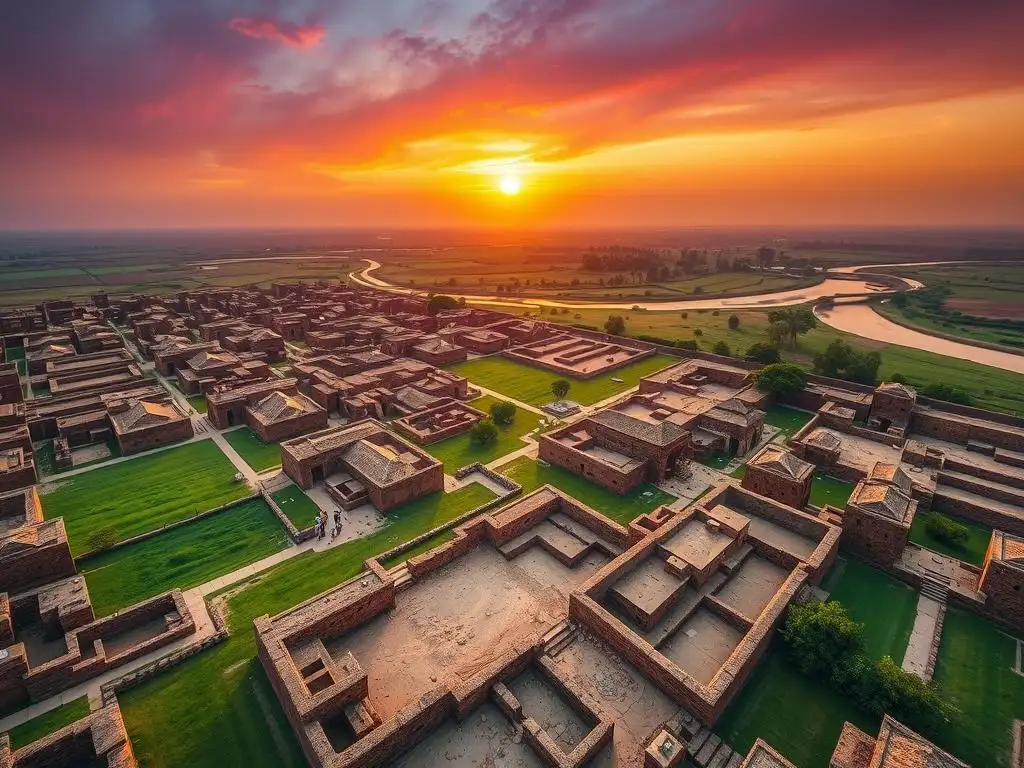
Welcome to Ancient India History, where we embark on a captivating journey through the rich tapestry of ancient Indian civilizations. Delve into the remarkable significance of Indus Valley architecture as we uncover the innovative city planning and engineering marvels that shaped one of the world's earliest urban cultures. What secrets do these ancient structures hold about the lives and customs of their inhabitants? Join us as we explore the fascinating intersections of culture, ingenuity, and history that continue to influence modern society. Prepare to be inspired and intrigued as you dive deeper into the legacy of the Indus Valley!
Introduction to Indus Valley Civilization
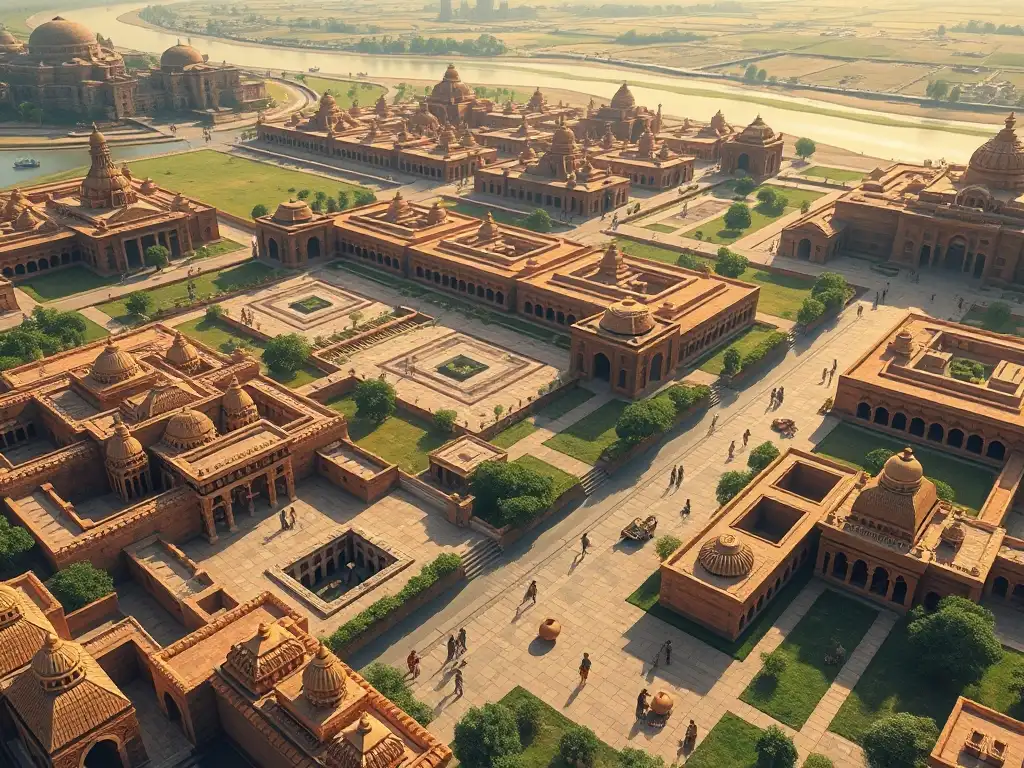
The Indus Valley Civilization (IVC), flourishing around 3300 to 1300 BCE, remains one of the most enigmatic and advanced ancient civilizations in history. Spanning modern-day Pakistan and northwest India, the IVC is renowned not only for its sophisticated urban centers but also for its remarkable architecture and city planning.
Understanding the significance of Indus Valley architecture is crucial for appreciating the ingenuity and cultural richness of this civilization. From meticulously planned cities like Harappa and Mohenjo-Daro to the innovative infrastructure that facilitated daily life, the architectural achievements of the Indus Valley are a testament to the civilization's advanced engineering skills and social organization.
Overview of the Indus Valley Civilization
The Indus Valley Civilization is characterized by its well-planned cities that exhibit a high degree of urban sophistication. Archaeological excavations have unearthed evidence of a complex society with advanced knowledge in various fields, including metallurgy, trade, and writing. The urban centers were laid out in a grid-like pattern, featuring wide streets, residential areas, and public spaces. This organized structure suggests a remarkable degree of civic planning and governance, reflecting the society's ability to manage resources and infrastructure effectively.
The civilization is estimated to have supported a population of over five million, showcasing its extensive trade networks that connected different regions. The economic prosperity of the IVC was fueled by agriculture, trade, and craftsmanship. Additionally, the civilization's art and material culture, including pottery, seals, and jewelry, reveal an aesthetic sensibility that continues to captivate historians and archaeologists today.
Importance of Architecture in Ancient Civilizations
Architecture plays a pivotal role in shaping the identity of ancient civilizations. It serves not only as a reflection of the technological capabilities of a society but also as a medium for expressing cultural values and social hierarchies. In the case of the Indus Valley, the architectural innovations not only facilitated daily life but also contributed to the civilization's sustainability and resilience.
For ancient societies, the construction of public buildings, temples, and housing provided insight into their religious beliefs, governance, and social organization. The architecture of the IVC is particularly significant as it highlights the interplay between environment, community, and technology. The advanced urban planning and architectural techniques employed by the Indus Valley people set benchmarks for future civilizations, influencing their approaches to city building and infrastructure.
The Unique Features of Indus Valley Architecture
Urban Planning: A Revolutionary Approach
One of the most striking aspects of Indus Valley architecture is its innovative urban planning. Cities were designed with a level of foresight that is rarely seen in ancient civilizations. Streets were laid out in a grid pattern, with homes constructed along them, providing easy access and efficient movement. This organized design not only maximized the use of space but also facilitated trade and communication among residents.
The presence of large public baths, such as the Great Bath of Mohenjo-Daro, signifies the importance of communal spaces in Indus society. These baths may have served both practical and ritualistic purposes, highlighting the civilization's emphasis on cleanliness and social interaction. The strategic layout of the cities, with designated areas for residential, commercial, and public use, illustrates a sophisticated understanding of urban dynamics.
Drainage Systems: Engineering Marvels of the Indus Valley
The drainage systems of the Indus Valley are considered one of the most remarkable achievements of ancient engineering. The cities featured sophisticated drainage networks that efficiently removed waste and rainwater, contributing to public health and sanitation. Most houses were equipped with private bathrooms and toilets, which connected to the main drainage system.
This advanced approach to sanitation is indicative of the civilization's commitment to maintaining hygiene and preventing disease. The drainage systems were constructed with baked bricks and included covered drains to protect against blockages, demonstrating a high level of planning and engineering skill. Such infrastructure not only improved the quality of life for the inhabitants but also showcased the civilization's adaptability to environmental challenges.
Standardized Brick Sizes: Implications for Construction
Another distinctive characteristic of Indus Valley architecture is the use of standardized brick sizes. The uniformity in brick dimensions, which typically measured 10.5 cm x 5.25 cm x 7.5 cm, facilitated the construction of durable and visually cohesive structures. This standardization suggests a centralized method of brick production and a well-organized construction process.
The implications of this practice extend beyond mere aesthetics; it reflects a structured approach to urban development and resource management. The use of standardized materials likely contributed to the efficiency of construction, enabling rapid building processes and the ability to accommodate a growing population. This technique laid the groundwork for future architectural endeavors, influencing construction practices in subsequent civilizations.
The significance of the Indus Valley's city planning and architecture is profound, providing insights into the advanced capabilities of one of the world's earliest urban societies. The innovative features of their architectural practices not only enhanced the quality of life for their inhabitants but also left a lasting legacy that continues to inform our understanding of ancient urbanization.
Significance of City Layout in Indus Valley Civilization
The Indus Valley Civilization, one of the world's earliest urban cultures that thrived around 2500 BCE, is renowned for its sophisticated city planning and architectural prowess. The significance of city layout in this civilization goes beyond mere aesthetics; it reflects a remarkable understanding of urban design principles that catered to both functionality and social organization. The cities of Harappa and Mohenjo-Daro serve as prime examples of this ingenuity, illustrating how the inhabitants prioritized efficient urban living, sanitation, and communal spaces.
The meticulous planning of the cities indicates a centralized authority that likely oversaw the development and maintenance of urban infrastructure. This planning facilitated not only the daily lives of the residents but also supported trade and governance, showcasing how city layout was integral to the civilization's overall success. From grid patterns to advanced drainage systems, the significance of the Indus Valley's city planning can be seen as a foundational element of urban development that influenced later cultures.
Grid Pattern of Cities: Efficiency and Organization
The cities of the Indus Valley Civilization were characterized by their grid patterns, which exemplified a high level of urban organization and efficiency. Streets were laid out in straight lines, intersecting at right angles, creating a network that facilitated movement and trade. This systematic layout allowed for clear demarcation of various districts, including residential, commercial, and industrial areas.
The efficiency of this grid system is reflected in the size and proportion of the city blocks, which were generally uniform, promoting optimal land usage. This organization not only made navigation easier for residents but also contributed to effective waste management and sanitation practices. The existence of wide streets allowed for the movement of carts and goods, highlighting the city’s role as a bustling center of trade.
Moreover, the grid pattern signifies the potential influence of a centralized authority that enforced urban planning regulations. This level of control indicates a sophisticated society with significant administrative capabilities, which further emphasizes the importance of the grid layout in the context of urban development.
Public and Private Spaces: Social Structure Reflected in Design
The design of public and private spaces in Indus Valley cities reveals much about the social structure and cultural practices of the civilization. Public spaces such as granaries, baths, and marketplaces were strategically located to serve community needs, promoting social interaction and economic activity. The Great Bath at Mohenjo-Daro, for instance, is believed to have been a site for ritual bathing and gatherings, highlighting the communal aspect of life in the Indus Valley.
In contrast, residential areas were designed with privacy in mind, featuring individual houses with walls that shielded them from the public eye. These homes often had multiple rooms, courtyards, and access to wells, suggesting a well-thought-out approach to domestic life. The differentiation between public and private spaces indicates a complex social hierarchy and cultural norms that valued both community and individual privacy.
The arrangement of these spaces also sheds light on societal roles; for instance, proximity to commercial centers may have been indicative of the importance of certain families or trades within the community. Thus, the layout of public and private spaces in the Indus Valley serves as a mirror reflecting the social dynamics and values of this ancient civilization.
The Role of Citadels: Centers of Power and Control
Citadels in Indus Valley cities played a crucial role as centers of power, control, and perhaps even religious significance. Elevated areas within the cities, such as the citadel of Mohenjo-Daro, likely functioned as administrative and ceremonial hubs. These structures were strategically placed to dominate the urban landscape, reinforcing the authority of the ruling elite.
The presence of large public buildings and granaries within these citadels suggests that they were not just military fortifications but also focal points for governance and community activities. The citadel's design indicates a clear intention to project power and maintain order within the urban setting. Furthermore, the walls surrounding these areas provided protection, illustrating the need for security in a thriving urban environment.
The citadel's role extended beyond mere governance; it may have also served as a symbol of unity for the inhabitants, fostering a sense of identity and belonging among the residents of the Indus Valley Civilization. Thus, the citadels were integral to the social fabric and political organization of these ancient cities.
Architectural Innovations and Their Impact
The architectural innovations of the Indus Valley Civilization were groundbreaking, laying the foundation for future urban development in the region. These advancements were not only functional but also represented the cultural and technological progress of the society. Key features such as advanced drainage systems, standardized brick sizes, and sophisticated urban designs reflect a civilization that prioritized both aesthetic appeal and practical utility.
These innovations significantly impacted the daily lives of the inhabitants, enhancing their living conditions and contributing to the overall efficiency of urban life. The legacy of these architectural practices can be seen in later Indian civilizations, demonstrating the enduring influence of Indus Valley architecture on the subcontinent's historical narrative.
Residential Architecture: Insights into Daily Life
The residential architecture of the Indus Valley Civilization provides valuable insights into the daily lives of its inhabitants. Houses were typically constructed from baked bricks, featuring flat roofs and multiple rooms arranged around a central courtyard. This design not only maximized space but also allowed for natural ventilation and light, essential for comfortable living in the region's climate.
Each household was equipped with basic amenities, including wells for water supply and drainage systems to manage waste. The presence of bathrooms within homes indicates a sophisticated understanding of sanitation and hygiene, a hallmark of Indus Valley architecture.
Further analysis of artifacts found within these residences, such as pottery, tools, and toys, offers a glimpse into the social practices, trades, and daily routines of the families who inhabited these homes. This architectural style reflects not only the practical needs of the residents but also their cultural values and lifestyle choices, illustrating a complex and organized society.
Public Buildings: The Heart of Community Life
Public buildings in the Indus Valley Civilization served as the vibrant heart of community life, facilitating social interaction, trade, and governance. Structures such as marketplaces, assembly halls, and large granaries were strategically positioned within the cities to maximize accessibility for the populace.
The design of these buildings often featured large open spaces, indicating their use for gatherings, trade, and communal events. The Great Bath, a prominent public structure, is believed to have played a vital role in ritualistic practices, showcasing the significance of communal activities in the daily lives of the residents.
These public buildings also reflect the architectural sophistication of the civilization, with their robust construction and thoughtful design. They served not only practical purposes but also acted as symbols of community identity, fostering a sense of belonging among the inhabitants. In essence, public buildings were integral to the social fabric of Indus Valley cities, promoting interaction and collaboration among their diverse populations.
Trade and Commerce: Architectural Elements Supporting Economic Growth
The architectural elements of Indus Valley cities played a crucial role in supporting trade and commerce, which were vital to the civilization's economic growth. The strategic location of marketplaces and warehouses facilitated the exchange of goods, both locally and with distant regions. The cities' proximity to the Indus River enabled easy transportation of commodities, further enhancing trade activities.
Well-planned streets and access routes allowed for the efficient movement of traders and goods, contributing to the bustling economic environment of the cities. The uniformity of brick sizes and construction methods indicates a standardized approach to building, which likely simplified trade practices and ensured durability.
Additionally, evidence of weights and measures found at various sites suggests a sophisticated system of commerce, further emphasizing the importance of architectural design in economic activities. The architectural layout and elements of the Indus Valley Civilization not only supported thriving trade networks but also laid the groundwork for future economic systems in the region, showcasing the enduring significance of Indus Valley architecture in the context of economic development.
Cultural Significance of Indus Valley Architecture
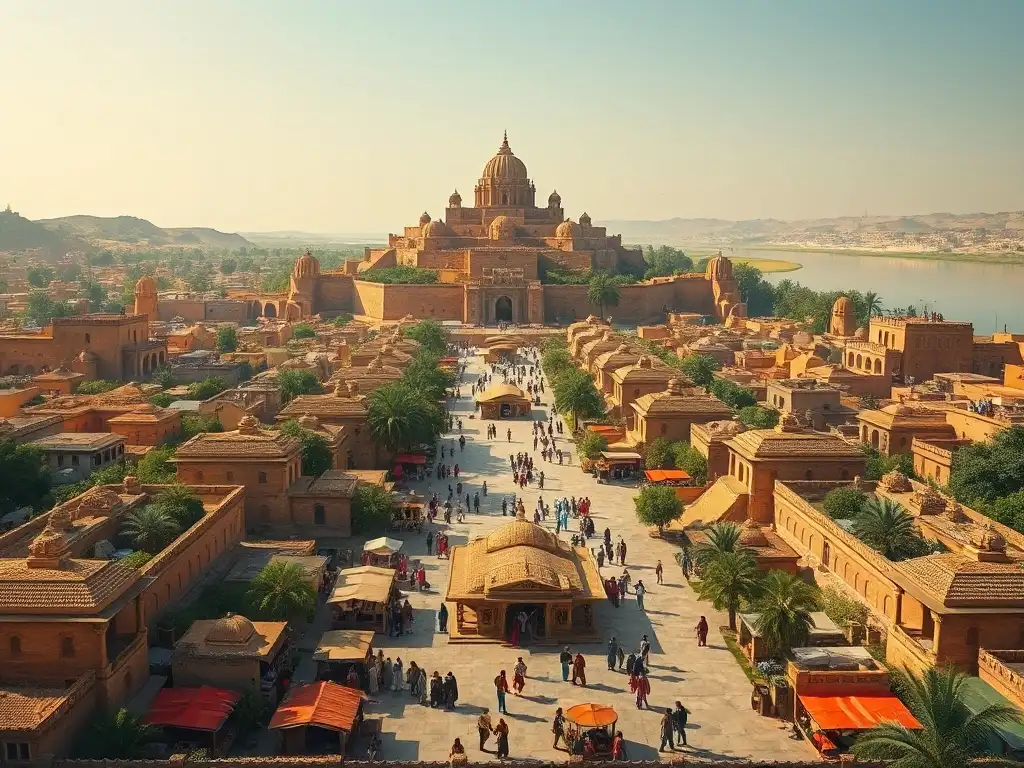
The architecture of the Indus Valley Civilization is a testament to the ingenuity and sophistication of its people. Not only did it serve functional purposes, such as housing, commerce, and public administration, but it also reflected the cultural values and social organization of the time. The meticulously planned cities, including Harappa and Mohenjo-Daro, showcase a high level of urban planning, suggesting that the Indus Valley people prioritized order and functionality in their living spaces. This architectural significance is not merely about the physical structures but also encompasses the cultural narratives, societal norms, and community interactions that these buildings facilitated.
Indus Valley architecture emphasized the integration of public and private spaces, which reflects the civilization's values. For instance, the presence of large public baths and granaries indicates a communal spirit and an emphasis on hygiene and resource management. The architectural layout of the cities, with its grid patterns and standardized burnt bricks, underscores the importance of uniformity and collective identity, contributing to our understanding of the social fabric of ancient India.
Symbolism in Design: Religious and Cultural Reflections
The design elements in Indus Valley architecture often symbolize deeper religious and cultural beliefs. While there is still much to uncover about the spiritual life of the Indus Valley people, certain architectural features suggest a connection to religion and rituals. The Great Bath of Mohenjo-Daro, for example, is believed to have been used for purification rituals, indicating the significance of water in their spiritual practices.
Additionally, the use of specific motifs and symbols in pottery and seals, often found in conjunction with architectural remnants, points to a rich tapestry of beliefs that may have been reflected in their built environment. Structures may have been oriented according to celestial events or included spaces for communal gatherings, indicating a society deeply intertwined with its natural and spiritual surroundings.
Art and Craftsmanship: The Aesthetic Value of Structures
The aesthetic value of Indus Valley architecture is evident in the intricate craftsmanship displayed in both public and private buildings. The use of fired bricks, precise measurements, and decorative elements all point to a high level of skill among artisans. Homes were often adorned with detailed frescoes and carvings, which not only served to beautify the space but also communicated social status and identity.
Moreover, the urban landscape featured a variety of structures, including warehouses, workshops, and residential areas, all designed with an eye for aesthetics. The uniformity in brick sizes and construction techniques reveals a standardized approach to building, which likely contributed to a cohesive urban identity. The craftsmanship of the Indus Valley craftsmen set a precedent for future architectural developments in the Indian subcontinent.
Preservation of Heritage: The Legacy of Indus Valley Architecture
The architectural achievements of the Indus Valley Civilization have left a lasting legacy that continues to influence contemporary Indian culture and architecture. Efforts to preserve these ancient structures have been crucial in maintaining the historical narrative of the region. Archaeological sites have become important cultural heritage sites, attracting researchers and tourists alike, thereby fostering a greater appreciation for this ancient civilization.
The significance of Indus Valley architecture extends beyond mere preservation; it serves as a reminder of the advanced urban planning and architectural techniques that were developed thousands of years ago. This legacy informs modern sustainable architecture and urban planning, as contemporary architects draw inspiration from the efficient use of space and resources observed in Indus Valley cities.
Comparative Analysis: Indus Valley Architecture vs. Contemporary Civilizations
The architecture of the Indus Valley Civilization can be compared to that of contemporary civilizations, revealing both similarities and differences. By examining these aspects, we gain insights into the unique characteristics of Indus Valley architecture and its contextual significance in the broader landscape of ancient architecture.
Similarities with Mesopotamian Architecture
Indus Valley architecture shares several similarities with Mesopotamian architecture, particularly in urban planning and construction techniques. Both civilizations utilized baked bricks and featured complex drainage systems, indicating a sophisticated understanding of sanitation and public health. The grid layout of cities in both cultures suggests a systematic approach to urban development, promoting efficient movement and access to essential services.
Moreover, the presence of large public structures in both regions points to the importance of communal spaces for social and religious activities. These similarities highlight the interconnectedness of ancient civilizations through trade, cultural exchange, and shared architectural practices.
Differences from Egyptian Architectural Practices
While there are notable similarities between Indus Valley and other ancient civilizations, significant differences exist as well. For instance, Egyptian architecture is characterized by monumental structures like pyramids and temples, which were often built as expressions of power and religious devotion. In contrast, Indus Valley architecture favored practicality and uniformity over grandiosity, opting for urban planning that prioritized residential living and community interaction.
Additionally, the absence of palatial structures in the Indus Valley suggests a more egalitarian society compared to the hierarchical nature of ancient Egypt, where rulers commissioned grand monuments. This divergence illustrates the distinct cultural values and social structures that shaped the architectural practices of these civilizations.
Influence on Later Indian Architectural Styles
The architectural innovations of the Indus Valley Civilization have had a profound influence on later Indian architectural styles. Elements such as urban planning, the use of standardized materials, and sophisticated drainage systems can be seen in subsequent periods, including the Mauryan and Gupta Empires.
Moreover, the craftsmanship and attention to detail that characterized Indus Valley architecture set the stage for the development of intricate stone carvings and temple architecture in later periods. The legacy of the Indus Valley can be observed in the continuity of urban planning and architectural practices throughout Indian history, underscoring its significance in the evolution of Indian civilization.
Conclusion: Lasting Legacy of Indus Valley Architecture
The Indus Valley Civilization, known for its remarkable urban planning and architectural ingenuity, has left an indelible mark on the history of architecture. The sophisticated layout of cities like Harappa and Mohenjo-Daro, characterized by grid patterns, advanced drainage systems, and standardized fired bricks, showcases a level of planning that was unprecedented for its time.
This legacy extends beyond mere construction techniques; it embodies a holistic approach to urban living that prioritized public health, social organization, and environmental adaptation. As scholars continue to explore the depths of this ancient civilization, the significance of its architectural practices becomes increasingly apparent, illustrating the culture's ability to harmonize with its environment while fostering community well-being.
Summary of Key Contributions
The contributions of Indus Valley architecture are multi-faceted and can be summarized as follows:
- Urban Planning: The cities were meticulously planned with a grid layout, facilitating efficient movement and organization.
- Drainage Systems: Advanced drainage and sewage systems highlight the civilization's emphasis on hygiene and public health, a concept not widely adopted in contemporary societies until much later.
- Standardization: The use of uniform building materials indicates a highly organized society with established trade practices and architectural standards.
- Civic Structures: The presence of public baths and granaries suggests a well-developed sense of community and resource management, indicating the importance of public spaces in urban life.
These features not only exemplify the architectural prowess of the Indus Valley but also reflect the social values and priorities of its inhabitants.
Continued Relevance in Modern Urban Planning
The principles embedded in Indus Valley architecture continue to resonate within modern urban planning. Contemporary cities increasingly grapple with challenges such as overcrowding, pollution, and inadequate infrastructure. The Indus Valley's focus on holistic urban design serves as a valuable model for addressing these issues. Modern planners can draw inspiration from:
- Sustainable Practices: The use of local materials and environmentally adaptive designs in Indus architecture emphasizes sustainability, a crucial consideration in today's urban development.
- Public Health: The sophisticated drainage systems highlight the importance of sanitation, which remains a critical aspect of urban planning worldwide.
- Community Spaces: The integration of communal areas within the urban fabric of the Indus Valley serves as a reminder of the need for social interaction and community-building in modern cities.
By incorporating these principles, urban planners can create more livable, sustainable, and socially cohesive environments.
Future Research Directions in Indus Valley Architecture Studies
As research into Indus Valley architecture continues to evolve, several areas warrant further exploration:
- Technological Innovations: Investigating the construction techniques and materials used can provide insights into the technological advancements of the time and their implications for modern practices.
- Cultural Significance: Understanding the cultural and religious contexts that shaped architectural choices can deepen appreciation for the civilization's values and beliefs.
- Comparative Studies: Examining parallels between Indus Valley architecture and other ancient civilizations may yield broader insights into the development of urban planning and architecture globally.
- Archaeological Advances: Utilizing modern technologies such as GIS and remote sensing can enhance archaeological investigations, revealing new aspects of urban layouts previously obscured.
By pursuing these research avenues, scholars can uncover further significance and relevance of the Indus Valley architecture, enriching our understanding of ancient urbanism and its impacts on contemporary society.
- Introduction to Indus Valley Civilization
- The Unique Features of Indus Valley Architecture
- Significance of City Layout in Indus Valley Civilization
- Architectural Innovations and Their Impact
- Cultural Significance of Indus Valley Architecture
- Comparative Analysis: Indus Valley Architecture vs. Contemporary Civilizations
- Conclusion: Lasting Legacy of Indus Valley Architecture
- What is the importance of Indus Valley architecture in ancient history?
- How did the Indus Valley civilization influence later cultures?
- What are some key features of Indus Valley city planning?
- How does the significance of Indus Valley architecture compare to other ancient civilizations?
- What can we learn from the Indus Valley architecture today?
Frequently Asked Questions
What is the importance of Indus Valley architecture in ancient history?
The Indus Valley architecture is significant for its advanced city planning, which included well-organized streets, drainage systems, and uniform brick sizes, showcasing urban sophistication.
How did the Indus Valley civilization influence later cultures?
The architectural techniques and urban planning of the Indus Valley civilization laid a foundational influence on later cultures in the region, emphasizing the importance of infrastructure in city development.
What are some key features of Indus Valley city planning?
Key features include a grid layout, advanced drainage systems, and the use of standardized materials, which reflect an understanding of engineering and public health.
How does the significance of Indus Valley architecture compare to other ancient civilizations?
While many ancient civilizations showcased monumental architecture, the Indus Valley's focus on practicality and urban planning distinguishes it as uniquely advanced for its time.
What can we learn from the Indus Valley architecture today?
The Indus Valley architecture teaches modern urban planners about the importance of sustainability and functionality, emphasizing how thoughtful design can enhance livability in cities.
Final Reflection: The Enduring Legacy of Indus Valley Architecture
The significance of Indus Valley architecture resonates profoundly in today's world, as it showcases the ingenuity and foresight of ancient urban planning. The meticulous city layouts, advanced drainage systems, and standardized brick sizes not only reflect a sophisticated civilization but also serve as a reminder of the importance of sustainable and organized urban development in our rapidly growing cities today. The lessons learned from the Indus Valley civilization are more relevant than ever as we face modern challenges in urbanization and environmental sustainability.
The influence of Indus Valley architecture extends beyond mere historical interest; it shapes our understanding of urban design and community living. As we navigate the complexities of contemporary society, the principles of harmony with nature and efficient resource management exemplified by the Indus Valley continue to inspire architects and urban planners. The past is not dead; it is not even past,
as William Faulkner aptly noted, reminding us that the wisdom of ancient civilizations can guide our present and future endeavors.
As we reflect on the significance of the Indus Valley's city planning and architecture, I invite you to consider how these ancient principles can inform your own life and community. What aspects of sustainable living and thoughtful design can you incorporate into your daily routine or local environment? Embrace the opportunity to learn from the past and apply these timeless lessons to create a more harmonious and resilient future for ourselves and generations to come.
Uncover the Secrets of Extraordinary Urban Design!
Thank you for diving into the fascinating world of the Indus Valley's city planning and architecture. You've explored the remarkable sophistication of ancient urban design, and now it’s time to take that knowledge and transform it into action!
Here’s how you can deepen your understanding and appreciation of this incredible civilization:
- Explore further: Visit your local library or online archives to find books and documentaries about the Indus Valley civilization.
- Share your insights: Discuss what you learned with friends or on social media, using the hashtag #IndusValleyInsights to connect with others who are captivated by ancient history.
- Join a community: Seek out forums or groups focused on ancient history where you can exchange ideas and ask questions about urban planning in historical contexts.
What aspect of Indus Valley city planning intrigues you the most, and how do you think it compares to modern urban design?