
Analyzing the Maurya Empire’s Response to Rebellions and Insurrections


Welcome to Ancient India History, where we delve into the rich tapestry of ancient Indian civilizations and their remarkable contributions to the world. In our featured article, we embark on an intriguing journey through the lens of the Maurya Empire rebellions analysis, uncovering how this formidable empire navigated the tumultuous waters of insurrections and dissent. Prepare to be captivated as we explore the strategies and responses that defined an era, inviting you to discover the complexities of power and resistance in ancient India. Join us as we unravel the past and reveal the stories that shaped a civilization!
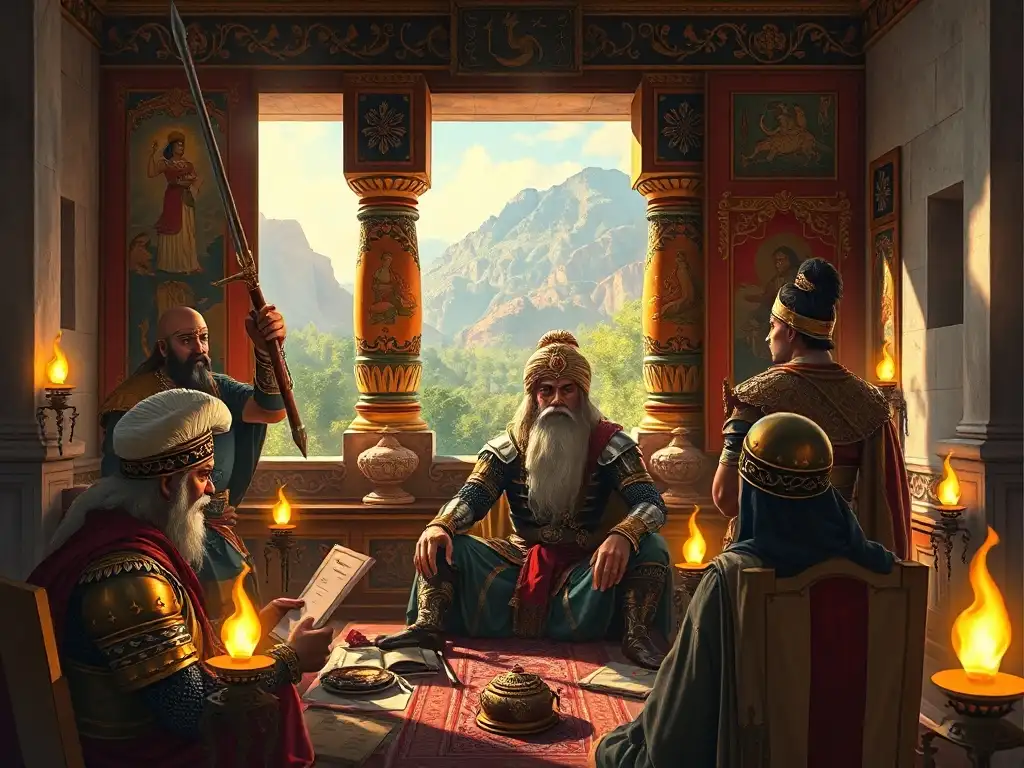
The Maurya Empire stands as one of the most significant and influential empires in ancient Indian history, known for its vast expanse and sophisticated governance. Spanning from around 322 BCE to 185 BCE, the empire was marked by remarkable achievements in administration, economy, and culture. However, like many great empires, the Maurya Empire faced numerous challenges, particularly in the form of rebellions and insurrections.
Understanding how the Maurya Empire responded to these upheavals provides valuable insights into its governance strategies and the socio-political dynamics of the time. This article delves into the complexities of the Maurya Empire's rebellions analysis, shedding light on the types of insurrections faced, the underlying causes, and the empire's methods of maintaining stability in a diverse and often turbulent landscape.
Introduction to the Maurya Empire
Overview of the Maurya Empire's Historical Significance
The Maurya Empire is often regarded as a golden age of Indian civilization, particularly under the reign of its most famous ruler, Ashoka the Great. Founded by Chandragupta Maurya, the empire unified a significant portion of the Indian subcontinent, establishing a centralized administration that facilitated trade, culture, and communication. The Maurya Empire's historical significance lies in its contributions to political organization, economic development, and the spread of Buddhism, which would later shape cultural and social structures across Asia. With a network of roads and a bureaucracy that governed vast territories, the Maurya Empire set precedents for future Indian kingdoms.
Key Features of Mauryan Administration and Governance
The administration of the Maurya Empire was characterized by a well-structured hierarchy and various key features that ensured effective governance:
- Centralized Authority: The emperor held supreme power, supported by a council of ministers and local governors who managed different provinces.
- Bureaucratic System: A detailed bureaucratic framework was established, with officials responsible for various aspects such as taxation, law enforcement, and public welfare.
- Legal Framework: The Mauryan legal system emphasized justice and order, with a focus on moral conduct and adherence to dharma (duty/ethics).
- Military Organization: A strong military presence was maintained to protect the empire from external threats and to quell internal dissent.
These features reflect the Maurya Empire's sophisticated approach to governance, which played a crucial role in its ability to manage a diverse population and respond to conflicts.
Understanding Rebellions in the Maurya Empire
Types of Rebellions Faced by the Maurya Empire
The Maurya Empire encountered several types of rebellions and insurrections, each presenting unique challenges to its authority. These included:
- Local Uprisings: Often triggered by local grievances, such as heavy taxation or land disputes, these rebellions arose in various provinces where rulers struggled to maintain control.
- Noble Revolts: Discontent among the aristocracy could lead to revolts, particularly when noble families felt marginalized by the central authority or when succession disputes arose.
- Cultural and Religious Rebellions: As the Maurya Empire encompassed diverse cultures and religions, tensions occasionally flared into insurrections, particularly in regions where local customs clashed with imperial policies.
Understanding these types of rebellions is crucial for analyzing the Maurya Empire's governance and its strategies for maintaining order across a vast and diverse territory.
Causes of Rebellions and Insurrections in Ancient India
The causes of rebellions during the Maurya Empire can be attributed to a variety of factors, including:
- Economic Strain: High taxation and economic exploitation often led to dissatisfaction among peasants and local leaders.
- Administrative Overreach: In some provinces, the imposition of rigid bureaucratic controls alienated local populations, fostering resentment.
- Cultural Clashes: The attempt to impose a unified culture or religion sometimes ignited tensions among various ethnic and religious groups.
- Power Struggles: Rivalries among the nobility and disputes over succession could lead to instability and rebellion against the central authority.
By examining these causes, we can gain a deeper understanding of the socio-political landscape of the Maurya Empire and the complexities involved in its administration and governance.
Analysis of the Maurya Empire’s Response Mechanisms
The Maurya Empire, one of the largest and most powerful empires in ancient India, faced numerous rebellions and insurrections throughout its existence. Analyzing the empire's response mechanisms reveals a multifaceted approach that combined diplomatic, military, and administrative strategies. These responses were crucial in maintaining stability and order within a vast and diverse empire, characterized by different cultures, languages, and political aspirations. Understanding these mechanisms provides insight into the governance practices of the Maurya Empire and the methods employed to quell dissent.
Diplomatic Strategies in Addressing Rebellions
Diplomacy played a significant role in the Maurya Empire's response to rebellions. The rulers often sought to negotiate with dissenting factions, offering incentives such as autonomy or resources in exchange for loyalty. For instance, during the reign of Chandragupta Maurya, alliances were formed with local chieftains and influential families to mitigate resistance. Engaging in marriages between royal families and local leaders was another tactic, as it helped to secure loyalty through familial bonds.
Furthermore, the Mauryan administration emphasized the importance of communication and understanding local customs. By employing emissaries who were well-versed in the local cultures, the empire could foster a sense of inclusion and respect, which often diffused potential conflicts before they escalated into armed insurrections. This diplomatic approach not only curtailed immediate threats but also promoted long-term stability within the empire.
Military Tactics Used Against Insurrections
Military power was a critical aspect of the Maurya Empire’s response to rebellions. The empire maintained a well-trained and organized army, which was strategically deployed to suppress insurrections swiftly. Under the leadership of Chandragupta Maurya, the military was not only a tool for expansion but also for internal security. The use of elephants in warfare, known for their psychological impact, was a distinctive feature of the Mauryan military strategy.
Additionally, the empire employed intelligence networks to gather information about potential uprisings. This proactive approach allowed the Mauryan rulers to preemptively strike against insurrecting factions. The decisive military campaigns against local uprisings showcased the empire's capability to respond effectively to threats, ensuring that rebellions were quelled before they could gain momentum.
Administrative Reforms as a Response to Rebellions
In response to the challenges posed by rebellions, the Maurya Empire implemented several administrative reforms aimed at strengthening governance and reducing discontent among the populace. One notable reform was the restructuring of provincial administrations to ensure more localized control. By appointing loyal governors and officials who understood regional issues, the empire could address grievances more effectively.
Moreover, the Mauryan administration emphasized the importance of law and order, establishing a system of justice that was accessible to all. The introduction of a standardized legal code contributed to a sense of fairness and accountability, which helped to mitigate feelings of alienation among subjects. The focus on infrastructure improvements, such as roads and communication systems, also facilitated better governance and quicker responses to unrest, thereby enhancing the overall stability of the empire.
Case Studies of Notable Rebellions
The Maurya Empire's history is marked by several significant rebellions that tested its administrative and military strategies. Analyzing these case studies provides deeper insights into the empire's responses and the effectiveness of its governance.
The Chandragupta Maurya Era: Initial Challenges
During the early years of the Maurya Empire, Chandragupta faced numerous challenges, particularly from the Nanda dynasty's loyalists and local rulers who resisted his authority. One notable rebellion was led by the Nandas in the eastern regions. In response, Chandragupta employed a combination of military might and strategic diplomacy, effectively using alliances with local chieftains to isolate the Nandas. His decisive victories in battle, coupled with the integration of local leaders into his administration, helped to solidify his control over the empire and dismantle resistance.
The Ashoka Era: Response to the Kalinga War
The Kalinga War, fought during Ashoka’s reign, marked a pivotal moment in the Maurya Empire’s approach to rebellion. Following a brutal conflict that led to significant loss of life, Ashoka experienced a profound transformation, adopting a policy of non-violence and dharma. In the aftermath of the war, Ashoka’s response included diplomatic overtures to the Kalinga people, promoting peace and reconciliation rather than punitive measures. His efforts to spread Buddhism as a means of moral governance illustrated a shift in strategy from military repression to fostering goodwill and understanding among former adversaries.
Regional Insurrections: Specific Examples and Analysis
The Maurya Empire also faced various regional insurrections that tested its administrative capabilities. One such example is the rebellion in the northwest frontier, where local tribes resisted centralized control. The Mauryan response involved a combination of military action and administrative reforms. By dispatching skilled administrators to the region, the empire aimed to address local grievances and integrate these tribes into the larger political framework.
Another notable insurrection occurred in the southern regions, where local rulers sought to assert independence. The Maurya Empire responded with a show of military strength, deploying a significant force to suppress the uprising. However, this was complemented by efforts to engage local leaders through diplomacy, ultimately leading to a negotiated settlement that preserved the integrity of the empire while allowing for a degree of local autonomy.
These case studies illustrate the Maurya Empire's dynamic and adaptable approach to handling rebellions, showcasing a balance between military might, diplomacy, and administrative reforms.
Impact of Rebellion Responses on the Maurya Empire
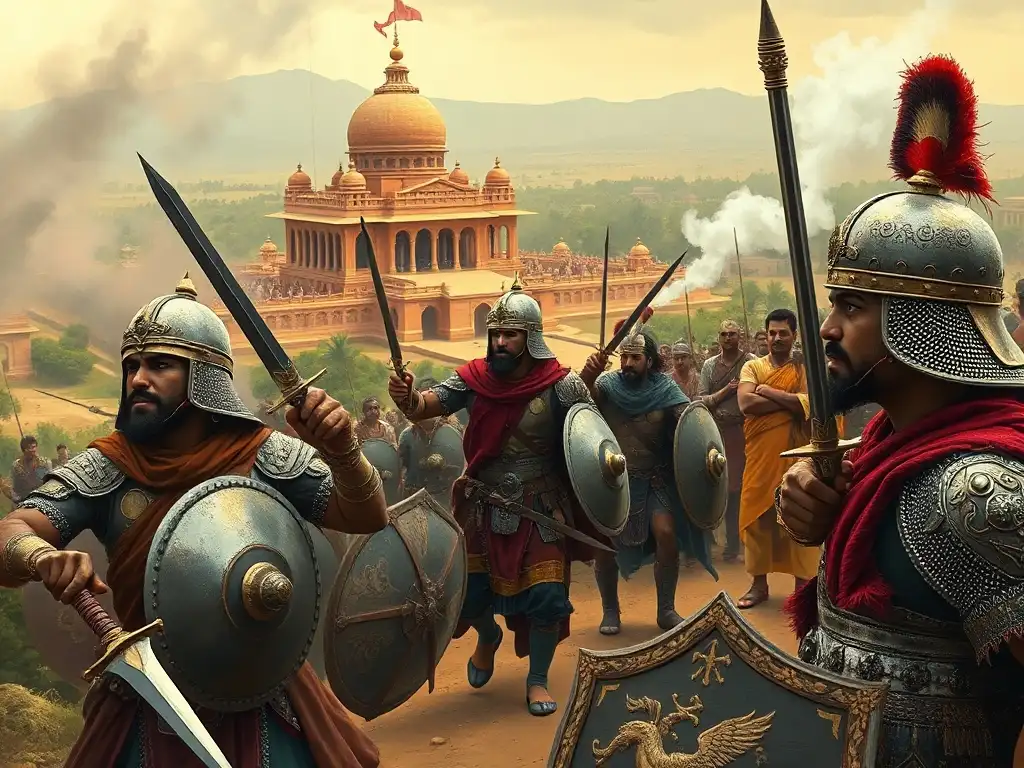
The Maurya Empire, one of the largest and most powerful empires in ancient India, faced numerous rebellions and insurrections throughout its reign. The responses to these challenges were pivotal in shaping the governance structure and political landscape of the empire. Understanding the impact of these responses reveals a complex interplay between authority and dissent, illustrating how the Maurya Empire navigated internal strife to maintain its dominance.
Short-term Effects on Governance and Stability
In the short term, the Mauryan response to rebellions often involved immediate military action to quell dissent. This military might was necessary to reassert control and prevent the spread of insurrection, which could destabilize the local governance and disrupt trade routes.
Key measures taken included:
- Deployment of Troops: The rapid mobilization of armies to conflict zones was crucial. For example, during the rebellion of the Kalinga region, Emperor Ashoka employed a large military force to subdue the insurrection, which temporarily restored order but at a significant human cost.
- Strengthening Local Administrations: In the aftermath of quelling rebellions, the Mauryan administration often restructured local governance. This included appointing loyal officials and increasing surveillance to prevent future uprisings. Such measures reinforced the central authority but also led to resentment among local populations.
- Diplomatic Negotiations: While military might was a common response, some rebellions were addressed through diplomacy. The Maurya Empire sometimes negotiated with rebellious factions, offering administrative concessions or tax relief to pacify dissenters. This approach helped maintain stability in the short term without resorting to violence.
These strategies, while effective in the immediate aftermath of rebellions, often left underlying grievances unaddressed, setting the stage for future unrest.
Long-term Consequences for the Maurya Empire’s Legacy
Over the long term, the responses to rebellions significantly influenced the Maurya Empire's legacy. While the immediate goals of restoring order and authority might have been achieved, the methods employed had lasting repercussions.
- Cultural and Social Repercussions: The heavy-handed military responses, especially in regions like Kalinga, led to significant loss of life and cultural disintegration. Ashoka's subsequent conversion to Buddhism after witnessing the devastation is a testament to the moral implications of violent suppression, which impacted the empire's cultural identity.
- Institutional Changes: The need to manage dissent forced the Mauryan administration to evolve. Institutions were established to better manage local governance, leading to a more complex bureaucratic system. This evolution influenced subsequent Indian empires, which adopted similar administrative frameworks.
- Shifts in Public Sentiment: The long-term use of force and coercion bred distrust among local populations. Despite initial successes, the persistent dissatisfaction contributed to the eventual decline of the Maurya Empire, as subjects yearned for a governance model that respected their autonomy and cultural identities.
Conclusion
The Maurya Empire’s responses to rebellions and insurrections were critical in shaping its governance and political stability. While immediate military interventions and administrative reforms helped maintain control, they also laid the groundwork for future challenges.
Summary of Key Insights from the Maurya Empire Rebellions Analysis
The analysis of the Maurya Empire's approach to rebellions reveals several key insights:
- Military Responses Were Common: The empire frequently relied on military force to quell uprisings, which, while effective in the short term, often resulted in significant collateral damage and resentment.
- Adaptation of Governance Structures: The need to address rebellions led to a more sophisticated administrative framework that influenced future Indian governance.
- Legacy of Conflict: The long-term effects of these responses often undermined the empire's stability, contributing to its eventual decline as local populations sought more representative forms of governance.
The Legacy of the Maurya Empire’s Approach to Governance and Rebellions
The legacy of the Maurya Empire's approach to governance and its handling of rebellions is multifaceted. On one hand, the empire's ability to respond to insurrections with military might and administrative reforms showcased its strength and adaptability. On the other hand, the consequences of these actions, especially in terms of cultural loss and public discontent, serve as a cautionary tale about the limits of coercive governance.
The Maurya Empire's experiences underscore the importance of balancing authority with the needs and sentiments of local populations. This delicate balance remains a relevant theme in governance discussions to this day, as leaders continue to grapple with the challenges posed by dissent and the quest for stability.
Further Reading and Resources
Exploring the complexities of the Maurya Empire's response to rebellions and insurrections requires delving into various scholarly resources. Here, we present a curated list of suggested books, articles, and online resources that provide in-depth analysis and context regarding the Maurya Empire's governance and its handling of dissent.
Suggested Books and Articles on Maurya Empire Rebellions
-
"The Maurya Empire: A Political History" by Romila Thapar
This comprehensive work offers insights into the political structure of the Maurya Empire, including its strategies for managing internal conflicts and rebellions. Thapar’s analysis is grounded in primary sources, providing a critical evaluation of the empire's administrative tactics.
-
"The History of Ancient India" by R. C. Majumdar
A detailed account of various Indian dynasties, this book includes a section specifically addressing the rebellions faced by the Maurya Empire and how these challenges shaped its policies and governance.
-
"Ashoka: The Search for Truth" by Charles D. Orsbon
Focusing on Emperor Ashoka, this book discusses his reign and the rebellions that arose during his time, analyzing how his policies transformed the empire's approach to dissent.
-
"War and Society in Ancient India" by R. S. Sharma
This work explores the sociopolitical dynamics of warfare in ancient India, including the implications of rebellions on the Maurya Empire's stability and governance.
-
"The Mauryan Empire and Its Decline" by R. K. Mukhia
Mukhia’s research offers a thorough exploration of the factors leading to rebellions within the Maurya Empire and the subsequent responses by its rulers.
Online Resources for In-depth Study of Mauryan Administration and Governance
-
Digital South Asia Library (DSAL)
This resource provides access to a range of texts and primary sources from the Maurya period, helping researchers understand the administrative framework and responses to rebellions.
-
Internet Ancient History Sourcebook
This online repository includes documents and excerpts related to the Maurya Empire, offering insights into its governance and the societal reactions to insurrections.
-
The British Museum’s Collection
The British Museum has a dedicated collection that features artifacts from the Maurya Empire. Their online database includes descriptions and historical context that can enrich understanding of the empire's administration.
-
JSTOR
An invaluable resource for academic articles, JSTOR hosts numerous papers on the Maurya Empire, covering topics such as governance, military strategies, and the handling of rebellions.
-
Ancient India: A Historical Overview (Podcast Series)
This podcast series delves into various aspects of ancient Indian civilizations, with episodes dedicated to the Maurya Empire's governance and responses to dissent, making it an engaging resource for auditory learners.
These resources will enhance your understanding of the Maurya Empire's rebellions analysis, shedding light on its administrative strategies and the socio-political landscape of ancient India.
- Introduction to the Maurya Empire
- Understanding Rebellions in the Maurya Empire
- Analysis of the Maurya Empire’s Response Mechanisms
- Case Studies of Notable Rebellions
- Impact of Rebellion Responses on the Maurya Empire
- Conclusion
- Further Reading and Resources
- What were the main causes of rebellions during the Maurya Empire?
- How did the Maurya Empire respond to these rebellions?
- What role did Ashoka play in managing insurrections?
- Were there any notable rebellions during the Maurya Empire?
- How did the Maurya Empire's response to rebellions influence its legacy?
Frequently Asked Questions
What were the main causes of rebellions during the Maurya Empire?
Rebellions during the Maurya Empire primarily stemmed from local grievances, administrative issues, and cultural tensions. Discontent among various groups often led to uprisings against central authority.
How did the Maurya Empire respond to these rebellions?
The Maurya Empire employed a mix of military force and diplomacy to quell rebellions. Effective strategies included negotiation with local leaders and the deployment of troops to restore order.
What role did Ashoka play in managing insurrections?
Ashoka, the third Mauryan emperor, significantly altered the approach to rebellion management by promoting Buddhism and non-violence. His policies aimed to foster unity and prevent uprisings through moral governance.
Were there any notable rebellions during the Maurya Empire?
Yes, notable rebellions included the Kalinga War, which had profound implications for Ashoka's reign. This conflict highlighted the challenges of expansion and the need for compassionate leadership.
How did the Maurya Empire's response to rebellions influence its legacy?
The Maurya Empire's adept handling of rebellions contributed to its stability and prosperity. This legacy influenced subsequent Indian empires, showcasing the importance of effective governance and cultural integration.
Final Reflection: Understanding the Maurya Empire's Resilience in the Face of Rebellion
The analysis of the Maurya Empire's response to rebellions and insurrections reveals a profound lesson in governance and resilience that resonates with today's socio-political landscape. In an era where conflicts and uprisings still shape nations, the strategies employed by the Maurya Empire serve as a powerful reminder of the importance of adaptability and understanding in leadership. The ability to navigate dissent while maintaining stability is not just a historical curiosity; it is a pressing concern for modern societies grappling with their own challenges.
Culture and society are inextricably linked to the lessons learned from historical empires like the Maurya. The legacy of how they managed internal strife continues to influence contemporary discussions about authority, justice, and community engagement. As we reflect on these historical responses, we can draw parallels to our own world, where the balance of power and the voice of the people remain critical. Those who cannot remember the past are condemned to repeat it.
– George Santayana. This quote encapsulates the essence of learning from history, urging us to consider how the Maurya Empire's experiences can inform our current approaches to governance and social cohesion.
As we conclude this exploration of the Maurya Empire's rebellions analysis, I invite you to reflect on the lessons of resilience and adaptability in your own life. Consider how you can apply these insights to foster understanding and collaboration in your community. Whether in personal relationships or broader societal interactions, embracing the complexities of dissent and dialogue can lead to stronger, more united communities. Let us carry forward the wisdom of the past as we navigate the challenges of the present and future.
Unveil the Lessons from History: Take Action Today!
Thank you for exploring the fascinating world of the Maurya Empire’s responses to rebellions and insurrections! Understanding these historical dynamics not only enriches our appreciation of ancient civilizations but also equips us with valuable insights into managing conflicts and fostering unity in our contemporary society. Now, let's transform those insights into action!
- Reflect on history's lessons: Take a moment to journal how the strategies employed by the Maurya Empire could apply to the modern-day challenges you face in your community or organization.
- Discuss and share: Engage with friends, family, or colleagues about your newfound knowledge—initiate a conversation or create a discussion group focused on historical responses to conflict.
- Explore further: Visit our website to discover more articles about ancient governance strategies and resistance. Challenge yourself to learn something new each week!
Which aspects of the Maurya Empire’s approach do you believe are most relevant for addressing today’s challenges? Share your thoughts in the comments below!