
The Evolution of Indian Pottery: A Reflection of Cultural Interactions

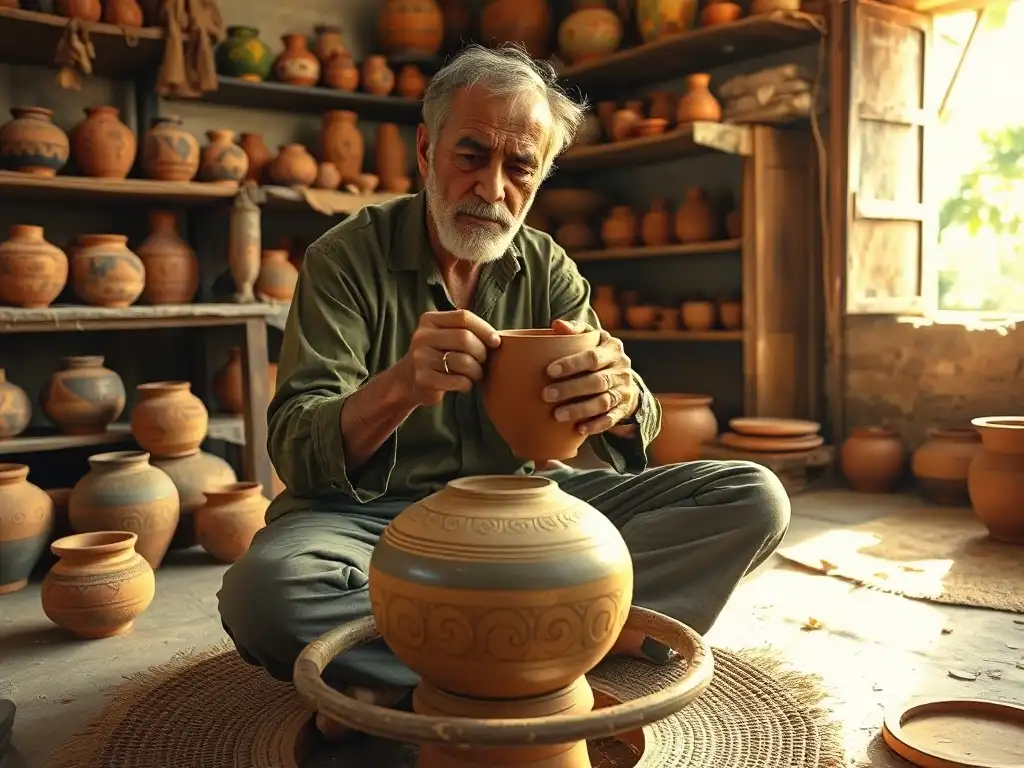
Welcome to Ancient India History, where we embark on a fascinating journey through the intricate tapestry of ancient Indian civilizations. From the sprawling urban landscapes of the Indus Valley to the intellectual heights of the Gupta Empire, our site delves deep into the rich history and vibrant culture that shaped this incredible region.
In our featured article, "The Evolution of Indian Pottery: A Reflection of Cultural Interactions," we uncover the ancient Indian pottery history, revealing how these exquisite artifacts not only showcase artistic craftsmanship but also narrate stories of cultural exchanges and influences. Prepare to ignite your curiosity and explore the profound legacy of ancient India that continues to captivate the world today!
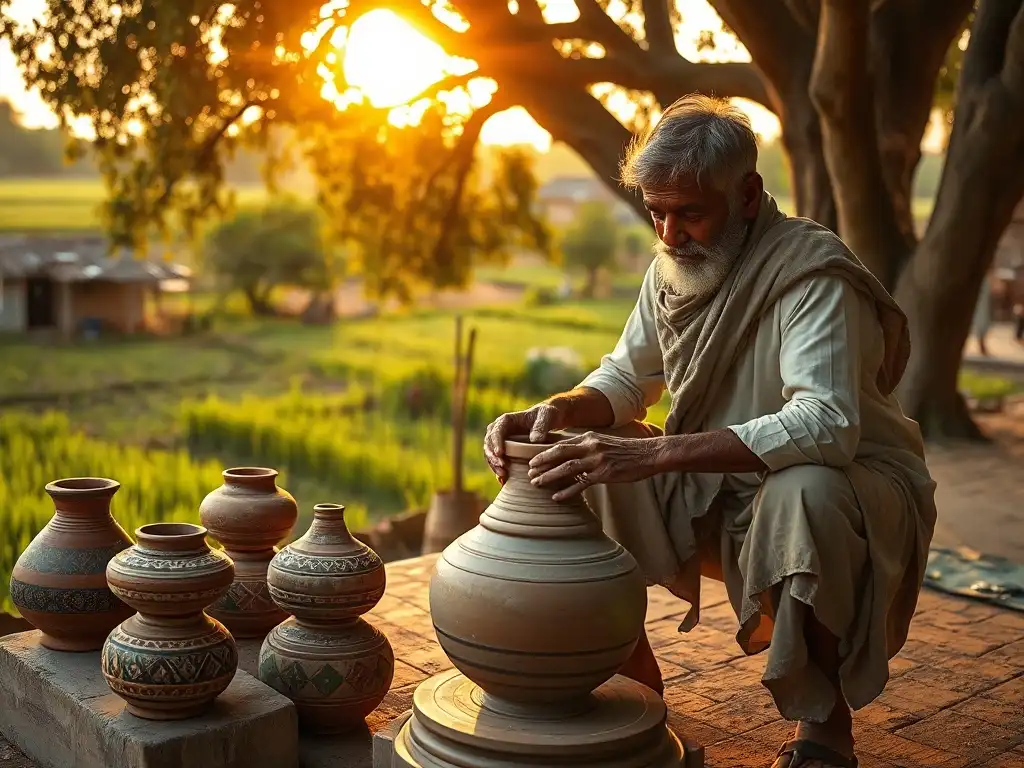
Introduction to Ancient Indian Pottery History
The history of ancient Indian pottery serves as a fascinating lens through which we can examine the cultural exchanges and artistic developments that shaped the subcontinent over millennia. Pottery, one of the oldest human crafts, not only reflects the technological advancements of the time but also embodies the social, economic, and artistic values of the civilizations that produced it.
From the intricate designs of the Indus Valley civilization to the exquisite forms of the Gupta Empire, the evolution of pottery in ancient India reveals a rich tapestry of cultural interactions and influences. This article delves into the intricate history of Indian pottery, exploring its significance as a medium of artistic expression and a tool for understanding the diverse cultural landscapes of ancient India.
Overview of Pottery in Ancient India
Pottery in ancient India spans a vast timeline and showcases a variety of styles that evolved in response to changing cultural dynamics.
- Early Beginnings: The earliest evidence of pottery in India dates back to the Neolithic period, with simple earthenware used for storage and cooking.
- Regional Variations: Different regions developed distinctive pottery styles influenced by local resources and traditions.
- Symbol of Daily Life: Pottery was not merely functional; it was often adorned with intricate designs that conveyed social status and artistic identity.
The study of ancient Indian pottery thus provides crucial insights into the daily lives, beliefs, and artistic expressions of past civilizations.
Importance of Pottery in Cultural Contexts
Pottery holds a significant place in understanding the cultural contexts of ancient Indian societies. Its importance can be highlighted through several dimensions:
- Economic Role: Pottery facilitated trade and commerce, serving as a medium for storage and transportation of goods.
- Social Significance: The decorative aspects of pottery often reflected societal norms and values, indicating the status and identity of individuals or communities.
- Religious and Ritualistic Use: Many pottery forms were associated with religious practices, illustrating the spiritual beliefs and rituals of ancient peoples.
Overall, the evolution of pottery in ancient India illustrates not just technological advancements but also the profound cultural narratives that shaped the subcontinent.
The Indus Valley Civilization and Its Pottery
The Indus Valley Civilization (circa 3300–1300 BCE) is renowned for its sophisticated urban planning, and its pottery is a vital aspect of this ancient culture.
Characteristics of Indus Valley Pottery
Indus Valley pottery is characterized by:
- High-Quality Craftsmanship: Potters used a high-fired technique that resulted in durable and finely finished pottery.
- Distinctive Designs: Common motifs included geometric patterns, animals, and human figures, often painted in red and black.
These characteristics not only illustrate the technical prowess of Indus artisans but also their aesthetic sensibilities.
Techniques and Materials Used in Early Pottery
The techniques and materials employed in creating Indus Valley pottery were advanced for their time:
- Materials: Primarily made from clay, often mixed with tempering agents like sand or crushed pottery to enhance durability.
- Techniques: The use of a potter's wheel allowed for uniform shaping, while glazing techniques added to the visual appeal.
Such innovations highlight the technological sophistication of the Indus Valley potters and their contributions to the art of pottery.
Cultural Significance of Pottery in the Indus Valley
Pottery in the Indus Valley was not just functional but deeply embedded in the cultural fabric of society:
- Symbol of Everyday Life: Pottery items were integral to domestic life, used for cooking, storage, and serving food.
- Ritualistic Importance: Certain pottery forms, like terracotta figurines, played a role in religious rituals and practices, reflecting the spiritual beliefs of the community.
Thus, the pottery of the Indus Valley serves as a crucial indicator of the civilization's cultural identity and societal organization.
Vedic and Post-Vedic Period Pottery
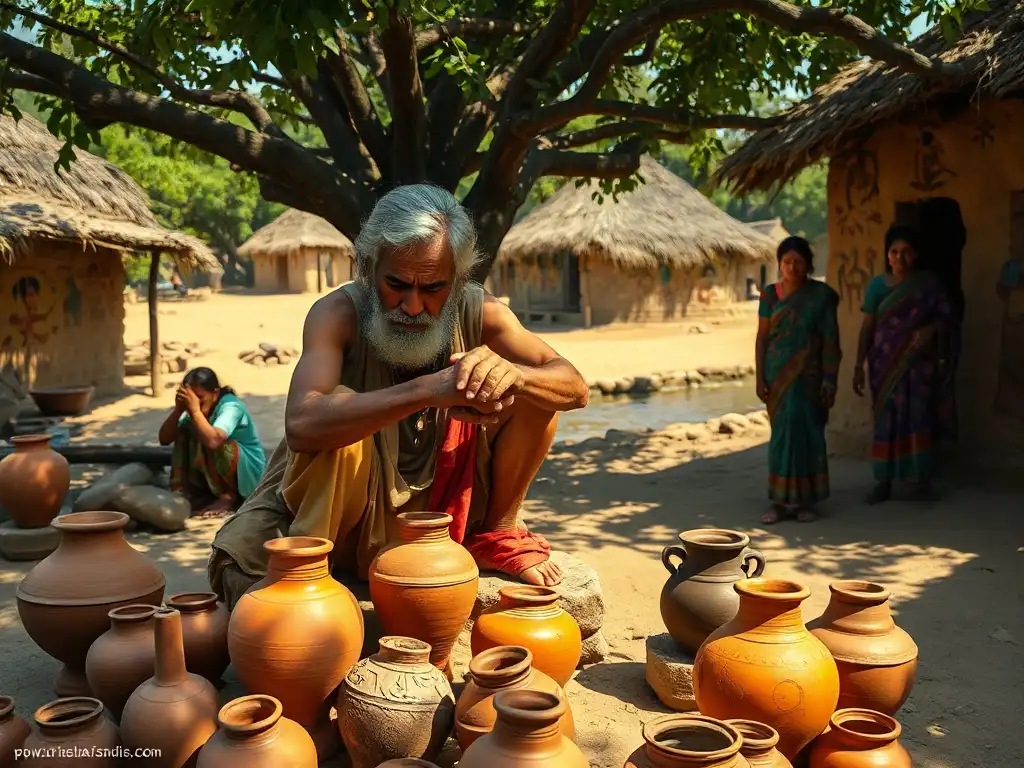
The Vedic and Post-Vedic periods, spanning approximately from 1500 BCE to 500 BCE, marked a significant evolution in ancient Indian pottery. This era is characterized by a transition from the earlier hand-crafted pottery to more refined and varied forms. The pottery of this time reflects the cultural and social dynamics of Vedic society, which was primarily pastoral and agrarian.
Transformation of Pottery Styles and Functions
During the Vedic period, pottery styles underwent considerable transformation. The introduction of the potter's wheel allowed for more uniform and intricate designs, leading to advancements in both aesthetics and functionality. Pottery became not just utilitarian objects but also served ceremonial purposes, particularly in religious rituals.
Key transformations included:
- Increased Variety: The emergence of different forms such as bowls, plates, and storage jars.
- Functional Adaptations: Pottery was adapted for specific uses, including cooking, storage, and ceremonial offerings.
- Decorative Techniques: The use of incised and painted decorations became more common, showcasing intricate patterns that often held symbolic meanings.
The shift in pottery styles and functions illustrates the broader social changes occurring in Vedic society, where material culture began to reflect the complexities of daily life and spiritual practices.
Influence of Vedic Culture on Pottery Designs
Vedic culture had a profound influence on pottery designs, which often embodied the spiritual and philosophical ideals of the time. Pottery from this period frequently featured motifs and symbols that were significant in Vedic rituals.
Notable influences included:
- Symbolic Representations: Designs often incorporated motifs such as swastikas, lotus flowers, and geometric patterns, which were believed to possess spiritual significance.
- Ceremonial Usage: Pottery was crafted for specific rituals, with certain vessels designated for offerings to deities, highlighting the interplay between art and spirituality.
- Material Significance: The choice of clay and the methods of firing were influenced by the desire to create spiritually significant objects, with certain clays believed to possess purifying qualities.
This cultural influence ensured that pottery was not merely functional but also a vessel of cultural identity and religious expression.
Regional Variations in Pottery from the Vedic Age
The Vedic period also witnessed significant regional variations in pottery styles, reflecting the diverse environments and cultures across the Indian subcontinent. Different regions developed distinct pottery traditions based on available materials, climatic conditions, and local customs.
Key regional characteristics included:
- North India: Pottery was often more robust, with larger storage vessels and decorative elements influenced by pastoral lifestyles.
- South India: Fine, painted pottery became prevalent, showcasing intricate designs and smaller, more delicate forms.
- Eastern Regions: Terracotta figurines and ritual pottery emerged, illustrating a blend of indigenous practices with Vedic influences.
These regional variations not only highlight the adaptability of pottery to local contexts but also point to the cultural exchanges that occurred as communities interacted and shared ideas.
The Mauryan Empire and Advancements in Pottery
The Mauryan Empire, from approximately 322 BCE to 185 BCE, marked a pivotal era in the history of ancient Indian pottery. This period saw significant advancements in pottery techniques, influenced by the empire's vast expanse and cultural interactions with various regions.
Innovations in Pottery Techniques during the Mauryan Era
The Mauryan period was notable for technological innovations that transformed pottery production. The use of the potter's wheel became widespread, leading to more standardized shapes and sizes.
Innovative techniques included:
- High-Temperature Firing: This allowed for stronger and more durable pottery, suitable for everyday use and trade.
- Glazing Techniques: The introduction of glazes enhanced the aesthetic appeal of pottery, with shiny surfaces and vibrant colors becoming more common.
- Mass Production: The establishment of workshops facilitated the mass production of pottery, making it more accessible to a wider audience.
These innovations not only improved the quality of pottery but also contributed to the economic growth of the Mauryan Empire by fostering trade relations.
The Role of Pottery in Mauryan Society and Economy
Pottery played a crucial role in the Mauryan society, serving both practical and economic functions. It was integral to daily life, used for storing food, cooking, and serving meals. Beyond its utility, pottery also became a medium for trade.
Key roles included:
- Economic Exchange: Pottery became a significant commodity in trade networks, with distinctive styles and types emerging from various regions.
- Cultural Transmission: The movement of pottery across regions facilitated cultural exchanges, as designs and techniques were shared among diverse communities.
- Social Indicators: The quality and style of pottery reflected social status, with finer pieces often reserved for the elite or used in ceremonial contexts.
This multifaceted role underscores the importance of pottery not only as a functional object but also as a marker of cultural and economic identity.
Artistic Expressions in Mauryan Pottery
Artistic expression reached new heights during the Mauryan Empire, with pottery serving as a canvas for creative exploration. The aesthetic qualities of pottery from this era reflect the sophisticated artistic sensibilities of the time.
Artistic characteristics included:
- Intricate Designs: Pottery featured elaborate motifs, including floral patterns and animal depictions, demonstrating skilled craftsmanship.
- Symbolic Art: Many pieces incorporated symbols that conveyed cultural narratives or religious beliefs, serving as storytelling mediums.
- Terracotta Figurines: The production of terracotta figurines also flourished, showcasing the artistic abilities of potters and their role in religious practices.
The artistic expressions in Mauryan pottery reveal a society deeply engaged with both the practical and the aesthetic, highlighting the significance of pottery as a cultural artifact that captures the essence of ancient Indian civilization.
Gupta Empire: The Golden Age of Indian Pottery
The Gupta Empire, which thrived from approximately 320 to 550 CE, is often heralded as the "Golden Age" of Indian history, marked by significant advancements in art, science, and culture. This period was crucial for the evolution of ancient Indian pottery, reflecting the richness of cultural interactions that characterized the era. Pottery from this time is distinguished by its exquisite craftsmanship and the use of innovative techniques, such as the potter's wheel, which enabled artisans to create more intricate and uniform shapes.
The Gupta period saw a diverse range of pottery styles, often influenced by local traditions and external interactions. This era is particularly notable for its painted pottery, which not only served functional purposes but also acted as a canvas for artistic expression. The materials used in Gupta pottery, including fine clay and slips, allowed for detailed decoration that showcased the skills of the potters.
Flourishing of Artistic Styles in Gupta Pottery
During the Gupta Empire, artistic styles flourished, resulting in a variety of pottery forms, including utilitarian items, ceremonial wares, and decorative pieces. The introduction of new glazing techniques and slip painting allowed for vibrant colors and complex patterns, making Gupta pottery distinct.
Artisans began to experiment with shapes, producing everything from simple everyday vessels to elaborate ceremonial items adorned with intricate motifs. The use of natural dyes derived from plants and minerals further enriched the visual appeal of these wares. This period also saw the emergence of specific pottery styles, such as the black-and-red ware, which became synonymous with Gupta craftsmanship.
Symbolism and Themes in Gupta Pottery Designs
The designs found on Gupta pottery often carried deep symbolic meanings, reflecting the religious and cultural beliefs of the time. Common themes included depictions of Hindu deities, floral motifs, and geometric patterns, all of which served to connect the material with the spiritual.
Pottery was not merely functional; it was imbued with cultural significance, often used in rituals and ceremonies. The representation of mythical creatures and narratives from epics like the Mahabharata and Ramayana illustrated the rich storytelling tradition of ancient India. These artistic expressions were essential for transmitting cultural values and beliefs, making Gupta pottery a valuable artifact for understanding the social fabric of the time.
The Impact of Trade on Pottery Production
Trade played a pivotal role in the production and dissemination of Gupta pottery. The expansive trade routes established during the Gupta Empire facilitated not only the exchange of goods but also the sharing of artistic techniques and styles.
Potters in the Gupta period took inspiration from neighboring regions, incorporating foreign elements into their work. For instance, contact with the Roman Empire and Central Asian cultures introduced new materials and methods that enhanced the complexity of Indian pottery. This cross-pollination of ideas and techniques led to an evolution in design and function, ensuring that Gupta pottery remained relevant and sought after across various markets.
Cultural Interactions and Their Influence on Pottery
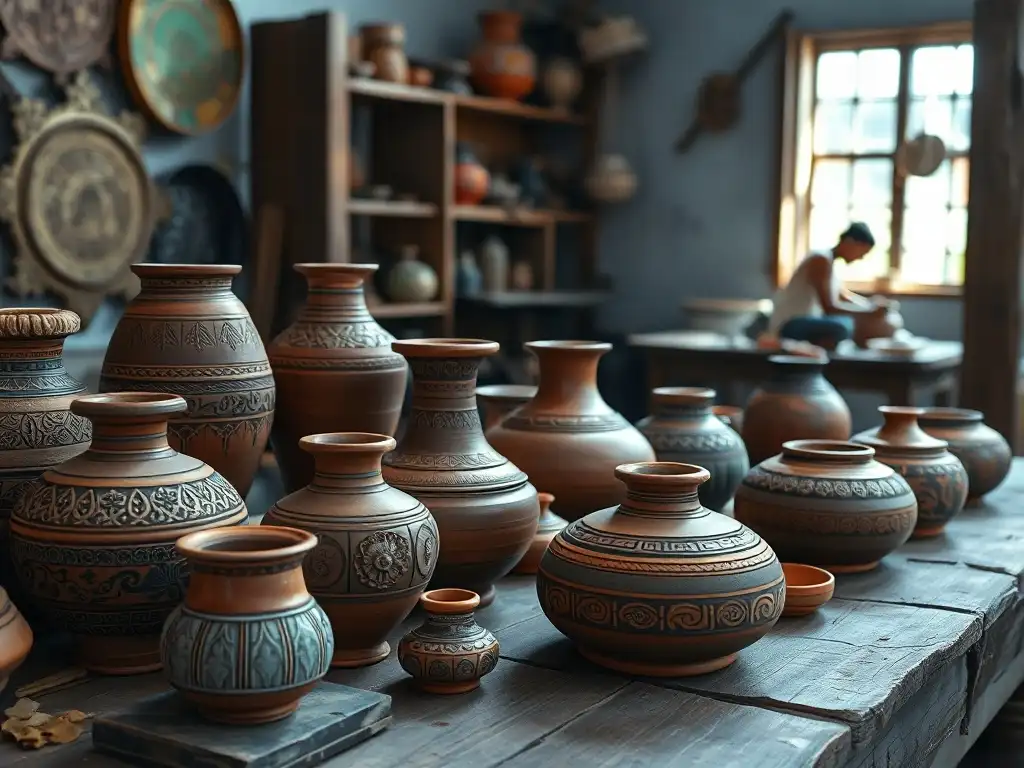
Cultural interactions during the Gupta Empire significantly shaped the landscape of pottery production, creating a vibrant tapestry of influences that is evident in the archaeological record. The blending of local traditions with external elements resulted in a unique style that is emblematic of the era.
External Influences: Trade Routes and Cultural Exchanges
The extensive trade routes established during this time were not only conduits for goods but also for ideas and cultural practices. Merchants and travelers brought with them new artistic influences, which potters adeptly adapted into their own styles.
This exchange was particularly pronounced along the Silk Road, where Indian pottery began to be influenced by Persian and Hellenistic styles. The incorporation of foreign motifs and techniques enriched the local pottery traditions, leading to a diversification of forms and aesthetics. As a result, Gupta pottery not only served local needs but also became a sought-after commodity in international markets.
The Effect of Religion and Philosophy on Pottery Art
Religion and philosophy played crucial roles in shaping the themes and styles found in pottery during the Gupta period. The rise of Hinduism and Buddhism saw a proliferation of religious iconography in pottery designs, reflecting the spiritual beliefs of the populace.
Pottery items were often used in religious rituals, and as such, they were decorated with motifs that represented various deities and spiritual symbols. This connection between art and spirituality meant that pottery was not just a craft but a medium for conveying philosophical ideas and beliefs. The intricate designs often served as a narrative device, providing insight into the religious practices and societal values of the time.
Syncretism in Pottery Styles Across Regions
The Gupta Empire was marked by significant syncretism in artistic traditions, particularly in pottery. As various cultures interacted and exchanged ideas, potters began to blend styles from different regions, creating a unique synthesis that characterized Gupta pottery.
This blending is evident in the variety of decorative techniques employed, such as incising, painting, and the application of slips. The regional diversity of pottery styles reflects the influences of local customs and the broader cultural milieu of the Gupta Empire. As a result, the pottery from this era stands as a testament to the dynamic interactions that shaped ancient Indian civilization, showcasing the rich heritage of artistic and cultural syncretism.
Conclusion: The Legacy of Ancient Indian Pottery
The legacy of ancient Indian pottery is a testament to the rich tapestry of cultural interactions that have shaped the subcontinent's history. From the intricate designs of the Indus Valley Civilization to the elaborate motifs of the Gupta period, pottery serves as a crucial medium for understanding societal norms, technological advancements, and artistic expressions throughout the ages.
It encapsulates the values, beliefs, and daily lives of the people who created it, making it an invaluable resource for historians and archaeologists alike. As we delve into the past through these artifacts, it becomes clear that ancient Indian pottery is not merely decorative; it is a reflection of the dynamic cultural exchanges that have occurred over millennia, leaving an enduring mark on Indian identity.
Summary of Key Developments in Ancient Indian Pottery History
Ancient Indian pottery history can be traced through several key developments:
- Indus Valley Civilization (c. 3300–1300 BCE): Renowned for its high-fired, painted pottery, characterized by geometric patterns and animal motifs. This period showcases the sophistication of urban planning and trade.
- Post-Indus Period (c. 1300–600 BCE): The emergence of painted grey ware and the decline of urban centers led to simpler pottery styles, reflecting changing lifestyles and cultural influences.
- Maurya Period (c. 322–185 BCE): Introduction of new pottery techniques and materials, such as terracotta and fine wares, demonstrating influences from neighboring cultures and the integration of artistic styles.
- Gupta Period (c. 320–550 CE): This era witnessed a resurgence in artistic expression, with delicate, intricately painted pottery that showcased mythological themes and the flourishing of trade networks.
These developments highlight the continuous evolution of pottery styles and techniques in response to social, economic, and cultural changes throughout ancient Indian history.
The Impact of Ancient Pottery on Modern Indian Art and Culture
The impact of ancient pottery on modern Indian art and culture is profound and multifaceted. Contemporary Indian artisans often draw inspiration from ancient designs, motifs, and firing techniques, resulting in a revival of traditional pottery practices. This connection to heritage fosters a sense of identity and continuity within communities.
Moreover, modern artists frequently reinterpret ancient forms, merging them with contemporary aesthetics to create unique works that resonate with both local and global audiences. Festivals and exhibitions celebrating pottery craftsmanship have emerged, emphasizing the importance of this art form in India's cultural landscape. The preservation of ancient pottery knowledge not only enriches modern artistic expression but also facilitates cultural dialogue, allowing for the exploration of India's diverse heritage.
Reflection on Cultural Interactions Through Pottery
How Pottery Reflects Historical Cultural Interactions
Pottery serves as a silent witness to the historical cultural interactions that have occurred across the Indian subcontinent. It provides insights into trade relationships, migration patterns, and the blending of various cultural influences. For instance, the introduction of foreign motifs and techniques during the Maurya and Gupta periods illustrates the cross-cultural exchanges facilitated by trade routes.
The adoption of specific pottery styles by different communities often indicates assimilation and adaptation, showcasing how ancient societies engaged with one another. The presence of terracotta figurines and vessels from various regions further emphasizes the interconnectedness of ancient Indian civilizations. By studying these artifacts, we can better understand the nature of cultural interactions, the diffusion of ideas, and the resultant transformations in artistic practices.
The Importance of Preserving Pottery Traditions Today
Preserving pottery traditions today is crucial for safeguarding the cultural heritage of India. As globalization influences contemporary art forms, there is a risk of losing traditional techniques and knowledge passed down through generations. Efforts to document and revive these practices ensure that future generations can appreciate the craftsmanship and cultural significance of ancient pottery.
Initiatives such as workshops, artisan communities, and cultural festivals play a vital role in promoting traditional pottery-making skills. By fostering a renewed interest in these crafts, we can encourage sustainable practices and support local economies. Additionally, the preservation of pottery traditions contributes to a richer understanding of India's artistic legacy, allowing us to celebrate and honor the diverse cultural narratives that have shaped the nation.
- Introduction to Ancient Indian Pottery History
- Overview of Pottery in Ancient India
- Importance of Pottery in Cultural Contexts
- The Indus Valley Civilization and Its Pottery
- Vedic and Post-Vedic Period Pottery
- The Mauryan Empire and Advancements in Pottery
- Gupta Empire: The Golden Age of Indian Pottery
- Cultural Interactions and Their Influence on Pottery
- Conclusion: The Legacy of Ancient Indian Pottery
- Reflection on Cultural Interactions Through Pottery
Frequently Asked Questions
What is the significance of ancient Indian pottery history?
Ancient Indian pottery serves as a crucial indicator of cultural interactions, technological advancements, and daily life in ancient civilizations, reflecting their social and economic conditions.
How did pottery evolve in ancient India?
Pottery in ancient India evolved through various phases, starting from the Indus Valley Civilization to the Gupta Empire, showcasing changes in style, technique, and materials used.
What materials were commonly used in ancient Indian pottery?
Ancient Indian pottery was primarily made from clay, often mixed with other natural materials to enhance durability. Decorative elements included natural pigments and glazes.
How does ancient Indian pottery reflect cultural interactions?
The styles and techniques of ancient Indian pottery often reveal influences from neighboring cultures through trade and migration, illustrating a blend of artistic expressions across different regions.
What are some notable types of ancient Indian pottery?
Key types of ancient Indian pottery include painted pottery from the Indus Valley, red and black ware from the Mauryan period, and the intricate designs of Gupta pottery, each showcasing distinct characteristics and purposes.
Final Reflection: The Timeless Legacy of Ancient Indian Pottery
The evolution of ancient Indian pottery history is not merely a chronicle of artistic expression; it is a profound narrative that encapsulates the cultural interactions and exchanges that have shaped our society. Today, as we navigate an increasingly globalized world, the lessons embedded in these ancient artifacts remind us of the interconnectedness of human experiences and the importance of preserving our heritage.
The intricate designs and techniques of pottery from centuries past serve as a testament to the creativity and resilience of our ancestors, urging us to appreciate the rich tapestry of cultural influences that continue to inform our identities.
Cultural artifacts like pottery are not just remnants of the past; they are living symbols of our shared history and ongoing dialogue between communities. The influence of ancient Indian pottery can be seen in contemporary art and craft practices, where artisans draw inspiration from traditional methods while infusing modern sensibilities. As noted by the renowned art historian, Art is the most beautiful of all lies; it is the truth of our existence.
This truth resonates deeply as we recognize how these ancient forms continue to inspire and inform the cultural landscape, bridging gaps between generations and fostering a sense of belonging.
As you reflect on the journey of ancient Indian pottery, I invite you to consider how you can engage with and honor this legacy in your own life. Take a moment to explore your local art scene, support artisans, or even try your hand at pottery-making. By doing so, you not only connect with a rich cultural heritage but also contribute to the ongoing dialogue that shapes our collective identity. Let us cherish the stories told through clay and celebrate the enduring spirit of creativity that transcends time and space.
Unveil Your Creativity Through Indian Pottery!
Thank you for taking the time to explore the fascinating journey of Indian pottery. We hope this article has inspired you to appreciate the rich cultural interactions reflected in each crafted piece. Now, it’s your turn to dive deeper into this artistic world!
Here are a few ideas to get you started:
- Join a local pottery class to experience the joy of creating your own unique pieces that tell a story.
- Visit local artisan markets to discover traditional pottery and support craftsmen who are dedicated to keeping this vibrant heritage alive.
- Engage with the community by sharing your pottery creations on social media to connect with fellow enthusiasts and celebrate your artistic journey.
How will you embrace the rich heritage of Indian pottery in your daily life?