
The Aesthetic of Harmony: How Ancient Indian Art Embodied Cultural Unity

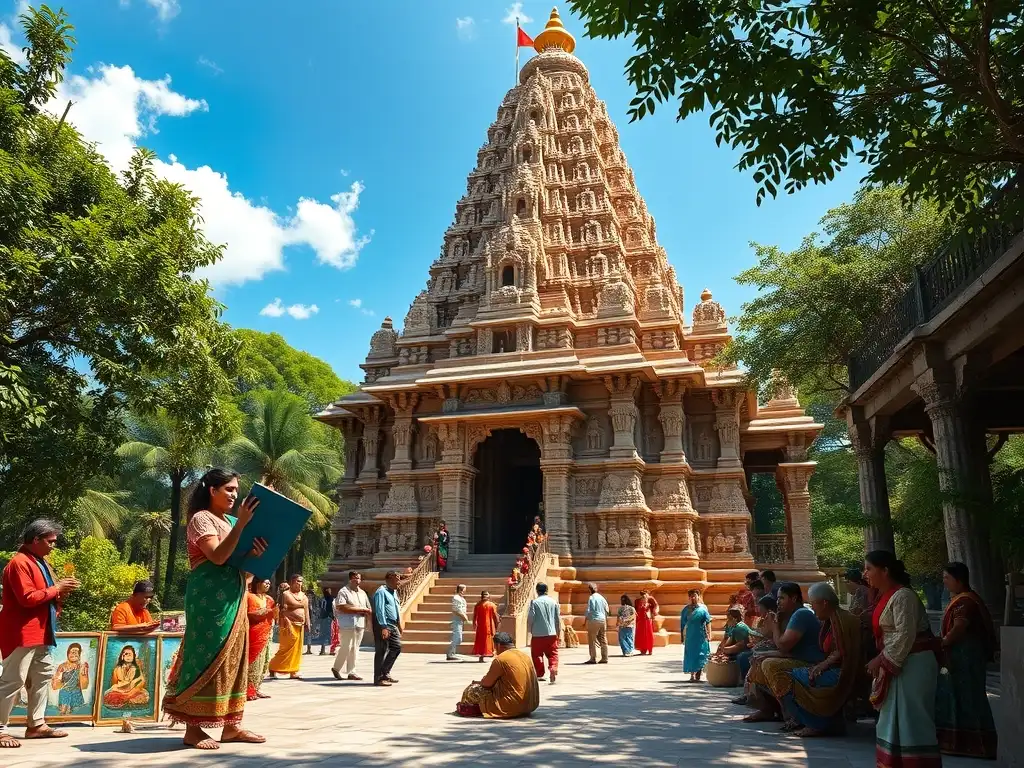
Welcome to Ancient India History, where we embark on a fascinating journey through the vibrant tapestry of ancient Indian civilizations. Here, we delve into the rich and diverse history, exploring how art and culture flourished from the Indus Valley to the Gupta Empire. In our featured article, "The Aesthetic of Harmony: How Ancient Indian Art Embodied Cultural Unity," we invite you to uncover the profound connections between art and cultural exchanges that shaped the identity of ancient India.
Prepare to be captivated as we reveal how these masterpieces not only reflect aesthetic beauty but also tell the stories of unity and diversity that resonate through time. Let's dive deeper into the enchanting world of ancient Indian art and culture!
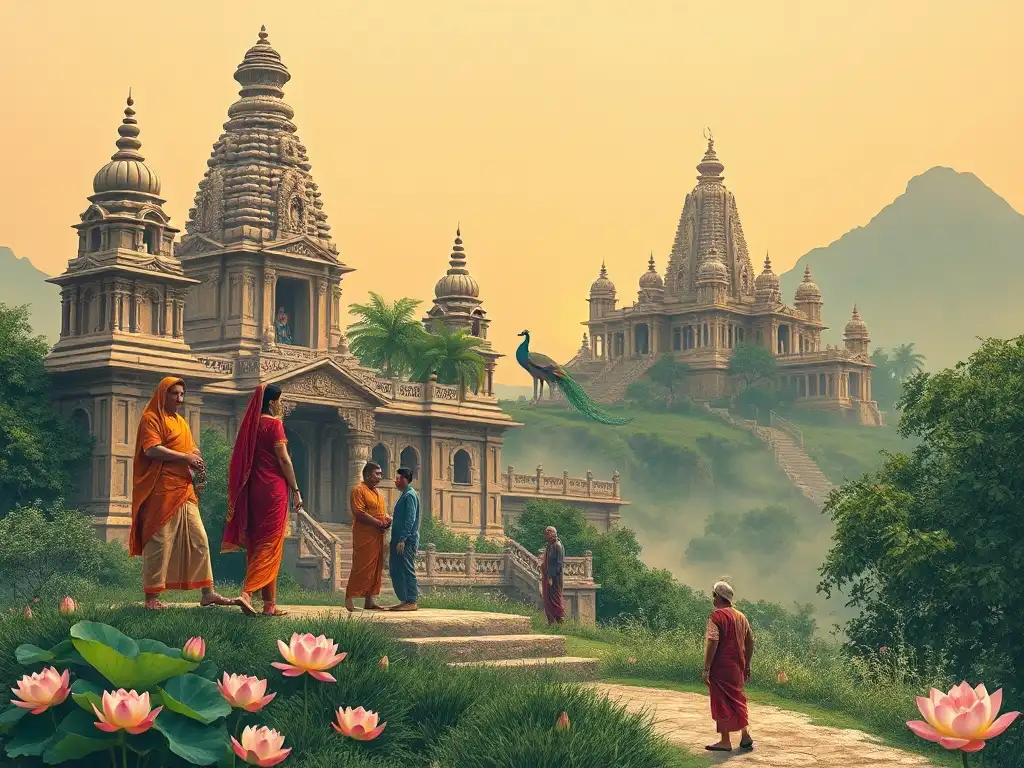
Introduction to Ancient Indian Art and Culture
Ancient Indian art and culture is a profound testament to the creativity and diversity of the subcontinent's civilizations. Spanning several millennia, this rich heritage reflects a unique blend of influences, philosophies, and aesthetics. From the intricate carvings of the Indus Valley to the magnificent sculptures of the Gupta Empire, ancient Indian art serves as a visual narrative, encapsulating the values, beliefs, and social dynamics of its time.
The concept of harmony, both in form and content, played a pivotal role in the creation of these artistic expressions, fostering a sense of unity amidst the vast cultural diversity present in ancient India. This article delves into the aesthetic of harmony that defined ancient Indian art and explores how it embodied cultural unity across various civilizations.
Overview of Ancient Indian Civilizations
Ancient India was home to several prominent civilizations, each contributing uniquely to the country's artistic and cultural landscape. The Indus Valley Civilization (circa 2500-1900 BCE) is noted for its advanced urban planning and sophisticated craftsmanship. Following this, the Vedic period (circa 1500-500 BCE) introduced new philosophical and religious ideas that significantly influenced art. The Maurya Empire (circa 322-185 BCE) witnessed the emergence of monumental sculptures and architecture, while the Gupta Empire (circa 320-550 CE) is often regarded as the golden age of Indian art, characterized by exquisite temple architecture and iconography.
- Key Civilizations:
- Indus Valley Civilization
- Vedic Period
- Maurya Empire
- Gupta Empire
These civilizations laid the groundwork for a diverse cultural tapestry, where art became a vital medium for expressing identity, beliefs, and values.
Significance of Art in Cultural Expression
Art in ancient India was not merely a form of aesthetic pleasure; it served as a powerful vehicle for cultural expression. Through various artistic forms—such as sculpture, painting, pottery, and textiles—artists conveyed complex narratives that resonated with the spiritual and social life of their communities.
- Functions of Art:
- Religious expression: Many artworks were created to honor deities and reflect spiritual beliefs.
- Social commentary: Art often depicted daily life, societal norms, and historical events.
- Cultural identity: Diverse styles and motifs represented the unique identities of various communities.
The interplay of these functions illustrates how ancient Indian art acted as a mirror to the society from which it emerged, fostering a sense of belonging and cultural unity.
The Foundations of Ancient Indian Art
Historical Context of Artistic Development
The evolution of ancient Indian art is intricately linked to the socio-political and religious contexts of the time. Each period brought forth distinct artistic styles that were influenced by prevailing ideologies, trade connections, and cultural exchanges.
- Major Periods:
- Prehistoric Art: Cave paintings and rock art.
- Mauryan Art: Emphasis on stone carvings and stupas.
- Gupta Art: Flourishing of classical styles in sculpture and painting.
Understanding the historical backdrop of these artistic developments is crucial for appreciating the intricate layers of meaning embedded within ancient Indian art.
Influences from the Indus Valley Civilization
The Indus Valley Civilization is often hailed as a cornerstone of ancient Indian art, setting the stage for future artistic endeavors. The civilization is renowned for its remarkable craftsmanship in pottery, seals, and sculpture, characterized by a high degree of realism and attention to detail.
- Artistic Features:
- Terracotta figurines depicting animals and human forms.
- Intricate seals used for trade, showcasing motifs that reflect the civilization's beliefs and daily life.
- Urban designs that integrated art into functional spaces.
These early artistic expressions laid a foundation that would influence subsequent cultures, emphasizing the importance of harmony between utility and beauty.
The Role of Religion in Shaping Art
Religion played a fundamental role in the evolution of ancient Indian art, serving as both a source of inspiration and a guiding principle in artistic creation. The diverse religious traditions, including Hinduism, Buddhism, and Jainism, contributed significantly to the themes, styles, and iconography found in ancient artworks.
- Religious Influences:
- Hindu Art: Focused on deities, mythological narratives, and temple architecture.
- Buddhist Art: Emphasized meditation, enlightenment, and the depiction of the Buddha.
- Jain Art: Highlighted non-violence and ascetic ideals through detailed sculptures and manuscripts.
Through these religious lenses, artists sought to convey deeper truths and foster a sense of spiritual unity, echoing the overarching theme of harmony that permeated ancient Indian art and culture.
Key Characteristics of Ancient Indian Art
Ancient Indian art is a vibrant tapestry woven from a variety of cultural threads, reflecting the rich history of the subcontinent. The key characteristics of this art form encompass a deep connection to spirituality, a focus on symbolism, and a commitment to aesthetic beauty. Ancient Indian artists often sought to communicate profound philosophical ideas and spiritual concepts through their works, ensuring that art transcended mere decoration to become a medium of expression.
One of the most notable traits of ancient Indian art is its emphasis on intricate details and elaborate patterns. Whether in sculpture, painting, or architecture, the precision and craftsmanship are evident, showcasing the skills of artisans who dedicated their lives to mastering their crafts. Moreover, the use of vibrant colors and dynamic forms helps convey movement and energy, drawing viewers into the depicted scenes and stories.
In addition to the technical aspects, ancient Indian art is characterized by its adherence to traditional themes and narratives. Mythological stories, religious iconography, and historical events frequently served as sources of inspiration, highlighting the integral role of culture and belief systems in shaping artistic expression. This intertwining of art and culture created a visual language that resonated with audiences across generations.
Symbolism and Spirituality in Art
Symbolism plays a crucial role in ancient Indian art, where every color, form, and figure carries specific meanings that transcend the physical representation. For instance, the lotus symbolizes purity and divine beauty, while the serpent often represents rebirth and transformation. Such symbols are not merely decorative; they are imbued with spiritual significance that invites the viewer to engage with the deeper meanings behind the artwork.
Spirituality is a cornerstone of ancient Indian artistic expression, as many works were created for religious purposes. Temples, sculptures, and paintings were often designed to evoke a sense of divinity and connection to the cosmos. This is particularly evident in Hindu and Buddhist art, where deities are represented with great reverence, often adorned with elaborate adornments and surrounded by intricate motifs that enhance their divine presence.
Moreover, the concept of 'Rasa'—the aesthetic experience that evokes emotions—plays a pivotal role in ancient Indian art. Artists aimed to elicit specific feelings from the audience, whether it be devotion, joy, or tranquility, thereby creating an immersive experience that transcended the ordinary. This spiritual engagement is what sets ancient Indian art apart, as it serves not just as visual pleasure but as a gateway to deeper philosophical contemplation.
Techniques and Materials Used in Ancient Art
The techniques and materials used in ancient Indian art vary widely, reflecting the skills of artisans and the resources available in different regions. Common materials included stone, wood, metal, clay, and textiles, each chosen for its suitability to the intended purpose and the desired aesthetic effect. For example, sandstone was frequently used for temple sculptures due to its workability and durability, while bronze was favored for intricate casting in religious icons.
In terms of techniques, various forms of sculpture, painting, and textile art employed distinct methods. Relief sculptures, like those found in the caves of Ajanta and Ellora, showcase remarkable craftsmanship, with figures carved in high relief that seem to leap from the stone. Similarly, fresco painting, as seen in the vibrant murals of ancient temples, utilized natural pigments to create vivid imagery that has withstood the test of time.
Moreover, the intricate process of dyeing and weaving in textile art reflects the meticulous attention to detail characteristic of ancient Indian craftsmanship. Techniques such as block printing and embroidery emerged as significant artistic forms, with patterns and motifs often drawing from the natural world and cultural symbols, further enriching the tapestry of ancient Indian art.
The Aesthetic Principles Guiding Ancient Indian Artists
Ancient Indian art is guided by several aesthetic principles that shape its unique visual language. One of the most prominent principles is the concept of balance, which emphasizes harmony between various elements within a piece. This could be seen in the symmetrical arrangements of sculptures and paintings, where the placement of figures and decorative motifs creates a sense of equilibrium.
Another fundamental principle is the use of proportion and scale, which artists carefully considered to convey the significance of different subjects. Deities might be depicted larger than human figures, symbolizing their divine nature, while landscapes and backgrounds provide context without overwhelming the central figures. This thoughtful approach to proportion allows the viewer to navigate the artwork effortlessly, drawing attention to the most important elements.
Additionally, ancient Indian artists adhered to the idea of 'Sundaram,' or beauty, which was perceived as a manifestation of truth and harmony. This principle guided artists in their choice of colors, forms, and themes, ensuring that each work resonated with aesthetic pleasure while also reflecting deeper spiritual truths. This pursuit of beauty is a testament to the philosophical underpinnings of ancient Indian art, where aesthetics and spirituality are inextricably linked.
Cultural Unity Reflected in Ancient Indian Art
Ancient Indian art is a testament to the cultural unity that pervaded the subcontinent, despite its vast diversity. This unity is reflected in the shared themes, motifs, and artistic techniques that transcended regional boundaries, creating a cohesive artistic identity. The interplay of various cultural influences contributed to a rich artistic heritage that embodies the essence of ancient Indian civilization.
Artistic Syncretism: Blending Diverse Influences
The concept of artistic syncretism is central to understanding ancient Indian art, as it reveals how artists incorporated elements from various cultures and traditions. This blending often occurred through trade, conquests, and the movement of peoples, leading to the exchange of ideas and techniques. For example, the arrival of Buddhism from the northern regions brought new artistic styles and iconography, significantly influencing the existing artistic landscape.
The fusion of local and foreign elements is evident in the diverse representations of deities, architectural styles, and decorative motifs. The amalgamation of Greco-Buddhist art seen in Gandhara sculptures demonstrates how ancient Indian artists adapted and integrated Hellenistic influences while maintaining their cultural identity. This synthesis enriched the visual narrative of ancient India, creating a dynamic and evolving artistic tradition.
Moreover, the coexistence of various religious traditions, such as Hinduism, Buddhism, and Jainism, fostered an environment where artistic expression flourished. Artists drew from multiple sources of inspiration, leading to a cross-pollination of ideas that resulted in innovative forms and styles. This artistic dialogue exemplifies the unity in diversity that characterizes ancient Indian art.
Regional Variations and Common Themes
While ancient Indian art showcases a remarkable degree of cultural unity, regional variations also played a significant role in shaping its diversity. Different geographical areas developed distinct artistic styles, influenced by local traditions, materials, and socio-political contexts. For instance, the intricate wood carvings of the Western Indian temples contrast with the grand stone sculptures found in South Indian architecture.
Despite these regional differences, common themes permeate ancient Indian art, reflecting a shared cultural heritage. Mythological narratives, such as the epics of the Ramayana and Mahabharata, are frequently depicted, illustrating the moral and philosophical values upheld across various cultures. Additionally, themes of nature, love, and spirituality are recurrent, emphasizing the interconnectedness of human experience and the natural world.
This rich tapestry of regional styles and shared themes underscores the complexity of ancient Indian art, where local identities coexist with overarching cultural narratives. The ability of artists to adapt and innovate while remaining rooted in common traditions highlights the enduring legacy of ancient Indian civilization.
Notable Artistic Traditions and Styles
Several notable artistic traditions emerged in ancient India, each contributing to the broader narrative of its cultural heritage. Among these, the Mauryan art gained prominence with its polished stone sculptures and the famous Ashoka Pillars, which exemplify the grandeur of the Mauryan Empire. The use of lions as symbols of power and the incorporation of Buddhist motifs marked a significant shift in artistic expression.
Gandhara art, influenced by Greco-Roman styles, is another prominent tradition characterized by its realistic sculptures and intricate relief work. This tradition not only highlights the syncretic nature of ancient Indian art but also reflects the cultural exchanges that shaped the region.
The Chola dynasty is renowned for its bronze sculptures, particularly those depicting Hindu deities in dynamic poses. The Chola bronzes are celebrated for their lifelike quality and intricate detailing, showcasing the peak of craftsmanship during this period.
In addition to these styles, the Mughal art of the later periods demonstrated a fusion of Persian and Indian influences, leading to the creation of exquisite miniatures and architectural marvels like the Taj Mahal. This artistic tradition reflects the ongoing evolution of ancient Indian art, as it continuously adapted to accommodate new influences while remaining rooted in its cultural origins.
The Role of Patronage in Ancient Indian Art
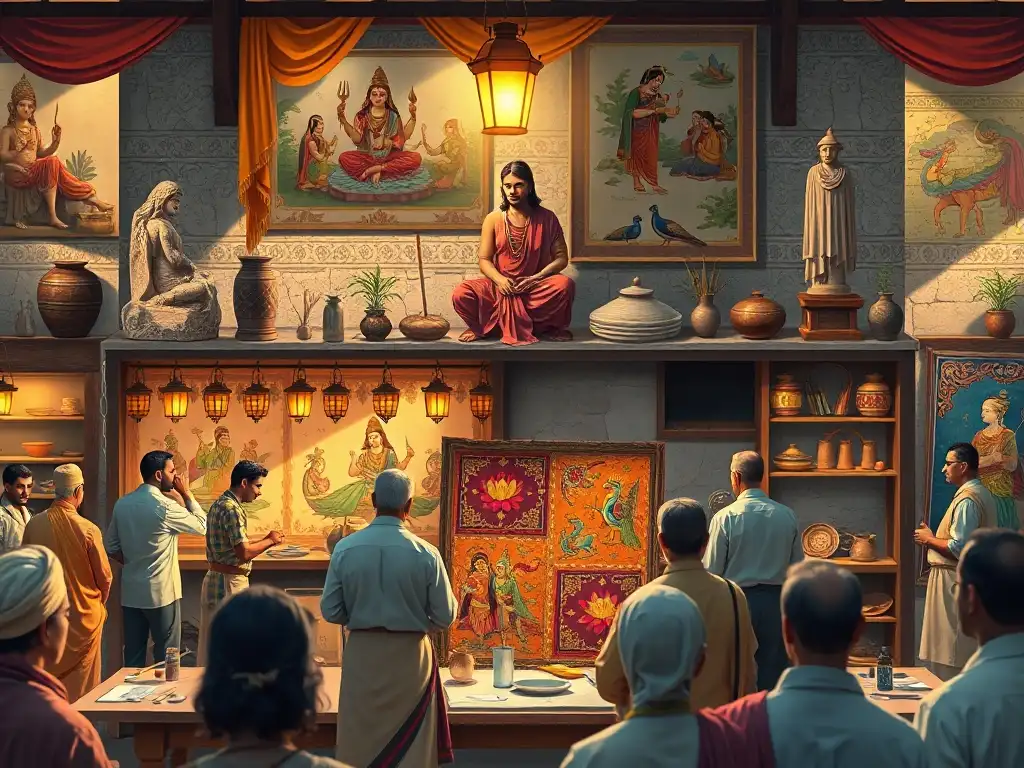
Patronage played a crucial role in the development and flourishing of ancient Indian art and culture. Various forms of support, whether financial, logistical, or ideological, were fundamental in enabling artists to create works that reflected the ethos of their time. The relationships between patrons and artists often dictated the themes, styles, and techniques employed in artistic endeavors, leading to a rich tapestry of cultural expression. This patronage was primarily seen through royal courts and religious institutions, which not only commissioned artworks but also influenced the direction of artistic trends.
Influence of Royal Courts on Artistic Production
Royal courts were pivotal in shaping the landscape of ancient Indian art. Kings and emperors served as both patrons and connoisseurs, often commissioning grand sculptures, intricate paintings, and remarkable architectural projects that conveyed their power and divine right to rule. The Mauryan dynasty, for instance, is renowned for the Ashoka Pillars, which not only showcased advanced craftsmanship but also communicated the moral and ethical values of Buddhism. Similarly, the Gupta period witnessed the creation of exquisite cave temples adorned with elaborate frescoes that illustrated religious narratives, reinforcing the cultural identity of the time.
The opulence of royal patronage also encouraged the employment of skilled artisans and craftsmen. This resulted in the establishment of workshops and guilds dedicated to producing high-quality art. The competition among various royal patrons spurred innovation, leading to distinct regional styles that enriched the overall art landscape of ancient India.
Contributions of Religious Institutions to Art
Religious institutions were equally significant in the patronage of the arts, acting as custodians of cultural heritage and spiritual expression. Temples, monasteries, and other religious centers commissioned artworks that served both decorative and didactic purposes. These institutions not only supported the creation of sculptures and paintings but also facilitated the documentation of scriptures and philosophical texts through calligraphy and illustration.
The influence of Buddhism and Hinduism is particularly noteworthy, as both religions inspired a wealth of artistic expression. For example, the Ajanta Caves, revered for their stunning murals and sculptures, were created under the patronage of Buddhist monks and wealthy merchants. These artworks conveyed narratives of the Buddha's life and teachings, serving as a means of imparting spiritual wisdom to devotees. Similarly, Hindu temples were adorned with intricate carvings that depicted deities, mythological stories, and cosmic symbolism, reflecting the profound connection between art and spirituality in ancient Indian culture.
Case Studies of Prominent Patrons and Their Impact
Several prominent patrons stand out in the history of ancient Indian art, each leaving a unique mark on the cultural landscape. One notable figure is Emperor Ashoka, whose reign in the 3rd century BCE saw the proliferation of Buddhist art across his empire. His edicts, engraved on stone pillars, not only conveyed political messages but also promoted the principles of non-violence and compassion, influencing the artistic depiction of Buddhist themes.
Another significant patron was King Harshavardhana of the Vardhana dynasty, who ruled in the 7th century CE. His support for the arts led to a remarkable synthesis of Buddhist and Hindu artistic styles, exemplified in the monumental sculptures of the Sun Temple at Konark. His court became a hub for artists and scholars, fostering an environment where creativity thrived, and diverse artistic forms emerged.
These case studies demonstrate how individual patrons could shape the trajectory of artistic production while reinforcing the cultural narratives of their time.
The Legacy of Ancient Indian Art and Culture
The legacy of ancient Indian art and culture is profound, continuing to influence contemporary artistic practices and cultural expressions. The aesthetics developed during this period are not merely relics of history but living traditions that have evolved over time, showcasing the resilience and adaptability of cultural expressions.
Preservation and Revival of Ancient Artistic Traditions
Efforts to preserve and revive ancient artistic traditions have been ongoing, with various organizations, institutions, and artists dedicated to maintaining these rich heritages. The establishment of museums and cultural centers has played a vital role in safeguarding artifacts, manuscripts, and artworks, ensuring that future generations can appreciate and learn from them.
Moreover, many artists today draw inspiration from ancient techniques and styles, incorporating them into modern practices. For instance, the revival of traditional crafts like Madhubani painting and Warli art reflects a conscious effort to reconnect with ancient roots while adapting to contemporary themes and mediums.
Influence on Modern Indian Art and Culture
The influence of ancient Indian art and culture on modern Indian art is unmistakable. Contemporary artists often explore themes, motifs, and techniques derived from their ancient predecessors, creating a dialogue between the past and present. The use of traditional materials, such as natural dyes and handmade paper, alongside modern techniques, showcases a harmonious blend of old and new.
Art movements like Indian Folk Art, which embrace indigenous styles and narratives, exemplify this connection. Artists like Bharti Kher and Subodh Gupta infuse modern commentary with ancient symbolism, bridging cultural divides and inviting contemporary audiences to reflect on the complexities of identity, tradition, and modernity.
Global Impact of Ancient Indian Aesthetics
Ancient Indian aesthetics have transcended geographical boundaries, influencing artistic movements and cultures worldwide. The intricate designs and spiritual themes found in Indian art have inspired artists globally, leading to a cross-cultural exchange that enriches the global art scene. The revival of interest in Indian aesthetics can be seen in various forms, from the incorporation of Indian motifs in Western fashion to the adoption of ancient techniques in contemporary art practices.
Furthermore, the global spread of yoga and meditation practices, rooted in ancient Indian philosophy, has led to a broader appreciation for the spiritual and aesthetic dimensions of Indian culture. This cultural exchange fosters a deeper understanding of the values and narratives embedded within ancient Indian art, promoting a sense of unity through shared human experiences.
Conclusion: The Enduring Harmony of Ancient Indian Art
The legacy of ancient Indian art is a testament to the profound cultural unity that has characterized the subcontinent throughout its history. This art form, marked by intricate designs, vibrant colors, and thematic richness, encapsulates the spiritual and philosophical ideals that were integral to ancient Indian civilizations. From the early Indus Valley seals to the majestic sculptures of the Gupta period, the aesthetic of harmony in ancient Indian art reflects a deep-seated belief in interconnectedness—between humanity, nature, and the divine.
As we explore ancient Indian art, it becomes evident that this harmony was not merely a stylistic choice but a fundamental aspect of the cultural identity of these civilizations. The blending of various influences, whether through trade, conquest, or pilgrimage, led to a vibrant tapestry of artistic expression that celebrated diversity while promoting unity. This enduring legacy continues to inspire contemporary art forms and cultural practices in India and beyond.
Reflection on Cultural Unity Through Art
Ancient Indian art serves as a powerful medium through which we can reflect on the cultural unity that permeated previous eras. The motifs and narratives depicted in sculptures, paintings, and architectural marvels often convey shared themes of love, spirituality, and the cycles of life. For instance, the depiction of deities in various forms across different regions exemplifies the synthesis of local traditions with broader philosophical ideas, showcasing how art can transcend regional boundaries.
Moreover, festivals and rituals documented in ancient art highlight communal harmony, where diverse groups came together to celebrate shared beliefs and values. These expressions of cultural unity remind us of the importance of inclusivity and collaboration, which are essential for fostering a cohesive society. By studying these artistic representations, we gain insight into the social fabric of ancient India, revealing a civilization that thrived on collective identity and mutual respect.
The Importance of Understanding Ancient Indian Art and Culture
Understanding ancient Indian art and culture is crucial for several reasons. First, it provides a window into the philosophical and spiritual ideals that shaped the lives of millions. The intricate symbolism in art pieces offers insights into the worldview of the time, including the relationship between humanity and the cosmos.
Second, a comprehensive grasp of ancient Indian art enhances our appreciation for the cultural exchanges that have taken place throughout history. By recognizing how various influences intermingled, we can better understand the evolution of artistic styles and practices, which continue to impact modern art forms.
Lastly, studying ancient Indian art fosters a sense of pride and identity among contemporary communities. It highlights the cultural richness of the subcontinent, encouraging individuals to engage with their heritage and explore the narratives that have been passed down through generations. This understanding not only enriches personal identity but also promotes cultural preservation and continuity.
References and Further Reading on Ancient Indian Art and Culture
Suggested Books and Articles
-
"Indian Art" by Partha Mitter
A comprehensive exploration of the evolution of Indian art from ancient times to the contemporary era, highlighting key movements and styles.
-
"The Art of Ancient India: Buddhist, Hindu, Jain" by Susan L. Huntington and John C. Huntington
This book delves into the major artistic traditions of ancient India, offering a detailed analysis of their cultural context and significance.
-
"The Aesthetics of Indian Art" by R. S. Gupta
An insightful discussion on the philosophy and aesthetic principles that underpin ancient Indian artistic practices.
Online Resources for Exploring Ancient Indian Art
-
The British Museum - Ancient Indian Art Collection
Explore a vast collection of artifacts and artworks from ancient India, complete with detailed descriptions and historical context.
-
The Asia Society - Indian Art and Culture
A platform featuring articles, videos, and exhibitions focused on the diverse artistic traditions of India, showcasing both ancient and contemporary works.
-
Google Arts & Culture - Ancient India
A virtual platform that offers immersive experiences and extensive collections from various museums, allowing users to explore ancient Indian art from anywhere in the world.
By engaging with these resources, individuals can deepen their understanding of ancient Indian art and its cultural significance, fostering a greater appreciation for the rich heritage that continues to influence artistic expressions today.
- Introduction to Ancient Indian Art and Culture
- The Foundations of Ancient Indian Art
- Key Characteristics of Ancient Indian Art
- Cultural Unity Reflected in Ancient Indian Art
- The Role of Patronage in Ancient Indian Art
- The Legacy of Ancient Indian Art and Culture
- Conclusion: The Enduring Harmony of Ancient Indian Art
- References and Further Reading on Ancient Indian Art and Culture
- What is the main theme of the article "The Aesthetic of Harmony: How Ancient Indian Art Embodied Cultural Unity"?
- How did ancient Indian art contribute to cultural identity?
- What are some key features of ancient Indian art mentioned in the article?
- How did the Indus Valley civilization influence later Indian art forms?
- What role did the Gupta Empire play in the development of ancient Indian art?
Frequently Asked Questions
What is the main theme of the article "The Aesthetic of Harmony: How Ancient Indian Art Embodied Cultural Unity"?
The article explores how ancient Indian art and culture reflect a sense of cultural unity, showcasing the interconnectedness of various civilizations from the Indus Valley to the Gupta Empire.
How did ancient Indian art contribute to cultural identity?
Ancient Indian art played a crucial role in expressing cultural identity by integrating religious themes, symbolism, and local traditions, thereby fostering a sense of belonging among different communities.
What are some key features of ancient Indian art mentioned in the article?
The article highlights several key features, including intricate sculptures, vibrant frescoes, and architectural marvels that exemplify the harmony and diversity of ancient Indian culture.
How did the Indus Valley civilization influence later Indian art forms?
The Indus Valley civilization set foundational elements in art, such as urban planning and craftsmanship, which influenced subsequent art forms by introducing themes of symmetry and aesthetic balance.
What role did the Gupta Empire play in the development of ancient Indian art?
The Gupta Empire is often referred to as the "Golden Age" of Indian art, during which there was a significant advancement in sculpture, painting, and literature, promoting a flourishing of cultural expression.
Final Reflection: Embracing Unity Through Ancient Indian Art
In today's increasingly fragmented world, the theme of cultural unity embodied in ancient Indian art resonates more than ever. As we navigate through diverse cultures and perspectives, the intricate designs and philosophies of ancient Indian art remind us of the profound connections that bind us together. This art form not only reflects the aesthetic values of its time but also serves as a powerful testament to the enduring spirit of harmony that transcends geographical and temporal boundaries.
The influence of ancient Indian art on our cultural and social landscape is profound and ongoing. It serves as a bridge between the past and present, inviting us to explore the shared values that unite humanity. The intricate motifs and narratives found in ancient sculptures and paintings continue to inspire contemporary artists and thinkers alike. Art is the most beautiful of all lies.
This quote encapsulates the essence of how art, including that of ancient India, can convey deeper truths about our existence and our collective journey. The legacy of this art form encourages us to appreciate diversity while recognizing the underlying unity that exists within it.
As we reflect on the lessons drawn from ancient Indian art and culture, I invite you to consider how you can foster a sense of unity in your own life. Whether through creative expression, community engagement, or simply by embracing the beauty of diversity, each of us has the power to contribute to a more harmonious world. Let the aesthetic of harmony inspire you to seek connections, celebrate differences, and create a tapestry of cultural unity in your everyday interactions.
Embrace the Beauty of Cultural Unity Today!
Thank you for exploring the rich tapestry of Ancient Indian art with us. You've uncovered the essence of harmony that resonates through history, highlighting the deep connections within cultural expressions. Now, it’s time to take that appreciation further!
- Dive deeper into the art: Explore local museums or online galleries that showcase ancient Indian art. **Take notes on your observations and share your insights** with friends and family.
- Start your own art project: Draw inspiration from ancient techniques and create a piece that reflects themes of harmony and unity. **Feel free to let your creativity shine! **
- Join a community forum: Connect with others who share your passion for history and art. **Engage in meaningful discussions about how ancient cultures continue to shape modern artistic expressions. **
How do you see the concepts of harmony and unity influencing art in your life today?