
Crossroads of Creativity: The Fusion of Indian and Persian Artistic Traditions

Welcome to Ancient India History! Dive into the fascinating world where artistry and culture intertwine, exploring the rich tapestry of Indian civilizations. In our feature article, "Crossroads of Creativity: The Fusion of Indian and Persian Artistic Traditions," we unravel the intricate connections between these two vibrant cultures and how their artistic legacies have shaped our understanding of history. Prepare to embark on a journey that reveals the nuances of cultural exchanges and their profound influence on art, leaving you eager to discover more about this captivating era. Let your curiosity guide you through the wonders of ancient India!
- Introduction to Indian and Persian Artistic Traditions
- Historical Context of Indian and Persian Artistic Traditions
- Key Elements of Indian and Persian Artistic Fusion
- Major Artistic Contributions from Indian and Persian Traditions
- Case Studies of Indian and Persian Artistic Syncretism
- Conclusion: The Legacy of Indian and Persian Artistic Traditions
- References and Further Reading
-
Frequently Asked Questions
- What are the key characteristics of Indian Persian artistic traditions?
- How did the cultural exchange between India and Persia occur?
- What are some examples of art forms influenced by Indian Persian traditions?
- How did religious beliefs impact the artistic traditions in ancient India and Persia?
- Why is the study of Indian Persian artistic traditions important today?
- Final Reflection: Embracing the Harmony of Indian and Persian Artistic Traditions
- Unleash Your Creative Spirit!
Introduction to Indian and Persian Artistic Traditions
The artistic traditions of ancient India and Persia represent a fascinating amalgamation of creativity, spirituality, and cultural expression that has profoundly shaped the aesthetic landscape of both regions. As these two great civilizations interacted through trade, conquest, and diplomacy, their artistic practices began to intertwine, leading to a rich tapestry of influences that would define their cultural heritage. In exploring the Indian-Persian artistic traditions, we uncover how this cross-cultural dialogue not only enriched the visual arts but also fostered a deeper understanding of shared themes such as mythology, nature, and human emotion.
This article delves into the intricate relationship between Indian and Persian art, highlighting key historical periods, significant artistic contributions, and the essential role that cultural exchanges played in shaping these traditions. By examining the fusion of styles, techniques, and motifs, we can appreciate the legacy of this artistic syncretism and its enduring impact on contemporary art practices.
Overview of Artistic Traditions in Ancient India and Persia
Ancient India and Persia, two of the world's oldest civilizations, boasted distinct yet complementary artistic traditions that flourished for centuries.
- Indian Artistic Traditions:
- Diverse Forms: Indian art encompassed a wide range of styles, including sculpture, painting, and architecture. Notable examples include the intricate carvings of the temples at Khajuraho and the frescoes of Ajanta.
- Spiritual Significance: Much of Indian art was influenced by religious beliefs, particularly Hinduism and Buddhism. This emphasis on spirituality is evident in the iconography and themes depicted in various art forms.
- Persian Artistic Traditions:
- Elaborate Ornamentation: Persian art is characterized by its rich decorations, elaborate tile work, and intricate calligraphy, often found in palaces and mosques, such as the stunning designs of the Shah Mosque in Isfahan.
- Historical Narratives: Persian miniatures are famous for their vivid storytelling, capturing tales from literature and history with remarkable detail and color.
The intersection of these artistic traditions created a unique cultural dialogue that influenced various aspects of visual art, leading to innovative styles and techniques. This fusion is particularly evident during periods of political and social exchange, such as the establishment of the Mughal Empire in India, where Persian influences were embraced and adapted into Indian art forms.
Importance of Cultural Exchanges in Art
Cultural exchanges have always played a pivotal role in the development of artistic traditions, and the relationship between Indian and Persian art serves as a prime example of this phenomenon.
- Innovation through Interaction:
- The blending of Indian and Persian styles led to the creation of hybrid art forms, which incorporated elements from both traditions. This innovation is seen in the Mughal painting style, which merged Persian techniques with Indian themes.
- Preservation and Transmission of Knowledge:
- As artists and scholars traveled between the two regions, they brought with them their skills and knowledge, facilitating the exchange of techniques, materials, and ideas. This cross-pollination enriched the artistic practices of both cultures.
- Cultural Identity and Representation:
- Artistic expressions often reflect the cultural identity of a society. The fusion of Indian and Persian art not only highlights the aesthetic preferences of the time but also signifies a broader narrative of unity and diversity, showing how cultures can coexist and influence one another.
By recognizing the importance of these cultural exchanges, we can better understand how the artistic traditions of ancient India and Persia came to be intertwined, creating a legacy that continues to inspire and resonate in contemporary art today.
Historical Context of Indian and Persian Artistic Traditions
The artistic traditions of India and Persia have long been intertwined, resulting in a rich tapestry of creativity that reflects their historical interactions. This syncretism can be traced back to ancient times, where trade routes, cultural exchanges, and conquests facilitated a flow of ideas and artistic practices between these two great civilizations. The blending of Indian and Persian artistic traditions is not merely a historical curiosity but a dynamic relationship that shaped the visual arts, architecture, and decorative crafts in both regions.
The Influence of the Indus Valley Civilization on Persian Art
The Indus Valley Civilization (circa 3300-1300 BCE), one of the world's earliest urban cultures, laid the groundwork for artistic expression that would later influence Persian art. The intricately crafted seals, pottery, and terracotta figurines from the Indus Valley showcased a high degree of sophistication and craftsmanship.
- Seals and Iconography: The seals, often depicting animals and human figures, influenced the iconography found in later Persian art. The use of motifs like the unicorn and various deities can be seen echoed in Persian artifacts.
- Materials and Techniques: The Indus Valley artisans were adept at using materials such as bronze and stone, techniques that were later adopted by Persian craftsmen. The transition of these methods facilitated a cross-pollination of styles that enriched both cultures' artistic vocabularies.
The impact of these early exchanges set the stage for deeper interactions, particularly as the Persian Empire expanded into the Indian subcontinent.
Persian Influence during the Maurya and Gupta Empires
The Maurya Empire (322-185 BCE) and Gupta Empire (circa 320-550 CE) marked significant periods of artistic flourishing in India, during which Persian influence became particularly prominent.
- Artistic Styles and Architecture: Under the Mauryan ruler Ashoka, the introduction of Persian architectural elements, such as the use of stone pillars and stupas, showcased a blend of Indian and Persian styles. The Ashoka Pillars, for instance, featured inscriptions and motifs reminiscent of Achaemenid architecture.
- Sculpture and Relief Work: Gupta art, noted for its elegance and realism, also reflects Persian influence, particularly in the intricate relief work found in temples. The depiction of figures with flowing drapery and detailed ornamentation illustrates a synthesis of Persian motifs with Indian aesthetics.
- Cultural Exchanges: The establishment of diplomatic relations and trade between these empires facilitated the exchange of artistic techniques and styles. The Silk Route, which connected India and Persia, enabled artists and craftsmen to share their skills, leading to an enriched artistic landscape.
The Role of Trade and Travel in Artistic Syncretism
Trade and travel have historically served as catalysts for the fusion of Indian and Persian artistic traditions.
- Trade Routes: The expansion of trade routes, especially during the Sassanian Empire (224-651 CE), allowed for the movement of goods, ideas, and artistic techniques. Indian textiles, gems, and spices were highly sought after in Persia, while Persian metalwork, glass, and ceramics made their way into Indian markets.
- Cultural Interactions: The interactions between merchants, travelers, and artists led to the sharing of styles and techniques. For instance, the introduction of Persian miniatures into Indian painting during the Mughal period exemplifies this exchange, resulting in a unique fusion that characterized Mughal art.
- Architectural Syncretism: The architectural exchanges are also notable, with Persian gardens and palace designs influencing Indian palatial architecture, seen in the Mughal era's iconic structures, such as the Taj Mahal.
The Indian-Persian artistic traditions are marked by a rich history of interaction that has produced a unique and diverse artistic heritage. The influences of these two cultures continue to resonate, showcasing the enduring legacy of their creative collaboration.
Key Elements of Indian and Persian Artistic Fusion
Architectural Innovations: A Blend of Styles
The architectural innovations resulting from the fusion of Indian and Persian artistic traditions are a striking testament to the cultural exchanges between these two ancient civilizations. This blending is notably evident in the construction techniques, ornamentation, and the overall design philosophies that emerged during the medieval period.
- Mughal Architecture: One of the most significant examples of this fusion is Mughal architecture, which combines Persian influences with Indian elements. The use of large domes, intricate inlay work, and expansive gardens reflects this synthesis. Iconic structures such as the Taj Mahal exemplify these architectural innovations, showcasing Persian charbagh (fourfold garden) layouts and Indian calligraphy.
- Materials and Techniques: The use of local materials, combined with Persian craftsmanship, led to the development of unique architectural styles. For instance, red sandstone from Rajasthan was frequently used alongside white marble, creating a striking visual contrast that became a hallmark of Mughal design.
- Symbolism and Functionality: The architectural designs often held deep symbolic meanings, merging the spiritual concepts of both cultures. For instance, the incorporation of jali (lattice) screens in Indian architecture served both aesthetic and functional purposes, allowing light to filter through while providing privacy, echoing similar elements found in Persian architecture.
The Influence of Miniature Painting Techniques
Miniature painting is another area where Indian and Persian artistic traditions profoundly intersect. This art form flourished during the Mughal era, with both cultures contributing techniques and themes that enriched the visual narrative.
- Techniques and Styles: Persian miniature painting, characterized by its meticulous detail and vibrant colors, influenced Indian artists who adopted and adapted these methods. Indian artists began to incorporate Persian techniques such as the use of opaque watercolors and intricate line work.
- Themes and Subjects: The subject matter of miniature paintings often reflected themes common to both cultures, including nature, court scenes, and mythology. For example, the depiction of royal courts often combined Indian and Persian motifs, creating a rich tapestry of cultural symbolism.
- Notable Works: The Akbarnama, an illustrated history of Akbar’s reign, is a prime example of this artistic fusion. It features Persian calligraphy intertwined with Indian narrative styles, showcasing how artists from both traditions collaborated to produce a unique visual language.
Textiles: Weaving Indian and Persian Aesthetics
The textile traditions of India and Persia offer another fascinating insight into their artistic fusion. This collaboration has produced exquisite fabrics that reflect the richness of both cultures.
- Fabric Patterns and Techniques: Indian textiles, known for their vibrant colors and intricate patterns, often incorporated Persian designs, such as floral motifs and paisley patterns. The art of block printing in India was complemented by Persian silk weaving techniques, leading to the creation of luxurious textiles.
- Embroidered Textiles: Persian embroidery styles, characterized by their intricate designs and use of gold thread, influenced Indian artisans. The combination of these techniques resulted in remarkable works like the famous Kashmiri shawls, which blend Indian wool craftsmanship with Persian aesthetic sensibilities.
- Cultural Significance: Textiles served not only functional purposes but also held significant cultural value. They were often used in ceremonial contexts, symbolizing wealth and status. The fusion of Indian and Persian aesthetics in textiles reflects the broader cultural exchanges that defined this period, creating a lasting impact on fashion and identity within the region.
The intersections of Indian and Persian artistic traditions reveal a complex and dynamic relationship that has shaped the cultural landscape of South Asia. From architectural innovations to the intricacies of miniature painting and textiles, this fusion highlights the enduring legacy of artistic collaboration through history.
Major Artistic Contributions from Indian and Persian Traditions
The artistic traditions of India and Persia have long been intertwined, resulting in a rich tapestry of creativity that reflects the complexities of cultural exchanges over centuries. This section delves into the major artistic contributions that emerged from this fusion, highlighting the significant areas of sculpture and relief work, poetry and literature, and music and dance. Each of these domains showcases the shared themes, techniques, and innovations that illustrate the profound influence of Indian-Persian artistic traditions.
Sculpture and relief work represent one of the most visually stunning forms of artistic expression that emerged from the confluence of Indian and Persian traditions. The Indo-Persian style is characterized by intricate designs and a fusion of motifs, blending Indian iconography with Persian aesthetics.
- Common Themes:
- Mythology and Religion: Both traditions often depict deities and mythological stories, integrating figures from Hinduism and Zoroastrianism. This synthesis can be seen in the sculptures of temples in India, where Persian influences are evident in stylistic elements.
- Nature and Flora: Persian artists brought a love for detailed floral patterns, which were incorporated into Indian sculptures, enhancing the richness of the motifs. The combination of Indian naturalism and Persian stylization created a unique visual language.
- Techniques:
- Chiseling and Carving: The techniques used in stone carving saw a significant exchange of practices. Indian artisans, known for their precision and attention to detail, adopted some Persian methods of relief work, leading to elaborate carvings that adorned both public and sacred spaces.
- Material Usage: The use of materials varied, with Indian artisans favoring local stones like sandstone and marble, while Persian artists often used terracotta and glazed bricks. This blend resulted in a distinctive aesthetic, as seen in the architectural marvels of the Mughal Empire.
Poetry and Literature: Cross-Pollination of Ideas
The literary traditions of India and Persia have significantly influenced each other, resulting in a rich body of poetry and prose that reflects a shared cultural heritage. The fusion of Indian and Persian literary forms is particularly evident in various genres of poetry.
- Forms of Poetry:
- Ghazal and Raga: Persian ghazals found a place in Indian literary circles, often being adapted to Indian themes and musical forms, creating a unique blend that resonates with emotions and lyrical beauty. The integration of raga, a melodic framework in Indian classical music, added depth to the poetic expression.
- Sufi Poetry: The Sufi tradition in Persia had a profound impact on Indian poets, inspiring works that explored spiritual themes and love, bridging the mystical elements of both cultures. This cross-pollination led to the emergence of devotional poetry in regional languages.
- Themes and Subjects:
- Love and Nature: Common motifs such as love, beauty, and nature are prevalent in both traditions. Indian poets often infused their verses with the mystical and philosophical insights drawn from Persian works, creating a dialogue between the two literary cultures.
- Historical Narratives: The historical context of the Indo-Persian cultural exchange also influenced literature, with poets chronicling the lives and legacies of rulers and their courts, thus preserving the history of this artistic syncretism.
Music and Dance: Fusion of Styles and Instruments
The realms of music and dance have experienced significant transformations through the interaction of Indian and Persian traditions. The fusion of styles and instruments has led to the evolution of new genres and performance practices that continue to thrive today.
- Musical Instruments:
- Sitar and Rabab: The sitar, a string instrument with roots in Indian classical music, showcases Persian influences in its design and playing technique. The rabab, a traditional Persian instrument, was adopted and adapted in Indian music, contributing to the rich tapestry of sound.
- Percussion Instruments: The blending of Indian tabla and Persian tombak reflects the rhythmic versatility and complexity that emerged from this cultural exchange, enriching the musical landscape of both regions.
- Dance Forms:
- Classical Dance Styles: Indian classical dance forms such as Odissi and Kathak have incorporated elements of Persian dance, particularly in terms of movement and expressiveness. The intricate footwork and gestures often draw parallels to the fluidity found in Persian dance.
- Fusion Performances: Contemporary performances often celebrate the Indo-Persian heritage, merging classical techniques with modern narratives, thus showcasing the ongoing evolution of these artistic traditions.
The exploration of these major artistic contributions highlights the profound impact of the Indian-Persian artistic traditions, revealing a shared legacy that continues to inspire and resonate in the cultural expressions of today.
Case Studies of Indian and Persian Artistic Syncretism
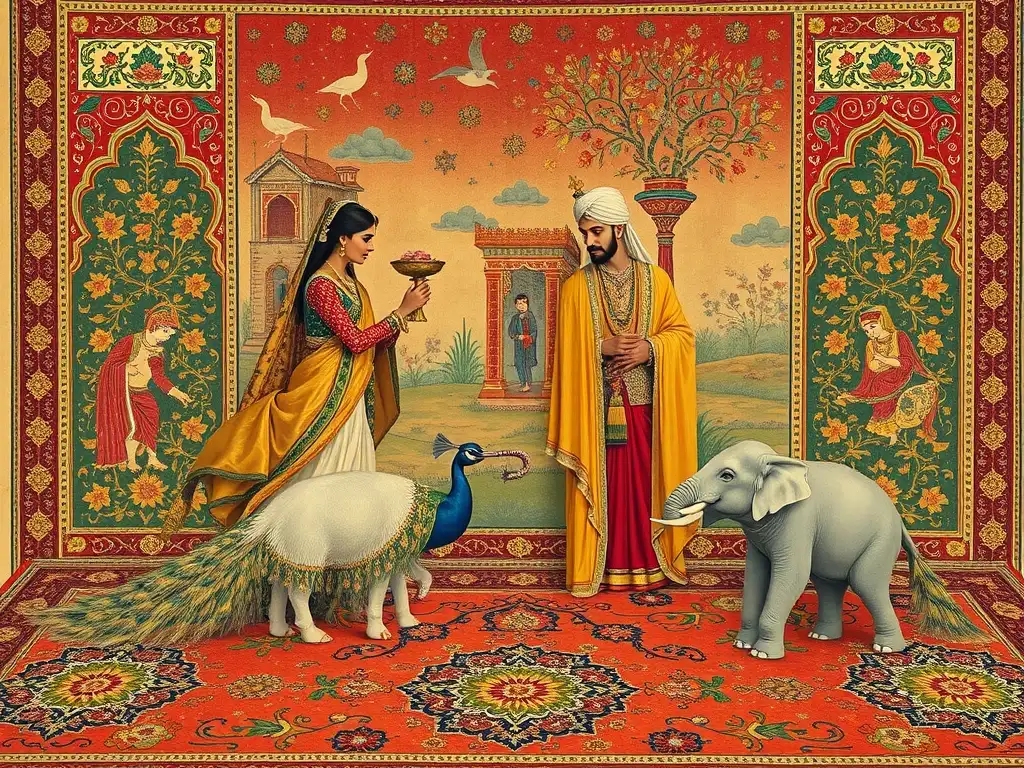
The Taj Mahal: A Symbol of Indo-Persian Architecture
The Taj Mahal, often hailed as one of the most iconic structures in the world, is a profound testament to the architectural synthesis of Indian and Persian styles. Commissioned by Mughal Emperor Shah Jahan in memory of his beloved wife Mumtaz Mahal, the monument is located in Agra, India, and embodies a unique fusion of various artistic traditions.
Architectural Features
- Persian Influences:
- Garden Layout: The Mughal gardens are inspired by Persian concepts of paradise, featuring quadrilateral layouts, reflecting pools, and geometric patterns.
- Calligraphy: The intricate calligraphy adorning the Taj Mahal's walls employs Persian script, showcasing verses from the Qur'an, blending spiritual significance with artistic expression.
- Indian Elements:
- Material Usage: The use of local white marble, known as Makrana marble, is a hallmark of Indian craftsmanship. The inlay work, employing semi-precious stones, accentuates traditional Indian artistry.
- Chhatris: The elevated dome and surrounding chhatris (small domed pavilions) are derived from Indian architectural styles, symbolizing royalty and grandeur.
The blend of these influences not only enhances the aesthetic appeal but also reflects the socio-cultural dynamics of the time, where artistic collaborations flourished, leading to the creation of this UNESCO World Heritage site.
The Influence of Persian Poets on Indian Literature
The literary landscape of India underwent a significant transformation due to the influence of Persian poetry, particularly during the Mughal era. This period witnessed a remarkable exchange of literary styles and themes, which enriched Indian literature.
Key Contributions
- Adoption of Persian Forms:
- Ghazal: This poetic form, characterized by its emotive expressions of love and beauty, was embraced by Indian poets. Notable figures such as Mirza Ghalib and Faiz Ahmed Faiz expanded the ghazal's reach, incorporating Indian idioms and themes.
- Rubaiyat: The quatrain form gained popularity among Indian poets, who often infused their works with local cultural elements and philosophical musings.
- Cultural Resonance:
- Themes of Love and Nature: Persian poetry often explored themes of love, nature, and mysticism, which resonated deeply with Indian sensibilities. This thematic synergy resulted in a rich body of literature that transcended regional boundaries.
- Translation and Adaptation: The translation of Persian works into regional languages facilitated the cross-pollination of ideas, enabling a broader audience to appreciate and engage with these poetic traditions.
The confluence of Persian and Indian literary traditions fostered a vibrant cultural milieu, illustrating how artistic exchanges can shape and redefine a society's literary heritage.
The Mughal Empire: A Pinnacle of Cultural Synthesis
The Mughal Empire stands as a remarkable example of cultural synthesis, where Indian and Persian artistic traditions converged to create a distinctive cultural identity. This period, spanning from the early 16th to the 19th century, was marked by significant advancements in various art forms.
Artistic Developments
- Miniature Paintings:
- Mughal miniature paintings are a prime example of this synthesis, blending Persian techniques with Indian themes. These artworks often depicted court life, battle scenes, and nature, showcasing vibrant colors and meticulous detail.
- Artists like Bichitr and Basawan were instrumental in merging these styles, creating a unique aesthetic that is recognized worldwide.
- Architecture and Urban Planning:
- The Mughal Empire's architectural marvels, such as the Red Fort and Fatehpur Sikri, exhibit a harmonious blend of Persian layout and Indian aesthetics. The incorporation of intricate jali work (lattice screens) and vast courtyards exemplifies this artistic fusion.
- Urban planning during this era also reflected Persian influences, with gardens and water systems designed to create an oasis-like environment.
The Mughal Empire exemplified how artistic and cultural syncretism can lead to the flourishing of creativity, leaving a lasting legacy that continues to inspire contemporary artists and historians alike.
Conclusion: The Legacy of Indian and Persian Artistic Traditions
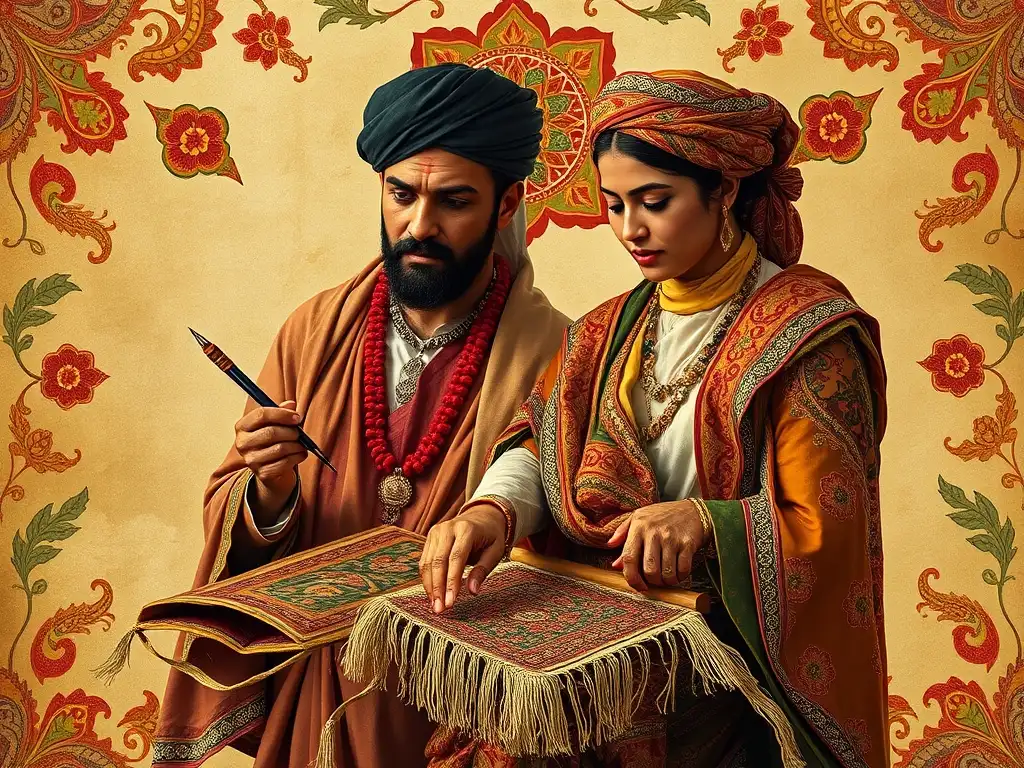
The fusion of Indian and Persian artistic traditions represents a significant chapter in the history of cultural exchanges, emphasizing how interconnectedness can lead to remarkable creativity. This synthesis not only shaped the visual arts but also influenced architecture, literature, and music, leaving a legacy that resonates through the ages. The mutual appreciation of aesthetics, techniques, and themes between these two rich cultures has created a distinctive artistic language that continues to inspire contemporary artists today.
The intricate motifs, vibrant colors, and diverse materials used in Indian-Persian art reflect a deep understanding of both traditions. For instance, the use of floral designs and intricate patterns, prevalent in Persian carpets and Indian textiles, showcases a shared love for ornamental beauty. Additionally, the architectural marvels such as the Taj Mahal and the grand mosques of Iran exemplify how these artistic traditions have melded to create breathtaking structures that symbolize cultural pride and artistic innovation.
Lasting Impact on Modern Art and Culture
The influence of Indian and Persian artistic traditions can be seen in various modern art forms and cultural expressions. Contemporary artists often draw on historical motifs and techniques, reinterpreting them to address current themes and issues. This artistic dialogue bridges the past and present, allowing for a rich exploration of identity and heritage.
- Visual Arts: Modern painters and sculptors frequently incorporate elements from both Indian and Persian traditions, blending styles to create unique pieces that resonate with audiences globally. The vibrant color palettes and intricate designs serve as a homage to their historical roots while pushing the boundaries of contemporary art.
- Architecture: The enduring appeal of Indo-Persian architecture can be observed in modern buildings that aspire to echo the grandeur of their historical counterparts. Architects often integrate traditional motifs and construction techniques into contemporary designs, resulting in structures that are both functional and aesthetically profound.
- Performing Arts: Dance forms and music that emerged from these intertwined traditions continue to thrive. Classical Indian dance and Persian music share a rhythmic complexity and thematic depth that captivates audiences, highlighting the enduring connection between the two cultures.
Future Directions for Research in Artistic Syncretism
As scholars delve deeper into the interplay between Indian and Persian artistic traditions, several areas of research present exciting opportunities for exploration:
- Transcultural Studies: Investigating how the artistic exchanges between India and Persia influenced neighboring regions can provide insights into the broader patterns of cultural syncretism. This includes examining the effects on Central Asian and Middle Eastern art forms that adopted Indian and Persian elements.
- Material Culture: Analyzing the materials, techniques, and tools used in the creation of art can reveal much about the trade networks and interactions that facilitated the fusion of these traditions. Future research could focus on archaeological findings that showcase the craftsmanship involved in Indian-Persian artworks.
- Digital Humanities: Utilizing modern technology to analyze and archive artworks, manuscripts, and architectural styles can foster a more comprehensive understanding of the artistic dialogue between these civilizations. Digital platforms can also facilitate international collaborations, enabling scholars to access and share resources more effectively.
The study of Indian-Persian artistic traditions remains a dynamic field, rich with potential for discovering new connections and insights that celebrate the creativity of ancient civilizations and its lasting impact on contemporary culture.
References and Further Reading
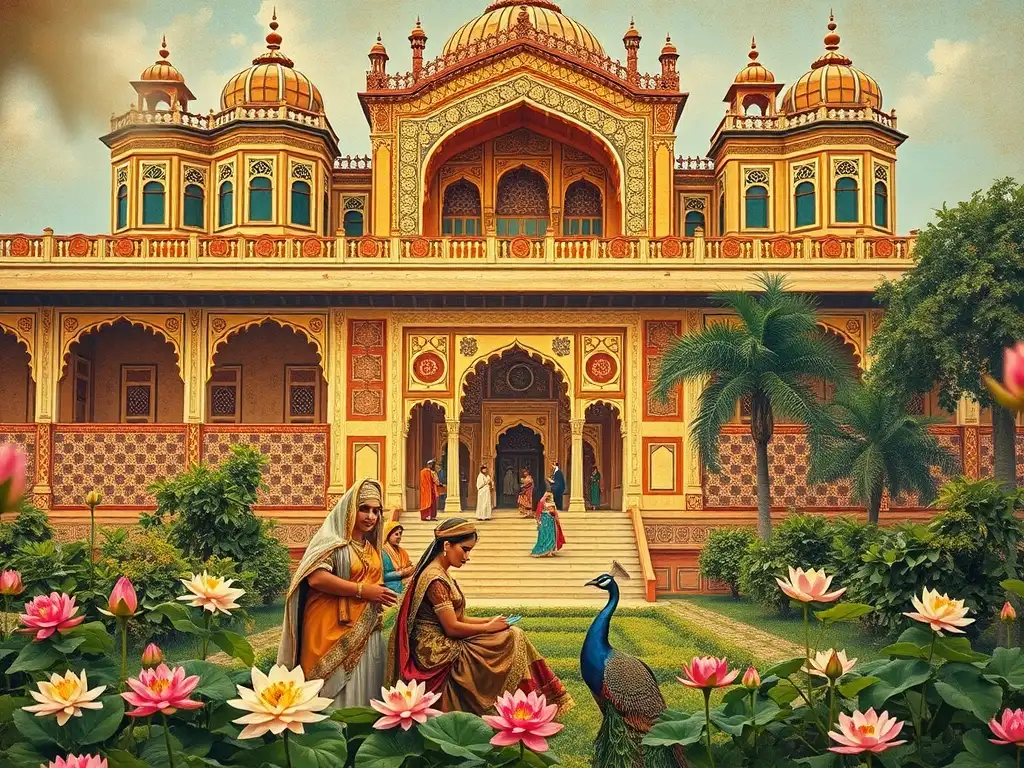
Essential Texts on Indian and Persian Art
To gain a comprehensive understanding of the Indian Persian artistic traditions, several key texts serve as invaluable resources. These works examine the historical context, artistic techniques, and cultural exchanges that shaped the fusion of these rich traditions. Below is a selection of essential texts:
-
"The Art of India: 3000 Years of Culture" by Partha Mitter
This book covers the extensive history of Indian art, including the influences from Persian aesthetics during various periods. Mitter provides a clear narrative that connects historical events with artistic developments.
-
"Persian Painting: The Arts of the Book and the Miniature" by B. W. Robinson
A focused study on Persian miniatures, this text explores how these intricate artworks were influenced by Indian techniques and themes, particularly during the Mughal period.
-
"Mughal Architecture: An Outline of Its History" by Catherine Asher
Asher’s work highlights the syncretic nature of Mughal architecture, illustrating the blend of Indian and Persian styles, and discusses the broader implications of these artistic choices on cultural identity.
-
"The Influence of Persian Art on Indian Painting" by M. S. Sardar
This specific study delves into how Persian motifs and techniques permeated Indian painting, offering numerous examples from various dynasties and regions.
-
"Indian Art" by Devangana Desai
Desai's text provides a thorough examination of Indian art history, with specific sections dedicated to the interactions with Persian art forms, emphasizing the resultant hybrid styles.
Recommended Resources for Exploring Artistic Traditions
In addition to essential texts, various resources can further enhance your understanding of Indian Persian artistic traditions. These include:
-
Documentaries and Films
"The Great Mughals" series delves into the historical context of Mughal rule, showcasing the artistic developments that emerged from this era.
-
Online Courses
Platforms like Coursera and edX often offer courses on South Asian art history, which include modules on the Persian influence in Indian art.
-
Exhibition Catalogs
Visiting museums with significant collections of Indo-Persian art, such as the National Museum of India or the Victoria and Albert Museum, can provide firsthand insights. Their exhibition catalogs are rich with scholarly articles and images.
-
Academic Journals
Journals such as the Journal of Asian Studies or Art Journal frequently publish articles on the syncretism of Indian and Persian art, providing the latest research findings.
-
Websites and Blogs
Websites like Ancient Indian Art and Persian Arts offer articles, images, and discussions on artistic traditions, often focusing on cross-cultural influences.
By engaging with these resources, readers can deepen their appreciation for the complex and beautiful interplay of Indian and Persian artistic traditions, enriching their understanding of the cultural exchanges that have shaped these vibrant civilizations.
Frequently Asked Questions
What are the key characteristics of Indian Persian artistic traditions?
The Indian Persian artistic traditions blend intricate designs, vibrant colors, and symbolic motifs that reflect both cultures' rich heritage and shared aesthetics.
How did the cultural exchange between India and Persia occur?
The cultural exchange primarily happened through trade routes, migration, and political alliances, particularly during the Mughal Empire, fostering a unique fusion of art.
What are some examples of art forms influenced by Indian Persian traditions?
Notable examples include miniature paintings, architecture, and textile designs, which showcase a harmonious blend of Indian and Persian styles.
How did religious beliefs impact the artistic traditions in ancient India and Persia?
Religious beliefs significantly influenced the themes and symbols used in art, as both cultures integrated spiritual elements into their artistic expressions.
Why is the study of Indian Persian artistic traditions important today?
Understanding these artistic traditions provides insight into the historical interactions between cultures, enhancing our appreciation of diversity and creativity in art.
Final Reflection: Embracing the Harmony of Indian and Persian Artistic Traditions
The fusion of Indian and Persian artistic traditions is not merely a historical curiosity; it is a vibrant testament to the power of cultural exchange in shaping our contemporary world. Today, as globalization continues to blur the lines between cultures, the rich tapestry woven by these two artistic legacies serves as a reminder of our shared humanity and the beauty that arises from collaboration. This intersection of creativity invites us to celebrate diversity and recognize the profound impact that cross-cultural influences have on our artistic expressions.
The ongoing dialogue between Indian and Persian art forms has left an indelible mark on our cultural landscape, inspiring countless artists and creators to explore new avenues of expression. The intricate patterns, vibrant colors, and profound themes that emerge from this fusion not only enrich our artistic heritage but also foster a sense of unity among diverse communities.
As the renowned artist Anish Kapoor once said, "> Art is a bridge between cultures; it transcends boundaries and speaks to the soul." This sentiment encapsulates the essence of how these traditions continue to resonate, encouraging us to embrace the beauty of cultural intersections.
As we reflect on the lessons drawn from the amalgamation of Indian and Persian artistic traditions, let us commit to nurturing our own creative journeys. I invite you to explore the richness of your cultural heritage and seek inspiration from the diverse influences that surround you. Whether through art, music, or literature, let us harness the power of creativity to build bridges, foster understanding, and celebrate the unique stories that shape our world. In doing so, we not only honor the past but also pave the way for a future where artistic collaboration knows no bounds.
Unleash Your Creative Spirit!
Thank you for diving into the vibrant world of Indian and Persian artistic fusion! We hope you found inspiration in the rich traditions and innovative expressions explored in this article. Now, it’s time to elevate your appreciation for this beautiful intersection of cultures!
Here's how you can engage further:
- Create a fusion art piece that blends Indian and Persian styles—grab your brushes and let your imagination run wild!
- Share your insights with friends or fellow art enthusiasts by hosting a casual discussion or organizing a local art gathering.
- Explore further: Discover other cultural intersections by researching and experimenting with diverse artistic techniques.
What unique ideas come to mind when you think about merging different artistic traditions? We’d love to hear your thoughts in the comments!