
The Importance of Hygiene and Sanitation in Indus Valley Living Conditions


Welcome to Ancient India History, where we embark on a fascinating journey through the rich tapestry of ancient Indian civilizations. Our exploration today reveals the remarkable hygiene practices in the Indus Valley, a testament to the ingenuity and sophistication of one of the world's earliest urban societies.
As we delve into the importance of hygiene and sanitation in their living conditions, you’ll uncover how these practices not only reflect their daily lives but also set the foundation for modern standards. Prepare to be intrigued as we unveil the secrets of the Indus Valley that continue to resonate through time—let’s dive deeper into this captivating chapter of history!

Introduction to Hygiene Practices in Indus Valley
The Indus Valley Civilization, one of the world's earliest urban cultures, flourished around 2500 BCE in what is now modern-day Pakistan and northwest India. This remarkable civilization is noted not only for its sophisticated urban planning and architecture but also for its advanced understanding of hygiene practices.
Hygiene and sanitation played a pivotal role in the daily lives of the Indus Valley people, significantly impacting their health, social structure, and overall quality of life. By exploring the intricate systems of cleanliness and waste management, we can gain valuable insights into how these ancient societies prioritized health and well-being, laying foundations that resonate even in contemporary discussions about public health.
Overview of Indus Valley Civilization
The Indus Valley Civilization (IVC) is renowned for its well-organized cities such as Harappa and Mohenjo-Daro, characterized by grid patterns and advanced drainage systems. These urban centers not only showcased architectural ingenuity but also emphasized a commitment to hygiene that was perhaps unparalleled for the time. Archaeological findings suggest that the residents of these cities had access to public baths, sophisticated drainage systems, and even toilets connected to a sewage system. This level of sanitation indicates a significant understanding of the importance of hygiene in maintaining health and preventing disease.
Significance of Hygiene and Sanitation
The significance of hygiene and sanitation in the Indus Valley cannot be overstated. Cleanliness was not merely a personal choice but a communal necessity, reflecting the civilization's values and social norms. The effective management of waste and water resources was crucial in preventing the spread of diseases, especially in densely populated urban areas. Furthermore, the emphasis on hygiene practices contributed to the overall resilience of the society, allowing it to thrive in a time when many civilizations struggled with disease and health-related challenges.
Hygiene Practices in Indus Valley: An Overview
Definition of Hygiene and Sanitation
Hygiene refers to the practices and conditions that promote health and cleanliness, while sanitation encompasses the measures taken to ensure a clean environment, particularly concerning waste management and water quality. Together, these concepts form the backbone of public health strategies, both in ancient times and today. In the context of the Indus Valley Civilization, effective hygiene and sanitation were integral to daily life, influencing everything from public health to social organization.
Key Hygiene Practices in Indus Valley Society
The Indus Valley Civilization implemented several key hygiene practices that were ahead of their time:
- Urban Planning: Cities were designed with wide streets and sophisticated drainage systems to manage wastewater effectively.
- Public Baths: Large bathing platforms found in urban centers suggest the importance placed on communal bathing as a hygiene practice.
- Toilet Facilities: Evidence of private toilets connected to a centralized sewage system highlights the advanced approach to sanitation.
- Water Management: The use of wells and reservoirs for clean drinking water was a critical aspect of maintaining hygiene.
These practices illustrate a comprehensive understanding of hygiene that not only improved daily living conditions but also fostered a sense of community responsibility towards health and cleanliness. By examining these practices, we can appreciate the remarkable achievements of the Indus Valley Civilization in promoting hygiene and sanitation, which contribute to its legacy in ancient Indian history.
The Role of Water Management in Sanitation
Water management played a crucial role in maintaining sanitation and hygiene within the Indus Valley Civilization. The inhabitants recognized the importance of water not just for drinking but also for bathing, cooking, and waste disposal. This understanding led to the development of sophisticated water management systems that contributed significantly to their overall health and sanitation practices.
The efficient use of water resources ensured that communities had access to clean water, which was vital for preventing waterborne diseases. Wells, reservoirs, and cisterns were strategically located throughout the cities, facilitating easy access to water for all residents. Moreover, the abundance of water sources allowed for regular cleaning and maintenance of their surroundings, promoting a hygienic living environment.
Advanced Water Supply Systems
The Indus Valley Civilization is renowned for its advanced water supply systems, which included a network of wells and reservoirs. Archaeological findings have revealed that cities like Mohenjo-Daro and Harappa had access to numerous wells that provided fresh water to their inhabitants. These wells were often lined with bricks and designed to prevent contamination, showcasing the civilization's understanding of water purity.
In addition to wells, the civilization constructed large reservoirs for water storage, allowing communities to collect and store rainwater. This system not only ensured a steady supply of water during dry periods but also facilitated larger-scale agricultural practices, positively impacting food security and hygiene. The careful management of water resources reflected the Indus Valley people's commitment to maintaining high standards of sanitation.
Drainage Systems and Their Importance for Hygiene
An outstanding feature of Indus Valley urban planning was its intricate drainage systems, which played a fundamental role in ensuring hygiene. Each city was equipped with a network of covered drains that channeled wastewater away from homes and public areas. This system minimized the risk of flooding and contamination, significantly contributing to the overall sanitation of the cities.
The drainage systems were constructed from baked bricks and were remarkably sophisticated for their time. They featured slopes to facilitate the flow of water and were designed to be easily accessible for cleaning and maintenance. By efficiently managing waste disposal, these drainage systems helped prevent the spread of diseases, making the Indus Valley Civilization one of the earliest examples of urban sanitation engineering.
Domestic Hygiene Practices in Indus Valley Homes
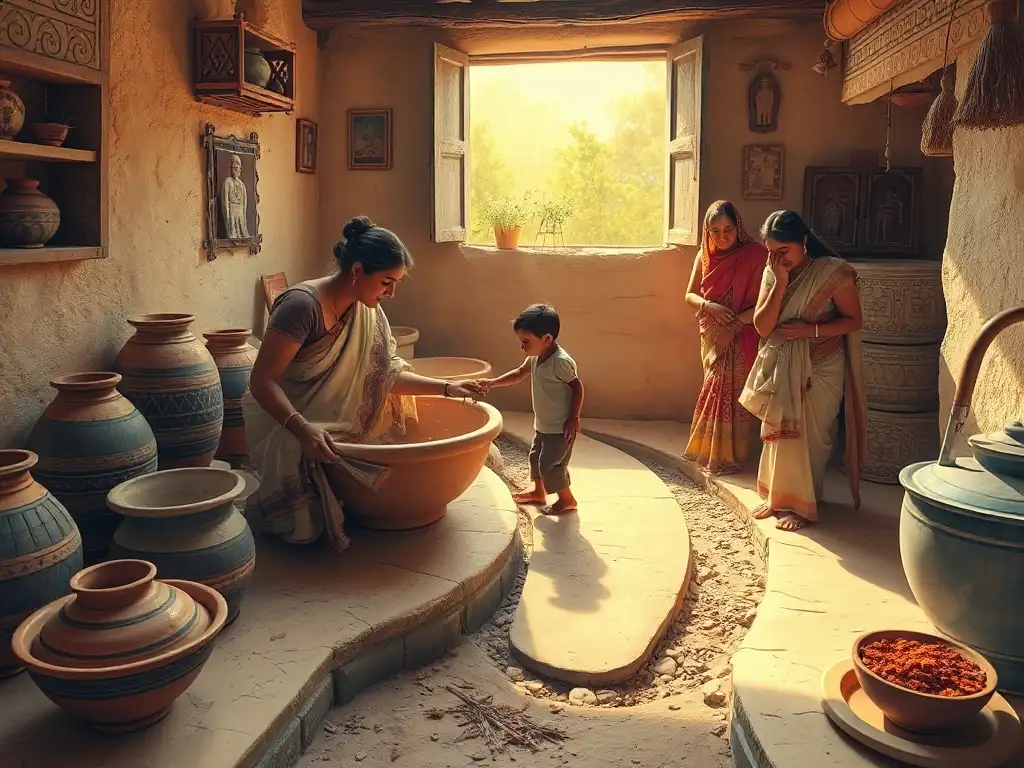
Domestic hygiene in the Indus Valley was characterized by a strong emphasis on cleanliness and sanitation within homes. The residents adopted various practices to maintain hygiene, which were essential for their health and well-being. These practices were interwoven with daily life and reflected a deep understanding of the relationship between cleanliness and health.
Cleanliness in Living Spaces
Indus Valley homes were typically constructed with baked bricks, which were easier to clean compared to mud or thatch materials. The inhabitants actively engaged in maintaining cleanliness in their living spaces by regularly sweeping and washing floors. Evidence suggests that they used clay and lime for plastering walls, which not only provided insulation but also allowed for easy cleaning.
Furthermore, the presence of bathing areas within homes indicates the importance placed on personal hygiene. These spaces were often equipped with drainage systems to ensure that wastewater was efficiently removed, preventing stagnation and associated health risks. Cleanliness in living spaces was viewed not only as a matter of personal hygiene but also as a communal responsibility, highlighting the societal value placed on sanitation.
Waste Management Techniques
Waste management in the Indus Valley was advanced for its time, with various techniques employed to ensure that refuse did not accumulate and pose health risks. Households were likely to dispose of waste in designated areas away from living quarters, minimizing the potential for contamination. Archaeological evidence suggests that the civilization implemented composting practices, turning organic waste into fertilizer for agriculture.
Additionally, the well-planned drainage systems facilitated the removal of waste materials from the cities. This proactive approach to waste management not only kept the environment clean but also contributed to the overall public health of the community. The emphasis on effective waste management practices underscores the Indus Valley Civilization's commitment to maintaining hygiene and sanitation, reflecting a sophisticated understanding of the importance of cleanliness in daily life.
Community Hygiene Initiatives in Indus Valley
The Indus Valley Civilization, known for its remarkable urban planning and sophisticated infrastructure, placed a significant emphasis on hygiene practices. One of the most notable aspects of this civilization was its organized community initiatives aimed at maintaining sanitation and cleanliness. These initiatives were not merely about individual practices but were deeply embedded in the social fabric of the society, reflecting a collective responsibility towards public health.
Archaeological findings indicate that the cities of the Indus Valley, such as Harappa and Mohenjo-Daro, featured advanced drainage systems. These systems were designed to channel wastewater away from living areas, significantly reducing the risk of contamination. The presence of these infrastructures suggests that the culture promoted communal efforts to maintain hygiene, with public works being a priority for urban governance.
The layout of the cities also reveals a strategic approach to hygiene; houses were built with access to these drainage systems, ensuring that waste was effectively managed. This communal approach fostered a sense of shared responsibility among the inhabitants, highlighting the importance placed on cleanliness and public health.
Public Baths and Their Social Role
Public baths were a hallmark of Indus Valley cities and played a crucial role in promoting hygiene among the population. These baths were not only functional but also served as social hubs where community members gathered. The Great Bath of Mohenjo-Daro is one of the most famous examples, showcasing the sophistication of hydraulic engineering and the importance of water in daily life.
The architectural design of these baths included steps leading down to a large pool, surrounded by rooms that may have been used for changing and socializing. The act of bathing in a public space was likely viewed as a communal activity that reinforced social bonds. It provided a platform for individuals to engage in discussions, trade, and cultural exchanges, contributing to the overall cohesion of society.
Moreover, the use of public baths reflected a cultural understanding of cleanliness and its importance in spiritual and physical health. Ritual bathing may have been part of religious practices, further emphasizing the connection between hygiene, health, and social identity within the Indus Valley civilization.
Community Efforts for Sanitation
The Indus Valley inhabitants demonstrated a proactive approach to sanitation through community-led initiatives. Evidence suggests that regular cleaning of streets and public spaces was practiced, with designated areas for waste disposal likely established to minimize pollution. The structured layout of the cities facilitated the management of refuse, indicating that community members were engaged in maintaining their environment.
Additionally, the establishment of specific sanitation roles within the community, such as street cleaners or waste collectors, further exemplifies the organized efforts towards hygiene. This division of labor suggests an early understanding of the need for specialized tasks in preserving public health.
The emphasis on sanitation was not limited to urban areas; rural communities also showcased practices that promoted cleanliness and hygiene. The use of composting for organic waste and the strategic placement of latrines away from water sources highlight a comprehensive approach to sanitation that was integral to daily living.
The Impact of Hygiene on Health in the Indus Valley
The hygiene practices prevalent in the Indus Valley Civilization had a profound impact on the health and well-being of its citizens. Cleanliness was recognized as a vital component of health, influencing various aspects of daily life. The sophisticated sanitation systems and community initiatives greatly contributed to minimizing disease and promoting a healthier living environment.
Disease Prevention through Sanitation
Effective sanitation measures played a critical role in disease prevention within the Indus Valley. The well-planned drainage systems helped to mitigate the risks associated with waterborne diseases, a significant health concern in ancient urban settings. By channeling wastewater away from populated areas, the likelihood of contamination of drinking water sources was significantly reduced.
Moreover, the community's collective efforts in maintaining cleanliness further bolstered public health. The systematic disposal of waste and the establishment of designated sanitation areas contributed to lowering the incidence of diseases, creating a healthier ecosystem. This understanding of the link between sanitation and health is a testament to the advanced knowledge the Indus Valley people possessed regarding hygiene practices.
The Relationship between Hygiene and Daily Life
Hygiene was intricately woven into the daily life of the Indus Valley civilization. The emphasis on cleanliness extended beyond public health; it influenced social interactions, domestic practices, and even trade. Homes were likely equipped with facilities that encouraged personal hygiene, such as bathrooms connected to the drainage system, reflecting a holistic approach to cleanliness.
Furthermore, the cultural norms surrounding hygiene reinforced the importance of cleanliness in personal identity and social standing. Communities that prioritized sanitation not only enhanced their public health but also fostered a sense of pride and responsibility among citizens. This relationship between hygiene and daily life illustrates how the Indus Valley civilization laid the groundwork for future societies to recognize the critical role of sanitation in overall well-being.
Archaeological Evidence of Hygiene Practices

The Indus Valley Civilization, which thrived between approximately 3300 and 1300 BCE, is renowned for its advanced urban planning and sophisticated sanitation systems. Archaeological excavations at sites like Mohenjo-Daro and Harappa have uncovered a wealth of evidence that highlights the importance placed on hygiene practices in daily life. The presence of well-structured drainage systems, public baths, and toilets indicates that the inhabitants prioritized cleanliness and sanitation, which was quite progressive for their time.
The meticulous layout of the cities showcases an understanding of urban hygiene, as streets were often constructed with a slight incline to facilitate drainage. The discovery of large, communal bathing areas also reflects a cultural emphasis on cleanliness, suggesting that bathing was not only a practical necessity but also a social activity. This commitment to hygiene is further evidenced by the careful planning of water supply systems, showcasing how the people of the Indus Valley integrated sanitation into their urban environment.
Findings from Excavations
Excavations in the Indus Valley have revealed several critical findings that illustrate the civilization's hygiene practices. Notably, the presence of brick-lined drainage systems and toilets in individual homes indicates an advanced understanding of waste management. Many homes were equipped with private latrines connected to a centralized drainage system, which may have served to carry waste away from living areas to designated disposal sites.
The layout of these cities included covered drains running along the streets, which were designed to transport wastewater efficiently. The fact that these drains were often constructed with a slight slope highlights the engineering skills of the Indus Valley inhabitants. Additionally, the discovery of terracotta figurines representing bathers suggests that bathing held cultural significance, reinforcing the idea that hygiene was integral to their daily lives.
Interpretation of Artifacts Related to Sanitation
Artifacts unearthed from various Indus Valley sites provide further insights into their sanitation practices. For instance, small, clay models of drains and toilets have been found, indicating the importance of these facilities in their urban infrastructure. Some artifacts, such as intricate seals and pottery, may have been used in rituals associated with cleanliness, suggesting a spiritual dimension to hygiene practices.
The careful construction of these artifacts points to a sophisticated understanding of materials and their properties, which would have been essential for creating durable sanitation facilities. The presence of soapstone and other water-resistant materials indicates that the inhabitants were not only concerned with functionality but also with the longevity of their sanitation solutions. This attention to detail reflects a broader cultural value placed on hygiene, cleanliness, and public health during the Indus Valley Civilization.
Conclusion: Legacy of Hygiene in Indus Valley Civilization
The advances in hygiene and sanitation practices in the Indus Valley Civilization have left a lasting legacy that resonates through time. Their innovative approaches to waste management and public health set a precedent for future civilizations in the Indian subcontinent. The emphasis on cleanliness and sanitation not only improved the quality of life for the people of the Indus Valley but also contributed to the overall health of their communities.
Lessons Learned from Indus Valley Hygiene Practices
The hygiene practices of the Indus Valley Civilization offer valuable lessons for contemporary society. Their commitment to urban sanitation demonstrates the importance of infrastructure in maintaining public health and hygiene. Modern cities can learn from the Indus Valley's integration of drainage and waste management systems into urban planning, recognizing that effective sanitation is essential for preventing disease and promoting well-being.
Moreover, the cultural significance attached to cleanliness in the Indus Valley can inspire current hygiene practices, emphasizing the role of community and social norms in fostering a healthy environment. By revisiting these ancient practices, we can gain insights into sustainable living and the importance of prioritizing sanitation in urban development.
Influence on Later Indian Civilizations
The influence of the Indus Valley's hygiene practices can be seen in subsequent Indian civilizations. As urban centers evolved, many adopted similar sanitation systems, which were critical for maintaining population health. The emphasis on bathing and cleanliness in subsequent cultures, including those in Vedic and later periods, can trace its roots back to the practices established by the Indus Valley Civilization.
This legacy not only highlights the advancements made in ancient times but also underscores the enduring relevance of hygiene and sanitation in shaping societal norms and public health policies throughout Indian history. As we reflect on these practices, it becomes clear that the commitment to hygiene in the Indus Valley Civilization has had a profound and lasting impact on the development of urban environments in India and beyond.
References
The study of hygiene practices in the Indus Valley Civilization is supported by various archaeological findings, ancient texts, and contemporary analyses. These references provide a comprehensive understanding of the sanitation systems and their significance in daily life during this remarkable period.
Key Studies on Indus Valley Hygiene and Sanitation
-
M. S. Vahia and A. P. Paranjape (2009)
In their research titled "The Indus Valley Civilization: A Study of Its Urban Planning and Sanitation," Vahia and Paranjape examine the advanced urban planning of Indus Valley cities like Harappa and Mohenjo-Daro. The study highlights the sophisticated drainage systems, public baths, and the layout of residential areas that indicate a high level of concern for hygiene.
-
R. S. Bisht (2008)
Bisht's work, "Socio-Economic Structure of the Indus Valley Civilization," delves into the relationship between socio-economic factors and sanitation practices. He discusses how the economic prosperity of the civilization allowed for the development of sanitation infrastructure, which was crucial for public health.
-
Gregory L. Possehl (2002)
Possehl's "The Indus Age: Every Day Life in the Indus Valley Civilization" provides insights into daily living conditions, including hygiene practices. The book includes discussions on water management, waste disposal, and the cultural importance of cleanliness in Indus Valley society.
-
Indus Valley Civilization Project (IVCP) Reports
Various reports published by the IVCP have documented archaeological discoveries related to sanitation and hygiene. These reports include findings of intricate drainage systems and evidence of bathing facilities, emphasizing the civilization's commitment to public health standards.
Suggested Further Reading on Ancient Indian Civilizations
-
"The Archaeology of the Indus Valley Civilization" by Jonathan Mark Kenoyer
This book offers an in-depth analysis of the archaeological evidence from the Indus Valley and discusses the implications for understanding the civilization's culture, including aspects of hygiene and sanitation.
-
"Ancient India: A History" by Upinder Singh
Singh's comprehensive history covers the evolution of Indian civilizations, with specific sections dedicated to the Indus Valley Civilization. It provides context for the importance of hygiene practices within the broader narrative of ancient Indian society.
-
"Daily Life in Ancient India" by J. C. R. C. Sahu
This text explores various aspects of daily life in ancient Indian civilizations, including the Indus Valley. Sahu discusses the significance of sanitation and hygiene in the context of urban living.
-
"Water Management in Ancient India" by Nandita S. Chaudhary
Chaudhary's book focuses on the water management systems of ancient Indian civilizations, particularly the Indus Valley. It sheds light on how effective water management contributed to hygiene and sanitation practices.
-
"The Indus Valley Civilization: An Interdisciplinary Approach" edited by Irfan Habib
This collection of essays from various scholars provides interdisciplinary perspectives on the Indus Valley Civilization, including its hygiene practices. It is an excellent resource for understanding the complexities of ancient Indian urban life.
- Introduction to Hygiene Practices in Indus Valley
- Hygiene Practices in Indus Valley: An Overview
- The Role of Water Management in Sanitation
- Domestic Hygiene Practices in Indus Valley Homes
- Community Hygiene Initiatives in Indus Valley
- The Impact of Hygiene on Health in the Indus Valley
- Archaeological Evidence of Hygiene Practices
- Conclusion: Legacy of Hygiene in Indus Valley Civilization
- References
- What were some hygiene practices in the Indus Valley?
- How did the sanitation systems of the Indus Valley compare to other ancient civilizations?
- What role did public baths play in Indus Valley society?
- How did hygiene impact the overall health of Indus Valley people?
- What can modern societies learn from Indus Valley hygiene practices?
Frequently Asked Questions
What were some hygiene practices in the Indus Valley?
The Indus Valley civilization is known for its advanced sanitation systems, including drainage systems and public baths that promoted cleanliness and health among its inhabitants.
How did the sanitation systems of the Indus Valley compare to other ancient civilizations?
The sanitation systems of the Indus Valley were remarkably sophisticated, often surpassing those of other contemporary civilizations due to their well-planned cities and effective drainage networks.
What role did public baths play in Indus Valley society?
Public baths served as central places for social interaction and were crucial for maintaining personal hygiene, reflecting the civilization's commitment to cleanliness and public health.
How did hygiene impact the overall health of Indus Valley people?
The focus on hygiene and sanitation likely contributed to lower disease prevalence, promoting a healthier population compared to other societies that lacked such systems.
What can modern societies learn from Indus Valley hygiene practices?
Modern societies can learn the importance of integrated sanitation systems and community health initiatives from the Indus Valley, emphasizing the need for clean environments to ensure public health.
Final Reflection: The Enduring Legacy of Hygiene Practices in Indus Valley
The significance of hygiene and sanitation in the Indus Valley civilization remains profoundly relevant today. As we navigate the complexities of modern living, the lessons from this ancient society remind us that effective hygiene practices are foundational to public health and community well-being. The meticulous urban planning and advanced sanitation systems of the Indus Valley serve as a testament to the civilization's understanding of health, which resonates with our ongoing efforts to combat hygiene-related issues in contemporary society.
The influence of the Indus Valley's hygiene practices extends beyond historical curiosity; it shapes our cultural and social landscapes even now. The emphasis on cleanliness and sanitation in this ancient civilization highlights the importance of public health initiatives that continue to evolve today. Cleanliness is next to godliness,
a saying that underscores the timeless value of hygiene, reflects how deeply ingrained these practices are in our societal values. As we face global health challenges, the Indus Valley's commitment to sanitation serves as a guiding principle for modern urban planning and public health strategies.
As we reflect on the lessons from the Indus Valley, I invite you to consider how you can incorporate these principles of hygiene and sanitation into your daily life. What steps can you take to prioritize cleanliness in your environment, and how can you advocate for better hygiene practices within your community? By embracing the wisdom of the past, we can foster healthier living conditions for ourselves and future generations, ensuring that the legacy of the Indus Valley continues to inspire us in our pursuit of a cleaner, healthier world.
Embrace the Past: Elevate Your Hygiene Practices Today!
Thank you for diving into the fascinating world of the Indus Valley civilization with us! By exploring their advanced hygiene and sanitation systems, you’ve gained valuable insights into how vital cleanliness is for thriving communities. Now, it’s time to take inspiration from their legacy and implement practical steps to enhance your hygiene.
Here’s how you can connect with the importance of hygiene today:
- Revamp your daily hygiene routine: Start by incorporating simple practices inspired by ancient wisdom, such as regular handwashing and maintaining personal cleanliness.
- Educate your community: Share what you’ve learned about sanitation in the Indus Valley with friends and family to promote awareness of its significance in modern life.
- Explore local initiatives: Seek out or participate in community clean-up programs or hygiene workshops to reinforce the importance of sanitation in your area.
What steps are you willing to take today to enhance your hygiene practices and inspire those around you to do the same?