
The Economic Foundations of Ancient Indian CityStates: A Trade Perspective


Welcome to Ancient India History! Here, we invite you to embark on a remarkable journey through the vibrant tapestry of ancient Indian civilizations. As we delve into "The Economic Foundations of Ancient Indian City-States: A Trade Perspective," you'll uncover the intricate networks of trade and economy that fueled the prosperity of these remarkable societies.
Discover how bustling markets and innovative economic practices laid the groundwork for cultural exchanges that shaped not only India but the wider world. Get ready to explore the fascinating stories behind the trade routes that connected cities, the goods that flowed through them, and the enduring legacies they left behind. Your adventure into the heart of ancient Indian trade awaits!
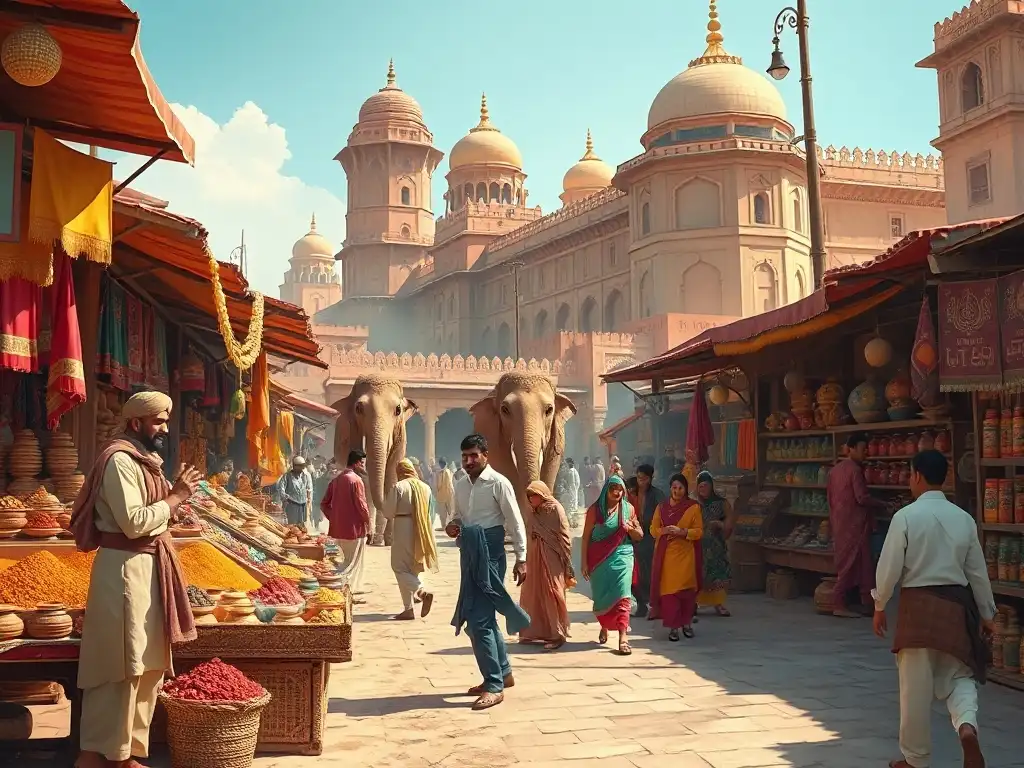
Introduction to Ancient Indian Trade and Economy
The economic foundations of ancient Indian city-states were intricately woven into the fabric of their rich and diverse civilizations. Trade played a pivotal role in shaping the economic landscape, influencing not only local economies but also establishing connections with far-reaching cultures across the globe.
From the flourishing markets of the Indus Valley Civilization to the bustling trade routes of the Gupta Empire, ancient Indian trade and economy reflect a complex interplay of commerce, culture, and innovation. This article delves into the economic foundations of these city-states, exploring the multifaceted aspects of trade that contributed significantly to their growth and prosperity.
Overview of Ancient Indian City-States
Ancient India was home to numerous city-states, each characterized by its unique economic practices and trade networks. Major city-states like Pataliputra, Taxila, and Varanasi emerged as vital centers of trade and commerce. These urban hubs facilitated the exchange of goods ranging from textiles, spices, and precious metals to agricultural products. The strategic locations of these city-states along key trade routes enhanced their role as intermediaries, connecting the Indian subcontinent with regions as far as the Mediterranean and Southeast Asia.
Importance of Trade in Ancient Indian Civilization
Trade in ancient India was not merely a means of economic sustenance; it was also a catalyst for cultural exchange and societal development. The bustling marketplaces served as venues for the exchange of ideas, art, and technology, leading to a vibrant and dynamic culture. Moreover, the wealth generated through trade contributed to the patronage of arts and sciences, fostering advancements in various fields such as mathematics, astronomy, and architecture. Thus, the significance of trade extended beyond economics, influencing the very identity and legacy of ancient Indian civilizations.
Historical Context of Ancient Indian Trade
The Emergence of City-States in Ancient India
The emergence of city-states in ancient India can be traced back to the early settlements of the Indus Valley Civilization around 2500 BCE. As agriculture flourished, surplus production led to the rise of urban centers where trade became essential for economic stability. Over time, these city-states developed complex social hierarchies and specialized crafts, further enhancing their trade capabilities. By the time of the Maurya and Gupta empires, the structure of these city-states had matured, creating an expansive network of commerce that connected diverse regions and peoples.
Key Periods of Trade Development in Ancient India
The history of ancient Indian trade can be segmented into several key periods, each marked by distinct advancements and challenges:
- Indus Valley Civilization (c. 2500–1900 BCE): Known for its urban planning and trade with Mesopotamia, this period laid the groundwork for future trade practices.
- Vedic Period (c. 1500–500 BCE): Transitioning from a primarily agrarian society, trade began to flourish with the establishment of trade routes and barter systems.
- Mauryan Empire (c. 322–185 BCE): This era saw the expansion of trade networks, with the establishment of the Silk Road linking India to Central Asia and beyond.
- Gupta Empire (c. 240–550 CE): Marked by a golden age of cultural and economic prosperity, this period witnessed significant advancements in trade practices, including the use of coins and the establishment of guilds.
Each of these periods contributed uniquely to the evolution of ancient Indian trade and economy, providing insights into how commerce shaped the trajectory of civilization in the subcontinent.
Major Trade Routes of Ancient Indian City-States
The economic prosperity of ancient Indian city-states was largely attributed to their strategic trade routes, which facilitated commerce with various regions across Asia, the Mediterranean, and beyond. These routes can be categorized into land and maritime pathways, each playing a crucial role in the exchange of goods, culture, and ideas. The vibrant trade network not only connected different city-states but also integrated them into a larger economic sphere, enhancing their influence and affluence.
Land Routes Connecting Ancient Indian Trade Centers
The land routes of ancient India were vital for the movement of goods and resources. One of the most important routes was the Silk Road, which connected India to Central Asia and the Middle East. This network allowed for the trade of silk, spices, and precious stones, which were highly sought after in foreign markets. Additionally, the Grand Trunk Road, one of Asia's oldest and longest major roads, facilitated trade between the eastern and western parts of India, linking key cities such as Pataliputra, Taxila, and further into the regions of present-day Afghanistan and Persia.
These routes were not just pathways for goods; they also served as conduits for cultural exchanges, facilitating the spread of religions like Buddhism and Jainism, and ideas in philosophy and science. Traders, often well-respected members of society, would travel these routes, establishing connections that led to the formation of alliances and fostering diplomatic relationships between various kingdoms.
Maritime Trade Routes and Their Significance
Maritime trade routes were equally significant, connecting ancient Indian city-states to distant lands. The Arabian Sea and the Bay of Bengal served as major highways for trade. Indian merchants adeptly sailed to regions like the Arabian Peninsula, East Africa, and Southeast Asia, exchanging goods such as spices, textiles, and precious metals.
The Indian Ocean trade network was particularly noteworthy. It facilitated not only the movement of goods but also the sharing of cultural practices, beliefs, and technological advancements. The monsoon winds played a critical role in navigation, allowing traders to plan their voyages effectively. The maritime routes helped establish India as a central player in global trade, influencing economies and societies far beyond its borders.
Key Ports and Trading Hubs in Ancient India
Several ports emerged as pivotal trading hubs during ancient times. Lothal, located in the present-day state of Gujarat, was one of the earliest known ports, featuring a sophisticated dockyard that allowed for the efficient loading and unloading of goods. This port facilitated trade with Mesopotamia and other regions, exporting items like beads, textiles, and metals.
Another significant port was Kaveripattinam, which served as a major outlet for the Tamil kingdoms. It was famous for its exports of spices, particularly black pepper, which was in high demand in international markets. Additionally, Sutkagen Dor and Diu were essential for trade with Persian Gulf regions, further linking India to the broader trade networks of the ancient world.
Trade Goods and Economic Exchange
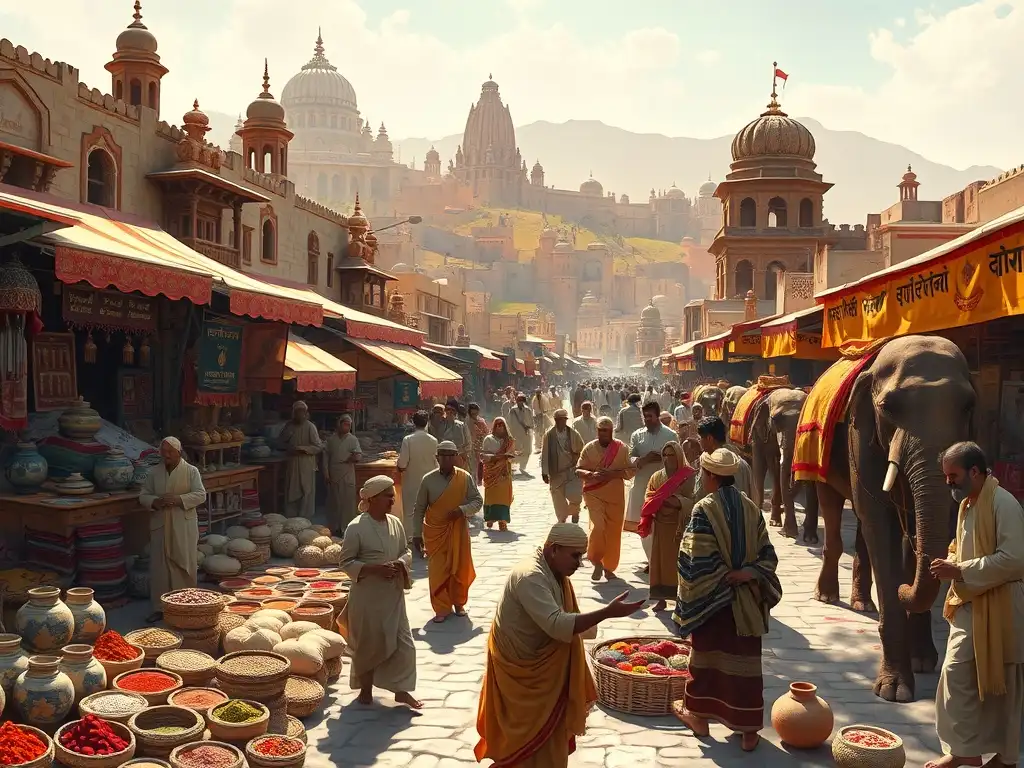
The richness of ancient Indian trade can be seen in the variety of goods exchanged, which included not only commodities but also ideas and cultural practices. The economic exchanges were characterized by a system of bartering and trade agreements, reflecting the complexities of the ancient economy.
Essential Commodities in Ancient Indian Trade
Among the essential commodities traded were spices, textiles, metals, and precious stones. Spices like black pepper, cardamom, and cinnamon were highly valued both domestically and internationally. Indian textiles, particularly cotton and silk, gained immense popularity, with cities like Varanasi and Ahmedabad becoming renowned centers for fabric production.
Metals such as gold, silver, and copper were also significant, often used in trade with foreign nations. Precious stones, including diamonds, rubies, and pearls, were sourced from Indian mines and exported to markets as far as Rome and China. This diverse array of goods positioned ancient India as a major economic power in the trade networks of the time.
Export and Import Dynamics of Ancient Indian City-States
The export-import dynamics of ancient Indian city-states were intricate and well-organized. While India was known for exporting luxury goods, it also imported essential items that were not locally available. For example, silk and horses were imported from Central Asia and Persia, while timber and other raw materials were brought in from Southeast Asia.
The balance of trade often favored India, as the demand for its goods was high. This not only resulted in wealth accumulation for the city-states but also contributed to the development of sophisticated economic structures, including taxation and trade regulations, which facilitated smoother transactions and promoted economic stability.
Role of Crafts and Artisans in Ancient Trade Economy
Crafts and artisans were integral to the ancient Indian trade economy. Skilled artisans produced high-quality goods that were essential for both domestic consumption and export. Crafts such as pottery, metalwork, weaving, and jewelry-making flourished, showcasing the rich artistic heritage of Indian civilization.
Artisans often worked in guilds, which provided them with protection and established trade practices. These guilds played a crucial role in controlling the quality of goods and in negotiating trade agreements, ensuring that Indian products remained competitive in international markets. The craftsmanship of Indian artisans contributed significantly to the economy, making their art not only a source of livelihood but also a key element in the trade networks that connected India to the world.
Economic Structures Supporting Trade
The economic structures of ancient Indian city-states were intricate systems that facilitated robust trade and commerce. These structures included markets, currency systems, guilds, and trade associations, all of which played pivotal roles in enhancing economic activities. The urban centers, strategically located along trade routes, acted as hubs for commerce, enabling the exchange of goods not only within the subcontinent but also with distant lands such as Mesopotamia, Persia, and Southeast Asia.
The organization of production and distribution was key to the economic fabric of these city-states. Agriculture served as the backbone of the economy, producing surplus crops that could be traded. Additionally, the rise of artisanal crafts led to specialization, with various regions becoming known for specific goods, such as textiles from the Deccan or metalworks from the north. This specialization not only bolstered local economies but also enhanced trade by creating a diverse array of products available for exchange.
Role of Markets and Bazaars in Ancient Trade
Markets and bazaars were fundamental to the trade landscape in ancient India, serving as vital centers for the exchange of goods, information, and culture. These marketplaces were often bustling with activity, where merchants, farmers, craftsmen, and consumers converged. They provided a space for direct barter and trade, allowing for the negotiation of prices and the establishment of supply chains.
The layout of markets varied, with some being open-air spaces while others were more structured, reflecting local customs and cultural practices. Notably, major cities like Pataliputra and Taxila boasted well-organized bazaars where a wide variety of goods—ranging from spices and textiles to metalwork and pottery—were traded. The presence of permanent markets encouraged regular trading activity and created economic predictability, fostering long-term relationships among traders.
Currency Systems and Trade Transactions
Ancient Indian trade was significantly enhanced by the development of currency systems, which simplified transactions and facilitated trade over long distances. Initially, trade was conducted through barter, but as commerce expanded, the need for a standardized medium of exchange became apparent. This led to the introduction of metal coins, with the earliest known coins being the punch-marked coins from the 6th century BCE.
The use of coins allowed for easier valuation of goods and services, promoting greater economic efficiency. Different kingdoms issued their own currency, contributing to a diverse monetary system. Additionally, the practice of using weights and measures became standardized in many regions, further streamlining trade transactions. This evolution of currency not only enabled local markets to thrive but also fostered trade with foreign entities, which often required a reliable and universally accepted medium of exchange.
Influence of Guilds and Trade Associations
Guilds and trade associations were essential components of the economic framework in ancient Indian city-states. These organizations brought together merchants and craftsmen engaged in similar trades, allowing them to collaborate, regulate standards, and protect their interests. Known as "shrenis," these guilds played a crucial role in promoting trade by ensuring quality control and ethical practices among their members.
Guilds also acted as a collective bargaining unit, negotiating with local authorities for favorable trade regulations, taxes, and infrastructure improvements. They facilitated the sharing of knowledge and skills, leading to innovations in manufacturing and trading techniques. Additionally, guilds often provided social support to their members, creating a sense of community that strengthened the economic fabric of cities. Their influence extended beyond trade, impacting social structures and cultural exchanges within and between communities.
Impact of Trade on Ancient Indian Society
Trade had profound implications for ancient Indian society, shaping its economic prosperity, social stratification, and cultural exchanges. The growth of trade networks not only enhanced the wealth of city-states but also transformed their social dynamics and cultural landscapes.
Economic Prosperity and Urbanization
As trade flourished, it led to significant economic prosperity in ancient Indian city-states. The influx of wealth from both local and foreign trade spurred urbanization, resulting in the growth of cities that became centers of commerce, culture, and governance. Urban areas became increasingly complex, with improved infrastructure, including roads, irrigation systems, and marketplaces, facilitating trade and attracting more inhabitants.
This economic boom allowed for the development of public works, educational institutions, and temples, contributing to a vibrant urban culture. Cities like Varanasi, Madurai, and Ujjain became prominent not only as trade hubs but also as cultural and religious centers, attracting traders, scholars, and pilgrims from across the region.
Social Stratification and Trade
The expansion of trade in ancient India also led to the emergence of distinct social classes and stratification. Wealth generated from trade contributed to the rise of a merchant class, which wielded considerable economic power and influence. This class often enjoyed elevated social status, leading to the formation of a new elite in society.
Conversely, the wealth gap between the merchant class and agricultural laborers widened, creating a clear demarcation in social status. While some individuals amassed fortunes and engaged in lavish lifestyles, many laborers remained in subsistence conditions. This economic disparity influenced social dynamics, leading to varying access to resources, education, and political power.
Cultural Exchange Through Trade Networks
Trade networks in ancient India were not merely conduits for goods; they also facilitated rich cultural exchanges that profoundly impacted society. Interactions among traders from different regions led to the sharing of ideas, beliefs, and artistic expressions. The movement of goods like spices, textiles, and precious metals was often accompanied by the exchange of cultural practices, languages, and religions.
Key trade routes, such as the Silk Road and maritime pathways, enabled the flow of influences from various civilizations, including Greek, Persian, and later Islamic cultures. This resulted in the blending of artistic styles, culinary traditions, and religious practices, enriching the cultural tapestry of ancient India. Notably, the spread of Buddhism and Hinduism was significantly aided by trade, as merchants and pilgrims traveled along these routes, promoting spiritual and philosophical ideas.
The economic foundations of ancient Indian city-states were deeply intertwined with trade, shaping their societal structures and cultural identities. The interplay between economic prosperity and cultural exchange fostered a dynamic society that laid the groundwork for future developments in Indian history.
Challenges and Declines in Ancient Indian Trade

The trade networks of ancient India were robust and expansive, yet they faced numerous challenges that ultimately contributed to their decline. Understanding these challenges offers insight into the economic foundations of ancient Indian city-states and their eventual transitions.
Environmental and Political Factors Affecting Trade
Environmental factors played a significant role in shaping the trade landscape of ancient India. Natural disasters, such as floods or droughts, could devastate agricultural output, leading to food shortages and economic instability. For instance, the decline of the Indus Valley Civilization around 1900 BCE is believed to be partly due to climate change, which altered the course of rivers and disrupted agricultural practices.
Political instability also impacted trade. The rise and fall of empires, internal conflicts, and invasions led to uncertainty, making trade routes unsafe. The Maurya and Gupta empires, while initially boosting trade, faced challenges from regional powers and nomadic invasions that disrupted established trading networks. Political fragmentation often led to the emergence of local powers that imposed tariffs and trade restrictions, further complicating commerce.
Competition with Other Civilizations
As ancient Indian city-states thrived, they faced increasing competition from other civilizations, both within and beyond the subcontinent. The Persian Empire, for example, sought to control trade routes that connected India with the Mediterranean, creating friction between Indian traders and Persian interests. Additionally, the expansion of trade networks by the Chinese during the Han Dynasty introduced new players in the competitive landscape, as the Silk Road facilitated trade across vast regions.
The emergence of maritime trade networks in Southeast Asia also redirected Indian trade routes. Indian ports began to lose their prominence as Southeast Asian kingdoms established their own trade connections with China and beyond, diminishing the influence of Indian traders in these regions.
The Transition to New Economic Models
As external pressures mounted, ancient Indian economies began transitioning from traditional trade practices to new economic models. The rise of feudalism altered the landscape of trade, with land ownership becoming a critical factor in economic power. This shift often resulted in localized economies, where barter and subsistence farming became more prevalent than long-distance trade.
In addition to feudal changes, the introduction of new currencies and trade practices, influenced by contact with other civilizations, began to reshape economic interactions. For example, the introduction of coinage during the Mauryan period facilitated trade but also led to increased taxation and state control over commerce, which could stifle the more organic trading practices that had flourished in earlier times.
Conclusion: Legacy of Ancient Indian Trade and Economy
The economic foundations of ancient Indian city-states were complex and multifaceted, characterized by vibrant trade networks that connected diverse cultures. While these networks faced significant challenges that led to their decline, their legacies continue to influence modern economic practices in India.
Lasting Influences on Modern Indian Trade Practices
The legacy of ancient Indian trade is evident in contemporary trade practices. The emphasis on trade as a means of cultural exchange has persisted, with modern India being a significant player in global trade networks. The historical routes established during ancient times, such as the Silk Road and maritime pathways, laid the groundwork for modern trade policies and economic interactions.
Moreover, the traditional practices of local markets and bartering can still be observed in many regions of India today, demonstrating the enduring nature of these ancient economic practices. The rich tapestry of goods, from spices to textiles, that once flowed through these trade routes continues to be a hallmark of Indian commerce.
Reflection on the Economic Foundations of Ancient Indian City-States
Reflecting on the economic foundations of ancient Indian city-states reveals the intricate interplay between trade, culture, and economy. The adaptability of these city-states in the face of challenges highlights their resilience and innovation. Despite eventual decline, the principles of trade established during this era have laid a solid foundation for the modern Indian economy.
The study of ancient Indian trade and economy not only enriches our understanding of historical dynamics but also informs current economic practices and policies, illustrating the timeless nature of trade as a cornerstone of civilization.
References
Academic References and Sources
The study of ancient Indian trade and economy is supported by a vast range of academic literature and archaeological findings. These resources provide insights into the complex economic systems, trade networks, and commercial practices that defined the city-states of ancient India. Below are some notable references that contribute to our understanding of this topic:
-
M. R. Singh, The Indus Valley Civilization: A Trade Perspective
This book offers an in-depth analysis of the trade practices during the Indus Valley Civilization, highlighting the role of trade in urban development and economic stability.
-
R. Thapar, Ancient India: From the Earliest Times to the Present
Thapar's work presents a comprehensive overview of ancient Indian history, including sections dedicated to the economic structures and trade relations that shaped early Indian society.
-
A. K. Sharma, Trade and Economy in Ancient India
Sharma provides a detailed examination of the various economic activities in ancient India, focusing on trade routes, currency systems, and commercial practices.
-
C. J. P. Lyall, The Economy of Ancient India: An Archaeological Perspective
This publication explores archaeological findings related to trade and economic activity, offering a unique perspective on how ancient economies operated.
-
V. S. K. K. Nair, Maritime Trade in Ancient India: Historical Perspectives
Nair discusses the significance of maritime trade in the economic landscape of ancient India, detailing the ports, goods, and cultural exchanges that occurred across the Indian Ocean.
-
P. M. Joshi, Economic History of India: From the Earliest Times to the 18th Century
Joshi's work traces the evolution of economic systems in India, including the impact of trade on urbanization and cultural exchange.
-
B. R. Sharma, The Role of Trade in Ancient Indian Society
This article analyzes the social and economic impact of trade on ancient Indian city-states, emphasizing the interconnectedness of commerce and societal development.
These academic references serve as foundational texts for anyone interested in exploring the intricate relationship between trade and the economy in ancient Indian city-states, providing valuable insights into how these interactions shaped the course of Indian history.
- Introduction to Ancient Indian Trade and Economy
- Historical Context of Ancient Indian Trade
- Major Trade Routes of Ancient Indian City-States
- Trade Goods and Economic Exchange
- Economic Structures Supporting Trade
- Impact of Trade on Ancient Indian Society
- Challenges and Declines in Ancient Indian Trade
- Conclusion: Legacy of Ancient Indian Trade and Economy
- References
- What were the main features of ancient Indian trade?
- How did the geography of ancient India influence its economy?
- What role did the Indus Valley Civilization play in ancient Indian trade?
- How did the Gupta Empire contribute to the economy of ancient India?
- What were some key commodities traded in ancient India?
Frequently Asked Questions
What were the main features of ancient Indian trade?
The main features included a robust network of trade routes connecting various regions, the use of coins for transactions, and the exchange of goods such as spices, textiles, and precious stones.
How did the geography of ancient India influence its economy?
The diverse geography, including rivers and coastlines, facilitated trade and agriculture, allowing for the development of prosperous city-states that thrived on both local and international trade.
What role did the Indus Valley Civilization play in ancient Indian trade?
The Indus Valley Civilization is known for its advanced urban planning and trade networks that connected to other civilizations, showcasing early examples of economic organization and commerce.
How did the Gupta Empire contribute to the economy of ancient India?
The Gupta Empire saw a significant expansion in trade, with increased agricultural productivity, the establishment of trade guilds, and a flourishing of arts and crafts, enhancing both local and international economic ties.
What were some key commodities traded in ancient India?
Key commodities included spices, silk, precious stones, and textiles, which were highly sought after in various markets, establishing India as a vital player in global trade networks of the time.
Final Reflection: The Enduring Legacy of Ancient Indian Trade and Economy
The economic foundations of ancient Indian city-states are not merely relics of the past; they resonate profoundly with today's global trade dynamics. As we navigate an increasingly interconnected world, the principles of trade and economy that flourished in ancient India offer invaluable insights into sustainable practices and the importance of cultural exchange. The intricate networks established by these early civilizations remind us that trade is not just about the exchange of goods, but also about the sharing of ideas and fostering relationships that transcend borders.
The influence of ancient Indian trade and economy is evident in the cultural and social fabric of modern society. The legacy of these city-states continues to shape contemporary economic practices, emphasizing the significance of local resources and community engagement. As we reflect on this historical context, we can appreciate how these ancient systems laid the groundwork for modern trade routes and economic policies. Trade is the lifeblood of civilization, connecting people and cultures in a tapestry of shared prosperity.
This quote encapsulates the essence of how trade has been a catalyst for growth and unity throughout history.
As we conclude this exploration of ancient Indian trade and economy, I invite you to reflect on the lessons learned from these early civilizations. Consider how the principles of collaboration, sustainability, and cultural exchange can be applied in your own life and community. By embracing the wisdom of the past, we can foster a more interconnected and resilient future, where trade serves as a bridge to understanding and cooperation among diverse cultures. Let us honor the legacy of ancient Indian city-states by actively engaging in practices that promote economic harmony and cultural appreciation today.
Unveil the Rich Tapestry of Ancient Trade!
Thank you for diving into the fascinating world of ancient Indian city-states and their economic foundations! We hope you’ve uncovered valuable insights about how trade shaped their prosperity. Now, let’s keep that curiosity flowing and take action to deepen your understanding and appreciation of this remarkable history.
Here’s how you can continue your journey:
- Explore further: Delve deeper into the specifics of ancient trade routes by visiting our detailed articles on maritime and overland trade in Ancient India.
- Share your insights: Join the conversation and share this article with friends or on social media. Encourage others to discover the wonders of ancient Indian commerce!
- Participate in our community: Connect with fellow history enthusiasts by leaving a comment below or joining our discussion forum. Your perspective is invaluable!
What aspect of ancient Indian trade fascinates you the most, and how do you think it has influenced modern economic practices?