
Ancient Indian Coinage: The Evolution of Currency and Trade

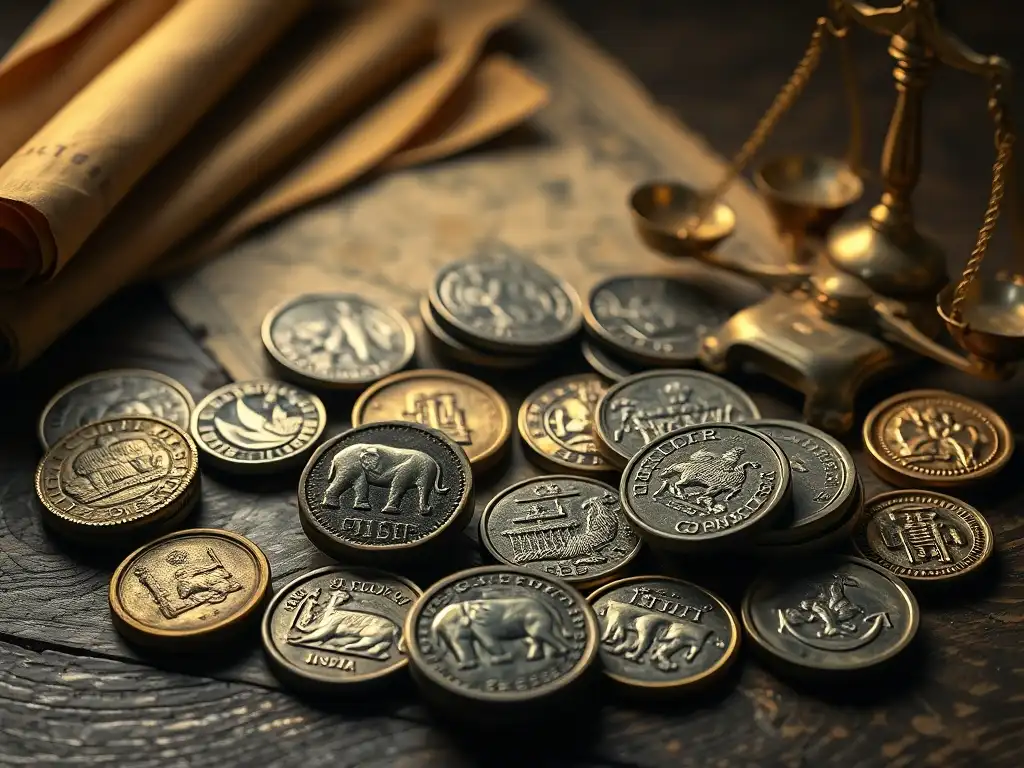
Welcome to Ancient India History, where we embark on a fascinating journey through the rich tapestry of ancient Indian civilizations. From the intricate designs of the Indus Valley to the flourishing trade networks of the Gupta Empire, the story of Ancient Indian coinage history serves as a captivating lens through which we can explore the evolution of currency and its pivotal role in shaping economies. Curious about how these early coins influenced trade and culture?
Dive into our main article, "Ancient Indian Coinage: The Evolution of Currency and Trade," and uncover the remarkable legacy that continues to resonate today. Your adventure into the past starts here!
- Ancient Indian Coinage History: An Overview
- The Evolution of Ancient Indian Coinage
- Key Periods in Ancient Indian Coinage History
- Types of Ancient Indian Coins
- The Role of Coinage in Trade and Commerce
- Symbolism and Design in Ancient Indian Coinage
- The Decline of Ancient Indian Coinage
- Legacy of Ancient Indian Coinage in Modern Times
- Conclusion: The Importance of Understanding Ancient Indian Coinage History
- Frequently Asked Questions
- Final Reflection: The Enduring Legacy of Ancient Indian Coinage
- Rediscover the Rich Legacy of Ancient Indian Coinage!
Ancient Indian Coinage History: An Overview
The history of ancient Indian coinage is a fascinating narrative that interweaves the evolution of currency with the broader tapestry of trade and economic practices in one of the world's oldest civilizations. From the early barter system to the sophisticated minting of coins, ancient Indian coinage reflects not only the economic transactions of the time but also the cultural and societal values that shaped these practices. This article delves into the intricate journey of currency in ancient India, examining how it facilitated trade, influenced commerce, and evolved to meet the needs of a dynamic economy.
The Significance of Currency in Ancient India
The development of currency in ancient India played a crucial role in transforming economic exchanges. Prior to the introduction of coinage, trade was primarily conducted through barter, where goods and services were directly exchanged. However, as societies became more complex, the limitations of barter necessitated the creation of a more efficient medium of exchange.
- Facilitation of Trade: The advent of currency, particularly in the form of coins, significantly simplified trade. It allowed merchants to conduct transactions without the need for direct barter, thus broadening the scope of trade networks.
- Standardization of Value: Coins introduced a standardized measure of value, which helped in establishing fair pricing for goods and services. This standardization was essential for fostering trust and reliability in trading practices.
- Cultural Expression: Many ancient coins featured intricate designs and symbols that reflected the cultural and political ethos of the time. These images often included depictions of deities, rulers, or local fauna, serving as a medium of artistic expression as well as currency.
The significance of currency in ancient India thus extends beyond mere economic transactions; it encapsulates the very essence of societal evolution and cultural identity.
Understanding Trade and Economy in Ancient Indian Civilizations
Ancient Indian civilizations were marked by a rich tapestry of trade practices that connected various regions and cultures. The economy was diverse, encompassing agriculture, handicrafts, and extensive trade networks.
- Trade Routes: The establishment of trade routes, both overland and maritime, facilitated the exchange of goods not only within the Indian subcontinent but also with distant lands, including Southeast Asia and the Mediterranean. This connectivity was pivotal in the exchange of not just commodities but also ideas and cultural practices.
- Key Commodities: The economy thrived on the trade of various commodities such as spices, textiles, and precious stones. The silk trade, for instance, was particularly significant, with Indian silk being highly sought after in international markets.
- Role of Coins: Coins served as a crucial tool in these trade practices, providing a reliable means of transaction. The introduction of various denominations allowed merchants to engage in both small-scale and large-scale trade, enhancing economic fluidity.
The understanding of trade and economy in ancient Indian civilizations is incomplete without acknowledging the pivotal role of coinage. The evolution of currency not only facilitated commerce but also played an integral part in shaping the economic landscape of ancient India.
The Evolution of Ancient Indian Coinage
Early Forms of Currency in the Indus Valley Civilization
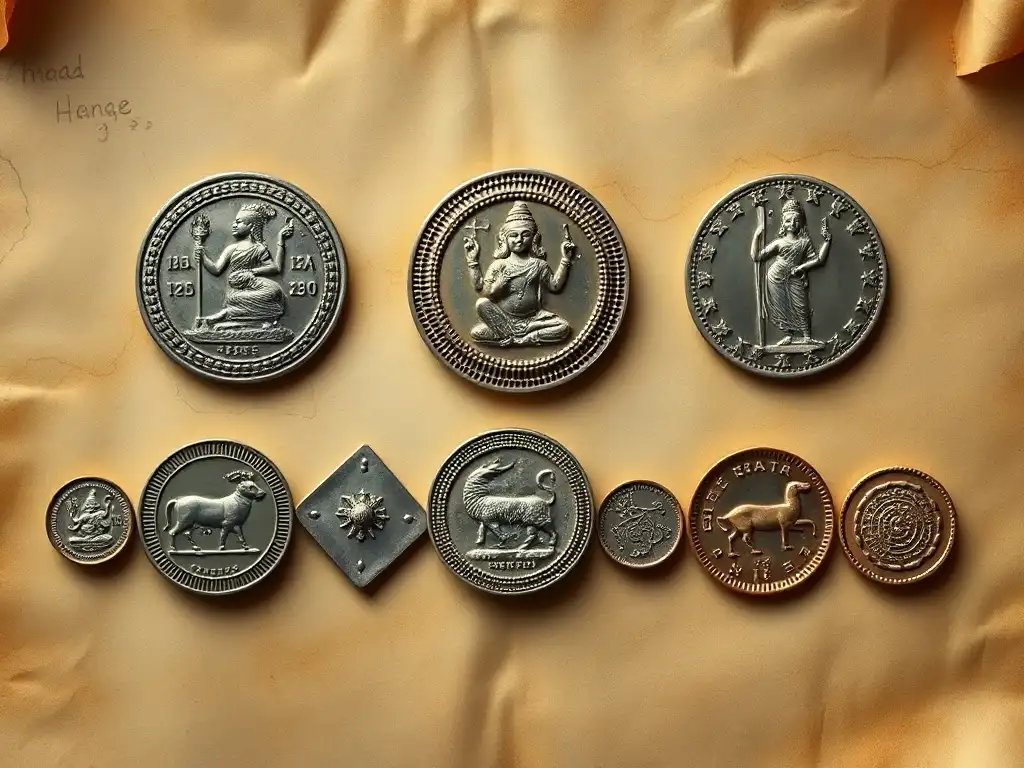
The Indus Valley Civilization, which flourished between 3300 and 1300 BCE, is known for its advanced urban planning and social organization. Among its notable features is the early use of currency, although not in the form we recognize today. The inhabitants primarily relied on barter systems, trading goods and services directly without a standardized medium of exchange. However, several artifacts suggest the existence of proto-currency, which played a crucial role in their economy.
- Commodity Exchange:
- The people of the Indus Valley traded goods such as textiles, grains, and pottery. The exchange often involved weighing goods, indicating an early understanding of value measurement.
- Use of Weights:
- Archaeological findings reveal a sophisticated system of weights made from stone, which were likely used to facilitate trade. These weights suggest that merchants had a method for evaluating the worth of various commodities.
- Seals and Tokens:
- The civilization also produced seals—carved stones with unique inscriptions and designs. These seals may have served as markers of ownership or authenticity in trade, indicating an early form of currency representation.
The absence of metal coins during this period does not diminish the significance of these early trade practices. Instead, they laid the groundwork for the evolution of more advanced forms of currency in subsequent Indian civilizations.
Transition to Metal Coinage in Ancient India
With the decline of the Indus Valley Civilization, ancient Indian societies began to adopt new economic practices, leading to the eventual introduction of metal coinage. This transition marked a significant milestone in ancient Indian coinage history, as it not only facilitated trade but also symbolized the growing complexity of societal interactions.
- Emergence of Metal Coins:
- By around 600 BCE, metal coins began to appear in regions such as Magadha and Koshala. These coins were typically made from silver and copper and were stamped with symbols representing various dynasties or city-states.
- Standardization of Currency:
- The introduction of coins allowed for the standardization of currency. The use of stamped metal pieces provided a reliable means of exchange that was easily recognizable and could be standardized in terms of weight and quality.
- Political and Economic Influence:
- The rise of various Mahajanapadas (kingdoms) contributed to the proliferation of coinage. Each kingdom minted its own coins, which often bore the images of rulers or deities, reflecting the political landscape and cultural values of the time.
- Trade Expansion:
- Metal coins significantly enhanced trade, both locally and internationally. Merchant networks began to flourish, and the use of coinage facilitated transactions across regions, leading to increased economic activity and cultural exchange.
The transition to metal coinage not only revolutionized trade practices but also laid the foundation for future economic systems in ancient India, culminating in the sophisticated monetary policies of later empires like the Maurya and Gupta empires. This evolution underscores the importance of understanding ancient Indian coinage history as a pivotal aspect of the region's economic heritage.
Key Periods in Ancient Indian Coinage History
The Mauryan Empire: Standardization of Currency
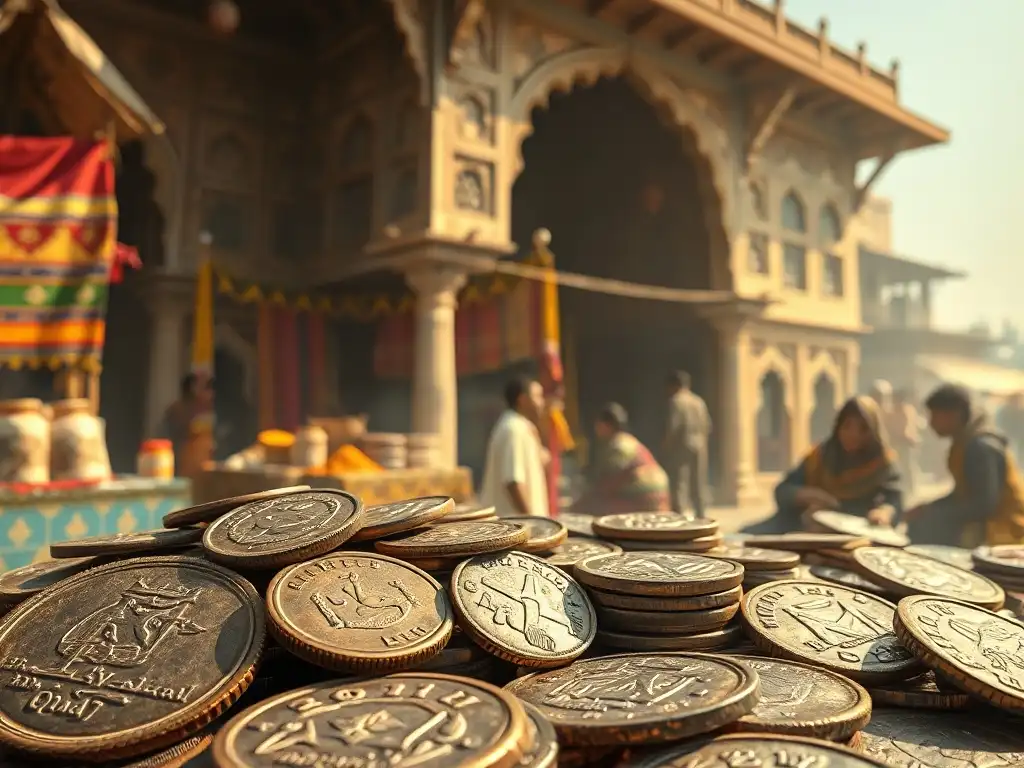
The Mauryan Empire (circa 322-185 BCE) marked a significant turning point in the ancient Indian coinage history. Under the rule of Chandragupta Maurya and later Ashoka, the empire implemented a system of standardized currency that facilitated trade and economic stability across vast regions.
- Introduction of Punch-Marked Coins: The Mauryan period is particularly noted for the introduction of punch-marked coins, which were made from silver and featured various symbols stamped onto them. These coins were not only a medium of exchange but also served as a reflection of the political and economic power of the Mauryan rule.
- Significance of Standardization: The standardization of currency during the Mauryan Empire played a key role in promoting trade routes, both inland and across the Indian subcontinent. By establishing a recognized system of currency, the Mauryan rulers enabled merchants to conduct commerce with greater confidence, leading to a more interconnected economy.
- Trade Networks: The Mauryan Empire established extensive trade networks that connected it with regions as far as Central Asia and the Mediterranean. This facilitated not just the exchange of goods but also the cultural interactions that enriched the Indian civilization. For instance, Indian spices, textiles, and precious stones became sought-after commodities in foreign markets.
The Gupta Empire: Flourishing Trade and Coinage
The Gupta Empire (circa 320-550 CE) is often referred to as the "Golden Age" of ancient India, where culture, science, and trade thrived. The era witnessed advances in ancient Indian coinage history, with the Gupta rulers introducing innovative coin designs and expanding trade extensively.
- Gold Coins and Artistic Flourish: The Gupta rulers were renowned for their beautiful gold coins, known as dinara. These coins depicted intricate artwork, including divine figures and symbols of prosperity. The high purity of gold and the artistry of the coins reflected the wealth and sophistication of the Gupta period.
- Expansion of Trade Routes: During the Gupta Empire, trade routes expanded significantly, facilitating not only domestic trade but also international commerce. The Silk Road became increasingly important, allowing Indian goods to reach far-flung markets, including China and the Roman Empire.
- Economic Policies: The Gupta rulers implemented policies that encouraged trade and economic growth. They offered incentives for merchants and protected trade routes from banditry. The flourishing trade contributed to the overall prosperity of the empire, allowing for advancements in various domains, from arts to science.
- Legacy of Gupta Coinage: The legacy of Gupta coinage can be seen in the way it influenced subsequent dynasties in India. The use of gold and silver coins continued long after the Gupta period, and the artistic styles inspired later coinage, underscoring the significance of this era in shaping ancient Indian economic history.
The Mauryan and Gupta Empires were pivotal periods in the ancient Indian coinage history that not only standardized currency but also promoted trade and cultural exchange, leaving a lasting impact on the economy of the Indian subcontinent.
Types of Ancient Indian Coins
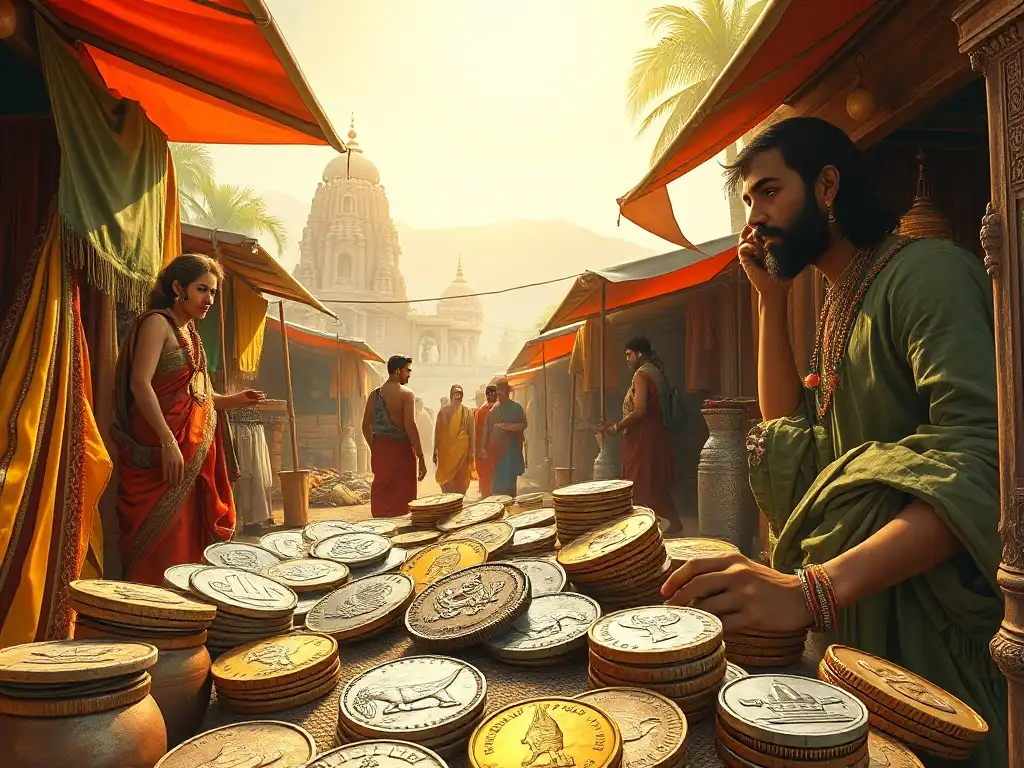
Ancient Indian coinage is a fascinating study of how diverse cultures and economic practices intertwined in the subcontinent. The evolution of currency reflects the technological advancements, trade practices, and socio-economic conditions of the time. The types of coins minted during ancient times were primarily categorized based on their materials, designs, and regions. Below, we delve into the specifics of two significant types of ancient Indian coins: silver and gold coins, and regional variations reflecting the unique identities of different kingdoms.
Silver and Gold Coins: The Importance of Metal Value
Silver and gold coins held immense significance in ancient Indian economies, primarily due to their intrinsic metal value. These precious metals were not just means of trade; they were symbols of wealth and power.
- Material Composition:
- Silver Coins: Known as "Rupaka" or "Drachma," these coins were widely used across various kingdoms. Their value fluctuated based on silver content, which was often stamped with intricate designs.
- Gold Coins: Referred to as "Dinar" or "Kashupati," gold coins were rarer and more valuable. They were often used in larger transactions or as gifts to signify status.
- Historical Context: The Mauryan Empire (circa 322-185 BCE) was notable for its extensive use of silver and gold coins. The famous "Punch-marked coins" of this era were made from silver and featured various symbols stamped on them, representing different regional entities.
- Trade and Commerce: The use of silver and gold coins facilitated trade across vast distances. Merchants used these coins not only for local transactions but also to engage in external trade with neighboring regions, including Persia and the Mediterranean.
- Cultural Significance: Coins also played a role in religious and cultural contexts. Many coins featured symbols of deities or important figures, linking economic transactions to the spiritual life of the society.
Regional Variations: Coins from Different Kingdoms
Ancient Indian coinage was not monolithic; rather, it exhibited significant regional variations that reflect the diversity of kingdoms and their unique identities. Each region produced coins that bore distinct designs, materials, and inscriptions, showcasing local artistry and cultural influences.
- Northern India:
- The Kushana Empire (1st to 3rd century CE) is known for its gold coins featuring the image of the emperor on one side and various deities on the other. The Kushan coins were crucial in facilitating trade along the Silk Road.
- Western India:
- The Western Kshatrapas minted coins primarily in silver, featuring intricate designs that often included representations of animals and mythological creatures. Their coins played an essential role in trade with the Mediterranean world.
- Southern India:
- The Chola dynasty (9th to 13th centuries CE) introduced a unique system of coinage known as "Kasus," made from gold and silver. These coins were often inscribed with Tamil script and depicted images of local deities, reflecting the cultural heritage of the region.
- Eastern India:
- The Gupta Empire (circa 240-550 CE) is famous for its gold coins, often referred to as "Gupta Dinar." These coins typically featured the king's portrait and were used extensively in trade, reflecting the prosperity of the Gupta period.
- Local Economies: The use of regional coins also indicates the localized nature of trade. Many smaller kingdoms issued their own coinage, which helped foster local economies while still connecting to larger trade networks.
The ancient Indian coinage history is a testament to the rich tapestry of India's past, showcasing how coins served not only as currency but also as a medium of cultural expression and trade facilitation across diverse regions. The significance of silver and gold coins, along with the regional variations, illustrates the complexity of ancient Indian commerce and its lasting impact on societal development.
The Role of Coinage in Trade and Commerce
Coinage as a Facilitator of Trade
Ancient Indian coinage played a pivotal role in facilitating trade and commerce across the subcontinent and beyond. The introduction of coins provided a standardized medium of exchange that simplified transactions, making trade more efficient compared to bartering systems that relied on direct exchange of goods.
- Standardization of Value: Coins allowed for the establishment of a common value system. Each coin was stamped with specific symbols, weights, and metals, ensuring authenticity and trustworthiness. This standardization reduced disputes over value, which was common in barter systems.
- Ease of Transactions: With coins, merchants could carry a portable and divisible form of wealth. This mobility enabled traders to engage in longer-distance trade. For instance, the introduction of punch-marked coins, dating back to the 6th century BCE, made it feasible for merchants to conduct transactions with ease, even in bustling marketplaces.
- Economic Expansion: Coinage stimulated economic growth by encouraging trade beyond local markets. As coins circulated, they facilitated the movement of goods such as textiles, spices, and precious metals. This economic expansion is exemplified by the Mauryan Empire, where the use of coins contributed to the flourishing of trade networks.
- Taxation and State Revenue: The issuance of coins also allowed ancient states to collect taxes more efficiently. Coins served as a tool for state control over commerce, enabling rulers to fund public works and military campaigns. The Gupta Empire, for instance, utilized coinage to solidify its economic power and enhance trade.
Influence of Ancient Indian Coinage on International Trade Routes
Ancient Indian coinage not only revolutionized local trade but also had a significant impact on international trade routes. The subcontinent became a crucial hub in the vast networks of commerce that spanned Asia, Africa, and beyond.
- Silk Road Connections: Indian coinage was integral to trade along the Silk Road, which linked India to Central Asia and Europe. Coins minted in India, particularly during the Kushan dynasty, were widely accepted along these routes, facilitating transactions between diverse cultures. Indian merchants utilized coins to engage in trade of silk, spices, and gemstones, enhancing cultural exchanges.
- Maritime Trade: The coastal cities of ancient India, such as Lothal and Sopara, thrived on maritime trade. The use of coins allowed traders to conduct business with distant lands, including the Arabian Peninsula and East Africa. Evidence suggests that Indian coins have been found in archaeological sites in these regions, indicating their role as a medium of exchange in international maritime commerce.
- Roman Trade Relations: The relationship between ancient India and the Roman Empire was significantly influenced by coinage. Roman coins have been discovered in Indian archaeological sites, demonstrating the extensive trade that occurred between these two great civilizations. Indian spices, textiles, and precious stones were highly sought after in Rome, leading to a thriving trade network that was facilitated by the use of coins.
- Cultural Exchange: The interaction through trade significantly influenced cultural exchanges. Coins often featured motifs of various deities, symbolizing the syncretism of cultures along trade routes. This not only enriched the local culture but also spread Indian artistic and religious influences across regions.
The history of ancient Indian coinage is deeply intertwined with the evolution of trade and commerce. It served as a catalyst for economic growth, facilitated international trade, and played a vital role in the cultural exchanges that shaped ancient civilizations. The legacy of ancient Indian coinage continues to be a subject of interest for historians and archaeologists, shedding light on the complex tapestry of ancient trade networks.
Symbolism and Design in Ancient Indian Coinage
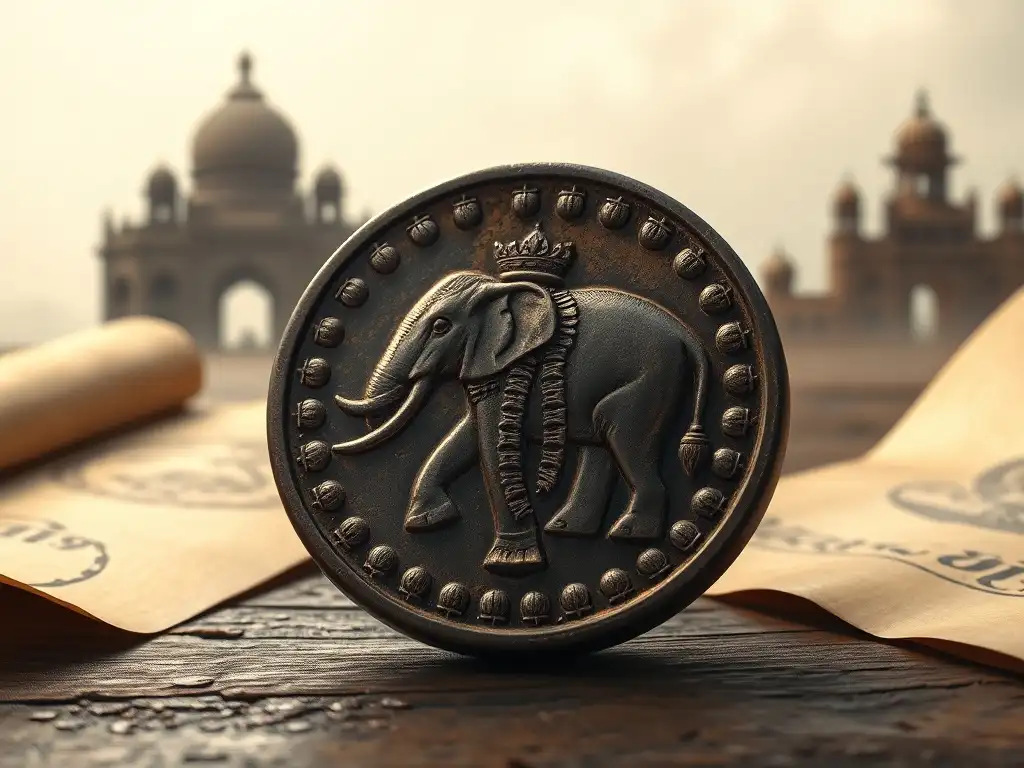
The design and symbolism found in ancient Indian coinage provide a fascinating glimpse into the socio-political and cultural milieu of the time. Coins were not merely currency; they served as mediums of communication, reflecting the beliefs, values, and artistic expressions of various civilizations across ancient India. Understanding the symbolism and design intricacies illuminates the broader context of ancient Indian society.
Iconography and Cultural Reflections
Ancient Indian coins feature a rich tapestry of iconography. The images depicted on these coins often represented deities, royal insignia, and significant symbols of power and authority. This iconography can be categorized as follows:
- Deities and Divine Symbols: Many coins bore images of Hindu deities like Shiva, Vishnu, and Durga. For example, the coins of the Gupta Empire often featured the god Vishnu, symbolizing divine right and protection over the realm. The presence of these deities reinforced the connection between governance and divine sanction.
- Royal Portraits: Rulers frequently inscribed their images on coins to assert their legitimacy and power. The coins of the Maurya and Kushan empires often showcased the portraits of kings, which served to enhance their political propaganda. This practice not only personalized the currency but also linked the ruler's identity with the prosperity of the kingdom.
- Floral and Geometric Patterns: In addition to figures, many coins exhibited intricate floral designs and geometric motifs. These designs were not merely decorative; they often carried spiritual significance or represented natural elements, reflecting the aesthetic sensibilities of the time.
- Animals and Mythical Creatures: Animals such as elephants, lions, and horses frequently appeared on coins, symbolizing strength, courage, and stability. Mythical creatures, like the unicorn depicted on some early coins, illustrated the fusion of imagination and reality in ancient Indian culture.
The iconography on ancient Indian coins not only served aesthetic purposes but also acted as a means of communication. They conveyed messages about the ruler's qualities, the cultural values of the society, and the economic conditions of the time.
The Evolution of Coin Designs Through the Ages
The designs of ancient Indian coins evolved significantly over time, influenced by various dynasties, trade interactions, and cultural exchanges. This evolution can be categorized into several key phases:
- Indus Valley Civilization (c. 2500 – 1900 BCE):
- The earliest known forms of currency were not coins but rather standardized weights used for trade. While no coins have been conclusively identified from this period, seals bearing intricate designs suggest a complex system of commerce.
- Mahajanapadas (c. 600 – 300 BCE):
- The emergence of punch-marked coins marked the beginning of true coinage in India. These coins were made of silver and featured various symbols punched into them, often reflecting local governance and trade networks.
- Maurya Empire (c. 322 – 185 BCE):
- The Mauryan coins showcased a move towards standardized designs with images of the ruler and symbols of authority. The introduction of more refined minting techniques allowed for greater detail and consistency in coinage.
- Kushan Empire (c. 1st – 3rd century CE):
- The Kushans introduced a diverse range of coins, incorporating Hellenistic influences. Their coins often featured bilingual inscriptions and a variety of deities, reflecting the multicultural tapestry of their empire.
- Gupta Empire (c. 4th – 6th century CE):
- Gupta coins are renowned for their artistic excellence. They often depicted elaborate portraits of rulers alongside divine figures, showcasing the height of artistic achievement in ancient Indian numismatics.
- Post-Gupta Period (c. 6th century onwards):
- Following the Gupta period, regional kingdoms began to mint their own coins, leading to a proliferation of designs. This period saw the incorporation of local symbols and motifs, further diversifying the landscape of ancient Indian coinage.
The evolution of coin designs in ancient India mirrors the broader historical narratives of the time, revealing shifts in power, trade dynamics, and cultural interactions. Each coin encapsulates a story, serving as a testament to the rich and diverse heritage of ancient Indian civilizations.
The Decline of Ancient Indian Coinage
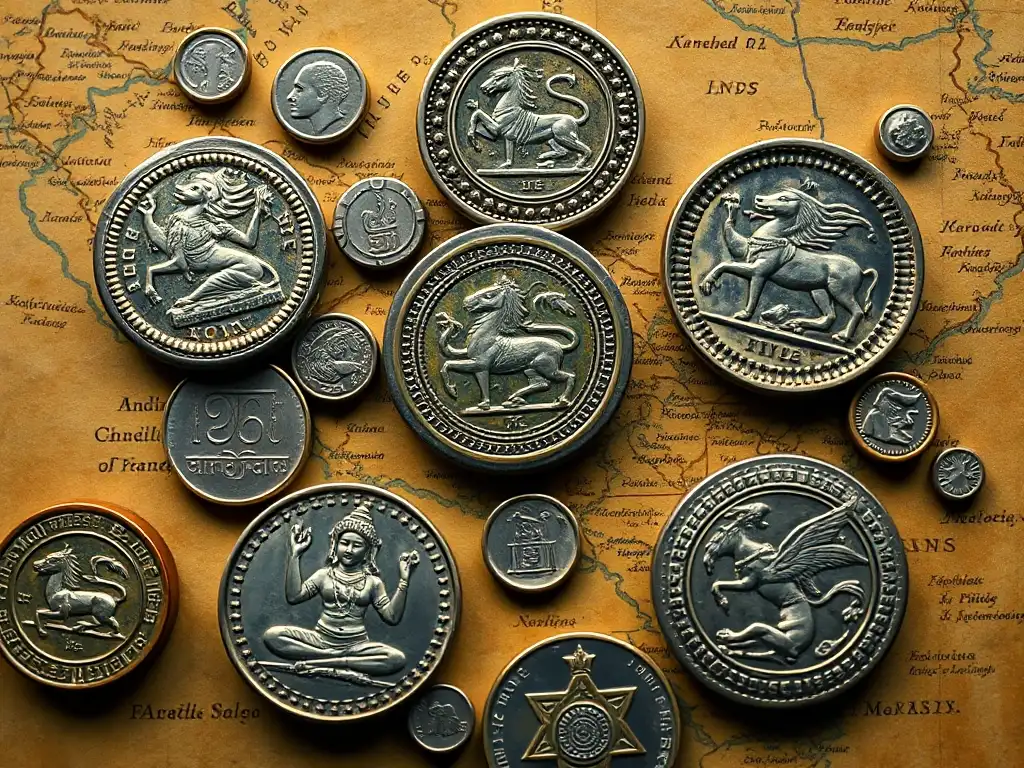
The decline of ancient Indian coinage marks a significant shift in the region's economic landscape. This transformation, influenced by various factors, led to the gradual erosion of a well-established monetary system that had facilitated trade and commerce for centuries. Understanding the reasons behind this decline is crucial for appreciating the dynamics of ancient Indian trade and its subsequent evolution.
Factors Leading to the Downfall of Traditional Coinage
Several interrelated factors contributed to the downfall of traditional coinage in ancient India, which can be categorized into economic, political, and social influences.
- Economic Instability:
- Inflation and Debasement: As economies faced inflationary pressures, many rulers resorted to debasing their currencies, reducing the precious metal content in coins. This practice undermined the trust in currency and led traders to seek alternatives.
- Shift to Barter Systems: In times of economic distress, local economies sometimes reverted to barter systems, where goods and services were exchanged without the use of currency. This shift diminished the role of coins in everyday transactions.
- Political Turmoil:
- Fragmentation of States: The emergence of numerous small kingdoms and states often resulted in varied coinage systems, complicating trade. Merchants faced difficulties in valuing coins across regions, leading to a decline in standardized currency usage.
- Frequent Wars and Invasions: Continuous conflicts and instability discouraged trade and commerce, leading to reduced demand for coinage. The uncertainty caused by wars often prompted traders to hoard coins rather than circulate them.
- Cultural Changes:
- Rise of New Religious and Economic Ideologies: The influence of new religious movements, particularly Buddhism and Jainism, emphasized non-materialism and often discouraged the accumulation of wealth. This shift in societal values impacted the use and acceptance of coinage.
- Increase in Regional Trade Practices: With the growing influence of local markets, regional trade practices began to prioritize the use of locally accepted goods and currencies, leading to a decline in the reliance on traditional coins.
The Impact of Foreign Invasions on Ancient Indian Currency
Foreign invasions had a profound effect on ancient Indian coinage, altering the economic landscape and the existing currency systems.
- Introduction of New Coinage Systems:
- Greek and Persian Influence: The invasions by Alexander the Great and later the establishment of Persian empires introduced new forms of coinage. These coins often carried different weights, materials, and designs, which began to influence local currencies.
- Adoption of Foreign Coins: As trade routes expanded, foreign coins became more prevalent in Indian markets. This led to a mixed monetary system where local and foreign coins coexisted, further diluting the traditional coinage.
- Disruption of Trade Networks:
- Decline in Trade Routes: Foreign invasions often resulted in the disruption of established trade routes. The instability made it challenging for merchants to rely on coinage for trade, as the movement of goods became increasingly dangerous.
- Shift in Economic Power: Invasions frequently shifted economic power away from indigenous rulers to foreign entities, impacting the minting and circulation of local coins. The alteration in economic control diminished the significance of traditional Indian coinage.
- Cultural Exchange and Evolution:
- Cultural Syncretism: The influx of foreign cultures led to the blending of different economic practices. This cultural exchange introduced new fiscal concepts and commodified goods, leading to an evolution in how trade was conducted and how currency was perceived.
- Transition to New Economic Systems: Over time, the influence of foreign powers necessitated a transition to more complex economic systems that often moved away from the reliance on traditional coins. This evolution paved the way for modern currency practices.
The decline of ancient Indian coinage is a testament to how intertwined economic, political, and cultural factors can shape the history of a civilization. As the region faced myriad challenges, the transition from traditional coinage to new forms of currency reflects the adaptability of ancient Indian societies in the face of change.
Legacy of Ancient Indian Coinage in Modern Times
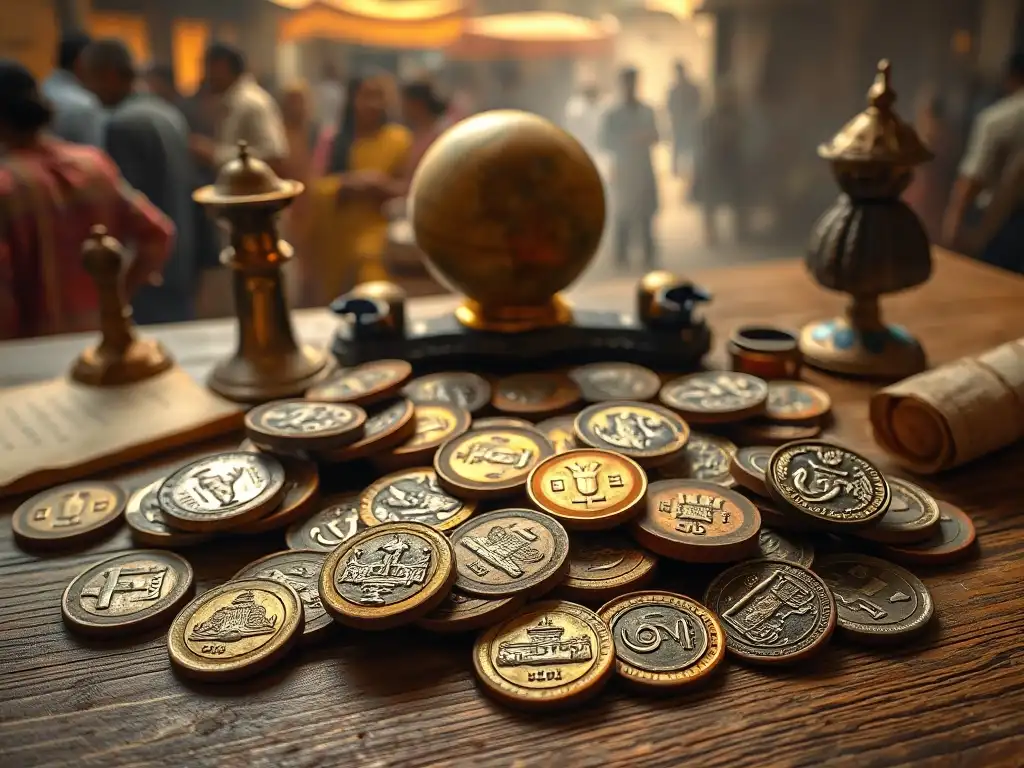
The legacy of ancient Indian coinage is profound, influencing not just the economic transactions of its time but also impacting contemporary monetary systems and cultural practices. Ancient Indian coins, which date back to the Indus Valley Civilization around 2500 BCE, showcase not only the evolution of currency but also the rich tapestry of trade, art, and politics.
Influence on Contemporary Currency Systems
Ancient Indian coinage laid the groundwork for many contemporary currency systems in South Asia and beyond. The use of standardized weights and measures, seen in the early coins like the punch-marked coins, established principles that are still relevant in modern monetary systems. Here are several key influences:
-
Standardization of Currency:
The introduction of coins made from metals such as silver and gold allowed for a standardized medium of exchange. This practice influenced the global move towards coinage as a reliable currency form.
-
Symbolic Designs:
Coins from ancient India often featured intricate designs and symbols, such as animals, deities, and rulers. This tradition has carried into modern currencies, where symbols reflect national identity and values.
-
Trade Expansion:
Ancient Indian coins facilitated trade across vast distances. The trade routes established during ancient times, which included both land and maritime paths, were instrumental in shaping contemporary trade networks. Modern economies still rely on the principles of trade that were pioneered by ancient Indian merchants.
-
Cultural Exchange:
The exchange of coins across cultures promoted not just trade but also the sharing of ideas and art. This cultural exchange can be seen in the diversity of designs and inscriptions found in ancient coins, which continue to inspire contemporary numismatics.
-
Monetary Policies:
The establishment of coinage systems in ancient India influenced the development of monetary policies. Principles of supply and demand, inflation, and the role of government in regulating currency can trace their roots back to ancient practices.
Preservation and Collection of Ancient Indian Coins
The preservation and collection of ancient Indian coins have become a vital aspect of understanding India's economic and cultural history. Various institutions and private collectors have dedicated their efforts to safeguarding these artifacts. Here are some important aspects of this endeavor:
-
Museums and Institutions:
Many museums in India, such as the National Museum of India and the Indian Museum in Kolkata, have extensive collections of ancient coins. These institutions play a crucial role in research and education, allowing scholars and the public to explore the rich history of currency.
-
Numismatic Societies:
Organizations like the Numismatic Society of India are instrumental in promoting the study and collection of ancient coins. They host exhibitions, publish research, and provide resources for both amateur and professional numismatists.
-
Digital Cataloging:
With advancements in technology, many collections of ancient Indian coins are now available online. Digital databases allow for better accessibility and promote global interest in ancient Indian coinage history.
-
Private Collectors:
Enthusiastic collectors contribute significantly to the preservation of ancient coins. Their passion for collecting often leads to the discovery of rare coins, many of which can offer insights into the trade practices and economies of ancient civilizations.
-
Educational Programs:
Workshops and seminars focused on ancient coinage history help educate the public and foster a deeper appreciation for this aspect of cultural heritage. These programs often collaborate with schools and universities to engage younger generations.
The legacy of ancient Indian coinage continues to resonate in modern society, serving as a bridge between our past and present. By understanding and preserving this heritage, we can appreciate the significant contributions of ancient Indian civilizations to global trade and economic practices.
Conclusion: The Importance of Understanding Ancient Indian Coinage History
Understanding the ancient Indian coinage history is crucial for grasping the broader economic and cultural evolution of ancient Indian civilizations. Currency is not merely a medium of exchange; it reflects societal values, trade relationships, and the technological advancements of its time. By studying ancient Indian coinage, researchers can glean insights into the economic systems that sustained powerful empires and the intricate web of trade networks that connected India with the rest of the world.
The coins of ancient India, from the punch-marked coins of the Maurya period to the intricately designed coins of the Gupta Empire, serve as tangible evidence of the era's economic practices. They reveal how trade flourished, not only within the subcontinent but also with distant civilizations, facilitating cultural exchanges that enriched Indian society. The evolution of coinage is intertwined with the history of governance, as coins were often issued by ruling powers to assert their authority and symbolize prosperity.
In addition, understanding the different materials used in coinage—such as silver, gold, and copper—provides insight into the economic status and resources available to various regions. The minting techniques and designs employed on coins also reflect the artistic and technological capabilities of the time, highlighting the sophistication of ancient Indian craftsmanship.
Reflections on the Economic and Cultural Impact of Ancient Indian Coinage
The economic impact of ancient Indian coinage can be observed through several key aspects:
- Facilitation of Trade: Coins significantly simplified transactions by providing a standardized measure of value. This development encouraged local and international trade, as merchants could engage in commerce without the cumbersome process of bartering.
- Integration of Economies: The widespread use of coins promoted the integration of various regional economies, allowing for the exchange of goods and services across vast distances. This connectivity not only enhanced trade but also fostered cultural interactions among diverse communities.
- Innovation in Banking and Finance: The introduction of coinage paved the way for early banking practices, as merchants began to develop systems for storing and lending money. This financial evolution was essential for supporting larger-scale economic activities and investment in trade ventures.
- Cultural Exchange: Coins often featured symbols, deities, and motifs that reflected the cultural identities of their issuers. As traders circulated these coins, they also facilitated the exchange of ideas, art, and religious practices, enriching the cultural landscape of ancient India.
- Historical Legacy: The study of ancient Indian coinage provides valuable insights into the socio-political dynamics of historical periods. Each coin tells a story of the era it represents, offering clues about the rulers, economies, and cultures that thrived during its circulation.
Exploring the ancient Indian coinage history is not merely an examination of currency but a vital key to understanding the intricate tapestry of ancient Indian trade and commerce. It underscores the importance of currency as a driver of economic growth and cultural exchange, reflecting the dynamic interplay between various civilizations throughout history.
Frequently Asked Questions
What is ancient Indian coinage history?
Ancient Indian coinage history refers to the development and usage of coins in India from the Indus Valley Civilization through various empires, culminating in the Gupta Empire. It highlights how currency facilitated trade and economic growth.
What were the earliest forms of currency in ancient India?
Before coins, barter systems were common, involving the exchange of goods. Eventually, metal objects, such as cowry shells and gold pieces, emerged as a form of currency, leading to the introduction of coins.
How did ancient Indian coinage evolve over time?
Ancient Indian coinage evolved from simple metal tokens to intricately designed coins bearing images of deities and rulers. This transformation was influenced by trade, cultural exchanges, and the rise of different empires.
What role did ancient Indian coinage play in trade?
Ancient Indian coinage significantly enhanced trade by providing a standardized medium of exchange. It facilitated commercial transactions and helped establish extensive trade networks both within and beyond the subcontinent.
What are some notable features of ancient Indian coins?
Ancient Indian coins often showcased unique designs, including symbolic motifs, inscriptions, and images of rulers. These features not only served as currency but also reflected the cultural and political landscape of their time.
Final Reflection: The Enduring Legacy of Ancient Indian Coinage
The evolution of currency and trade in ancient India is not just a historical narrative; it is a testament to the ingenuity and adaptability of human societies. As we navigate the complexities of modern economies, understanding the foundations laid by ancient Indian coinage history becomes increasingly relevant. The intricate systems of trade and currency that emerged thousands of years ago continue to influence our financial practices and cultural exchanges today.
The impact of ancient Indian coinage extends far beyond its historical context; it has shaped the very fabric of our social and cultural landscapes. From the early punch-marked coins to the sophisticated currency systems that followed, these innovations facilitated commerce and fostered connections across diverse communities. As we reflect on this legacy, we are reminded of the words of the renowned historian, “History is not just about the past; it is a lens through which we can understand our present.” > This quote encapsulates the essence of how ancient practices inform our current economic systems and cultural interactions.
As you consider the lessons of ancient Indian coinage, I invite you to reflect on how the principles of trade, value, and exchange resonate in your own life. How can you apply the wisdom of the past to navigate the complexities of today's economy? Whether it’s fostering connections through commerce or understanding the value of cultural exchange, let the history of ancient Indian coinage inspire you to engage thoughtfully with the world around you. Embrace the lessons of history, and let them guide you toward a more interconnected and enriched future.
Rediscover the Rich Legacy of Ancient Indian Coinage!
Thank you for exploring the fascinating journey of ancient Indian coinage with us! We've uncovered the intricate evolution of currency and trade that laid the foundation for today's economic systems. Now, it's time to take that knowledge and put it into action!
Here’s how you can dive deeper into this rich history:
- Explore coins firsthand: Visit a local museum or historical site to see ancient coins in person. It's a captivating way to connect with the past!
- Join a community discussion: Engage with fellow history enthusiasts online! Share your insights and questions on forums or social media platforms dedicated to ancient civilizations.
- Create your own collection: Start a personal collection of replicas or coins inspired by ancient Indian currency. This could spark your interest in numismatics and lead to fascinating discoveries!
What aspect of ancient Indian coinage surprised you the most? How will you continue to explore this captivating history?