
The Enduring Influence of Women in Ancient Indian Philosophy

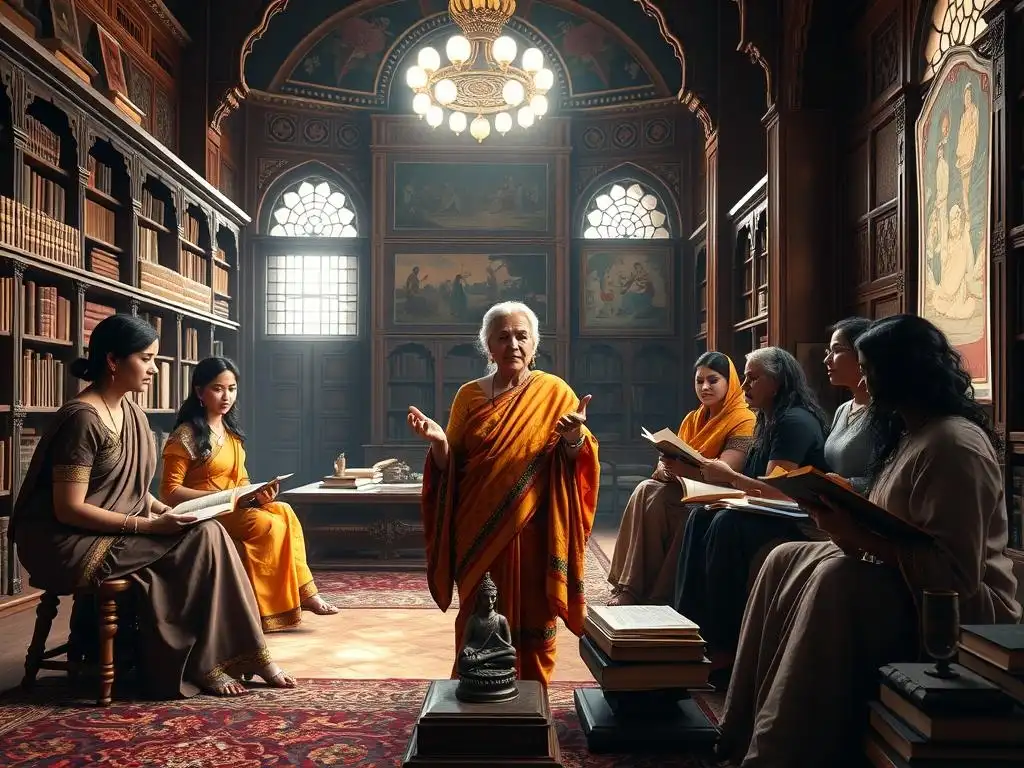
Welcome to Ancient India History, where we embark on a captivating journey through the rich tapestry of India's past. In this exploration, we delve into the profound impact of women in ancient Indian philosophy—a subject that not only highlights their intellectual contributions but also reshapes our understanding of societal norms. As we uncover the enduring influence of these remarkable figures, you’ll discover how their thoughts and teachings continue to resonate through time. Join us on this enlightening path and uncover the layers of wisdom that await in our featured article!
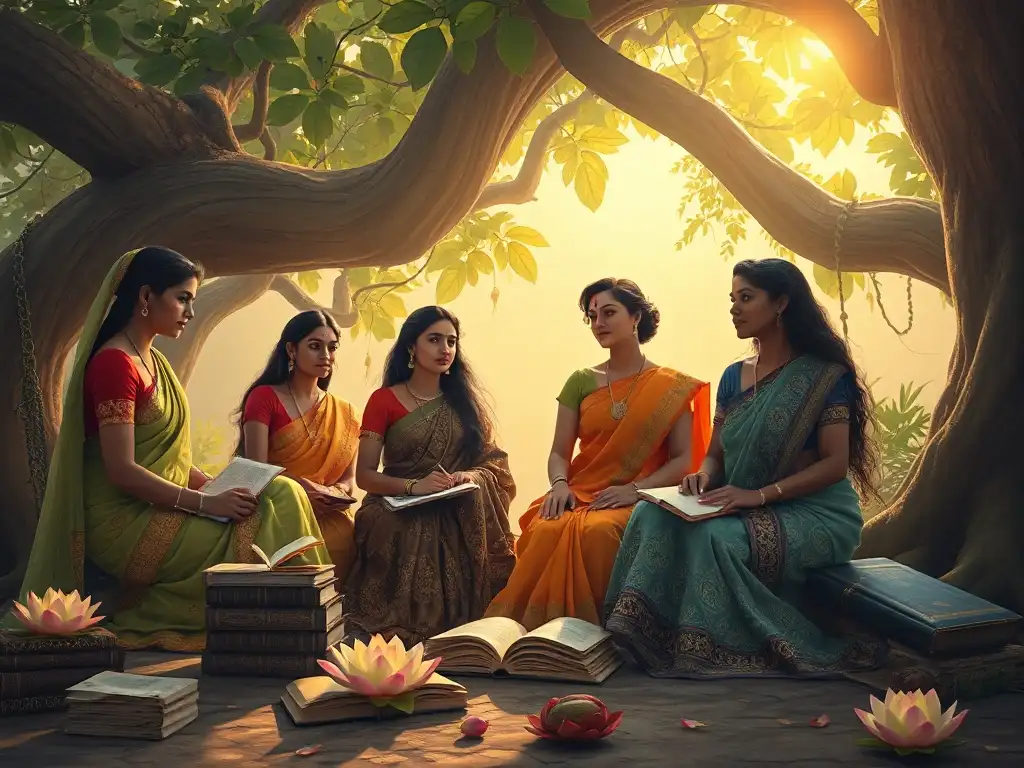
The study of ancient Indian philosophy reveals a rich tapestry woven with the threads of diverse thoughts, ideologies, and influences. Among these, the contributions of women stand out as both profound and enduring. Despite the patriarchal structures that often dominated ancient societies, women in ancient India made significant strides in philosophical discourse, shaping ideas that resonate even today.
This article delves into the pivotal role that women played in ancient Indian philosophy, shedding light on their intellectual contributions and the societal dynamics that influenced their involvement in philosophical thought. By exploring the lives and works of these remarkable women, we can better understand their lasting impact on the philosophical landscape of ancient India.
Introduction to Women in Ancient Indian Philosophy
Women in ancient Indian philosophy were not merely passive observers; they were active participants who contributed to various schools of thought. From the Vedic texts to the teachings of the later philosophical traditions, women played crucial roles as thinkers, poets, and scholars. Their insights and perspectives often challenged the dominant narratives of their time, paving the way for a more inclusive understanding of philosophy. This section will provide an overview of the roles women held in ancient Indian thought, as well as highlight the significance of their contributions.
Overview of Women's Roles in Ancient Indian Thought
Throughout ancient Indian history, women engaged in philosophical dialogues, often as authors of texts or as prominent figures in discussions. Notable figures such as Gargi and Maitreyi are celebrated for their intellectual prowess, contributing to the philosophical discourse of the Vedas. These women were not only scholars but also spiritual leaders who influenced the thoughts of their contemporaries.
- Gargi Vachaknavi: A renowned philosopher from the Upanishadic era, known for her challenging questions on the nature of reality.
- Maitreyi: An influential figure who engaged in philosophical discussions with her husband, Yajnavalkya, and explored themes of self-realization and immortality.
Their roles exemplify that women were not excluded from philosophical inquiry; rather, they were integral to its development.
Importance of Women's Contributions to Philosophy
The contributions of women in ancient Indian philosophy extend beyond their individual achievements. They offered unique perspectives that enriched philosophical discussions, particularly in areas concerning ethics, spirituality, and the nature of the self. The inclusion of women's voices provided a more balanced understanding of philosophical concepts, emphasizing the importance of nurturing qualities and relational dynamics.
- Ethical Perspectives: Women often introduced themes of compassion and empathy in discussions about morality.
- Spiritual Insights: Their contributions frequently intertwined personal experience with spiritual teachings, offering a holistic view of philosophy.
Recognizing these contributions is essential for appreciating the complexity and depth of ancient Indian philosophical traditions.
Historical Context of Women in Ancient Indian Philosophy
To fully understand the influence of women in ancient Indian philosophy, it is crucial to examine the historical context in which they operated. The societal position of women varied significantly across different periods, influencing their ability to engage in philosophical pursuits. This section explores the societal dynamics that shaped women's roles in philosophical discourse and highlights key periods that fostered their contributions.
The Societal Position of Women in Ancient India
The status of women in ancient India was multifaceted, with varying degrees of freedom and influence depending on the era and region. While certain texts and traditions imposed restrictions on women's roles, others celebrated their intellectual capabilities.
- In Vedic society, women could participate in rituals and were often regarded as knowledgeable in spiritual matters.
- However, as society evolved, various practices began to restrict women's autonomy, impacting their roles in philosophy and scholarship.
This complex interplay of societal norms and beliefs directly influenced women's engagement in philosophical thought.
Key Periods Influencing Women's Philosophical Contributions
Several key historical periods played a significant role in shaping the contributions of women to philosophy in ancient India.
- Vedic Period: Characterized by the prominence of female sages and scholars, who contributed to the Vedas and Upanishads.
- Buddhist Era: The emergence of Buddhist philosophy saw women like Mahapajapati Gotami establishing monastic communities, facilitating philosophical discourse.
- Gupta Period: A time of intellectual flourishing that allowed women to engage more actively in philosophical dialogues.
These periods not only provided opportunities for women to contribute but also laid the groundwork for future generations to explore philosophical thought, ensuring that their influence would endure through time.
Influential Women Philosophers in Ancient India
Ancient India was home to numerous influential women philosophers whose thoughts and teachings significantly shaped the philosophical landscape of the time. These women not only contributed to the discourse surrounding philosophy but also challenged the prevailing norms and beliefs about gender roles in society. Their insights often bridged the gap between traditional practices and progressive thought, offering a unique perspective on various philosophical themes. Among the most notable figures are Gargi and Maitreyi, whose legacies continue to inspire contemporary discussions on gender and philosophy.
Gargi: The Pioneer of Philosophical Inquiry
Gargi Vachaknavi is one of the earliest known women philosophers in Indian history, recognized for her profound contributions to Vedic philosophy. She is famously mentioned in the Brihadaranyaka Upanishad, where she engages in a philosophical debate with the sage Yajnavalkya. Gargi's inquiry into the nature of reality and the ultimate truth exemplifies her role as a trailblazer in philosophical inquiry.
Her most notable contribution is the assertion that knowledge transcends gender, as she boldly questioned the sage about the essence of the universe, asking, "What is the source of the universe?" This question reflects her deep understanding of metaphysical concepts and highlights her intellectual prowess. Gargi’s dedication to philosophical exploration not only paved the way for future generations of women thinkers but also emphasized the importance of women's voices in philosophical discourse.
Maitreyi: The Advocate of Knowledge and Self-Realization
Maitreyi, another prominent female philosopher, is best known for her dialog with Yajnavalkya in the Brihadaranyaka Upanishad. She exemplifies the pursuit of self-knowledge and realization, advocating the idea that true wisdom comes from understanding the self. Maitreyi's philosophical stance is encapsulated in her famous question to Yajnavalkya: "If the whole world is to be gained, but the self is lost, what good is it?"
Her dialogues highlight the significance of individual experience and self-awareness in the quest for knowledge. Maitreyi's contributions extend beyond her philosophical inquiries; she embodies the empowerment of women within the intellectual sphere, challenging the conventional views of her time. Her legacy underscores the vital role women played in shaping philosophical discussions around identity, knowledge, and the human experience.
Other Notable Women Thinkers in Ancient India
In addition to Gargi and Maitreyi, several other notable women contributed to the philosophical landscape of ancient India. Figures such as Lopamudra, who engaged in discussions about the nature of the universe and the divine, and Savitri, known for her wisdom and resilience, also left a significant impact. These women often explored themes of love, duty, and existential inquiry, contributing to a broader understanding of philosophy that encompasses both personal and societal dimensions.
The works and thoughts of these women philosophers challenge the notion that philosophical inquiry was solely a male domain, illustrating the rich tapestry of ideas that women brought to ancient Indian philosophy. Their legacies continue to resonate, inspiring discussions on gender and the role of women in intellectual traditions.
Themes and Concepts Explored by Women in Philosophy
Women in ancient Indian philosophy engaged with a variety of themes and concepts that reflect their unique perspectives on existence, ethics, and spirituality. Their contributions not only enriched philosophical discourse but also provided insights into the societal roles of women and the complexities of their experiences. The exploration of these themes reveals the depth of thought and the nuanced understanding of life that women philosophers possessed.
The Concept of Dharma and Women's Perspectives
The concept of dharma, or righteous duty, was a central theme in ancient Indian philosophy, and women philosophers offered distinctive insights into its interpretation. Gargi and Maitreyi, among others, questioned the traditional definitions of dharma, advocating for a more inclusive understanding that recognized women's roles and responsibilities. They emphasized that dharma is not a rigid construct but rather a dynamic principle that must be adapted to individual circumstances, including those specific to women.
This perspective encouraged a re-evaluation of women's roles within society and allowed for a broader understanding of how dharma could be expressed in diverse contexts, highlighting the importance of individual agency and moral choice.
Spirituality and Feminine Wisdom in Ancient Texts
Spirituality and the exploration of feminine wisdom are recurring themes in the works of ancient women philosophers. Texts like the Upanishads contain references to the unique spiritual insights of women, often depicting them as sages and seers. This portrayal underscores the recognition of feminine wisdom as a vital component of spiritual understanding.
Women such as Maitreyi and Gargi emphasized the importance of inner knowledge and self-realization, challenging the notion that spiritual attainment was predominantly a male pursuit. Their dialogues illustrate the connection between spirituality and gender, offering a more holistic view of philosophical inquiry that encompasses the feminine experience.
Contributions to Ethical Philosophy by Women
Women philosophers in ancient India also made significant contributions to ethical philosophy, particularly regarding issues of morality, virtue, and social responsibility. They explored the complexities of ethical dilemmas, often drawing from their lived experiences to inform their philosophical views.
For instance, the discussions around dharma included considerations of compassion, justice, and equity, highlighting the moral dimensions of women's experiences. By addressing the ethical implications of societal norms and expectations, women philosophers paved the way for a more inclusive ethical framework that recognized the contributions and rights of all individuals, regardless of gender.
The legacy of these women in ancient Indian philosophy continues to inspire contemporary thought, emphasizing the need for diverse perspectives in philosophical discourse and the importance of recognizing women's roles in shaping intellectual traditions.
The Legacy of Women in Ancient Indian Philosophy
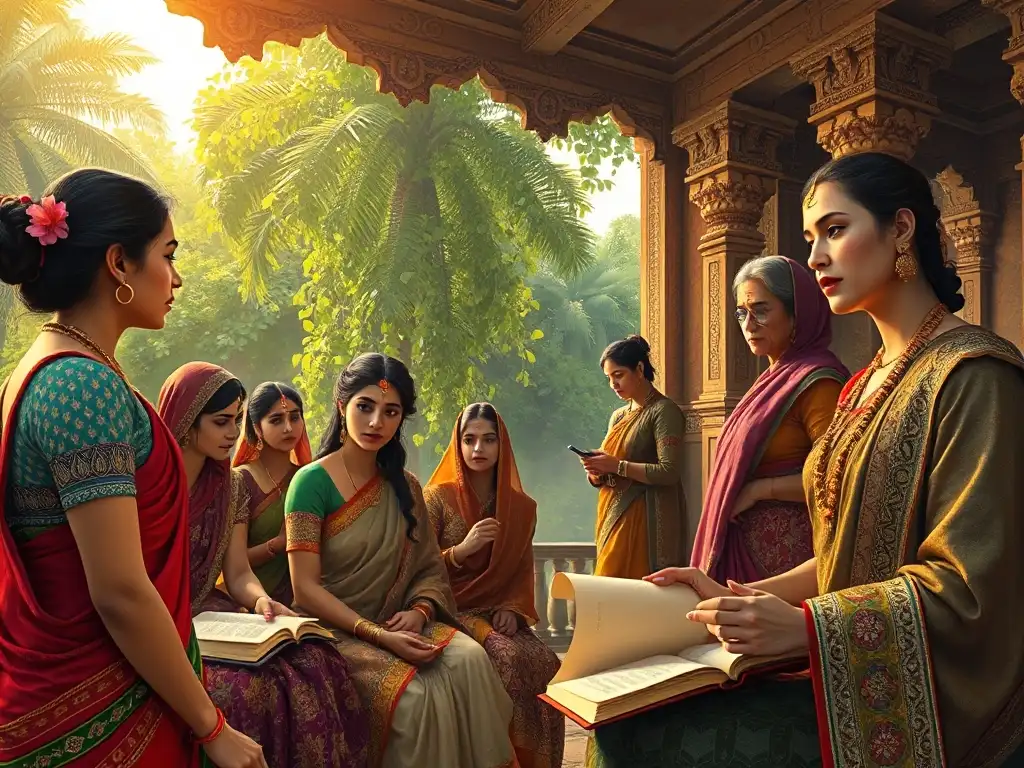
The legacy of women in ancient Indian philosophy is rich, diverse, and often overlooked. Women philosophers and scholars contributed significantly to the evolution of philosophical thought in ancient India, influencing various schools of thought, including Buddhism, Jainism, and Vedanta. Figures such as Gargi and Maitreyi are prominent examples, having engaged in philosophical dialogues that challenged the norms of their times. Their insights often reflected a deep understanding of metaphysics, epistemology, and ethics, laying a foundation for future thinkers.
Women were not merely passive participants but active contributors to philosophical discourse. They engaged in debates and discussions, often within the context of spiritual and religious practices. Many ancient texts, including the Upanishads, contain dialogues that feature women philosophers, showcasing their intellectual prowess. These contributions reveal a nuanced understanding of gender roles in ancient society, where women could occupy spaces of intellectual authority and exert influence on philosophical thought.
Moreover, the teachings of women in ancient India often emphasized themes of equality, justice, and the pursuit of knowledge. This philosophical legacy continues to resonate today, inspiring contemporary feminist philosophers and thinkers who seek to address the historical marginalization of women in philosophical discourse.
Impact on Later Philosophical Thought
The impact of women in ancient Indian philosophy extended well beyond their immediate contributions. Their ideas and frameworks influenced later philosophical developments, shaping discussions around ethics, metaphysics, and spirituality. For instance, the concept of Brahman and Atman, central to many philosophical discussions, was enriched by the contributions of women who explored the relationship between individual and universal consciousness.
Additionally, the dialogues initiated by women like Gargi, who questioned the nature of reality and knowledge, paved the way for subsequent philosophical inquiries in later periods. The emphasis on experiential knowledge and personal insight found in their teachings resonated with later philosophers, including those in the Buddhist and Jain traditions, who prioritized direct experience as a path to understanding.
The philosophical discourse fostered by these women also played a crucial role in the development of ethical frameworks that addressed gender and societal norms. Their advocacy for women's education and empowerment laid the groundwork for future movements that sought to redefine women's roles in society and philosophy.
The Role of Women in Preserving Philosophical Traditions
Women in ancient India played a vital role in preserving and transmitting philosophical traditions. Through oral traditions and written texts, they ensured that the teachings of notable philosophers and spiritual leaders were maintained across generations. Women were often the custodians of cultural narratives, passing down knowledge that encompassed not only philosophy but also mythology, ethics, and spirituality.
In many cases, women established educational institutions, such as ashrams, where they taught philosophy alongside other disciplines. This nurturing of intellectual spaces allowed for the exploration of philosophical ideas and fostered a community of learners who could engage critically with the material. The preservation of texts and teachings by women contributed significantly to the rich tapestry of Indian philosophy, ensuring that diverse perspectives were included in the larger philosophical canon.
Moreover, the role of women as patrons of philosophical inquiry cannot be underestimated. Many wealthy women provided financial support for scholars and philosophers, enabling the continuation of philosophical discussions and writings. This patronage was instrumental in the survival of various philosophical schools and texts, highlighting the interconnectedness of women's roles in both the intellectual and material support of philosophy.
Challenges Faced by Women Philosophers
Societal Constraints and Limitations
Despite their significant contributions, women philosophers in ancient India faced considerable societal constraints and limitations. The patriarchal structure of society often relegated women to subordinate roles, restricting their access to education and intellectual discourse. In many cases, societal norms dictated that women prioritize domestic responsibilities over personal intellectual pursuits, thereby limiting their participation in philosophical discussions.
Cultural expectations often marginalized women's voices, leading to a lack of recognition for their contributions. The prevailing belief that women should be primarily concerned with household duties overshadowed their intellectual capabilities. This societal attitude not only hindered the recognition of women philosophers but also impacted the preservation of their works, as many were not formally documented or credited.
Additionally, the philosophical discourse itself was often dominated by male perspectives. This male-centric view of philosophy created barriers for women seeking to enter the field, contributing to a historical narrative that frequently excluded or minimized women's contributions.
The Struggle for Recognition in a Male-Dominated Field
The struggle for recognition in a male-dominated field was a significant challenge for women philosophers in ancient India. Despite their intellectual contributions, many women were often overshadowed by their male counterparts, leading to a historical narrative that frequently omitted or undervalued their work. Figures like Gargi and Maitreyi, despite their profound philosophical insights, were often relegated to the background in discussions about ancient philosophy.
The lack of formal recognition was compounded by a scarcity of written records documenting women's contributions. Many philosophical ideas articulated by women were transmitted orally, which made it easier for male philosophers to claim ownership of these ideas and narratives. This not only diminished the visibility of women philosophers but also perpetuated the cycle of exclusion from philosophical discourse.
Furthermore, the struggle for recognition continues to affect contemporary discussions about women in philosophy. Modern scholars are increasingly working to reclaim the narratives of these women, highlighting their contributions and advocating for a more inclusive understanding of philosophical history. The ongoing efforts to elevate women's voices in philosophy serve as a reminder of the importance of acknowledging and celebrating the diverse contributions to the field.
Conclusion: The Lasting Impact of Women in Ancient Indian Philosophy
The contributions of women in ancient Indian philosophy extend far beyond their historical context; they resonate profoundly in contemporary philosophical discourse. Renowned thinkers like Gargi and Maitreyi not only challenged the patriarchal structures of their time but also laid foundational principles that continue to inspire modern feminist philosophy and ethics. Their dialogues and teachings emphasized the importance of knowledge, self-realization, and spiritual inquiry, shaping the philosophical landscape of ancient India.
Moreover, the legacy of these women reflects a diverse array of perspectives that were instrumental in the development of metaphysical, ethical, and epistemological discussions in ancient texts. By integrating their insights into the broader philosophical narrative, we enrich our understanding of Indian thought and highlight the essential roles women played in its evolution. This enduring impact is a testament to their intellectual rigor and the necessity of including women's voices in the philosophical canon.
Reflection on the Relevance of Their Contributions Today
Today, the insights of ancient Indian women philosophers resonate in various fields, from ethics to metaphysics. Their emphasis on the interconnectedness of knowledge and experience finds parallels in contemporary discussions on epistemology, while their advocacy for gender equality and social justice echoes in modern feminist movements. By revisiting their contributions, we can draw valuable lessons on the nature of knowledge and the importance of inclusivity in philosophical dialogue.
Furthermore, the principles articulated by these early thinkers can serve as a guiding framework for addressing current societal challenges. Their commitment to inquiry and self-awareness fosters a culture of critical thinking and self-examination, which is essential in navigating the complexities of today’s world. By reflecting on their philosophies, we not only honor their legacy but also cultivate a more nuanced understanding of the philosophical traditions that shape our present.
The Importance of Acknowledging Women's Philosophical Legacy
Recognizing the contributions of women in ancient Indian philosophy is crucial for several reasons. First, it promotes a more comprehensive understanding of philosophical developments within India, highlighting the diverse voices that contributed to its rich intellectual heritage. This acknowledgment challenges the dominant narratives that often overlook or marginalize women's roles, thereby enriching the discourse surrounding Indian philosophy.
Additionally, acknowledging these contributions encourages a more equitable representation of philosophical ideas and traditions. It inspires future generations to explore the works of women philosophers, fostering a culture of inclusivity that values diverse perspectives. By bringing to light the philosophical legacies of women like Maitreyi and Gargi, we empower individuals to appreciate the breadth and depth of ancient thought, ultimately leading to a more holistic understanding of human knowledge.
Further Reading on Women in Ancient Indian Philosophy
To deepen your understanding of the influential roles women played in ancient Indian philosophy, several texts and resources are available that explore their contributions and philosophical inquiries in detail.
Recommended Texts and Resources for Deeper Understanding
- "The Upanishads" - This ancient text contains dialogues featuring female philosophers such as Maitreyi, providing crucial insights into their thoughts on metaphysics and spirituality.
- "Women in Ancient India" by Kumud Sharma - This book offers a comprehensive analysis of women's roles in various aspects of ancient Indian society, including philosophy.
- "Gargi: The Philosopher Queen" by Ranjan Dutta: - A focused exploration of Gargi’s philosophical contributions and her impact on Indian thought.
- "The Philosophy of the Upanishads" by Paul Deussen - This text examines the philosophical themes within the Upanishads, including the contributions of women.
Suggested Biographies of Influential Women Philosophers
- Maitreyi - Biographies detailing her philosophical dialogues and contributions to metaphysics are essential for understanding her impact on the tradition.
- Gargi Vachaknavi - Resources that explore her life and philosophical discussions, particularly her role in the Brahmanical tradition, provide valuable insights into her legacy.
- Vedic Women Philosophers - Collections of biographies that highlight lesser-known women philosophers of the Vedic period, showcasing their thoughts and contributions.
By engaging with these texts and biographies, readers can gain a deeper appreciation for the rich philosophical traditions that women contributed to in ancient India, ensuring their voices are not forgotten in the annals of history.
- Introduction to Women in Ancient Indian Philosophy
- Historical Context of Women in Ancient Indian Philosophy
- Influential Women Philosophers in Ancient India
- Themes and Concepts Explored by Women in Philosophy
- The Legacy of Women in Ancient Indian Philosophy
- Challenges Faced by Women Philosophers
- Conclusion: The Lasting Impact of Women in Ancient Indian Philosophy
- Further Reading on Women in Ancient Indian Philosophy
- What is the significance of women in ancient Indian philosophy?
- Were there any notable female philosophers in ancient India?
- How did ancient Indian texts portray women philosophers?
- What contributions did women make to spiritual and ethical thought in ancient India?
- How does the legacy of women in ancient Indian philosophy affect contemporary discussions?
Frequently Asked Questions
What is the significance of women in ancient Indian philosophy?
Women played a crucial role in shaping philosophical thought, contributing to key debates and ideas in various schools of thought, including Buddhism, Jainism, and Hindu philosophy.
Were there any notable female philosophers in ancient India?
Yes, figures such as Gargi and Maitreyi are celebrated for their intellectual contributions and are often referenced in ancient texts, showcasing the importance of women in philosophical discourse.
How did ancient Indian texts portray women philosophers?
Ancient texts often depicted women as intellectual equals, engaging in profound discussions and debates, which reflects a progressive view of women’s roles in society and philosophy.
What contributions did women make to spiritual and ethical thought in ancient India?
Women contributed significantly to spiritual and ethical discussions, advocating for concepts like dharma (duty) and moksha (liberation), influencing both personal and communal moral frameworks.
How does the legacy of women in ancient Indian philosophy affect contemporary discussions?
The legacy encourages a re-examination of women's roles in philosophy today, highlighting the need for inclusivity and recognition of diverse voices in shaping philosophical thought in modern contexts.
Final Reflection: The Timeless Legacy of Women in Ancient Indian Philosophy
The exploration of women in ancient Indian philosophy reveals a profound truth: their contributions resonate powerfully in today's discourse on gender and wisdom. As we navigate contemporary discussions on equality and representation, the voices of women philosophers from ancient times remind us that their insights were not only foundational but also transformative. Their philosophies challenge us to rethink the narratives that have long overshadowed their roles, urging us to recognize the depth and breadth of their impact on society.
The influence of women in ancient Indian philosophy continues to shape our cultural and social landscape, illuminating the path toward a more inclusive understanding of wisdom. Their teachings and philosophies have inspired generations, fostering a rich dialogue that transcends time and culture. As we reflect on their enduring legacy, we are reminded of the words of the philosopher Gargi, who boldly asserted, “The truth is that which is beyond the senses.” > This powerful sentiment encapsulates the essence of women's contributions, urging us to seek knowledge beyond conventional boundaries and embrace diverse perspectives.
As we conclude this exploration, I invite you to reflect on the lessons of resilience, wisdom, and inclusivity that women in ancient Indian philosophy impart. Consider how their insights can inspire your own journey toward understanding and embracing diverse viewpoints in your life. Let their legacy motivate you to advocate for equality and recognition in every sphere, ensuring that the voices of women—both past and present—are celebrated and integrated into our collective wisdom.
Unveil the Impact: Engage with Ancient Wisdom!
Thank you for diving into the powerful legacy of women in ancient Indian philosophy! Your interest in these inspiring figures sheds light on the profound influence they had on thought and culture. Now, it’s time to take that inspiration further!
Here’s how you can continue your journey of empowerment and knowledge:
- Explore ancient texts—seek out works by female philosophers to deepen your understanding of their contributions.
- Share this article with friends and spark a conversation about the role of women in history; together, let's raise awareness!
- Join online forums or groups focused on ancient philosophy to connect with others who share your passion and exchange ideas.
What insights have you gained about the voices of women in ancient philosophy that challenge your current perceptions?