
The Rise and Fall of Indian Gemstone Empires

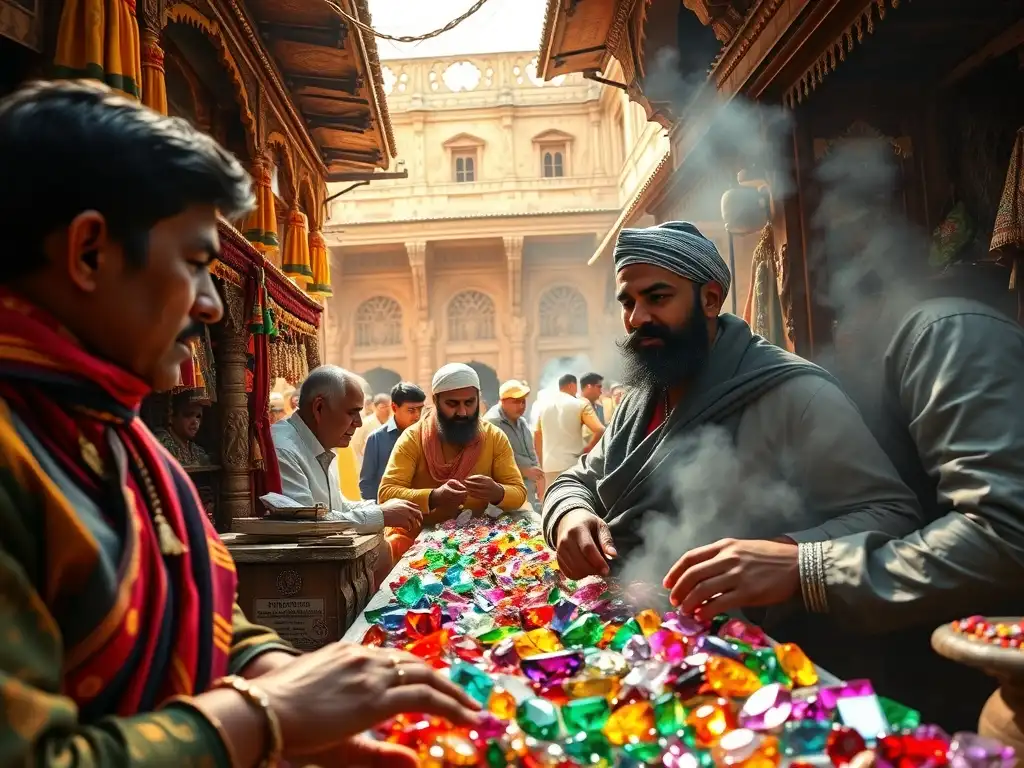
Welcome to Ancient India History, where we embark on a journey through the rich tapestry of India's past! In this corner of the web, we delve into the fascinating history, culture, and remarkable contributions of ancient Indian civilizations. Today, we invite you to uncover the captivating story of the Indian gemstone trade history in our featured article, "The Rise and Fall of Indian Gemstone Empires."
Discover how these glittering treasures shaped economies, influenced cultures, and left an indelible mark on the world. Are you ready to explore the dazzling legacy that lies beneath the surface? Join us as we unveil the secrets of India’s gemstone empires!
Introduction to Indian Gemstone Trade History
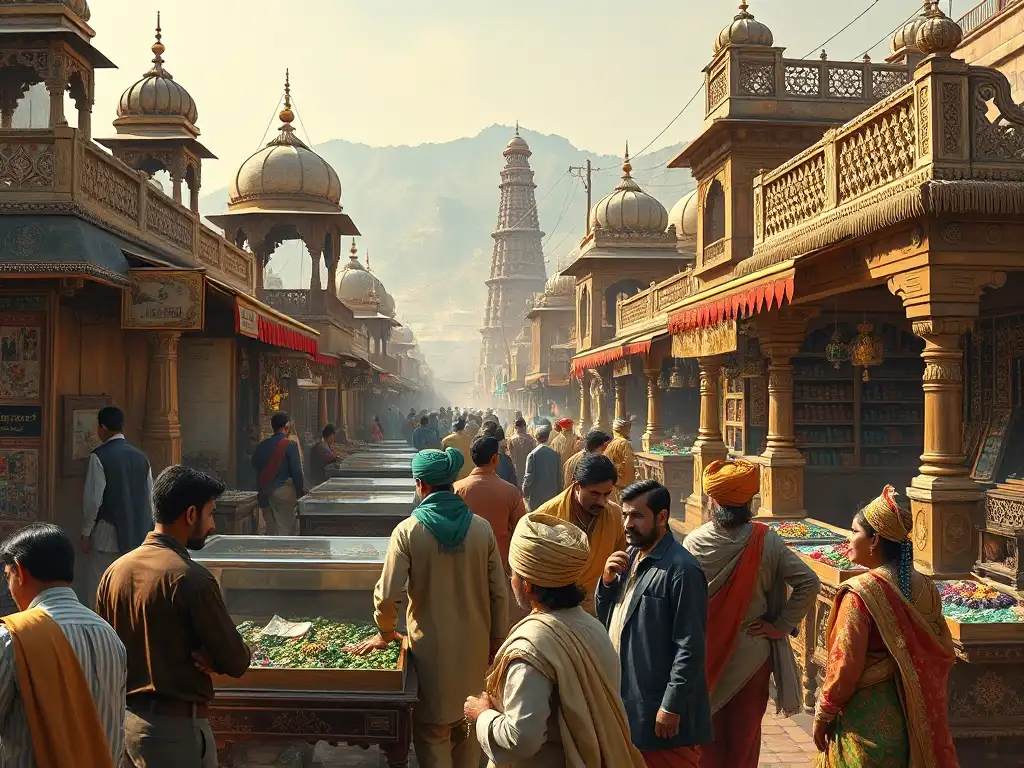
The history of the Indian gemstone trade is a fascinating narrative woven through centuries, reflecting the intricate tapestry of culture, economy, and artistry that has defined ancient Indian civilizations. From the opulent courts of the Maurya and Gupta Empires to the bustling marketplaces of the Indus Valley, gemstones have played a pivotal role not only as symbols of wealth and power but also as a medium of exchange that transcended geographical boundaries.
This article delves into the rich heritage of gemstone empires, illuminating their rise and eventual decline, while emphasizing the significance of the Indian gemstone trade history in shaping global markets and influencing various cultures.
The Origins of Indian Gemstone Trade
The origins of the Indian gemstone trade can be traced back to ancient times when the subcontinent was known for its abundant natural resources, including a wide variety of precious and semi-precious stones. This flourishing trade was not merely a local phenomenon; it extended far beyond the Indian shores, establishing India as a prominent player in the global gemstone market.
Historical Background of Gemstone Mining in India
The practice of gemstone mining in India likely began around 3000 BCE, during the Indus Valley Civilization, where evidence of lapidary art has been found. Gemstones like carnelian, agate, and lapis lazuli were extensively used in ornaments and seals. Over centuries, as civilizations evolved, so did the techniques of mining and craftsmanship, leading to:
- Innovative Mining Techniques: The advancement of mining techniques allowed for deeper excavations and more efficient extraction of gemstones.
- Cultural Significance: Gemstones were not only valued for their beauty but also held religious and spiritual significance across various Indian traditions.
- Trade Routes: The establishment of trade routes, both land and maritime, facilitated the exchange of gemstones with distant lands, such as the Middle East and Europe.
Key Regions of Indian Gemstone Production
India is home to several regions renowned for their gemstone production. These areas have historically contributed to the thriving gemstone trade, each offering unique resources and craftsmanship. Some of the key regions include:
- Kashmir: Famous for its exquisite sapphires, notably the coveted Kashmir sapphire, which is celebrated for its deep blue hue.
- Rajasthan: Known as the "Gemstone State," Rajasthan produces a variety of gemstones, including diamonds, rubies, emeralds, and topaz, with the city of Jaipur being a significant hub for cutting and trading.
- Andhra Pradesh: Renowned for its production of high-quality diamonds, particularly from the Golconda mines, which were historically known as the source of some of the world's most famous diamonds.
- Tamil Nadu: This region is known for its garnets and other semi-precious stones, contributing to the rich diversity of the Indian gemstone trade.
The rich history of these regions highlights the integral role they played in shaping the Indian gemstone trade history, establishing India as a cornerstone of global gemstone commerce.
The Golden Era of Indian Gemstone Empires
The Golden Era of Indian gemstone empires spanned several centuries, primarily from the 4th century BCE to the 16th century CE. During this period, India was celebrated as a global hub for gemstones, attracting traders, artisans, and connoisseurs from across the world. The wealth and prestige associated with gemstones not only enhanced the socio-economic standing of various Indian kingdoms but also fostered a rich cultural heritage centered around these precious stones.
Indian gemstones such as diamonds, rubies, emeralds, and sapphires gained immense popularity, not just for their beauty but also for their perceived mystical properties. Artisans developed advanced techniques in gemstone cutting and polishing, enhancing their appeal. The elaborate craftsmanship led to the creation of exquisite jewelry, which became a symbol of status and power among the nobility. Notably, the famous Golconda mines became synonymous with high-quality diamonds, making the region a focal point in the gemstone trade.
This era was characterized by flourishing trade routes, both overland and maritime, connecting India to the Middle East, Europe, and even Southeast Asia. The exchange of gemstones was not just a commercial activity; it was interwoven with cultural exchanges, influencing art, literature, and philosophy. The patronage from various dynasties, such as the Mauryas, Mughals, and others, further solidified India's reputation as the epicenter of gemstone trade.
The Role of Indian Gemstones in Ancient Trade Routes
Indian gemstones played a pivotal role in the ancient trade routes that crisscrossed the subcontinent and extended to distant lands. The Silk Road and maritime routes facilitated the exchange of goods, ideas, and cultures, with Indian gemstones at the forefront of this trade. Traders from Persia, Arabia, and later Europe sought Indian gemstones for their unmatched quality and beauty.
The significance of gemstones in trade can be observed in historical texts, where they are often mentioned as valuable commodities. Caravans laden with precious stones traversed the harsh terrains of Central Asia, while ships sailed across the Indian Ocean, bringing Indian gems to far-off markets. The demand for Indian gemstones fueled not only local economies but also contributed to the wealth of empires that controlled these trade routes.
As a result, cities like Surat, Ahmedabad, and Jaipur became prominent trading hubs, where merchants engaged in the exchange of gemstones and other luxury goods. The intricate web of trade relations established during this time laid the foundation for India's long-lasting legacy in the global gemstone market.
Prominent Gemstone Empires in Ancient India
Several empires in ancient India were renowned for their contributions to the gemstone trade, each leaving a distinct mark on the industry. Notably, the Maurya Empire (322-185 BCE) was one of the earliest to harness the potential of gemstone mining and trade, with rulers like Chandragupta Maurya and Ashoka fostering the industry.
The Mughal Empire (1526-1857 CE) is perhaps the most iconic of all gemstone empires, known for its opulent patronage of the arts and jewelry. Emperors such as Akbar and Shah Jahan not only imported gemstones but also commissioned exquisite pieces of jewelry that incorporated these precious stones, including the famous Koh-i-Noor diamond.
Additionally, the Rajput kingdoms in Rajasthan were instrumental in developing the artistry of gemstone cutting and jewelry making. The craftsmanship seen in the jewelry of these kingdoms showcased a blend of traditional techniques and innovative designs, attracting the admiration of both domestic and foreign markets.
These empires collectively contributed to a rich tradition of gemstone mining, trade, and artistry, establishing a legacy that continues to influence the contemporary gemstone industry.
Factors Contributing to the Decline of Indian Gemstone Empires
The decline of Indian gemstone empires was a multifaceted process influenced by various socio-economic and political factors. As trade dynamics shifted and external forces began to exert influence, the once-thriving gemstone industry faced significant challenges.
Economic Shifts in the Gemstone Trade
The landscape of the gemstone trade began to change significantly during the late medieval and early modern periods. The discovery of new trade routes and sources of gemstones in other parts of the world, such as Brazil and Africa, introduced alternative supplies that diminished India's monopoly over the gemstone market. Additionally, changing consumer preferences in Europe shifted towards different styles and types of jewelry, leading to a decrease in demand for traditional Indian gemstones.
Economic instability within India, exacerbated by regional conflicts and the rise of competing powers, further hampered the gemstone trade. Local artisans and traders faced challenges in sustaining their businesses, leading to a decline in craftsmanship and quality. As the once-flourishing markets contracted, the vibrant culture of gemstone art began to wane, marking a significant downturn in the industry.
Colonial Influence on Indian Gemstone Trade
The advent of colonial powers in India brought about profound changes to the gemstone trade. The British East India Company, initially focused on trade, gradually took control of Indian territories, disrupting traditional trade practices. The colonial administration imposed heavy taxes and restrictions on local artisans and traders, leading to a decline in the indigenous gemstone industry.
Colonial interests shifted the focus from local craftsmanship to mass production, often favoring imported gemstones over Indian stones. This shift not only affected the livelihoods of many artisans but also diminished the cultural significance of Indian gemstones. The once-celebrated art of gemstone cutting and jewelry making faced neglect as colonial policies prioritized profitability over tradition.
As a result, the decline of the Indian gemstone empires was not merely an economic issue but also a cultural loss, reflecting the broader impacts of colonialism on India's rich heritage.
Modern Resurgence of Indian Gemstone Trade
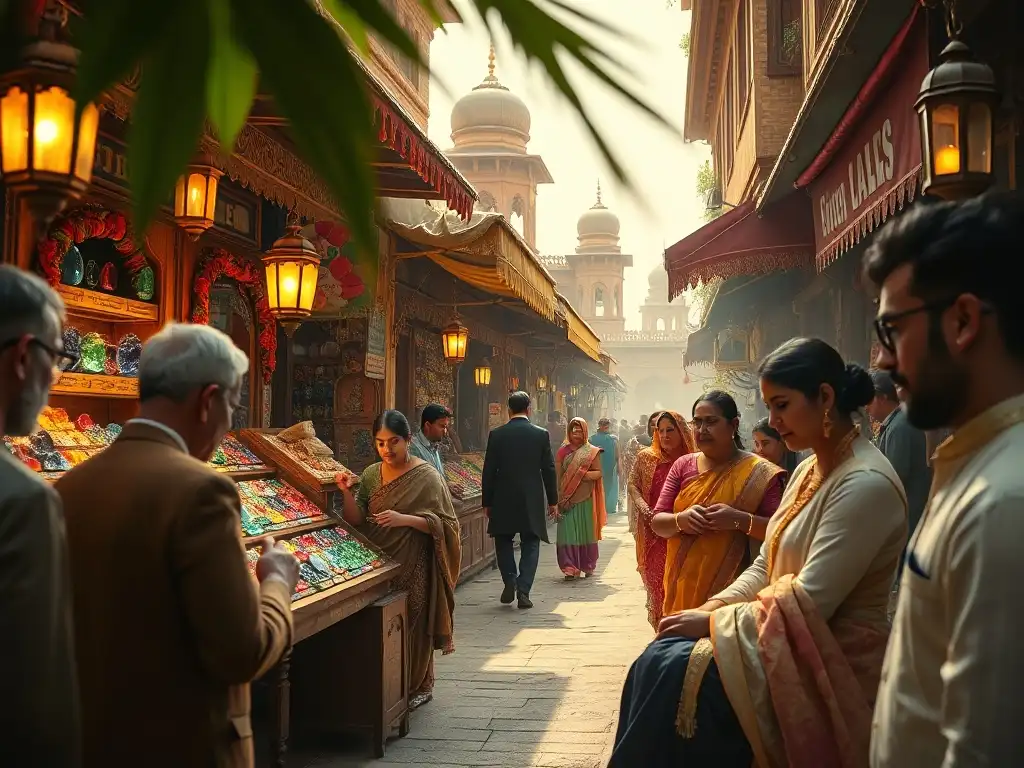
The modern resurgence of the Indian gemstone trade can be traced back to a combination of factors that have rekindled global interest in the rich heritage and craftsmanship associated with Indian gemstones. In recent years, there has been a growing appreciation for unique, ethically sourced gemstones, which has led to a renewed demand for Indian products.
With its vast array of precious and semi-precious stones, India continues to be a significant player in the global gemstone market. The revival of traditional practices, coupled with innovations in technology, has brought new life to this ancient trade, enabling artisans and traders to reach a broader audience while preserving their cultural heritage.
Significant trade hubs like Jaipur, known as the "Pink City," have emerged as centers for gemstone trading, attracting buyers from all over the world. The integration of e-commerce platforms has further facilitated this resurgence, allowing artisans to showcase their work beyond geographical boundaries. As a result, international buyers are increasingly seeking Indian gemstones, recognizing their quality and craftsmanship. The resurgence is also supported by initiatives from the Indian government aimed at promoting handicrafts and traditional industries, enhancing the visibility and viability of the gemstone trade.
Reviving Traditional Techniques and Crafts
The revival of traditional techniques and crafts in the Indian gemstone trade is vital to preserving the rich cultural legacy of the industry. Many artisans in India possess skills that have been passed down through generations, which include intricate cutting, polishing, and setting techniques. These traditional methods not only enhance the beauty of gemstones but also reflect the historical significance of the craft.
Efforts to revive these techniques have included workshops and training programs aimed at educating younger generations and providing them with the skills necessary to continue these age-old traditions. Local organizations and NGOs have also played a crucial role by providing resources and support to artisans. By emphasizing the importance of craftsmanship and the stories behind each piece, these initiatives have helped foster a sense of pride among artisans and have elevated the status of Indian gemstones in the global market.
Moreover, collaborations between traditional artisans and contemporary designers have resulted in innovative creations that blend ancient craftsmanship with modern aesthetics. By marrying these two worlds, the gemstone trade is not only preserving its heritage but also appealing to new generations of consumers who value authenticity and uniqueness in their jewelry.
The Role of Technology in Contemporary Gemstone Trade
Technology has emerged as a game-changer in the contemporary gemstone trade, dramatically transforming how gemstones are sourced, processed, and marketed. Advanced tools like laser cutting and 3D printing have revolutionized the precision and efficiency of gemstone cutting, allowing for more intricate designs that were previously unattainable. Additionally, technology has enhanced the quality control processes, ensuring that consumers receive high-quality products that meet international standards.
E-commerce platforms have also played a crucial role in expanding market reach. They allow artisans and traders to connect directly with consumers, eliminating the need for intermediaries and reducing costs. This democratization of the market empowers small-scale artisans to showcase their work to a global audience, increasing their visibility and potential for sales.
Moreover, digital marketing strategies have enabled gemstone traders to tell their stories and share the cultural significance of their products with potential buyers. Social media platforms have become powerful tools for branding and engagement, allowing traders to build relationships with customers and educate them about the heritage and value of Indian gemstones. Overall, technology not only streamlines operations but also enhances the storytelling aspect of the gemstone trade, making it more engaging for consumers.
Conclusion: The Legacy of Indian Gemstone Trade History
The legacy of Indian gemstone trade history is a rich tapestry woven with the threads of culture, craftsmanship, and commerce. From ancient times, when gemstones were revered for their beauty and believed to possess mystical properties, to the modern era, where they are celebrated for their artistic value and ethical sourcing, the journey of Indian gemstones reflects the evolution of society and trade practices.
As the industry continues to adapt and thrive in the contemporary landscape, the commitment to preserving traditional techniques and embracing technological advancements ensures that the legacy of Indian gemstones will endure. This resilience not only honors the artisans and their skills but also reinforces India's position as a global leader in the gemstone trade.
The future of Indian gemstones looks promising, with a renewed focus on sustainability, ethical sourcing, and cultural heritage. As consumers increasingly seek authenticity and meaningful connections with their purchases, the rich history of Indian gemstone trade will undoubtedly continue to shine brightly in the global marketplace.
References and Further Reading
To deepen your understanding of the Indian gemstone trade history and the significant empires that contributed to its rise and fall, consider exploring the following resources:
- Books
- The Gemstone Book by Richard W. Hughes: This comprehensive guide covers various aspects of gemstones, including their history and trade practices in ancient India.
- Indian Gemstone Trade by Rakesh Kumar: A detailed look at the evolution of gemstone trading in India, focusing on key historical periods and trade routes.
- Articles and Journals
- "The Impact of the Silk Road on the Indian Gemstone Trade" published in the Journal of Ancient Trade: This article explores how the Silk Road facilitated the exchange of gemstones between India and other civilizations.
- "Gemstones in Ancient Indian Texts" in the Indian Historical Review: A scholarly piece that analyzes references to gemstones in ancient Indian literature and their cultural significance.
- Online Resources
- The Gemological Institute of America (GIA) offers a wealth of information on gemstones, including their origins in India.
- The Archaeological Survey of India (ASI) provides insights into archaeological findings related to ancient gemstone mines and trade routes.
These resources will provide a more extensive backdrop to the historical context of the Indian gemstone trade, enriching your knowledge of its cultural significance and economic impact throughout history.
Call to Action
Are you fascinated by the intricate history of gemstones in India? Join our community of history enthusiasts and gemstone aficionados!
- Subscribe to our newsletter to receive the latest articles, insights, and discoveries regarding the history and significance of Indian gemstones.
- Share your thoughts in the comments section below! We’d love to hear about your favorite gemstones or any historical anecdotes you may have.
- Explore more articles on our website to enhance your understanding of ancient Indian civilizations and their remarkable contributions to global culture and trade.
Your journey into the world of ancient Indian gemology starts here—let's uncover the treasures of history together! 💎
- Introduction to Indian Gemstone Trade History
- The Origins of Indian Gemstone Trade
- The Golden Era of Indian Gemstone Empires
- Factors Contributing to the Decline of Indian Gemstone Empires
- Modern Resurgence of Indian Gemstone Trade
- Conclusion: The Legacy of Indian Gemstone Trade History
- References and Further Reading
- Call to Action
- What was the significance of the Indian gemstone trade in ancient times?
- Which gemstones were primarily traded in ancient India?
- How did the Indus Valley Civilization contribute to the gemstone trade?
- What led to the decline of the Indian gemstone empires?
- How does the history of Indian gemstones influence modern trade?
Frequently Asked Questions
What was the significance of the Indian gemstone trade in ancient times?
The Indian gemstone trade was crucial for economic prosperity, as it established trade routes and fostered relationships with other civilizations, highlighting India’s craftsmanship.
Which gemstones were primarily traded in ancient India?
Key gemstones included diamonds, rubies, emeralds, and sapphires, which were highly valued for their beauty and rarity, making India a central hub in the global trade market.
How did the Indus Valley Civilization contribute to the gemstone trade?
The Indus Valley Civilization was adept in gemstone cutting and polishing, establishing early techniques that laid the foundation for later gemstone craftsmanship in India.
What led to the decline of the Indian gemstone empires?
Factors such as colonial exploitation, changing trade routes, and the rise of new trading powers contributed to the decline of the once-thriving Indian gemstone empires.
How does the history of Indian gemstones influence modern trade?
The rich history of Indian gemstones continues to impact modern trade by attracting global buyers and maintaining India's status as a leading source of high-quality gemstones today.
Final Reflection: The Enduring Legacy of Indian Gemstone Trade
The history of the Indian gemstone trade is a vivid tapestry woven with tales of prosperity, cultural exchange, and eventual decline. Today, as we witness a resurgence of interest in sustainable and ethically sourced gemstones, the lessons from the rise and fall of these empires resonate more than ever. The intricate relationships between artisans, traders, and consumers remind us that the choices we make in the present can shape the future of this ancient industry.
The influence of the Indian gemstone trade extends far beyond mere commerce; it has shaped cultural identities and fostered social connections across generations. As we reflect on this rich heritage, we recognize the importance of preserving traditional craftsmanship while adapting to modern demands. The past is not dead; it is not even past.
This quote by William Faulkner encapsulates the ongoing relevance of our historical narratives, urging us to honor and learn from the legacies of those who came before us.
As we look to the future, I invite you to consider your role in this evolving story. Reflect on how your choices in purchasing gemstones can contribute to a more sustainable and equitable trade. By supporting ethical practices and valuing the artistry behind these precious stones, we can ensure that the legacy of Indian gemstone empires continues to shine brightly for generations to come. Embrace the opportunity to be a part of this transformative journey, where history informs our actions and inspires a brighter future.
Unveil the Legacy of Indian Gemstone Empires!
Thank you for diving into the fascinating world of Indian gemstone empires with us! You've uncovered the rich heritage and dramatic tales that shaped this vibrant industry. Now, it’s your turn to engage with this history and take inspired action.
Here are several ways you can deepen your connection to this captivating legacy:
- Explore local gem fairs or exhibitions to experience the beauty of gemstones firsthand and engage in discussions about their heritage with knowledgeable experts.
- Share this article with friends and family who appreciate history or gemstones, sparking conversations about this intriguing subject.
- Consider starting a blog or social media channel dedicated to gemstone history, allowing you to share your insights and connect with enthusiasts from around the globe.
What aspect of the Indian gemstone empires fascinates you the most, and how can you incorporate this knowledge into your everyday life?