
How Ancient Texts Documented the Value and Use of Gemstones

Welcome to Ancient India History, where we embark on a fascinating journey through the vibrant tapestry of India's past. Delve into our latest article, "How Ancient Texts Documented the Value and Use of Gemstones," to uncover the significance of ancient Indian gemstones—a captivating exploration of how these precious stones shaped culture, trade, and spirituality across centuries.
As you navigate through the rich narratives of the Indus Valley to the Gupta Empire, prepare to be enthralled by the stories and wisdom that these gemstones hold. Join us in revealing the legacy of ancient civilizations and their remarkable contributions to the world we know today!

Introduction to Ancient Indian Gemstones Significance
The significance of gemstones in ancient Indian civilization transcends mere aesthetic appeal. These precious stones held profound cultural, spiritual, and economic implications, deeply interwoven into the fabric of society. From the dazzling diamonds of the royal courts to the mystical powers attributed to rubies and emeralds, gemstones played a pivotal role in various aspects of life, including trade, medicine, and rituals.
Ancient texts such as the Arthashastra, Sutra of the Great Perfection, and various Ayurveda manuscripts provide invaluable insights into the significance of gemstones, elucidating their perceived benefits and uses. By exploring these texts, we can gain a deeper understanding of how ancient Indian societies valued gemstones, not just as adornments but as cherished elements of their cultural identity.
The Historical Context of Gemstones in Ancient India
In ancient India, the history of gemstones is rich and multifaceted, dating back thousands of years. Archaeological evidence suggests that gemstones were being mined and crafted into jewelry as early as the Indus Valley Civilization (circa 3300–1300 BCE). The people of this era recognized the beauty and value of gemstones, incorporating them into their daily lives and spiritual practices.
Key Historical Milestones:
- Indus Valley Civilization:
- The use of lapis lazuli, carnelian, and agate has been documented in various artifacts and jewelry.
- Gemstones were often traded, showcasing the civilization's early engagement in commerce.
- Vedic Period (circa 1500–500 BCE):
- Texts like the Rigveda often mention gemstones, associating them with divine powers and auspiciousness.
- Gemstones were used for crafting ceremonial items and in rituals to invoke blessings.
- Maurya and Gupta Empires (circa 322 BCE–550 CE):
- The flourishing trade routes facilitated the exchange of gemstones with other civilizations, enhancing their significance.
- The Arthashastra, authored by Kautilya, details the economic aspects of gem trade and the regulation of gemstone quality.
The historical context reveals that gemstones were not only valued for their beauty but also for their symbolic meanings and believed powers. Ancient Indian texts intricately document these beliefs, illustrating how gemstones influenced various aspects of life, from the mundane to the mystical.
Ancient Texts and Their Insights on Gemstone Value
Ancient Indian texts provide a profound understanding of the significance and value of gemstones in society. These texts not only catalog the physical properties and classifications of various gemstones but also delve into their spiritual, economic, and cultural impacts. By examining these ancient writings, we gain insight into how gemstones were perceived and utilized in daily life, rituals, and trade. The following sections explore key texts that highlight the multifaceted nature of gemstones in ancient India.
The Vedas and Their References to Gemstones
The Vedas, the oldest sacred texts of Hinduism, include numerous references to gemstones, highlighting their value and significance. Specifically, the Atharva Veda mentions various gemstones and their protective qualities, associating them with health and well-being. For instance, it describes how specific stones can ward off evil spirits or ailments. The Rig Veda also contains hymns that reference gemstones as offerings in rituals, symbolizing prosperity and purity.
Moreover, the Vedic texts emphasize the astrological significance of gemstones, linking them to planetary influences that could affect an individual's fate. This connection between gems and astrology laid the foundation for the later development of gemology and the belief in the metaphysical properties of stones, underscoring their importance in Vedic culture.
The Puranas: Myths and Symbolism of Gemstones
The Puranas, a genre of ancient Indian literature, are rich with narratives that intertwine mythology and the symbolism of gemstones. In texts such as the Vishnu Purana, gemstones are often depicted as embodiments of divine qualities and powers. For example, the gemstone 'Manikya' (ruby) is associated with the sun and is said to enhance vitality and courage, while 'Neelam' (sapphire) is linked to the planet Saturn, representing justice and responsibility.
These myths not only highlight the aesthetic value of gemstones but also their spiritual significance, as they were believed to carry divine blessings. The Puranas elaborate on the creation of gemstones through cosmic events, further emphasizing their sacred nature. This portrayal has influenced contemporary beliefs regarding the protective and auspicious qualities of gemstones in Hindu culture.
Arthashastra: Economic Value of Gemstones
Kautilya's Arthashastra, an ancient Indian treatise on statecraft and economics, provides critical insights into the economic value of gemstones. It discusses the trade regulations and taxation related to gemstones, underscoring their importance in commerce. The text outlines the various types of gemstones that were considered valuable, such as pearls and diamonds, and details the methods of appraisal to ensure fair trade.
Moreover, the Arthashastra highlights the role of gemstones in diplomacy and alliances, where they served as gifts between rulers to strengthen ties. This economic perspective illustrates how gemstones were not only objects of beauty and spirituality but also vital components of the ancient Indian economy, contributing to wealth and power dynamics.
Gemstone Uses in Ancient Indian Society
Gemstones held various roles in ancient Indian society, serving practical, ceremonial, and symbolic purposes. From being integral to religious practices to representing social status, their influence permeated different aspects of life. The following sections explore how gemstones were utilized in rituals and as symbols of royalty.
Ritual and Spiritual Significance of Gemstones
Gemstones were deeply embedded in spiritual practices in ancient India. They were often used in rituals and ceremonies as offerings to deities, believed to enhance the spiritual energy of the practices. Specific stones, such as turquoise and garnet, were used for their supposed protective qualities, creating a sacred space for worship.
Additionally, gemstones were integral to astrological practices, where they were worn by individuals to align with planetary energies and mitigate negative influences. The spiritual significance of gemstones was not limited to their physical attributes; they were also imbued with symbolic meanings that connected practitioners to their beliefs and traditions.
Gemstones in Royalty and Status Symbols
In ancient Indian society, gemstones served as powerful symbols of status and prestige, particularly among royalty and the elite. Kings and queens adorned themselves with elaborate jewelry featuring precious stones, which not only showcased their wealth but also their divine right to rule. The use of gemstones in crowns, necklaces, and ceremonial attire conveyed authority and magnificence.
Moreover, the possession of rare gemstones was a matter of pride and a display of social hierarchy. Historical accounts reveal that gemstones were often gifted during significant events, such as coronations or diplomatic treaties, reinforcing their role as status symbols. This practice established a cultural legacy that continues to influence jewelry and gemstone valuation in modern Indian society.
The Artistic Representation of Gemstones in Ancient Texts
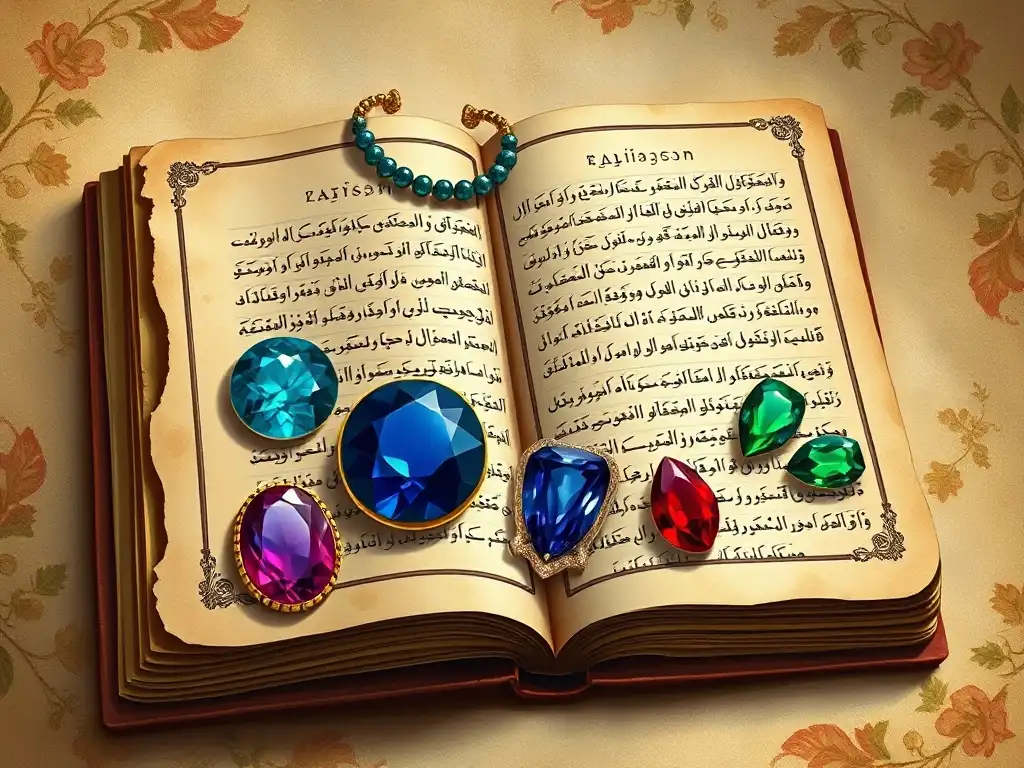
The artistic representation of gemstones in ancient Indian texts reveals the profound significance these precious stones held in the cultures and societies of the time. Ancient writings, such as the Rigveda, Mahabharata, and various Puranas, not only mentioned gemstones but also celebrated their beauty, rarity, and metaphysical properties. These texts often depicted gemstones as symbols of power, wealth, and divine favor, providing insights into their cultural relevance.
In addition to written descriptions, ancient Indian art forms, including sculpture and painting, incorporated gemstones into their narratives. Artistic depictions often showcased deities adorned with elaborate jewelry, embellished with various gemstones, which illustrated the aesthetic values and beliefs regarding beauty and spirituality. Such representations served not only as decorative elements but also as a reflection of the cultural importance attributed to these stones.
Illustrations and Descriptions of Gemstones in Art
Illustrations of gemstones in ancient texts often detailed their colors, cuts, and unique attributes. For example, sapphires were described with reverence for their deep blue hue, and rubies were celebrated for their fiery red brilliance. These descriptions were accompanied by poetic verses that captured the essence and allure of each gemstone, linking them to various deities and cosmic elements.
Furthermore, ancient manuscripts like the Shilpa Shastras provided guidelines on how to incorporate gemstones into artistic creations, emphasizing their placement in jewelry and architecture. The meticulous attention to detail in these texts underscores the belief that gemstones held not just aesthetic value but also astrological and spiritual significance, influencing both personal well-being and societal harmony.
The Influence of Gemstones on Ancient Indian Jewelry
Gemstones greatly influenced the design and evolution of ancient Indian jewelry. The use of specific stones was often dictated by their symbolic meanings and purported powers. For instance, emeralds were associated with prosperity and fertility, while diamonds symbolized invincibility and clarity. This connection between gemstones and their meanings shaped the craftsmanship of jewelry, leading artisans to create intricate pieces that were not only visually stunning but also imbued with cultural significance.
Moreover, the trade routes established during ancient times facilitated the exchange of gemstones, influencing regional styles and techniques in jewelry-making. The incorporation of gemstones into various adornments, from crowns to everyday ornaments, exemplified their role in expressing social status, artistic expression, and religious devotion. This rich heritage of gemstone jewelry continues to inspire contemporary designs, showcasing the lasting legacy of ancient practices.
Modern Interpretations and Importance of Ancient Indian Gemstones
The significance of ancient Indian gemstones is not confined to history; it resonates in contemporary practices and beliefs. Modern interpretations of these gemstones often draw from traditional wisdom, emphasizing their metaphysical properties and holistic benefits. Gemstones are increasingly being utilized in wellness practices, such as crystal healing and meditation, where their energies are believed to enhance physical and emotional well-being.
Reviving Ancient Wisdom: Contemporary Uses of Gemstones
Today, many individuals and practitioners are reviving ancient wisdom regarding the use of gemstones. The resurgence of interest in holistic healing has led to the integration of gemstones into therapeutic practices. For example, amethysts are often used to promote calmness and clarity, while citrine is believed to attract prosperity and joy. This revival is not merely a trend but a recognition of the historical significance and enduring relevance of these stones in personal development and spiritual practices.
By studying ancient texts, modern gemologists and healers can better understand the intended uses of gemstones, ensuring that these practices honor their historical roots. Workshops, seminars, and literature focusing on the ancient significance of gemstones are becoming increasingly popular, contributing to a broader understanding of their role in both ancient and modern contexts.
The Market for Ancient Indian Gemstones Today
The market for ancient Indian gemstones has experienced a resurgence, driven by collectors, jewelers, and enthusiasts who appreciate their historical and cultural value. Authentic ancient gemstones, often sourced from archaeological sites or passed down through generations, are highly sought after. Their rarity and unique characteristics make them valuable assets in luxury jewelry markets.
Moreover, the demand for ethically sourced gemstones has prompted a greater focus on transparency and provenance, allowing buyers to connect with the rich history of these stones. Many contemporary jewelers incorporate ancient gemstones into modern designs, bridging the gap between past and present. This fusion not only revitalizes traditional craftsmanship but also ensures that the legacy of ancient Indian gemstones continues to shine brightly in the modern world, celebrating their enduring significance and beauty.
Conclusion: The Enduring Legacy of Ancient Indian Gemstones
The significance of gemstones in ancient Indian culture is a testament to the civilization's rich heritage and its profound understanding of natural resources. Throughout history, gemstones were not merely decorative items; they held deep spiritual, medicinal, and social value. The meticulous documentation of these stones in ancient texts reflects their integral role in various aspects of life, from religious rituals to royal adornments.
The enduring legacy of ancient Indian gemstones is evident today, as modern jewelry continues to draw inspiration from these historical practices. Gemstones such as diamonds, rubies, emeralds, and sapphires were revered not only for their beauty but also for their supposed metaphysical properties. Ancient texts, including the Vedas and various treatises on astrology and Ayurveda, further emphasized the belief that gemstones could influence one’s fate and health.
As we explore this legacy, we uncover a profound respect for nature and its bounty that ancient Indians possessed. This reverence for gemstones, combined with their skilled craftsmanship, laid the foundation for the vibrant jewelry traditions that thrive in India today. The stories and beliefs surrounding these gemstones continue to captivate and inspire, ensuring that the significance of ancient Indian gemstones remains a vital part of cultural identity.
References and Further Reading on Ancient Indian Gemstones Significance
To delve deeper into the significance of gemstones in ancient India, the following references provide invaluable insights:
- "The History of Indian Gemstones": This comprehensive book explores the evolution of gemstone usage throughout Indian history, detailing the cultural, economic, and spiritual importance of these stones.
- "Ancient Indian Texts on Gemology": A scholarly analysis of ancient texts that document the evaluation and significance of gemstones, offering translations and interpretations that highlight their historical context.
- "The Role of Gemstones in Vedic Astrology": This resource outlines the connection between gemstones and astrology, detailing how ancient Indians believed in the influence of celestial bodies on human life through gemstones.
- "Ayurvedic Perspectives on Gemstones": This text discusses the medicinal properties attributed to various gemstones in ancient Indian medicine, including their use in healing practices.
- "Jewels of the Raj: The History of Indian Jewelry": A fascinating look at the jewelry of the Indian subcontinent, focusing on how gemstones were used in royal adornments and their significance in societal hierarchies.
By engaging with these resources, readers can gain a more profound understanding of the intricate relationships between ancient Indian gemstones, culture, and everyday life. Through this exploration, the rich tapestry of India's history regarding gemstones continues to unfold, revealing the depth of its significance across millennia.
- Introduction to Ancient Indian Gemstones Significance
- The Historical Context of Gemstones in Ancient India
- Ancient Texts and Their Insights on Gemstone Value
- Gemstone Uses in Ancient Indian Society
- The Artistic Representation of Gemstones in Ancient Texts
- Modern Interpretations and Importance of Ancient Indian Gemstones
- Conclusion: The Enduring Legacy of Ancient Indian Gemstones
- References and Further Reading on Ancient Indian Gemstones Significance
Frequently Asked Questions
What was the significance of gemstones in ancient Indian culture?
Gemstones held immense cultural and spiritual significance in ancient India, often associated with wealth, power, and protection. They were believed to possess healing properties and were used in various rituals.
How were gemstones referenced in ancient Indian texts?
Ancient texts, such as the Rigveda and Ayurveda, documented the value and use of gemstones, outlining their astrological significance and medicinal properties. These references highlight their importance in both daily life and spirituality.
Which gemstones were most valued in ancient India?
Diamonds, rubies, sapphires, and emeralds were among the most sought-after gemstones. Their rarity and beauty made them symbols of status and affluence in ancient Indian society.
Did gemstones play a role in trade during ancient times?
Yes, gemstones were a significant part of trade in ancient India, often exchanged along the Silk Road and other trade routes. Their high value made them important commodities in economic exchange.
What were the believed benefits of wearing gemstones in ancient India?
Wearing gemstones was thought to provide protection, enhance prosperity, and improve health. People believed specific stones could influence their destiny and bring good fortune.
Final Reflection: The Enduring Significance of Ancient Indian Gemstones
The exploration of ancient texts reveals that the significance of gemstones in Indian culture is not merely a relic of the past; it is a vibrant thread woven into the fabric of our modern identity. Today, as we navigate a world increasingly driven by materialism, the wisdom encapsulated in these ancient writings serves as a poignant reminder of the deeper meanings and values that gemstones have historically represented. The allure of gemstones transcends their physical beauty, embodying spiritual, cultural, and economic dimensions that resonate with us even now.
The impact of ancient Indian gemstones extends far beyond their aesthetic appeal; they symbolize a rich tapestry of beliefs, traditions, and practices that continue to influence our cultural landscape. The reverence for these stones in ancient texts underscores their role as conduits of power, protection, and prosperity. As the renowned gemologist Richard Hughes once said, "> Gemstones are not just rocks; they are the embodiment of human emotion, history, and culture." This perspective invites us to appreciate gemstones not only as adornments but as vessels of our shared heritage and collective consciousness.
As we reflect on the lessons from ancient texts about the significance of gemstones, let us consider how we can integrate this understanding into our lives today. I encourage you to explore the stories behind the gemstones you encounter, to appreciate their historical and cultural significance, and to recognize the values they represent. By doing so, we can cultivate a deeper connection to our past while enriching our present, ensuring that the legacy of ancient Indian gemstones continues to inspire and guide us into the future.
Unveil the Treasures of Ancient Gemstone Wisdom!
Thank you for diving into our exploration of how ancient texts reveal the profound value and uses of gemstones. We hope you’re inspired by the rich history and cultural significance these gems hold. Now, it’s time to take the next steps toward deepening your appreciation and understanding of this fascinating topic!
- Dive Deeper: Research a specific gemstone from ancient texts. Discover its historical uses and meanings—this might lead you to a newfound passion!
- Engage with Us: Share your thoughts and findings in the comments below. Connecting with others can spark enlightening discussions and uncover more fascinating insights.
- Expand Your Horizons: Follow us on social media to explore related articles and join a community that shares your interests in ancient history and gemstones.
What gemstone do you feel drawn to explore further, and how do you think it influenced the culture of ancient civilizations?