
CustomMade Indian Jewelry: How to Ensure Authenticity and Quality

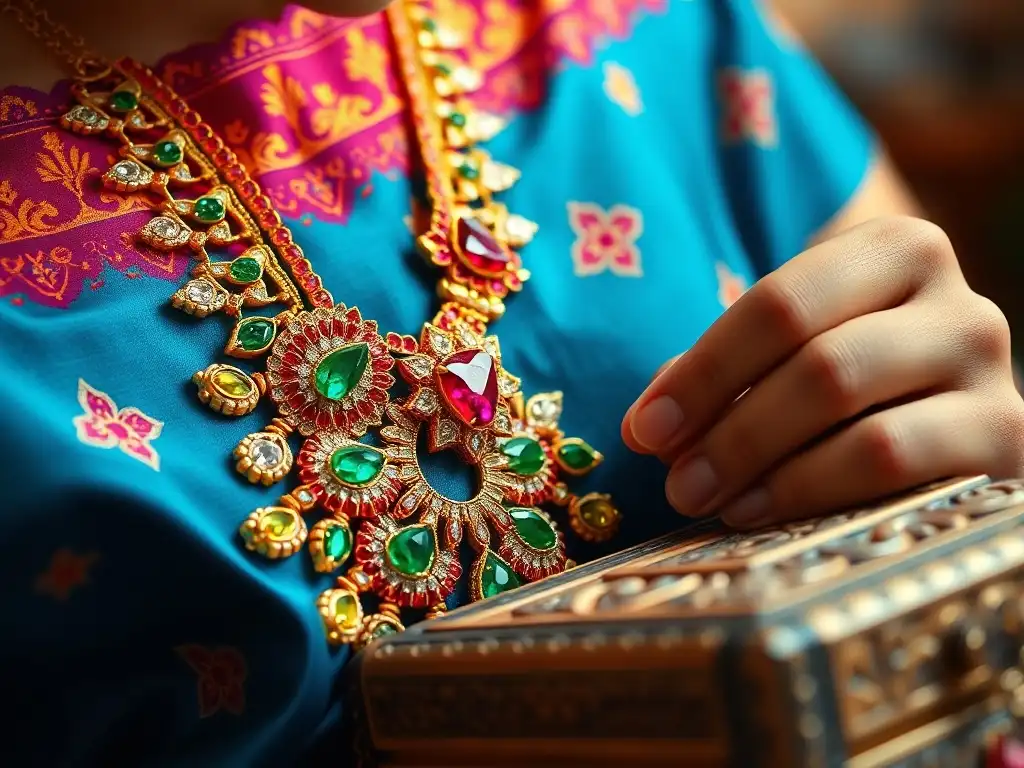
Welcome to Ancient India History, where we embark on a fascinating journey through the rich tapestry of India’s past, celebrating its vibrant cultures and remarkable contributions. In our latest exploration, we delve into the world of Authentic Indian Jewelry, providing you with a comprehensive buying guide that ensures you make informed choices when selecting your treasures. Did you know that each piece of jewelry tells a story steeped in tradition?
Discover how to ensure authenticity and quality in your jewelry purchases, and unlock the mysteries of craftsmanship that have stood the test of time. Let’s dive deeper into the art of adornment that has captivated hearts for centuries!
-
Authentic Indian Jewelry Buying Guide: Ensuring Quality and Authenticity
- Understanding Authentic Indian Jewelry
- Key Factors to Consider When Buying Authentic Indian Jewelry
- Recognizing Authentic Indian Jewelry Styles and Techniques
- Traditional Techniques: Kundan, Meenakari, and Jadau
- Regional Variations: Exploring Different Styles Across India
- How to Verify the Authenticity of Indian Jewelry
- Where to Buy Authentic Indian Jewelry
- Conclusion: Making Informed Decisions in Your Jewelry Purchases
- Additional Resources for Authentic Indian Jewelry Buyers
-
Frequently Asked Questions
- What should I look for to ensure authenticity in Indian jewelry?
- How can I identify quality materials in Indian jewelry?
- Are there specific designs that signify authentic Indian jewelry?
- What are the benefits of buying from a local artisan?
- Why is it important to understand cultural significance in Indian jewelry?
- Final Reflection: Embracing Authenticity in Indian Jewelry
- Embrace the Beauty of Authentic Indian Jewelry!
Authentic Indian Jewelry Buying Guide: Ensuring Quality and Authenticity
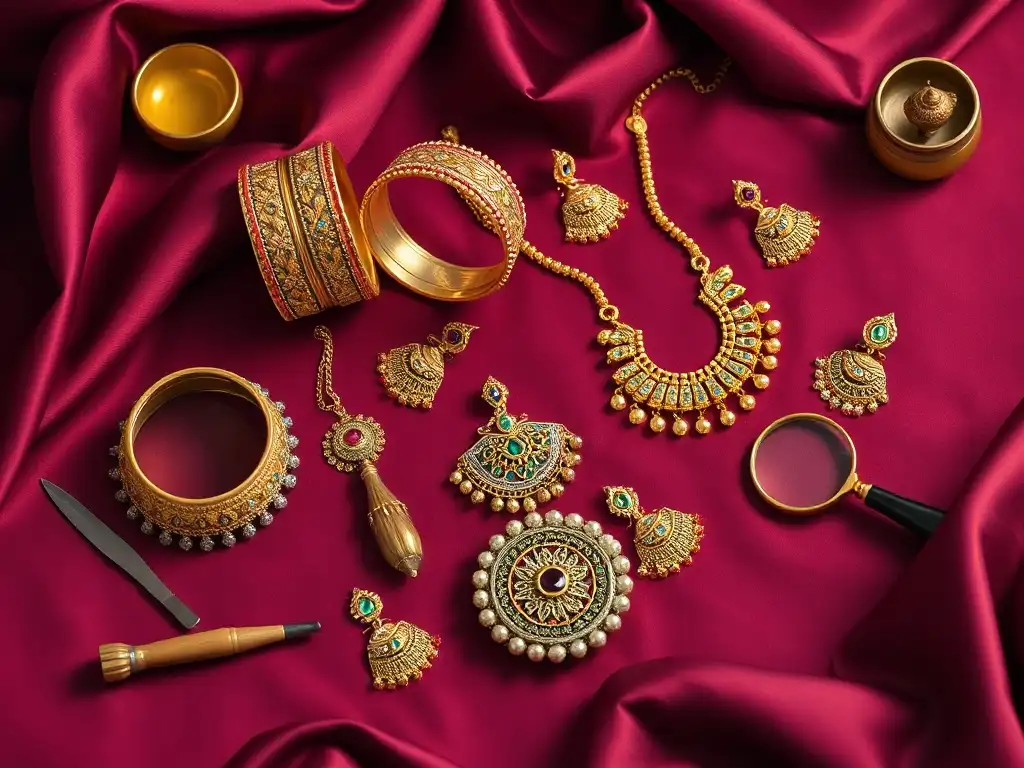
Exploring the intricate world of Indian jewelry reveals not only stunning designs but also a rich tapestry of history and culture that dates back thousands of years. From the ornate pieces of the Indus Valley Civilization to the exquisite craftsmanship of the Gupta Empire, every piece of jewelry tells a story deeply rooted in tradition and artistry.
This guide aims to equip you with essential insights into purchasing authentic Indian jewelry, ensuring that you appreciate both its aesthetic beauty and cultural significance. By focusing on authenticity and quality, you can make informed decisions and invest in pieces that honor the legacy of ancient artisans while also reflecting your personal style.
Understanding Authentic Indian Jewelry
The Rich Heritage of Indian Jewelry
Indian jewelry has a storied past characterized by diverse influences and regional styles. Each piece often symbolizes cultural beliefs, social status, and personal expressions. For instance, traditional jewelry from Rajasthan is known for its bold designs and vibrant colors, while the delicate craftsmanship of South Indian temple jewelry showcases intricate temple motifs and religious significance. These rich traditions have been passed down through generations, making Indian jewelry not just an accessory but a vital part of cultural identity.
Significance of Authenticity in Indian Jewelry
In a market flooded with imitation pieces, ensuring authenticity is paramount for both collectors and casual buyers. Authentic Indian jewelry is often handcrafted by skilled artisans using traditional techniques, which adds both value and uniqueness to each piece. Understanding the significance of authenticity helps buyers appreciate the effort and heritage involved in creating these works of art. Moreover, purchasing authentic jewelry supports local artisans and helps preserve traditional craftsmanship, fostering a sustainable future for these age-old practices.
Key Factors to Consider When Buying Authentic Indian Jewelry
Material Quality: Gold, Silver, and Gemstones
When it comes to authentic Indian jewelry, the quality of materials used is crucial. Gold and silver are often the primary metals, with various purities (e.g., 22K gold being the most common in Indian jewelry). It's essential to inquire about the purity and weight of the metal to ensure you're receiving a high-quality product. Additionally, gemstones play a significant role in many pieces, and understanding the quality (such as cut, clarity, and authenticity) can greatly impact the overall value and beauty of the jewelry.
Craftsmanship: The Art of Handcrafted Jewelry
One of the distinguishing features of authentic Indian jewelry is the craftsmanship involved. Many pieces are meticulously handcrafted, showcasing the artisan's skill and attention to detail. Look for signs of craftsmanship such as intricate engraving, unique designs, and the use of traditional techniques like Kundan, Meenakari, or Jadau. These elements not only enhance the beauty of the jewelry but also affirm its authenticity and cultural significance.
Hallmarking and Certifications: Ensuring Trustworthiness
To further guarantee the authenticity and quality of Indian jewelry, it is essential to consider hallmarking and certifications. The Bureau of Indian Standards (BIS) provides hallmarking for gold jewelry, indicating its purity and ensuring consumer trust. Additionally, ask for certificates from recognized gemological laboratories, especially for pieces featuring precious gemstones. These certifications provide assurance regarding the authenticity of the materials used, giving buyers confidence in their purchases.
Recognizing Authentic Indian Jewelry Styles and Techniques
Authentic Indian jewelry is renowned for its intricate designs, rich symbolism, and the skilled craftsmanship that has been passed down through generations. Understanding the various styles and techniques used in creating Indian jewelry is essential for buyers looking to ensure quality and authenticity. Each style is often rooted in cultural significance and historical context, reflecting the diverse heritage of the Indian subcontinent.
Traditional Techniques: Kundan, Meenakari, and Jadau
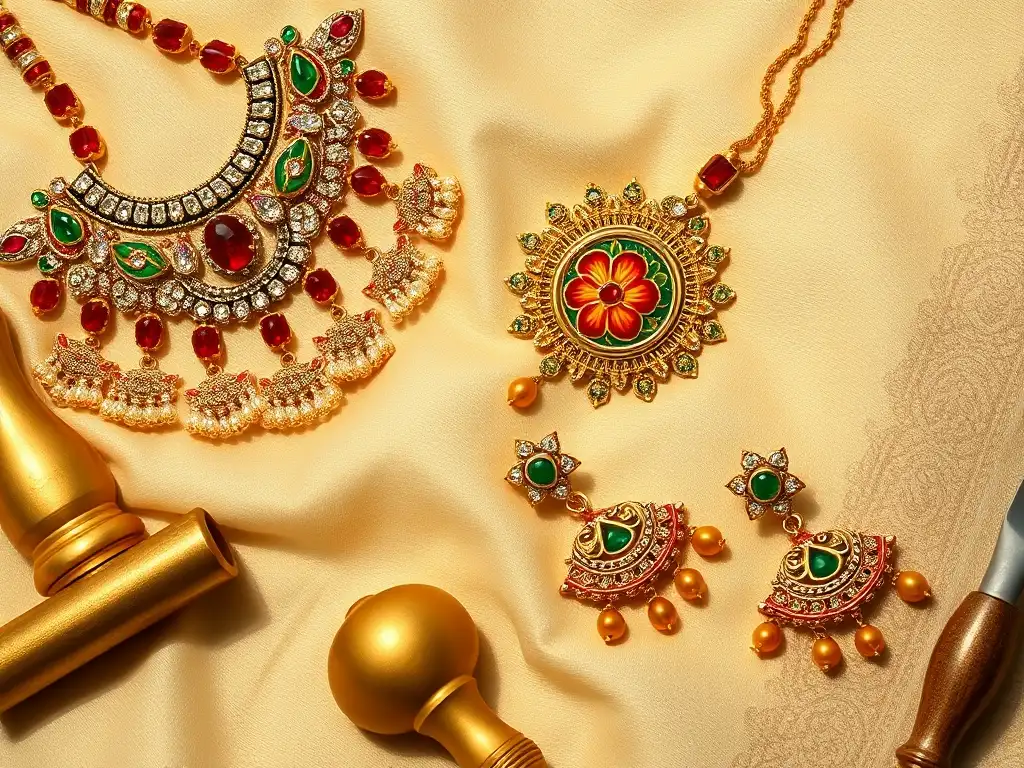
- Kundan: This ancient technique involves setting gemstones in gold foil. The process requires exceptional skill, as artisans meticulously cut and polish the stones, then fit them into the gold framework. Kundan jewelry often features elaborate designs, characterized by its use of colorful gemstones and intricate patterns. The craftsmanship involved in Kundan jewelry exemplifies the peak of Indian artistry.
- Meenakari: Originating from the royal courts of Rajasthan, Meenakari is the art of enameling metal surfaces, usually gold or silver. The process involves applying vibrant colored enamels to create intricate designs that are both beautiful and durable. This technique is often used alongside Kundan work, enhancing the overall aesthetic of the piece.
- Jadau: This technique combines the principles of Kundan and Meenakari, emphasizing the use of uncut diamonds and gemstones. Jadau jewelry is known for its heavy, ornate designs that often feature floral and geometric motifs. The stones are set in a way that allows for a unique play of light, making it a favorite among those who appreciate opulent jewelry.
Regional Variations: Exploring Different Styles Across India
India's vast cultural landscape gives rise to a multitude of regional jewelry styles, each with its own unique characteristics:
- Punjabi Jewelry: Known for its bold designs, Punjabi jewelry often incorporates large, statement pieces such as the chura (wedding bangles) and jhumkas (earrings) adorned with colorful stones and intricate motifs.
- South Indian Jewelry: This style is characterized by the use of traditional temple motifs and intricate gold work. Pieces like the vanki (armlet) and mangalsutra (sacred necklace) are essential elements of South Indian bridal jewelry.
- Bengali Jewelry: Renowned for its unique use of gold, Bengali jewelry often features intricate filigree work and traditional motifs such as the shankha (conch shell) and pola (red and white bangles) that symbolize marriage.
- Rajasthani Jewelry: Reflecting the rich cultural heritage of the desert state, Rajasthani jewelry is known for its use of mirror work and bright colors. Pieces such as hathphool (hand ornaments) and matha patti (forehead jewelry) are often seen in traditional attire.
How to Verify the Authenticity of Indian Jewelry
When purchasing Indian jewelry, it's crucial to ensure that you are buying authentic pieces. Here are some steps you can take to verify authenticity:
Trusted Certifications and Marks
Before making a purchase, look for certifications from recognized organizations that verify the authenticity of the jewelry. In India, the Bureau of Indian Standards (BIS) gold hallmark, for instance, is a mark of quality and authenticity for gold jewelry. Other certifications to look for include:
- IGI (International Gemological Institute)
- GIA (Gemological Institute of America)
- NGTC (National Gem Testing Center)
These certifications guarantee that the gemstones and materials used are genuine and of high quality.
Tips for Evaluating Craftsmanship and Materials
- Examine the Workmanship: Authentic Indian jewelry should display high levels of craftsmanship. Look for smooth edges, precise settings, and intricate detailing. Uneven surfaces or poorly set stones may indicate a lack of authenticity.
- Check the Materials: Familiarize yourself with the materials commonly used in Indian jewelry, such as gold, silver, and specific gemstones. Authentic pieces will often use high-quality materials, while imitation products may use lesser-quality substitutes.
- Weight and Feel: Genuine metal jewelry tends to feel heavier than its counterfeit counterparts. When evaluating a piece, hold it in your hand and gauge its weight.
Common Red Flags When Buying Indian Jewelry
When purchasing Indian jewelry, be mindful of the following red flags that may indicate inauthenticity:
- Unbelievably Low Prices: If a piece seems too good to be true, it likely is. Extremely low prices can be a sign that the jewelry is not genuine or made from inferior materials.
- Lack of Documentation: Authentic pieces often come with certificates of authenticity. If the seller cannot provide any documentation, consider it a warning sign.
- Inconsistent Designs: If the craftsmanship appears inconsistent with traditional designs or techniques, it may be a sign that the jewelry is not authentic.
- Pushy Sales Tactics: If a seller is overly aggressive in their sales approach or pressures you to make a quick decision, it could indicate a lack of confidence in the authenticity of their products. Always take your time to evaluate the piece thoroughly before purchasing.
Where to Buy Authentic Indian Jewelry
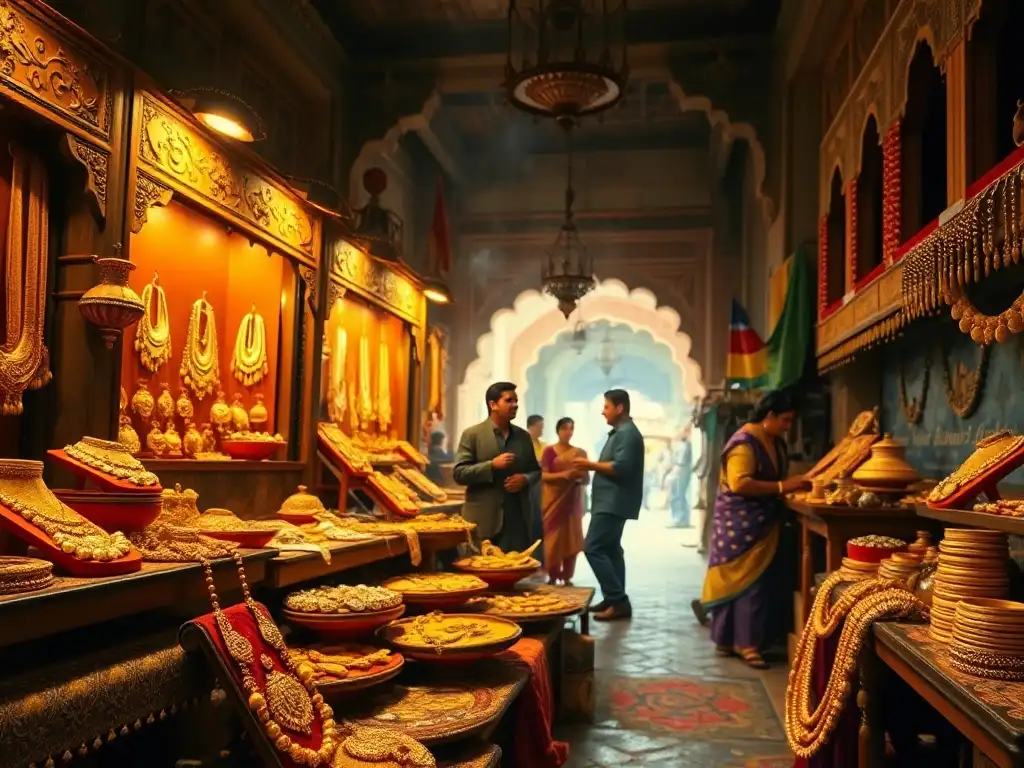
When it comes to purchasing authentic Indian jewelry, the destination can significantly impact the quality and authenticity of your finds. Whether you prefer shopping online or exploring local markets, understanding where to buy is crucial. Authentic pieces can be found in various places, but it's essential to choose reputable sources to ensure that you're investing in genuine craftsmanship. Below are two primary avenues for sourcing authentic Indian jewelry.
Reputable Online Retailers for Authentic Indian Jewelry
Shopping online has become increasingly popular, and numerous reputable retailers specialize in authentic Indian jewelry. Here are some key retailers known for their quality and authenticity:
- Craftsvilla: This platform focuses on promoting handmade products from local artisans across India. They offer a wide range of jewelry that reflects traditional Indian craftsmanship.
- Jaypore: Known for its curated collection, Jaypore features a blend of contemporary and traditional designs, all sourced from artisans across India. The site emphasizes authenticity and quality.
- Saree.com: While primarily known for Indian attire, this site also offers a selection of traditional jewelry. Their commitment to quality ensures that buyers receive genuine items.
- Etsy: Although it includes a variety of sellers, many artisans offer authentic Indian jewelry on Etsy. It’s crucial to check seller reviews and ratings to ensure credibility.
When shopping online, look for retailers that provide detailed descriptions of the materials used, including any certification for gemstones or metals. Customer reviews can also offer insights into the authenticity and quality of the jewelry.
Local Markets: Best Places to Find Genuine Pieces
Exploring local markets can be one of the most rewarding ways to discover authentic Indian jewelry. Here are some renowned markets where you can find genuine pieces:
- Johari Bazaar (Jaipur): Famous for its exquisite gemstone jewelry, Johari Bazaar showcases a variety of traditional designs. Bargaining is common, so be prepared to negotiate prices.
- Chandni Chowk (Delhi): This bustling market is a treasure trove for jewelry lovers, featuring a range of traditional and contemporary pieces. Look for shops that have a long-standing reputation.
- Colaba Causeway (Mumbai): Known for its vibrant atmosphere, this market offers a mix of antique and contemporary jewelry. You can find unique pieces that reflect the city's eclectic culture.
- Bangalore's Commercial Street: This popular shopping destination has several shops offering authentic Indian jewelry. It's advisable to visit multiple shops to compare quality and prices.
When shopping in local markets, it's essential to ask questions about the craftsmanship and materials used. Don't hesitate to request certificates of authenticity for gemstones to ensure you're making a wise investment.
Conclusion: Making Informed Decisions in Your Jewelry Purchases
Purchasing authentic Indian jewelry is a delightful journey that requires knowledge and discernment. By understanding where to buy and what to look for, you can make informed decisions that enhance your jewelry collection while supporting traditional artisans.
Recap of Key Points in the Authentic Indian Jewelry Buying Guide
- Research Reputable Sources: Whether online or in local markets, prioritize retailers known for their authenticity.
- Verify Quality: Look for detailed descriptions and certifications for gemstones and metals.
- Explore Local Markets: Engaging with artisans directly can lead to unique finds and a deeper appreciation for their craft.
- Check Reviews: When shopping online, customer reviews can provide valuable insight into the quality and authenticity of the jewelry.
Encouraging Ethical and Responsible Purchases
As consumers, it is vital to encourage ethical purchasing practices. Opt for jewelry that supports local artisans and sustainable practices. By choosing authentic pieces, you not only invest in quality but also contribute to preserving the rich heritage of Indian craftsmanship. Remember, every piece of jewelry tells a story—make sure it's a story worth sharing. 🛍️✨
Additional Resources for Authentic Indian Jewelry Buyers
When embarking on the journey to purchase authentic Indian jewelry, having access to the right resources can significantly enhance your experience. This section provides a wealth of information to help buyers navigate the intricate world of Indian jewelry, ensuring they make informed decisions that support authenticity and quality.
Recommended Books and Websites on Indian Jewelry
To deepen your understanding of Indian jewelry, several books and websites serve as excellent resources. Here are some highly recommended titles and online platforms:
- Books:
- "Indian Jewelry: 5,000 Years of Craftsmanship": by H. H. F. K. Chaudhary: This comprehensive book provides a historical overview of Indian jewelry, showcasing its evolution and significance across different eras.
- "Jewels of the Nizam: The Bawarchi’s Treasures": by Usha R. S. Bhat: A captivating exploration of the unique jewelry styles of the Nizam dynasty, highlighting their intricate designs and cultural importance.
- "The Art of Indian Jewelry" by Kiran N. K. Sahni: This book delves into the artistic techniques and craftsmanship behind various forms of Indian jewelry, offering insights into traditional practices.
- Websites:
- Craftsvilla: An online marketplace that connects buyers with local artisans, featuring a wide range of authentic Indian jewelry.
- IndiaMart: A B2B platform where you can find manufacturers and suppliers of authentic Indian jewelry, complete with customer reviews and ratings.
- The Jewelry Editor: A valuable resource for jewelry enthusiasts, offering articles and guides on authentic jewelry, including Indian styles.
These resources will not only educate you about the history and craftsmanship of Indian jewelry but also guide you in finding reputable sellers.
Connecting with Artisans: Supporting Local Craftspeople
One of the most rewarding aspects of purchasing authentic Indian jewelry is the opportunity to connect directly with artisans. By doing so, you not only ensure the authenticity of your jewelry but also contribute to the preservation of traditional craftsmanship that has been passed down through generations.
- Why Support Local Artisans?
- Cultural Preservation: Engaging with local craftspeople helps sustain their traditions and practices, ensuring that the rich heritage of Indian jewelry continues to thrive.
- Quality Assurance: Artisans often take pride in their work, ensuring that each piece is crafted with care and authenticity. By purchasing directly from them, you can verify the quality and materials used.
- Unique Pieces: Many artisans create one-of-a-kind designs that reflect their personal style and cultural background, offering buyers unique pieces that cannot be found in mass-produced jewelry.
- How to Connect with Artisans:
- Local Markets and Fairs: Visiting regional craft fairs, exhibitions, and local markets can provide direct access to artisans and their creations. Engaging in conversation can lead to a deeper understanding of the craft.
- Workshops and Classes: Participating in jewelry-making workshops allows you to learn from artisans firsthand while also creating your own piece of jewelry.
- Online Platforms: Websites like Etsy and Craftsvilla facilitate connections with artisans, enabling you to purchase directly from their shops, often with the option to customize pieces.
By supporting local artisans, you not only acquire authentic Indian jewelry but also play a vital role in sustaining the cultural legacy of India’s rich craftsmanship.
Frequently Asked Questions
What should I look for to ensure authenticity in Indian jewelry?
To ensure authenticity, check for hallmarks or certificates of authenticity from reputable sources. Always buy from established dealers who provide detailed information about their pieces.
How can I identify quality materials in Indian jewelry?
Look for high-quality metals like gold, silver, or platinum, and assess the craftsmanship of the piece. Genuine jewelry will often have intricate designs and a smooth finish.
Are there specific designs that signify authentic Indian jewelry?
Yes, traditional designs such as Kundan, Meenakari, and Jadau are hallmarks of authentic Indian jewelry. Each style represents a unique cultural heritage and craftsmanship.
What are the benefits of buying from a local artisan?
Buying from a local artisan supports the community and often ensures you receive handcrafted pieces with unique designs. Artisans typically have a deep knowledge of tradition and techniques, ensuring quality.
Why is it important to understand cultural significance in Indian jewelry?
Understanding the cultural significance helps you appreciate the historical context and symbolism behind the jewelry. This knowledge enhances your experience and connection to the piece, making it more meaningful.
Final Reflection: Embracing Authenticity in Indian Jewelry
In a world where mass production often overshadows craftsmanship, the pursuit of authentic Indian jewelry remains a vital endeavor. As we navigate the complexities of purchasing jewelry that truly represents the rich cultural heritage of India, it becomes increasingly important to understand the nuances of authenticity and quality. This journey not only enriches our appreciation for the art form but also connects us to the artisans and traditions that have thrived for generations.
The influence of authentic Indian jewelry extends far beyond mere adornment; it is a reflection of identity, culture, and history. As we embrace these pieces, we are not just acquiring beautiful items but also participating in a narrative that celebrates craftsmanship and heritage. The significance of this connection is beautifully encapsulated in the words of renowned designer Sabyasachi Mukherjee: Jewelry is not just an accessory; it is a story waiting to be told.
Each piece we choose carries with it the essence of its creator and the culture it represents, making our selections all the more meaningful.
As you consider your next purchase, I invite you to reflect on the stories behind the jewelry you wear. Let the lessons from this guide inspire you to seek out authenticity and quality, ensuring that your choices honor the rich traditions of Indian craftsmanship. By doing so, you not only enrich your own life but also support the artisans who pour their heart and soul into every creation. Embrace the journey of finding jewelry that resonates with you, and allow it to serve as a testament to the beauty of cultural heritage in our modern world.
Embrace the Beauty of Authentic Indian Jewelry!
Thank you for investing your time in exploring the rich world of custom Indian jewelry! By understanding how to ensure authenticity and quality, you’ve taken a significant step towards making informed choices that celebrate this exquisite craftsmanship. Now, let’s put that knowledge into action!
- Start your journey by visiting local artisans or reputable online shops to discover unique pieces that resonate with your personal style.
- Share your newfound knowledge with friends and family—encourage them to appreciate and seek out authentic Indian jewelry.
- Join a community or online group where enthusiasts like you can discuss and exchange tips on identifying quality craftsmanship!
What unique piece of jewelry do you hope to add to your collection next?