
How to Choose the Right Indian Jewelry for Your Personal Style: A Comprehensive Guide

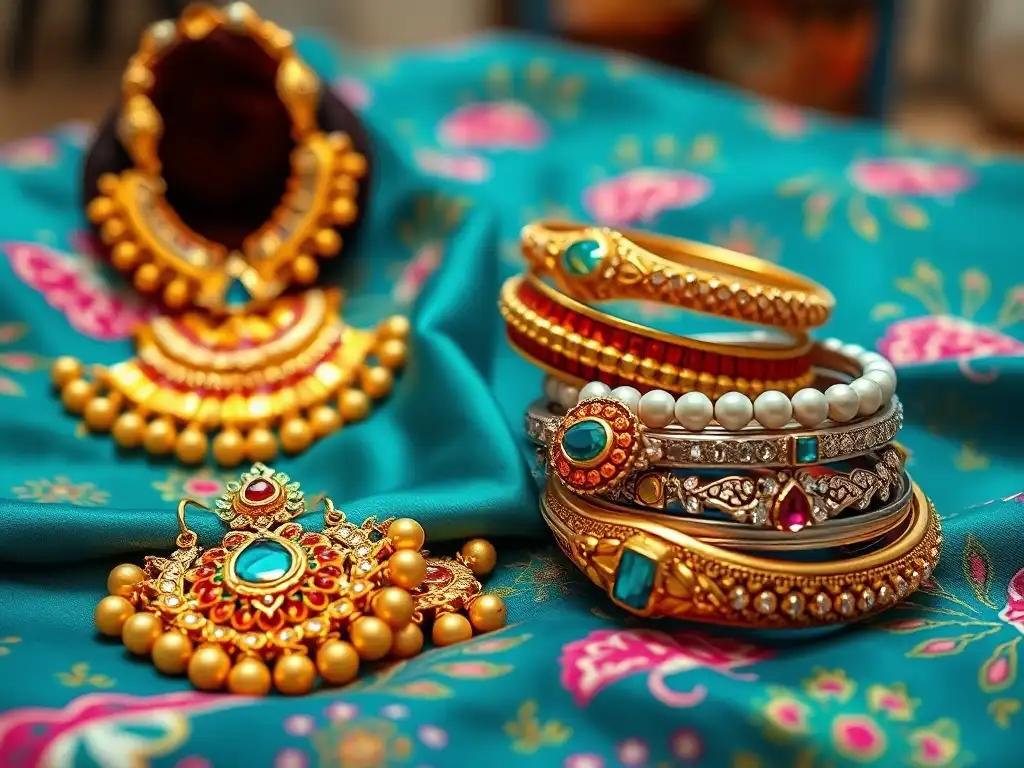
Welcome to Ancient India History, where we embark on an enchanting journey through the vibrant tapestry of ancient Indian civilizations. Here, we delve into the rich cultures and timeless contributions that have shaped history from the Indus Valley to the Gupta Empire. In our featured article, "How to Choose the Right Indian Jewelry for Your Personal Style: A Comprehensive Guide," we unveil the intricate jewelry styles that reflect the artistry and heritage of India.
Prepare to be captivated as we explore how these stunning adornments not only enhance beauty but also tell stories of tradition and identity. Join us as we uncover the secrets behind choosing the perfect piece that resonates with your personal style!
- Introduction to Indian Jewelry Styles Guide
- Key Factors in Selecting Indian Jewelry
- Popular Indian Jewelry Styles Explained
- How to Match Indian Jewelry with Your Wardrobe
- Budgeting for Indian Jewelry
- Caring for Your Indian Jewelry
- Conclusion: Choosing the Right Indian Jewelry for You
-
Frequently Asked Questions
- What are the main types of Indian jewelry styles?
- How can I determine the best jewelry style for my personal taste?
- What materials are commonly used in Indian jewelry?
- Are there specific occasions for which certain jewelry styles are preferred?
- How can I care for my Indian jewelry to ensure its longevity?
- Final Reflection: Embracing Individuality Through Indian Jewelry
- Embrace Your Unique Style with Indian Jewelry!
Introduction to Indian Jewelry Styles Guide
Indian jewelry is not merely an accessory; it is a profound expression of culture, identity, and artistry that has evolved over thousands of years. From the intricate designs of the Indus Valley Civilization to the opulent styles of the Mughal era, Indian jewelry reflects the diverse histories and traditions of its people.
This comprehensive guide aims to navigate you through the myriad styles of Indian jewelry, helping you select pieces that resonate with your personal style while honoring the rich heritage behind them. Whether you're drawn to traditional gold ornaments, the vibrant hues of enamel work, or the delicate craftsmanship of contemporary designs, understanding the various Indian jewelry styles will empower you to make informed choices that complement your unique aesthetic.
Understanding the Rich History of Indian Jewelry
The history of Indian jewelry is a fascinating tapestry woven with stories of art, culture, and spirituality. Jewelry in ancient India served not only as adornment but also as a symbol of status, wealth, and social identity. Each region of India boasts its distinct styles, materials, and techniques, which have been passed down through generations.
- Indus Valley Civilization (3300–1300 BCE): The earliest evidence of jewelry crafting can be traced back to the Indus Valley, where artisans created intricate ornaments using gold, silver, and semi-precious stones. Beads and amulets were prevalent, often believed to possess protective qualities.
- Maurya and Gupta Empires (322 BCE – 550 CE): During this period, jewelry became more elaborate, reflecting the wealth of the royal courts. Gold became the preferred metal, and the use of gemstones such as diamonds and emeralds became prominent.
- Mughal Era (1526–1857 CE): The Mughal emperors significantly influenced Indian jewelry, introducing elaborate designs embellished with precious stones and intricate craftsmanship. The famous "jadau" and "meena" techniques emerged during this time, combining gold with colorful enamel work.
- Regional Styles: Each state in India boasts its own unique jewelry style, such as the Kundan of Rajasthan, the Temple jewelry of South India, and the traditional Bangles of Maharashtra, reflecting the local culture and traditions.
Importance of Personal Style in Choosing Jewelry
Selecting the right Indian jewelry involves more than just aesthetic appeal; it’s about finding pieces that resonate with your personal style and story. Here are some aspects to consider:
- Understanding Your Aesthetic:
- Traditional vs. Contemporary: Do you prefer timeless pieces that echo ancient traditions, or are you drawn to modern interpretations of Indian jewelry?
- Color Palette: Consider the colors that complement your wardrobe and skin tone. Indian jewelry often features vibrant hues, so choose pieces that harmonize with your style.
- Occasion and Versatility:
- Think about the settings in which you plan to wear the jewelry. Formal events may call for more intricate designs, while everyday wear might benefit from simpler, more versatile pieces.
- Comfort and Wearability:
- Ensure that the jewelry fits comfortably and suits your lifestyle. Heavier pieces may be stunning but can be cumbersome for daily wear.
By understanding the rich history of Indian jewelry and reflecting on your personal style, you can curate a collection that not only enhances your appearance but also tells your unique story.
Key Factors in Selecting Indian Jewelry
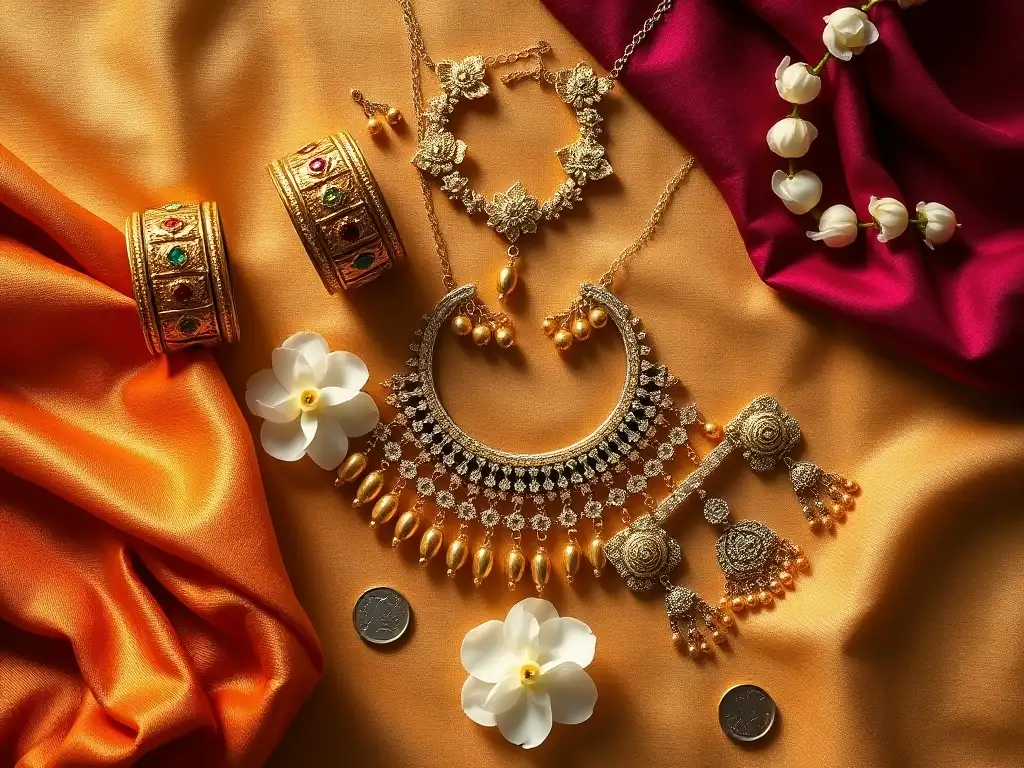
When selecting Indian jewelry, it is essential to consider several key factors that will not only enhance your personal style but also ensure that your choices resonate with your cultural appreciation and values. This guide will help you navigate through the intricacies of Indian jewelry, allowing you to make informed decisions that reflect your individuality.
Recognizing Your Personal Style
Understanding your personal style is the cornerstone of selecting the right Indian jewelry. Here are some aspects to consider:
Traditional vs. Contemporary Indian Jewelry
- Traditional Jewelry: This style often features intricate designs, heavy craftsmanship, and cultural significance. Pieces like jhumkas (earrings), chokers, and kadas (bangles) are exemplary of traditional aesthetics. They may be adorned with intricate motifs, traditional Indian gemstones, and religious symbols.
- Contemporary Jewelry: A modern twist on classic designs, contemporary Indian jewelry often combines traditional elements with modern materials and minimalist aesthetics. Look for sleek lines, innovative use of space, and unusual combinations of materials. This style is ideal for those who prefer a more understated yet elegant look.
Visualizing Your Preferences:
- Create a Mood Board: Compile images of jewelry pieces that resonate with you, categorizing them into traditional and contemporary styles.
- Try on Various Pieces: Visit local boutiques or exhibitions to see what styles feel comfortable and visually appealing.
Identifying Cultural Influences in Your Style
The rich tapestry of India's cultural heritage often reflects in its jewelry. Understanding these influences can help in selecting pieces that align with your background or interests:
- Regional Variations: Different regions of India have unique styles, such as Kundan from Rajasthan, Temple jewelry from South India, or Meenakari from Gujarat. Explore these regional styles to find what resonates with you.
- Symbolic Meanings: Many jewelry pieces carry specific cultural meanings or are worn during particular ceremonies. For instance, certain motifs may symbolize prosperity, protection, or love.
Understanding Different Indian Jewelry Materials
The materials used in Indian jewelry greatly influence its beauty, durability, and cultural significance. Being informed about these materials can enhance your selection process.
Gold, Silver, and Gemstone Significance
- Gold: Considered a symbol of wealth and prosperity, gold jewelry is prevalent in Indian culture. Its versatility allows it to be used in both traditional and modern designs. Various purity levels (18k, 22k, etc.) can affect the quality and price.
- Silver: Often used in tribal and contemporary pieces, silver jewelry has a rustic charm. It is less expensive than gold, making it a great choice for everyday wear. Silver jewelry can also be found in oxidized forms, adding to its unique aesthetic.
- Gemstones: Precious and semi-precious stones like diamonds, rubies, emeralds, and sapphires are often incorporated into jewelry designs. Each gemstone carries its own significance and healing properties, making your choice even more personal.
| Material | Pros | Cons |
|---|---|---|
| Gold | Durable, timeless | Expensive |
| Silver | Affordable, versatile | Tarnishes over time |
| Gemstones | Unique colors and meanings | Fragile, may require care |
Ethical Sourcing of Materials
In today's market, the ethical sourcing of materials has become a vital consideration. Here are some points to keep in mind:
- Conflict-Free Gemstones: Ensure that the gemstones you purchase are ethically sourced and conflict-free. Look for certifications or inquire about the sourcing practices of the jeweler.
- Sustainable Practices: Choose jewelers who prioritize sustainable practices in their production processes. This may include using recycled metals or supporting local artisans.
- Transparency: A reputable jeweler should be willing to share information about the origin of their materials and the methods used in crafting their jewelry.
By carefully considering these factors, you will be able to select Indian jewelry that not only complements your personal style but also aligns with your values and cultural appreciation.
Popular Indian Jewelry Styles Explained
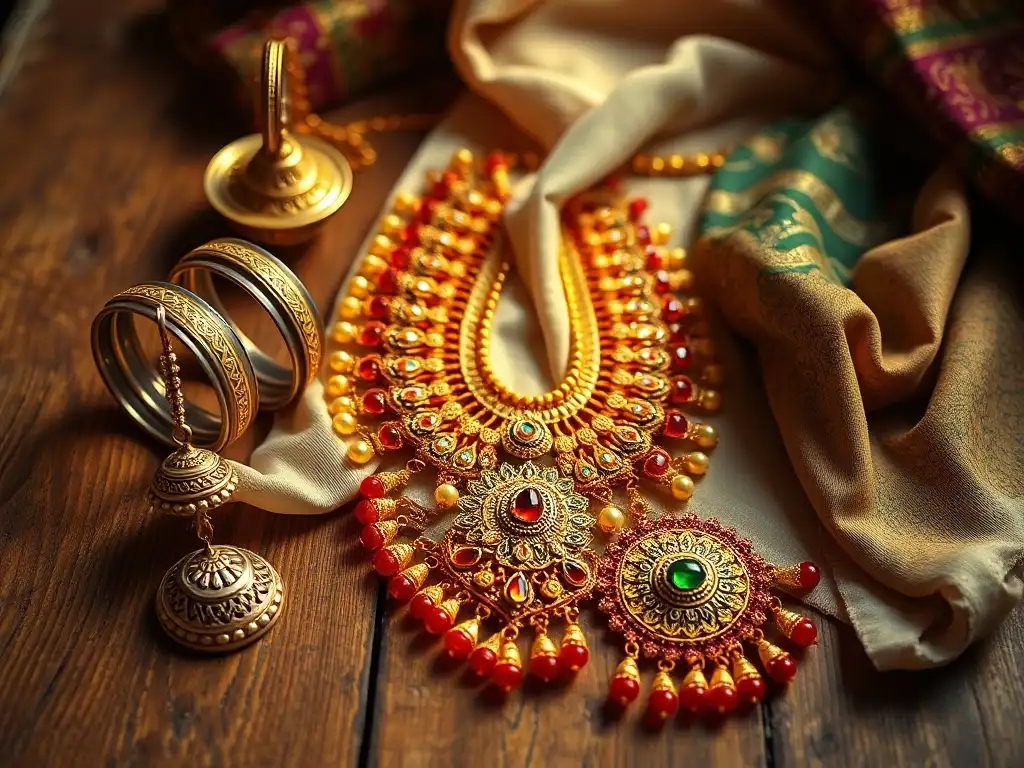
Traditional Indian Jewelry Styles
Indian jewelry is a vibrant expression of the country's rich cultural heritage. Traditional Indian jewelry styles are characterized by intricate craftsmanship, unique designs, and the use of various materials such as gold, silver, gemstones, and enamel. These styles not only reflect the artistry of the artisans but also signify the history and traditions of the regions they originate from. Below are some of the most prominent traditional Indian jewelry styles.
Kundan Jewelry: The Royal Craft
Kundan jewelry is a traditional form of Indian jewelry that traces its roots back to the royal courts of Rajasthan and Gujarat. This exquisite style is known for its elaborate and intricate designs, featuring gemstones set in gold foil. Kundan pieces often include:
- Heavy Necklaces: Typically adorned with large gemstones and intricate designs.
- Earrings: Featuring elaborate motifs and often dangly designs.
- Bangles and Bracelets: Often worn in stacks to create a bold statement.
The craftsmanship involved in Kundan jewelry is labor-intensive, requiring skilled artisans to meticulously set each gemstone in place. The result is a stunning piece that often takes weeks, if not months, to complete.
Meenakari: Colorful Enamel Work
Meenakari is another captivating traditional jewelry style that features vibrant enamel work. Originating from the Mughal era, Meenakari involves the art of coloring and ornamenting metal surfaces by fusing brilliant colors into intricate designs. Common characteristics include:
- Colorful Patterns: Often inspired by nature, including floral and geometric motifs.
- Gold and Silver Base: Meenakari jewelry is typically crafted on a base of gold or silver to enhance the colors.
- Versatile Jewelry Types: Available in rings, earrings, necklaces, and even decorative pieces.
This style is not only visually appealing but also carries cultural significance, often passed down through generations as heirloom pieces.
Contemporary Indian Jewelry Styles
While traditional Indian jewelry styles remain popular, contemporary Indian jewelry has emerged to meet modern fashion trends. These styles often blend traditional elements with modern aesthetics, catering to a diverse audience.
Fusion Jewelry: Blending Modern with Tradition
Fusion jewelry is a contemporary style that marries traditional Indian designs with modern elements. This innovative approach has given rise to unique pieces that appeal to a younger generation. Key features include:
- Mixed Materials: Incorporating unconventional materials such as fabric, leather, and even plastic alongside traditional metals and stones.
- Eclectic Designs: Combining various cultural influences, resulting in innovative and avant-garde pieces.
- Wearability: Designed for everyday wear, making them suitable for casual as well as formal occasions.
Fusion jewelry not only showcases creativity but also reflects the evolving identity of modern Indian women who appreciate both tradition and contemporary trends.
Minimalist Indian Jewelry Trends
Minimalism has gained significant traction in recent years, influencing the world of Indian jewelry as well. This trend emphasizes simplicity and subtlety, focusing on elegant designs that make a statement without overwhelming the wearer. Characteristics include:
- Delicate Pieces: Lightweight and understated designs that are easy to wear.
- Geometric Shapes: Incorporating clean lines and shapes to create a modern look.
- Versatile Usage: Perfect for layering or wearing alone, suitable for various occasions.
Minimalist Indian jewelry allows individuals to express their personal style without the need for elaborate adornments, making it a favored choice among many.
Whether you gravitate towards the regal intricacies of traditional styles or the innovative spirit of contemporary designs, understanding these diverse Indian jewelry styles can help you make informed choices that resonate with your personal style and aesthetic preferences.
How to Match Indian Jewelry with Your Wardrobe
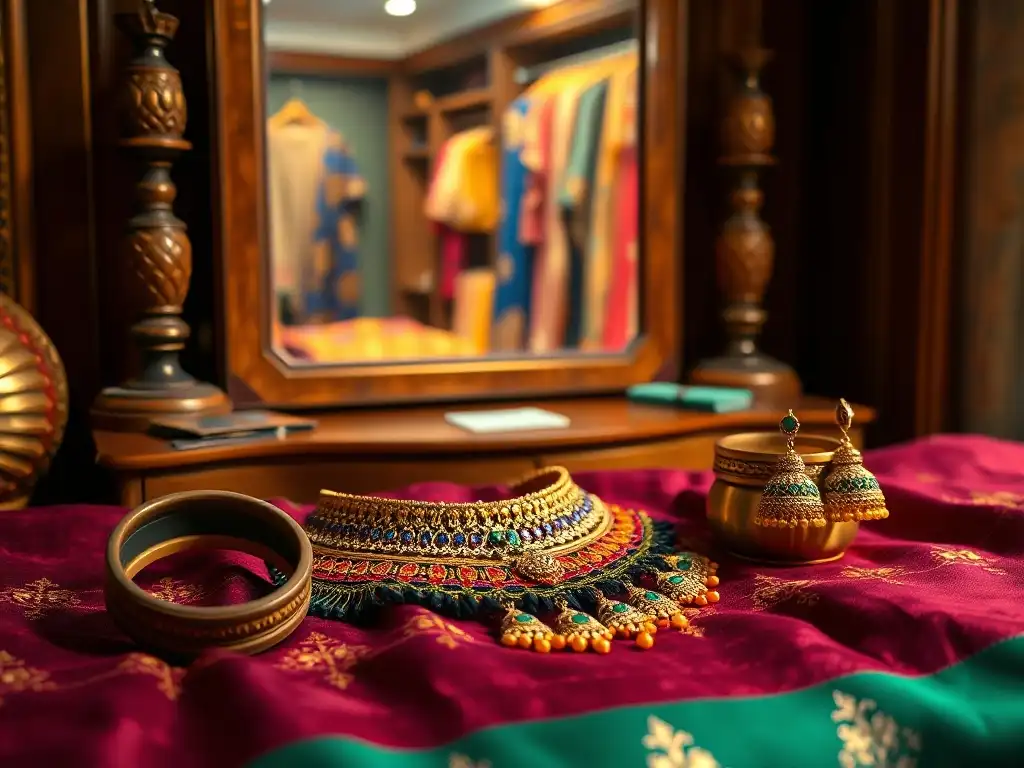
Finding the perfect Indian jewelry to complement your personal style can elevate any outfit, whether it’s traditional or modern. This guide provides insights into expertly pairing Indian jewelry with your wardrobe, ensuring you make a statement no matter the occasion.
Pairing Jewelry with Traditional Attire
When it comes to traditional Indian outfits, the right jewelry can enhance your overall look, creating a harmonious blend of elegance and cultural significance.
Best Jewelry for Sarees and Lehengas
- Sarees: For sarees, opt for statement pieces that draw attention without overwhelming the outfit. Here are some ideal jewelry choices:
- Necklaces: Choker necklaces adorned with intricate designs or heavy gold pieces can enhance the neckline of the saree. Consider a Kundan necklace or a pearl strand for a classic touch.
- Earrings: Long, dangling earrings, such as jhumkas or chaandbalis, work beautifully with sarees, adding a touch of glamour.
- Bangles: Stacking colorful bangles or wearing a traditional kangan adds a rhythmic elegance to your overall look.
- Lehengas: With lehengas, you can afford to go bold and extravagant. Here are some suggestions:
- Statement Necklaces: A heavy Rani Haar or layered necklaces can complement the detailed work of a lehenga.
- Maang Tikka: This forehead ornament can add a regal touch, especially if your lehenga has a deep neckline.
- Anklets: Don’t forget to adorn your feet with payals or anklets, as they can bring a delightful charm when they catch the light as you move.
Accessorizing Modern Outfits with Indian Jewelry
While Indian jewelry is often associated with traditional attire, it can also be stunning when paired with contemporary outfits. Understanding how to blend these styles can lead to unique and fashionable looks.
Tips for Combining Western and Indian Styles
- Mixing Textures and Materials:
- Combine Indian silver jewelry with casual denim outfits for a chic look. For example, wear oxidized silver earrings with a simple white tee and jeans for a balanced appearance.
- Use beaded necklaces or statement rings to add color and depth to a monochrome dress.
- Layering Techniques:
- Layering is a great way to create depth. Pair a long necklace with a simple blouse and let it drape over a blazer for a sophisticated edge.
- Experiment with stacking different bangles or rings, blending traditional designs with modern elements, such as wearing a gold bangle set with a leather jacket.
- Color Coordination:
- Choose jewelry pieces that echo the colors in your outfit. For instance, if wearing a blue dress, opt for lapis lazuli or turquoise jewelry to create a cohesive look.
- Use jewelry to introduce a pop of color. If your outfit is neutral, bold pieces like a bright red necklace or green earrings can create a striking contrast.
By following these guidelines, you can seamlessly integrate Indian jewelry into your wardrobe, enhancing both traditional and modern ensembles. Embrace the art of accessorizing, and let your personal style shine through the beauty of Indian jewelry.
Budgeting for Indian Jewelry
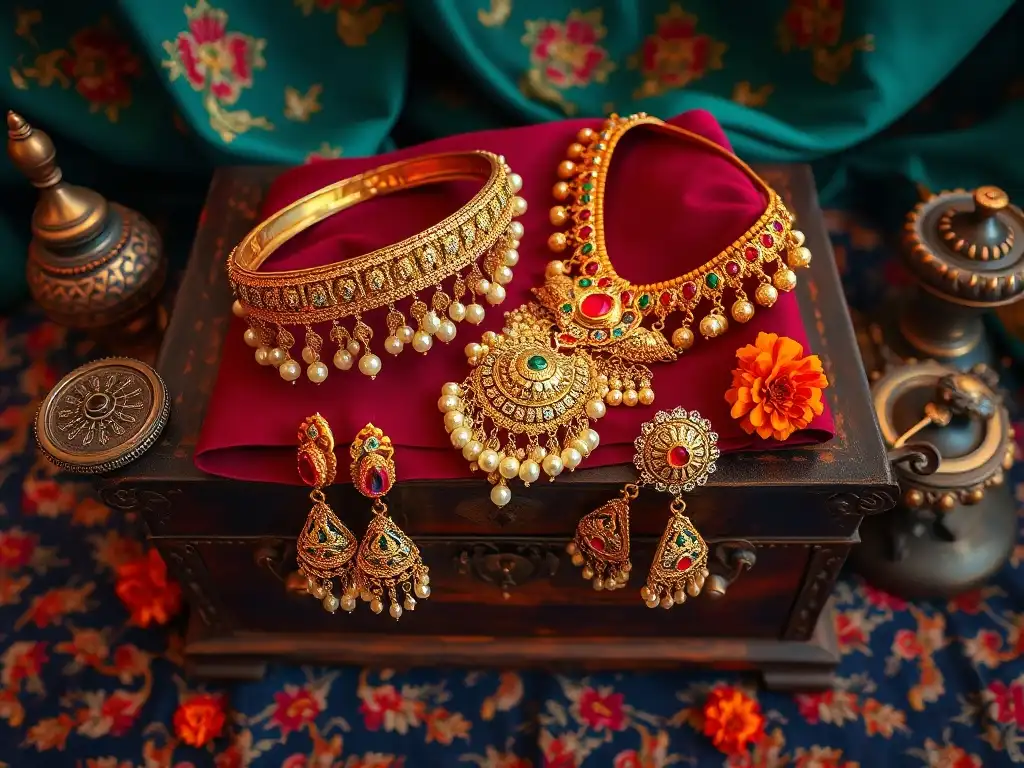
When it comes to purchasing Indian jewelry, budgeting is a crucial step that guides your choices and ensures you find pieces that resonate with your style without straining your finances. Understanding the various factors that influence pricing is essential for making informed decisions. This section will delve into the aspects of budgeting for Indian jewelry, including pricing factors and affordable options.
Understanding Pricing Factors in Indian Jewelry
Indian jewelry is known for its intricate designs and cultural significance, and various factors contribute to its pricing. Here’s a closer look at these key factors:
Material Quality and Craftsmanship Costs
- Materials Used: The type of materials greatly influences the price of Indian jewelry. Common materials include:
- Gold and Silver: The karat (purity) of gold or the quality of silver used can significantly affect costs. Higher karats or sterling silver typically come at a premium.
- Gemstones: Precious stones like diamonds, emeralds, and rubies are more expensive than semi-precious stones like amethyst or topaz. The rarity, clarity, and cut of the gemstones also play a role.
- Beads and Other Elements: Materials like pearls, glass, and wood can vary widely in price, impacting the overall cost depending on their quality and sourcing.
- Craftsmanship: The skill and time invested in creating jewelry pieces are reflected in their pricing:
- Handcrafted vs. Machine-Made: Handcrafted jewelry often commands higher prices due to the labor-intensive processes involved. It showcases unique artistry and traditional techniques.
- Design Complexity: More intricate designs require more time and craftsmanship, which can lead to higher costs.
- Brand and Designer Influence: Established brands or renowned designers may charge a premium for their pieces due to their reputation and the exclusivity of their designs.
- Cultural Significance: Certain pieces, especially those tied to specific cultural or religious practices, might carry additional value, reflecting their importance in Indian traditions.
Affordable Options for Authentic Indian Jewelry
Finding authentic Indian jewelry doesn't have to break the bank. Here are some strategies for exploring affordable options:
- Look for Contemporary Designs: Modern interpretations of traditional Indian jewelry often use less expensive materials while retaining cultural motifs. This can include:
- Minimalist designs
- Fusion jewelry that combines Western styles with Indian elements
- Explore Local Markets: Visiting local markets in India or Indian artisan fairs can yield unique, budget-friendly finds. Handcrafted pieces from artisans are often less expensive than those found in high-end boutiques.
- Consider Vintage or Pre-Owned Jewelry: Websites and stores specializing in vintage or second-hand jewelry can offer high-quality pieces at reduced prices. Always check for authenticity and quality before purchasing.
- Craft Fairs and Exhibitions: Attend craft fairs and exhibitions where artisans showcase their work. You can often negotiate prices and find one-of-a-kind pieces.
Recommended Online Stores for Budget-Friendly Jewelry
For those who prefer the convenience of online shopping, several reputable sites offer authentic Indian jewelry at affordable prices:
| Store Name | Description | Price Range |
|---|---|---|
| Craftsvilla | A marketplace for handmade and ethnic jewelry. | $10 - $150 |
| Jaypore | Curated collections featuring traditional craftsmanship. | $15 - $200 |
| Amazon India | A wide variety of jewelry options, including budget finds. | $5 - $500 |
| Etsy | Unique artisan pieces, often handmade and customizable. | $10 - $300 |
| Tanishq | A well-known brand offering quality gold and diamond jewelry. | $50 - $1000+ |
By keeping these tips in mind and exploring various avenues, you can find beautiful pieces of Indian jewelry that fit your budget while allowing you to express your unique style.
Caring for Your Indian Jewelry
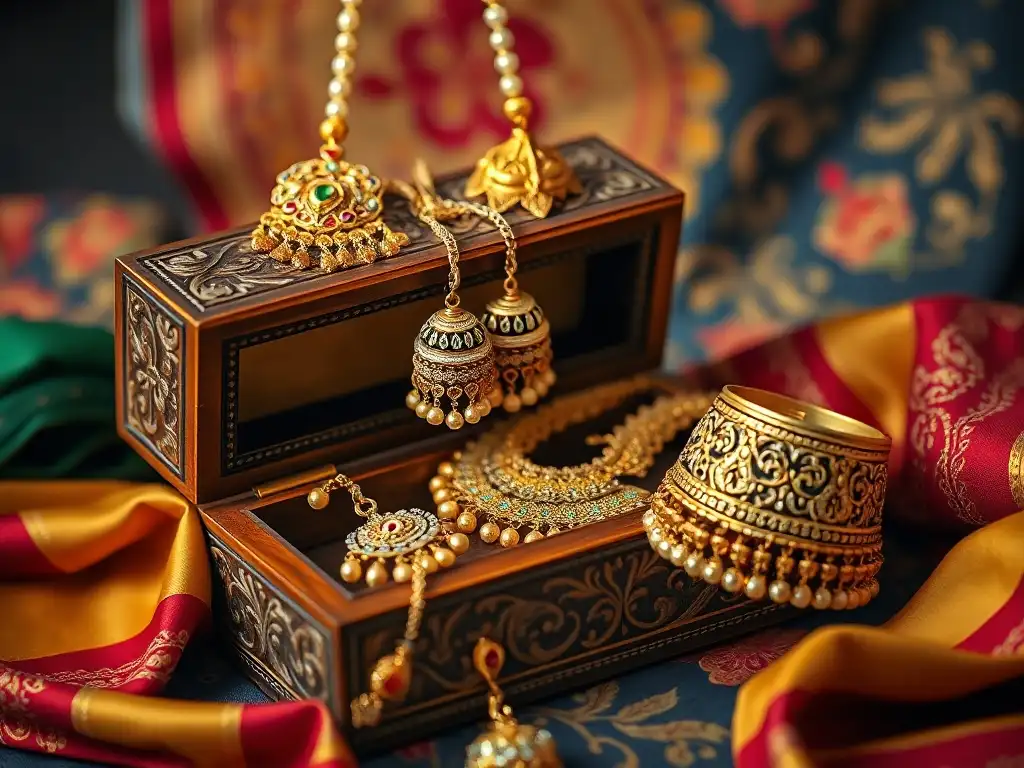
Caring for your Indian jewelry is essential to preserve its beauty and longevity. Indian jewelry, known for its intricate designs and cultural significance, requires specific care depending on the materials used. Below are some comprehensive maintenance tips that will help you keep your jewelry in pristine condition.
Maintenance Tips for Different Jewelry Types
Different types of Indian jewelry, such as gold, silver, and those adorned with gemstones, each have unique maintenance requirements. Here are some guidelines for caring for each type:
- Gold Jewelry
- Regular Cleaning: Use a soft cloth to wipe away dirt and oil after wearing. For deeper cleaning, a mild soap solution can be used.
- Avoid Chemicals: Keep gold jewelry away from harsh chemicals, including cleaning agents, perfumes, and lotions, as they can damage the finish.
- Silver Jewelry
- Prevent Tarnishing: Store silver in anti-tarnish pouches or cloths. Regularly polishing with a silver polish cloth can also help.
- Cleaning: Soak the jewelry in a mixture of warm water and mild soap, then gently scrub with a soft brush to remove tarnish.
- Gemstone Jewelry
- Specific Care: Different gemstones have various hardness levels and sensitivities. For example, pearls should be wiped with a damp cloth, while diamonds can be cleaned with a mild detergent.
- Avoid Extreme Temperatures: Gemstones can crack when exposed to sudden changes in temperature, so handle them with care.
Cleaning Techniques for Gold, Silver, and Gemstones
Each metal and gemstone requires specific cleaning techniques to maintain their luster and integrity.
- Gold Cleaning Techniques
- Soapy Water Method: Mix a few drops of mild dish soap with warm water. Soak the gold jewelry for 10-15 minutes, then gently brush with a soft toothbrush. Rinse and dry with a soft cloth.
<details>
  <summary>Detailed Steps for Cleaning Gold</summary>
  <ol>
    <li>Prepare a soapy mixture using warm water and mild soap.</li>
    <li>Soak the gold pieces for a short period.</li>
    <li>Gently scrub with a toothbrush.</li>
    <li>Rinse thoroughly and dry.</li>
  </ol>
</details>
- Soapy Water Method: Mix a few drops of mild dish soap with warm water. Soak the gold jewelry for 10-15 minutes, then gently brush with a soft toothbrush. Rinse and dry with a soft cloth.
- Silver Cleaning Techniques
- Baking Soda Paste: Create a paste using baking soda and water. Apply it to the silver jewelry using a soft cloth, then rinse and dry thoroughly.
- Gemstone Cleaning Techniques
- Specific Solutions: Use a gentle soap solution for most gemstones, but always check the specific cleaning requirements for harder stones like sapphires and softer stones like opals.
Storing Your Indian Jewelry Safely
Proper storage is crucial to prevent damage and maintain the beauty of your Indian jewelry. Here are some tips:
- Use Soft Pouches: Store each piece in a soft pouch or cloth to prevent scratching and tangling.
- Separate Storage: Avoid placing different types of jewelry together, as metals and stones can scratch each other. Consider using a jewelry box with compartments.
- Humidity Control: Keep your jewelry in a cool, dry place. Excess humidity can lead to tarnishing, especially in silver pieces.
- Regular Checks: Periodically inspect your jewelry for any signs of damage or wear, including loose stones or broken clasps, and address them promptly.
By following these care and maintenance tips, you can ensure that your Indian jewelry remains as stunning as the day you acquired it, allowing you to enjoy its beauty for years to come.
Conclusion: Choosing the Right Indian Jewelry for You
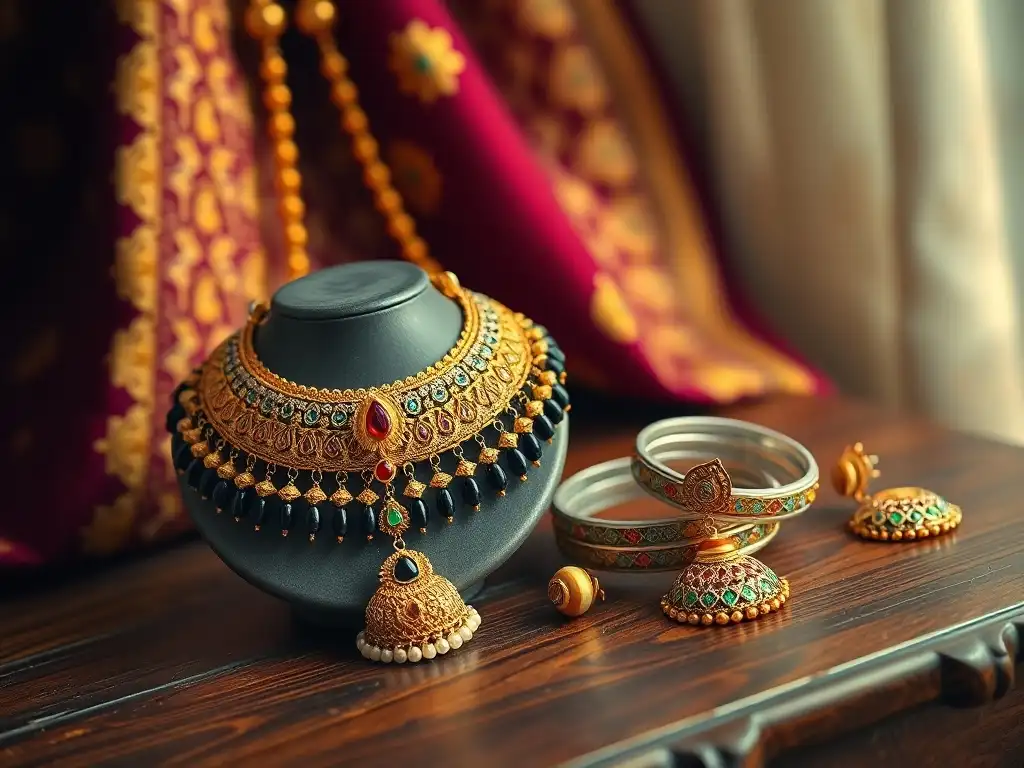
Choosing the right Indian jewelry can be a fulfilling journey into the rich craftsmanship and cultural significance that each piece embodies. By understanding the various styles and their historical contexts, you can make informed choices that resonate with your personal style and enhance your overall aesthetic. Whether you are drawn to the intricate details of Kundan, the vibrant hues of Meenakari, or the timeless elegance of antique gold jewelry, there is a wealth of options available that reflect the diversity of Indian heritage.
Recap of Key Points in the Indian Jewelry Styles Guide
As we wrap up this comprehensive guide, let’s recap some of the essential points regarding Indian jewelry styles:
- Diversity of Styles: Indian jewelry is classified into various styles such as Kundan, Polki, Meenakari, and Jadau, each with unique characteristics and historical significance.
- Cultural Significance: Jewelry in India is not merely an adornment; it carries cultural meanings, often symbolizing status, wealth, and tradition.
- Materials and Craftsmanship: Authentic Indian jewelry is often handmade, utilizing materials like gold, silver, gemstones, and intricate techniques that reflect centuries of artistry.
- Occasion Appropriateness: Different styles cater to various occasions, from everyday wear to weddings and festivals, influencing your selection process.
- Personal Style Alignment: When choosing jewelry, consider how each piece aligns with your personal style, wardrobe, and the statements you wish to convey.
This guide serves as a foundational resource, equipping you with the knowledge to appreciate and select jewelry that resonates with both your aesthetic and the rich traditions of Indian craftsmanship.
Encouragement to Explore and Embrace Indian Jewelry
Embracing Indian jewelry is more than just a fashion choice; it is an invitation to connect with a vibrant culture that spans millennia. Each piece tells a story, reflecting the artistry and traditions of the artisans who create them.
- Experiment with Styles: Don’t hesitate to mix and match different styles. Combining traditional pieces with modern attire can create a unique look that showcases your individuality.
- Attend Cultural Events: Participate in cultural festivals or exhibitions where you can see authentic Indian jewelry up close, providing an opportunity to learn more about their histories and craftsmanship.
- Support Artisans: By purchasing authentic Indian jewelry, you support local artisans and help sustain traditional craftsmanship, ensuring that these practices are passed down through generations.
The world of Indian jewelry is as rich and diverse as the cultures it represents. Explore, experiment, and find pieces that not only enhance your personal style but also connect you to a shared heritage. Celebrate the beauty of Indian jewelry, and let it inspire you as you curate your own collection.
Frequently Asked Questions
What are the main types of Indian jewelry styles?
Indian jewelry styles include traditional, contemporary, and ethnic designs. Each style showcases unique craftsmanship and materials, reflecting India's rich cultural heritage.
How can I determine the best jewelry style for my personal taste?
To find the right jewelry style, consider your wardrobe, occasion, and personal preferences. Experiment with different styles to see which aligns with your aesthetic.
What materials are commonly used in Indian jewelry?
Common materials include gold, silver, precious gemstones, and semi-precious stones. Each material adds a unique touch and significance to the jewelry piece.
Are there specific occasions for which certain jewelry styles are preferred?
Yes, certain jewelry styles are preferred for occasions such as weddings, festivals, and casual outings. Traditional styles are often favored for formal events, while contemporary designs suit everyday wear.
How can I care for my Indian jewelry to ensure its longevity?
To ensure longevity, keep your jewelry clean and store it in a dry place. Avoid exposure to chemicals and wear it with care to maintain its shine and integrity.
Final Reflection: Embracing Individuality Through Indian Jewelry
In a world where personal expression is paramount, understanding how to choose the right Indian jewelry for your personal style is more relevant than ever. The intricate designs and rich cultural heritage of Indian jewelry not only enhance our appearance but also tell a story about who we are. As we navigate through diverse fashion landscapes, the ability to select pieces that resonate with our identity becomes a powerful tool for self-expression.
The influence of Indian jewelry extends far beyond mere aesthetics; it shapes cultural narratives and fosters connections across generations. From traditional ceremonies to modern-day celebrations, these adornments serve as a bridge between the past and the present, allowing us to honor our roots while embracing contemporary styles. As Mahatma Gandhi once said, “A nation's culture resides in the hearts and in the soul of its people.” > This sentiment rings true as we recognize the importance of jewelry not just as an accessory, but as a vital part of our cultural fabric.
As you reflect on the insights shared in this guide, I encourage you to explore the vast array of Indian jewelry styles and find pieces that resonate with your unique personality. Consider this an invitation to celebrate your individuality and let your jewelry choices reflect your journey. Whether you are drawn to the elegance of Kundan, the boldness of tribal designs, or the simplicity of contemporary styles, remember that each piece you choose is a testament to your personal story. Embrace the beauty of Indian jewelry, and allow it to illuminate your path forward.
Embrace Your Unique Style with Indian Jewelry!
Thank you for diving into our comprehensive guide on choosing the right Indian jewelry for your personal style! We hope you discovered inspiring insights that will help you confidently express yourself through beautiful adornments. Now, let’s transform that knowledge into action!
Here’s how you can elevate your jewelry game today:
- Explore local markets or online boutiques to find pieces that resonate with your individuality. Don't hesitate to try something bold!
- Share your favorite finds with friends or on social media to inspire others to embrace the beauty of Indian jewelry.
- Join a community group dedicated to jewelry enthusiasts, where you can broaden your knowledge and discover new trends.
What’s the first piece of Indian jewelry you’re excited to add to your collection? We’d love to hear about it in the comments below!