
Beyond Borders: The Cultural Exchanges During Chandragupta's Reign

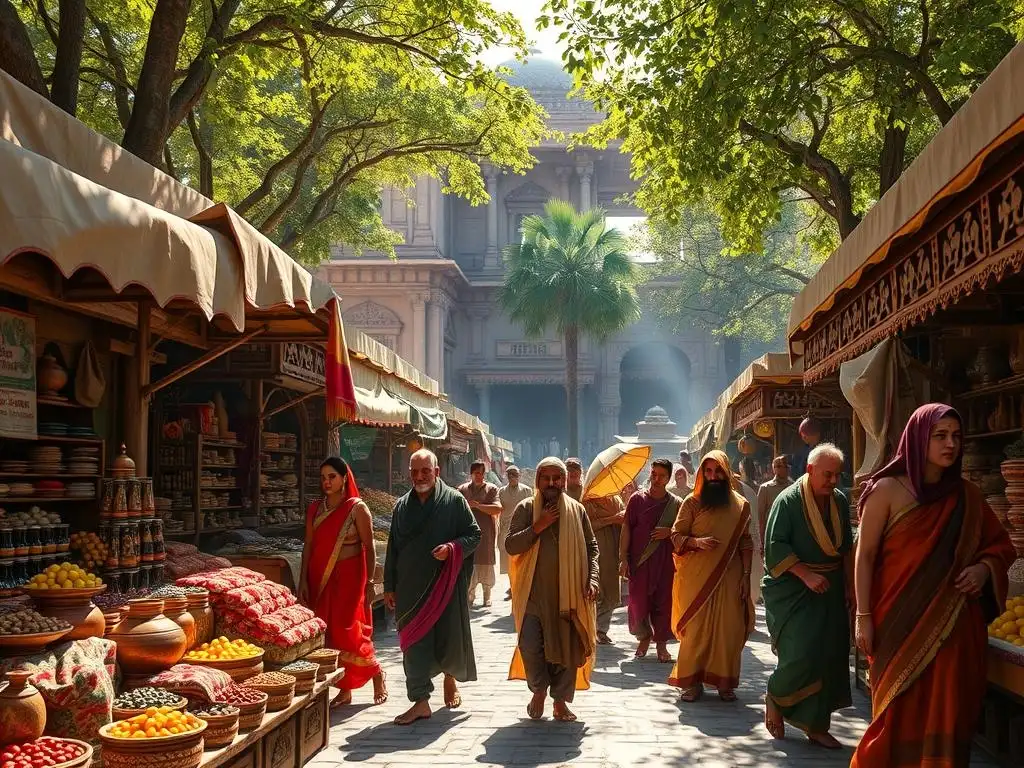
Welcome to Ancient India History, where we embark on a fascinating journey through the vibrant tapestry of India's past. In this exploration, we delve into the intricate cultural exchanges in ancient India, revealing how these interactions shaped civilizations and fostered innovation. Our featured article, "Beyond Borders: The Cultural Exchanges During Chandragupta's Reign," invites you to uncover the dynamic relationships that transcended boundaries and enriched the cultural landscape of the time.
Prepare to be captivated by the stories of influence, transformation, and the enduring legacy of one of history's pivotal figures. Join us as we unravel the threads of history and ignite your curiosity for the wonders that lie ahead!
The reign of Chandragupta Maurya, the founder of the Maurya Empire in ancient India, marks a pivotal era characterized not only by political consolidation but also by significant cultural exchanges that transcended borders. This period, which flourished in the 4th century BCE, witnessed the emergence of a vibrant society where trade routes, diplomatic relations, and shared philosophies fostered interactions between diverse cultures.
The Maurya Empire's strategic location facilitated these exchanges, making ancient India a melting pot of ideas, beliefs, and customs from regions as far as Greece, Persia, and Central Asia. Understanding the cultural exchanges during Chandragupta's reign is essential for appreciating the intricate tapestry of ancient Indian civilization and its impactful legacy on the world stage.
The significance of these exchanges lies not only in the transmission of goods but also in the diffusion of knowledge, art, and religion. Through trade and diplomacy, the Maurya Empire became a conduit for various cultural influences that enriched Indian culture. This article delves into the various dimensions of these exchanges, exploring how they shaped the identity of ancient India and contributed to its historical narrative. As we embark on this exploration, we will uncover the dynamic interactions that defined Chandragupta's reign and their lasting impacts on subsequent generations.
- Introduction to Cultural Exchanges in Ancient India
- The Context of Chandragupta's Reign
- Key Cultural Exchanges During Chandragupta's Rule
- Contributions of Cultural Exchanges to Ancient Indian Society
- The Role of Diplomacy in Cultural Exchanges
- Case Studies of Cultural Exchanges
- Challenges and Conflicts in Cultural Exchanges
- Conclusion: The Legacy of Cultural Exchanges in Ancient India
- Further Reading on Cultural Exchanges in Ancient India
-
Frequently Asked Questions
- What were the key cultural exchanges during Chandragupta's reign?
- How did trade routes influence cultural exchanges in ancient India?
- What role did Mauryan diplomacy play in cultural interactions?
- How did religion contribute to cultural exchanges in ancient India?
- What are some notable artistic influences from cultural exchanges in this period?
- Final Reflection: Embracing the Legacy of Cultural Exchanges
- Embrace the Legacy of Cultural Exchange!
Introduction to Cultural Exchanges in Ancient India
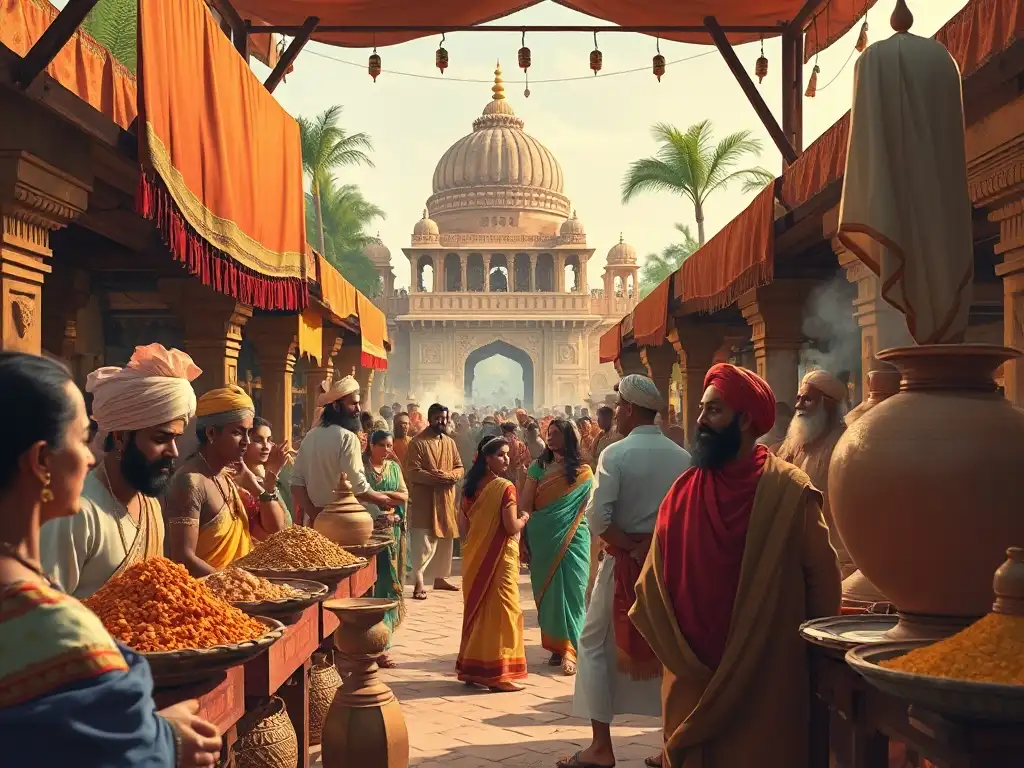
Cultural exchanges in ancient India played a pivotal role in shaping the civilization's rich tapestry, characterized by interactions with neighboring regions and diverse communities. These exchanges encompassed various aspects, including trade, religion, art, and technology, facilitating the transfer of ideas and practices that enriched Indian society. During the reign of Chandragupta Maurya, the first emperor of the Maurya Dynasty, these cultural interactions intensified, marking a significant period in Indian history.
Overview of Chandragupta Maurya's Era
Chandragupta Maurya ascended to power around 322 BCE after overthrowing the Nanda Dynasty, establishing the Maurya Empire. His reign marked a transformative period characterized by political unification and military expansion, which laid the groundwork for vibrant cultural exchanges.
- Political Unification: The Maurya Empire unified a vast territory across the Indian subcontinent, from the Punjab region to the Deccan Plateau. This unification created a conducive environment for cultural interactions among diverse groups.
- Trade Networks: Under Chandragupta, trade flourished, especially with the Mediterranean world and regions beyond the Himalayas. The Silk Road and maritime trade routes facilitated the exchange of goods like spices, textiles, and precious stones, which in turn encouraged cultural interactions.
- Diplomatic Missions: Chandragupta also engaged in diplomatic relations with powerful kingdoms, such as the Hellenistic states. His alliance with Seleucus I Nicator of the Macedonian Empire exemplified this, leading to exchanges of knowledge and culture.
Thus, Chandragupta's era serves as a crucial point for understanding how cultural exchanges shaped ancient India, influencing everything from philosophy to culinary practices.
Importance of Cultural Exchanges in Ancient Civilizations
Cultural exchanges in ancient India, particularly during the reign of Chandragupta Maurya, were essential for several reasons:
-
Economic Growth: Enhanced trade routes significantly contributed to economic prosperity. The influx of goods and wealth allowed for the patronage of arts and sciences, fostering innovation.
Aspect Impact Trade Increased wealth and resource access Art and Architecture Flourishing of indigenous styles Science Exchange of knowledge and technology -
Religious Syncretism: Cultural exchanges facilitated the mingling of religious beliefs, leading to the spread of Jainism, Buddhism, and Hinduism. For example, the Mauryan Empire saw the spread of Buddhism beyond India, heavily influenced by interactions with Central Asian cultures.
-
Artistic Influences: The Mauryan period witnessed significant advancements in art and architecture, influenced by interactions with Hellenistic styles. This was evident in the construction of stupas and pillar edicts, which combined Indian and foreign artistic elements.
-
Language and Literature: The interactions among diverse linguistic groups during this period led to the development of regional languages and literature. Sanskrit flourished as a literary language, while local dialects absorbed influences from traders and neighboring cultures.
The cultural exchanges during the reign of Chandragupta Maurya were integral to the development of ancient Indian civilization, laying a foundation for future cultural and intellectual advancements. This era exemplifies how interconnectedness can lead to enriched societies, making Chandragupta's reign a significant case study in the broader narrative of cultural exchanges in ancient India.
The Context of Chandragupta's Reign
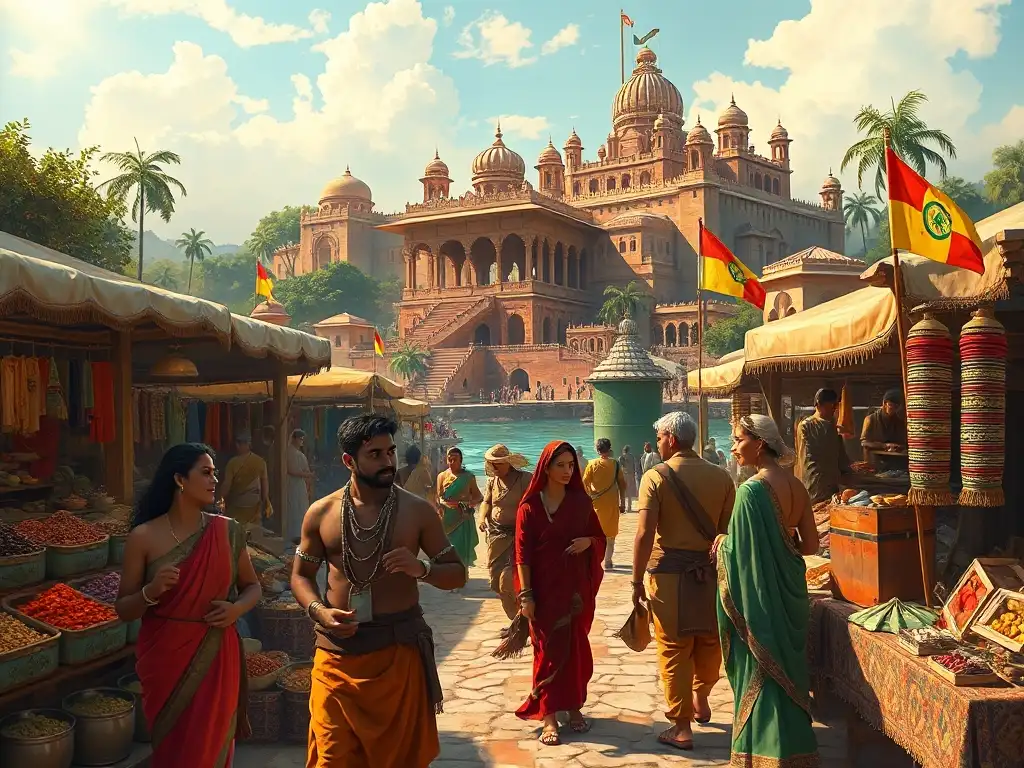
Chandragupta Maurya, the founder of the Maurya Empire, reigned during a pivotal period in ancient Indian history, approximately from 321 to 297 BCE. His ascendance marked a significant shift in the political landscape of India, unifying a fragmented subcontinent under a centralized authority. This unification not only facilitated political stability but also paved the way for extensive cultural exchanges that would shape the region for centuries to come.
His reign was characterized by the consolidation of power, strategic alliances, and military conquests that expanded the empire's boundaries. Chandragupta's interactions with contemporary kingdoms and cultures fostered a vibrant exchange of ideas, art, religion, and commerce. The Maurya Empire served as a melting pot of diverse cultural influences, drawing from both indigenous traditions and external interactions, including those with the Hellenistic world following Alexander the Great's incursions into the Indian subcontinent.
The Maurya Empire: A Historical Background
The Maurya Empire emerged in the context of the waning Nanda dynasty, with Chandragupta seizing control through a combination of military prowess and diplomatic strategies. Under his leadership, the empire expanded rapidly, encompassing a vast territory that included present-day India, Pakistan, and parts of Afghanistan. This vast expanse brought together various ethnic groups, languages, and religious beliefs, creating a rich tapestry of cultural dynamics.
Key developments during this period included:
- Centralized Administration: Chandragupta established a structured governance system, which included a bureaucracy that facilitated the administration of his vast empire. This structure allowed for the efficient management of resources and trade, encouraging economic prosperity.
- Trade Networks: The Maurya Empire was strategically located on important trade routes, enabling it to thrive economically. Trade not only brought wealth but also facilitated cultural exchanges with regions such as Persia, Greece, and Central Asia.
- Cultural Flourishing: The empire is noted for its advancements in various fields such as art, literature, and philosophy. The influence of both local traditions and foreign cultures resulted in a unique blend that enriched the artistic and intellectual landscape of ancient India.
Geographic and Cultural Diversity During Chandragupta's Time
The geographic expanse of the Maurya Empire meant that it encompassed a wide variety of cultures and communities. From the arid deserts of Rajasthan to the fertile plains of the Ganges, each region contributed its distinct cultural practices, languages, and traditions. This diversity was a fertile ground for cultural exchanges, which played a critical role in shaping the identity of the Maurya Empire.
- Ethnic and Linguistic Diversity: The empire was home to numerous ethnic groups, including Indo-Aryans, Dravidians, and various tribal communities. This diversity fostered a multilingual environment, where multiple languages coexisted, influencing literature and communication.
- Religious Interactions: The period saw significant religious diversity, with Hinduism, Jainism, and Buddhism coexisting alongside other belief systems. Chandragupta's conversion to Jainism later in his life exemplified the fluidity of religious identities and promoted dialogues across different faiths.
- Art and Architecture: The blending of different cultural elements is evident in the art and architecture of the time. The Mauryan period is known for the development of distinctive architectural styles, such as the Ashoka Pillars and intricate carvings that showcased both indigenous motifs and influences from Hellenistic art.
The reign of Chandragupta Maurya was not just a period of political consolidation but also a time of profound cultural exchanges that would leave a lasting legacy on the Indian subcontinent. These exchanges contributed significantly to the development of a rich cultural heritage that continues to be studied and appreciated today.
Key Cultural Exchanges During Chandragupta's Rule
Trade Routes and Their Impact on Cultural Exchange
During the reign of Chandragupta Maurya, the establishment and expansion of trade routes played a pivotal role in facilitating cultural exchanges in ancient India. The Mauryan Empire, which spanned a significant portion of the Indian subcontinent, benefited immensely from its strategic geographical position. This allowed for the convergence of various trade routes that connected India with regions such as Persia, Central Asia, and even beyond to the Mediterranean.
- Silk Road Connections:
- The Silk Road, a network of trade routes that linked the East and West, saw increased activity during Chandragupta's reign. Merchants traversed these routes, bringing not only goods but also ideas, technologies, and cultural practices.
- Notable exports included Indian textiles, spices, and precious stones, which attracted traders from distant lands.
- Maritime Trade:
- The Indian subcontinent's extensive coastline facilitated maritime trade with Southeast Asia and the Arabian Peninsula. Indian ships carried goods such as indigo and pearls, while returning with luxury items like silk and glassware.
- This exchange fostered cultural intermingling, leading to shared religious practices, art, and architectural influences across regions.
- Urban Centers as Cultural Melting Pots:
- Cities such as Pataliputra, the capital of the Maurya Empire, emerged as thriving commercial hubs where traders from various backgrounds congregated. This urbanization allowed for the mingling of diverse cultures and ideas.
- The cosmopolitan nature of these cities contributed to the spread of languages, philosophies, and artistic expressions, enriching the cultural fabric of ancient India.
Influences from Neighboring Civilizations
Chandragupta's reign was marked by significant influences from neighboring civilizations, which further accentuated the cultural exchanges in ancient India. The interactions with these cultures were not merely transactional but led to profound impacts on various aspects of Indian society.
- Persian Influence:
- The proximity to the Persian Empire resulted in the adoption of administrative practices and architectural styles. The use of a centralized bureaucracy and royal inscriptions was inspired by Persian governance.
- Additionally, art forms such as sculpture and frescoes reflected Persian motifs, blending them with indigenous styles to create a unique aesthetic.
- Hellenistic Influence:
- Following Alexander the Great's campaigns, Hellenistic culture began to seep into Indian society. The introduction of Greek art, philosophy, and political thought had a notable impact, particularly in the northwestern regions of India.
- The exchange of ideas led to the emergence of new philosophies and the adaptation of Greek artistic techniques in local art forms, as seen in the Gandhara school of sculpture.
- Cultural Syncretism:
- The fusion of various cultural elements resulted in a rich tapestry of traditions, beliefs, and practices. For example, the spread of Buddhism during Chandragupta's reign saw exchanges with local beliefs and practices, leading to the emergence of unique regional variations of the religion.
- This syncretism was evident in festivals, rituals, and even in the languages spoken, as local dialects absorbed words and phrases from various cultures.
The reign of Chandragupta Maurya was a period of significant cultural exchanges in ancient India, driven by trade routes and the influence of neighboring civilizations. These exchanges enriched Indian culture, leaving a lasting legacy on the subcontinent's history.
Contributions of Cultural Exchanges to Ancient Indian Society
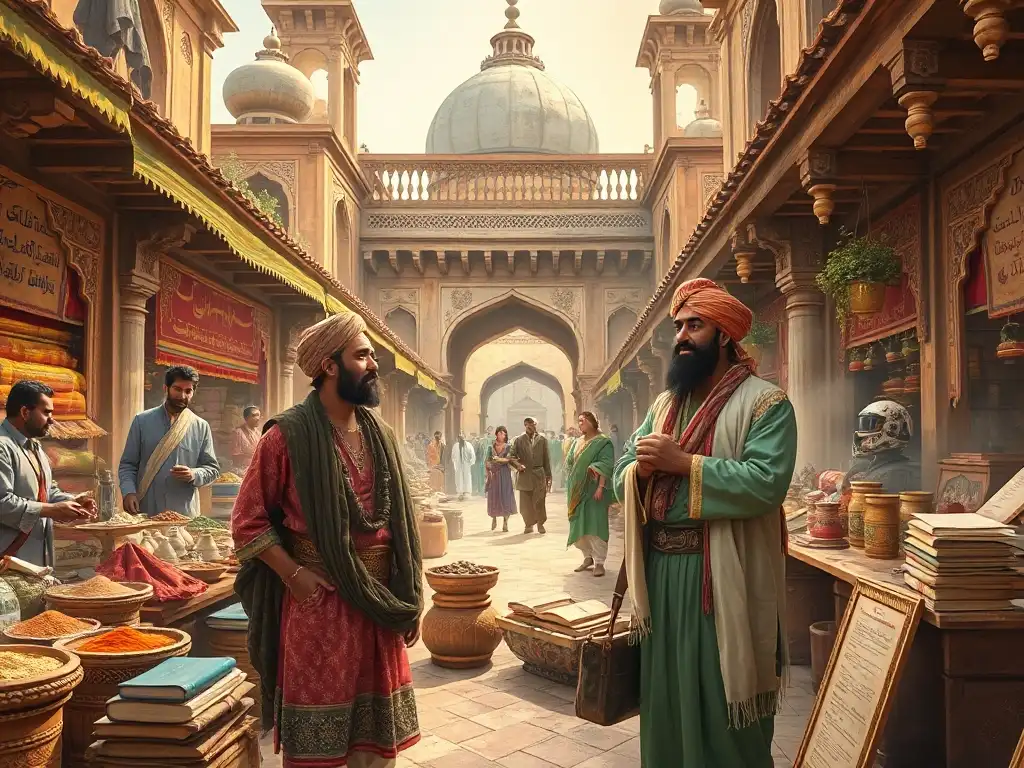
Cultural exchanges during the reign of Chandragupta Maurya were pivotal in shaping the social, religious, and artistic landscapes of ancient India. These exchanges facilitated a melting pot of ideas that contributed to the development of various aspects of society. The interactions with neighboring civilizations and trade routes enabled a flow of knowledge, beliefs, and artistic expressions that significantly enriched Indian culture.
The Spread of Religion and Philosophy
Buddhism and Jainism: Cross-Cultural Influences
The rise of Buddhism and Jainism during the Mauryan era is a prime example of cultural exchanges impacting religion and philosophy. Both religions emphasized non-violence, compassion, and spiritual liberation, reflecting a synthesis of indigenous beliefs and influences from other regions.
Buddhism, founded by Siddhartha Gautama (the Buddha), gained significant traction during Chandragupta's reign. His grandson, Ashoka, further promoted Buddhism through edicts and missions, leading to its spread beyond India into Central Asia and Southeast Asia. Jainism, with its roots in ancient Indian spiritual traditions, also flourished, emphasizing ascetic practices and ethical living.
These religions not only transformed local beliefs but also engaged with Greek philosophical ideas, particularly during the Hellenistic period, which introduced concepts of ethics and metaphysics that resonated with Indian thought. The dialogue between these diverse philosophical systems enriched the intellectual fabric of ancient Indian society.
The Role of Trade in Spreading Ideas
Trade routes, such as the Silk Road and maritime paths to the Mediterranean, served as conduits for cultural exchanges during Chandragupta's rule. Merchants and travelers facilitated the movement of ideas as they transported goods, leading to interactions between different cultures.
Key Contributions of Trade in Cultural Exchange:
- Knowledge Transfer: The exchange of texts and manuscripts introduced new scientific and mathematical concepts, including advancements in astronomy and medicine.
- Language and Literature: Merchants often spoke multiple languages, fostering the exchange of literary traditions and storytelling techniques.
- Culinary Influences: The introduction of new spices and cooking methods transformed Indian cuisine, integrating flavors from across the regions.
Through these interactions, trade became a catalyst for cultural enrichment, showcasing how economic activities can lead to profound social and intellectual developments.
Artistic and Architectural Influences
The Integration of Foreign Artistic Styles
The artistic landscape of ancient India underwent significant transformation during Chandragupta's reign due to cultural exchanges. The influx of Hellenistic and Persian influences led to the integration of foreign artistic styles into Indian art forms.
Examples of Artistic Integration:
- Sculpture: The introduction of realistic human forms and drapery techniques from Greek art can be seen in the sculpture of the Mauryan period, particularly in the depiction of figures in Buddhist art.
- Motifs and Symbolism: The use of floral and geometric patterns, borrowed from Persian art, enriched Indian decorative arts, evident in pottery and textiles.
These artistic integrations not only enhanced aesthetic appeal but also reflected a broader narrative of interconnectedness among ancient civilizations.
Architectural Innovations Inspired by Cultural Exchange
Cultural exchanges also played a critical role in architectural innovations during the Mauryan era. Influences from diverse cultures led to the emergence of new building techniques and styles.
Architectural Advancements:
- Stupas: The design and construction of stupas, particularly influenced by the architectural principles from the West, became prominent during this period, symbolizing Buddhist beliefs.
- Urban Planning: The Mauryan capital, Pataliputra, showcased sophisticated urban planning, influenced by ideas from Persian cities, including grid patterns and the use of fortified walls.
These architectural innovations not only served functional purposes but also became expressions of cultural identity, illustrating the dynamic interplay of ideas that characterized ancient India.
The cultural exchanges during Chandragupta Maurya's reign were instrumental in forging a rich and diverse tapestry of ideas, beliefs, and artistic expressions, leaving a lasting legacy on the history of ancient India.
The Role of Diplomacy in Cultural Exchanges
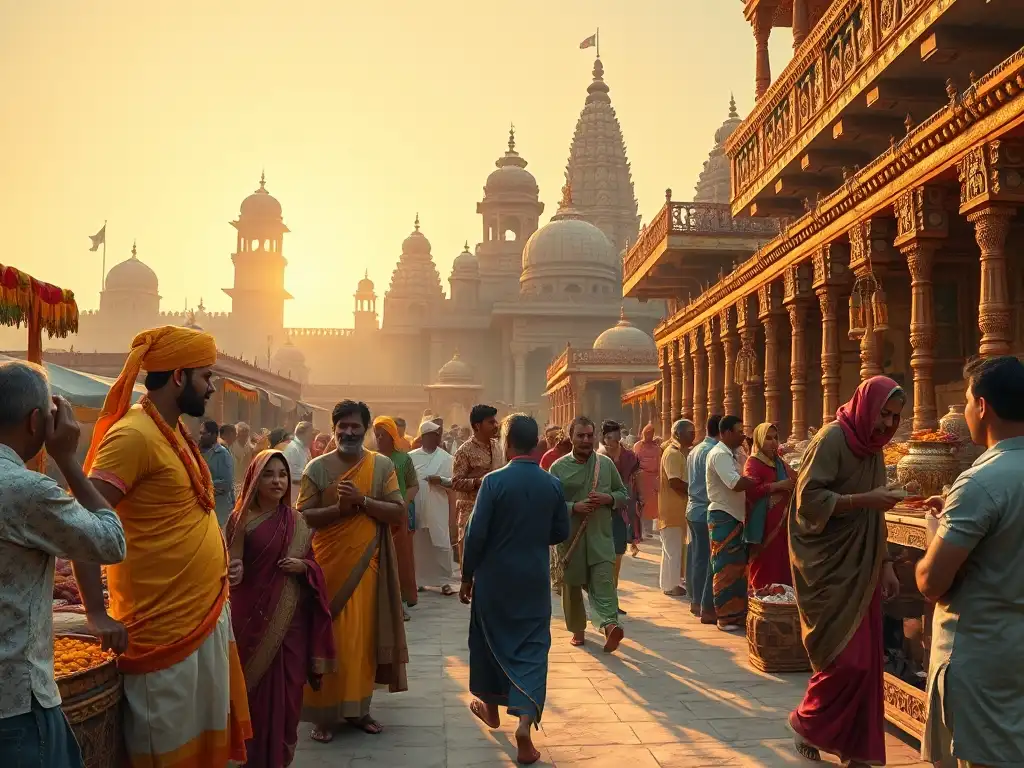
During the reign of Chandragupta Maurya, diplomacy played a crucial role in fostering cultural exchanges that significantly impacted ancient India. The Mauryan Empire, known for its vast territory and diverse population, utilized diplomatic channels to facilitate interactions with neighboring kingdoms and distant lands. These diplomatic relations not only helped to establish political alliances but also served as conduits for the exchange of ideas, art, and technology, enriching the cultural landscape of ancient India.
Chandragupta's Diplomatic Relations with Other Kingdoms
Chandragupta Maurya's diplomatic endeavors were characterized by strategic alliances and negotiations with various regional powers. One notable aspect of his diplomacy was his engagement with the Greek states following Alexander the Great's invasion of India. Chandragupta capitalized on the power vacuum left by Alexander's departure, forging alliances with local rulers and establishing a buffer against further invasions.
- Key Diplomatic Alliances:
- Nanda Dynasty: Initially, Chandragupta collaborated with the remnants of the Nanda Dynasty, leveraging their administrative experience to consolidate power.
- Greek Kingdoms: After Alexander's campaigns, Chandragupta established relations with the Greek satraps, which opened avenues for cultural and commercial exchanges. Notably, he negotiated with Seleucus I Nicator, one of Alexander's generals, leading to an alliance that included a marriage pact.
The diplomatic missions initiated by Chandragupta not only focused on military alliances but also emphasized cultural diplomacy. This involved sending envoys to foreign courts, which allowed for the exchange of knowledge, artistic influences, and religious ideas.
The Impact of Diplomatic Missions on Cultural Interactions
The diplomatic missions during Chandragupta’s reign had profound implications for cultural interactions in ancient India. The exchange of ambassadors and scholars facilitated a melding of ideas and practices that transcended geographical boundaries.
- Cultural Exchange Mechanisms:
- Trade Routes: The establishment of trade routes connecting India with the Mediterranean and Central Asia enabled the flow of goods and ideas. Trade not only brought wealth but also cultural practices, including art and religion.
- Philosophical Exchanges: The interactions with Hellenistic cultures led to the introduction of new philosophical ideas in India, particularly in areas like governance and ethics. The influences of Greek thought can be seen in the writings of later Indian philosophers.
The influence of these diplomatic relations extended to various aspects of life in ancient India:
- Art and Architecture: The fusion of Indian and Greek styles is evident in the sculpture and architecture of the period, showcasing a blend of artistic techniques.
- Religious Syncretism: The encounters with different cultures encouraged the exchange of religious beliefs, which contributed to the development of Buddhism and Jainism, both of which were influenced by earlier philosophical traditions.
The diplomatic strategies employed by Chandragupta Maurya were instrumental in fostering cultural exchanges in ancient India. These interactions not only enriched Indian civilization but also laid the groundwork for future cultural developments, establishing a legacy that resonated throughout history.
Case Studies of Cultural Exchanges
During the reign of Chandragupta Maurya, cultural exchanges flourished as India interacted with various civilizations, notably the Greeks and Persians. These interactions not only enriched Indian culture but also led to significant transformations in societal structures, art, philosophy, and trade. Below, we explore two pivotal case studies that highlight the depth of cultural exchanges during this era.
The Interaction with Greek Culture
The arrival of Alexander the Great in India marked a turning point in the cultural landscape of the subcontinent. Although Alexander's conquests were relatively short-lived, they paved the way for long-term cultural exchanges that would influence Indian society profoundly.
- Art and Architecture:
- The fusion of Greek and Indian artistic styles is evident in the sculptures and coins from this period. The introduction of Hellenistic art forms led to the creation of new artistic expressions, characterized by intricate detailing and realistic human figures.
- Notable examples include the Gandhara art, which beautifully amalgamated Greek and Indian elements, showcasing depictions of Buddhist themes influenced by Greek aesthetics.
- Philosophical Exchange:
- Greek philosophers such as Democritus and Epicurus made significant impacts on Indian thought, particularly in the realms of ethics and metaphysics.
- The Nastika schools of philosophy, which included Buddhism and Jainism, began to incorporate ideas from Greek philosophy, leading to a rich dialogue that contributed to the evolution of Indian philosophical traditions.
- Trade Relations:
- The establishment of trade routes between India and the Hellenistic world facilitated not only the exchange of goods but also ideas and cultural practices.
- Goods such as spices, textiles, and precious stones were traded, creating economic ties that encouraged further cultural interactions.
The Influence of Persian Culture on Indian Society
The Persian Empire's influence on India predates Chandragupta but intensified during his reign as he assimilated various elements of Persian culture into his administration and society.
- Administrative Practices:
- Chandragupta adopted several administrative techniques from the Persians, including the establishment of a centralized bureaucratic system.
- Kautilya's Arthashastra, a seminal treatise on statecraft, reflects Persian influences in its strategic governance practices and tax collection methods.
- Culinary Influences:
- The introduction of Persian cuisine in Indian courts led to a blend of flavors and cooking techniques, enriching the culinary landscape.
- Dishes such as biryani and various sweetmeats can trace their roots back to Persian culinary traditions, illustrating the impact of cultural exchange on everyday life.
- Language and Literature:
- Persian became a prominent language in Indian courts, especially in the Mauryan Empire, leading to a cultural synthesis that influenced literature and poetry.
- The incorporation of Persian vocabulary into local dialects enriched the linguistic tapestry of India, fostering a multicultural identity that persisted long after Chandragupta's reign.
The cultural exchanges in ancient India during the reign of Chandragupta Maurya were characterized by significant interactions with Greek and Persian civilizations. These exchanges not only transformed art, philosophy, and administration but also laid the groundwork for a rich and diverse cultural heritage that would continue to evolve in subsequent centuries.
Challenges and Conflicts in Cultural Exchanges
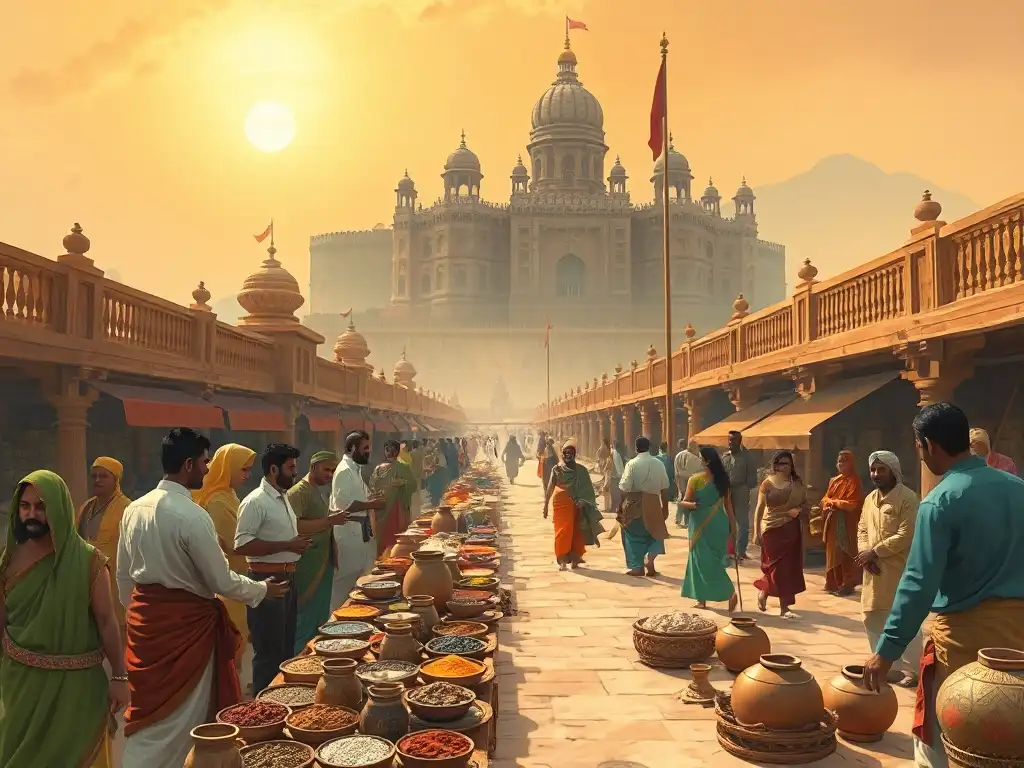
Cultural exchanges during Chandragupta Maurya's reign were not without their challenges and conflicts. As the Mauryan Empire expanded, it encountered various foreign influences that posed both opportunities and threats. The integration of diverse cultures, ideas, and practices created a complex landscape where resistance and adaptation coexisted.
Resistance to Foreign Influences
Resistance to foreign influences stemmed from several factors, including the desire to preserve indigenous traditions and the fear of losing cultural identity. The emergence of Hellenistic influences following Alexander the Great's invasion, for instance, sparked apprehension among the local populace.
- Cultural Identity: Many communities viewed the influx of foreign ideas as a potential erosion of their unique cultural identity. Traditional practices, religious beliefs, and social norms faced scrutiny, leading to a reluctance to embrace foreign customs.
- Political Tensions: The political landscape was also a breeding ground for resistance. Local rulers and aristocrats often resisted the changes brought by foreign influences, fearing a loss of power and autonomy. This led to conflicts between the Mauryan administration and regional powers, as they fought to maintain their cultural and political heritage.
- Religious Conflicts: The introduction of new philosophies and religions, such as Buddhism and Jainism, often clashed with established Vedic traditions. This led to societal tensions, as various groups vied for dominance over the cultural narrative.
Despite these challenges, some segments of society began to recognize the potential benefits of cultural exchanges, leading to a gradual shift in attitudes.
The Balance Between Tradition and Innovation
Chandragupta's reign exemplified the delicate balance between tradition and innovation in cultural exchanges. As the Mauryan Empire flourished, it became a melting pot of ideas, fostering an environment conducive to growth while still honoring its rich heritage.
- Cultural Syncretism: The merging of various cultural elements resulted in a unique blend that enriched Indian civilization. For instance, the fusion of Hellenistic art styles with indigenous motifs led to the creation of distinctive sculptures and architectural forms, visible in the stupas and pillars of the Mauryan period.
- Trade and Exchange: The expansion of trade routes facilitated the exchange of goods and ideas. Merchants and travelers brought new technologies, agricultural practices, and artistic techniques from distant lands, which were adapted to local contexts. This not only diversified the economy but also enhanced cultural interactions.
- Philosophical Developments: The interaction of different philosophical traditions inspired new schools of thought. The dialogues between Buddhist and Brahmanical philosophies led to significant advancements in spiritual and ethical discourse, laying the foundation for future philosophical developments in India.
While challenges and conflicts marked the landscape of cultural exchanges during Chandragupta's reign, the eventual synthesis of ideas highlighted the resilience and adaptability of ancient Indian society. The Mauryan Empire's ability to navigate these complexities fostered a rich cultural legacy that continues to influence India to this day.
Conclusion: The Legacy of Cultural Exchanges in Ancient India
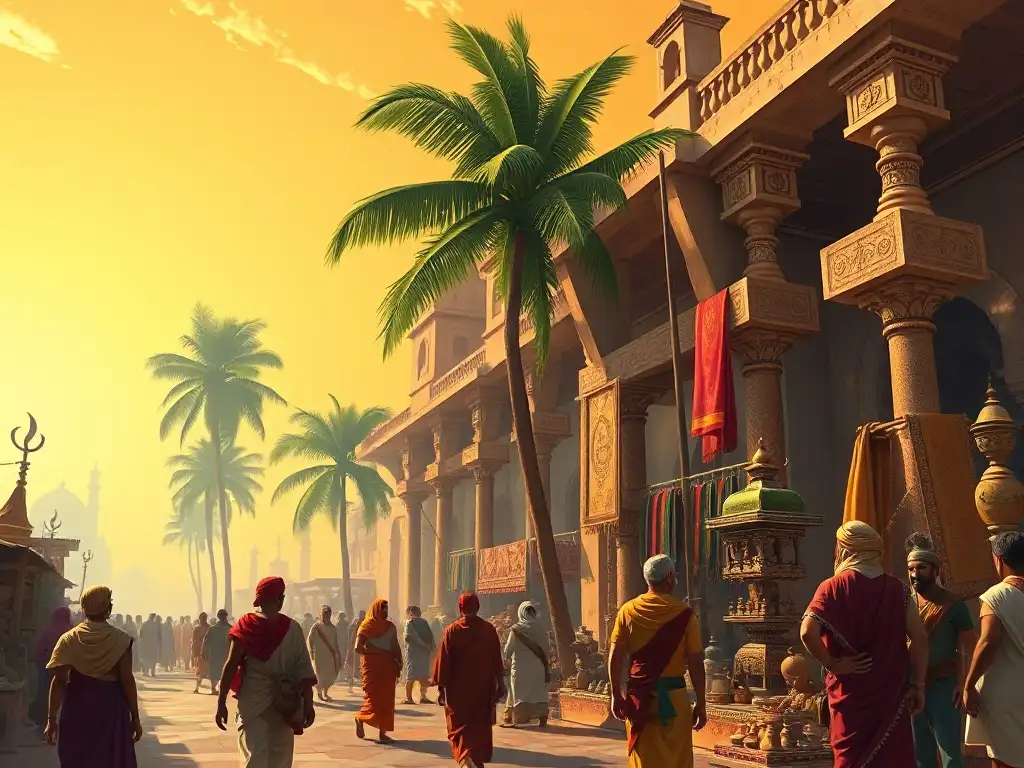
The reign of Chandragupta Maurya marked a significant period in ancient Indian history, characterized by profound cultural exchanges that shaped the societal landscape of the subcontinent. These exchanges were not merely interactions among local communities but also involved foreign influences that enriched Indian civilization. The legacy of these cultural exchanges continues to resonate, providing insights into how ancient India was a melting pot of ideas, beliefs, and practices that transcended geographical boundaries.
Long-term Effects on Indian Civilization
The cultural exchanges during Chandragupta's reign had lasting impacts that can be seen in various aspects of Indian civilization.
- Religious Syncretism:
- The interaction with diverse cultures led to a blending of religious beliefs, particularly with the emergence of Buddhism and Jainism as significant spiritual movements. This syncretism fostered a more inclusive society where multiple faiths coexisted.
- The Mauryan Empire also promoted the dissemination of Buddhist teachings across Asia, which would later influence cultures in countries such as Tibet, China, and Southeast Asia.
- Art and Architecture:
- The period saw the fusion of various artistic styles, resulting in unique architectural forms. The Mauryan pillars, adorned with intricate carvings, showcased influences from both local traditions and Hellenistic styles introduced through trade and diplomacy.
- The development of stupas, such as those at Sanchi, reflects the synthesis of local and foreign artistic traditions, leading to the evolution of a distinctly Indian architectural identity.
- Trade and Economic Prosperity:
- Cultural exchanges facilitated the establishment of trade routes that connected India with regions as far as the Mediterranean and Southeast Asia. These routes allowed for the exchange of goods, ideas, and culture, contributing to economic prosperity.
- The introduction of new agricultural techniques and crops from other regions enhanced food security and agricultural productivity, laying the groundwork for future advancements.
Cultural Exchanges as a Foundation for Future Empires
The cultural exchanges during Chandragupta’s reign not only enriched the Mauryan Empire but also set a precedent for subsequent Indian empires.
- Political Alliances and Diplomacy:
- The Mauryan Empire's approach to diplomacy, including alliances with foreign kingdoms, demonstrated the importance of cultural exchanges in forging political relationships. This strategy would be emulated by later empires, such as the Gupta Empire, which thrived on similar principles of interaction and cooperation.
- Knowledge Transfer and Education:
- The establishment of centers of learning, such as the famed Nalanda University, can be traced back to the ethos of cultural exchange. These centers attracted scholars from diverse backgrounds, fostering an environment of intellectual growth that would influence the educational landscape for centuries.
- Cultural Legacy:
- The cultural exchanges during this period laid the foundation for a rich tapestry of traditions, languages, and practices that would characterize later Indian civilization. The intermingling of cultures contributed to the development of a unique Indian identity that embraced diversity while maintaining a sense of unity.
The cultural exchanges in ancient India during Chandragupta Maurya's reign were pivotal in shaping the trajectory of Indian civilization. They not only fostered immediate advancements in various fields but also created a legacy of interconnectedness that future empires would build upon. This rich history underscores the importance of cultural exchanges as a vital component of India's enduring legacy.
Further Reading on Cultural Exchanges in Ancient India
Recommended Books and Articles
To delve deeper into the topic of cultural exchanges in ancient India during Chandragupta Maurya's reign, consider exploring the following key texts and scholarly articles:
-
"The Mauryan Empire" by Romila Thapar
This comprehensive book provides an insightful overview of the Mauryan Empire, highlighting its political structure, economic policies, and the cultural exchanges that flourished during Chandragupta's rule.
-
"Ancient India: A History" by Upinder Singh
Singh's work offers an expansive narrative of ancient Indian history, detailing interactions with neighboring civilizations and the exchange of ideas, trade, and cultural practices.
-
"The Art of Ancient India: Buddhist, Hindu, Jain" by Susan L. Huntington
This text explores the artistic expressions that emerged from cultural exchanges, shedding light on how cross-cultural interactions influenced religious art and architecture in ancient India.
-
"The Mauryan Empire and its Successors" by R. S. Sharma
Sharma's research focuses on the Mauryan Empire’s impact on South Asia, analyzing how cultural exchanges shaped political and social structures.
-
Scholarly Article: "Cultural Exchanges in Ancient India: A Case Study of the Mauryan Period"
This peer-reviewed article examines specific instances of cultural exchanges within the Mauryan Empire, discussing trade routes, diplomatic missions, and the spread of religions.
Documentaries and Online Resources
In addition to reading materials, various documentaries and online resources can provide visual context and deeper understanding of the cultural exchanges in ancient India:
-
Documentary: "The Mauryan Empire: A Glorious Era"
This documentary offers a visual journey through the Mauryan Empire, focusing on its cultural diversity and the exchanges that occurred with neighboring regions.
-
Online Course: "Ancient Indian Civilization" on Coursera
This course covers various aspects of ancient Indian history, including cultural interactions, trade networks, and the influence of different civilizations on one another.
-
YouTube Channel: "History of India"
This channel features a series of videos discussing important historical figures, including Chandragupta Maurya, and the cultural exchanges that characterized his reign.
-
Website: Ancient India: Culture and Society
This online resource provides articles, timelines, and multimedia content detailing the rich cultural tapestry of ancient India, including the Mauryan period and its global connections.
By engaging with these resources, readers can gain a more nuanced understanding of the vibrant cultural exchanges that took place during Chandragupta Maurya's reign, which significantly shaped the historical narrative of ancient India.
Frequently Asked Questions
What were the key cultural exchanges during Chandragupta's reign?
During Chandragupta's reign, significant cultural exchanges occurred between India and neighboring regions, including Persia and Greece, leading to a rich blend of traditions, art, and philosophy.
How did trade routes influence cultural exchanges in ancient India?
The trade routes, such as the Silk Road, facilitated the movement of not only goods but also ideas, religions, and cultural practices, enhancing the cultural diversity of ancient Indian civilizations.
What role did Mauryan diplomacy play in cultural interactions?
Mauryan diplomacy under Chandragupta involved forming alliances with powerful kingdoms, which promoted cultural exchanges through marriages, treaties, and shared governance, enriching Indian culture.
How did religion contribute to cultural exchanges in ancient India?
Religion, particularly Buddhism and Jainism, played a crucial role in cultural exchanges by spreading philosophies and practices across borders, influencing various cultures in Asia and beyond.
What are some notable artistic influences from cultural exchanges in this period?
The period saw the emergence of Gandhara art, which was heavily influenced by Greek artistic styles, showcasing the profound impact of cultural exchanges on ancient Indian art forms.
Final Reflection: Embracing the Legacy of Cultural Exchanges
The exploration of cultural exchanges during Chandragupta's reign is not merely a historical inquiry; it is a testament to the enduring power of interconnectedness in shaping societies. Today, as we navigate an increasingly globalized world, the lessons from ancient India remind us that cultural exchanges are vital for fostering understanding and collaboration among diverse communities. The intricate tapestry of influences that emerged during this period serves as a striking reminder of how shared ideas and practices can transcend borders and enrich civilizations.
The cultural exchanges of ancient India have left an indelible mark on our social landscape, influencing art, philosophy, and trade across generations. These exchanges were not one-sided; they were a dynamic interplay that fostered innovation and mutual respect. As we reflect on this legacy, we recognize that the spirit of collaboration continues to thrive in our modern society. Cultures are not isolated; they are interconnected, and it is through these connections that we find our shared humanity.
This quote encapsulates the essence of cultural exchanges, urging us to appreciate the richness that diversity brings to our lives.
As we conclude this exploration, I invite you to reflect on your own experiences with cultural exchanges and how they have shaped your understanding of the world. Consider how you can actively engage with different cultures in your daily life, whether through travel, literature, or community interactions. By embracing the lessons of the past, we can cultivate a future where cultural exchanges are celebrated, fostering a more inclusive and harmonious global community. Let us honor the legacy of Chandragupta's reign by continuing to build bridges across cultures, ensuring that the spirit of collaboration thrives for generations to come.
Embrace the Legacy of Cultural Exchange!
Thank you for exploring the rich tapestry of cultural exchanges during Chandragupta's reign! You've uncovered the depths of history and its impact on our shared identity. Now, it’s time to act and connect further with this incredible legacy.
- Dive deeper: Read additional articles about the influences of trade and diplomacy in ancient India on Ancient India History .
- Share your insights: Engage in discussions with friends or online communities to spark conversations about the beauty of cultural exchanges throughout history.
- Reflect and create: Consider creating a short piece of art or writing inspired by this period, exploring how these exchanges resonate in your own culture today.
What aspect of Chandragupta’s era inspires you to delve deeper into the significance of cultural exchanges?