
Trade Goods and Cultural Artifacts: What India Brought to Ancient China

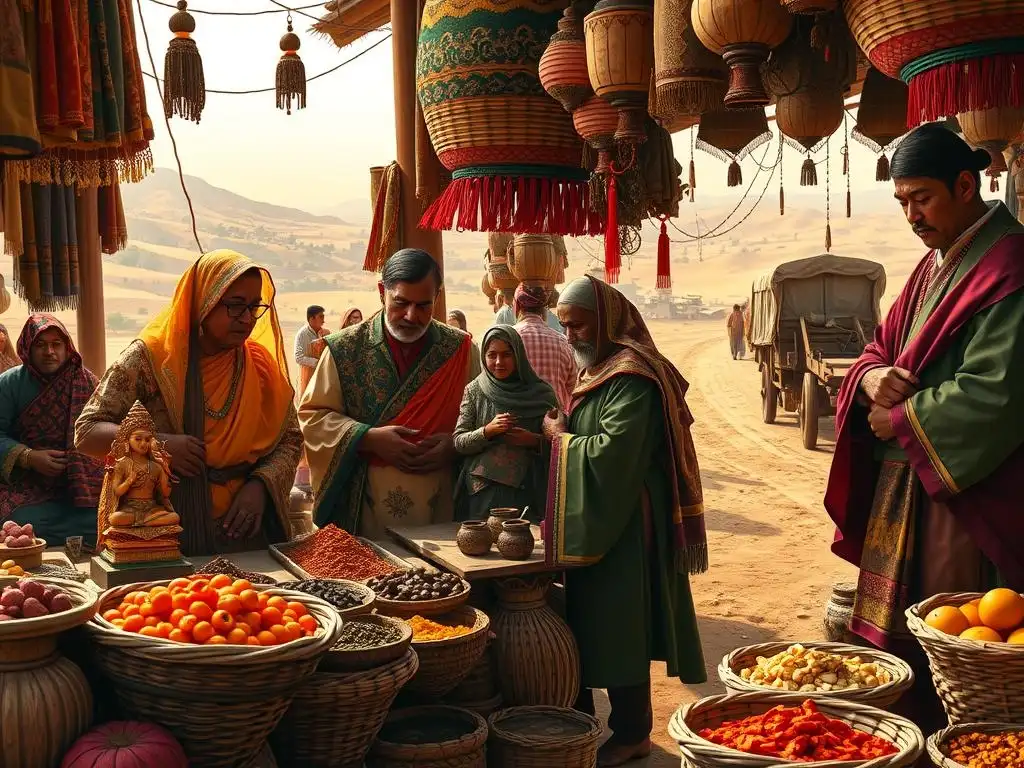
Welcome to Ancient India History, where we delve into the mesmerizing tapestry of India's rich past. As we explore the intricate web of ancient Indian trade with China, you will uncover how this exchange of goods and ideas shaped not only the regions involved but also the world at large. What treasures and cultural artifacts did India share with its ancient neighbor?
Prepare to embark on a journey that unveils the profound connections forged through trade, and discover how these interactions influenced civilizations across continents. Join us as we unravel the stories behind the goods that traveled the Silk Road, and ignite your curiosity about the remarkable legacy of ancient Indian trade!
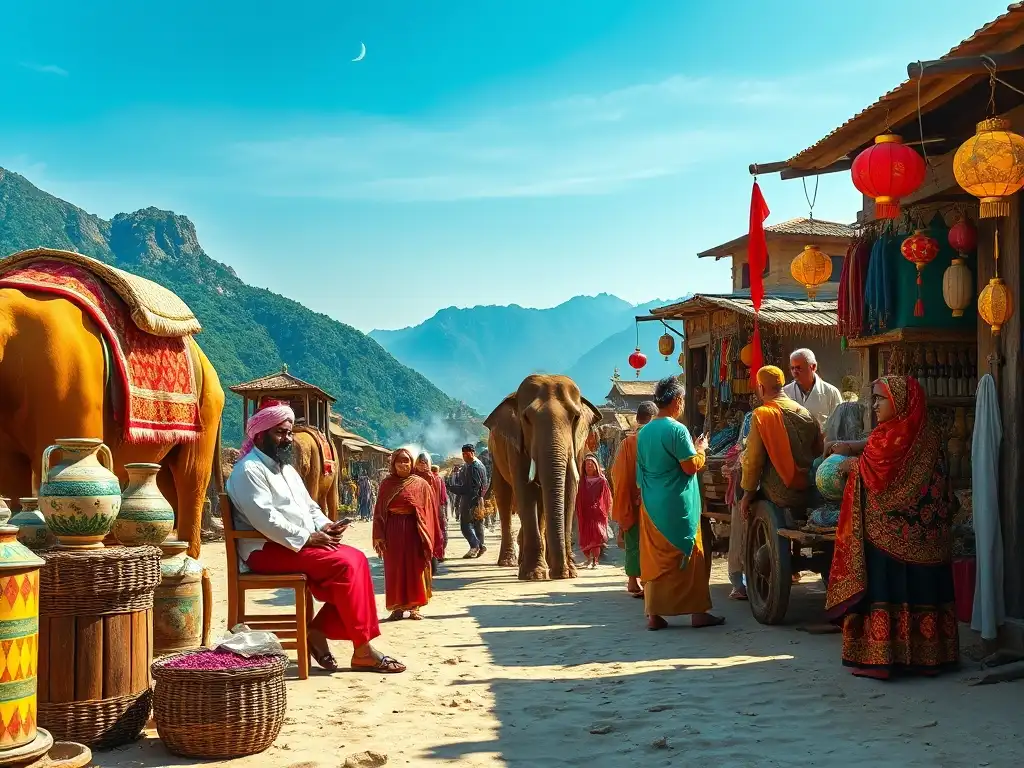
Introduction to Ancient Indian Trade with China
The interactions between ancient India and China represent a fascinating chapter in the history of both civilizations, characterized by vibrant trade networks and cultural exchanges. As two of the oldest and most influential cultures in the world, their exchanges facilitated not only the flow of goods but also the sharing of ideas, beliefs, and technologies.
The term "Ancient Indian trade with China" encapsulates a broad spectrum of interactions, highlighting the significant role India played in enriching Chinese society through its diverse trade goods and cultural artifacts. This article delves into the intricate tapestry of trade relationships between these two great civilizations, exploring the various goods exchanged, the routes taken, and the profound impacts these interactions had on both societies.
Overview of Indian-Chinese Exchanges
The exchanges between India and China can be traced back to as early as the 2nd century BCE, when merchants began navigating the vast distances between the two regions. These interactions were not limited to mere commerce; they encompassed the transfer of cultural practices, religions, and technological innovations.
- Silk Road: One of the most significant trade routes connecting India and China was part of the Silk Road, which facilitated the movement of silk, spices, and other valuable commodities.
- Buddhism: The spread of Buddhism from India to China during this period is a prime example of cultural exchange, influencing Chinese philosophy, art, and architecture.
Significance of Trade in Ancient Civilizations
Trade in ancient civilizations served as a vital mechanism for the exchange of not only goods but also cultural ideas and practices. The significance of trade between India and China can be summarized as follows:
- Economic Prosperity: Trade contributed to the economic growth of both civilizations, allowing for the accumulation of wealth and resources.
- Cultural Enrichment: The exchange of goods often accompanied the sharing of philosophies, religions, and artistic influences, enriching both cultures.
- Political Alliances: Trade relationships often led to the establishment of political alliances, enhancing diplomatic ties and fostering mutual respect.
Historical Context of Trade Between India and China
Understanding the historical context of trade between India and China involves examining the various factors that influenced these interactions, including geography, economic needs, and cultural interests.
The Routes of Ancient Indian Trade with China
The trade routes established between India and China were as diverse as they were extensive. Key routes included:
- Overland Routes: These pathways connected the Indian subcontinent with the western regions of China, traversing mountains and deserts, facilitating the exchange of goods like spices, textiles, and precious metals.
- Maritime Routes: The sea routes allowed for the transportation of goods through ports, connecting India’s western coast with southern China, which was pivotal for trade in luxury items.
Key Periods of Interaction and Exchange
Throughout history, several key periods marked significant interactions between ancient India and China:
- Early Exchanges (2nd century BCE - 1st century CE): Initial trade interactions laid the groundwork for the exchange of goods and ideas.
- The Tang Dynasty (618-907 CE): This period saw a peak in trade, where Indian traders brought textiles, spices, and even religious texts to China.
- The Gupta Period (4th-6th century CE): During this era, Indian civilization flourished, enhancing trade connections and cultural exchanges with China.
The trade between ancient India and China was a complex and multifaceted relationship that significantly shaped the development of both civilizations, paving the way for enduring connections that would echo through the ages.
Major Trade Goods from India to China
The trade between ancient India and China was a significant aspect of cultural and economic exchange, greatly influencing both civilizations. Major trade goods included a variety of items, reflecting the rich resources and craftsmanship of ancient India. Key products traded were spices, textiles, precious stones, and metals, each contributing to the growing trade networks established along the Silk Road.
Spices and Their Importance in Ancient Trade
Spices were one of the most coveted commodities in ancient trade, highly sought after for their flavor, preservative qualities, and medicinal properties. Indian spices such as black pepper, cardamom, and ginger were especially prized in China. The demand for these spices not only facilitated trade but also helped in establishing India as a critical player in the global market.
The spice trade was not merely an economic transaction; it had substantial cultural implications. Spices were often exchanged as gifts between emperors, enhancing diplomatic relations and fostering mutual respect between the two civilizations. Moreover, the introduction of Indian spices to Chinese cuisine transformed culinary practices in China, leading to a blending of flavors that enriched both cultures.
Textiles: The Rich Fabrics of Ancient India
Indian textiles, renowned for their quality and intricate designs, played a vital role in trade with China. Fabrics such as silk, cotton, and wool were exported, showcasing the advanced weaving techniques and artistic skills of Indian artisans. The vibrant colors and elaborate patterns of Indian textiles captured the attention of Chinese merchants and consumers alike.
The trade in textiles was not only lucrative but also a medium for cultural exchange. The sharing of dyeing techniques and patterns led to innovations in Chinese textile production. Additionally, Indian textiles influenced Chinese fashion, leading to a fusion of styles that showcased the intertwined cultural heritage of both nations.
Precious Stones and Metals: The Jewels of Indian Trade
India was famous for its wealth of precious stones and metals, which were highly valued in ancient China. Gemstones such as diamonds, rubies, and emeralds were sought after for their beauty and rarity, while metals like gold and silver were essential for currency and trade.
The importation of these precious materials significantly influenced Chinese jewelry and decorative arts, leading to the incorporation of Indian designs into Chinese craftsmanship. This exchange not only enriched the material culture of China but also established India as a pivotal source of luxury goods in the ancient world.
Cultural Artifacts and Their Influence
The exchange of cultural artifacts between India and China was as vital as the trade of goods. These artifacts often carried profound meanings and represented the shared heritage and philosophies of both civilizations.
The Role of Buddhism in Indian-Chinese Exchanges
Buddhism, which originated in India, played a central role in cultural exchanges with China. As Buddhism spread along trade routes, it brought with it not only religious beliefs but also artistic and cultural influences. Indian monks and scholars traveled to China, establishing monasteries and translating texts, which facilitated the dissemination of Buddhist philosophy and practices.
This exchange led to the integration of Buddhist art forms in China, resulting in distinctive styles of sculpture and architecture. The influence of Indian Buddhism transformed Chinese thought and spirituality, creating a lasting legacy that shaped the cultural landscape of China for centuries.
Artistic Influences: Sculpture and Architecture
The artistic exchanges between India and China were marked by the sharing of sculptural techniques and architectural styles. Indian influence is evident in various Chinese sculptures, particularly those depicting Buddhist figures. The introduction of the Gandhara style—a blend of Indian and Hellenistic art—had a profound impact on Chinese artistic practices.
Furthermore, architectural elements from Indian stupas and temples inspired the design of Chinese pagodas and monasteries. This exchange of artistic ideas enriched both cultures, allowing for a synthesis of styles that reflected their shared historical narratives.
Literature and Philosophy: Ideas Crossing Borders
The exchange of literature and philosophical ideas was another critical aspect of Indian-Chinese interactions. Indian texts on philosophy, science, and governance found their way into Chinese scholarly circles, prompting intellectual discourse and cross-cultural dialogue. Works such as the "Panchatantra" and various Buddhist scriptures were translated into Chinese, influencing literature and moral philosophy.
This literary exchange fostered a deeper understanding of ethics, governance, and life philosophies, enriching the intellectual traditions of both civilizations. The flow of ideas and texts not only highlighted the interconnectedness of ancient societies but also laid the groundwork for future intellectual collaborations.
The Impact of Trade on Ancient Chinese Society
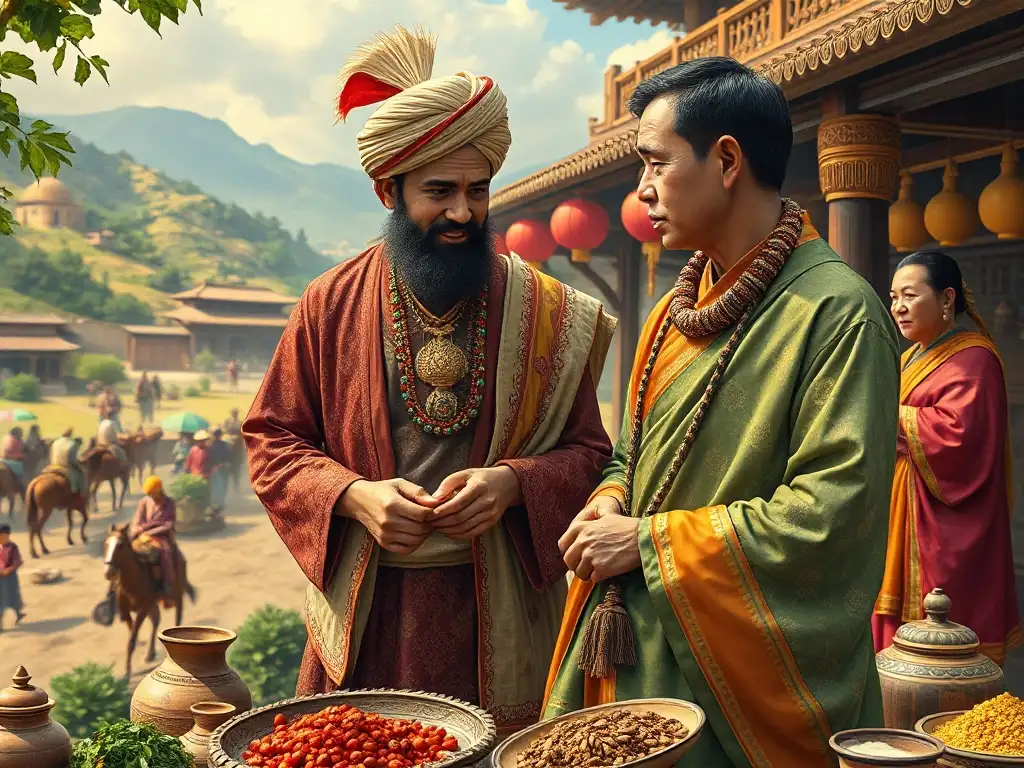
Trade between ancient India and China significantly influenced Chinese society in various ways, economically, culturally, and socially. The exchange of goods fostered a dynamic relationship that contributed to the development of both civilizations. The influx of Indian trade goods introduced new resources, technologies, and ideas into China, reshaping its landscape. This interaction not only enhanced the material wealth of Chinese cities but also transformed the cultural and philosophical underpinnings of society.
Economic Effects of Indian Trade Goods in China
The arrival of Indian trade goods in China had profound economic implications. Products such as spices, textiles, precious stones, and exotic animals created a demand that stimulated local economies. These goods were highly valued and often traded at premium prices, enriching merchants and contributing to the rise of a vibrant market economy.
| Trade Goods | Impact on Economy |
|---|---|
| Spices | Enhanced culinary culture; increased trade routes |
| Textiles | Boosted textile industry; promoted fashion trends |
| Precious stones | Increased wealth for merchants; attracted artisans |
| Exotic animals | Stimulated interest in zoology and agriculture |
Furthermore, the establishment of trade routes, like the Silk Road, resulted in the integration of various regions, facilitating not just the exchange of goods but also the movement of currency, which played a crucial role in economic expansion.
Cultural Assimilation and the Exchange of Ideas
The interaction between Indian and Chinese traders was not limited to material goods; it also encompassed the exchange of ideas and cultural practices. Indian philosophies, particularly Buddhism, began to permeate Chinese society, leading to new religious practices and thoughts. The translation of Indian texts and the introduction of Indian scholars into Chinese culture facilitated this exchange, fostering an environment of learning and adaptation.
This cultural assimilation was also evident in the arts, literature, and even in governance. Concepts of ethics and governance found in Indian texts influenced Chinese political thought, highlighting the profound impact of trade on the intellectual landscape of ancient China.
The Evolution of Chinese Art and Culture Due to Indian Influence
Indian influence on Chinese art and culture can be seen through the introduction of new artistic techniques and motifs. The arrival of Buddhism brought with it a wealth of artistic expression, leading to the creation of intricate sculptures, paintings, and architectural marvels such as stupas and pagodas.
The adaptation of Indian artistic styles led to unique hybrids, evident in the Gandhara style of art, where Indian religious themes were portrayed using Hellenistic techniques. This cross-cultural exchange enriched Chinese artistic traditions, making them more diverse and complex.
Challenges and Barriers in Ancient Trade
Despite the flourishing trade relations, several challenges hindered the seamless exchange between ancient India and China. These barriers often caused disruptions and misunderstandings that affected the trade dynamics.
Geographical and Political Obstacles
Geographical barriers, such as the rugged terrain of the Himalayas and the vast deserts of Central Asia, posed significant challenges to trade. These natural obstacles made overland trade routes perilous and often required extensive planning and resources to navigate.
Additionally, fluctuating political conditions, including conflicts and changes in leadership, disrupted trade. Political instability in either region could lead to the closure of trade routes or imposition of tariffs, adversely affecting the flow of goods.
The Role of Middlemen in Trade Networks
Middlemen played a crucial role in the trade networks between India and China. These intermediaries, often from regions like Central Asia, facilitated the exchange of goods but also added layers of complexity and cost to the trade process. They controlled access to valuable goods and exerted significant influence over pricing and availability, which sometimes led to inflated costs and misunderstandings regarding the value of goods.
Misunderstandings and Cultural Differences
Cultural differences between Indians and Chinese also posed challenges in trade relations. Misinterpretations of customs, language barriers, and differing social norms could lead to conflicts and mistrust. For example, the perception of certain goods or practices might vary greatly between the two cultures, resulting in hesitancy to engage in trade.
These challenges underscore the complexities of ancient Indian trade with China, illustrating that while the exchange was fruitful, it was also fraught with difficulties that required careful navigation and mutual understanding to overcome.
Conclusion: The Legacy of Ancient Indian Trade with China
The ancient trade between India and China laid the groundwork for enduring cultural, economic, and social exchanges that continue to resonate in modern times. This exchange of goods, ideas, and philosophies not only enriched the civilizations involved but also created a tapestry of interconnectedness that would influence subsequent generations. The silk and spices of India navigated towards China, while Buddhism, art, and technology traveled in the opposite direction, fostering a spirit of cooperation and cultural appreciation.
The legacy of these ancient interactions can be observed in various aspects of modern Indian and Chinese societies, from culinary influences to shared philosophical traditions. The routes established for trade were not merely conduits for goods; they were pathways for cultural dialogue and mutual understanding that shaped the identities of both civilizations.
Lasting Effects on Modern Indian-Chinese Relations
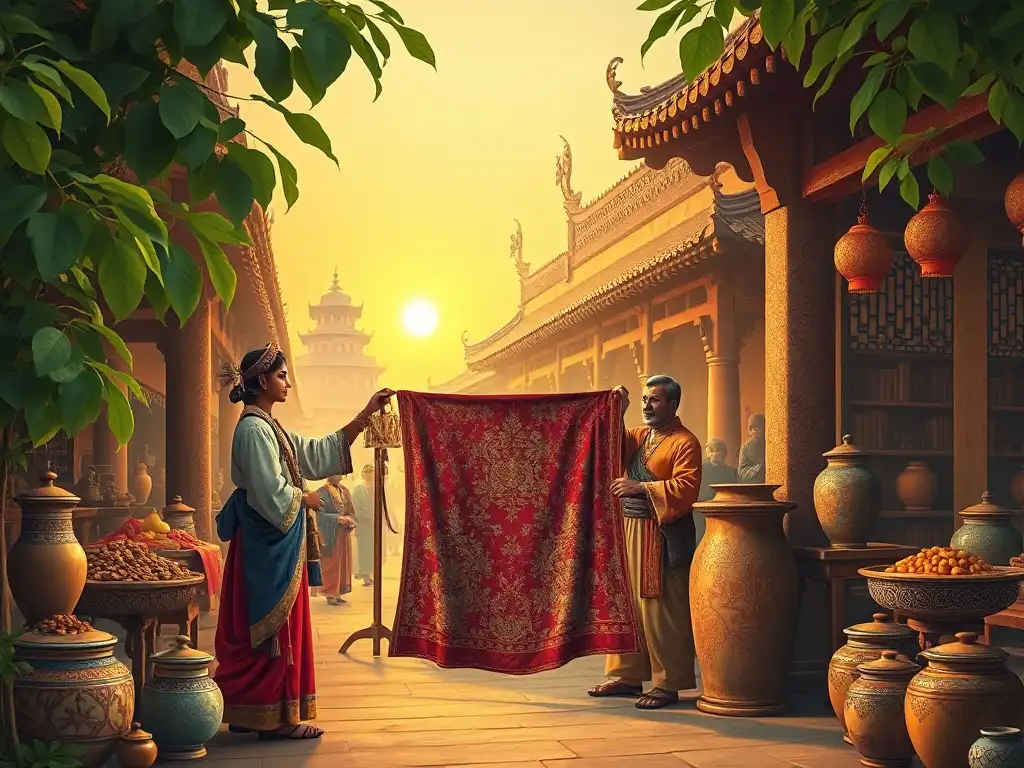
The historical ties established through trade have left an indelible mark on contemporary Indian-Chinese relations. Today, both nations acknowledge the importance of their shared history and cultural heritage as they navigate complex geopolitical landscapes. The cultural diplomacy seen in initiatives like the establishment of Confucius Institutes in India and the promotion of Indian festivals in China reflects a renewed interest in fostering mutual understanding.
Moreover, economic collaborations and trade agreements between India and China continue to be influenced by the ancient trade routes. As both nations seek to enhance their economic partnerships, the lessons learned from their historical interactions serve as a reminder of the benefits of collaboration and coexistence.
Reflection on Cultural Exchange and Mutual Influence
The cultural exchanges between ancient India and China were profound and multifaceted, going beyond mere trade. Philosophical ideas such as Buddhism, which originated in India, found fertile ground in China, leading to the development of unique interpretations and practices. This mutual influence enriched both cultures, allowing for the synthesis of ideas that would shape their respective worldviews.
Art and literature also experienced significant cross-pollination. Indian artistic styles influenced Chinese painting, while Chinese aesthetics found their way into Indian sculptures and architecture. Such exchanges illustrate the dynamic nature of cultural interaction, where each civilization not only contributed to but also transformed the other's heritage.
Further Reading and Resources
Suggested Books on Ancient Indian Trade with China
-
"India and China: The Influence of Buddhism on the Cultures of the Two Countries" by John D. McClain
This book explores the profound impact of Buddhism as a cultural exchange between India and China, providing insights into the historical trade routes that facilitated this exchange.
-
"The Silk Roads: A New History of the World" by Peter Frankopan
Frankopan’s work offers a broader context of the Silk Roads, including the significant role that Indian trade played in connecting East and West.
-
"Ancient Indian Trade with China" by R. S. Sharma
This scholarly volume delves into the specifics of trade relations between ancient India and China, examining the goods exchanged and the cultural implications.
Online Resources for Exploring Indian-Chinese Exchanges
-
Digital Silk Road Project
A comprehensive online resource that provides access to documents, maps, and scholarly articles related to the historical trade routes between India and China.
-
Buddhism and the Silk Road
An interactive website that explores the spread of Buddhism from India to China, detailing the cultural exchanges that occurred along these ancient trade routes.
-
India-China Institute
This institute offers various publications and research on contemporary and historical relations between India and China, including trade dynamics and cultural exchanges.
- Introduction to Ancient Indian Trade with China
- Historical Context of Trade Between India and China
- Major Trade Goods from India to China
- Cultural Artifacts and Their Influence
- The Impact of Trade on Ancient Chinese Society
- Challenges and Barriers in Ancient Trade
- Conclusion: The Legacy of Ancient Indian Trade with China
- Lasting Effects on Modern Indian-Chinese Relations
- Reflection on Cultural Exchange and Mutual Influence
- Further Reading and Resources
- What were the main trade goods exchanged between ancient India and China?
- How did trade between India and China influence their cultures?
- What role did the Silk Road play in ancient Indian trade with China?
- Were there any specific artifacts that signify this trade?
- How did trade impact the economies of ancient India and China?
Frequently Asked Questions
What were the main trade goods exchanged between ancient India and China?
Ancient Indian traders primarily exchanged spices, textiles, and gemstones with China, while they imported silk and porcelain in return.
How did trade between India and China influence their cultures?
The exchange of goods facilitated a flow of ideas, art, and religious beliefs, enriching both Indian and Chinese cultures significantly.
What role did the Silk Road play in ancient Indian trade with China?
The Silk Road served as a vital trade route, connecting India to China and allowing for the exchange of goods, culture, and knowledge.
Were there any specific artifacts that signify this trade?
Yes, artifacts such as Buddhist statues and pottery reflect the cultural exchanges that occurred alongside trade between ancient India and China.
How did trade impact the economies of ancient India and China?
Trade boosted the economies of both civilizations, as it created wealth, urban centers, and opportunities for artisans and merchants.
Final Reflection: The Enduring Legacy of Ancient Indian Trade with China
The intricate tapestry of ancient Indian trade with China reveals not only the exchange of goods but also the profound cultural connections that shaped both civilizations. Today, as we navigate a globalized world, the lessons from this historical relationship remind us of the importance of cultural exchange and mutual respect. The trade routes that once flourished between these two great nations serve as a testament to the power of collaboration and understanding in overcoming barriers.
Cultural artifacts and trade goods from ancient India continue to influence contemporary society, highlighting the significance of shared heritage. The exchange of ideas, philosophies, and artistic expressions during this period laid the groundwork for future interactions between diverse cultures. As historian John Keay poignantly stated, Trade is not merely an economic activity; it is a bridge that connects people and ideas.
This observation underscores the ongoing relevance of ancient trade routes in fostering connections that transcend time and geography.
As we reflect on the rich history of ancient Indian trade with China, let us embrace the lessons it imparts about the value of cultural exchange in our lives today. I invite you to explore how you can cultivate connections with others, appreciate diverse perspectives, and contribute to a world where trade is not just about goods, but about building bridges of understanding. By doing so, we honor the legacy of those who came before us and pave the way for a more interconnected future.
Uncover the Treasures of Indo-Chinese Exchanges!
Thank you for exploring the fascinating journey of trade goods and cultural artifacts between India and ancient China. Your interest in this rich history reveals the interconnectedness that shaped civilizations. Now, let's take your engagement a step further by embracing the wonders of this cultural exchange!
- Dive deeper into the past: **Research a specific artifact or trade route** to uncover its stories and significance. Share your findings with others to inspire curiosity and discussion.
- Join the conversation: **Connect with fellow history enthusiasts** on forums or social media platforms that focus on ancient trade practices. Your insights could spark enlightening discussions!
- Organize a cultural exchange event: **Host a gathering or online discussion** that celebrates the influences of Indian culture on ancient China. Involve local historians, artists, or students to enrich the experience.
What artifact or cultural exchange do you find most intriguing, and how do you think it shaped the identities of both civilizations?