
The Role of Climate in Shaping Economic Practices in Ancient India


Welcome to Ancient India History, where we embark on a journey through the fascinating tapestry of ancient Indian civilizations! Here, we delve into the intricate interplay between climate and economic practices, revealing how environmental factors shaped trade and prosperity from the Indus Valley to the Gupta Empire. Have you ever wondered how the shifting climate influenced the bustling markets and agricultural innovations of ancient India? Join us as we uncover these compelling connections and set the stage for a deeper understanding of our past. Prepare to be captivated and inspired—your exploration of ancient India's rich heritage starts now!

Introduction to Climate Impact on Ancient India
The intricate relationship between climate and economic practices in ancient India offers profound insights into how environmental factors influenced the development of one of the world’s oldest civilizations. Stretching from the fertile plains of the Indus Valley to the mountainous regions of the Himalayas, ancient India was characterized by diverse climatic zones that played a pivotal role in shaping agricultural productivity, trade routes, and overall economic sustainability. Understanding the climate impact on ancient India not only highlights the adaptability of its civilizations but also illustrates the dynamic interplay between human activity and environmental conditions.
Overview of Ancient Indian Civilizations
Ancient India was home to several prominent civilizations, each contributing uniquely to the region's economic landscape:
- Indus Valley Civilization (c. 3300–1300 BCE): Known for its advanced urban planning and trade networks.
- Vedic Period (c. 1500–500 BCE): Marked by the emergence of agrarian societies and pastoral economies.
- Maurya Empire (c. 322–185 BCE): Notable for its centralized administration and extensive trade routes.
- Gupta Empire (c. 240–550 CE): A golden age of cultural and economic development, fostering trade and scientific advancements.
These civilizations were not only shaped by their cultural and social structures but were also significantly influenced by the climate of their respective eras.
Importance of Climate in Economic Development
The climate of ancient India dictated agricultural practices, which were the backbone of its economy. Key aspects include:
- Agricultural Production: Seasonal monsoons determined sowing and harvest times, influencing crop yields.
- Trade and Commerce: Climatic conditions affected trade routes, with certain areas thriving due to favorable conditions while others faced challenges.
- Resource Availability: Access to water resources, influenced by climate, determined the types of crops grown and livestock raised.
A deep understanding of these factors reveals how climate not only shaped economic practices but also the social and cultural fabric of ancient Indian societies.
Understanding the Climate of Ancient India
To grasp the economic dynamics of ancient India, it is essential to explore its climatic conditions, which varied significantly across regions.
Geographic Diversity and Its Climate Variations
Ancient India’s geography played a crucial role in creating distinct climate zones:
- Himalayan Region: Characterized by a cold climate with heavy snowfall, influencing agriculture and habitation patterns.
- Gangetic Plains: Known for fertile alluvial soil and a subtropical climate, ideal for agriculture.
- Thar Desert: Experience extreme temperatures and scarce rainfall, impacting economic activities focused on trade and pastoralism.
This diversity shaped regional economic practices, with each zone responding uniquely to its climatic challenges.
Major Climate Zones in Ancient India
Ancient India can be broadly classified into several climate zones:
| Climate Zone | Characteristics | Economic Practices |
|---|---|---|
| Tropical | High temperatures, heavy rainfall | Rice cultivation, fishing |
| Subtropical | Moderate rainfall, seasonal variations | Wheat and barley farming |
| Arid | Low rainfall, high evaporation | Pastoralism, trade in drought-resistant crops |
| Mountainous | Cold temperatures, heavy snowfall | Livestock rearing, trade in precious stones |
These climate zones were instrumental in determining the agricultural and economic practices of ancient Indian civilizations, showcasing the profound impact of climate on their development.
The Influence of Climate on Agriculture in Ancient India
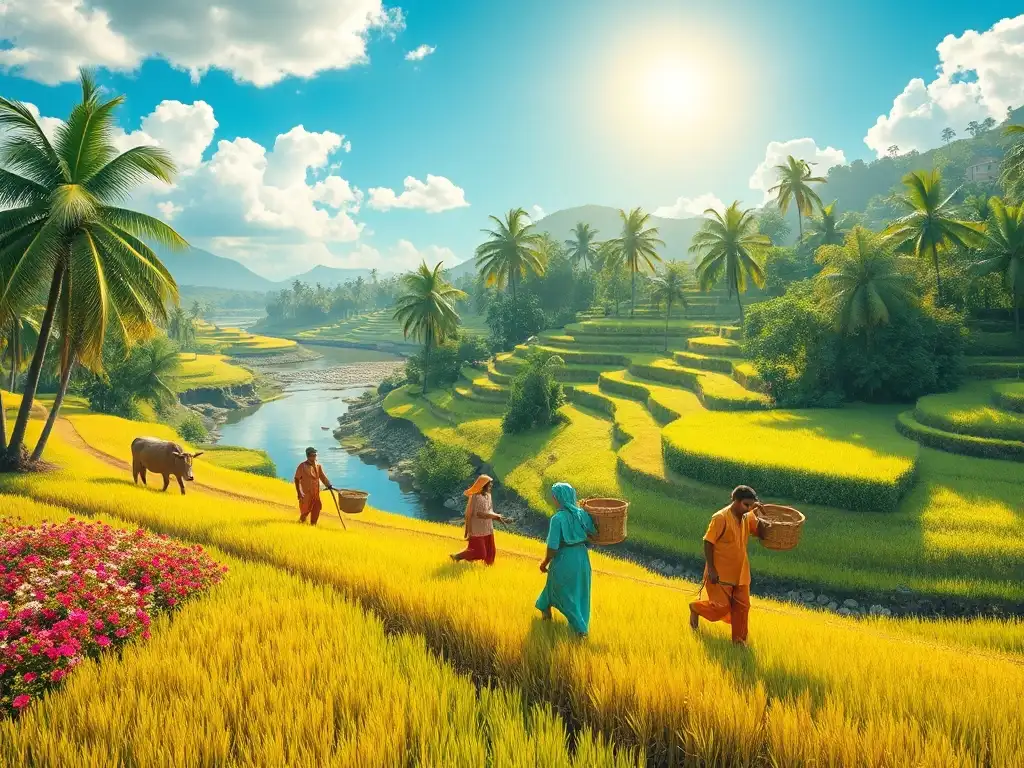
Agriculture formed the backbone of ancient Indian civilization, and the prevailing climate played a critical role in determining agricultural practices, crop selection, and overall productivity. The diverse climatic zones across the subcontinent, ranging from the arid deserts of Rajasthan to the fertile plains of the Ganges, significantly influenced the types of crops that could be cultivated and the agricultural methods employed by ancient communities.
The seasonal monsoon, a defining feature of India's climate, brought vital rainfall that replenished the soil and dictated the agricultural calendar. Ancient farmers relied heavily on the monsoons to irrigate their fields, making the timing and intensity of these rains crucial for successful harvests. Understanding these climatic patterns allowed communities to develop sustainable agricultural practices that maximized yields and ensured food security.
Climate Conditions Favoring Agriculture
In ancient India, certain climatic conditions were particularly conducive to agriculture. The Indo-Gangetic Plain benefitted from a temperate climate and fertile alluvial soil, making it one of the most productive regions for crops such as wheat, barley, and pulses. The abundance of rivers like the Ganges and the Indus provided essential irrigation, supporting intensive farming practices.
Conversely, in regions like the Deccan Plateau, the more erratic rainfall patterns necessitated the cultivation of drought-resistant crops such as millets and sorghum. The coastal areas, with their humid conditions, allowed for the growth of rice and other water-intensive crops. This diversity in climate led to the development of a wide range of agricultural practices tailored to specific environmental conditions, enhancing the resilience of ancient agricultural systems.
Agricultural Practices Adapted to Climate
Ancient Indian farmers employed various innovative practices to adapt to their climate. In regions dependent on the monsoon, rainwater harvesting techniques were developed, and communities constructed ponds and reservoirs to store water for drier months. Crop rotation and mixed farming were common practices that helped maintain soil fertility and reduce the risk of crop failure.
Additionally, ancient texts like the Arthashastra and the Rigveda provide insights into the agricultural knowledge of the time, including methods of pest control and soil management. The use of organic fertilizers and traditional irrigation techniques exemplified the ingenuity of ancient Indian farmers in responding to the challenges posed by their environment.
Climate and Trade Routes in Ancient India
The climate of ancient India not only influenced agricultural practices but also had a significant impact on trade routes and networks. Trade in ancient times was largely dependent on the availability of resources, which were dictated by climatic conditions. Key trade routes developed along areas that benefitted from favorable climates, facilitating the exchange of goods and ideas across regions.
For instance, the trading routes connecting the Indus Valley with Mesopotamia and Central Asia were strategically aligned with the seasonal patterns of rivers and monsoons, allowing for easier transportation of goods. The climatic suitability of certain regions for specific crops led to the emergence of trade in surplus agricultural products, further intertwining climate and commerce.
How Climate Shaped Trade Networks
The interdependence of climate and trade networks in ancient India manifested through the transportation of climate-sensitive goods. Goods such as spices, textiles, and agricultural products became vital commodities in trade, with their production being heavily influenced by regional climate conditions. For example, the cultivation of cotton in the warmer regions of Gujarat and Maharashtra led to the rise of textile trade routes that reached across Asia.
Additionally, trade routes were often established based on seasonal weather patterns. For instance, merchants would plan their journeys according to monsoon seasons, navigating rivers and coastal trails when conditions were favorable. This strategic planning not only facilitated trade but also fostered cultural exchanges between diverse communities.
Impact of Climate on Trade Goods
The impact of climate on trade goods in ancient India can be observed through the variety of commodities exchanged throughout the subcontinent and beyond. Climatic variations determined the availability of certain crops and resources, which in turn influenced trade practices. For example, the cooler regions of the north were known for producing high-quality wool and grains, while the southern regions excelled in spices and tropical fruits.
Moreover, the demand for specific goods often fluctuated with climatic changes. During periods of drought or flooding, certain regions might experience a surplus or shortfall of crops, leading to shifts in trade dynamics. The adaptability of merchants and traders in response to these climatic challenges was essential for maintaining economic stability and fostering inter-regional trade relations.
The intricate interplay between climate and economic practices in ancient India underscores the importance of environmental factors in shaping agricultural systems and trade networks. Understanding this relationship provides valuable insights into the resilience and adaptability of ancient Indian civilizations.
Economic Practices Influenced by Climate Change
The economic practices of ancient India were profoundly influenced by the climatic conditions of the region. The diverse geography, ranging from the arid deserts of Rajasthan to the lush river valleys of the Ganges, shaped agricultural practices, trade routes, and resource management strategies. The monsoon, crucial for agriculture, dictated the cropping patterns and harvest cycles. Crop yields were intrinsically linked to the seasonal rains; thus, farmers developed sustainable practices to maximize productivity based on rain patterns.
Additionally, climatic variations led to shifts in trade dynamics. For instance, periods of drought forced communities to adapt their economic strategies, often leading to increased reliance on trade with neighboring regions. The necessity to procure food and resources during adverse climate conditions highlighted the importance of trade networks and the role of environmental factors in economic resilience.
Historical Climate Events and Their Economic Effects
Throughout ancient India's history, several significant climate events had profound economic impacts. The most notable among these was the fluctuation of the monsoon patterns, which could vary dramatically from year to year. For example, a severe drought during the late Harappan period (circa 1900 BCE) is believed to have contributed to the decline of the Indus Valley Civilization. As agricultural output dwindled, the socio-economic fabric of these communities began to unravel, leading to urban decline and migration.
Conversely, periods of favorable climatic conditions, such as a bountiful monsoon, often resulted in agricultural surpluses. This surplus not only supported local economies but also facilitated trade with distant regions, establishing ancient India as a significant player in the broader ancient economy. The ability to cultivate staple crops like rice and wheat during optimal weather contributed to population growth and urbanization, further entwining climate with economic development.
Adaptations in Economic Strategies
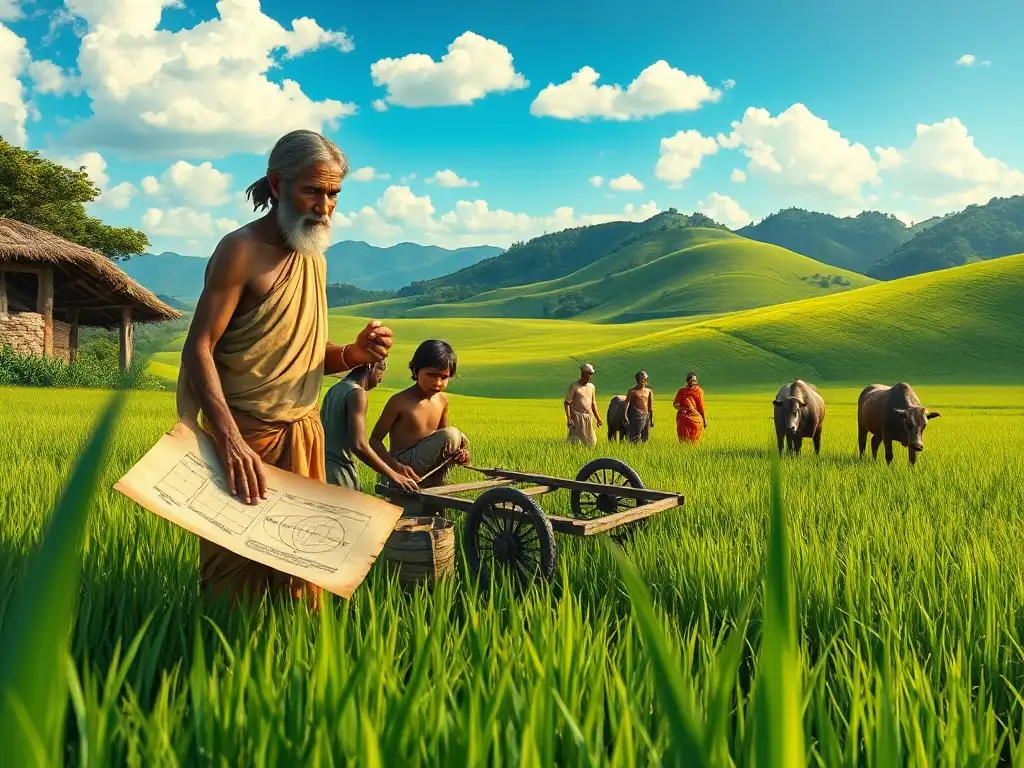
The ancient Indian civilizations demonstrated remarkable adaptability in their economic strategies in response to climatic changes. During times of drought, communities shifted from water-intensive crops to more drought-resistant varieties such as millet and pulses. This adaptability in agriculture was complemented by the development of irrigation techniques, such as the construction of canals and water harvesting systems, which allowed for more effective water management.
In addition, trade practices evolved to mitigate the effects of climate-induced shortages. For instance, merchants developed extensive trade routes to import grains and other necessities from more favorable regions. The establishment of trade relations with areas like Persia and the Arabian Peninsula during the Gupta Empire illustrates how climatic conditions shaped not only local economies but also facilitated international commerce.
Comparative Analysis: Climate Impact Across Regions
The impact of climate on economic practices in ancient India varied significantly across regions, leading to distinct economic systems and adaptations. The northern plains, characterized by fertile alluvial soil and substantial river systems, supported intensive agriculture, whereas the southern regions, with their monsoon-dependent agriculture, relied heavily on rain-fed cultivation.
Northern vs. Southern India: Economic Practices Divergence
In northern India, the reliance on the Indus and Ganges rivers allowed for robust agricultural practices, leading to the establishment of large urban centers like Mohenjo-Daro and Harappa. The predictable seasonal flooding provided fertile soil, enabling the cultivation of crops such as wheat and barley. In contrast, southern India, with its tropical climate, necessitated a different approach. Here, rice became the staple crop, and agricultural practices were heavily influenced by the southwest monsoon.
Furthermore, the divergence in climate led to differences in trade practices. Northern India developed extensive trade routes along the Silk Road, while southern India established maritime trade networks in the Indian Ocean, taking advantage of favorable winds and monsoon patterns for seafaring.
Climate Impact on Urban Development
The interplay between climate and urban development in ancient India is evident in the rise and fall of cities. Urban centers often emerged in areas with favorable climatic conditions for agriculture, supporting larger populations. For instance, the growth of cities in the fertile Ganges basin was directly related to the region's agricultural productivity, bolstered by the predictable climate.
Conversely, urban decline frequently followed adverse climatic shifts, such as prolonged droughts or flooding. The abandonment of cities like Harappa is attributed to environmental stressors that hampered agricultural output and made sustaining urban populations untenable. Thus, understanding the climate's impact on urban development offers valuable insights into the economic practices and resilience of ancient Indian civilizations.
Conclusion: The Lasting Legacy of Climate on Ancient Indian Economy
The interplay between climate and economic practices in ancient India is a testament to how environmental factors shape human development. From the fertile plains of the Indus Valley to the arid conditions of the Deccan plateau, climate variations profoundly influenced agricultural outputs, trade routes, and overall economic systems. This historical relationship is pivotal in understanding how ancient Indian civilizations adapted to their environments, utilizing available resources to thrive and innovate.
The adaptability of ancient Indian societies, particularly in response to monsoon patterns and seasonal changes, fostered resilience and economic diversification. The reliance on seasonal rains not only dictated agricultural cycles but also influenced trade practices and economic relationships between different regions. As such, the legacy of climate in shaping economic practices continues to resonate, providing valuable insights into sustainability and resource management that are relevant even today.
Summary of Key Findings
- Agricultural Dependency: Ancient Indian economies were heavily reliant on agriculture, which was directly influenced by climate conditions, particularly the monsoons.
- Trade Routes: Fluctuations in climate affected trade routes, as accessibility to markets depended on weather patterns and agricultural productivity.
- Resource Management: Different regions developed unique economic practices based on local climate conditions, showcasing innovative adaptations to resource management.
- Cultural Integration: Climate-induced economic practices led to the integration of diverse cultures through trade, enhancing the socio-economic fabric of ancient India.
Climate Awareness in Ancient Economic Practices
Ancient Indian civilizations exhibited a remarkable awareness of climate and its implications for economic practices. Communities developed sophisticated agricultural techniques, such as irrigation systems, to mitigate the challenges posed by unpredictable weather patterns. The understanding of seasonal changes informed planting and harvesting cycles, allowing for maximized yields and reduced famine risks.
Moreover, ancient texts and scriptures often reflected this climate consciousness, emphasizing the importance of nature in economic planning and community welfare. Rituals and festivals were often aligned with climatic cycles, demonstrating a holistic approach to the relationship between climate, economy, and culture. This awareness not only facilitated survival but also fostered a deep respect for the environment, influencing economic decisions that prioritized sustainability.
References for Further Reading on Climate and Economy in Ancient India
Suggested Books and Articles
- "The Indus Civilization: A Contemporary Perspective" by Gregory L. Possehl
- This book provides insights into the socio-economic structures of the Indus Valley civilization, highlighting the role of climate in their agricultural practices.
- "Ancient India: Culture and Economy" by R.S. Sharma
- A comprehensive examination of the economic systems in ancient India, with a focus on how climatic factors influenced trade and agriculture.
- "Climate and Civilization: The Environmental Impact on Human History" by David R. Montgomery
- This article explores the broader implications of climate on human societies, including specific examples from ancient India.
Online Resources and Databases
- Digital South Asia Library (DSAL): A rich repository of resources related to South Asian history, including economic practices influenced by climate.
- Internet Archive: Contains numerous digitized books and articles on ancient Indian history, where climate impact on economic practices is discussed.
- JSTOR: An invaluable database for academic articles, offering research on the intersections of climate and economy in ancient civilizations, including India.
By exploring these resources, readers can deepen their understanding of the intricate relationship between climate and economic practices in ancient India, further appreciating the legacy that continues to inform modern discussions on sustainability and resource management.
- Introduction to Climate Impact on Ancient India
- Overview of Ancient Indian Civilizations
- Importance of Climate in Economic Development
- Understanding the Climate of Ancient India
- The Influence of Climate on Agriculture in Ancient India
- Climate and Trade Routes in Ancient India
- Economic Practices Influenced by Climate Change
- Historical Climate Events and Their Economic Effects
- Adaptations in Economic Strategies
- Comparative Analysis: Climate Impact Across Regions
- Conclusion: The Lasting Legacy of Climate on Ancient Indian Economy
- References for Further Reading on Climate and Economy in Ancient India
- What was the impact of climate on ancient India's economy?
- How did ancient Indians adapt to climate changes?
- What role did the monsoon play in ancient India's agricultural practices?
- How did climate affect trade routes in ancient India?
- What evidence do we have of climate's influence on ancient Indian civilizations?
Frequently Asked Questions
What was the impact of climate on ancient India's economy?
The climate significantly influenced agriculture, trade, and resource management, shaping the economic practices of ancient Indian civilizations.
How did ancient Indians adapt to climate changes?
Ancient Indians developed innovative techniques such as irrigation systems and crop diversification to adapt to varied climatic conditions, ensuring food security.
What role did the monsoon play in ancient India's agricultural practices?
The monsoon season was crucial for agriculture, providing necessary rainfall that supported crop growth and influenced planting schedules across the region.
How did climate affect trade routes in ancient India?
Shifts in climate impacted the availability of resources and trade routes, leading to changes in commerce and cultural exchanges with neighboring regions.
What evidence do we have of climate's influence on ancient Indian civilizations?
Archaeological findings, historical texts, and climate models provide insights into how climate shaped the socio-economic structures of ancient Indian societies.
Final Reflection: The Enduring Legacy of Climate on Ancient Indian Economies
The intricate relationship between climate and economic practices in ancient India remains profoundly relevant today, as we grapple with the consequences of climate change on our modern economies. Understanding how ancient societies adapted to their environmental conditions offers invaluable insights into resilience and sustainability. The lessons learned from the past can illuminate pathways for contemporary societies facing similar challenges, emphasizing that the impact of climate is not merely a historical footnote but a pressing issue that demands our attention.
The ways in which climate influenced agricultural practices, trade routes, and resource management in ancient India continue to resonate in our cultural and social landscapes. As we witness the ongoing effects of climate change, it is essential to recognize that our ancestors navigated similar challenges with ingenuity and adaptability. The past is not dead; it is not even past.
This quote by William Faulkner reminds us that the echoes of history shape our present and future, urging us to learn from those who came before us.
As we reflect on the lessons drawn from the interplay of climate and economy in ancient India, I invite you to consider how these insights can inform your own life and choices. What steps can you take to foster sustainability and resilience in your community? By embracing the wisdom of the past, we can cultivate a more harmonious relationship with our environment, ensuring that the legacies of ancient civilizations continue to inspire us as we navigate the complexities of the modern world.
Unveil the Impact of Climate on Ancient Economies!
Thank you for taking the time to explore how climate influenced economic practices in ancient India. By understanding these historical dynamics, you have gained valuable insights into the intricate relationship between the environment and commerce. Now, it’s time to take action and delve deeper into this captivating subject.
- Start your own research project: Visit local libraries or utilize online databases to uncover more about specific regions of ancient India and their economic adaptations to climate changes.
- Join the conversation: Share your thoughts on our forum or social media platforms about how you believe climate continues to shape economies in the modern world.
- Connect with history enthusiasts: Seek out local or virtual groups focused on ancient economies to exchange ideas and further explore our rich heritage.
What surprising connections between climate and economy have you discovered, whether in ancient times or in today's world?