
The Maurya Empire's Use of Propaganda and Public Relations in Politics


Welcome to Ancient India History, where we embark on a fascinating journey through the rich tapestry of ancient Indian civilizations! Prepare to uncover the intriguing tactics that shaped political landscapes as we delve into the Maurya Empire's propaganda strategies. How did these ancient rulers skillfully craft their narratives to influence public perception and control their vast empires? Join us as we explore the sophisticated methods of communication and persuasion that defined an era, inviting you to discover the powerful impact of propaganda in the realm of politics. Let the adventure begin!
Introduction to the Maurya Empire
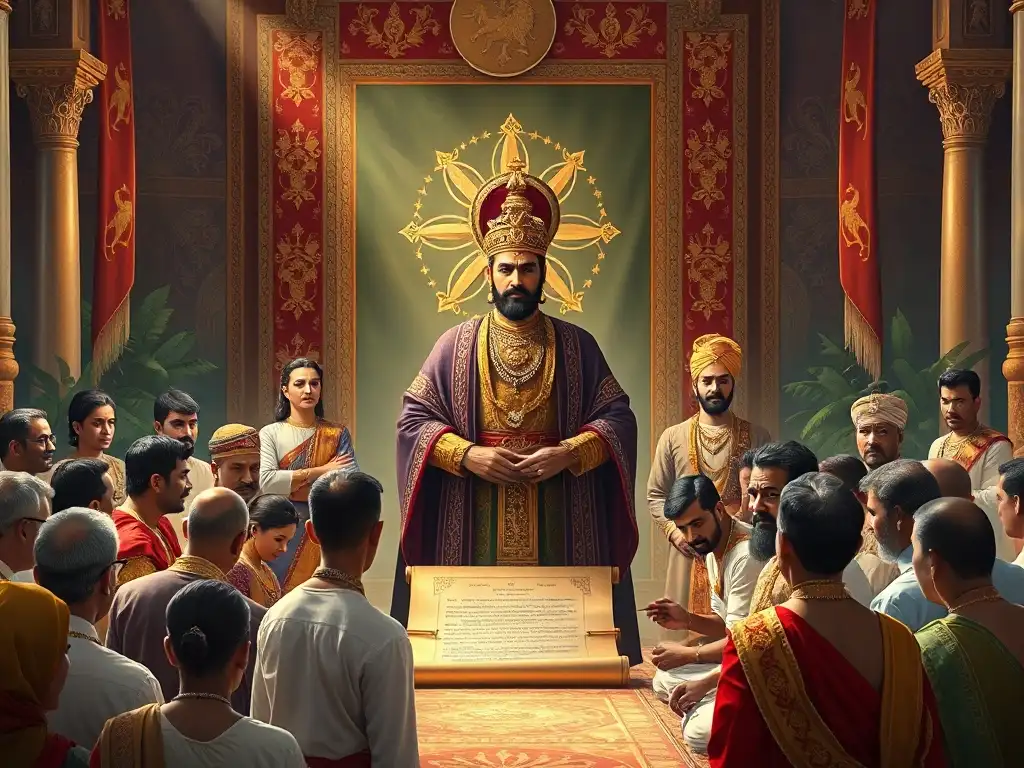
The Maurya Empire, which thrived from approximately 322 to 185 BCE, represents one of the most significant and influential periods in ancient Indian history. Founded by Chandragupta Maurya, this empire not only established a vast and unified political territory across much of the Indian subcontinent but also set a precedent for governance, culture, and military strategy.
Among its many remarkable attributes, the Maurya Empire's adept use of propaganda and public relations played a pivotal role in maintaining its authority and cultivating loyalty among its subjects. This article delves into the Maurya Empire propaganda strategies, exploring how they shaped the political landscape and reinforced the empire's legitimacy.
Overview of the Maurya Empire
The Maurya Empire emerged in the wake of the fragmented states that characterized ancient India, quickly expanding under the leadership of Chandragupta Maurya and later, his grandson Ashoka. Notable for its impressive administrative system, the empire implemented a centralized governance model that allowed for effective management of its vast territories. The capital city of Pataliputra became a hub of political activity, innovation, and cultural exchange, while the empire itself was marked by significant achievements in art, architecture, and philosophy.
Significance of Propaganda in Ancient Politics
In ancient societies, propaganda served as a crucial instrument in shaping public perception and consolidating power. It was not merely about disseminating information but rather about crafting a narrative that aligned the ruler’s image with the ideals and aspirations of the populace. In the context of the Maurya Empire, propaganda strategies were essential for:
- Legitimizing Authority: Reinforcing the ruler's divine right to govern and establishing a connection between the monarchy and the populace.
- Promoting Unity: Fostering a sense of belonging and shared identity among diverse cultural groups within the empire.
- Encouraging Loyalty: Inspiring loyalty and allegiance through various means of communication, including edicts, public ceremonies, and art.
The Role of Propaganda in the Maurya Empire
Definition of Propaganda Strategies in Ancient India
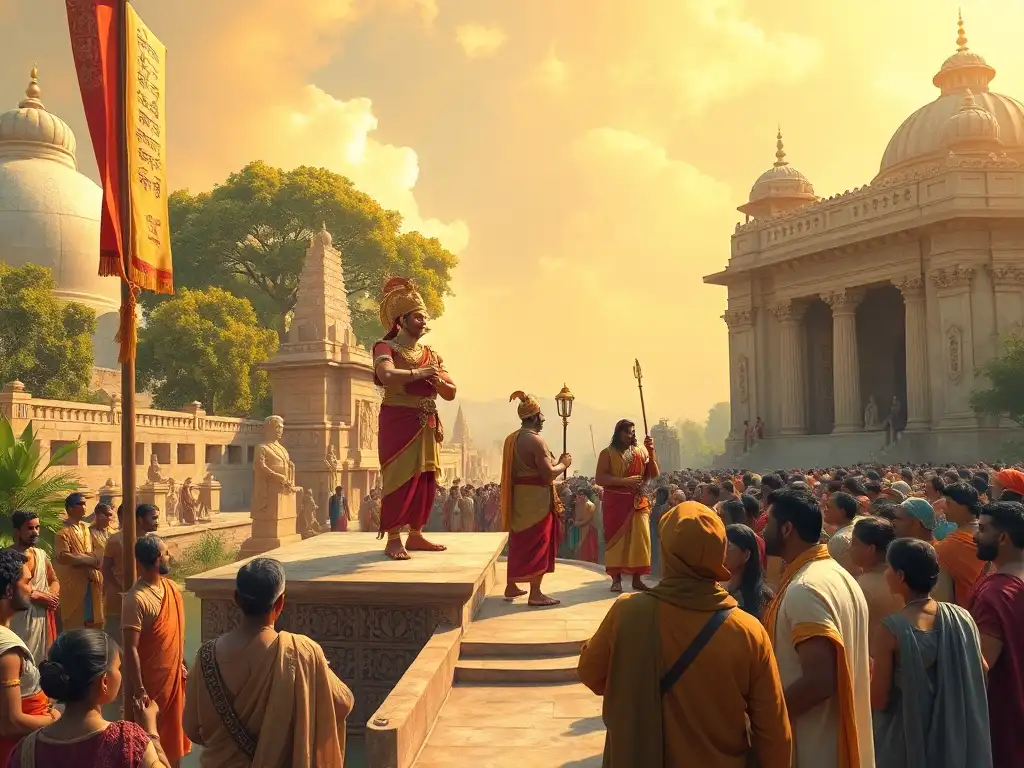
In the context of ancient India, propaganda strategies encompassed a range of tactics aimed at influencing public opinion. This included the use of visual symbols, edicts, and rituals to convey messages that promoted the ruling authority. The Maurya Empire, particularly under Ashoka, exemplified this approach, employing a variety of media to communicate its policies and values.
Key elements of these strategies included:
- Edicts of Ashoka: Rock and pillar inscriptions that communicated moral and ethical governance principles.
- Art and Architecture: Stupas and sculptures that depicted the emperor's achievements and reinforced Buddhist teachings.
- Public Celebrations: Festivals and ceremonies that highlighted the emperor's role as a benevolent ruler.
Historical Context of Propaganda During the Maurya Period
The use of propaganda during the Maurya period must be understood within its historical context. Following the unification of various kingdoms, the Maurya Empire faced the challenge of governing a diverse population with varied beliefs and customs. To address this, the empire leveraged propaganda as a tool for both political stability and cultural cohesion.
The rise of Buddhism, particularly under Ashoka, introduced new dimensions to propaganda, as the emperor sought to promote Buddhist values alongside his political agenda. This period saw the emergence of a sophisticated communication strategy that emphasized non-violence, moral governance, and the welfare of the subjects.
The Maurya Empire's propaganda strategies were instrumental in shaping its political landscape, contributing to its longevity and influence throughout ancient India. As we explore this topic further, we will examine specific examples of propaganda used by the Maurya rulers and their lasting impact on the empire's legacy.
Key Propaganda Strategies Used by the Maurya Empire
The Maurya Empire, one of the largest and most powerful empires in ancient India, employed various propaganda strategies to consolidate its power and promote its political agenda. These strategies were pivotal in shaping public perception and maintaining control over a vast and diverse population. Key among these strategies were effective communication tactics, the use of inscriptions and edicts, and the influence of art and architecture. By harnessing these tools, the Mauryan leaders were able to craft a narrative that highlighted their legitimacy, authority, and benevolence.
Communication Tactics of Mauryan Leaders
Mauryan leaders, especially Emperor Ashoka, utilized sophisticated communication tactics to relay their messages effectively to the populace. They understood the importance of clarity and accessibility in their communications, often employing local dialects to reach a broader audience. This approach ensured that their edicts and proclamations resonated with the common people, making the rulers appear more relatable and approachable.
Furthermore, the Maurya Empire made use of messengers and emissaries to disseminate information across different regions. These individuals acted as conduits for the emperor's messages, allowing for a more personal touch in communication. By fostering an image of a ruler who was in tune with the needs and sentiments of his subjects, the Mauryan leaders bolstered their authority and enhanced their political legitimacy.
Use of Inscriptions and Edicts as Propaganda Tools
Inscriptions and edicts served as vital propaganda tools during the Maurya Empire. Emperor Ashoka, in particular, is renowned for his extensive use of rock edicts, which were inscribed on stone pillars and boulders throughout the empire. These edicts articulated the principles of governance, moral conduct, and Buddhist philosophy, emphasizing the emperor's commitment to dharma (moral law).
The strategic placement of these inscriptions in public spaces ensured that they were visible to a wide audience, reinforcing the emperor's messages directly to the populace. By promoting ideals such as compassion, non-violence, and social welfare, the Mauryan edicts functioned as a means to cultivate a positive image of the emperor, aligning his rule with ethical governance and spiritual authority.
Influence of Art and Architecture in Political Messaging
Art and architecture were instrumental in the Maurya Empire's propaganda strategies, serving as visual representations of the empire's power and values. The construction of grand stupas, such as the Sanchi Stupa, and imposing pillars, like those at Lauriya Nandangarh, were not merely architectural feats but also symbols of the empire's strength and moral authority.
These structures often featured intricate carvings and motifs that conveyed messages of unity, prosperity, and divine favor. The visual impact of Mauryan art and architecture played a crucial role in shaping public perception, making the emperor's vision and ideology tangible to the masses. By investing in public works, the Mauryan leadership demonstrated their commitment to the welfare of their subjects, further solidifying their legitimacy.
Public Relations Techniques in Maurya Politics
The Maurya Empire adeptly employed various public relations techniques to enhance its political stature and foster loyalty among its citizens. Through a combination of royal patronage, targeted outreach to different social classes, and the celebration of festivals and public ceremonies, the empire was able to create a strong bond between the rulers and the ruled.
The Role of Royal Patronage in Shaping Public Perception
Royal patronage was a critical component of the Mauryan public relations strategy. By supporting religious institutions, sponsoring artistic endeavors, and promoting charitable activities, the Mauryan rulers positioned themselves as benevolent leaders dedicated to the welfare of their subjects. This patronage not only reinforced the rulers' authority but also fostered goodwill among various communities.
The act of patronage often extended beyond mere financial support; it involved active participation in cultural and religious activities, which further endeared the rulers to the populace. The association of the emperor with significant cultural practices helped to establish a narrative of a ruler who was not only powerful but also compassionate and devoted to the moral and spiritual upliftment of society.
Engagement with Different Social Classes through Propaganda
The Maurya Empire recognized the importance of engaging with different social classes as part of its propaganda efforts. By tailoring messages and initiatives to resonate with various segments of society, the rulers aimed to foster a sense of inclusion and loyalty among their subjects.
For instance, the administration implemented policies that addressed the needs of farmers, artisans, and merchants, showcasing the empire's commitment to their welfare. Additionally, the promotion of trade and economic opportunities for different social classes helped to cultivate a sense of shared prosperity, aligning the interests of various groups with the goals of the empire.
The Use of Festivals and Public Ceremonies
Festivals and public ceremonies were not only cultural celebrations but also effective tools for political messaging in the Maurya Empire. These events provided opportunities for the rulers to connect with the populace on a personal level, showcasing their involvement in the community.
During such gatherings, the Mauryan leaders often delivered speeches that reinforced their political narratives, highlighting achievements and future goals. The spectacle of large-scale festivities helped to create a sense of unity and collective identity among the empire's diverse population, further solidifying the rulers' hold on power. Through these celebrations, the Maurya Empire successfully blended cultural heritage with political strategy, ensuring that the emperor remained a central figure in the hearts and minds of the people.
Case Studies of Maurya Empire Propaganda
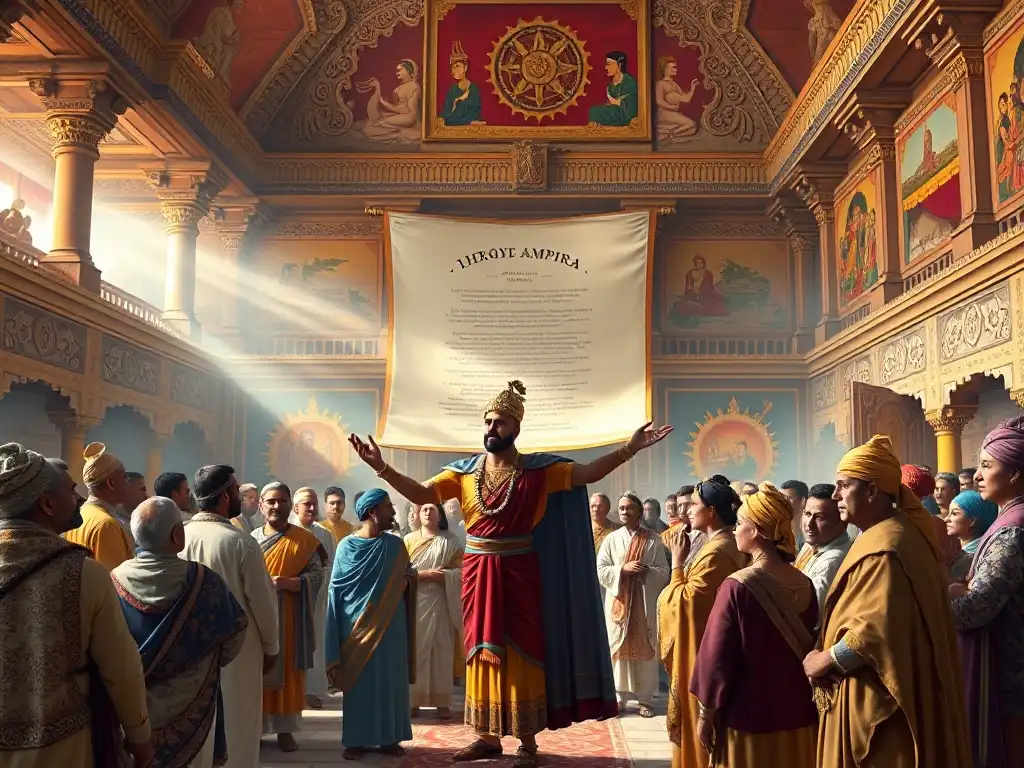
The Maurya Empire, one of the most significant ancient Indian empires, adeptly employed propaganda strategies to consolidate power and communicate its ideology. These strategies were varied and context-specific, revealing how effective communication tools were used to maintain authority and influence public perception. In this section, we will explore notable case studies that illustrate the empire's approach to propaganda and public relations.
Ashoka's Edicts: A Model of Political Communication
One of the most remarkable examples of propaganda in the Maurya Empire can be found in the edicts of Ashoka, the third Mauryan emperor. After the Kalinga War, Ashoka underwent a profound transformation, embracing Buddhism and advocating for peace. He inscribed his edicts on large stone pillars and rock surfaces across the empire, effectively utilizing these inscriptions as a means of political communication.
The edicts served multiple purposes:
- Moral Guidance: Ashoka's messages emphasized ethical conduct, compassion, and non-violence, aligning the state's values with those of Buddhism.
- Legal Framework: The edicts also outlined laws and regulations, presenting the emperor as a benevolent ruler concerned with the welfare of his subjects.
- Cultural Cohesion: By disseminating these texts in various languages, Ashoka promoted cultural unity and stability within the diverse empire.
The edicts of Ashoka exemplify how propaganda can be utilized not just for governance but also for fostering a shared identity among different communities.
The Role of Buddhism in Promoting Mauryan Ideology
Buddhism played a pivotal role in the propaganda strategies of the Maurya Empire, particularly under Ashoka’s reign. The emperor’s conversion to Buddhism was not merely a personal transformation; it was a strategic move to unify and stabilize the empire. The integration of Buddhist values into the state ideology facilitated the following:
- Legitimization of Authority: By aligning himself with the principles of Buddhism, Ashoka sought to legitimize his rule and present himself as a moral authority.
- Promotion of Social Welfare: The Buddhist emphasis on compassion and the welfare of all beings resonated with the populace, enhancing loyalty towards the emperor and the state.
- Cultural Exchange: The Maurya Empire became a hub for Buddhist scholars and monks, promoting cultural exchange and spreading the ideology across Asia, which further strengthened the empire’s influence.
Through the promotion of Buddhism, the Mauryan rulers were able to craft a narrative that not only appealed to the masses but also reinforced their political agendas.
Comparison of Propaganda Strategies Across Different Mauryan Rulers
While Ashoka is often highlighted for his innovative propaganda strategies, other Mauryan rulers employed different methods to achieve their political objectives. For instance, Chandragupta Maurya, the founder of the empire, utilized military successes and the establishment of a strong centralized government as a propaganda tool. His emphasis on military prowess and territorial expansion laid the groundwork for the empire's dominance.
- Chandragupta Maurya: Focused on military achievements and the establishment of a strong administrative framework to consolidate his power.
- Bindusara: Relied on diplomatic relations and alliances, showcasing the empire's strength through strategic partnerships.
- Ashoka: Shifted focus towards moral governance and universal peace, utilizing Buddhism as both a personal and political tool for propaganda.
This comparison highlights the adaptability of propaganda strategies in response to the changing political landscape and the unique challenges faced by each ruler.
Impact of Propaganda on Maurya Empire Stability
The effective use of propaganda had a profound impact on the stability of the Maurya Empire. By shaping public perception and fostering loyalty among subjects, the rulers were able to maintain control over a vast and diverse population.
How Propaganda Influenced Public Opinion and Loyalty
Propaganda served as a crucial mechanism for influencing public opinion in the Maurya Empire. The dissemination of edicts, coupled with the promotion of Buddhist values, created a sense of shared identity and purpose among the populace. This led to:
- Increased Loyalty: Citizens felt a personal connection to the ruler, which fostered loyalty and reduced dissent.
- Public Engagement: The use of public announcements and inscriptions allowed for direct engagement with the populace, reinforcing the idea that the emperor was a guardian of their welfare.
- Cultural Integration: By promoting a unified ideology, the Maurya rulers mitigated regional disparities and fostered a sense of belonging across the empire.
The strategic use of propaganda thus played a crucial role in ensuring a cohesive and loyal citizenry.
The Effects of Propaganda on Internal Governance and Control
The Maurya Empire’s propaganda strategies were not limited to external communication; they also significantly influenced internal governance. The following effects are noteworthy:
- Enhanced Administrative Efficiency: By establishing a clear set of laws and ethical guidelines through edicts, the rulers ensured that officials and citizens understood their roles and responsibilities.
- Control over Dissent: The promotion of certain ideologies effectively marginalized opposing views, helping to quell potential uprisings and dissent.
- Strengthened Bureaucratic Structures: A coherent and recognizable propaganda strategy allowed for the smooth functioning of the vast administrative machinery, enhancing overall governance.
In this way, propaganda was integral to maintaining order and control within the empire.
Legacy of Maurya Empire Propaganda Strategies in Subsequent Indian History
The propaganda strategies developed during the Maurya Empire had a lasting legacy in subsequent Indian history. The use of inscriptions, public edicts, and the integration of religious ideologies into statecraft influenced later dynasties such as the Gupta Empire and beyond. Key points of this legacy include:
- Continuation of Edicts: Later rulers adopted the practice of issuing edicts to communicate laws and policies, ensuring that the legacy of Ashoka's methods endured.
- Religious Influence on Governance: The integration of religious ideologies into state policies became a common practice, shaping the political landscape for centuries.
- Cultural Narratives: The narratives created around rulers, often emphasizing moral and ethical governance, persisted in Indian political thought and practice.
The Maurya Empire's innovative use of propaganda laid the groundwork for future governance strategies, demonstrating the enduring power of communication in politics.
Conclusion
The Maurya Empire, one of the most influential and expansive empires in ancient India, effectively utilized propaganda and public relations as fundamental components of its political strategy. By employing various methods such as inscriptions, edicts, and public ceremonies, the Mauryan rulers were able to communicate their achievements and philosophies to their subjects and the broader territory under their control. This sophisticated approach to governance not only solidified their power but also fostered a sense of unity and identity among the diverse populations of the empire.
Summary of Key Points on Maurya Empire Propaganda Strategies
- Inscriptions and Edicts: The Mauryan rulers, especially Ashoka, made extensive use of stone inscriptions and edicts to disseminate their messages across the empire. These inscriptions often highlighted moral principles, the benefits of Dharma, and the importance of social welfare, serving both as a means of governance and a tool for propaganda.
- Public Ceremonies and Festivals: The organization of grand public ceremonies and religious festivals was another strategy employed to engage the populace. These events were designed to promote the rulers' legitimacy and foster loyalty among subjects by celebrating the achievements of the empire.
- Symbolism and Iconography: The use of symbols, such as the Ashoka Chakra, was pivotal in creating a visual representation of the empire's values and ideals. This helped in establishing a recognizable brand for the Maurya Empire that resonated with the citizens and facilitated a collective identity.
- Role of Spokespersons: The Mauryan administration often relied on ministers and local leaders to communicate the emperor’s messages effectively. This decentralized approach allowed for more tailored communication that resonated with various regional audiences, enhancing the effectiveness of their propaganda strategies.
- Censorship and Control of Information: The central authority maintained a level of control over the information disseminated to the public. By regulating the narratives surrounding the empire's history and achievements, the Maurya rulers were able to shape public perception and maintain their authority.
The Lasting Influence of Mauryan Public Relations on Future Indian Civilizations
The strategies employed by the Maurya Empire laid a foundational framework for public relations and propaganda that would influence subsequent Indian civilizations. The use of inscriptions and edicts was adopted by later dynasties, demonstrating the effectiveness of written communication in governance.
- Integration in Later Rulership: Subsequent empires, such as the Gupta Empire, continued to use similar methods, including public inscriptions and grand ceremonies, to project their power and legitimacy. This continuity illustrates the Mauryan influence on the political landscape of India.
- Cultural Resonance: The values promoted through Mauryan propaganda, particularly the emphasis on Dharma and moral governance, found resonance in later Indian philosophies and political theories, influencing how rulers approached their governance.
- Public Engagement Techniques: The Mauryan emphasis on engaging the public through festivals and ceremonies set a precedent for future rulers who sought to build rapport with their subjects. This approach fostered loyalty and a sense of belonging that would be vital for the stability of subsequent kingdoms.
The Maurya Empire's innovative use of propaganda and public relations not only established a strong political structure during its time but also left a lasting legacy that shaped the governance and cultural identity of future Indian civilizations.
- Introduction to the Maurya Empire
- Overview of the Maurya Empire
- Significance of Propaganda in Ancient Politics
- The Role of Propaganda in the Maurya Empire
- Key Propaganda Strategies Used by the Maurya Empire
- Public Relations Techniques in Maurya Politics
- Case Studies of Maurya Empire Propaganda
- Impact of Propaganda on Maurya Empire Stability
- Conclusion
- What were the propaganda strategies used by the Maurya Empire?
- How did public relations play a role in the Maurya Empire?
- What was the impact of Ashoka's edicts on the empire's propaganda?
- How did the Maurya Empire utilize art and architecture for propaganda?
- Can we see parallels between Maurya propaganda and modern political strategies?
Frequently Asked Questions
What were the propaganda strategies used by the Maurya Empire?
The Maurya Empire employed various propaganda strategies, including the use of inscriptions and sculptures to communicate the achievements of the rulers and promote a unified state.
How did public relations play a role in the Maurya Empire?
Public relations in the Maurya Empire involved managing the perception of the rulers through state-sponsored art and public ceremonies, which aimed to enhance their reputation and maintain social cohesion.
What was the impact of Ashoka's edicts on the empire's propaganda?
Ashoka's edicts served as a vital tool for propaganda, promoting Buddhist values and the emperor's commitment to moral governance, thereby fostering loyalty among his subjects.
How did the Maurya Empire utilize art and architecture for propaganda?
The Maurya Empire used art and architecture, such as the Ashoka Pillars, to express imperial power and convey political messages, reinforcing the emperor's authority across the vast territory.
Can we see parallels between Maurya propaganda and modern political strategies?
Yes, parallels can be drawn between Maurya propaganda and modern political strategies, as both utilize media and public image to manipulate public perception and maintain authority.
Final Reflection: The Enduring Legacy of Maurya Empire Propaganda Strategies
The exploration of the Maurya Empire's propaganda strategies reveals their profound relevance in today's political landscape. In an era where information is disseminated at lightning speed and narratives can shape public perception in an instant, understanding how ancient empires crafted their messages offers invaluable insights into contemporary communication tactics. The Maurya Empire’s sophisticated use of propaganda not only influenced their governance but also set a precedent for how power can be wielded through strategic messaging.
The impact of these strategies resonates deeply within our cultural and social fabric, as we navigate a world increasingly defined by media influence and public relations. The Maurya Empire demonstrated that effective communication is not merely about conveying information but about shaping identity and allegiance. This historical perspective reminds us that the tools of persuasion have been pivotal in governance throughout time. The greatest victory is that which requires no battle.
– Sun Tzu. This quote encapsulates the essence of the Maurya Empire's approach, highlighting the power of strategic communication over brute force.
As we reflect on the lessons of the Maurya Empire, let us consider how we can apply these insights to our own lives and communities. In a world where narratives can easily be manipulated, it is essential to cultivate critical thinking and discernment. I invite you to engage with the information you encounter, question the motives behind the messages, and strive to communicate authentically in your own spheres of influence. By doing so, we can honor the legacy of the Maurya Empire while fostering a more informed and engaged society.
Unveil the Power of Communication in Ancient Politics!
Thank you for diving into our exploration of the Maurya Empire's fascinating use of propaganda and public relations! We hope you gained valuable insights into how communication shaped political landscapes in ancient India. Now, it’s your turn to leverage this knowledge.
Here are some actionable steps you can take to deepen your understanding and connect with others interested in the topic:
- Dive deeper by exploring various historical examples of propaganda across different civilizations and share your findings.
- Join an online discussion group or forum focused on ancient history to engage with like-minded individuals and broaden your perspective.
- Consider writing your own insights or opinions on the relevance of propaganda in modern politics, and share your thoughts on social media!
What intrigues you the most about the evolution of communication methods in politics from the Maurya Empire to the present day?