
The Craft of Weaving: Textiles in Indus Valley Civilization

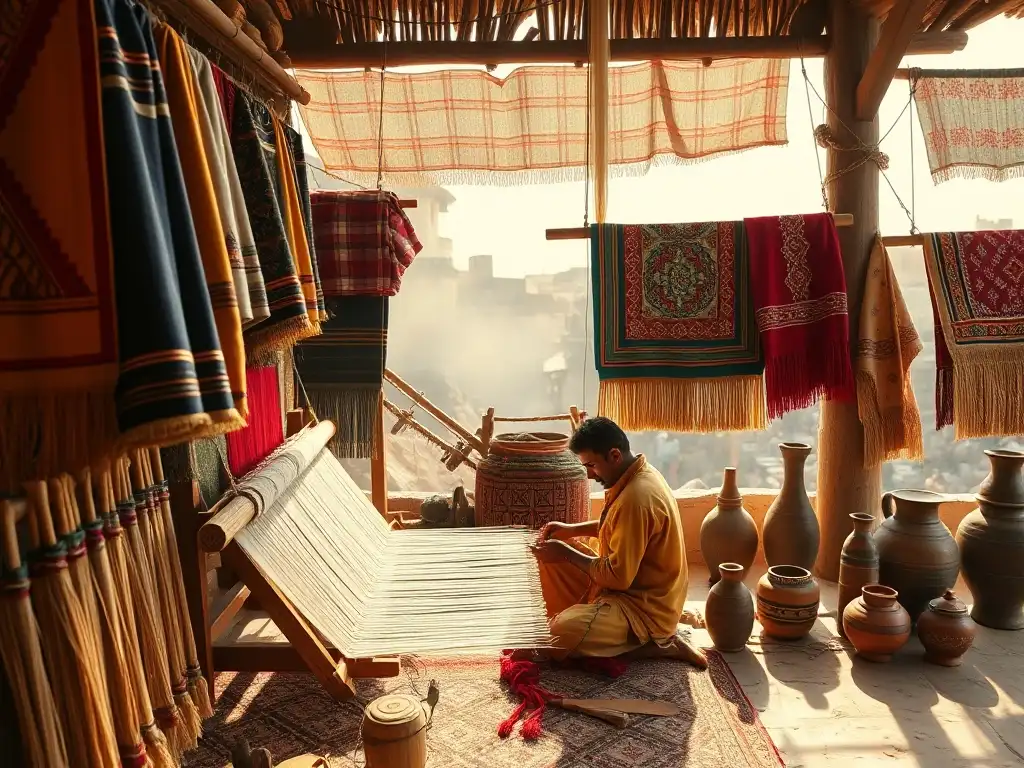
Welcome to Ancient India History, where we embark on a fascinating journey through the vibrant tapestry of ancient Indian civilizations! Here, we delve deep into the rich and diverse history that shaped the subcontinent, from the awe-inspiring Indus Valley to the illustrious Gupta Empire. In our featured article, “The Craft of Weaving: Textiles in Indus Valley Civilization,” we uncover the remarkable Indus Valley textile craftsmanship that not only highlights the ingenuity of its people but also sets the stage for the evolution of trade and culture in the region.
Prepare to be captivated as you explore the intricate threads of history that continue to influence us today. Your adventure into the past begins now!
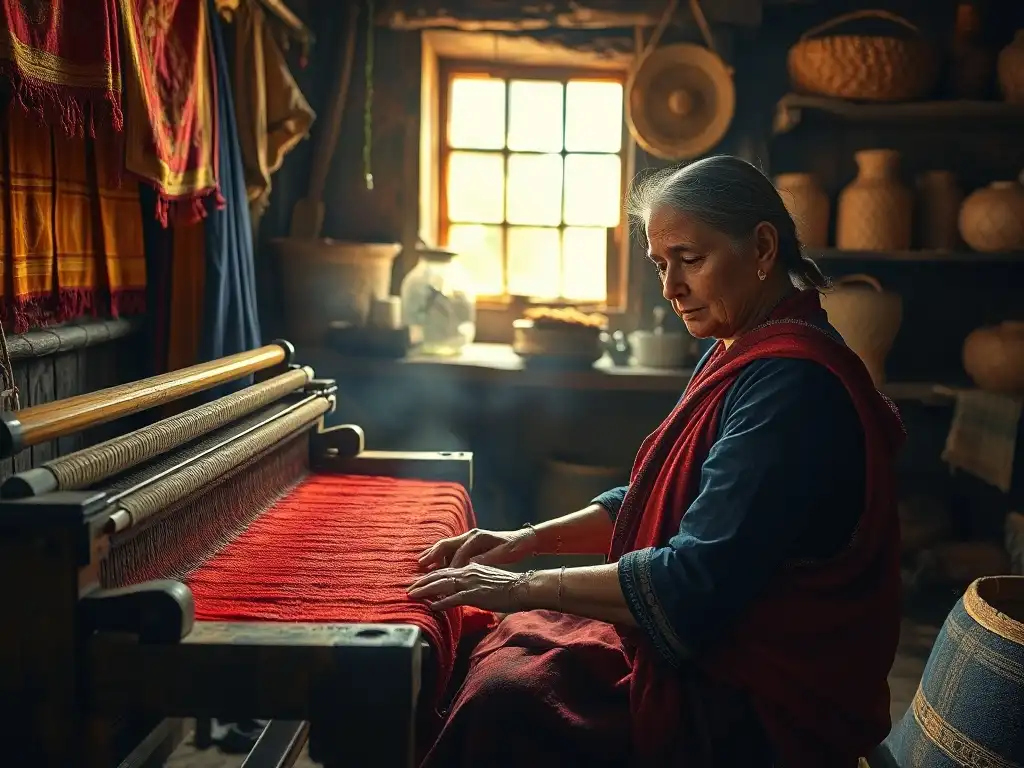
Introduction to Indus Valley Textile Craftsmanship
The Indus Valley Civilization (IVC), flourishing around 2500 BCE in what is now Pakistan and northwest India, is renowned not only for its advanced urban planning and architecture but also for its sophisticated textile craftsmanship. This civilization showcased an impressive array of textile arts that played a vital role in both daily life and trade. The study of Indus Valley textile craftsmanship reveals the ingenuity and creativity of its people, highlighting their methods and materials that have influenced subsequent cultures.
Understanding the textiles produced during this era provides insights into the economy, social structures, and cultural practices of one of the world's earliest civilizations. From intricate weaving techniques to the use of vibrant natural dyes, the craftsmanship of the Indus Valley remains a significant aspect of its historical legacy.
Overview of the Indus Valley Civilization
The Indus Valley Civilization, one of the world's oldest urban cultures, emerged around 3300 BCE and thrived until approximately 1300 BCE. It is characterized by well-planned cities such as Harappa and Mohenjo-Daro, which featured advanced drainage systems, standardized brick sizes, and impressive public buildings.
The civilization was marked by its diverse economy, which included agriculture, trade, and craftsmanship. The people of the IVC engaged in various artisanal activities, with textiles being a prominent feature of their economy. The evidence of cotton cultivation and textile production suggests that the Indus Valley was among the first regions in the world to develop cotton fabrics, indicating a high level of skill and specialization.
Significance of Textile Craft in Ancient Cultures
Textiles have always held a profound significance in human societies, serving not only practical purposes but also acting as a medium for artistic expression and cultural identity. In ancient cultures, textiles were integral to trade, social status, and rituals.
In the context of the Indus Valley, textile craftsmanship was crucial for:
- Trade: The IVC engaged in extensive trade networks, exporting textiles to regions such as Mesopotamia. This commerce fostered economic connections and cultural exchanges.
- Cultural Identity: Clothing styles and textile patterns often reflected social hierarchies and regional identities. The unique textiles of the Indus Valley contributed to the cultural tapestry of ancient India.
- Ritual and Ceremony: Textiles played an essential role in religious and ceremonial practices, often used in offerings and as adornments.
The Techniques of Indus Valley Textile Craftsmanship
The artistry of Indus Valley textiles was characterized by a range of techniques that produced high-quality fabrics. The craftsmanship involved intricate processes that have left a lasting legacy in textile production.
Weaving Techniques Used in the Indus Valley
The weaving techniques of the Indus Valley are remarkable for their complexity and precision. Evidence suggests the use of both simple and more advanced weaving methods, including:
- Plain Weave: The most common form, created by interlacing threads in a straightforward crisscross pattern.
- Twilled Weave: A more intricate technique that produced a diagonal ribbing effect, enhancing the durability and texture of the fabric.
- Patterned Weave: Some textiles featured elaborate patterns, indicating a sophisticated understanding of design and aesthetics.
These techniques not only contributed to the functionality of textiles but also allowed for artistic expressions, making them significant in both everyday use and ceremonial contexts.
Dyeing Methods and Natural Dyes
Color was a vital aspect of Indus Valley textiles, achieved through various dyeing methods utilizing natural resources. The civilization is known for its innovative use of plant-based dyes, minerals, and other organic materials. Common dye sources included:
- Indigo: Used to produce deep blue shades, derived from the indigo plant.
- Turmeric: A natural yellow dye derived from the turmeric root.
- Madder: A plant used to create rich reds and pinks.
The knowledge of dyeing techniques and the ability to produce vibrant colors contributed to the appeal and value of Indus Valley textiles in trade.
Types of Looms and Their Functions
The production of textiles in the Indus Valley was facilitated by various types of looms, each serving distinct functions in the weaving process. Archaeological findings suggest the use of:
- Handlooms: The most basic form, operated manually, allowing for flexibility and creativity in design.
- Vertical and Horizontal Looms: Different configurations that impacted the type of weave and the scale of production.
These looms not only reflected the technological advancements of the Indus Valley but also the artisans' skills in creating textiles that were both functional and aesthetically pleasing.
As we delve deeper into the fascinating world of textile craftsmanship in the Indus Valley Civilization, we uncover the intricate techniques and cultural significance that shaped one of history's most remarkable civilizations.
Materials Used in Indus Valley Textiles
The Indus Valley Civilization (IVC), flourishing around 2500 BCE, is renowned for its advanced textile craftsmanship. The artisans of this ancient society skillfully utilized a variety of materials to create intricate and functional textiles. Understanding the materials they employed provides insight into their daily lives, trade practices, and technological advancements.
Common Fibers in Indus Valley Weaving
The primary fibers used in Indus Valley textile weaving were cotton and wool. Archaeological findings indicate that cotton production was well-established, with evidence suggesting its domestication in the region. The availability of cotton allowed for the creation of lightweight and breathable fabrics, ideal for the hot climate of the Indian subcontinent. Wool, derived from local sheep breeds, was also prevalent, particularly for warmer garments.
Other fibers, such as flax (used for linen) and silk, may have been utilized, although evidence for silk production in the IVC is sparse. The sophisticated techniques employed in spinning and weaving these fibers reflect the IVC's advanced understanding of textile technology.
The Role of Cotton in Textile Production
Cotton played a pivotal role in the textile production of the Indus Valley Civilization. This natural fiber was not only abundant but also highly versatile, allowing artisans to craft a range of products from simple garments to elaborate ceremonial attire. The cultivation of cotton in the region is supported by findings from sites like Mohenjo-Daro and Harappa, where remnants of cotton bolls and woven fabrics have been uncovered.
The process of cotton weaving involved several stages, including spinning, dyeing, and weaving. The IVC artisans mastered these techniques, which contributed to the high quality of their textiles. Cotton's durability and comfort made it a preferred choice for everyday clothing, while its aesthetic appeal enabled the creation of intricately designed garments.
Other Materials: Wool, Silk, and More
In addition to cotton, wool was another significant fiber in Indus Valley textiles. Evidence suggests that the IVC had access to domesticated sheep, enabling the production of woolen fabrics for warmer climates and various purposes. Wool textiles were likely used for clothing, blankets, and other essential items, showcasing the adaptability of the civilization's textile practices.
While less common, silk may have also been used, especially in later periods influenced by trade with other civilizations. Other materials such as animal hides and plant fibers could have supplemented textile production, although cotton and wool remained dominant. The diverse range of materials reflects the IVC's robust trade networks and resourcefulness in utilizing available resources.
Patterns and Designs in Indus Valley Textiles
The artistry of textile patterns and designs in the Indus Valley Civilization reveals much about their cultural beliefs, social structures, and artistic expressions. Textiles served not only functional purposes but also acted as a canvas for intricate designs that conveyed various meanings.
Symbolism in Textile Patterns
Textile patterns in the Indus Valley often incorporated symbolic motifs that held cultural significance. Geometric shapes, floral designs, and animal representations were prevalent in their weaving. These patterns likely had meanings associated with fertility, prosperity, and spiritual beliefs, reflecting the civilization's connection to nature and mythology.
The repeating patterns found in IVC textiles suggest a sophisticated understanding of aesthetics and symbolism. By embedding cultural narratives into their textiles, the artisans created pieces that were not just functional but also deeply meaningful.
Comparison of Regional Textile Designs
Regional variations in textile designs among different sites within the Indus Valley Civilization highlight the diversity of artistic expression. For instance, textiles from Mohenjo-Daro often featured more intricate geometric patterns, while those from Harappa showcased a preference for floral motifs. This variation may have been influenced by local resources, cultural exchanges, and differing social practices.
The trade routes connecting the Indus Valley to neighboring regions further enriched these designs, allowing for the incorporation of external influences. This blend of styles contributed to the overall richness of IVC textiles, making them unique in the ancient world.
Influence of Geometric and Natural Motifs
Geometric and natural motifs played a crucial role in the textile designs of the Indus Valley Civilization. The use of geometric patterns, such as zigzags, diamonds, and concentric circles, not only demonstrated the artisans' technical skills but also reflected the mathematical understanding of the time.
Natural motifs, including plants and animals, were frequently depicted in textiles, symbolizing the civilization's relationship with their environment. These motifs were meticulously woven into fabrics, creating a visual narrative that celebrated both the natural world and the cultural identity of the Indus Valley people. The harmonious integration of these designs underscores the significance of textiles as a medium for cultural expression in ancient India.
The Economic Impact of Textile Craftsmanship
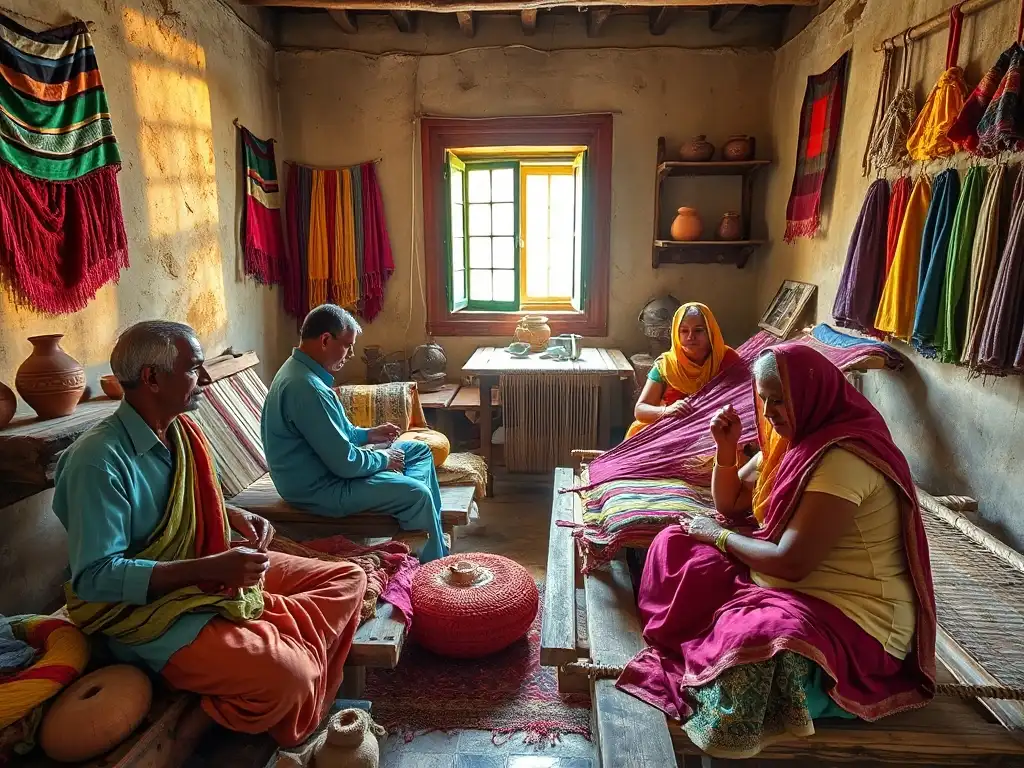
The textile craftsmanship of the Indus Valley Civilization had a profound influence on the economic framework of this ancient society. Textiles, particularly cotton fabrics, were among the civilization's most significant exports, which contributed to their wealth and trade networks. The production of textiles not only provided employment opportunities within the community but also fostered a vibrant economy that thrived on both local demand and international trade.
Trade of Indus Valley Textiles
Trade routes established by the Indus Valley Civilization allowed for the exchange of textiles with other regions, including Mesopotamia and perhaps even the Arabian Peninsula. Archaeological findings, such as seals and weights, indicate that textiles were a major commodity. It is believed that cotton, being a valuable and sought-after material, was exported in large quantities. The proficiency in weaving, along with the advanced techniques developed by artisans, enabled the Indus people to produce high-quality textiles that were well-regarded in international markets.
- Key Trade Goods:
- Cotton fabrics
- Dyed textiles
- Embroidered items
The trade of textiles not only enriched the economy but also facilitated cultural exchanges, resulting in the diffusion of artistic styles and techniques across regions.
Role of Textiles in the Indus Economy
Textiles played a pivotal role in the daily economic activities of the Indus Valley people. The production process involved various stages, including spinning, dyeing, and weaving, which required skilled labor. This craftsmanship was not merely a craft but a vital economic sector that contributed to the overall prosperity of the civilization.
- Economic Contributions:
- Employment for artisans and laborers
- Local markets for textile goods
- Revenue generation through trade
The establishment of workshops and specialized artisans indicates a well-organized structure that supported textile production, showcasing the importance of this craft in the broader economic landscape of the Indus Valley Civilization.
Comparison with Other Ancient Civilizations
When compared to other ancient civilizations, such as Egypt and Mesopotamia, the Indus Valley's textile craftsmanship stands out for its sophistication and innovation. While Egypt is known for its linen production and Mesopotamia for wool textiles, the Indus Valley's unique use of cotton and advanced dyeing techniques set it apart.
- Distinct Features of Indus Valley Textiles:
- Use of cotton as a primary material
- Advanced dyeing methods, including indigo
- Elaborate weaving patterns and designs
The emphasis on cotton textiles not only highlights the technological advancements of the Indus Valley but also reflects the environmental advantages of the region, which was conducive to cotton cultivation.
Textiles in the Indus Valley Civilization were not just utilitarian items; they held deep social and cultural significance. They played a crucial role in daily life, spiritual practices, and social stratification, reflecting the values and identities of the people.
Textiles in Daily Life of Indus Valley People
In the daily lives of the Indus Valley inhabitants, textiles were essential for clothing, household items, and trade. Fabrics were used for a variety of purposes, from garments to bedding and drapery. The ability to produce and wear fine textiles was a reflection of one’s social standing and lifestyle.
- Common Uses of Textiles:
- Clothing for men, women, and children
- Household furnishings like curtains and bedspreads
- Trade goods in local and regional markets
The integration of textiles into daily life underscores their importance as not only practical items but also as symbols of identity and status within the society.
Spiritual and Ritual Uses of Textiles
Textiles also held a significant place in the spiritual and ritual practices of the Indus Valley Civilization. They were often used in religious ceremonies and rituals, indicating their sacredness and cultural importance. The presence of specific patterns and colors in textiles may have had symbolic meanings tied to religious beliefs.
- Examples of Ritual Uses:
- Textiles as offerings in religious practices
- Use of specific colors for ceremonial garments
- Decorative textiles in sacred spaces
These spiritual connections reveal the multifaceted role of textiles, intertwining the everyday with the sacred and highlighting their significance in the cultural fabric of the Indus Valley.
The Status Symbol of Textile Artistry
Textile craftsmanship was not only an economic activity but also a marker of social status in the Indus Valley Civilization. The quality and intricacy of textiles often signified the wealth and position of individuals within society. High-quality fabrics, elaborate designs, and unique dyeing techniques were reserved for the elite, making textiles a clear status symbol.
- Indicators of Status:
- Ownership of rare and finely crafted textiles
- Display of intricately woven garments during social events
- Use of textiles in burials to signify wealth and status
The artistry involved in textile production elevated its status, making it a crucial aspect of personal and communal identity in the Indus Valley Civilization.
Conclusion: Legacy of Indus Valley Textile Craftsmanship
The legacy of Indus Valley textile craftsmanship is profound and continues to resonate through India's rich textile traditions. The techniques and designs developed during this ancient civilization laid the groundwork for subsequent textile practices in the Indian subcontinent. The Indus Valley artisans displayed remarkable skill in weaving, dyeing, and finishing textiles, which set a high standard for quality and creativity that would influence generations to come.
Textiles from the Indus Valley not only served practical purposes but also held cultural significance, reflecting the social and economic realities of the time. Their craftsmanship in creating intricate patterns and employing advanced techniques such as loom weaving contributed significantly to the development of textile art in India. This legacy highlights the importance of textiles in the daily life and rituals of ancient societies, making them a crucial component of cultural heritage.
Lasting Impact on Indian Textile Traditions
The Indus Valley textile craftsmanship has had a lasting impact on Indian textile traditions, shaping the way fabrics are produced and used across various regions. The use of cotton, which was cultivated and woven in the Indus Valley, became a cornerstone of Indian textiles and remains integral to its textile industry today. The techniques of spinning and weaving established by Indus artisans laid the foundation for later innovations, influencing local artisans and traders in the centuries that followed.
Moreover, the motifs and designs found on the textiles of the Indus Valley civilization inspired various regional styles, which continue to thrive today. Patterns such as geometric shapes and intricate floral designs can be traced back to this era. This continuity illustrates how ancient techniques and aesthetics have been preserved and adapted over millennia, thereby enriching the diverse tapestry of Indian textile arts.
Influence on Modern Textile Art and Craftsmanship
The influence of Indus Valley textile craftsmanship extends into modern textile art and craftsmanship, where contemporary artists and designers draw inspiration from ancient techniques and motifs. The revival of traditional weaving methods, natural dyeing processes, and the incorporation of historical patterns into modern designs reflect a deep appreciation for the craftsmanship of the past.
In contemporary art, we see a blending of ancient and modern techniques, where artists experiment with textiles to create new forms of expression while honoring their historical roots. This fusion not only keeps the legacy of Indus Valley craftsmanship alive but also allows for innovation in the textile industry, promoting sustainability and a return to artisanal practices. As a result, the textiles of ancient India continue to inspire and influence a new generation of creators.
References and Further Reading on Indus Valley Textile Craftsmanship
For those interested in exploring the intricate world of Indus Valley textile craftsmanship, several resources provide valuable insights into this ancient art form. Academic publications, archaeological reports, and curated exhibitions offer a deeper understanding of the techniques, materials, and cultural significance of textiles from the Indus Valley civilization.
Key Archaeological Findings
Key archaeological findings, such as the discovery of spindle whorls, loom weights, and remnants of woven fabric at sites like Mohenjo-Daro and Harappa, have provided crucial evidence of the advanced textile practices in the Indus Valley. These artifacts illustrate the complexity of their textile production, including the use of cotton and the sophistication of weaving techniques. The well-preserved textiles found in some burial sites further reveal the aesthetic sensibilities and technological innovations of the time.
Notable Scholars and Their Contributions to Textile Studies
Several notable scholars have made significant contributions to the study of Indus Valley textile craftsmanship. Researchers like R. S. Sharma, who focused on the socio-economic aspects of ancient Indian textiles, and V. P. Gupta, known for his studies on dyeing techniques, have expanded our knowledge of this field. Their work has paved the way for further research into the historical contexts and cultural implications of textiles in the Indus Valley civilization, ensuring that this ancient craftsmanship continues to be a subject of scholarly interest.
- Introduction to Indus Valley Textile Craftsmanship
- The Techniques of Indus Valley Textile Craftsmanship
- Materials Used in Indus Valley Textiles
- Patterns and Designs in Indus Valley Textiles
- The Economic Impact of Textile Craftsmanship
- Social and Cultural Significance of Textiles
- Conclusion: Legacy of Indus Valley Textile Craftsmanship
- References and Further Reading on Indus Valley Textile Craftsmanship
- What was the significance of textile craftsmanship in the Indus Valley Civilization?
- How did the Indus Valley people produce textiles?
- What types of textiles were commonly produced in the Indus Valley?
- How did Indus Valley textile craftsmanship influence later cultures?
- What role did trade play in the development of textile craftsmanship in the Indus Valley?
Frequently Asked Questions
What was the significance of textile craftsmanship in the Indus Valley Civilization?
Textile craftsmanship was a vital aspect of the Indus Valley Civilization, contributing to trade and cultural identity. The advanced techniques reflected their artistic skills and economic sophistication.
How did the Indus Valley people produce textiles?
Indus Valley artisans utilized spinning, weaving, and dyeing techniques to create textiles. They primarily worked with cotton, which was cultivated and processed locally, showcasing their innovative practices.
What types of textiles were commonly produced in the Indus Valley?
The Indus Valley Civilization produced various textiles, including cotton fabrics and embroidered materials. Their creations often featured intricate designs and were used for clothing, trade, and ceremonial purposes.
How did Indus Valley textile craftsmanship influence later cultures?
The techniques and styles developed in the Indus Valley had a lasting impact on subsequent Indian cultures. Elements of their weaving and dyeing methods can be traced through history, shaping the textile traditions of later civilizations.
What role did trade play in the development of textile craftsmanship in the Indus Valley?
Trade was crucial for the growth of textile craftsmanship, as it facilitated the exchange of raw materials and finished products. This exchange not only enhanced their crafting techniques but also expanded their market reach beyond local boundaries.
Final Reflection: The Enduring Legacy of Indus Valley Textile Craftsmanship
The intricate artistry of Indus Valley textile craftsmanship continues to resonate in today's world, reminding us of the profound connection between culture and creativity. As we explore the rich history of textiles in this ancient civilization, we uncover not just the techniques and materials used, but also the stories woven into each fabric. The legacy of these artisans is a testament to the timeless nature of craftsmanship, which transcends generations and geographical boundaries.
The influence of Indus Valley textile craftsmanship is evident in contemporary fashion and textile industries, where the appreciation for handmade and sustainable practices is on the rise. The meticulous attention to detail and the cultural significance embedded in these textiles inspire modern artisans and designers alike. As noted by textile historian Dr. Anjali Sharma, The textiles of the Indus Valley are not merely artifacts; they are a narrative of human ingenuity and cultural identity.
This acknowledgment of the past enriches our understanding of the present, encouraging a deeper appreciation for the artistry that surrounds us.
As we reflect on the lessons from the Indus Valley civilization, let us embrace the spirit of craftsmanship in our own lives. Consider how you can weave your own narrative through creativity, whether by supporting local artisans, exploring sustainable practices, or even trying your hand at crafting something unique. The legacy of the Indus Valley is not just a historical account; it is an invitation to engage with our own creativity and to honor the artistry that connects us all.
Unveil the Art of Weaving: Step into the World of Indus Valley Textiles!
Thank you for immersing yourself in the fascinating world of textiles from the Indus Valley Civilization! You've explored how ancient craftsmanship continues to inspire modern designers and cultures alike. Now, it's time to take your newfound knowledge and passion to the next level.
Here are some engaging ways to deepen your connection with this remarkable history:
- Explore local textile markets or artisan workshops to witness traditional weaving techniques firsthand.
- Share your insights with friends or on social media to spark discussions about the beauty and significance of ancient crafts.
- Join online forums or communities dedicated to textile history and design to connect with fellow enthusiasts and exchange ideas.
What aspect of Indus Valley textiles fascinates you the most, and how do you believe this ancient art form can influence modern craftsmanship?