
The Art of Rhetoric in Ancient Indian Prose: Techniques of the Great Orators

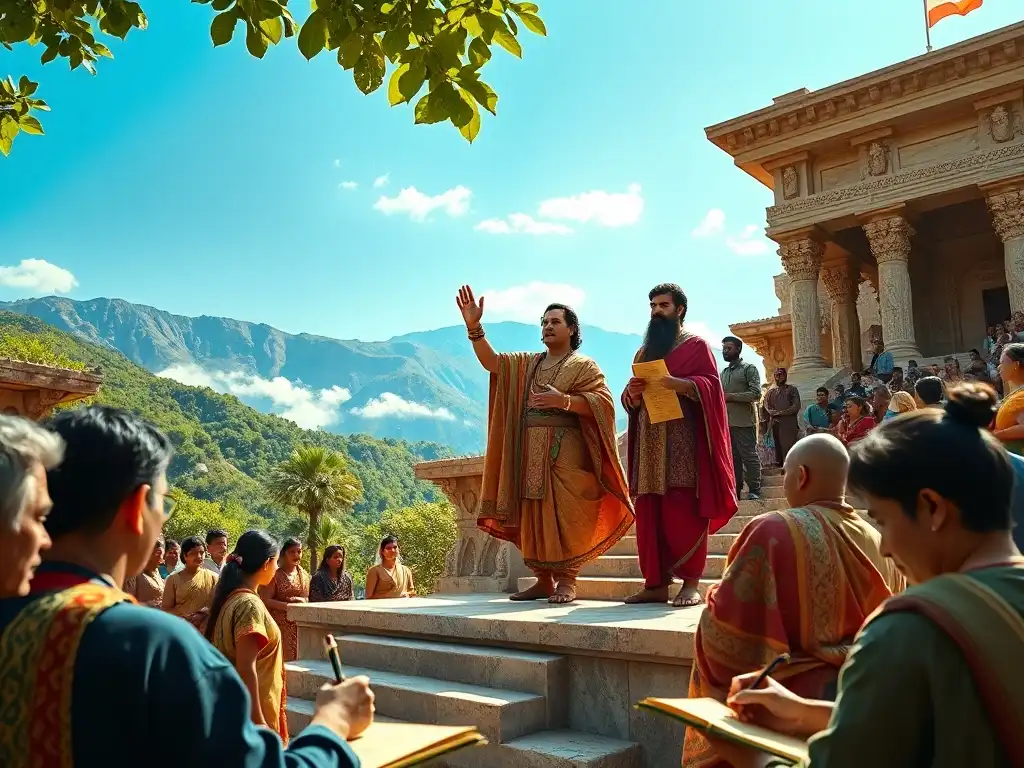
Welcome to Ancient India History, where we embark on a fascinating journey through the rich tapestry of ancient Indian civilizations. Here, we delve deep into the diverse cultural and literary contributions that have shaped the subcontinent's legacy. In this edition, we shine a spotlight on the intricate world of ancient Indian rhetoric techniques, revealing how the great orators of the past wielded words as both art and weapon.
Are you ready to uncover the secrets behind their mastery? Join us as we explore the art of rhetoric in ancient Indian prose, and discover how these techniques resonate even today in our communication landscape. Your adventure into the depths of history begins now!
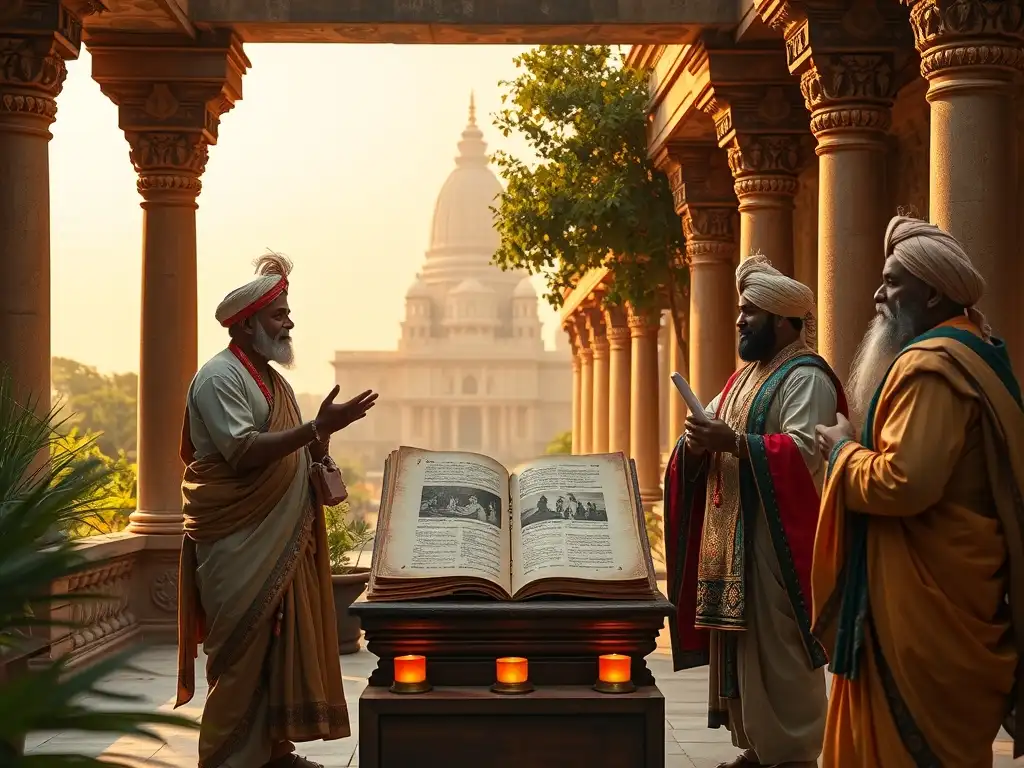
The exploration of ancient Indian rhetoric techniques reveals a profound legacy of oratory that shaped not only the literature of the time but also the broader cultural and political landscapes of ancient India. From the intricate dialogues of the Vedic texts to the eloquent speeches of the Gupta period, the art of rhetoric was a vital tool used by great orators to persuade, instruct, and entertain.
This article delves into the sophisticated techniques employed by these speakers, examining their impact on prose and poetry while situating their contributions within the rich tapestry of ancient Indian civilization. By understanding these rhetorical methods, we gain insights into how communication was crafted and appreciated in a society that valued discourse as a means of knowledge dissemination and cultural expression.
Introduction to Ancient Indian Rhetoric Techniques
Rhetoric in ancient India was not merely about persuasive speech; it was an intricate art form that involved a deep understanding of language, audience, and context. The techniques employed by orators were rooted in a rich tradition of literary analysis and philosophical inquiry. Key elements such as ethos, pathos, and logos were present in varying degrees, reflecting the complexity of Indian thought and the importance of effective communication.
Understanding Rhetoric in Ancient Indian Culture
In ancient Indian culture, rhetoric was intertwined with the spiritual and philosophical dimensions of life. It was seen as a means of achieving clarity and truth. Notable figures, such as the philosopher Adi Shankaracharya, utilized rhetoric in their teachings to convey profound philosophical ideas in an accessible manner. The use of metaphors, similes, and alliteration not only beautified the language but also enhanced the persuasive power of the speaker.
- Key Techniques:
- Metaphorical Language: Enriching arguments through vivid imagery.
- Parallelism: Creating rhythm and emphasis through repetition.
- Antithesis: Highlighting contrasting ideas to strengthen arguments.
Significance of Prose in Indian Literature
Prose served as a vital medium for rhetorical expression in ancient Indian literature. Unlike poetry, which often adhered to strict metrical patterns, prose allowed for more flexible and nuanced communication. This adaptability enabled writers and orators to explore complex themes and ideas, making prose an essential vehicle for both philosophical discourse and practical instruction.
- Prominent Prose Works:
- The Arthashastra by Kautilya: A treatise on statecraft and military strategy, showcasing strategic rhetoric.
- The Hitopadesha: Fables that employed moral lessons through engaging storytelling.
Historical Context of Rhetoric in Ancient India
The historical backdrop of ancient Indian rhetoric reveals a dynamic interplay between language, power, and society. As different empires rose and fell, the techniques of rhetoric evolved, reflecting the changing needs and values of the time.
Evolution of Rhetoric from the Vedic Period
The roots of rhetoric in India can be traced back to the Vedic period, where oral traditions played a crucial role in preserving knowledge and culture. The hymns of the Vedas were not only religious texts but also exemplified the use of rhetorical techniques to invoke divine favor and articulate complex philosophical concepts.
- Vedic Rhetorical Devices:
- Chanda: The rhythmic structure of verses.
- Samaveda: Use of melody and chant to enhance memorization and recitation.
Influence of Political and Social Structures on Rhetoric
As ancient Indian society evolved, so too did the application of rhetoric in public life. The emergence of powerful kingdoms necessitated skilled orators who could sway public opinion, rally troops, and negotiate treaties. The rhetoric of the time was deeply influenced by the prevailing political and social structures, adapting to the needs of leadership, governance, and societal cohesion.
- Examples of Political Rhetoric:
- Chandragupta Maurya: Utilized rhetoric in diplomacy to establish a vast empire.
- Ashoka the Great: His edicts served as a model of ethical governance through persuasive communication.
Ancient Indian rhetoric techniques were not only pivotal in shaping literary expression but also played a critical role in the socio-political fabric of the time. As we delve deeper into this fascinating subject, we will uncover the specific methods and notable figures that defined the art of rhetoric in ancient India.
Key Techniques of Ancient Indian Rhetoric
Ancient Indian rhetoric is characterized by a rich tapestry of techniques that were utilized by orators to enhance their message and engage their audience. These techniques not only served to captivate listeners but also aimed to persuade and inspire them. Among the most prominent strategies were the use of metaphors, similes, alliteration, and rhythmic patterns.
Additionally, the appeal to emotions and ethics, known as ethos, pathos, and logos, played a crucial role in shaping arguments and influencing public opinion. The integration of these elements created a distinctive style that was both artistic and impactful, ensuring that the spoken word resonated deeply within the cultural context of ancient India.
Use of Metaphors and Similes in Prose
Metaphors and similes were fundamental tools in the arsenal of ancient Indian rhetoricians. These figures of speech allowed orators to express complex ideas in a relatable manner, making abstract concepts more tangible for their audience. For instance, a metaphor can convey a profound truth by comparing one thing to another, while similes use "like" or "as" to draw parallels that enhance understanding.
A notable example can be found in the works of poets and philosophers, where the beauty of nature was often likened to human emotions, creating vivid imagery that engaged the audience's senses. This poetic approach not only beautified the prose but also deepened the emotional connection between the speaker and the listeners, allowing for a more persuasive discourse.
The Role of Alliteration and Rhythm in Oratory
Alliteration and rhythm were vital in ancient Indian oratory, serving both aesthetic and mnemonic purposes. Alliteration, the repetition of consonant sounds at the beginning of words, created a musical quality that made speeches more memorable. This technique was often employed in religious texts and philosophical discourses to emphasize key points and foster retention among listeners. Rhythm, too, played a crucial role; it provided a flow to the speech, allowing orators to maintain audience engagement. The combination of these auditory elements not only enhanced the beauty of the language but also reinforced the message being conveyed, making it more impactful.
Persuasive Appeals: Ethos, Pathos, and Logos in Ancient Texts
The persuasive appeals of ethos, pathos, and logos were integral to the art of rhetoric in ancient Indian prose. Ethos refers to the credibility of the speaker, which was paramount in establishing trust and authority. Ancient orators often relied on their status, wisdom, and moral character to gain the audience's respect.
Pathos, the appeal to emotions, was equally significant; speakers skillfully invoked feelings of compassion, anger, or joy to stir the hearts of their listeners and motivate action. Lastly, logos involved the use of logical reasoning and evidence to support arguments. Ancient texts often showcased this triad of persuasive techniques, demonstrating how effective rhetoric could mobilize public sentiment and influence societal values.
Prominent Figures in Ancient Indian Oratory
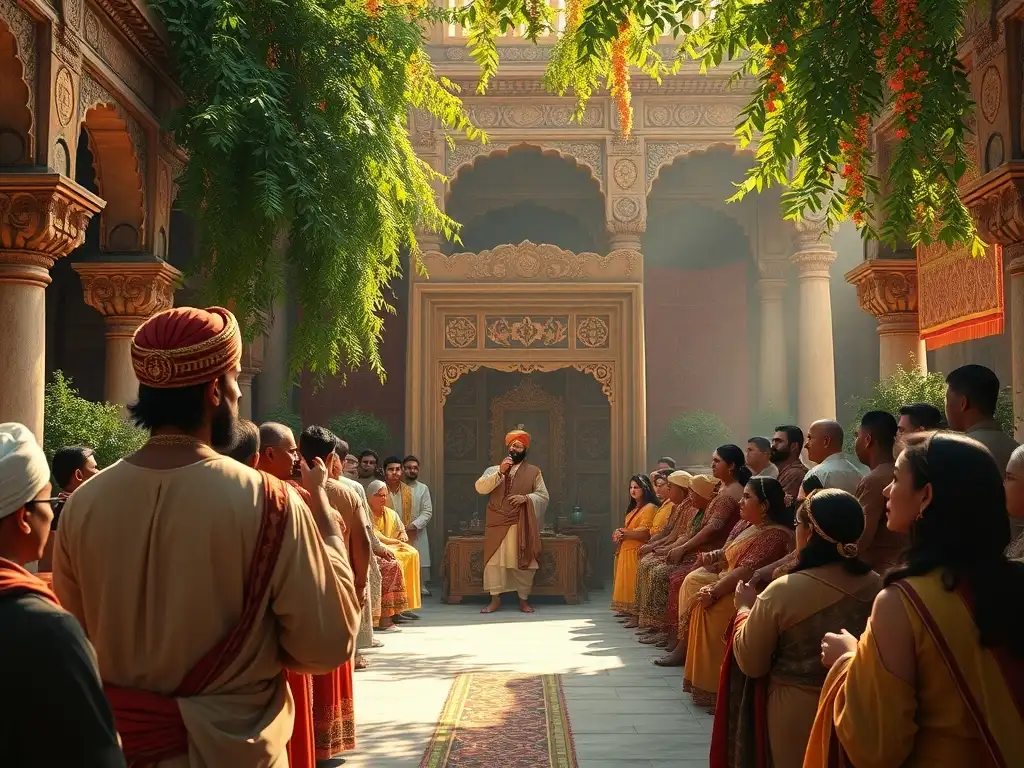
The landscape of ancient Indian rhetoric was shaped by several influential figures whose oratory skills left a lasting impact. These great orators employed various techniques that not only defined their individual styles but also contributed to the development of rhetorical traditions in India. Among these figures, Gautama Buddha, Chanakya, and Swami Vivekananda stand out as exemplary practitioners of the art of rhetoric, each bringing a unique perspective and approach to the craft.
Analysis of Great Orators: Gautama Buddha
Gautama Buddha is renowned for his exceptional oratory skills, which were instrumental in spreading his teachings across ancient India. His use of simple yet profound language made complex philosophical ideas accessible to the masses. Buddha's speeches often featured parables and analogies, which served to illustrate moral lessons and spiritual insights. His ability to connect with diverse audiences, from the elite to the common folk, showcased his mastery of rhetoric. Moreover, his emphasis on compassion and mindfulness resonated deeply with listeners, allowing his messages to transcend cultural and social boundaries.
Contributions of Chanakya to Rhetorical Techniques
Chanakya, also known as Kautilya, was a pivotal figure in ancient Indian rhetoric, particularly known for his strategic and persuasive communication. His work, the Arthashastra, is not only a treatise on statecraft but also a manual on effective rhetoric. Chanakya emphasized the importance of understanding the audience and tailoring messages accordingly. He utilized analogies, metaphors, and persuasive strategies to influence rulers and policymakers. His ability to manipulate public opinion and his keen insights into human psychology made him a master of rhetoric, whose teachings are still studied for their relevance in modern communication.
Case Study: The Rhetoric of Swami Vivekananda
Swami Vivekananda stands as a modern exemplar of ancient Indian rhetorical techniques, effectively blending traditional methods with contemporary thought. His speeches at the Parliament of Religions in Chicago in 1893 are particularly noteworthy for their eloquence and persuasive power. Vivekananda utilized personal anecdotes, quotations from ancient scriptures, and passionate appeals to bridge Eastern and Western philosophies.
His ability to articulate complex spiritual concepts with clarity and conviction captivated audiences and fostered a greater understanding of Hindu philosophy. By invoking both emotional and logical appeals, Vivekananda successfully positioned Indian spirituality on the global stage, exemplifying the enduring legacy of ancient Indian rhetoric.
The Impact of Ancient Indian Rhetoric Techniques on Literature
Ancient Indian rhetoric techniques have significantly influenced the development of literature, particularly in the realms of poetry and prose. The art of rhetoric was not merely a tool for communication; it shaped the way stories were told, ideas were expressed, and emotions were conveyed. This impact can be traced through various literary forms, where the use of persuasive language, stylistic devices, and structured arguments became foundational elements.
In ancient texts, such as the Mahabharata and Ramayana, oratory skill was essential for character development and plot progression. The vivid descriptions, emotional appeals, and logical structures employed in these narratives can all be linked back to the rhetorical techniques practiced by great orators of the time. This rich tapestry of rhetoric laid the groundwork for subsequent literary traditions, influencing poets and prose writers throughout history.
Influence on Classical Poetry and Prose
The influence of ancient Indian rhetoric techniques on classical poetry and prose is profound and multifaceted. One of the most notable contributions is the use of alankara (figurative speech) which enriched poetic expression by introducing figures of speech such as metaphors, similes, and alliteration. These devices not only adorned the text but also provided deeper meanings and emotional resonance.
Moreover, the use of rasa (emotional flavor) in poetry was heavily influenced by rhetorical techniques. The ability to evoke specific emotions in the audience was central to poetry, and the understanding of how to manipulate language for emotional effect was a hallmark of skilled orators. Works like Sanskrit drama and Kavya reflected these techniques, showcasing a blend of narrative skill and rhetorical finesse.
Prose works from ancient India, particularly those that dealt with philosophy and ethics, also exhibited strong rhetorical structures. The dialogues in texts like the Upanishads and Bhagavad Gita employed techniques such as questioning, rebuttal, and analogy to engage readers and provoke thought. These methods contributed to a rich intellectual tradition that valued clarity, persuasion, and depth of argumentation.
Legacy of Rhetorical Techniques in Modern Indian Literature
The legacy of ancient Indian rhetoric techniques continues to echo in modern Indian literature. Contemporary writers draw upon these age-old techniques, employing them to create compelling narratives that resonate with audiences today. The use of allegory, metaphor, and other rhetorical devices can be seen in the works of modern poets and novelists, who maintain a strong connection to their literary heritage.
Furthermore, modern Indian literature often reflects a hybridization of traditional and contemporary styles, where ancient rhetorical principles serve as a foundation for innovative storytelling. Authors such as R. K. Narayan and Arundhati Roy have skillfully incorporated these techniques into their narratives, enhancing the emotional and intellectual engagement of their works.
The influence of rhetoric is also visible in Indian public discourse, where oratory skills remain vital in political, social, and cultural arenas. The techniques developed by ancient rhetoricians are still relevant, as they enable speakers and writers to articulate their thoughts effectively and persuasively.
Conclusion: The Enduring Legacy of Ancient Indian Rhetoric
The enduring legacy of ancient Indian rhetoric is a testament to the sophistication of its techniques and their relevance across centuries. The mastery of language and persuasion has shaped not only literature but also the broader cultural landscape of India.
Reflection on the Techniques’ Relevance Today
In today’s world, the techniques of ancient Indian rhetoric are increasingly relevant. As communication continues to evolve, the principles of effective persuasion, emotional appeal, and structured argument remain at the forefront of both literature and public discourse. Understanding these techniques can empower modern writers and speakers to connect more deeply with their audiences and convey their messages more compellingly.
Encouragement for Further Study of Ancient Indian Prose Techniques
To fully appreciate the richness of ancient Indian rhetoric techniques, further study is encouraged. Exploring texts, analyzing oratory styles, and understanding the historical context can provide invaluable insights into how these techniques shaped not only literature but also the very fabric of Indian society. Engaging with this ancient craft can inspire a new generation of writers and thinkers, ensuring that these powerful rhetorical techniques continue to thrive in contemporary discourse.
- Introduction to Ancient Indian Rhetoric Techniques
- Historical Context of Rhetoric in Ancient India
- Key Techniques of Ancient Indian Rhetoric
- Prominent Figures in Ancient Indian Oratory
- The Impact of Ancient Indian Rhetoric Techniques on Literature
- Conclusion: The Enduring Legacy of Ancient Indian Rhetoric
Frequently Asked Questions
What are ancient Indian rhetoric techniques?
Ancient Indian rhetoric techniques refer to the various methods and strategies used by orators in ancient India to persuade and engage their audiences, including metaphors, analogies, and rhythmic patterns.
Who were some notable orators in ancient India?
Notable orators in ancient India include figures like Kautilya, known for his strategic insights, and Buddha, whose teachings employed powerful rhetorical techniques to convey profound ideas simply.
How did rhetoric influence ancient Indian literature?
Rhetoric significantly influenced ancient Indian literature by enhancing the artistic expression and persuasive power of texts, often found in scriptures like the Vedas and epics such as the Mahabharata.
What role did culture play in the development of rhetoric in ancient India?
The cultural context of ancient India, with its diverse traditions and philosophical schools, fostered a rich environment for rhetorical development, encouraging a blend of logic, emotion, and spirituality in discourse.
Are there any modern applications of ancient Indian rhetoric techniques?
Yes, modern speakers and writers can draw from ancient Indian rhetoric techniques to enhance their communication skills, utilizing methods like storytelling, repetition, and emotional appeal to connect with audiences effectively.
Final Reflection: The Enduring Legacy of Ancient Indian Rhetoric Techniques
The art of rhetoric, as explored in ancient Indian prose, remains profoundly relevant in today's world, where effective communication is paramount. The techniques employed by great orators of the past not only shaped the discourse of their time but also laid the groundwork for modern persuasive practices. In an era where information overload is commonplace, understanding these ancient Indian rhetoric techniques can empower individuals to convey their ideas with clarity and conviction.
The influence of these rhetorical strategies extends beyond mere speech; they have permeated our cultural and social landscapes. From political speeches to everyday conversations, the principles of persuasion and eloquence established by ancient Indian orators continue to resonate. As we navigate the complexities of communication in our diverse society, we can draw inspiration from the wisdom of the past. Words are, of course, the most powerful drug used by mankind.
– Rudyard Kipling. This quote encapsulates the potency of language, reminding us that the way we articulate our thoughts can profoundly impact our relationships and communities.
As you reflect on the insights gained from this exploration of ancient Indian rhetoric techniques, consider how you can incorporate these timeless principles into your own life. Embrace the power of words to inspire, persuade, and connect with others. Whether in personal interactions or professional settings, let the legacy of these great orators guide you in becoming a more effective communicator. The art of rhetoric is not merely a historical study; it is a living practice that can transform your voice and amplify your impact in the world.
Unleash the Power of Rhetoric Today!
Thank you for diving into the fascinating world of ancient Indian rhetoric! By exploring the techniques of great orators, you’ve unlocked valuable insights into the art of persuasion that can transform your communication skills. Now, let’s take these lessons and bring them to life!
Here are a few easy steps to get started:
- Practice Your Own Speech: Craft a short speech using a rhetorical technique you learned. Share it with friends or family and seek their feedback!
- Join a Local Debate Club: Engage with others who are passionate about rhetoric and enhance your speaking skills in a supportive environment.
- Create a Social Media Post: Share a quote or idea inspired by a renowned orator to spark conversations in your online community!
What rhetorical technique are you excited to try in your next conversation? We would love to hear your thoughts in the comments below!