
Gender Roles and Social Structure in the Indus Valley Civilization

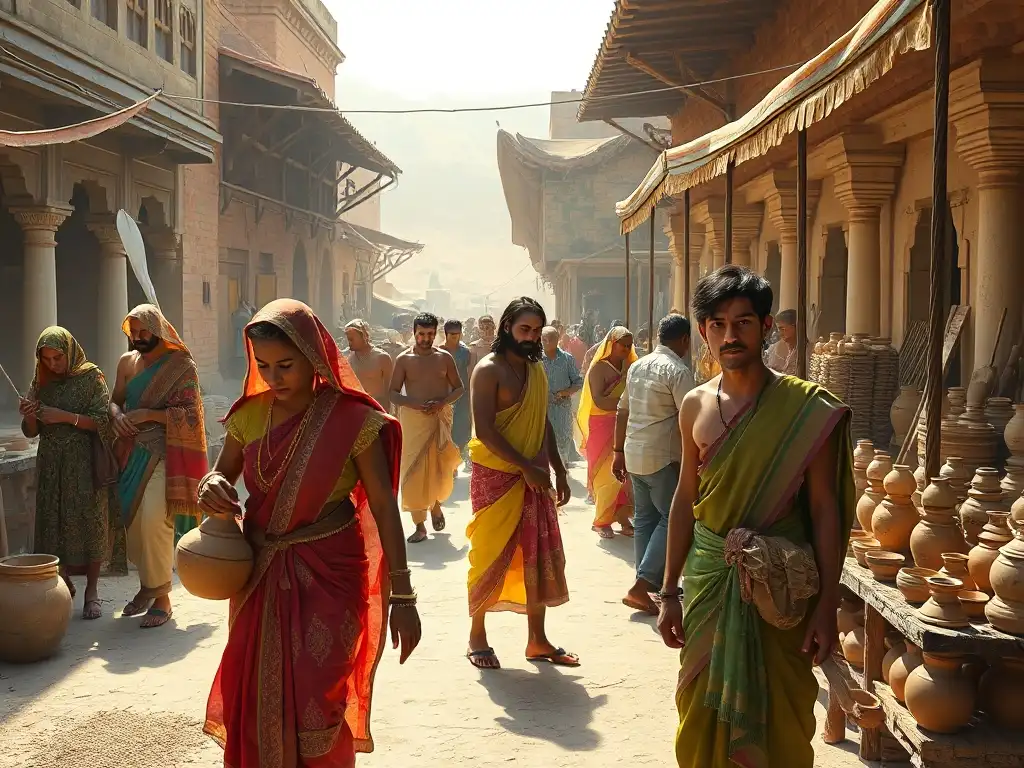
Welcome to Ancient India History, where we embark on a fascinating journey through time to uncover the rich tapestry of ancient Indian civilizations. Dive into our latest exploration of Indus Valley gender roles—a captivating topic that sheds light on the intricate social structures and cultural dynamics of one of the world's oldest urban societies. What secrets do the remnants of the Indus Valley hold about gender and community? Join us as we unravel the complexities of this ancient civilization and discover how its legacy continues to shape our understanding of history today.
- Introduction to Gender Roles in the Indus Valley Civilization
- Understanding Gender Roles in Ancient Societies
- Key Aspects of Indus Valley Gender Roles
- Gender Roles and Social Hierarchy
- Archaeological Evidence of Gender Roles in the Indus Valley
- Comparison with Other Ancient Civilizations
- The Evolution of Gender Roles in the Indus Valley Civilization
- Conclusion
-
Frequently Asked Questions
- What were the gender roles in the Indus Valley Civilization?
- How did the social structure influence gender roles in ancient India?
- What evidence exists regarding women's roles in the Indus Valley?
- Were there any notable differences in gender roles across ancient Indian civilizations?
- How have modern interpretations of Indus Valley gender roles evolved?
- Final Reflection: Understanding Indus Valley Gender Roles in Today’s Context
- Uncover the Secrets of Gender Roles in Ancient Societies!
Introduction to Gender Roles in the Indus Valley Civilization
The Indus Valley Civilization (IVC), one of the world's earliest urban cultures, flourished between approximately 3300 and 1300 BCE in what is now modern-day Pakistan and northwest India. This ancient civilization is remarkable not only for its advanced urban planning and architecture but also for its intricate social structures and gender roles.
Understanding the dynamics of gender within the Indus Valley society is crucial for a comprehensive view of its civilization, as it reflects the complexities of social interactions, economic activities, and cultural norms that defined this region. By examining the roles assigned to various genders, we can gain insights into the values, priorities, and daily lives of the people who inhabited this vibrant civilization.
Overview of the Indus Valley Civilization
The Indus Valley Civilization spanned a vast territory, with major urban centers like Harappa and Mohenjo-Daro showcasing advanced city planning, including grid layouts, sophisticated drainage systems, and standardized fired-brick construction. The civilization emerged around 2500 BCE and is noted for its impressive achievements in trade, craft production, and agriculture, which supported a diverse population.
Key characteristics of the Indus Valley Civilization include:
- Urban Planning: Cities were meticulously planned with streets arranged in a grid pattern, indicating a high level of organization.
- Trade Networks: The IVC engaged in extensive trade with neighboring regions, facilitating cultural exchange and economic prosperity.
- Craftsmanship: Artisans produced a variety of goods, such as pottery, beadwork, and textiles, which were both functional and decorative.
- Agricultural Practices: The fertile plains of the Indus River supported agriculture, allowing for the cultivation of crops like wheat and barley, which were staples of their diet.
While much about the Indus Valley Civilization remains a mystery due to the undeciphered script and limited archaeological records, it is evident that social structures were complex and multifaceted.
Understanding gender roles within the Indus Valley Civilization is essential for several reasons:
- Cultural Insights: Gender roles provide valuable insights into the cultural norms and values of the society, revealing how individuals were expected to behave and interact based on their gender. This can help us understand the societal hierarchy and the division of labor.
- Economic Contributions: By examining the roles of men and women, we can better appreciate the economic contributions of both genders in agricultural, artisanal, and trade activities, highlighting the importance of their collaborative efforts in sustaining the civilization.
- Social Dynamics: Investigating gender roles allows us to explore the social dynamics of the Indus Valley, shedding light on family structures, marriage practices, and kinship ties, which were vital to social cohesion.
- Comparative Analysis: Analyzing the gender roles in the Indus Valley Civilization against other ancient cultures enables scholars to identify similarities and differences, enriching our understanding of human societies throughout history.
By delving deeper into the gender roles and social structures of the Indus Valley Civilization, we can uncover a more nuanced view of this ancient society, its people, and their contributions to the history of ancient Indian civilizations.
Understanding Gender Roles in Ancient Societies
Definition of Gender Roles
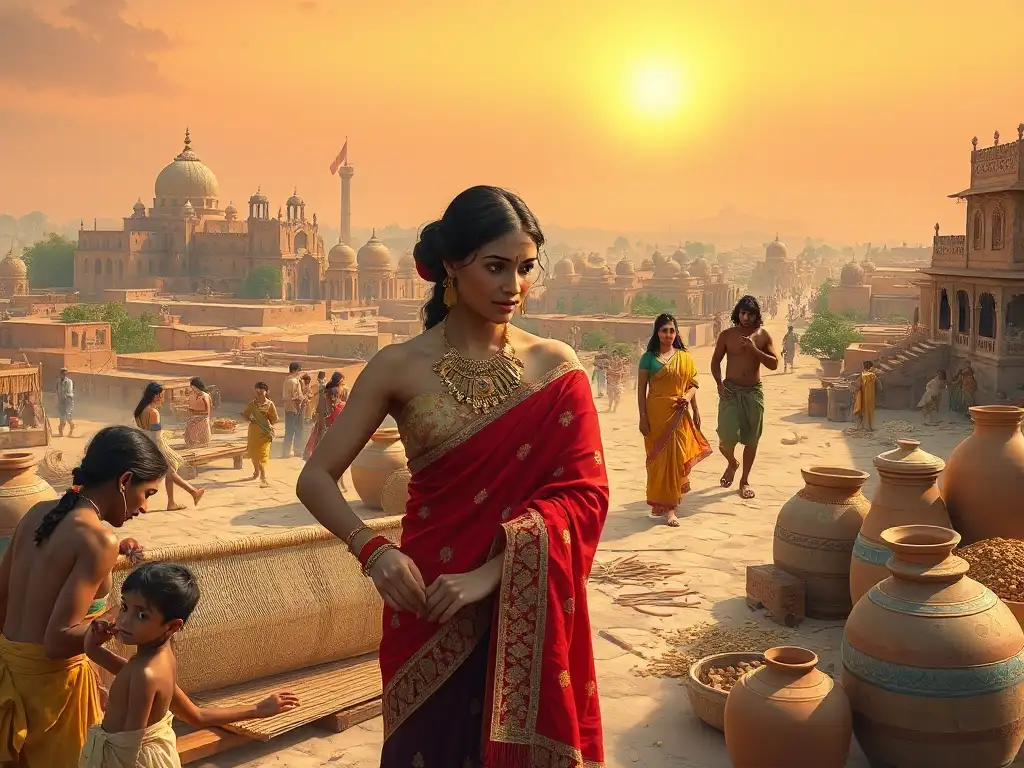
Gender roles in ancient societies, including the Indus Valley Civilization, refer to the expectations, responsibilities, and behaviors that a society assigns to individuals based on their gender. These roles are shaped by cultural, social, and economic factors and can vary significantly between different civilizations. In the context of the Indus Valley Civilization, which flourished from approximately 3300 to 1300 BCE, gender roles were likely influenced by agricultural practices, trade, and urbanization.
In many ancient societies, including those in the Indus Valley, gender roles were often delineated by the division of labor. Men typically engaged in activities such as farming, trading, and craftsmanship, while women were primarily responsible for domestic duties, including child-rearing and managing the household. However, archaeological evidence suggests that women's roles may have been more dynamic than traditionally perceived.
For instance, findings from sites like Harappa and Mohenjo-Daro indicate that women may have participated in various economic activities, including weaving, pottery, and even trade. This suggests a degree of agency and contribution that challenges the simplistic portrayal of women as solely domestic figures. The presence of female figurines and artifacts related to fertility worship also points to the significant cultural and religious roles women may have played in society.
The social structure of the Indus Valley Civilization was complex and highly organized, characterized by urban planning, trade networks, and a sophisticated system of governance. While explicit evidence regarding social hierarchy is limited, scholars have proposed several theories based on archaeological findings and comparative analysis with contemporary civilizations.
- Urban Centers: Major cities like Harappa and Mohenjo-Daro served as administrative and economic hubs. The layout of these cities, with their fortified walls and standardized brick sizes, indicates a highly organized society. The presence of public baths and granaries suggests communal activities that likely involved both men and women, reflecting a collaborative social structure.
- Economic Roles: In terms of economic roles, evidence points to a division of labor where both genders contributed to the economy. Men likely dominated roles in agriculture, trade, and craftsmanship, while women may have engaged in textile production, pottery, and food preparation. This division not only highlights the importance of gender roles but also emphasizes the interdependence of both men and women in sustaining the economy.
- Religious and Cultural Influences: Religion played a vital role in shaping social dynamics. The worship of fertility deities and the prevalence of female figurines suggest that women held significant spiritual roles. This may have contributed to a more balanced perception of gender within the society, where both men and women were revered for their contributions to cultural and religious life.
- Social Mobility: Unlike some contemporary civilizations, the Indus Valley Civilization appears to have allowed for a degree of social mobility. Evidence of varied burial practices and grave goods suggests that individuals could attain status based on wealth or contributions to society, regardless of gender.
- Gender Roles in Art and Symbolism: Artistic representations, such as seals and pottery, often depict both men and women engaging in various activities, further indicating that gender roles were not rigidly defined. The motifs and symbols found in these artifacts reflect a society that acknowledged and celebrated the contributions of both genders.
The exploration of Indus Valley gender roles reveals a nuanced understanding of the social structure within this ancient civilization. While traditional views often emphasize a patriarchal framework, the evidence suggests a more complex interplay between gender roles, economic contributions, and social dynamics. Further research and excavation may continue to shed light on the intricacies of gender and social structure in the Indus Valley Civilization, enhancing our understanding of this remarkable ancient society.
Key Aspects of Indus Valley Gender Roles
Roles of Men in the Indus Valley Society
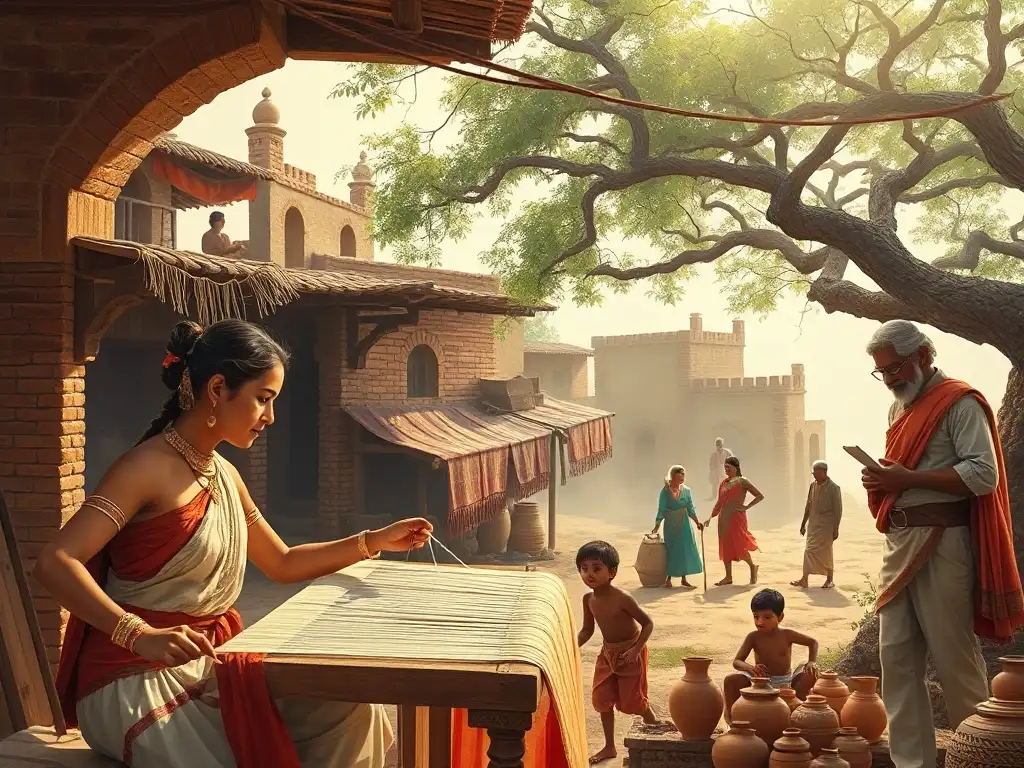
Men in the Indus Valley Civilization held prominent positions within their communities, influencing both the economic and social landscapes of their society. Understanding these roles provides insight into how gender dynamics shaped the civilization's development.
Economic Contributions of Men
Men were primarily responsible for the economic backbone of the Indus Valley civilization. They engaged in various activities, including:
- Agriculture: Men participated extensively in farming, cultivating staple crops such as wheat, barley, and peas. The fertile plains along the Indus River provided ideal conditions for agriculture, enabling them to support a growing population.
- Trade: Skilled in trade, men managed the exchange of goods both locally and with distant regions. Archaeological evidence suggests that they traded commodities such as cotton textiles, pottery, and semi-precious stones with neighboring cultures, establishing a robust trade network.
- Craftsmanship: Many men were artisans, specializing in pottery, metalwork, and bead-making. Their craftsmanship not only fulfilled local needs but also enhanced trade opportunities, demonstrating a significant economic contribution.
These economic roles not only catered to the immediate community but also laid the groundwork for the civilization's prosperity.
Political and Social Responsibilities of Men
Men also played critical roles in the political and social realms of the Indus Valley society:
- Leadership: While the exact nature of political leadership remains somewhat unclear, it is widely believed that men held positions of authority within city governance. They likely had a significant role in decision-making processes, possibly serving as elders or council members.
- Religious Duties: Men participated in religious activities, which were integral to the community's cohesion. They may have acted as priests or overseers in ritual practices, thus reinforcing their social status.
- Defense and Security: Given the potential threats from neighboring tribes, men were likely involved in the protection of their communities. This role encompassed not only physical defense but also the organization of community efforts for safety.
Through these responsibilities, men contributed to the stability and functionality of Indus Valley society.
Roles of Women in the Indus Valley Civilization
Women in the Indus Valley Civilization, while often less documented, played essential roles that complemented those of men. Their contributions were vital to the family unit and society at large.
Domestic Responsibilities and Household Management
Women were primarily tasked with managing household affairs, which included:
- Childcare: Women were responsible for raising children, ensuring their education and social upbringing. This role was crucial for the continuation of societal norms and values.
- Food Preparation: They managed food production and preparation, using local grains and vegetables to create meals for their families. This role was pivotal for maintaining household sustenance.
- Textile Production: Women were involved in spinning and weaving, producing textiles that were not only vital for personal use but also played a role in trade. Evidence of spindle whorls and loom weights suggests a significant involvement in textile crafts.
These domestic roles were foundational for the family's well-being and, by extension, the community's stability.
Economic Participation of Women
Despite the patriarchal structure, women in the Indus Valley Civilization contributed economically in various ways:
- Craft Production: Women likely participated in crafts, including pottery and bead-making, contributing to the local economy. Their products would have been sold or traded, enhancing the family's financial status.
- Market Activities: There is evidence to suggest that women could engage in market activities, selling goods and participating in trade. This involvement indicates a degree of economic independence and agency.
- Agricultural Support: While men were predominantly responsible for farming, women aided in agricultural tasks such as planting and harvesting, contributing to the overall agricultural output.
The economic participation of women, although less visible in historical records, was crucial for the survival and prosperity of families and the larger community.
The Indus Valley gender roles illustrate a complex social structure where both men and women contributed significantly to various facets of life. Their interdependent roles in economic activities, social responsibilities, and domestic management shaped a balanced and thriving civilization.
The Role of Class and Caste in Gender Dynamics
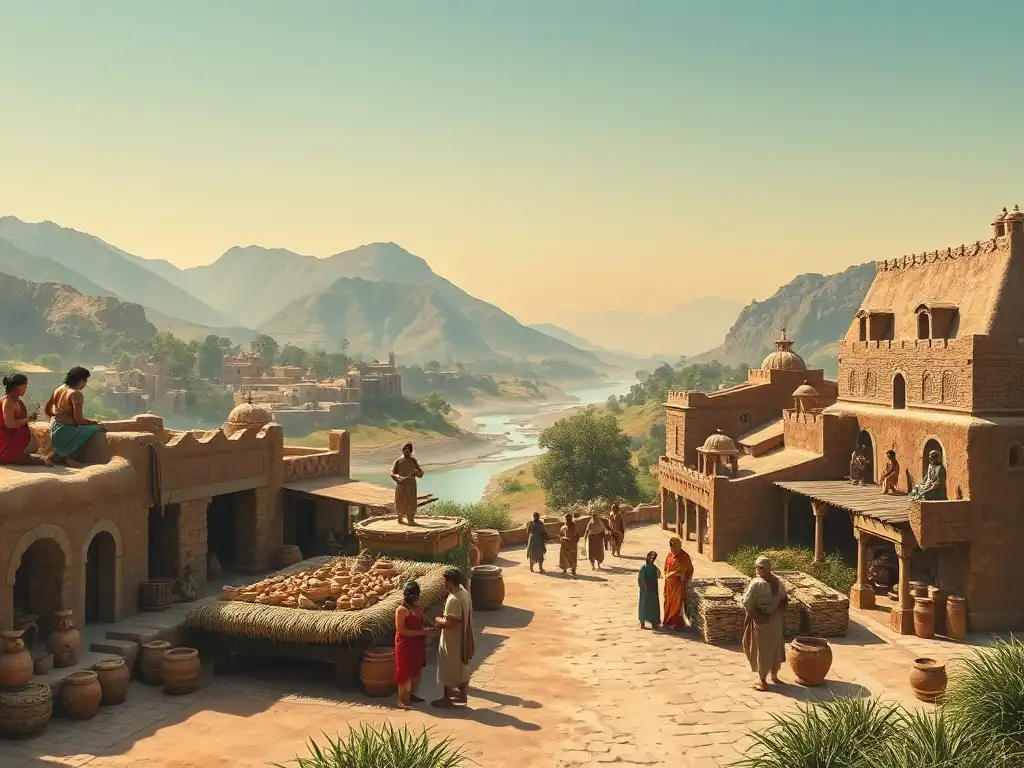
The Indus Valley Civilization (IVC), flourishing from approximately 3300 to 1300 BCE, showcased a complex social structure that significantly influenced Indus Valley gender roles. Evidence suggests that the civilization had distinct social classes, likely linked to occupations, wealth, and access to resources, which in turn shaped gender expectations and responsibilities.
- Hierarchy of Classes: The social structure of the IVC can be broadly categorized into:
- Elites: This class likely comprised rulers, priests, and wealthy merchants. Archaeological findings such as grand houses and luxury goods indicate a level of affluence that may have afforded elite women certain privileges.
- Artisans and Laborers: Skilled craftsmen and laborers formed the backbone of the economy. Gender roles in this class were more rigid and dictated by the demands of labor and skill specialization.
- Servants and Laborers: The lowest stratum included those engaged in menial tasks, where gender roles were likely defined by survival and subsistence needs.
The interaction between class and gender resulted in differing experiences for men and women. For instance, women from the elite class might have enjoyed more freedom and influence within domestic spheres, while those from lower classes were likely bound to labor-intensive roles.
- Occupational Divisions: Certain occupations were gendered, with men predominantly engaged in farming, trade, and various crafts, while women were often responsible for domestic duties such as weaving and pottery. However, evidence suggests that women also participated in economic activities, particularly in local markets.
Influence of Religion on Gender Roles
Religion played a pivotal role in shaping societal norms and Indus Valley gender roles. While the exact religious practices of the IVC remain somewhat enigmatic, archaeological findings suggest a polytheistic belief system with a focus on fertility deities and nature.
- Fertility and Female Deities: The prominence of female figurines, often interpreted as fertility goddesses, indicates a potential reverence for feminine qualities. This may have influenced societal views on women, associating them with fertility, motherhood, and domesticity. The veneration of such figures could have elevated the status of women in certain contexts, granting them symbolic power linked to fertility and life.
- Ritual Practices: Gender roles in religious rituals likely reflected broader social hierarchies. Men may have occupied dominant roles in public worship and sacrificial rites, while women’s participation could have been confined to domestic rituals, emphasizing their roles in the household and family.
- Religious Law and Gender Norms: As religion intertwined with governance, it is plausible that religious texts and doctrines established norms around marriage, inheritance, and family structures, further defining the roles of men and women in society.
The interplay of class, caste, and religion in the Indus Valley Civilization created a multifaceted social landscape that influenced Indus Valley gender roles. Understanding this complexity provides deeper insights into the daily lives and social dynamics of one of the world's earliest civilizations.
Archaeological Evidence of Gender Roles in the Indus Valley
Artifacts Reflecting Gender Roles
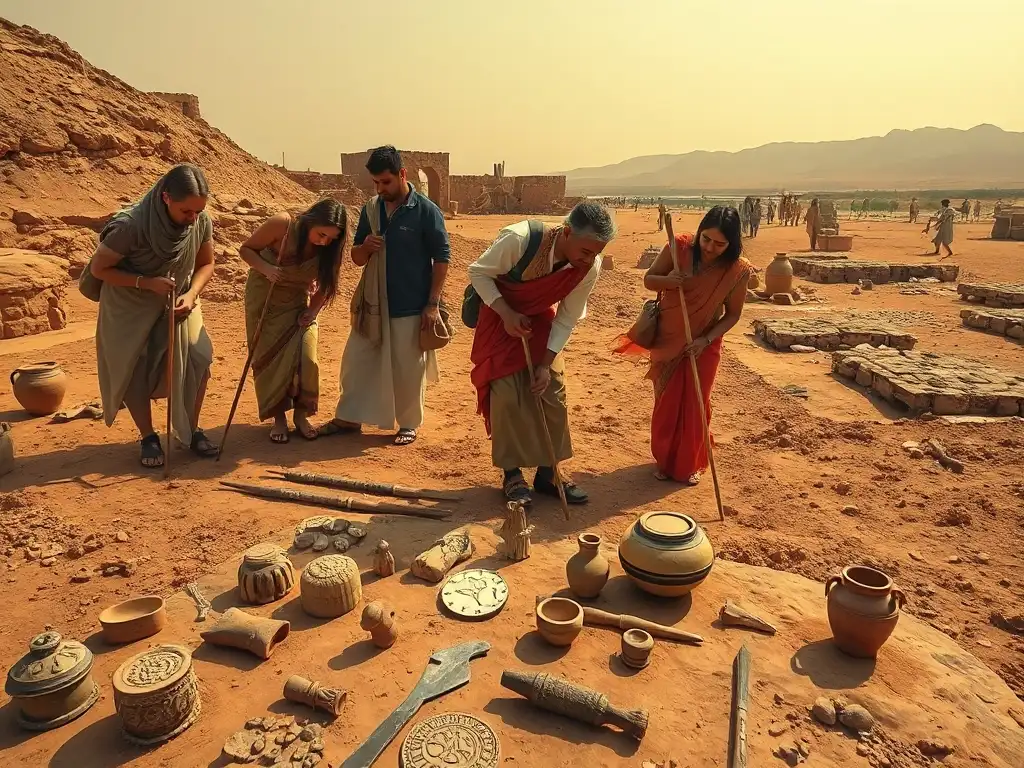
The Indus Valley Civilization (IVC), flourishing around 2500 BCE to 1900 BCE, showcases a variety of artifacts that provide insights into the gender roles prevalent in this ancient society. Among the most notable artifacts are the terracotta figurines, pottery, and tools, which suggest a division of labor based on gender.
- Terracotta Figurines:
- Numerous terracotta figures have been excavated, often representing women adorned with elaborate jewelry, suggesting their societal status and roles. For instance, the famous "dancing girl" figurine from Mohenjo-Daro, characterized by its detailed craftsmanship, indicates that women may have participated in cultural or ritualistic activities.
- The presence of female figurines with exaggerated physical features, such as large breasts and wide hips, may symbolize fertility and motherhood, indicating a significant role for women in family and social structures.
- Pottery and Domestic Tools:
- Pottery fragments often depict scenes of daily life that include women engaged in household activities, such as cooking and pottery making. This suggests that women played a crucial role in maintaining domestic spaces and contributing to the economic aspects of IVC society.
- The tools found alongside pottery, such as grinding stones and spindle whorls, further imply that women were likely involved in grain processing and textile production, essential tasks for sustaining the community.
- Burial Practices:
- In some burial sites, grave goods have been found that include jewelry and ornaments specifically associated with women. The presence of these items suggests that women held a certain level of importance and reverence, further affirming their roles in the spiritual and social fabric of the civilization.
Interpretation of Gender Roles through Seals and Figurines
The seals of the Indus Valley Civilization offer a unique perspective on the gender roles within this ancient society. These seals, often engraved with intricate designs and symbols, provide significant evidence regarding the socio-religious dynamics influencing gender roles.
- Seals Depicting Deities and Rituals:
- Some seals portray figures that resemble deities, often interpreted as female, indicating the potential veneration of feminine aspects in religious practices. These representations suggest that women may have been associated with spirituality and held roles that transcended mere domesticity.
- The presence of male figures in ritualistic scenes, often depicted in conjunction with female figures, implies a duality in gender roles, where both men and women participated in religious and cultural ceremonies.
- Figurines and Gender Representation:
- The figurines found alongside seals often depict various gender representations, showcasing a spectrum of roles. Male figurines are typically characterized by their attire and accoutrements, while female figures often highlight traits associated with fertility and domesticity.
- This differentiation in representation suggests that while men may have held public or dominant roles, women were still integral to the social and cultural identity of the civilization, contributing to both private and public spheres.
- Symbolism in Seals:
- The seals frequently feature animals and motifs that may symbolize gendered concepts, such as fertility and power. The interplay between these symbols and the human figures depicted provides a layered understanding of how gender roles were perceived and represented in the IVC.
- Additionally, the recurrence of certain motifs could indicate societal values surrounding gender, hinting at a complex understanding of masculinity and femininity that went beyond simplistic binaries.
The archaeological evidence from the Indus Valley Civilization, particularly through artifacts and seals, reveals a nuanced understanding of gender roles. The findings suggest a society where women were not only central to domestic life but also held significant cultural and possibly spiritual roles, challenging the simplistic notions of gender dynamics in ancient civilizations.
Comparison with Other Ancient Civilizations
Gender Roles in Mesopotamia vs. Indus Valley Civilization
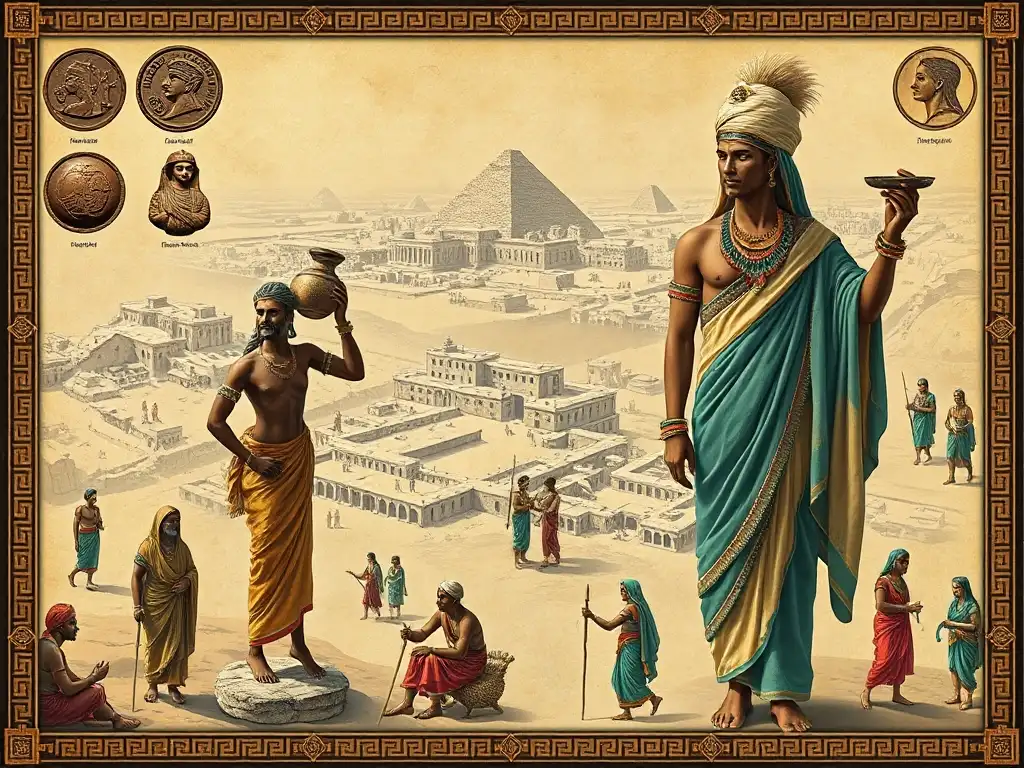
When examining Indus Valley gender roles, a compelling comparison can be drawn with Mesopotamia, one of the earliest known civilizations. In Mesopotamia, gender roles were distinctly delineated, often placing men in positions of power both in the domestic sphere and in governance. Men primarily engaged in agriculture, trade, and military endeavors, while women's roles were largely confined to the home, focusing on childcare and household management. However, women in Mesopotamia could own property, engage in business, and even participate in religious activities, which provided them with a degree of autonomy.
In contrast, the Indus Valley Civilization presents a more ambiguous picture regarding gender roles due to limited textual evidence. Archaeological findings suggest a more egalitarian structure. For instance, the existence of numerous female figurines and the prominence of women in various artistic representations imply that women may have held significant roles in society. The urban planning and the standardization of weights and measures in the Indus Valley suggest a collaborative approach to societal functions, potentially indicating shared responsibilities between genders.
| Aspect | Mesopotamia | Indus Valley Civilization |
|---|---|---|
| Primary Roles | Men: agriculture, governance | Both genders: collaborative roles |
| Women's Rights | Property ownership, business | Ambiguous, but likely significant |
| Cultural Depiction | Men in power, women in homes | Women depicted in various roles |
Gender Roles in Ancient Egypt vs. Indus Valley Civilization
In Ancient Egypt, gender roles exhibited a unique blend of patriarchal and matriarchal elements. Egyptian women enjoyed substantial rights, including property ownership, financial independence, and involvement in religious and political life. Notably, women could ascend to positions of power, as seen in figures like Hatshepsut, one of the few female pharaohs. This contrasts with the societal structure of the Indus Valley, where evidence for specific gender roles is less explicit.
Archaeological discoveries in the Indus Valley indicate that both men and women participated in economic activities, which could suggest a more integrated approach to gender roles. For example, the presence of workshop sites indicates that both genders likely engaged in craft production. While men may have been more visible in public spheres, the artifacts suggest that women were equally involved in domestic and possibly even trade activities.
| Aspect | Ancient Egypt | Indus Valley Civilization |
|---|---|---|
| Women's Rights | High; property and political power | Likely significant, but less clear |
| Female Roles | Pharaohs, business operators | Domestic and potential trade roles |
| Cultural Depiction | Women depicted in powerful roles | Limited, but diverse representations |
While the Indus Valley gender roles present a complex and less defined structure compared to the more documented roles in Mesopotamia and Ancient Egypt, evidence suggests a society where men and women may have collaborated more evenly in various aspects of life. Further archaeological discoveries may provide clarity on the extent and nature of these roles in the Indus Valley Civilization.
The Evolution of Gender Roles in the Indus Valley Civilization
The Indus Valley Civilization (IVC), one of the world's earliest urban cultures, thrived from approximately 3300 BCE to 1300 BCE. Understanding Indus Valley gender roles requires a multifaceted approach, as these roles were not static but evolved over time due to various internal and external influences. The social structure of the IVC is inferred from archaeological findings, seals, and urban planning, which provide insights into the gender dynamics of this ancient civilization.
Changes Over Time in Gender Dynamics
The gender roles in the Indus Valley Civilization appear to have undergone significant transformations throughout its existence. Initially, evidence suggests a relatively egalitarian society, as indicated by the lack of monumental architecture typically associated with elite male dominance. Instead, urban planning and equal distribution of resources hint at a community-oriented approach.
- Early Period (3300 – 2600 BCE):
- Cooperation and Labor: The early settlements displayed a cooperative society where both men and women contributed to agriculture, trade, and craft production. Archaeological findings indicate that women may have engaged in pottery, weaving, and possibly even early forms of commerce.
- Religious Roles: Female figurines, often interpreted as mother goddesses, suggest that women held significant religious roles, possibly influencing social norms and practices.
- Mature Harappan Phase (2600 – 1900 BCE):
- Urban Complexity: With the rise of urban centers like Harappa and Mohenjo-Daro, social roles became more defined. Evidence of specialized crafts implies a division of labor, but it is unclear how this impacted gender roles specifically.
- Public vs. Private Sphere: The emergence of public spaces such as granaries and baths may have led to a separation of domestic and public life, possibly reinforcing gendered divisions.
- Decline and Transition (1900 – 1300 BCE):
- Societal Shifts: As the civilization declined, changes in trade routes and environmental factors likely transformed social structures. The roles of men and women may have shifted towards more traditional norms, influenced by increased external contact and the influx of new cultural elements.
Factors Influencing the Evolution of Gender Roles
Several factors contributed to the evolution of gender roles in the Indus Valley Civilization, shaping the social structure in profound ways.
- Economic Changes:
- The shift from subsistence agriculture to more complex trade networks likely altered labor distribution. As trade became more significant, roles may have become more gender-specific, with men participating more in trade while women focused on domestic tasks.
- Environmental Influences:
- Climate change and resource availability played critical roles. For instance, droughts or floods could have forced societal adaptations, impacting how families structured their labor and responsibilities.
- Cultural Interactions:
- Contact with other cultures, such as the Aryans, may have introduced new social norms and gender expectations. This blending of cultures could have led to the reinforcement of patriarchal structures that began to emerge towards the civilization's decline.
- Religious and Ideological Shifts:
- The religious beliefs prevalent during different phases of the Indus Valley Civilization could have influenced gender roles. As the importance of certain deities shifted, so too might the societal perception of gender roles, with increased emphasis on male deities leading to a more defined patriarchal society.
The Indus Valley gender roles were dynamic, shaped by various socio-economic, environmental, and cultural factors. Understanding this evolution provides valuable insights into the complexity of social structures in ancient civilizations, illustrating that gender roles are often reflective of broader societal changes.
Conclusion
Summary of Key Findings on Indus Valley Gender Roles
The exploration of Indus Valley gender roles reveals a complex social structure that defies simplistic interpretations. Archaeological evidence, including artifacts and settlement patterns, suggests that both men and women played significant roles in their society. Here are the key findings:
- Economic Participation: Both genders engaged in various economic activities. Evidence of women involved in pottery, textiles, and possibly trade indicates a level of economic independence. Men, on the other hand, were likely engaged in agriculture and construction, demonstrating a division of labor that was complementary rather than strictly hierarchical.
- Religious and Cultural Roles: The presence of female figurines, often interpreted as fertility symbols, suggests that women held significant cultural and possibly religious importance. However, the lack of explicit textual evidence limits our understanding of the precise nature of these roles.
- Social Status and Domestic Life: Houses in the Indus Valley were often well-planned, indicating that both men and women contributed to domestic life, with some archaeological findings suggesting shared responsibilities in household management. The design of living spaces may imply a communal approach to family and social structures.
- Burial Practices: Analysis of burial sites shows that both men and women were buried with grave goods, indicating that gender was not a sole determinant of status in death, just as it may not have been in life. This suggests a more egalitarian approach to social status than previously assumed.
Implications for Understanding Ancient Indian Societies
The insights garnered from the study of Indus Valley gender roles have profound implications for our understanding of ancient Indian societies. By recognizing the nuanced roles of both men and women within the Indus Valley Civilization, researchers can reshape the narrative surrounding gender and social structures in ancient India.
- Challenging Stereotypes: The findings challenge the modern preconception that ancient societies were predominantly patriarchal. Instead, they suggest a more balanced social structure where both genders had significant, albeit different, roles.
- Influence on Subsequent Civilizations: Understanding the social dynamics of the Indus Valley can provide context for gender roles in later Indian civilizations, such as the Vedic and Gupta periods. It highlights how ancient practices may have influenced subsequent societal norms and structures.
- Interdisciplinary Connections: The connections between gender roles, economic activities, and cultural practices underline the importance of an interdisciplinary approach in studying ancient societies. This perspective encourages collaboration among archaeologists, historians, and gender studies scholars to create a holistic understanding of ancient civilizations.
- Broader Implications for Gender Studies: The findings from the Indus Valley Civilization contribute to the broader field of gender studies by providing historical context to contemporary discussions about gender roles and equality. They underscore the need to consider historical frameworks when analyzing modern gender dynamics.
The Indus Valley Civilization presents a rich tapestry of gender roles and social structures that invites further exploration and discussion, paving the way for a deeper understanding of ancient Indian history and its relevance today.
Frequently Asked Questions
What were the gender roles in the Indus Valley Civilization?
In the Indus Valley Civilization, gender roles are believed to have been relatively egalitarian, with both men and women participating in various economic activities, including trade and agriculture.
The social structure of the Indus Valley was likely based on kinship and community, allowing for a distribution of responsibilities that did not strictly confine roles based on gender.
What evidence exists regarding women's roles in the Indus Valley?
Archaeological findings, such as figurines and household artifacts, suggest that women held important roles in both domestic and economic spheres, indicating a level of respect and agency.
Were there any notable differences in gender roles across ancient Indian civilizations?
Yes, while the Indus Valley Civilization showcased relatively equal roles, later civilizations, such as those during the Gupta Empire, often exhibited more traditional and restrictive gender roles.
How have modern interpretations of Indus Valley gender roles evolved?
Modern scholars are increasingly recognizing the complexities of gender roles in the Indus Valley Civilization, moving beyond simplistic views to acknowledge the diversity and variation in social dynamics.
Final Reflection: Understanding Indus Valley Gender Roles in Today’s Context
The exploration of gender roles within the Indus Valley Civilization reveals profound insights into the social structures that shaped one of the world's earliest urban societies. As we delve into the intricacies of how gender influenced daily life, economic activities, and social hierarchies, we uncover a narrative that resonates with contemporary discussions on gender equality and societal norms. The lessons learned from the past are not merely historical footnotes; they serve as a lens through which we can examine our current societal constructs and strive for a more equitable future.
Clearly, the dynamics of gender roles in the Indus Valley Civilization have left an indelible mark on the cultural and social landscape, prompting us to reflect on our own practices and beliefs. The evidence of women's participation in various aspects of life, from economic contributions to potential leadership roles, challenges the traditional narratives that often diminish their importance. As we consider this ongoing influence, we are reminded of the words of feminist scholar Judith Butler: Gender is not something that one is, it is something one does.
This perspective encourages us to recognize that gender roles are not static; they are fluid and subject to change, shaped by cultural contexts and societal evolution.
As we conclude this exploration, I invite you to reflect on the implications of these historical insights in your own life and community. Consider how the lessons from the Indus Valley can inspire you to challenge existing gender norms and advocate for inclusivity and equality.
By actively engaging in conversations about gender roles and supporting initiatives that promote equity, we can collectively contribute to a future where everyone, regardless of gender, has the opportunity to thrive and fulfill their potential. Let us carry forward the legacy of the Indus Valley, not just as a historical reference, but as a guiding principle for progress in our own time.
Uncover the Secrets of Gender Roles in Ancient Societies!
Thank you for diving into the fascinating world of the Indus Valley Civilization with us! You’ve explored rich historical narratives that reveal how social structures and gender roles shaped this ancient society. Now, it's time to take what you've learned and apply it to your understanding of history and culture.
Here’s how you can continue your journey:
- Engage in Discussion: Join our community forum to share your insights and spark conversations about gender roles in other ancient civilizations.
- Research Further: Explore scholarly articles or books that delve deeper into topics such as equality and social norms within the Indus Valley Civilization.
- Share Your Findings: Write a blog post or a social media update summarizing your discoveries and inviting others to consider gender roles in their own cultural contexts.
Which aspects of gender roles in the Indus Valley do you find most surprising or relevant to today's society?